An Analysis of the Makkah Defense Pact
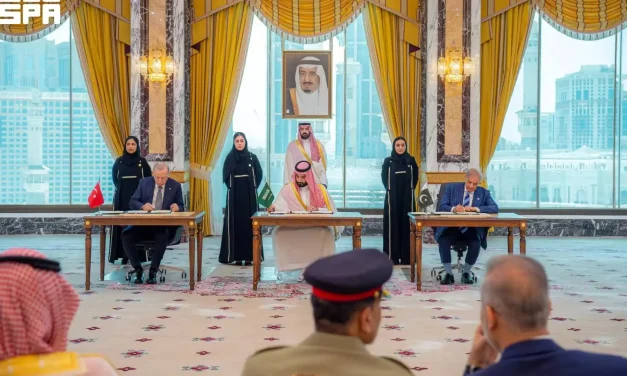
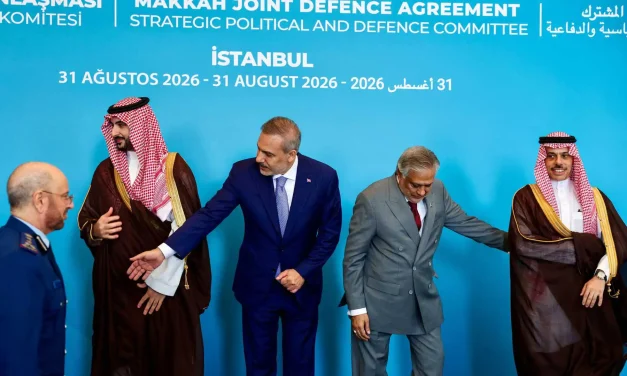
SCFR Online – Opinion: On Friday, August 7, the heads of state of three countries – Saudi Arabia, Turkey, and Pakistan – signed a text under the title “Makkah Joint Defense Agreement.”
Strategic Council Online – Note: The initiative to revive the Hejaz Railway, beyond being a transportation project, constitutes an attempt to redefine geopolitics, the economy, and Turkey’s regional position; however, its realization appears to face significant financial, security, and institutional challenges.
SCFR Online – Opinion: The Strait of Hormuz crisis is no longer merely the consequence of a military confrontation, but rather a sign of the transition from the US-centered maritime order to a new energy security structure involving the participation of emerging and influential powers.
SCFR Online – Opinion: Iran’s active deterrence strategy, while increasing the costs of US intervention, has increasingly exposed the hidden rifts between Washington’s interests and those of the Israeli regime.
SCFR Online – Opinion: The escalation of verbal and strategic tensions between Turkey and the Israeli regime, although not increasing the likelihood of direct war, indicates the formation of a new order in West Asian geopolitical rivalries.
Strategic Council Online – Note: Recent developments in the political geography of West Asia, from rising tensions in the Persian Gulf to missile and drone activities in the Red Sea and the recent warning by Kaja Kallas, the European Union’s foreign policy chief, regarding the threat to freedom of navigation, indicate a key pattern shift; the US-Iran war has moved beyond the scope of a regional and local confrontation and has linked two vital passageways for the global economy: the Strait of Hormuz and the Bab el-Mandeb Strait.
SCFR Online – Opinion: The Ukraine war was not merely a European crisis, but rather the starting point for the rearrangement of the global balance of power and a shift in the strategic behavior of great powers.
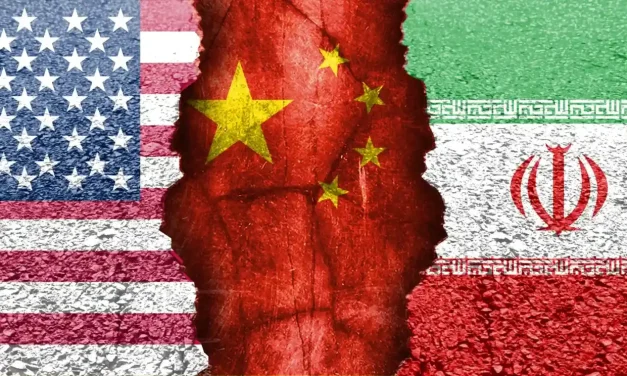
SCFR Online – Opinion: Great power competition is now pursued more in trade, currency, technology, and global supply chains than on the battlefields of military confrontation.
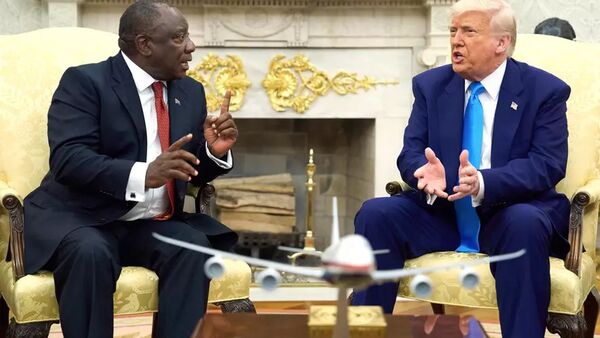
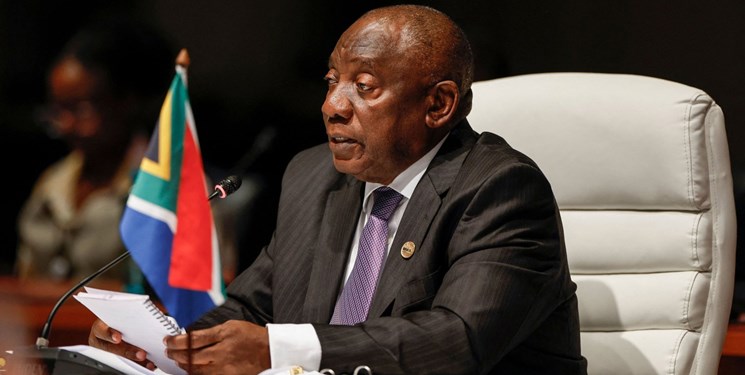
Strategic Council Online – Interview: Iran’s former ambassador to South Africa stated: “Trump’s decision to remove South Africa from the upcoming G20 summit is an irrational, reactionary decision lacking a legal basis. On one hand, it stems from Trump’s contemptuous and narcissistic outlook. On the other hand, it is a response to Pretoria’s prominent role in pursuing the legal case against the Israeli regime at the International Court of Justice.”
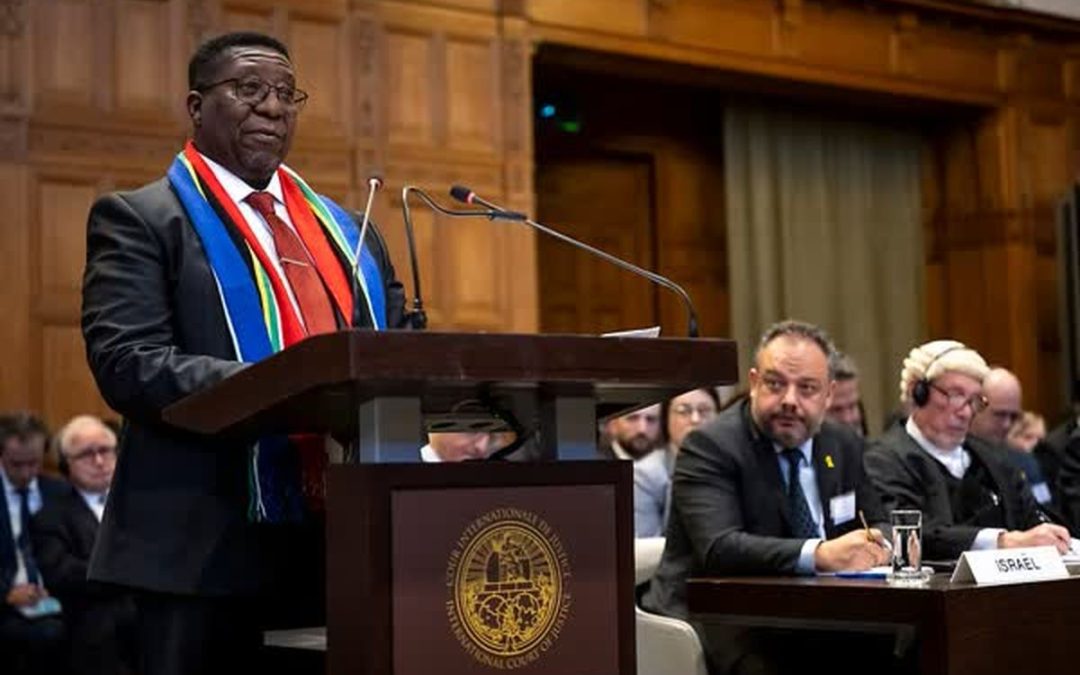
Strategic Council Online- Opinion: On February 12, the South African government once again appealed to The International Court of Justice (ICJ) to demand the indication of new measures in light of statements made by the Israeli prime minister’s office on the necessity of a military incursion into the Rafah region in the Gaza Strip and in light of subsequent operations conducted thereafter.
Strategic Council Online – Note: The recent provisional order indicated by the International Court of Justice on the “Application of the Convention on the Prevention and Punishment of the Crime of Genocide in the Gaza Strip (South Africa v. Israel) – if used astutely – could constitute a “turning point” in the struggle of civil advocates and governments committed to the Palestinian cause. Before this decision, two other significant legal instruments had been produced at the highest levels of the United Nations concerning Israel, but unfortunately – despite their remarkable potential – neither was adequately exploited by pro-Palestine governments – including the “Palestinian Authority” – due to lassitude in some instances, unwarranted prudence in others, or even the fear that engaging the Israeli regime in any manner on a formal stage could wrongly be construed as its “recognition.”
Reza Nasri – International Jurist
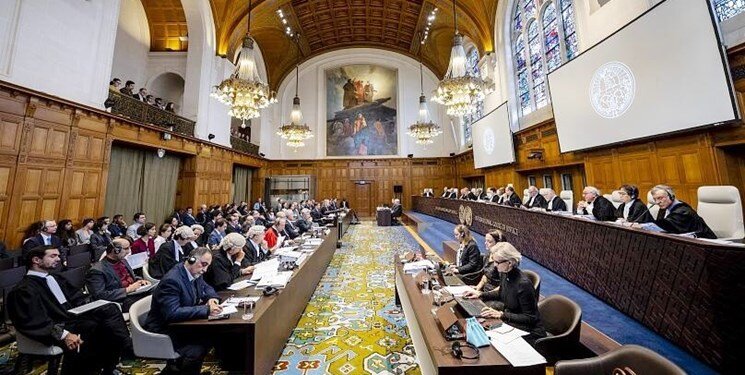
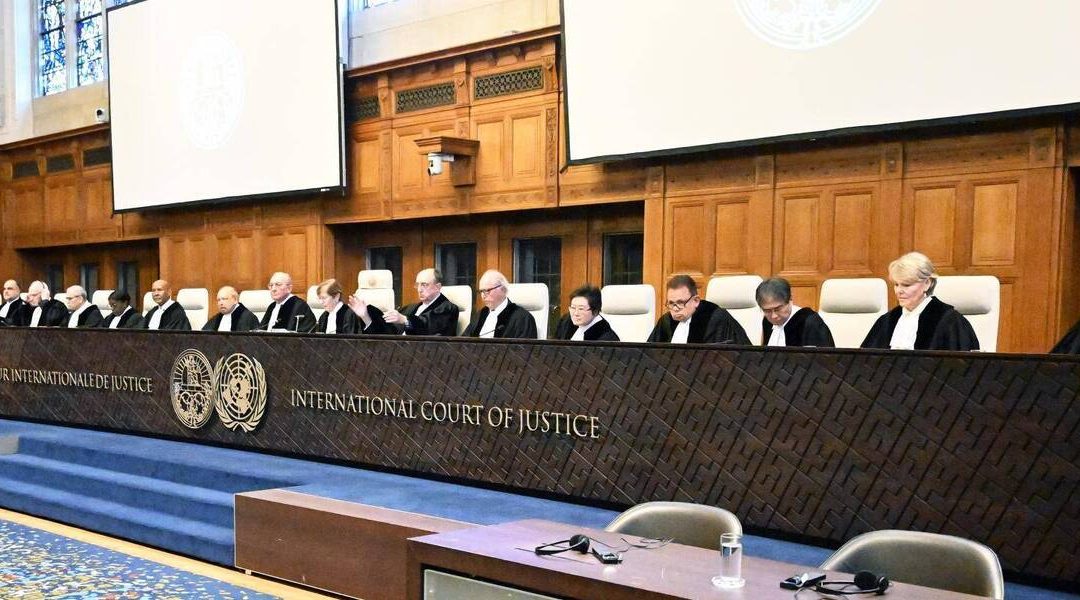
Strategic Council Online – Note: The International Court of Justice on Friday, 26 January 2024, announced its interim verdict regarding South Africa’s case against Israel for “committing the crime of genocide in Gaza” and the need to take extraordinary measures. According to this ruling, there is evidence of genocide in Gaza; Therefore, the court rejected a request by Israel to throw out the case.
Dr. Mohammad Mehdi Mazaheri – University Professor
Strategic Council Online—Interview: An expert on international law issues said that the judgment of the Hague Court on South Africa’s case against the Zionist regime is “unprecedented” because the plaintiff is not involved in the complaint and is not a party to the lawsuit, but as a member of the Convention against Torture and Genocide, could file this lawsuit and Africa South also used this opportunity in terms of political sensitivities.
Strategic Council Online – Interview: An international lawyer said: South Africa’s success in filing a lawsuit against the Zionist regime in the International Court of Justice is capable of immediate destruction of the image of that regime, the tool to maintain it, justification of the crimes of the regime, the main lever of its lobbies, achievements of its propaganda and psychological warfare, its “security building” capacity and the political future of its statesmen.
Strategic Council Online – Secretariat report: The BRICS group is an economic-political group consisting of the world’s emerging economies, which has been formed to reform global governance and avoid unilateralism of the United States of America.
Strategic Council Online – Interview: An expert on international affairs considered the Jeddah summit on the Ukraine crisis a step in the direction of efforts of Riyadh to display its independent international approach as much as possible and emphasized: By holding such meetings, Saudi Arabia tries to prepare the ground for the interaction of different groups, regardless of whether the talks lead to a result or not, to succeed in maintaining the interaction and communication channel with the relevant players, and strengthen the possibility of playing a so-called mediating and independent role.
Strategic Council Online – Opinion: Africa is the continent of “opportunities” with the largest natural resource reserves. Many call the current century the “century of Africa.” Six out of 10 countries with the highest economic growth in the world are African. In this sense, Africa has the second fastest growth of the world economy.
Hamid Khoshayand – Expert on international affairs
Strategic Council Online – Interview: An expert on Saudi affairs called Riyadh’s efforts to get closer and cooperate with BRICS as a continuation of the strategy of distancing itself from the US and the West and said: Riyadh does not like to give substantial free money to countries like Pakistan, Jordan, and Sudan, Egypt and other countries like in the past. The era of blank checks signed by Saudi Arabia is over for them, and in case there is going to help, it wants it to come back with a return on investment.
SCFR Online – Opinion: On Friday, August 7, the heads of state of three countries – Saudi Arabia, Turkey, and Pakistan – signed a text under the title “Makkah Joint Defense Agreement.”
Strategic Council Online – Note: The initiative to revive the Hejaz Railway, beyond being a transportation project, constitutes an attempt to redefine geopolitics, the economy, and Turkey’s regional position; however, its realization appears to face significant financial, security, and institutional challenges.
SCFR Online – Opinion: The Strait of Hormuz crisis is no longer merely the consequence of a military confrontation, but rather a sign of the transition from the US-centered maritime order to a new energy security structure involving the participation of emerging and influential powers.
SCFR Online – Opinion: Iran’s active deterrence strategy, while increasing the costs of US intervention, has increasingly exposed the hidden rifts between Washington’s interests and those of the Israeli regime.
SCFR Online – Opinion: The escalation of verbal and strategic tensions between Turkey and the Israeli regime, although not increasing the likelihood of direct war, indicates the formation of a new order in West Asian geopolitical rivalries.
Strategic Council Online – Note: Recent developments in the political geography of West Asia, from rising tensions in the Persian Gulf to missile and drone activities in the Red Sea and the recent warning by Kaja Kallas, the European Union’s foreign policy chief, regarding the threat to freedom of navigation, indicate a key pattern shift; the US-Iran war has moved beyond the scope of a regional and local confrontation and has linked two vital passageways for the global economy: the Strait of Hormuz and the Bab el-Mandeb Strait.
SCFR Online – Opinion: The Ukraine war was not merely a European crisis, but rather the starting point for the rearrangement of the global balance of power and a shift in the strategic behavior of great powers.
SCFR Online – Opinion: Great power competition is now pursued more in trade, currency, technology, and global supply chains than on the battlefields of military confrontation.
Strategic Council Online – Interview: Iran’s former ambassador to South Africa stated: “Trump’s decision to remove South Africa from the upcoming G20 summit is an irrational, reactionary decision lacking a legal basis. On one hand, it stems from Trump’s contemptuous and narcissistic outlook. On the other hand, it is a response to Pretoria’s prominent role in pursuing the legal case against the Israeli regime at the International Court of Justice.”
Strategic Council Online- Opinion: On February 12, the South African government once again appealed to The International Court of Justice (ICJ) to demand the indication of new measures in light of statements made by the Israeli prime minister’s office on the necessity of a military incursion into the Rafah region in the Gaza Strip and in light of subsequent operations conducted thereafter.
Strategic Council Online – Note: The recent provisional order indicated by the International Court of Justice on the “Application of the Convention on the Prevention and Punishment of the Crime of Genocide in the Gaza Strip (South Africa v. Israel) – if used astutely – could constitute a “turning point” in the struggle of civil advocates and governments committed to the Palestinian cause. Before this decision, two other significant legal instruments had been produced at the highest levels of the United Nations concerning Israel, but unfortunately – despite their remarkable potential – neither was adequately exploited by pro-Palestine governments – including the “Palestinian Authority” – due to lassitude in some instances, unwarranted prudence in others, or even the fear that engaging the Israeli regime in any manner on a formal stage could wrongly be construed as its “recognition.”
Reza Nasri – International Jurist
Strategic Council Online – Note: The International Court of Justice on Friday, 26 January 2024, announced its interim verdict regarding South Africa’s case against Israel for “committing the crime of genocide in Gaza” and the need to take extraordinary measures. According to this ruling, there is evidence of genocide in Gaza; Therefore, the court rejected a request by Israel to throw out the case.
Dr. Mohammad Mehdi Mazaheri – University Professor
Strategic Council Online—Interview: An expert on international law issues said that the judgment of the Hague Court on South Africa’s case against the Zionist regime is “unprecedented” because the plaintiff is not involved in the complaint and is not a party to the lawsuit, but as a member of the Convention against Torture and Genocide, could file this lawsuit and Africa South also used this opportunity in terms of political sensitivities.
Strategic Council Online – Interview: An international lawyer said: South Africa’s success in filing a lawsuit against the Zionist regime in the International Court of Justice is capable of immediate destruction of the image of that regime, the tool to maintain it, justification of the crimes of the regime, the main lever of its lobbies, achievements of its propaganda and psychological warfare, its “security building” capacity and the political future of its statesmen.
Strategic Council Online – Secretariat report: The BRICS group is an economic-political group consisting of the world’s emerging economies, which has been formed to reform global governance and avoid unilateralism of the United States of America.
Strategic Council Online – Interview: An expert on international affairs considered the Jeddah summit on the Ukraine crisis a step in the direction of efforts of Riyadh to display its independent international approach as much as possible and emphasized: By holding such meetings, Saudi Arabia tries to prepare the ground for the interaction of different groups, regardless of whether the talks lead to a result or not, to succeed in maintaining the interaction and communication channel with the relevant players, and strengthen the possibility of playing a so-called mediating and independent role.
Strategic Council Online – Opinion: Africa is the continent of “opportunities” with the largest natural resource reserves. Many call the current century the “century of Africa.” Six out of 10 countries with the highest economic growth in the world are African. In this sense, Africa has the second fastest growth of the world economy.
Hamid Khoshayand – Expert on international affairs
Strategic Council Online – Interview: An expert on Saudi affairs called Riyadh’s efforts to get closer and cooperate with BRICS as a continuation of the strategy of distancing itself from the US and the West and said: Riyadh does not like to give substantial free money to countries like Pakistan, Jordan, and Sudan, Egypt and other countries like in the past. The era of blank checks signed by Saudi Arabia is over for them, and in case there is going to help, it wants it to come back with a return on investment.
Strategic Council Online – Interview: Iran’s former ambassador to South Africa stated: “Trump’s decision to remove South Africa from the upcoming G20 summit is an irrational, reactionary decision lacking a legal basis. On one hand, it stems from Trump’s contemptuous and narcissistic outlook. On the other hand, it is a response to Pretoria’s prominent role in pursuing the legal case against the Israeli regime at the International Court of Justice.”
Strategic Council Online- Opinion: On February 12, the South African government once again appealed to The International Court of Justice (ICJ) to demand the indication of new measures in light of statements made by the Israeli prime minister’s office on the necessity of a military incursion into the Rafah region in the Gaza Strip and in light of subsequent operations conducted thereafter.
Strategic Council Online – Note: The recent provisional order indicated by the International Court of Justice on the “Application of the Convention on the Prevention and Punishment of the Crime of Genocide in the Gaza Strip (South Africa v. Israel) – if used astutely – could constitute a “turning point” in the struggle of civil advocates and governments committed to the Palestinian cause. Before this decision, two other significant legal instruments had been produced at the highest levels of the United Nations concerning Israel, but unfortunately – despite their remarkable potential – neither was adequately exploited by pro-Palestine governments – including the “Palestinian Authority” – due to lassitude in some instances, unwarranted prudence in others, or even the fear that engaging the Israeli regime in any manner on a formal stage could wrongly be construed as its “recognition.”
Reza Nasri – International Jurist
Strategic Council Online – Note: The International Court of Justice on Friday, 26 January 2024, announced its interim verdict regarding South Africa’s case against Israel for “committing the crime of genocide in Gaza” and the need to take extraordinary measures. According to this ruling, there is evidence of genocide in Gaza; Therefore, the court rejected a request by Israel to throw out the case.
Dr. Mohammad Mehdi Mazaheri – University Professor
Strategic Council Online—Interview: An expert on international law issues said that the judgment of the Hague Court on South Africa’s case against the Zionist regime is “unprecedented” because the plaintiff is not involved in the complaint and is not a party to the lawsuit, but as a member of the Convention against Torture and Genocide, could file this lawsuit and Africa South also used this opportunity in terms of political sensitivities.
Strategic Council Online – Interview: An international lawyer said: South Africa’s success in filing a lawsuit against the Zionist regime in the International Court of Justice is capable of immediate destruction of the image of that regime, the tool to maintain it, justification of the crimes of the regime, the main lever of its lobbies, achievements of its propaganda and psychological warfare, its “security building” capacity and the political future of its statesmen.
Strategic Council Online – Secretariat report: The BRICS group is an economic-political group consisting of the world’s emerging economies, which has been formed to reform global governance and avoid unilateralism of the United States of America.
Strategic Council Online – Interview: An expert on international affairs considered the Jeddah summit on the Ukraine crisis a step in the direction of efforts of Riyadh to display its independent international approach as much as possible and emphasized: By holding such meetings, Saudi Arabia tries to prepare the ground for the interaction of different groups, regardless of whether the talks lead to a result or not, to succeed in maintaining the interaction and communication channel with the relevant players, and strengthen the possibility of playing a so-called mediating and independent role.
Strategic Council Online – Opinion: Africa is the continent of “opportunities” with the largest natural resource reserves. Many call the current century the “century of Africa.” Six out of 10 countries with the highest economic growth in the world are African. In this sense, Africa has the second fastest growth of the world economy.
Hamid Khoshayand – Expert on international affairs
Strategic Council Online – Interview: An expert on Saudi affairs called Riyadh’s efforts to get closer and cooperate with BRICS as a continuation of the strategy of distancing itself from the US and the West and said: Riyadh does not like to give substantial free money to countries like Pakistan, Jordan, and Sudan, Egypt and other countries like in the past. The era of blank checks signed by Saudi Arabia is over for them, and in case there is going to help, it wants it to come back with a return on investment.
SCFR Online – Opinion: On Friday, August 7, the heads of state of three countries – Saudi Arabia, Turkey, and Pakistan – signed a text under the title “Makkah Joint Defense Agreement.”
Strategic Council Online – Note: The initiative to revive the Hejaz Railway, beyond being a transportation project, constitutes an attempt to redefine geopolitics, the economy, and Turkey’s regional position; however, its realization appears to face significant financial, security, and institutional challenges.
SCFR Online – Opinion: The Strait of Hormuz crisis is no longer merely the consequence of a military confrontation, but rather a sign of the transition from the US-centered maritime order to a new energy security structure involving the participation of emerging and influential powers.
SCFR Online – Opinion: Iran’s active deterrence strategy, while increasing the costs of US intervention, has increasingly exposed the hidden rifts between Washington’s interests and those of the Israeli regime.
SCFR Online – Opinion: The escalation of verbal and strategic tensions between Turkey and the Israeli regime, although not increasing the likelihood of direct war, indicates the formation of a new order in West Asian geopolitical rivalries.
Strategic Council Online – Note: Recent developments in the political geography of West Asia, from rising tensions in the Persian Gulf to missile and drone activities in the Red Sea and the recent warning by Kaja Kallas, the European Union’s foreign policy chief, regarding the threat to freedom of navigation, indicate a key pattern shift; the US-Iran war has moved beyond the scope of a regional and local confrontation and has linked two vital passageways for the global economy: the Strait of Hormuz and the Bab el-Mandeb Strait.
SCFR Online – Opinion: The Ukraine war was not merely a European crisis, but rather the starting point for the rearrangement of the global balance of power and a shift in the strategic behavior of great powers.
SCFR Online – Opinion: Great power competition is now pursued more in trade, currency, technology, and global supply chains than on the battlefields of military confrontation.
Strategic Council Online – Interview: Iran’s former ambassador to South Africa stated: “Trump’s decision to remove South Africa from the upcoming G20 summit is an irrational, reactionary decision lacking a legal basis. On one hand, it stems from Trump’s contemptuous and narcissistic outlook. On the other hand, it is a response to Pretoria’s prominent role in pursuing the legal case against the Israeli regime at the International Court of Justice.”
Strategic Council Online- Opinion: On February 12, the South African government once again appealed to The International Court of Justice (ICJ) to demand the indication of new measures in light of statements made by the Israeli prime minister’s office on the necessity of a military incursion into the Rafah region in the Gaza Strip and in light of subsequent operations conducted thereafter.
Strategic Council Online – Note: The recent provisional order indicated by the International Court of Justice on the “Application of the Convention on the Prevention and Punishment of the Crime of Genocide in the Gaza Strip (South Africa v. Israel) – if used astutely – could constitute a “turning point” in the struggle of civil advocates and governments committed to the Palestinian cause. Before this decision, two other significant legal instruments had been produced at the highest levels of the United Nations concerning Israel, but unfortunately – despite their remarkable potential – neither was adequately exploited by pro-Palestine governments – including the “Palestinian Authority” – due to lassitude in some instances, unwarranted prudence in others, or even the fear that engaging the Israeli regime in any manner on a formal stage could wrongly be construed as its “recognition.”
Reza Nasri – International Jurist
Strategic Council Online – Note: The International Court of Justice on Friday, 26 January 2024, announced its interim verdict regarding South Africa’s case against Israel for “committing the crime of genocide in Gaza” and the need to take extraordinary measures. According to this ruling, there is evidence of genocide in Gaza; Therefore, the court rejected a request by Israel to throw out the case.
Dr. Mohammad Mehdi Mazaheri – University Professor
Strategic Council Online—Interview: An expert on international law issues said that the judgment of the Hague Court on South Africa’s case against the Zionist regime is “unprecedented” because the plaintiff is not involved in the complaint and is not a party to the lawsuit, but as a member of the Convention against Torture and Genocide, could file this lawsuit and Africa South also used this opportunity in terms of political sensitivities.
Strategic Council Online – Interview: An international lawyer said: South Africa’s success in filing a lawsuit against the Zionist regime in the International Court of Justice is capable of immediate destruction of the image of that regime, the tool to maintain it, justification of the crimes of the regime, the main lever of its lobbies, achievements of its propaganda and psychological warfare, its “security building” capacity and the political future of its statesmen.
Strategic Council Online – Secretariat report: The BRICS group is an economic-political group consisting of the world’s emerging economies, which has been formed to reform global governance and avoid unilateralism of the United States of America.
Strategic Council Online – Interview: An expert on international affairs considered the Jeddah summit on the Ukraine crisis a step in the direction of efforts of Riyadh to display its independent international approach as much as possible and emphasized: By holding such meetings, Saudi Arabia tries to prepare the ground for the interaction of different groups, regardless of whether the talks lead to a result or not, to succeed in maintaining the interaction and communication channel with the relevant players, and strengthen the possibility of playing a so-called mediating and independent role.
Strategic Council Online – Opinion: Africa is the continent of “opportunities” with the largest natural resource reserves. Many call the current century the “century of Africa.” Six out of 10 countries with the highest economic growth in the world are African. In this sense, Africa has the second fastest growth of the world economy.
Hamid Khoshayand – Expert on international affairs
Strategic Council Online – Interview: An expert on Saudi affairs called Riyadh’s efforts to get closer and cooperate with BRICS as a continuation of the strategy of distancing itself from the US and the West and said: Riyadh does not like to give substantial free money to countries like Pakistan, Jordan, and Sudan, Egypt and other countries like in the past. The era of blank checks signed by Saudi Arabia is over for them, and in case there is going to help, it wants it to come back with a return on investment.
SCFR Online – Opinion: On Friday, August 7, the heads of state of three countries – Saudi Arabia, Turkey, and Pakistan – signed a text under the title “Makkah Joint Defense Agreement.”
Strategic Council Online – Note: The initiative to revive the Hejaz Railway, beyond being a transportation project, constitutes an attempt to redefine geopolitics, the economy, and Turkey’s regional position; however, its realization appears to face significant financial, security, and institutional challenges.
SCFR Online – Opinion: The Strait of Hormuz crisis is no longer merely the consequence of a military confrontation, but rather a sign of the transition from the US-centered maritime order to a new energy security structure involving the participation of emerging and influential powers.
SCFR Online – Opinion: Iran’s active deterrence strategy, while increasing the costs of US intervention, has increasingly exposed the hidden rifts between Washington’s interests and those of the Israeli regime.
SCFR Online – Opinion: The escalation of verbal and strategic tensions between Turkey and the Israeli regime, although not increasing the likelihood of direct war, indicates the formation of a new order in West Asian geopolitical rivalries.
Strategic Council Online – Note: Recent developments in the political geography of West Asia, from rising tensions in the Persian Gulf to missile and drone activities in the Red Sea and the recent warning by Kaja Kallas, the European Union’s foreign policy chief, regarding the threat to freedom of navigation, indicate a key pattern shift; the US-Iran war has moved beyond the scope of a regional and local confrontation and has linked two vital passageways for the global economy: the Strait of Hormuz and the Bab el-Mandeb Strait.
SCFR Online – Opinion: The Ukraine war was not merely a European crisis, but rather the starting point for the rearrangement of the global balance of power and a shift in the strategic behavior of great powers.
SCFR Online – Opinion: Great power competition is now pursued more in trade, currency, technology, and global supply chains than on the battlefields of military confrontation.
Strategic Council Online – Interview: Iran’s former ambassador to South Africa stated: “Trump’s decision to remove South Africa from the upcoming G20 summit is an irrational, reactionary decision lacking a legal basis. On one hand, it stems from Trump’s contemptuous and narcissistic outlook. On the other hand, it is a response to Pretoria’s prominent role in pursuing the legal case against the Israeli regime at the International Court of Justice.”
Strategic Council Online- Opinion: On February 12, the South African government once again appealed to The International Court of Justice (ICJ) to demand the indication of new measures in light of statements made by the Israeli prime minister’s office on the necessity of a military incursion into the Rafah region in the Gaza Strip and in light of subsequent operations conducted thereafter.
Strategic Council Online – Note: The recent provisional order indicated by the International Court of Justice on the “Application of the Convention on the Prevention and Punishment of the Crime of Genocide in the Gaza Strip (South Africa v. Israel) – if used astutely – could constitute a “turning point” in the struggle of civil advocates and governments committed to the Palestinian cause. Before this decision, two other significant legal instruments had been produced at the highest levels of the United Nations concerning Israel, but unfortunately – despite their remarkable potential – neither was adequately exploited by pro-Palestine governments – including the “Palestinian Authority” – due to lassitude in some instances, unwarranted prudence in others, or even the fear that engaging the Israeli regime in any manner on a formal stage could wrongly be construed as its “recognition.”
Reza Nasri – International Jurist
Strategic Council Online – Note: The International Court of Justice on Friday, 26 January 2024, announced its interim verdict regarding South Africa’s case against Israel for “committing the crime of genocide in Gaza” and the need to take extraordinary measures. According to this ruling, there is evidence of genocide in Gaza; Therefore, the court rejected a request by Israel to throw out the case.
Dr. Mohammad Mehdi Mazaheri – University Professor
Strategic Council Online—Interview: An expert on international law issues said that the judgment of the Hague Court on South Africa’s case against the Zionist regime is “unprecedented” because the plaintiff is not involved in the complaint and is not a party to the lawsuit, but as a member of the Convention against Torture and Genocide, could file this lawsuit and Africa South also used this opportunity in terms of political sensitivities.
Strategic Council Online – Interview: An international lawyer said: South Africa’s success in filing a lawsuit against the Zionist regime in the International Court of Justice is capable of immediate destruction of the image of that regime, the tool to maintain it, justification of the crimes of the regime, the main lever of its lobbies, achievements of its propaganda and psychological warfare, its “security building” capacity and the political future of its statesmen.
Strategic Council Online – Secretariat report: The BRICS group is an economic-political group consisting of the world’s emerging economies, which has been formed to reform global governance and avoid unilateralism of the United States of America.
Strategic Council Online – Interview: An expert on international affairs considered the Jeddah summit on the Ukraine crisis a step in the direction of efforts of Riyadh to display its independent international approach as much as possible and emphasized: By holding such meetings, Saudi Arabia tries to prepare the ground for the interaction of different groups, regardless of whether the talks lead to a result or not, to succeed in maintaining the interaction and communication channel with the relevant players, and strengthen the possibility of playing a so-called mediating and independent role.
Strategic Council Online – Opinion: Africa is the continent of “opportunities” with the largest natural resource reserves. Many call the current century the “century of Africa.” Six out of 10 countries with the highest economic growth in the world are African. In this sense, Africa has the second fastest growth of the world economy.
Hamid Khoshayand – Expert on international affairs
Strategic Council Online – Interview: An expert on Saudi affairs called Riyadh’s efforts to get closer and cooperate with BRICS as a continuation of the strategy of distancing itself from the US and the West and said: Riyadh does not like to give substantial free money to countries like Pakistan, Jordan, and Sudan, Egypt and other countries like in the past. The era of blank checks signed by Saudi Arabia is over for them, and in case there is going to help, it wants it to come back with a return on investment.
SCFR Online – Opinion: On Friday, August 7, the heads of state of three countries – Saudi Arabia, Turkey, and Pakistan – signed a text under the title “Makkah Joint Defense Agreement.”
Strategic Council Online – Note: The initiative to revive the Hejaz Railway, beyond being a transportation project, constitutes an attempt to redefine geopolitics, the economy, and Turkey’s regional position; however, its realization appears to face significant financial, security, and institutional challenges.
SCFR Online – Opinion: The Strait of Hormuz crisis is no longer merely the consequence of a military confrontation, but rather a sign of the transition from the US-centered maritime order to a new energy security structure involving the participation of emerging and influential powers.
SCFR Online – Opinion: Iran’s active deterrence strategy, while increasing the costs of US intervention, has increasingly exposed the hidden rifts between Washington’s interests and those of the Israeli regime.
SCFR Online – Opinion: The escalation of verbal and strategic tensions between Turkey and the Israeli regime, although not increasing the likelihood of direct war, indicates the formation of a new order in West Asian geopolitical rivalries.
Strategic Council Online – Note: Recent developments in the political geography of West Asia, from rising tensions in the Persian Gulf to missile and drone activities in the Red Sea and the recent warning by Kaja Kallas, the European Union’s foreign policy chief, regarding the threat to freedom of navigation, indicate a key pattern shift; the US-Iran war has moved beyond the scope of a regional and local confrontation and has linked two vital passageways for the global economy: the Strait of Hormuz and the Bab el-Mandeb Strait.
SCFR Online – Opinion: The Ukraine war was not merely a European crisis, but rather the starting point for the rearrangement of the global balance of power and a shift in the strategic behavior of great powers.
SCFR Online – Opinion: Great power competition is now pursued more in trade, currency, technology, and global supply chains than on the battlefields of military confrontation.
Strategic Council Online – Interview: Iran’s former ambassador to South Africa stated: “Trump’s decision to remove South Africa from the upcoming G20 summit is an irrational, reactionary decision lacking a legal basis. On one hand, it stems from Trump’s contemptuous and narcissistic outlook. On the other hand, it is a response to Pretoria’s prominent role in pursuing the legal case against the Israeli regime at the International Court of Justice.”
Strategic Council Online- Opinion: On February 12, the South African government once again appealed to The International Court of Justice (ICJ) to demand the indication of new measures in light of statements made by the Israeli prime minister’s office on the necessity of a military incursion into the Rafah region in the Gaza Strip and in light of subsequent operations conducted thereafter.
Strategic Council Online – Note: The recent provisional order indicated by the International Court of Justice on the “Application of the Convention on the Prevention and Punishment of the Crime of Genocide in the Gaza Strip (South Africa v. Israel) – if used astutely – could constitute a “turning point” in the struggle of civil advocates and governments committed to the Palestinian cause. Before this decision, two other significant legal instruments had been produced at the highest levels of the United Nations concerning Israel, but unfortunately – despite their remarkable potential – neither was adequately exploited by pro-Palestine governments – including the “Palestinian Authority” – due to lassitude in some instances, unwarranted prudence in others, or even the fear that engaging the Israeli regime in any manner on a formal stage could wrongly be construed as its “recognition.”
Reza Nasri – International Jurist
Strategic Council Online – Note: The International Court of Justice on Friday, 26 January 2024, announced its interim verdict regarding South Africa’s case against Israel for “committing the crime of genocide in Gaza” and the need to take extraordinary measures. According to this ruling, there is evidence of genocide in Gaza; Therefore, the court rejected a request by Israel to throw out the case.
Dr. Mohammad Mehdi Mazaheri – University Professor
Strategic Council Online—Interview: An expert on international law issues said that the judgment of the Hague Court on South Africa’s case against the Zionist regime is “unprecedented” because the plaintiff is not involved in the complaint and is not a party to the lawsuit, but as a member of the Convention against Torture and Genocide, could file this lawsuit and Africa South also used this opportunity in terms of political sensitivities.
Strategic Council Online – Interview: An international lawyer said: South Africa’s success in filing a lawsuit against the Zionist regime in the International Court of Justice is capable of immediate destruction of the image of that regime, the tool to maintain it, justification of the crimes of the regime, the main lever of its lobbies, achievements of its propaganda and psychological warfare, its “security building” capacity and the political future of its statesmen.
Strategic Council Online – Secretariat report: The BRICS group is an economic-political group consisting of the world’s emerging economies, which has been formed to reform global governance and avoid unilateralism of the United States of America.
Strategic Council Online – Interview: An expert on international affairs considered the Jeddah summit on the Ukraine crisis a step in the direction of efforts of Riyadh to display its independent international approach as much as possible and emphasized: By holding such meetings, Saudi Arabia tries to prepare the ground for the interaction of different groups, regardless of whether the talks lead to a result or not, to succeed in maintaining the interaction and communication channel with the relevant players, and strengthen the possibility of playing a so-called mediating and independent role.
Strategic Council Online – Opinion: Africa is the continent of “opportunities” with the largest natural resource reserves. Many call the current century the “century of Africa.” Six out of 10 countries with the highest economic growth in the world are African. In this sense, Africa has the second fastest growth of the world economy.
Hamid Khoshayand – Expert on international affairs
Strategic Council Online – Interview: An expert on Saudi affairs called Riyadh’s efforts to get closer and cooperate with BRICS as a continuation of the strategy of distancing itself from the US and the West and said: Riyadh does not like to give substantial free money to countries like Pakistan, Jordan, and Sudan, Egypt and other countries like in the past. The era of blank checks signed by Saudi Arabia is over for them, and in case there is going to help, it wants it to come back with a return on investment.
SCFR Online – Opinion: On Friday, August 7, the heads of state of three countries – Saudi Arabia, Turkey, and Pakistan – signed a text under the title “Makkah Joint Defense Agreement.”
Strategic Council Online – Note: The initiative to revive the Hejaz Railway, beyond being a transportation project, constitutes an attempt to redefine geopolitics, the economy, and Turkey’s regional position; however, its realization appears to face significant financial, security, and institutional challenges.
SCFR Online – Opinion: The Strait of Hormuz crisis is no longer merely the consequence of a military confrontation, but rather a sign of the transition from the US-centered maritime order to a new energy security structure involving the participation of emerging and influential powers.
SCFR Online – Opinion: Iran’s active deterrence strategy, while increasing the costs of US intervention, has increasingly exposed the hidden rifts between Washington’s interests and those of the Israeli regime.
SCFR Online – Opinion: The escalation of verbal and strategic tensions between Turkey and the Israeli regime, although not increasing the likelihood of direct war, indicates the formation of a new order in West Asian geopolitical rivalries.
Strategic Council Online – Note: Recent developments in the political geography of West Asia, from rising tensions in the Persian Gulf to missile and drone activities in the Red Sea and the recent warning by Kaja Kallas, the European Union’s foreign policy chief, regarding the threat to freedom of navigation, indicate a key pattern shift; the US-Iran war has moved beyond the scope of a regional and local confrontation and has linked two vital passageways for the global economy: the Strait of Hormuz and the Bab el-Mandeb Strait.
SCFR Online – Opinion: The Ukraine war was not merely a European crisis, but rather the starting point for the rearrangement of the global balance of power and a shift in the strategic behavior of great powers.
SCFR Online – Opinion: Great power competition is now pursued more in trade, currency, technology, and global supply chains than on the battlefields of military confrontation.
Strategic Council Online – Interview: Iran’s former ambassador to South Africa stated: “Trump’s decision to remove South Africa from the upcoming G20 summit is an irrational, reactionary decision lacking a legal basis. On one hand, it stems from Trump’s contemptuous and narcissistic outlook. On the other hand, it is a response to Pretoria’s prominent role in pursuing the legal case against the Israeli regime at the International Court of Justice.”
Strategic Council Online- Opinion: On February 12, the South African government once again appealed to The International Court of Justice (ICJ) to demand the indication of new measures in light of statements made by the Israeli prime minister’s office on the necessity of a military incursion into the Rafah region in the Gaza Strip and in light of subsequent operations conducted thereafter.
Strategic Council Online – Note: The recent provisional order indicated by the International Court of Justice on the “Application of the Convention on the Prevention and Punishment of the Crime of Genocide in the Gaza Strip (South Africa v. Israel) – if used astutely – could constitute a “turning point” in the struggle of civil advocates and governments committed to the Palestinian cause. Before this decision, two other significant legal instruments had been produced at the highest levels of the United Nations concerning Israel, but unfortunately – despite their remarkable potential – neither was adequately exploited by pro-Palestine governments – including the “Palestinian Authority” – due to lassitude in some instances, unwarranted prudence in others, or even the fear that engaging the Israeli regime in any manner on a formal stage could wrongly be construed as its “recognition.”
Reza Nasri – International Jurist
Strategic Council Online – Note: The International Court of Justice on Friday, 26 January 2024, announced its interim verdict regarding South Africa’s case against Israel for “committing the crime of genocide in Gaza” and the need to take extraordinary measures. According to this ruling, there is evidence of genocide in Gaza; Therefore, the court rejected a request by Israel to throw out the case.
Dr. Mohammad Mehdi Mazaheri – University Professor
Strategic Council Online—Interview: An expert on international law issues said that the judgment of the Hague Court on South Africa’s case against the Zionist regime is “unprecedented” because the plaintiff is not involved in the complaint and is not a party to the lawsuit, but as a member of the Convention against Torture and Genocide, could file this lawsuit and Africa South also used this opportunity in terms of political sensitivities.
Strategic Council Online – Interview: An international lawyer said: South Africa’s success in filing a lawsuit against the Zionist regime in the International Court of Justice is capable of immediate destruction of the image of that regime, the tool to maintain it, justification of the crimes of the regime, the main lever of its lobbies, achievements of its propaganda and psychological warfare, its “security building” capacity and the political future of its statesmen.
Strategic Council Online – Secretariat report: The BRICS group is an economic-political group consisting of the world’s emerging economies, which has been formed to reform global governance and avoid unilateralism of the United States of America.
Strategic Council Online – Interview: An expert on international affairs considered the Jeddah summit on the Ukraine crisis a step in the direction of efforts of Riyadh to display its independent international approach as much as possible and emphasized: By holding such meetings, Saudi Arabia tries to prepare the ground for the interaction of different groups, regardless of whether the talks lead to a result or not, to succeed in maintaining the interaction and communication channel with the relevant players, and strengthen the possibility of playing a so-called mediating and independent role.
Strategic Council Online – Opinion: Africa is the continent of “opportunities” with the largest natural resource reserves. Many call the current century the “century of Africa.” Six out of 10 countries with the highest economic growth in the world are African. In this sense, Africa has the second fastest growth of the world economy.
Hamid Khoshayand – Expert on international affairs
Strategic Council Online – Interview: An expert on Saudi affairs called Riyadh’s efforts to get closer and cooperate with BRICS as a continuation of the strategy of distancing itself from the US and the West and said: Riyadh does not like to give substantial free money to countries like Pakistan, Jordan, and Sudan, Egypt and other countries like in the past. The era of blank checks signed by Saudi Arabia is over for them, and in case there is going to help, it wants it to come back with a return on investment.
SCFR Online – Opinion: On Friday, August 7, the heads of state of three countries – Saudi Arabia, Turkey, and Pakistan – signed a text under the title “Makkah Joint Defense Agreement.”
Strategic Council Online – Note: The initiative to revive the Hejaz Railway, beyond being a transportation project, constitutes an attempt to redefine geopolitics, the economy, and Turkey’s regional position; however, its realization appears to face significant financial, security, and institutional challenges.
SCFR Online – Opinion: The Strait of Hormuz crisis is no longer merely the consequence of a military confrontation, but rather a sign of the transition from the US-centered maritime order to a new energy security structure involving the participation of emerging and influential powers.
SCFR Online – Opinion: Iran’s active deterrence strategy, while increasing the costs of US intervention, has increasingly exposed the hidden rifts between Washington’s interests and those of the Israeli regime.
SCFR Online – Opinion: The escalation of verbal and strategic tensions between Turkey and the Israeli regime, although not increasing the likelihood of direct war, indicates the formation of a new order in West Asian geopolitical rivalries.
Strategic Council Online – Note: Recent developments in the political geography of West Asia, from rising tensions in the Persian Gulf to missile and drone activities in the Red Sea and the recent warning by Kaja Kallas, the European Union’s foreign policy chief, regarding the threat to freedom of navigation, indicate a key pattern shift; the US-Iran war has moved beyond the scope of a regional and local confrontation and has linked two vital passageways for the global economy: the Strait of Hormuz and the Bab el-Mandeb Strait.
SCFR Online – Opinion: The Ukraine war was not merely a European crisis, but rather the starting point for the rearrangement of the global balance of power and a shift in the strategic behavior of great powers.
SCFR Online – Opinion: Great power competition is now pursued more in trade, currency, technology, and global supply chains than on the battlefields of military confrontation.