جدیدترین مطالب

China’s Rejection of US Sanctions; Strengthening Iran’s Geopolitical Leverage

SCFR Online – Opinion: Concurrent with the official commencement of the United States’ economic war against our country, focusing on sanctions instruments, isolation, and economic pressure, what has now become increasingly important is the lack of alignment of other major global powers, especially China, with this policy.

The Makkah Pact; Reasons for its Formation and Challenges Ahead

SCFR Online – Opinion: The Makkah Pact, signed between Saudi Arabia, Pakistan, and Turkey under the motto “an attack on one is an attack on all,” is viewed by some analysts less as a full-fledged military coalition and more as an attempt to reduce security dependence on an external power and to establish a regional security mechanism.

Implications of the US-Saudi Nuclear Agreement

SCFR Online – Opinion: The new US-Saudi nuclear agreement, despite legal and political ambiguities, could alter previous non-proliferation standards in West Asia and intensify nuclear competition, ushering it into a new phase.

An Analysis of Recent Turkey-Israeli Regime Tensions

SCFR Online – Opinion: Recent developments in Syria indicate an intensification of strategic rivalry between Turkey and the Israeli regime, but mutual considerations and the role of the United States have limited the likelihood of direct war.

Loading

Terrorism

Prospect of NATO Presence in Persian Gulf

Prospect of NATO Presence in Persian Gulf

Strategic Council Online – An expert on geopolitical affairs commenting on NATO cooperation with Arab states, especially those in the Persian Gulf, said: Countries such as the UAE and Saudi Arabia since their independence had been under British tutelage and were totally dependent on that country and after Britain withdrew from east of the Suez Canal, the United States replaced it. In fact, the Arab states of the Persian Gulf think that by setting up their bases Western countries would provide them with security, but this is not the case, as we see today that Saudi Arabia is the target of the Yemeni missiles.

Objectives of NATO in increasing military forces in Iraq

Objectives of NATO in increasing military forces in Iraq

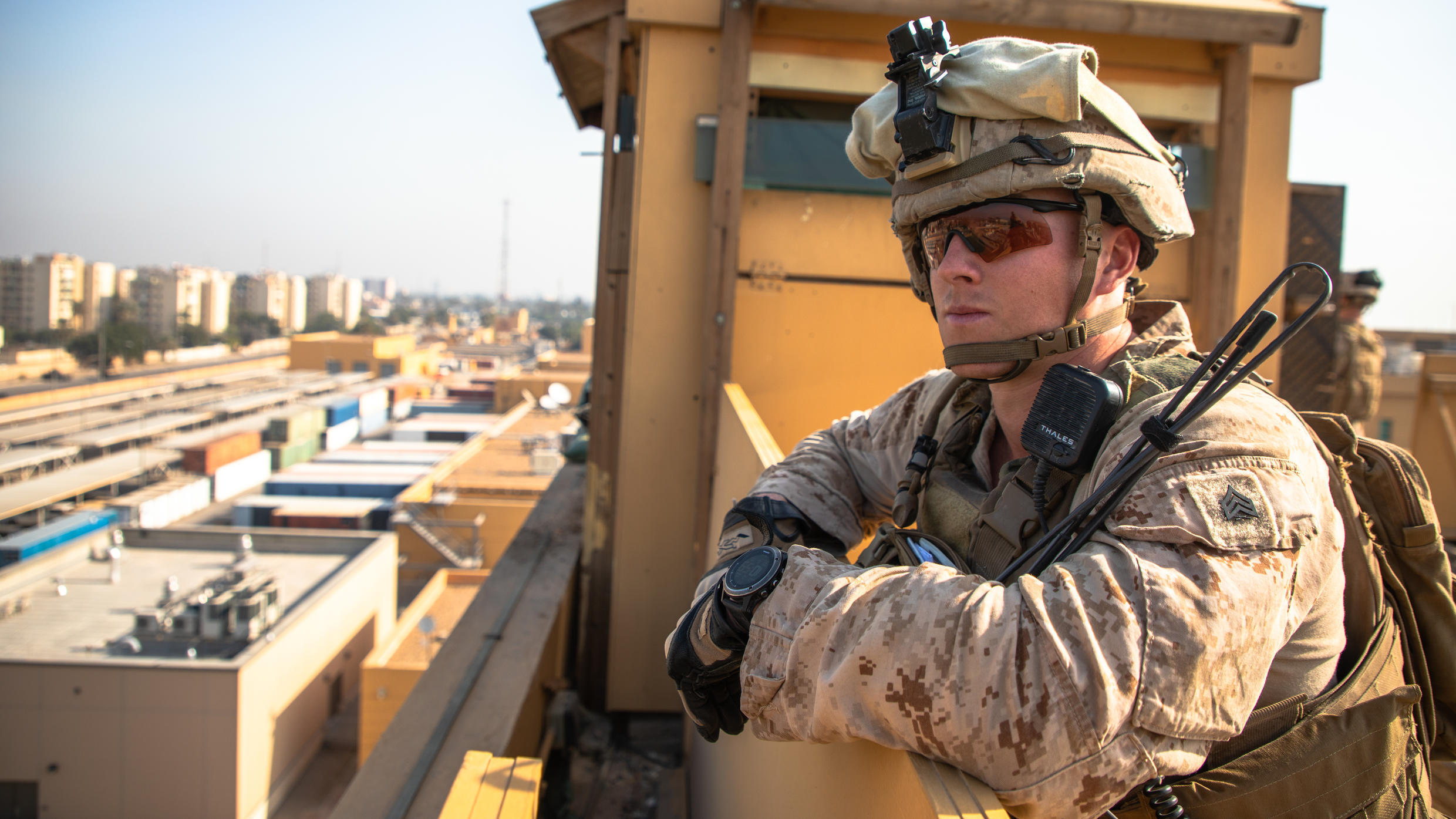
Strategic Council Online—Interview: A university professor says re-stationing of American military personnel in Iraq, giving legitimacy to their presence and weakening the status of Hashd al-Shabi in Iraq are the main objectives of NATO’s decision to increase the number of its military forces in Iraq by eight times, adding that if there is no serious determination by foreign players to make Iraq insecure, Iraqi forces can guarantee security in the fight against terrorism.

Importance of and Reason for Iran’s Interaction with Taliban

Importance of and Reason for Iran’s Interaction with Taliban

Strategic Council Online – Although for a long time, governments were the most important and only players in international politics and power was the first and most important determinant of international equations, in recent decades and with the emergence of non-governmental players, we have been witness to their role-playing.
Hamid Khoshayand – Expert on International Affairs

Legacy of Martyr Soleimani; Axis of Resistance, New Political-Security Structure & Special & Lasting Military Command

Legacy of Martyr Soleimani; Axis of Resistance, New Political-Security Structure & Special & Lasting Military Command

Strategic Council Online – Special Assistant to the IRI Parliament Speaker for International Affairs, stating that General Soleimani was able to launch new political-security arrangements in the region called “Axis of Resistance”, noted: “Using the capacity of diplomacy and personal power in negotiations with all foreign parties, has left another unique policy in the field of negotiations from General Soleimani.”

Position of Biden and Trump in Terms of Electoral Components

Position of Biden and Trump in Terms of Electoral Components

Strategic Council Online – Biden believes in the threats that Trump has made to US interests and national security over the past four years, such as threats to Iran, China, North Korea, or the threat posed by terrorism, but believes that the approach to face such threats is multilateral. That is to say, he will try again to revive transatlantic relations, including relations with Europe, whether, within the NATO, the European Union or bilateral relations, and also will advance the issue of Iran and Joint Comprehensive Plan of Action (JCPOA) within the framework of the same JCPOA mechanism.
Tahmoures Gholami – Expert on American Affairs

Falling Oil Prices & Decline of Militarism in the MENA

Falling Oil Prices & Decline of Militarism in the MENA

Strategic Council Online: An expert on political economy said that until now the treasury of the Persian Gulf Arab states was the unofficial treasury of the Americans, adding that this type of funding will practically be cut with the falling oil prices because the Arab states themselves are faced with budget deficits and cannot afford supporting US terrorist schemes in the region.

Russia-Turkey Agreement and Prospect of Sustained Ceasefire in Idlib

Russia-Turkey Agreement and Prospect of Sustained Ceasefire in Idlib

Strategic Council Online: An expert on Middle East affairs said that the ceasefire agreement between Russia and Turkey is more likely to be in Syria’s favour. He said, given Turkey’s plight in Syria as well as the capability of the Syrian government and army to drive foreign forces out of their country, Turkey has to accept a new agreement.

A Look at Turkey’s Challenges in Syria

A Look at Turkey’s Challenges in Syria

Strategic Council Online: An expert on Turkish issues has called Ankara’s policies toward Syria “ambitious” and said that under the current conditions Turkey faces challenges in the field of terrorism, the Syrian refugee crisis and the Kurdish separatism near its border that may face its internal security with a challenge.

Differences in NATO & France’s Adjustments in Its Turkey Stance

Differences in NATO & France’s Adjustments in Its Turkey Stance

Strategic Council Online: An expert on European affairs, referring to a quartet summit of Europe and Turkey on Syria on the sidelines of the NATO summit in London, said: Turkey has been seeking a series of political concessions over developments in northern Syria in recent years.

أحدث الوظائف

China’s Rejection of US Sanctions; Strengthening Iran’s Geopolitical Leverage

SCFR Online – Opinion: Concurrent with the official commencement of the United States’ economic war against our country, focusing on sanctions instruments, isolation, and economic pressure, what has now become increasingly important is the lack of alignment of other major global powers, especially China, with this policy.

The Makkah Pact; Reasons for its Formation and Challenges Ahead

SCFR Online – Opinion: The Makkah Pact, signed between Saudi Arabia, Pakistan, and Turkey under the motto “an attack on one is an attack on all,” is viewed by some analysts less as a full-fledged military coalition and more as an attempt to reduce security dependence on an external power and to establish a regional security mechanism.

Implications of the US-Saudi Nuclear Agreement

SCFR Online – Opinion: The new US-Saudi nuclear agreement, despite legal and political ambiguities, could alter previous non-proliferation standards in West Asia and intensify nuclear competition, ushering it into a new phase.

An Analysis of Recent Turkey-Israeli Regime Tensions

SCFR Online – Opinion: Recent developments in Syria indicate an intensification of strategic rivalry between Turkey and the Israeli regime, but mutual considerations and the role of the United States have limited the likelihood of direct war.

Loading

Terrorism

Prospect of NATO Presence in Persian Gulf

Prospect of NATO Presence in Persian Gulf

Strategic Council Online – An expert on geopolitical affairs commenting on NATO cooperation with Arab states, especially those in the Persian Gulf, said: Countries such as the UAE and Saudi Arabia since their independence had been under British tutelage and were totally dependent on that country and after Britain withdrew from east of the Suez Canal, the United States replaced it. In fact, the Arab states of the Persian Gulf think that by setting up their bases Western countries would provide them with security, but this is not the case, as we see today that Saudi Arabia is the target of the Yemeni missiles.

Objectives of NATO in increasing military forces in Iraq

Objectives of NATO in increasing military forces in Iraq

Strategic Council Online—Interview: A university professor says re-stationing of American military personnel in Iraq, giving legitimacy to their presence and weakening the status of Hashd al-Shabi in Iraq are the main objectives of NATO’s decision to increase the number of its military forces in Iraq by eight times, adding that if there is no serious determination by foreign players to make Iraq insecure, Iraqi forces can guarantee security in the fight against terrorism.

Importance of and Reason for Iran’s Interaction with Taliban

Importance of and Reason for Iran’s Interaction with Taliban

Strategic Council Online – Although for a long time, governments were the most important and only players in international politics and power was the first and most important determinant of international equations, in recent decades and with the emergence of non-governmental players, we have been witness to their role-playing.
Hamid Khoshayand – Expert on International Affairs

Legacy of Martyr Soleimani; Axis of Resistance, New Political-Security Structure & Special & Lasting Military Command

Legacy of Martyr Soleimani; Axis of Resistance, New Political-Security Structure & Special & Lasting Military Command

Strategic Council Online – Special Assistant to the IRI Parliament Speaker for International Affairs, stating that General Soleimani was able to launch new political-security arrangements in the region called “Axis of Resistance”, noted: “Using the capacity of diplomacy and personal power in negotiations with all foreign parties, has left another unique policy in the field of negotiations from General Soleimani.”

Position of Biden and Trump in Terms of Electoral Components

Position of Biden and Trump in Terms of Electoral Components

Strategic Council Online – Biden believes in the threats that Trump has made to US interests and national security over the past four years, such as threats to Iran, China, North Korea, or the threat posed by terrorism, but believes that the approach to face such threats is multilateral. That is to say, he will try again to revive transatlantic relations, including relations with Europe, whether, within the NATO, the European Union or bilateral relations, and also will advance the issue of Iran and Joint Comprehensive Plan of Action (JCPOA) within the framework of the same JCPOA mechanism.
Tahmoures Gholami – Expert on American Affairs

Falling Oil Prices & Decline of Militarism in the MENA

Falling Oil Prices & Decline of Militarism in the MENA

Strategic Council Online: An expert on political economy said that until now the treasury of the Persian Gulf Arab states was the unofficial treasury of the Americans, adding that this type of funding will practically be cut with the falling oil prices because the Arab states themselves are faced with budget deficits and cannot afford supporting US terrorist schemes in the region.

Russia-Turkey Agreement and Prospect of Sustained Ceasefire in Idlib

Russia-Turkey Agreement and Prospect of Sustained Ceasefire in Idlib

Strategic Council Online: An expert on Middle East affairs said that the ceasefire agreement between Russia and Turkey is more likely to be in Syria’s favour. He said, given Turkey’s plight in Syria as well as the capability of the Syrian government and army to drive foreign forces out of their country, Turkey has to accept a new agreement.

A Look at Turkey’s Challenges in Syria

A Look at Turkey’s Challenges in Syria

Strategic Council Online: An expert on Turkish issues has called Ankara’s policies toward Syria “ambitious” and said that under the current conditions Turkey faces challenges in the field of terrorism, the Syrian refugee crisis and the Kurdish separatism near its border that may face its internal security with a challenge.

Differences in NATO & France’s Adjustments in Its Turkey Stance

Differences in NATO & France’s Adjustments in Its Turkey Stance

Strategic Council Online: An expert on European affairs, referring to a quartet summit of Europe and Turkey on Syria on the sidelines of the NATO summit in London, said: Turkey has been seeking a series of political concessions over developments in northern Syria in recent years.

Terrorism

Prospect of NATO Presence in Persian Gulf

Prospect of NATO Presence in Persian Gulf

Strategic Council Online – An expert on geopolitical affairs commenting on NATO cooperation with Arab states, especially those in the Persian Gulf, said: Countries such as the UAE and Saudi Arabia since their independence had been under British tutelage and were totally dependent on that country and after Britain withdrew from east of the Suez Canal, the United States replaced it. In fact, the Arab states of the Persian Gulf think that by setting up their bases Western countries would provide them with security, but this is not the case, as we see today that Saudi Arabia is the target of the Yemeni missiles.

Objectives of NATO in increasing military forces in Iraq

Objectives of NATO in increasing military forces in Iraq

Strategic Council Online—Interview: A university professor says re-stationing of American military personnel in Iraq, giving legitimacy to their presence and weakening the status of Hashd al-Shabi in Iraq are the main objectives of NATO’s decision to increase the number of its military forces in Iraq by eight times, adding that if there is no serious determination by foreign players to make Iraq insecure, Iraqi forces can guarantee security in the fight against terrorism.

Importance of and Reason for Iran’s Interaction with Taliban

Importance of and Reason for Iran’s Interaction with Taliban

Strategic Council Online – Although for a long time, governments were the most important and only players in international politics and power was the first and most important determinant of international equations, in recent decades and with the emergence of non-governmental players, we have been witness to their role-playing.
Hamid Khoshayand – Expert on International Affairs

Legacy of Martyr Soleimani; Axis of Resistance, New Political-Security Structure & Special & Lasting Military Command

Legacy of Martyr Soleimani; Axis of Resistance, New Political-Security Structure & Special & Lasting Military Command

Strategic Council Online – Special Assistant to the IRI Parliament Speaker for International Affairs, stating that General Soleimani was able to launch new political-security arrangements in the region called “Axis of Resistance”, noted: “Using the capacity of diplomacy and personal power in negotiations with all foreign parties, has left another unique policy in the field of negotiations from General Soleimani.”

Position of Biden and Trump in Terms of Electoral Components

Position of Biden and Trump in Terms of Electoral Components

Strategic Council Online – Biden believes in the threats that Trump has made to US interests and national security over the past four years, such as threats to Iran, China, North Korea, or the threat posed by terrorism, but believes that the approach to face such threats is multilateral. That is to say, he will try again to revive transatlantic relations, including relations with Europe, whether, within the NATO, the European Union or bilateral relations, and also will advance the issue of Iran and Joint Comprehensive Plan of Action (JCPOA) within the framework of the same JCPOA mechanism.
Tahmoures Gholami – Expert on American Affairs

Falling Oil Prices & Decline of Militarism in the MENA

Falling Oil Prices & Decline of Militarism in the MENA

Strategic Council Online: An expert on political economy said that until now the treasury of the Persian Gulf Arab states was the unofficial treasury of the Americans, adding that this type of funding will practically be cut with the falling oil prices because the Arab states themselves are faced with budget deficits and cannot afford supporting US terrorist schemes in the region.

Russia-Turkey Agreement and Prospect of Sustained Ceasefire in Idlib

Russia-Turkey Agreement and Prospect of Sustained Ceasefire in Idlib

Strategic Council Online: An expert on Middle East affairs said that the ceasefire agreement between Russia and Turkey is more likely to be in Syria’s favour. He said, given Turkey’s plight in Syria as well as the capability of the Syrian government and army to drive foreign forces out of their country, Turkey has to accept a new agreement.

A Look at Turkey’s Challenges in Syria

A Look at Turkey’s Challenges in Syria

Strategic Council Online: An expert on Turkish issues has called Ankara’s policies toward Syria “ambitious” and said that under the current conditions Turkey faces challenges in the field of terrorism, the Syrian refugee crisis and the Kurdish separatism near its border that may face its internal security with a challenge.

Differences in NATO & France’s Adjustments in Its Turkey Stance

Differences in NATO & France’s Adjustments in Its Turkey Stance

Strategic Council Online: An expert on European affairs, referring to a quartet summit of Europe and Turkey on Syria on the sidelines of the NATO summit in London, said: Turkey has been seeking a series of political concessions over developments in northern Syria in recent years.

LATEST CONTENT

China’s Rejection of US Sanctions; Strengthening Iran’s Geopolitical Leverage

SCFR Online – Opinion: Concurrent with the official commencement of the United States’ economic war against our country, focusing on sanctions instruments, isolation, and economic pressure, what has now become increasingly important is the lack of alignment of other major global powers, especially China, with this policy.

The Makkah Pact; Reasons for its Formation and Challenges Ahead

SCFR Online – Opinion: The Makkah Pact, signed between Saudi Arabia, Pakistan, and Turkey under the motto “an attack on one is an attack on all,” is viewed by some analysts less as a full-fledged military coalition and more as an attempt to reduce security dependence on an external power and to establish a regional security mechanism.

Implications of the US-Saudi Nuclear Agreement

SCFR Online – Opinion: The new US-Saudi nuclear agreement, despite legal and political ambiguities, could alter previous non-proliferation standards in West Asia and intensify nuclear competition, ushering it into a new phase.

An Analysis of Recent Turkey-Israeli Regime Tensions

SCFR Online – Opinion: Recent developments in Syria indicate an intensification of strategic rivalry between Turkey and the Israeli regime, but mutual considerations and the role of the United States have limited the likelihood of direct war.

Loading

Terrorism

Prospect of NATO Presence in Persian Gulf

Prospect of NATO Presence in Persian Gulf

Strategic Council Online – An expert on geopolitical affairs commenting on NATO cooperation with Arab states, especially those in the Persian Gulf, said: Countries such as the UAE and Saudi Arabia since their independence had been under British tutelage and were totally dependent on that country and after Britain withdrew from east of the Suez Canal, the United States replaced it. In fact, the Arab states of the Persian Gulf think that by setting up their bases Western countries would provide them with security, but this is not the case, as we see today that Saudi Arabia is the target of the Yemeni missiles.

Objectives of NATO in increasing military forces in Iraq

Objectives of NATO in increasing military forces in Iraq

Strategic Council Online—Interview: A university professor says re-stationing of American military personnel in Iraq, giving legitimacy to their presence and weakening the status of Hashd al-Shabi in Iraq are the main objectives of NATO’s decision to increase the number of its military forces in Iraq by eight times, adding that if there is no serious determination by foreign players to make Iraq insecure, Iraqi forces can guarantee security in the fight against terrorism.

Importance of and Reason for Iran’s Interaction with Taliban

Importance of and Reason for Iran’s Interaction with Taliban

Strategic Council Online – Although for a long time, governments were the most important and only players in international politics and power was the first and most important determinant of international equations, in recent decades and with the emergence of non-governmental players, we have been witness to their role-playing.
Hamid Khoshayand – Expert on International Affairs

Legacy of Martyr Soleimani; Axis of Resistance, New Political-Security Structure & Special & Lasting Military Command

Legacy of Martyr Soleimani; Axis of Resistance, New Political-Security Structure & Special & Lasting Military Command

Strategic Council Online – Special Assistant to the IRI Parliament Speaker for International Affairs, stating that General Soleimani was able to launch new political-security arrangements in the region called “Axis of Resistance”, noted: “Using the capacity of diplomacy and personal power in negotiations with all foreign parties, has left another unique policy in the field of negotiations from General Soleimani.”

Position of Biden and Trump in Terms of Electoral Components

Position of Biden and Trump in Terms of Electoral Components

Strategic Council Online – Biden believes in the threats that Trump has made to US interests and national security over the past four years, such as threats to Iran, China, North Korea, or the threat posed by terrorism, but believes that the approach to face such threats is multilateral. That is to say, he will try again to revive transatlantic relations, including relations with Europe, whether, within the NATO, the European Union or bilateral relations, and also will advance the issue of Iran and Joint Comprehensive Plan of Action (JCPOA) within the framework of the same JCPOA mechanism.
Tahmoures Gholami – Expert on American Affairs

Falling Oil Prices & Decline of Militarism in the MENA

Falling Oil Prices & Decline of Militarism in the MENA

Strategic Council Online: An expert on political economy said that until now the treasury of the Persian Gulf Arab states was the unofficial treasury of the Americans, adding that this type of funding will practically be cut with the falling oil prices because the Arab states themselves are faced with budget deficits and cannot afford supporting US terrorist schemes in the region.

Russia-Turkey Agreement and Prospect of Sustained Ceasefire in Idlib

Russia-Turkey Agreement and Prospect of Sustained Ceasefire in Idlib

Strategic Council Online: An expert on Middle East affairs said that the ceasefire agreement between Russia and Turkey is more likely to be in Syria’s favour. He said, given Turkey’s plight in Syria as well as the capability of the Syrian government and army to drive foreign forces out of their country, Turkey has to accept a new agreement.

A Look at Turkey’s Challenges in Syria

A Look at Turkey’s Challenges in Syria

Strategic Council Online: An expert on Turkish issues has called Ankara’s policies toward Syria “ambitious” and said that under the current conditions Turkey faces challenges in the field of terrorism, the Syrian refugee crisis and the Kurdish separatism near its border that may face its internal security with a challenge.

Differences in NATO & France’s Adjustments in Its Turkey Stance

Differences in NATO & France’s Adjustments in Its Turkey Stance

Strategic Council Online: An expert on European affairs, referring to a quartet summit of Europe and Turkey on Syria on the sidelines of the NATO summit in London, said: Turkey has been seeking a series of political concessions over developments in northern Syria in recent years.

ÚLTIMAS PUBLICACIONES

China’s Rejection of US Sanctions; Strengthening Iran’s Geopolitical Leverage

SCFR Online – Opinion: Concurrent with the official commencement of the United States’ economic war against our country, focusing on sanctions instruments, isolation, and economic pressure, what has now become increasingly important is the lack of alignment of other major global powers, especially China, with this policy.

The Makkah Pact; Reasons for its Formation and Challenges Ahead

SCFR Online – Opinion: The Makkah Pact, signed between Saudi Arabia, Pakistan, and Turkey under the motto “an attack on one is an attack on all,” is viewed by some analysts less as a full-fledged military coalition and more as an attempt to reduce security dependence on an external power and to establish a regional security mechanism.

Implications of the US-Saudi Nuclear Agreement

SCFR Online – Opinion: The new US-Saudi nuclear agreement, despite legal and political ambiguities, could alter previous non-proliferation standards in West Asia and intensify nuclear competition, ushering it into a new phase.

An Analysis of Recent Turkey-Israeli Regime Tensions

SCFR Online – Opinion: Recent developments in Syria indicate an intensification of strategic rivalry between Turkey and the Israeli regime, but mutual considerations and the role of the United States have limited the likelihood of direct war.

Loading

Terrorism

Prospect of NATO Presence in Persian Gulf

Prospect of NATO Presence in Persian Gulf

Strategic Council Online – An expert on geopolitical affairs commenting on NATO cooperation with Arab states, especially those in the Persian Gulf, said: Countries such as the UAE and Saudi Arabia since their independence had been under British tutelage and were totally dependent on that country and after Britain withdrew from east of the Suez Canal, the United States replaced it. In fact, the Arab states of the Persian Gulf think that by setting up their bases Western countries would provide them with security, but this is not the case, as we see today that Saudi Arabia is the target of the Yemeni missiles.

Objectives of NATO in increasing military forces in Iraq

Objectives of NATO in increasing military forces in Iraq

Strategic Council Online—Interview: A university professor says re-stationing of American military personnel in Iraq, giving legitimacy to their presence and weakening the status of Hashd al-Shabi in Iraq are the main objectives of NATO’s decision to increase the number of its military forces in Iraq by eight times, adding that if there is no serious determination by foreign players to make Iraq insecure, Iraqi forces can guarantee security in the fight against terrorism.

Importance of and Reason for Iran’s Interaction with Taliban

Importance of and Reason for Iran’s Interaction with Taliban

Strategic Council Online – Although for a long time, governments were the most important and only players in international politics and power was the first and most important determinant of international equations, in recent decades and with the emergence of non-governmental players, we have been witness to their role-playing.
Hamid Khoshayand – Expert on International Affairs

Legacy of Martyr Soleimani; Axis of Resistance, New Political-Security Structure & Special & Lasting Military Command

Legacy of Martyr Soleimani; Axis of Resistance, New Political-Security Structure & Special & Lasting Military Command

Strategic Council Online – Special Assistant to the IRI Parliament Speaker for International Affairs, stating that General Soleimani was able to launch new political-security arrangements in the region called “Axis of Resistance”, noted: “Using the capacity of diplomacy and personal power in negotiations with all foreign parties, has left another unique policy in the field of negotiations from General Soleimani.”

Position of Biden and Trump in Terms of Electoral Components

Position of Biden and Trump in Terms of Electoral Components

Strategic Council Online – Biden believes in the threats that Trump has made to US interests and national security over the past four years, such as threats to Iran, China, North Korea, or the threat posed by terrorism, but believes that the approach to face such threats is multilateral. That is to say, he will try again to revive transatlantic relations, including relations with Europe, whether, within the NATO, the European Union or bilateral relations, and also will advance the issue of Iran and Joint Comprehensive Plan of Action (JCPOA) within the framework of the same JCPOA mechanism.
Tahmoures Gholami – Expert on American Affairs

Falling Oil Prices & Decline of Militarism in the MENA

Falling Oil Prices & Decline of Militarism in the MENA

Strategic Council Online: An expert on political economy said that until now the treasury of the Persian Gulf Arab states was the unofficial treasury of the Americans, adding that this type of funding will practically be cut with the falling oil prices because the Arab states themselves are faced with budget deficits and cannot afford supporting US terrorist schemes in the region.

Russia-Turkey Agreement and Prospect of Sustained Ceasefire in Idlib

Russia-Turkey Agreement and Prospect of Sustained Ceasefire in Idlib

Strategic Council Online: An expert on Middle East affairs said that the ceasefire agreement between Russia and Turkey is more likely to be in Syria’s favour. He said, given Turkey’s plight in Syria as well as the capability of the Syrian government and army to drive foreign forces out of their country, Turkey has to accept a new agreement.

A Look at Turkey’s Challenges in Syria

A Look at Turkey’s Challenges in Syria

Strategic Council Online: An expert on Turkish issues has called Ankara’s policies toward Syria “ambitious” and said that under the current conditions Turkey faces challenges in the field of terrorism, the Syrian refugee crisis and the Kurdish separatism near its border that may face its internal security with a challenge.

Differences in NATO & France’s Adjustments in Its Turkey Stance

Differences in NATO & France’s Adjustments in Its Turkey Stance

Strategic Council Online: An expert on European affairs, referring to a quartet summit of Europe and Turkey on Syria on the sidelines of the NATO summit in London, said: Turkey has been seeking a series of political concessions over developments in northern Syria in recent years.

ÚLTIMAS PUBLICACIONES

China’s Rejection of US Sanctions; Strengthening Iran’s Geopolitical Leverage

SCFR Online – Opinion: Concurrent with the official commencement of the United States’ economic war against our country, focusing on sanctions instruments, isolation, and economic pressure, what has now become increasingly important is the lack of alignment of other major global powers, especially China, with this policy.

The Makkah Pact; Reasons for its Formation and Challenges Ahead

SCFR Online – Opinion: The Makkah Pact, signed between Saudi Arabia, Pakistan, and Turkey under the motto “an attack on one is an attack on all,” is viewed by some analysts less as a full-fledged military coalition and more as an attempt to reduce security dependence on an external power and to establish a regional security mechanism.

Implications of the US-Saudi Nuclear Agreement

SCFR Online – Opinion: The new US-Saudi nuclear agreement, despite legal and political ambiguities, could alter previous non-proliferation standards in West Asia and intensify nuclear competition, ushering it into a new phase.

An Analysis of Recent Turkey-Israeli Regime Tensions

SCFR Online – Opinion: Recent developments in Syria indicate an intensification of strategic rivalry between Turkey and the Israeli regime, but mutual considerations and the role of the United States have limited the likelihood of direct war.

Loading

Terrorism

Prospect of NATO Presence in Persian Gulf

Prospect of NATO Presence in Persian Gulf

Strategic Council Online – An expert on geopolitical affairs commenting on NATO cooperation with Arab states, especially those in the Persian Gulf, said: Countries such as the UAE and Saudi Arabia since their independence had been under British tutelage and were totally dependent on that country and after Britain withdrew from east of the Suez Canal, the United States replaced it. In fact, the Arab states of the Persian Gulf think that by setting up their bases Western countries would provide them with security, but this is not the case, as we see today that Saudi Arabia is the target of the Yemeni missiles.

Objectives of NATO in increasing military forces in Iraq

Objectives of NATO in increasing military forces in Iraq

Strategic Council Online—Interview: A university professor says re-stationing of American military personnel in Iraq, giving legitimacy to their presence and weakening the status of Hashd al-Shabi in Iraq are the main objectives of NATO’s decision to increase the number of its military forces in Iraq by eight times, adding that if there is no serious determination by foreign players to make Iraq insecure, Iraqi forces can guarantee security in the fight against terrorism.

Importance of and Reason for Iran’s Interaction with Taliban

Importance of and Reason for Iran’s Interaction with Taliban

Strategic Council Online – Although for a long time, governments were the most important and only players in international politics and power was the first and most important determinant of international equations, in recent decades and with the emergence of non-governmental players, we have been witness to their role-playing.
Hamid Khoshayand – Expert on International Affairs

Legacy of Martyr Soleimani; Axis of Resistance, New Political-Security Structure & Special & Lasting Military Command

Legacy of Martyr Soleimani; Axis of Resistance, New Political-Security Structure & Special & Lasting Military Command

Strategic Council Online – Special Assistant to the IRI Parliament Speaker for International Affairs, stating that General Soleimani was able to launch new political-security arrangements in the region called “Axis of Resistance”, noted: “Using the capacity of diplomacy and personal power in negotiations with all foreign parties, has left another unique policy in the field of negotiations from General Soleimani.”

Position of Biden and Trump in Terms of Electoral Components

Position of Biden and Trump in Terms of Electoral Components

Strategic Council Online – Biden believes in the threats that Trump has made to US interests and national security over the past four years, such as threats to Iran, China, North Korea, or the threat posed by terrorism, but believes that the approach to face such threats is multilateral. That is to say, he will try again to revive transatlantic relations, including relations with Europe, whether, within the NATO, the European Union or bilateral relations, and also will advance the issue of Iran and Joint Comprehensive Plan of Action (JCPOA) within the framework of the same JCPOA mechanism.
Tahmoures Gholami – Expert on American Affairs

Falling Oil Prices & Decline of Militarism in the MENA

Falling Oil Prices & Decline of Militarism in the MENA

Strategic Council Online: An expert on political economy said that until now the treasury of the Persian Gulf Arab states was the unofficial treasury of the Americans, adding that this type of funding will practically be cut with the falling oil prices because the Arab states themselves are faced with budget deficits and cannot afford supporting US terrorist schemes in the region.

Russia-Turkey Agreement and Prospect of Sustained Ceasefire in Idlib

Russia-Turkey Agreement and Prospect of Sustained Ceasefire in Idlib

Strategic Council Online: An expert on Middle East affairs said that the ceasefire agreement between Russia and Turkey is more likely to be in Syria’s favour. He said, given Turkey’s plight in Syria as well as the capability of the Syrian government and army to drive foreign forces out of their country, Turkey has to accept a new agreement.

A Look at Turkey’s Challenges in Syria

A Look at Turkey’s Challenges in Syria

Strategic Council Online: An expert on Turkish issues has called Ankara’s policies toward Syria “ambitious” and said that under the current conditions Turkey faces challenges in the field of terrorism, the Syrian refugee crisis and the Kurdish separatism near its border that may face its internal security with a challenge.

Differences in NATO & France’s Adjustments in Its Turkey Stance

Differences in NATO & France’s Adjustments in Its Turkey Stance

Strategic Council Online: An expert on European affairs, referring to a quartet summit of Europe and Turkey on Syria on the sidelines of the NATO summit in London, said: Turkey has been seeking a series of political concessions over developments in northern Syria in recent years.

ÚLTIMAS PUBLICACIONES

China’s Rejection of US Sanctions; Strengthening Iran’s Geopolitical Leverage

SCFR Online – Opinion: Concurrent with the official commencement of the United States’ economic war against our country, focusing on sanctions instruments, isolation, and economic pressure, what has now become increasingly important is the lack of alignment of other major global powers, especially China, with this policy.

The Makkah Pact; Reasons for its Formation and Challenges Ahead

SCFR Online – Opinion: The Makkah Pact, signed between Saudi Arabia, Pakistan, and Turkey under the motto “an attack on one is an attack on all,” is viewed by some analysts less as a full-fledged military coalition and more as an attempt to reduce security dependence on an external power and to establish a regional security mechanism.

Implications of the US-Saudi Nuclear Agreement

SCFR Online – Opinion: The new US-Saudi nuclear agreement, despite legal and political ambiguities, could alter previous non-proliferation standards in West Asia and intensify nuclear competition, ushering it into a new phase.

An Analysis of Recent Turkey-Israeli Regime Tensions

SCFR Online – Opinion: Recent developments in Syria indicate an intensification of strategic rivalry between Turkey and the Israeli regime, but mutual considerations and the role of the United States have limited the likelihood of direct war.

Loading

Terrorism

Prospect of NATO Presence in Persian Gulf

Prospect of NATO Presence in Persian Gulf

Strategic Council Online – An expert on geopolitical affairs commenting on NATO cooperation with Arab states, especially those in the Persian Gulf, said: Countries such as the UAE and Saudi Arabia since their independence had been under British tutelage and were totally dependent on that country and after Britain withdrew from east of the Suez Canal, the United States replaced it. In fact, the Arab states of the Persian Gulf think that by setting up their bases Western countries would provide them with security, but this is not the case, as we see today that Saudi Arabia is the target of the Yemeni missiles.

Objectives of NATO in increasing military forces in Iraq

Objectives of NATO in increasing military forces in Iraq

Strategic Council Online—Interview: A university professor says re-stationing of American military personnel in Iraq, giving legitimacy to their presence and weakening the status of Hashd al-Shabi in Iraq are the main objectives of NATO’s decision to increase the number of its military forces in Iraq by eight times, adding that if there is no serious determination by foreign players to make Iraq insecure, Iraqi forces can guarantee security in the fight against terrorism.

Importance of and Reason for Iran’s Interaction with Taliban

Importance of and Reason for Iran’s Interaction with Taliban

Strategic Council Online – Although for a long time, governments were the most important and only players in international politics and power was the first and most important determinant of international equations, in recent decades and with the emergence of non-governmental players, we have been witness to their role-playing.
Hamid Khoshayand – Expert on International Affairs

Legacy of Martyr Soleimani; Axis of Resistance, New Political-Security Structure & Special & Lasting Military Command

Legacy of Martyr Soleimani; Axis of Resistance, New Political-Security Structure & Special & Lasting Military Command

Strategic Council Online – Special Assistant to the IRI Parliament Speaker for International Affairs, stating that General Soleimani was able to launch new political-security arrangements in the region called “Axis of Resistance”, noted: “Using the capacity of diplomacy and personal power in negotiations with all foreign parties, has left another unique policy in the field of negotiations from General Soleimani.”

Position of Biden and Trump in Terms of Electoral Components

Position of Biden and Trump in Terms of Electoral Components

Strategic Council Online – Biden believes in the threats that Trump has made to US interests and national security over the past four years, such as threats to Iran, China, North Korea, or the threat posed by terrorism, but believes that the approach to face such threats is multilateral. That is to say, he will try again to revive transatlantic relations, including relations with Europe, whether, within the NATO, the European Union or bilateral relations, and also will advance the issue of Iran and Joint Comprehensive Plan of Action (JCPOA) within the framework of the same JCPOA mechanism.
Tahmoures Gholami – Expert on American Affairs

Falling Oil Prices & Decline of Militarism in the MENA

Falling Oil Prices & Decline of Militarism in the MENA

Strategic Council Online: An expert on political economy said that until now the treasury of the Persian Gulf Arab states was the unofficial treasury of the Americans, adding that this type of funding will practically be cut with the falling oil prices because the Arab states themselves are faced with budget deficits and cannot afford supporting US terrorist schemes in the region.

Russia-Turkey Agreement and Prospect of Sustained Ceasefire in Idlib

Russia-Turkey Agreement and Prospect of Sustained Ceasefire in Idlib

Strategic Council Online: An expert on Middle East affairs said that the ceasefire agreement between Russia and Turkey is more likely to be in Syria’s favour. He said, given Turkey’s plight in Syria as well as the capability of the Syrian government and army to drive foreign forces out of their country, Turkey has to accept a new agreement.

A Look at Turkey’s Challenges in Syria

A Look at Turkey’s Challenges in Syria

Strategic Council Online: An expert on Turkish issues has called Ankara’s policies toward Syria “ambitious” and said that under the current conditions Turkey faces challenges in the field of terrorism, the Syrian refugee crisis and the Kurdish separatism near its border that may face its internal security with a challenge.

Differences in NATO & France’s Adjustments in Its Turkey Stance

Differences in NATO & France’s Adjustments in Its Turkey Stance

Strategic Council Online: An expert on European affairs, referring to a quartet summit of Europe and Turkey on Syria on the sidelines of the NATO summit in London, said: Turkey has been seeking a series of political concessions over developments in northern Syria in recent years.

ÚLTIMAS PUBLICACIONES

China’s Rejection of US Sanctions; Strengthening Iran’s Geopolitical Leverage

SCFR Online – Opinion: Concurrent with the official commencement of the United States’ economic war against our country, focusing on sanctions instruments, isolation, and economic pressure, what has now become increasingly important is the lack of alignment of other major global powers, especially China, with this policy.

The Makkah Pact; Reasons for its Formation and Challenges Ahead

SCFR Online – Opinion: The Makkah Pact, signed between Saudi Arabia, Pakistan, and Turkey under the motto “an attack on one is an attack on all,” is viewed by some analysts less as a full-fledged military coalition and more as an attempt to reduce security dependence on an external power and to establish a regional security mechanism.

Implications of the US-Saudi Nuclear Agreement

SCFR Online – Opinion: The new US-Saudi nuclear agreement, despite legal and political ambiguities, could alter previous non-proliferation standards in West Asia and intensify nuclear competition, ushering it into a new phase.

An Analysis of Recent Turkey-Israeli Regime Tensions

SCFR Online – Opinion: Recent developments in Syria indicate an intensification of strategic rivalry between Turkey and the Israeli regime, but mutual considerations and the role of the United States have limited the likelihood of direct war.

Loading