2026/05/05
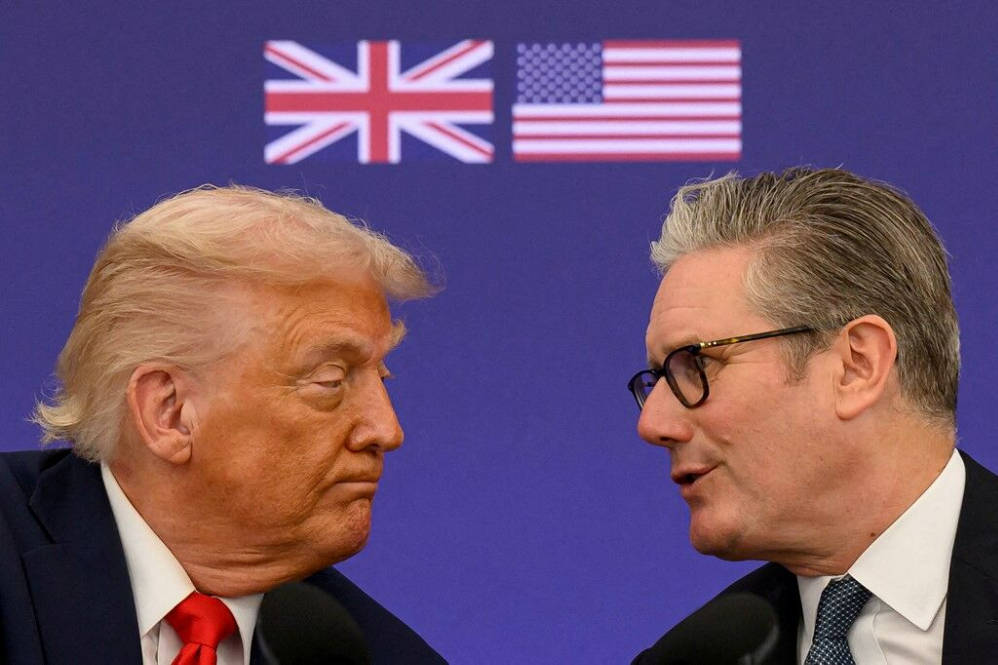
SCFR Online – Note: Europe’s refusal to align with the United States in the war against Iran is not a temporary tactic, but rather a sign of strategic divergence and a move toward forced autonomy.
2026/05/05
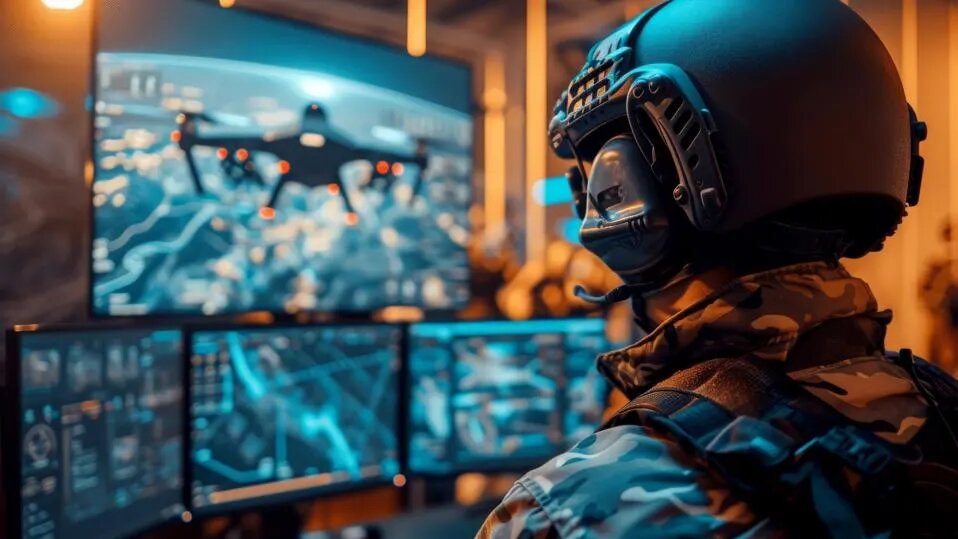
SCFR Online – Note: The militarization of artificial intelligence has eroded the boundaries of ethics and responsibility in warfare, transforming contemporary conflicts into arenas where human decision-making has become increasingly marginalized.

2026/04/29
SCFR Online – Note: Following the resumption of the US and Israeli regime’s war against Iran on February 28, certain divisions have emerged within the United States regarding this issue, both among the public and among political factions.

2026/04/26
SCFR Online – Opinion: The internal situation of the Israeli regime during the 40-day war can be analyzed from several perspectives. The popularity levels of Benjamin Netanyahu, the Likud Party, and the ruling coalition led by Netanyahu until February 28, 2026, remained approximately the same as during the preceding year. The most recent factor that had somewhat increased Netanyahu’s popularity was the advancement of the 2024 war with Hezbollah Lebanon. Subsequently, his popularity temporarily increased during the 12-day war with Iran, but after the war, it returned to its previous state.

2026/04/26
Strategic Council Online – Opinion: In the strategic geography of the global economy, certain regions attain such significance that they effectively become determining factors of the international order. The Strait of Hormuz is among these points; a narrow yet vital passage through which a considerable portion of the world’s energy transits, and whose stability is directly intertwined with the interests and economic security of many countries. However, the importance of the Strait of Hormuz is not limited solely to the volume of energy passing through it. This strait is also a stage upon which the limitations and challenges of great power politics are revealed. From China’s perspective, the policy of the United States regarding the security of this strategic chokepoint, rather than reflecting a stable order, demonstrates a set of contradictions and strategic difficulties that Washington faces in managing the regional order.
