An Analysis of the Makkah Defense Pact
SCFR Online – Opinion: On Friday, August 7, the heads of state of three countries – Saudi Arabia, Turkey, and Pakistan – signed a text under the title “Makkah Joint Defense Agreement.”
Strategic Council Online – Note: The initiative to revive the Hejaz Railway, beyond being a transportation project, constitutes an attempt to redefine geopolitics, the economy, and Turkey’s regional position; however, its realization appears to face significant financial, security, and institutional challenges.
SCFR Online – Opinion: The Strait of Hormuz crisis is no longer merely the consequence of a military confrontation, but rather a sign of the transition from the US-centered maritime order to a new energy security structure involving the participation of emerging and influential powers.
SCFR Online – Opinion: Iran’s active deterrence strategy, while increasing the costs of US intervention, has increasingly exposed the hidden rifts between Washington’s interests and those of the Israeli regime.
SCFR Online – Opinion: The escalation of verbal and strategic tensions between Turkey and the Israeli regime, although not increasing the likelihood of direct war, indicates the formation of a new order in West Asian geopolitical rivalries.
Strategic Council Online – Note: Recent developments in the political geography of West Asia, from rising tensions in the Persian Gulf to missile and drone activities in the Red Sea and the recent warning by Kaja Kallas, the European Union’s foreign policy chief, regarding the threat to freedom of navigation, indicate a key pattern shift; the US-Iran war has moved beyond the scope of a regional and local confrontation and has linked two vital passageways for the global economy: the Strait of Hormuz and the Bab el-Mandeb Strait.
SCFR Online – Opinion: The Ukraine war was not merely a European crisis, but rather the starting point for the rearrangement of the global balance of power and a shift in the strategic behavior of great powers.
SCFR Online – Opinion: Great power competition is now pursued more in trade, currency, technology, and global supply chains than on the battlefields of military confrontation.
Strategic Council Online – Interview: An expert on West Asian issues said Russian President Vladimir Putin and Syrian President Bashar Assad recently met and conferred in the Kremlin Palace. In a part of this meeting, Putin said he had not met with Assad for a long time and had many issues to discuss. Apparently, in this meeting, the parties discussed commercial and economic relations and upcoming developments. According to the presidents of Russia and Syria, this meeting was of special importance.
Strategic Council Online: The former Iranian ambassador to Armenia said Armenia’s strategic closeness to Europe and America is not far from expected because Pashinyan’s government is worried that if another attack occurs on its borders, it will not be able to maintain its position and defend its country. Therefore, he is trying to arrange for allies in the West.
Strategic Council Online—An expert on Caucasus issues said that the Turkish Foreign Minister recently stated in a joint press conference with his Saudi counterpart: “Our current strategy is dialogue and peace, and we ask Iran and Russia to play a constructive role in this process.” According to these statements, Turkey’s policy towards Syrian refugees and its consequences have once again been considered.
Strategic Council Online — Interview: An expert on international issues emphasized that Russia’s position on “changing the nuclear doctrine” of this country is a deterrent measure aimed at reducing the level of the conflict and war with Ukraine supported by the West and the United States.
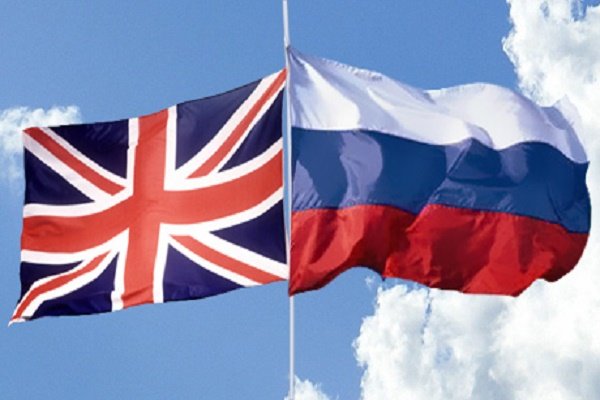
Strategic Council Online—Interview: An expert on European issues said: The British Labor Party, led by Keir Starmer, won the election by winning an overwhelming majority of the seats in the House of Commons. On the other hand, the Conservative party, led by Rishi Sunak, has lost 170 seats and is on the way to its heaviest political defeat since the party was founded in the 19th century.
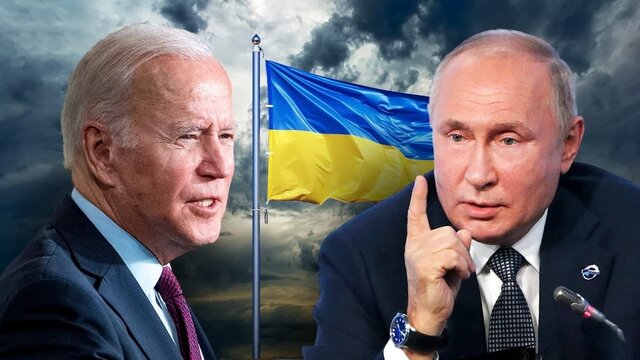
Strategic Council Online – Interview: An expert on international issues said: the challenge between the West and Russia will remain strong, unless the American and European elections go in such a way that with Trump and the right-wing coming to power, the approaches to the war in Ukraine will somehow change so that the war would end by preserving Russia’s dignity. But if political changes do not occur at this level, the challenge between the West and Russia will continue due to the developments that have occurred, including the extension of European and American sanctions against Russia, as well as the increase of Western support for Ukraine.
Strategic Council Online – Opinion: Following the escalation of tensions between Russia and Western countries due to the war in Ukraine, Moscow is looking for solutions to deal with the extensive sanctions of the United States and its allies.
Hossein Sayyahi, researcher of international politics
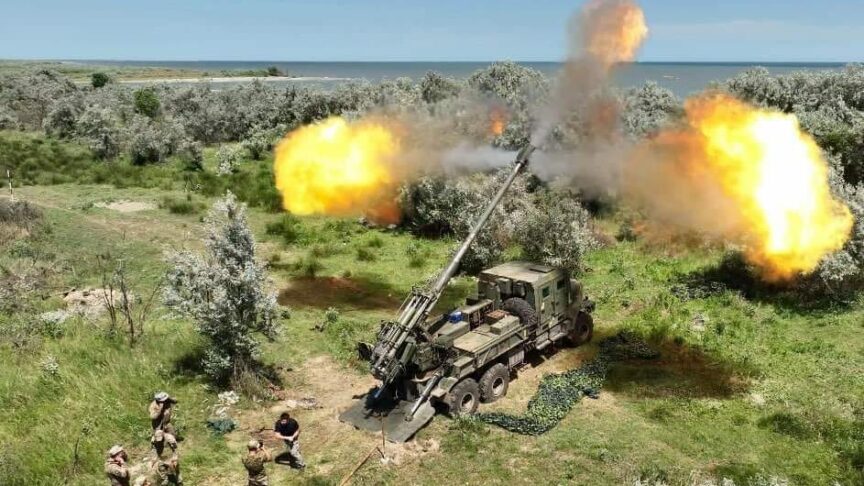
Strategic Council Online – Interview: An expert on international issues said: The more the Ukrainian front is weakened in the war, the more likely this country will use American and European weapons to attack Russian territory and the currently occupied areas, but adopting such a decision needs the cooperation and coordination of the internal issues of these countries, especially the United States.
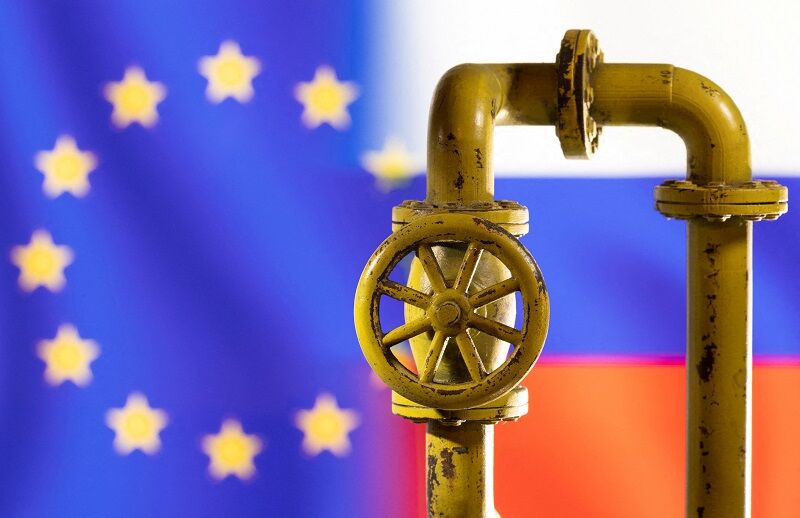
Strategic Council Online – Interview: An expert on Caucasus issues said that Swedish Foreign Minister Tobias Billström recently announced that EU states plan to include the ban on the supply of liquefied natural gas (LNG) in the sanctions against Russia.
Strategic Council Online – Interview: An expert on Caucasus affairs said: Following news reports that the Kremlin has implicitly confirmed that Russian peacekeepers are withdrawing from the Nagorno-Karabakh region and taking their weapons and equipment with them, this question is seriously raised: Does Russia want to hand over the South Caucasus region to the West?
SCFR Online – Opinion: On Friday, August 7, the heads of state of three countries – Saudi Arabia, Turkey, and Pakistan – signed a text under the title “Makkah Joint Defense Agreement.”
Strategic Council Online – Note: The initiative to revive the Hejaz Railway, beyond being a transportation project, constitutes an attempt to redefine geopolitics, the economy, and Turkey’s regional position; however, its realization appears to face significant financial, security, and institutional challenges.
SCFR Online – Opinion: The Strait of Hormuz crisis is no longer merely the consequence of a military confrontation, but rather a sign of the transition from the US-centered maritime order to a new energy security structure involving the participation of emerging and influential powers.
SCFR Online – Opinion: Iran’s active deterrence strategy, while increasing the costs of US intervention, has increasingly exposed the hidden rifts between Washington’s interests and those of the Israeli regime.
SCFR Online – Opinion: The escalation of verbal and strategic tensions between Turkey and the Israeli regime, although not increasing the likelihood of direct war, indicates the formation of a new order in West Asian geopolitical rivalries.
Strategic Council Online – Note: Recent developments in the political geography of West Asia, from rising tensions in the Persian Gulf to missile and drone activities in the Red Sea and the recent warning by Kaja Kallas, the European Union’s foreign policy chief, regarding the threat to freedom of navigation, indicate a key pattern shift; the US-Iran war has moved beyond the scope of a regional and local confrontation and has linked two vital passageways for the global economy: the Strait of Hormuz and the Bab el-Mandeb Strait.
SCFR Online – Opinion: The Ukraine war was not merely a European crisis, but rather the starting point for the rearrangement of the global balance of power and a shift in the strategic behavior of great powers.
SCFR Online – Opinion: Great power competition is now pursued more in trade, currency, technology, and global supply chains than on the battlefields of military confrontation.
Strategic Council Online – Interview: An expert on West Asian issues said Russian President Vladimir Putin and Syrian President Bashar Assad recently met and conferred in the Kremlin Palace. In a part of this meeting, Putin said he had not met with Assad for a long time and had many issues to discuss. Apparently, in this meeting, the parties discussed commercial and economic relations and upcoming developments. According to the presidents of Russia and Syria, this meeting was of special importance.
Strategic Council Online: The former Iranian ambassador to Armenia said Armenia’s strategic closeness to Europe and America is not far from expected because Pashinyan’s government is worried that if another attack occurs on its borders, it will not be able to maintain its position and defend its country. Therefore, he is trying to arrange for allies in the West.
Strategic Council Online—An expert on Caucasus issues said that the Turkish Foreign Minister recently stated in a joint press conference with his Saudi counterpart: “Our current strategy is dialogue and peace, and we ask Iran and Russia to play a constructive role in this process.” According to these statements, Turkey’s policy towards Syrian refugees and its consequences have once again been considered.
Strategic Council Online — Interview: An expert on international issues emphasized that Russia’s position on “changing the nuclear doctrine” of this country is a deterrent measure aimed at reducing the level of the conflict and war with Ukraine supported by the West and the United States.
Strategic Council Online—Interview: An expert on European issues said: The British Labor Party, led by Keir Starmer, won the election by winning an overwhelming majority of the seats in the House of Commons. On the other hand, the Conservative party, led by Rishi Sunak, has lost 170 seats and is on the way to its heaviest political defeat since the party was founded in the 19th century.
Strategic Council Online – Interview: An expert on international issues said: the challenge between the West and Russia will remain strong, unless the American and European elections go in such a way that with Trump and the right-wing coming to power, the approaches to the war in Ukraine will somehow change so that the war would end by preserving Russia’s dignity. But if political changes do not occur at this level, the challenge between the West and Russia will continue due to the developments that have occurred, including the extension of European and American sanctions against Russia, as well as the increase of Western support for Ukraine.
Strategic Council Online – Opinion: Following the escalation of tensions between Russia and Western countries due to the war in Ukraine, Moscow is looking for solutions to deal with the extensive sanctions of the United States and its allies.
Hossein Sayyahi, researcher of international politics
Strategic Council Online – Interview: An expert on international issues said: The more the Ukrainian front is weakened in the war, the more likely this country will use American and European weapons to attack Russian territory and the currently occupied areas, but adopting such a decision needs the cooperation and coordination of the internal issues of these countries, especially the United States.
Strategic Council Online – Interview: An expert on Caucasus issues said that Swedish Foreign Minister Tobias Billström recently announced that EU states plan to include the ban on the supply of liquefied natural gas (LNG) in the sanctions against Russia.
Strategic Council Online – Interview: An expert on Caucasus affairs said: Following news reports that the Kremlin has implicitly confirmed that Russian peacekeepers are withdrawing from the Nagorno-Karabakh region and taking their weapons and equipment with them, this question is seriously raised: Does Russia want to hand over the South Caucasus region to the West?
Strategic Council Online – Interview: An expert on West Asian issues said Russian President Vladimir Putin and Syrian President Bashar Assad recently met and conferred in the Kremlin Palace. In a part of this meeting, Putin said he had not met with Assad for a long time and had many issues to discuss. Apparently, in this meeting, the parties discussed commercial and economic relations and upcoming developments. According to the presidents of Russia and Syria, this meeting was of special importance.
Strategic Council Online: The former Iranian ambassador to Armenia said Armenia’s strategic closeness to Europe and America is not far from expected because Pashinyan’s government is worried that if another attack occurs on its borders, it will not be able to maintain its position and defend its country. Therefore, he is trying to arrange for allies in the West.
Strategic Council Online—An expert on Caucasus issues said that the Turkish Foreign Minister recently stated in a joint press conference with his Saudi counterpart: “Our current strategy is dialogue and peace, and we ask Iran and Russia to play a constructive role in this process.” According to these statements, Turkey’s policy towards Syrian refugees and its consequences have once again been considered.
Strategic Council Online — Interview: An expert on international issues emphasized that Russia’s position on “changing the nuclear doctrine” of this country is a deterrent measure aimed at reducing the level of the conflict and war with Ukraine supported by the West and the United States.
Strategic Council Online—Interview: An expert on European issues said: The British Labor Party, led by Keir Starmer, won the election by winning an overwhelming majority of the seats in the House of Commons. On the other hand, the Conservative party, led by Rishi Sunak, has lost 170 seats and is on the way to its heaviest political defeat since the party was founded in the 19th century.
Strategic Council Online – Interview: An expert on international issues said: the challenge between the West and Russia will remain strong, unless the American and European elections go in such a way that with Trump and the right-wing coming to power, the approaches to the war in Ukraine will somehow change so that the war would end by preserving Russia’s dignity. But if political changes do not occur at this level, the challenge between the West and Russia will continue due to the developments that have occurred, including the extension of European and American sanctions against Russia, as well as the increase of Western support for Ukraine.
Strategic Council Online – Opinion: Following the escalation of tensions between Russia and Western countries due to the war in Ukraine, Moscow is looking for solutions to deal with the extensive sanctions of the United States and its allies.
Hossein Sayyahi, researcher of international politics
Strategic Council Online – Interview: An expert on international issues said: The more the Ukrainian front is weakened in the war, the more likely this country will use American and European weapons to attack Russian territory and the currently occupied areas, but adopting such a decision needs the cooperation and coordination of the internal issues of these countries, especially the United States.
Strategic Council Online – Interview: An expert on Caucasus issues said that Swedish Foreign Minister Tobias Billström recently announced that EU states plan to include the ban on the supply of liquefied natural gas (LNG) in the sanctions against Russia.
Strategic Council Online – Interview: An expert on Caucasus affairs said: Following news reports that the Kremlin has implicitly confirmed that Russian peacekeepers are withdrawing from the Nagorno-Karabakh region and taking their weapons and equipment with them, this question is seriously raised: Does Russia want to hand over the South Caucasus region to the West?
SCFR Online – Opinion: On Friday, August 7, the heads of state of three countries – Saudi Arabia, Turkey, and Pakistan – signed a text under the title “Makkah Joint Defense Agreement.”
Strategic Council Online – Note: The initiative to revive the Hejaz Railway, beyond being a transportation project, constitutes an attempt to redefine geopolitics, the economy, and Turkey’s regional position; however, its realization appears to face significant financial, security, and institutional challenges.
SCFR Online – Opinion: The Strait of Hormuz crisis is no longer merely the consequence of a military confrontation, but rather a sign of the transition from the US-centered maritime order to a new energy security structure involving the participation of emerging and influential powers.
SCFR Online – Opinion: Iran’s active deterrence strategy, while increasing the costs of US intervention, has increasingly exposed the hidden rifts between Washington’s interests and those of the Israeli regime.
SCFR Online – Opinion: The escalation of verbal and strategic tensions between Turkey and the Israeli regime, although not increasing the likelihood of direct war, indicates the formation of a new order in West Asian geopolitical rivalries.
Strategic Council Online – Note: Recent developments in the political geography of West Asia, from rising tensions in the Persian Gulf to missile and drone activities in the Red Sea and the recent warning by Kaja Kallas, the European Union’s foreign policy chief, regarding the threat to freedom of navigation, indicate a key pattern shift; the US-Iran war has moved beyond the scope of a regional and local confrontation and has linked two vital passageways for the global economy: the Strait of Hormuz and the Bab el-Mandeb Strait.
SCFR Online – Opinion: The Ukraine war was not merely a European crisis, but rather the starting point for the rearrangement of the global balance of power and a shift in the strategic behavior of great powers.
SCFR Online – Opinion: Great power competition is now pursued more in trade, currency, technology, and global supply chains than on the battlefields of military confrontation.
Strategic Council Online – Interview: An expert on West Asian issues said Russian President Vladimir Putin and Syrian President Bashar Assad recently met and conferred in the Kremlin Palace. In a part of this meeting, Putin said he had not met with Assad for a long time and had many issues to discuss. Apparently, in this meeting, the parties discussed commercial and economic relations and upcoming developments. According to the presidents of Russia and Syria, this meeting was of special importance.
Strategic Council Online: The former Iranian ambassador to Armenia said Armenia’s strategic closeness to Europe and America is not far from expected because Pashinyan’s government is worried that if another attack occurs on its borders, it will not be able to maintain its position and defend its country. Therefore, he is trying to arrange for allies in the West.
Strategic Council Online—An expert on Caucasus issues said that the Turkish Foreign Minister recently stated in a joint press conference with his Saudi counterpart: “Our current strategy is dialogue and peace, and we ask Iran and Russia to play a constructive role in this process.” According to these statements, Turkey’s policy towards Syrian refugees and its consequences have once again been considered.
Strategic Council Online — Interview: An expert on international issues emphasized that Russia’s position on “changing the nuclear doctrine” of this country is a deterrent measure aimed at reducing the level of the conflict and war with Ukraine supported by the West and the United States.
Strategic Council Online—Interview: An expert on European issues said: The British Labor Party, led by Keir Starmer, won the election by winning an overwhelming majority of the seats in the House of Commons. On the other hand, the Conservative party, led by Rishi Sunak, has lost 170 seats and is on the way to its heaviest political defeat since the party was founded in the 19th century.
Strategic Council Online – Interview: An expert on international issues said: the challenge between the West and Russia will remain strong, unless the American and European elections go in such a way that with Trump and the right-wing coming to power, the approaches to the war in Ukraine will somehow change so that the war would end by preserving Russia’s dignity. But if political changes do not occur at this level, the challenge between the West and Russia will continue due to the developments that have occurred, including the extension of European and American sanctions against Russia, as well as the increase of Western support for Ukraine.
Strategic Council Online – Opinion: Following the escalation of tensions between Russia and Western countries due to the war in Ukraine, Moscow is looking for solutions to deal with the extensive sanctions of the United States and its allies.
Hossein Sayyahi, researcher of international politics
Strategic Council Online – Interview: An expert on international issues said: The more the Ukrainian front is weakened in the war, the more likely this country will use American and European weapons to attack Russian territory and the currently occupied areas, but adopting such a decision needs the cooperation and coordination of the internal issues of these countries, especially the United States.
Strategic Council Online – Interview: An expert on Caucasus issues said that Swedish Foreign Minister Tobias Billström recently announced that EU states plan to include the ban on the supply of liquefied natural gas (LNG) in the sanctions against Russia.
Strategic Council Online – Interview: An expert on Caucasus affairs said: Following news reports that the Kremlin has implicitly confirmed that Russian peacekeepers are withdrawing from the Nagorno-Karabakh region and taking their weapons and equipment with them, this question is seriously raised: Does Russia want to hand over the South Caucasus region to the West?
SCFR Online – Opinion: On Friday, August 7, the heads of state of three countries – Saudi Arabia, Turkey, and Pakistan – signed a text under the title “Makkah Joint Defense Agreement.”
Strategic Council Online – Note: The initiative to revive the Hejaz Railway, beyond being a transportation project, constitutes an attempt to redefine geopolitics, the economy, and Turkey’s regional position; however, its realization appears to face significant financial, security, and institutional challenges.
SCFR Online – Opinion: The Strait of Hormuz crisis is no longer merely the consequence of a military confrontation, but rather a sign of the transition from the US-centered maritime order to a new energy security structure involving the participation of emerging and influential powers.
SCFR Online – Opinion: Iran’s active deterrence strategy, while increasing the costs of US intervention, has increasingly exposed the hidden rifts between Washington’s interests and those of the Israeli regime.
SCFR Online – Opinion: The escalation of verbal and strategic tensions between Turkey and the Israeli regime, although not increasing the likelihood of direct war, indicates the formation of a new order in West Asian geopolitical rivalries.
Strategic Council Online – Note: Recent developments in the political geography of West Asia, from rising tensions in the Persian Gulf to missile and drone activities in the Red Sea and the recent warning by Kaja Kallas, the European Union’s foreign policy chief, regarding the threat to freedom of navigation, indicate a key pattern shift; the US-Iran war has moved beyond the scope of a regional and local confrontation and has linked two vital passageways for the global economy: the Strait of Hormuz and the Bab el-Mandeb Strait.
SCFR Online – Opinion: The Ukraine war was not merely a European crisis, but rather the starting point for the rearrangement of the global balance of power and a shift in the strategic behavior of great powers.
SCFR Online – Opinion: Great power competition is now pursued more in trade, currency, technology, and global supply chains than on the battlefields of military confrontation.
Strategic Council Online – Interview: An expert on West Asian issues said Russian President Vladimir Putin and Syrian President Bashar Assad recently met and conferred in the Kremlin Palace. In a part of this meeting, Putin said he had not met with Assad for a long time and had many issues to discuss. Apparently, in this meeting, the parties discussed commercial and economic relations and upcoming developments. According to the presidents of Russia and Syria, this meeting was of special importance.
Strategic Council Online: The former Iranian ambassador to Armenia said Armenia’s strategic closeness to Europe and America is not far from expected because Pashinyan’s government is worried that if another attack occurs on its borders, it will not be able to maintain its position and defend its country. Therefore, he is trying to arrange for allies in the West.
Strategic Council Online—An expert on Caucasus issues said that the Turkish Foreign Minister recently stated in a joint press conference with his Saudi counterpart: “Our current strategy is dialogue and peace, and we ask Iran and Russia to play a constructive role in this process.” According to these statements, Turkey’s policy towards Syrian refugees and its consequences have once again been considered.
Strategic Council Online — Interview: An expert on international issues emphasized that Russia’s position on “changing the nuclear doctrine” of this country is a deterrent measure aimed at reducing the level of the conflict and war with Ukraine supported by the West and the United States.
Strategic Council Online—Interview: An expert on European issues said: The British Labor Party, led by Keir Starmer, won the election by winning an overwhelming majority of the seats in the House of Commons. On the other hand, the Conservative party, led by Rishi Sunak, has lost 170 seats and is on the way to its heaviest political defeat since the party was founded in the 19th century.
Strategic Council Online – Interview: An expert on international issues said: the challenge between the West and Russia will remain strong, unless the American and European elections go in such a way that with Trump and the right-wing coming to power, the approaches to the war in Ukraine will somehow change so that the war would end by preserving Russia’s dignity. But if political changes do not occur at this level, the challenge between the West and Russia will continue due to the developments that have occurred, including the extension of European and American sanctions against Russia, as well as the increase of Western support for Ukraine.
Strategic Council Online – Opinion: Following the escalation of tensions between Russia and Western countries due to the war in Ukraine, Moscow is looking for solutions to deal with the extensive sanctions of the United States and its allies.
Hossein Sayyahi, researcher of international politics
Strategic Council Online – Interview: An expert on international issues said: The more the Ukrainian front is weakened in the war, the more likely this country will use American and European weapons to attack Russian territory and the currently occupied areas, but adopting such a decision needs the cooperation and coordination of the internal issues of these countries, especially the United States.
Strategic Council Online – Interview: An expert on Caucasus issues said that Swedish Foreign Minister Tobias Billström recently announced that EU states plan to include the ban on the supply of liquefied natural gas (LNG) in the sanctions against Russia.
Strategic Council Online – Interview: An expert on Caucasus affairs said: Following news reports that the Kremlin has implicitly confirmed that Russian peacekeepers are withdrawing from the Nagorno-Karabakh region and taking their weapons and equipment with them, this question is seriously raised: Does Russia want to hand over the South Caucasus region to the West?
SCFR Online – Opinion: On Friday, August 7, the heads of state of three countries – Saudi Arabia, Turkey, and Pakistan – signed a text under the title “Makkah Joint Defense Agreement.”
Strategic Council Online – Note: The initiative to revive the Hejaz Railway, beyond being a transportation project, constitutes an attempt to redefine geopolitics, the economy, and Turkey’s regional position; however, its realization appears to face significant financial, security, and institutional challenges.
SCFR Online – Opinion: The Strait of Hormuz crisis is no longer merely the consequence of a military confrontation, but rather a sign of the transition from the US-centered maritime order to a new energy security structure involving the participation of emerging and influential powers.
SCFR Online – Opinion: Iran’s active deterrence strategy, while increasing the costs of US intervention, has increasingly exposed the hidden rifts between Washington’s interests and those of the Israeli regime.
SCFR Online – Opinion: The escalation of verbal and strategic tensions between Turkey and the Israeli regime, although not increasing the likelihood of direct war, indicates the formation of a new order in West Asian geopolitical rivalries.
Strategic Council Online – Note: Recent developments in the political geography of West Asia, from rising tensions in the Persian Gulf to missile and drone activities in the Red Sea and the recent warning by Kaja Kallas, the European Union’s foreign policy chief, regarding the threat to freedom of navigation, indicate a key pattern shift; the US-Iran war has moved beyond the scope of a regional and local confrontation and has linked two vital passageways for the global economy: the Strait of Hormuz and the Bab el-Mandeb Strait.
SCFR Online – Opinion: The Ukraine war was not merely a European crisis, but rather the starting point for the rearrangement of the global balance of power and a shift in the strategic behavior of great powers.
SCFR Online – Opinion: Great power competition is now pursued more in trade, currency, technology, and global supply chains than on the battlefields of military confrontation.
Strategic Council Online – Interview: An expert on West Asian issues said Russian President Vladimir Putin and Syrian President Bashar Assad recently met and conferred in the Kremlin Palace. In a part of this meeting, Putin said he had not met with Assad for a long time and had many issues to discuss. Apparently, in this meeting, the parties discussed commercial and economic relations and upcoming developments. According to the presidents of Russia and Syria, this meeting was of special importance.
Strategic Council Online: The former Iranian ambassador to Armenia said Armenia’s strategic closeness to Europe and America is not far from expected because Pashinyan’s government is worried that if another attack occurs on its borders, it will not be able to maintain its position and defend its country. Therefore, he is trying to arrange for allies in the West.
Strategic Council Online—An expert on Caucasus issues said that the Turkish Foreign Minister recently stated in a joint press conference with his Saudi counterpart: “Our current strategy is dialogue and peace, and we ask Iran and Russia to play a constructive role in this process.” According to these statements, Turkey’s policy towards Syrian refugees and its consequences have once again been considered.
Strategic Council Online — Interview: An expert on international issues emphasized that Russia’s position on “changing the nuclear doctrine” of this country is a deterrent measure aimed at reducing the level of the conflict and war with Ukraine supported by the West and the United States.
Strategic Council Online—Interview: An expert on European issues said: The British Labor Party, led by Keir Starmer, won the election by winning an overwhelming majority of the seats in the House of Commons. On the other hand, the Conservative party, led by Rishi Sunak, has lost 170 seats and is on the way to its heaviest political defeat since the party was founded in the 19th century.
Strategic Council Online – Interview: An expert on international issues said: the challenge between the West and Russia will remain strong, unless the American and European elections go in such a way that with Trump and the right-wing coming to power, the approaches to the war in Ukraine will somehow change so that the war would end by preserving Russia’s dignity. But if political changes do not occur at this level, the challenge between the West and Russia will continue due to the developments that have occurred, including the extension of European and American sanctions against Russia, as well as the increase of Western support for Ukraine.
Strategic Council Online – Opinion: Following the escalation of tensions between Russia and Western countries due to the war in Ukraine, Moscow is looking for solutions to deal with the extensive sanctions of the United States and its allies.
Hossein Sayyahi, researcher of international politics
Strategic Council Online – Interview: An expert on international issues said: The more the Ukrainian front is weakened in the war, the more likely this country will use American and European weapons to attack Russian territory and the currently occupied areas, but adopting such a decision needs the cooperation and coordination of the internal issues of these countries, especially the United States.
Strategic Council Online – Interview: An expert on Caucasus issues said that Swedish Foreign Minister Tobias Billström recently announced that EU states plan to include the ban on the supply of liquefied natural gas (LNG) in the sanctions against Russia.
Strategic Council Online – Interview: An expert on Caucasus affairs said: Following news reports that the Kremlin has implicitly confirmed that Russian peacekeepers are withdrawing from the Nagorno-Karabakh region and taking their weapons and equipment with them, this question is seriously raised: Does Russia want to hand over the South Caucasus region to the West?
SCFR Online – Opinion: On Friday, August 7, the heads of state of three countries – Saudi Arabia, Turkey, and Pakistan – signed a text under the title “Makkah Joint Defense Agreement.”
Strategic Council Online – Note: The initiative to revive the Hejaz Railway, beyond being a transportation project, constitutes an attempt to redefine geopolitics, the economy, and Turkey’s regional position; however, its realization appears to face significant financial, security, and institutional challenges.
SCFR Online – Opinion: The Strait of Hormuz crisis is no longer merely the consequence of a military confrontation, but rather a sign of the transition from the US-centered maritime order to a new energy security structure involving the participation of emerging and influential powers.
SCFR Online – Opinion: Iran’s active deterrence strategy, while increasing the costs of US intervention, has increasingly exposed the hidden rifts between Washington’s interests and those of the Israeli regime.
SCFR Online – Opinion: The escalation of verbal and strategic tensions between Turkey and the Israeli regime, although not increasing the likelihood of direct war, indicates the formation of a new order in West Asian geopolitical rivalries.
Strategic Council Online – Note: Recent developments in the political geography of West Asia, from rising tensions in the Persian Gulf to missile and drone activities in the Red Sea and the recent warning by Kaja Kallas, the European Union’s foreign policy chief, regarding the threat to freedom of navigation, indicate a key pattern shift; the US-Iran war has moved beyond the scope of a regional and local confrontation and has linked two vital passageways for the global economy: the Strait of Hormuz and the Bab el-Mandeb Strait.
SCFR Online – Opinion: The Ukraine war was not merely a European crisis, but rather the starting point for the rearrangement of the global balance of power and a shift in the strategic behavior of great powers.
SCFR Online – Opinion: Great power competition is now pursued more in trade, currency, technology, and global supply chains than on the battlefields of military confrontation.
Strategic Council Online – Interview: An expert on West Asian issues said Russian President Vladimir Putin and Syrian President Bashar Assad recently met and conferred in the Kremlin Palace. In a part of this meeting, Putin said he had not met with Assad for a long time and had many issues to discuss. Apparently, in this meeting, the parties discussed commercial and economic relations and upcoming developments. According to the presidents of Russia and Syria, this meeting was of special importance.
Strategic Council Online: The former Iranian ambassador to Armenia said Armenia’s strategic closeness to Europe and America is not far from expected because Pashinyan’s government is worried that if another attack occurs on its borders, it will not be able to maintain its position and defend its country. Therefore, he is trying to arrange for allies in the West.
Strategic Council Online—An expert on Caucasus issues said that the Turkish Foreign Minister recently stated in a joint press conference with his Saudi counterpart: “Our current strategy is dialogue and peace, and we ask Iran and Russia to play a constructive role in this process.” According to these statements, Turkey’s policy towards Syrian refugees and its consequences have once again been considered.
Strategic Council Online — Interview: An expert on international issues emphasized that Russia’s position on “changing the nuclear doctrine” of this country is a deterrent measure aimed at reducing the level of the conflict and war with Ukraine supported by the West and the United States.
Strategic Council Online—Interview: An expert on European issues said: The British Labor Party, led by Keir Starmer, won the election by winning an overwhelming majority of the seats in the House of Commons. On the other hand, the Conservative party, led by Rishi Sunak, has lost 170 seats and is on the way to its heaviest political defeat since the party was founded in the 19th century.
Strategic Council Online – Interview: An expert on international issues said: the challenge between the West and Russia will remain strong, unless the American and European elections go in such a way that with Trump and the right-wing coming to power, the approaches to the war in Ukraine will somehow change so that the war would end by preserving Russia’s dignity. But if political changes do not occur at this level, the challenge between the West and Russia will continue due to the developments that have occurred, including the extension of European and American sanctions against Russia, as well as the increase of Western support for Ukraine.
Strategic Council Online – Opinion: Following the escalation of tensions between Russia and Western countries due to the war in Ukraine, Moscow is looking for solutions to deal with the extensive sanctions of the United States and its allies.
Hossein Sayyahi, researcher of international politics
Strategic Council Online – Interview: An expert on international issues said: The more the Ukrainian front is weakened in the war, the more likely this country will use American and European weapons to attack Russian territory and the currently occupied areas, but adopting such a decision needs the cooperation and coordination of the internal issues of these countries, especially the United States.
Strategic Council Online – Interview: An expert on Caucasus issues said that Swedish Foreign Minister Tobias Billström recently announced that EU states plan to include the ban on the supply of liquefied natural gas (LNG) in the sanctions against Russia.
Strategic Council Online – Interview: An expert on Caucasus affairs said: Following news reports that the Kremlin has implicitly confirmed that Russian peacekeepers are withdrawing from the Nagorno-Karabakh region and taking their weapons and equipment with them, this question is seriously raised: Does Russia want to hand over the South Caucasus region to the West?
SCFR Online – Opinion: On Friday, August 7, the heads of state of three countries – Saudi Arabia, Turkey, and Pakistan – signed a text under the title “Makkah Joint Defense Agreement.”
Strategic Council Online – Note: The initiative to revive the Hejaz Railway, beyond being a transportation project, constitutes an attempt to redefine geopolitics, the economy, and Turkey’s regional position; however, its realization appears to face significant financial, security, and institutional challenges.
SCFR Online – Opinion: The Strait of Hormuz crisis is no longer merely the consequence of a military confrontation, but rather a sign of the transition from the US-centered maritime order to a new energy security structure involving the participation of emerging and influential powers.
SCFR Online – Opinion: Iran’s active deterrence strategy, while increasing the costs of US intervention, has increasingly exposed the hidden rifts between Washington’s interests and those of the Israeli regime.
SCFR Online – Opinion: The escalation of verbal and strategic tensions between Turkey and the Israeli regime, although not increasing the likelihood of direct war, indicates the formation of a new order in West Asian geopolitical rivalries.
Strategic Council Online – Note: Recent developments in the political geography of West Asia, from rising tensions in the Persian Gulf to missile and drone activities in the Red Sea and the recent warning by Kaja Kallas, the European Union’s foreign policy chief, regarding the threat to freedom of navigation, indicate a key pattern shift; the US-Iran war has moved beyond the scope of a regional and local confrontation and has linked two vital passageways for the global economy: the Strait of Hormuz and the Bab el-Mandeb Strait.
SCFR Online – Opinion: The Ukraine war was not merely a European crisis, but rather the starting point for the rearrangement of the global balance of power and a shift in the strategic behavior of great powers.
SCFR Online – Opinion: Great power competition is now pursued more in trade, currency, technology, and global supply chains than on the battlefields of military confrontation.