
Saeed Malekzadeh – International economics expert
Following the end of the Cold War, many assumed that globalization would transform economic interdependence into a guarantee of peace. This perception was based on the premise that no country would jeopardize its economic interests for a political confrontation.
However, developments in recent years, from the Ukraine war to the intensifying US-China rivalry, supply chain crises, tariff wars, technology export restrictions, and competition over rare earth minerals, have demonstrated that the economy has not only not replaced politics, but has itself become the most important instrument of power projection.
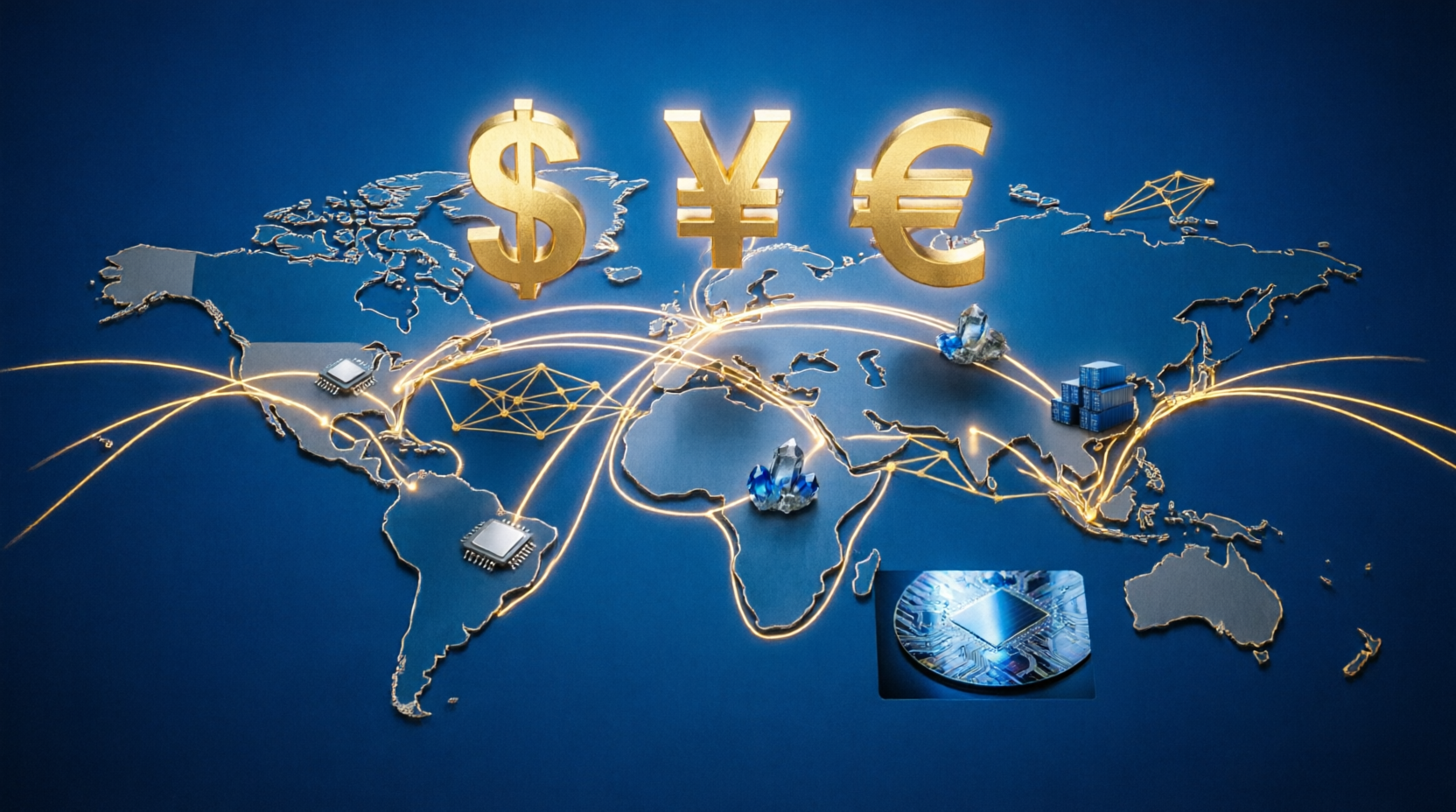
In such circumstances, many international relations theorists speak of the world’s entry into the era of “geoeconomics”, an era in which trade, capital, technology, currency, and strategic resources play the same role that battleships, armies, and military alliances once played in the past.
Geoeconomics does not mean the elimination of geopolitics; rather, it signifies a shift in the instruments of competition among great powers. If in the past the occupation of territories was the primary objective, today control over markets, trade routes, financial infrastructure, advanced technologies, and strategic raw materials has become the main goals of competition. Consequently, national power is more closely linked than ever to economic capacity and the ability to shape the flows of trade and capital.
Trade as an Instrument of Power Projection
One of the most important signs of the geoeconomic era is the changing function of international trade. Trade is no longer merely a means of increasing economic welfare, but has become an instrument for exerting political pressure, creating dependency, and managing the balance of power.
The competition between the United States and China is a clear example of this transformation. Semiconductor export restrictions, reciprocal tariffs, foreign investment controls, and the rearrangement of supply chains indicate that governments no longer view the market as a domain independent of national security. Economic decisions are now made with geopolitical considerations, and many trade policies pursue security objectives.
Within this same framework, the European Union is also gradually redefining its trade policy. Extensive negotiations for free trade agreements with emerging economies, efforts to reduce dependence on limited supply chains, and a move toward diversifying economic partners indicate that Brussels, too, views trade as part of its broader economic security strategy.
De-dollarization, A Major Challenge to the Western Financial Order
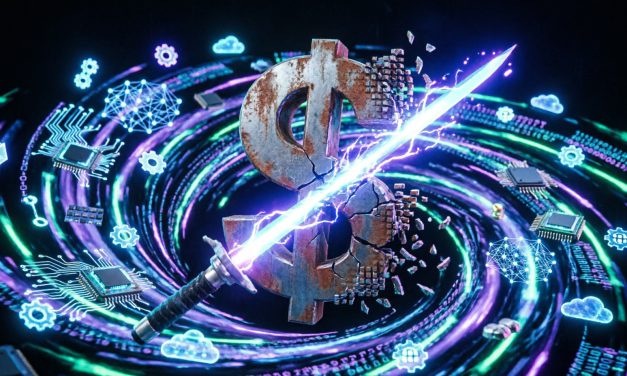
If the dollar has been the most important pillar of the international economic order for the past seven decades, new trends today indicate a gradual erosion of its monopoly. The dollar remains the world’s dominant currency; however, the increased use of national currencies in bilateral trade, the development of alternative payment systems, and efforts to create new reserve assets suggest that many emerging powers are seeking to reduce their vulnerability to the US-led financial system.
China plays a pivotal role in this regard. The gradual internationalization of the yuan, its expanded use in energy trade, the increase in currency swap agreements, and the development of cross-border payment infrastructure are part of Beijing’s long-term strategy to increase the weight of its national currency in the global economy.
Simultaneously, discussions in academic and strategic circles about creating multilateral reserve currencies or new financial mechanisms have also become more serious. Although the complete replacement of the dollar in the near future does not appear realistic, the gradual trend of diversifying the international monetary system could reshape the structure of global economic power in the coming decades.
Strategic Raw Materials, the New Oil of the Global Economy
One of the most important features of the geoeconomic era is the growing importance of rare earth minerals. If oil was the most important source of power in the twentieth century, today rare earth elements, lithium, cobalt, graphite, gallium, germanium, and other strategic minerals have become the core infrastructure of the digital economy and advanced industries.
China’s dominance in the processing and export of many of these materials has given Beijing the ability to use them as a strategic lever. China’s recent export restrictions demonstrated just how deep the dependence of industrial economies on this supply chain is. In response, the United States and its allies have launched extensive programs to create strategic reserves, develop new mines, and diversify supply sources.
This development indicates that future competition will not only be over consumer markets, but also over control of the primary raw materials for technological production. In such circumstances, countries that possess mineral reserves, transit positions, or processing capacity will gain a more significant place in the global power equations.
Geoeconomics, the New Architecture of Global Power
The emergence of geoeconomics does not mean the end of military competition, but signifies that economic instruments are gradually becoming equal in weight to military instruments. Financial sanctions, technology controls, investment restrictions, industrial policies, supply chain management, and currency competition have all become permanent components of national security strategies.
In this framework, the success of countries is no longer measured only by the size of their military or gross domestic product, but also by their ability to manage interdependent economic relationships, protect critical infrastructure, and maintain an effective presence in global trade and technology networks has also acquired decisive importance.
For regional powers as well, this transformation creates new opportunities. Countries that can effectively deploy their geographical position, energy capacities, mineral resources, transit infrastructure, and markets within a coherent strategy will be able to gain influence beyond their military weight.
The world has not yet moved beyond geopolitics, but geoeconomics has become the most important arena of competition among great powers. Trade, currency, technology, supply chains, and strategic raw materials today play the same role that military bases and naval fleets once played in the past.
In the emerging order, power derives less from territorial occupation and more from the ability to shape capital flows, control technology, manage markets, and create economic dependencies. For this reason, the future of international politics will be shaped not in the opposition between economics and geopolitics, but in their convergence. Any country that can transform its economy into a strategic instrument of its foreign policy will secure a superior position in the power structure of the twenty-first century.



0 Comments