Behind the Scenes of US-Saudi Arms Deal

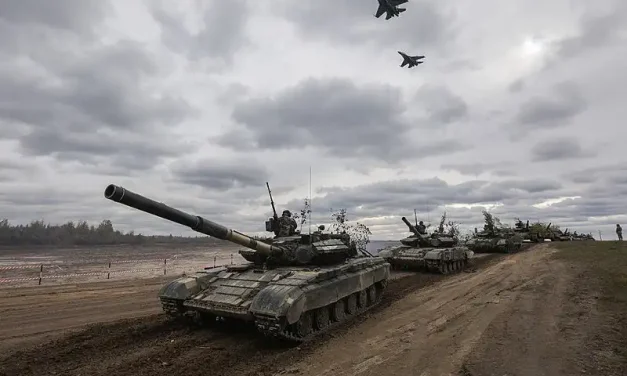
Strategic Council Online - Interview: A senior researcher of international affairs commenting on Joe Biden’s recent decision to sell arms to Saudi Arabia said: Since Joe Biden was opposed to the sale of weapons to Saudi Arabia and had also announced it, therefore his current move has raised questions; although his administration officials have told him that those weapons are defensive, not offensive.

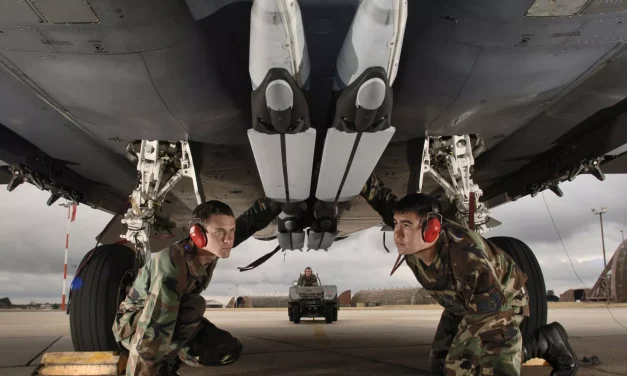
Rahman Ghahremanpour, speaking in an interview with the website of the Strategic Council on Foreign Relations said: When Joe Biden was elected President of the United States one of his policies was to stop selling arms to Saudi Arabia in January 2020. Given the Democrats’ criticism of Saudi Arabia, especially after the assassination of Jamal Khashoggi, adoption of such policy was not beyond expectation; but it was recently announced that the US State Department and the Pentagon had agreed to sell 280 air-to-air medium-range defensive missiles and about 596 launchers to Saudi Arabia. The arms deal came after a 500 million dollar deal to maintain Saudi helicopters was signed in September.

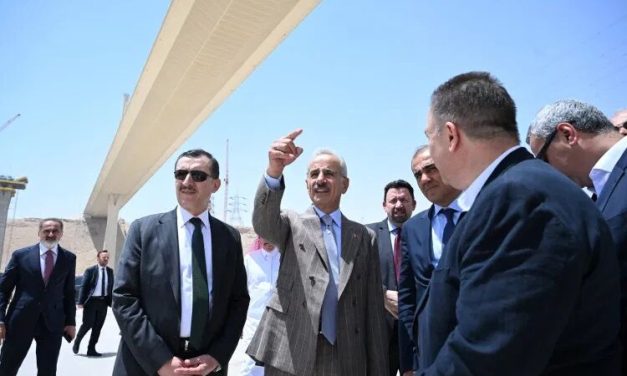
He added: On the other hand, the United States is apparently building some military installations in west of Saudi Arabia and has issued a tender announcement in this regard.

Saying that now the question is that why the Biden administration has now taken such a measure despite the suspension of arms sales to Saudi Arabia, Ghahremanpour said: Officials of Biden’s administration have cited several reasons to justify the measure; the first reason was that they insisted that the agreement was in line with Biden’s policy of selling purely defensive weapons to Saudi Arabia; that is to say, while during the Trump term of office offensive weapons were also being sold, Biden insists that only defensive weapons should be sold to that country, and that those weapons should not be used against Saudi citizens or escalate the war in Yemen by the Saudis.

The senior researcher of the international and the Middle East affairs noted: In the big picture of that deal there is a major reason and that is the US reassurance to its allies in the region; that if the US military commitments in the region are reduced those allies will be able to defend themselves against threats. As in a statement issued on the occasion of the arms sale to Saudi Arabia, the US State Department spokesman explicitly stated that the purpose of selling the medium-range air-to-air missiles to Riyadh was that Saudi Arabia be able to defend itself against Houthi attacks.

He added: Therefore, it seems that the main objective of the United States in this action is to build trust with its allies so that they realize that they can ensure their security after the reduction of US commitments in the region.

The expert cited another reason for Biden’s move and said: About a month ago, simultaneous with the stalemate in the nuclear talks, it was announced that Washington wanted to take some steps to put some pressure on Iran and bring Tehran to the negotiating table. The argument was that the United States has negotiated with China to reduce oil purchases from Iran, and given that Saudi Arabia, the United Arab Emirates, and Israel were the main opponents of returning to the Joint Comprehensive Plan of Action (JCPOA), arms sales to Riyadh at such a juncture could mean that the United States is strengthening Saudi military power.

According to the expert, the US target is to persuade Saudi Arabia not to worry too much about its security and to warn Iran that if it does not return to the negotiating table and the JCPOA is not revived, the White House may increase sale of military weapons to its allies.

Ghahremanpour added: It is important now to see if such a policy will continue or if the sales will be limited to the same extent.

Referring to the role of Congress, he said: For the sale of those weapons to Saudi Arabia there is no need to obtain a congressional permit, but the Congress can block the sale permit. To date, there has been no news that the Congress has opposed this issue; but if the Congress opposes, the 650 million dollar deal that is being pursued by a private company will be finalized.

Explaining the consequences of such measure, Qahremanpour noted: One of the consequences of arms sales goes back to the Marib region in Yemen because that region is a strategic one and connects the east and the west of Yemen. There is a fierce battle between the Houthis and Mansour Hadi’s supporters. In such a situation, if the Houthis can capture Marib, they can easily go to east of Yemen.

He continued: It is not known yet whether the sale of that amount of missiles to Saudi Arabia could mean that the United States wants Riyadh to have the upper hand in the Marib? Because Saudi Arabia’s return to the Yemen peace negotiating table and agreement with such peace, depends on Saudi Arabia not losing the Marib.

Ghahremanpour pointed out that Riyadh seeks to gain the upper hand against the Houthis in that area and in the practical arena, and on the other hand, the Houthis are also trying to have the upper hand by taking Marib at the negotiating table, adding: Therefore, one hypothesis is that this arms deal could strengthen Saudi Arabia’s position in Marib. At the meantime, a State Department spokesman said the United States remained committed to ending the war in Yemen, and that the Americans were apparently justifying the issue by saying that they would be ready for peace if the Saudis gain the upper hand in that region. But it is not clear whether this will really happen or not.

In conclusion, he stressed that the sale of that amount of weapons to Saudi Arabia in the current situation may have psychological impact on the scene of Yemen war to some extent.
0 Comments

Submit a Comment

Your email address will not be published. Required fields are marked *

LATEST CONTENT

Consequences of Declining Trust in the Judiciary in Europe

SCFRonline – Opinion: The increase in public distrust of the French judicial system, which in recent surveys has reached approximately two-thirds of citizens, should be analyzed within a framework broader than temporary dissatisfaction or an emotional reaction to a particular criminal case.

Iran’s Potential Levers of Power

SCFRonline– Opinion: Iran’s geopolitical power is not limited solely to oil and the Strait of Hormuz; the unintended emergence of disruptions in the future global food and energy security chains can also demonstrate Iran’s strategic importance.

The Inseparability of the Lebanese Front from the Axis of Resistance

SCFR Online–Opinion: By providing an extensive network of social, healthcare, educational, and post-war reconstruction services, Hezbollah has established a strong social base for itself among Lebanon’s Shiites and Sunnis, and even beyond that, among other segments of Lebanese society, including Christians. Hezbollah has never been an external actor imposed upon Lebanon; rather, it is a phenomenon fundamentally born out of the occupation and crimes of the Zionist regime and itself influenced by popular resistance.

The Increasing Efforts of the Zionist Regime to Redefine Borders and the Regional Order and Its Consequences

SCFR Online– Opinion: Security and military developments in the region over recent months indicate that the ongoing crises and wars in Gaza, southern Lebanon, and parts of Syrian territory encompass broader dimensions of geopolitical and geostrategic transformations. In this context, the increased military presence and control of the Zionist regime over parts of the territories of these areas, along with proposals regarding the creation of buffer zones or even the expansion of security borders, have raised serious questions about the future of the regional order and its consequences for the countries of West Asia.

Loading

Últimas publicaciones

Consequences of Declining Trust in the Judiciary in Europe

SCFRonline – Opinion: The increase in public distrust of the French judicial system, which in recent surveys has reached approximately two-thirds of citizens, should be analyzed within a framework broader than temporary dissatisfaction or an emotional reaction to a particular criminal case.

Iran’s Potential Levers of Power

SCFRonline– Opinion: Iran’s geopolitical power is not limited solely to oil and the Strait of Hormuz; the unintended emergence of disruptions in the future global food and energy security chains can also demonstrate Iran’s strategic importance.

The Inseparability of the Lebanese Front from the Axis of Resistance

SCFR Online–Opinion: By providing an extensive network of social, healthcare, educational, and post-war reconstruction services, Hezbollah has established a strong social base for itself among Lebanon’s Shiites and Sunnis, and even beyond that, among other segments of Lebanese society, including Christians. Hezbollah has never been an external actor imposed upon Lebanon; rather, it is a phenomenon fundamentally born out of the occupation and crimes of the Zionist regime and itself influenced by popular resistance.

The Increasing Efforts of the Zionist Regime to Redefine Borders and the Regional Order and Its Consequences

SCFR Online– Opinion: Security and military developments in the region over recent months indicate that the ongoing crises and wars in Gaza, southern Lebanon, and parts of Syrian territory encompass broader dimensions of geopolitical and geostrategic transformations. In this context, the increased military presence and control of the Zionist regime over parts of the territories of these areas, along with proposals regarding the creation of buffer zones or even the expansion of security borders, have raised serious questions about the future of the regional order and its consequences for the countries of West Asia.

Loading

DERNIER CONTENU

Consequences of Declining Trust in the Judiciary in Europe

SCFRonline – Opinion: The increase in public distrust of the French judicial system, which in recent surveys has reached approximately two-thirds of citizens, should be analyzed within a framework broader than temporary dissatisfaction or an emotional reaction to a particular criminal case.

Iran’s Potential Levers of Power

SCFRonline– Opinion: Iran’s geopolitical power is not limited solely to oil and the Strait of Hormuz; the unintended emergence of disruptions in the future global food and energy security chains can also demonstrate Iran’s strategic importance.

The Inseparability of the Lebanese Front from the Axis of Resistance

SCFR Online–Opinion: By providing an extensive network of social, healthcare, educational, and post-war reconstruction services, Hezbollah has established a strong social base for itself among Lebanon’s Shiites and Sunnis, and even beyond that, among other segments of Lebanese society, including Christians. Hezbollah has never been an external actor imposed upon Lebanon; rather, it is a phenomenon fundamentally born out of the occupation and crimes of the Zionist regime and itself influenced by popular resistance.

The Increasing Efforts of the Zionist Regime to Redefine Borders and the Regional Order and Its Consequences

SCFR Online– Opinion: Security and military developments in the region over recent months indicate that the ongoing crises and wars in Gaza, southern Lebanon, and parts of Syrian territory encompass broader dimensions of geopolitical and geostrategic transformations. In this context, the increased military presence and control of the Zionist regime over parts of the territories of these areas, along with proposals regarding the creation of buffer zones or even the expansion of security borders, have raised serious questions about the future of the regional order and its consequences for the countries of West Asia.

Loading

DERNIER CONTENU

Consequences of Declining Trust in the Judiciary in Europe

SCFRonline – Opinion: The increase in public distrust of the French judicial system, which in recent surveys has reached approximately two-thirds of citizens, should be analyzed within a framework broader than temporary dissatisfaction or an emotional reaction to a particular criminal case.

Iran’s Potential Levers of Power

SCFRonline– Opinion: Iran’s geopolitical power is not limited solely to oil and the Strait of Hormuz; the unintended emergence of disruptions in the future global food and energy security chains can also demonstrate Iran’s strategic importance.

The Inseparability of the Lebanese Front from the Axis of Resistance

SCFR Online–Opinion: By providing an extensive network of social, healthcare, educational, and post-war reconstruction services, Hezbollah has established a strong social base for itself among Lebanon’s Shiites and Sunnis, and even beyond that, among other segments of Lebanese society, including Christians. Hezbollah has never been an external actor imposed upon Lebanon; rather, it is a phenomenon fundamentally born out of the occupation and crimes of the Zionist regime and itself influenced by popular resistance.

The Increasing Efforts of the Zionist Regime to Redefine Borders and the Regional Order and Its Consequences

SCFR Online– Opinion: Security and military developments in the region over recent months indicate that the ongoing crises and wars in Gaza, southern Lebanon, and parts of Syrian territory encompass broader dimensions of geopolitical and geostrategic transformations. In this context, the increased military presence and control of the Zionist regime over parts of the territories of these areas, along with proposals regarding the creation of buffer zones or even the expansion of security borders, have raised serious questions about the future of the regional order and its consequences for the countries of West Asia.

Loading

DERNIER CONTENU

Consequences of Declining Trust in the Judiciary in Europe

SCFRonline – Opinion: The increase in public distrust of the French judicial system, which in recent surveys has reached approximately two-thirds of citizens, should be analyzed within a framework broader than temporary dissatisfaction or an emotional reaction to a particular criminal case.

Iran’s Potential Levers of Power

SCFRonline– Opinion: Iran’s geopolitical power is not limited solely to oil and the Strait of Hormuz; the unintended emergence of disruptions in the future global food and energy security chains can also demonstrate Iran’s strategic importance.

The Inseparability of the Lebanese Front from the Axis of Resistance

SCFR Online–Opinion: By providing an extensive network of social, healthcare, educational, and post-war reconstruction services, Hezbollah has established a strong social base for itself among Lebanon’s Shiites and Sunnis, and even beyond that, among other segments of Lebanese society, including Christians. Hezbollah has never been an external actor imposed upon Lebanon; rather, it is a phenomenon fundamentally born out of the occupation and crimes of the Zionist regime and itself influenced by popular resistance.

The Increasing Efforts of the Zionist Regime to Redefine Borders and the Regional Order and Its Consequences

SCFR Online– Opinion: Security and military developments in the region over recent months indicate that the ongoing crises and wars in Gaza, southern Lebanon, and parts of Syrian territory encompass broader dimensions of geopolitical and geostrategic transformations. In this context, the increased military presence and control of the Zionist regime over parts of the territories of these areas, along with proposals regarding the creation of buffer zones or even the expansion of security borders, have raised serious questions about the future of the regional order and its consequences for the countries of West Asia.

Loading