
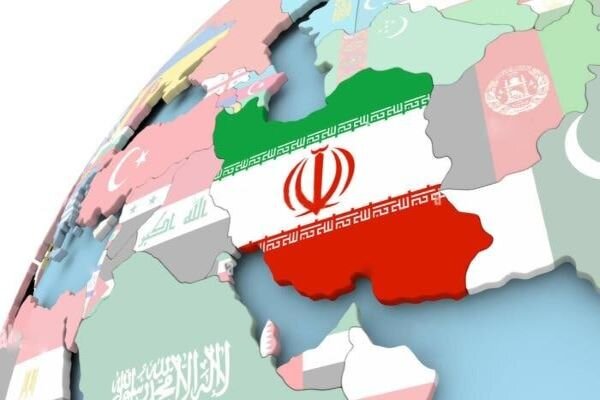
Jafar Ghanadbashi, in an interview with the website of the Strategic Council on Foreign Relations, said: “The Islamic Republic of Iran, drawing on historical wisdom, deep geopolitical standing, and resilient social capital, has repeatedly prevented regional crises from escalating into full-scale wars at critical junctures and disrupted the equations of adversarial players. This capability, rooted in the combination of smart diplomacy and defensive deterrence, has turned Iran into a key player in the region.”
In the aftermath of the 12-day imposed war against Iran, Tehran’s strategic rationality and the dynamic moves of its foreign policy apparatus, aligned with the enhancement of defensive deterrence, have reinforced multilateral diplomacy. By leveraging regional influence and strategic relations through smart diplomacy, Iran has managed to turn crises such as the wars in Yemen and Syria into opportunities to consolidate its position in the region. Strengthening regional mechanisms, expanding economic cooperation, and utilizing cultural leverage enable Iran to neutralize adversarial equations while preserving its independence and promoting lasting peace.
Iran’s Smart Exploitation of Regional Crises
Regarding Iran’s capacities to confront regional crises, Ghanadbashi stated: “Iran’s diplomatic apparatus must prioritize identifying, categorizing, and leveraging the country’s capacities to formulate phased strategies for their proper utilization, ultimately advancing a more precise and smarter diplomacy.”
He added: “Iran has surpassed regional countries in terms of strategic capacities, both in soft and hard power. This superiority stems from the widespread support of regional nations’ public opinion, which has become leverage to pressure hostile governments.”
Ghanadbashi noted: “By supporting Yemen’s Ansarullah movement, Iran has altered power equations in the Red Sea and exposed the vulnerabilities of the U.S. and the Allied policies, particularly those of the Zionist regime. In Syria, with the rise of a new government, continued chaos and instability, and repeated aggressions by the Zionist regime, the absence of Iran’s role as a key player has become evident.”
The West Asia analyst emphasized: *”Iran’s deterrence, as a complement to smart diplomacy—especially after the 12-day war—has forced adversaries to limit their actions. This deterrence, rooted in Iran’s soft power and strategic capacities, is perceived by Western leaders as a serious threat that has not yet been fully exploited.”*
The Role of Strategic Dialogues with Neighbors in Reducing Tensions
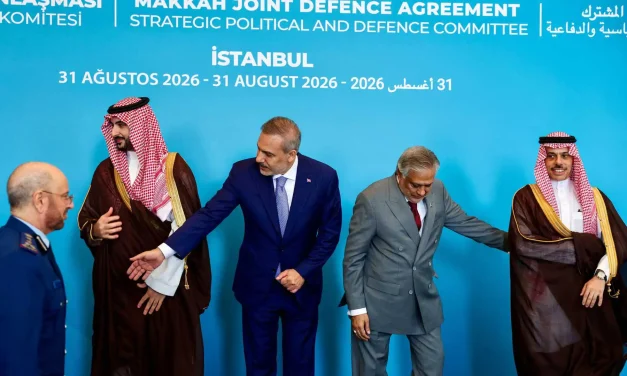
Ghanadbashi further pointed to Iran’s strategic dialogues with neighboring countries, particularly Saudi Arabia and Turkey, which have played a significant role in easing regional tensions.
The expert believes: “Recent diplomatic moves by these countries, such as Saudi mediation efforts and Turkey’s hosting of the OIC (Organization of the Islamic Cooperation) summit amid the Zionist regime’s aggression against Iranian soil, are indirectly linked to Tehran’s soft power influence. These effects, rooted in Iran’s cultural and political sway, have pushed regional countries toward more balanced stances.”
He stressed: “In this context, despite differing macro-policy orientations, Saudi Arabia and Turkey have taken positive steps toward reducing tensions.”
The West Asia analyst argues: “Iran should strengthen the new neighborhood atmosphere and utilize the diplomatic capacities of neighboring countries to advance its objectives. This approach could help achieve goals that are harder to attain through confrontational processes.”
Iran’s Multilateral Diplomacy: An Effective Alternative to Western Military Interventions
Ghanadbashi believes that “Iran’s multilateral diplomacy can serve as an effective deterrent against Western military interventions in the Middle East.” He noted: “Projects like the ‘Arab NATO’ or the ‘Abraham Accords,’ designed with U.S. and Israeli regime backing, have effectively been sidelined due to strategic failures. For instance, the Arab NATO plan remains only on paper, and countries like Saudi Arabia, Qatar, and the UAE are now seeking new, long-term relations with Iran.”
The West Asia expert emphasized: “Regional countries are in a state of strategic confusion and have yet to make a definitive decision on joining the Abraham Accords—a situation resulting from rapid regional developments, internal and external vulnerabilities, and declining trust in U.S. support.”
Ghanadbashi pointed to U.S. failures in Yemen and the Red Sea, where Washington’s weakness in implementing its policies—including securing oil and gas transit—has been exposed. Additionally, the security of the Israeli regime, once a top U.S. priority in the region, has severely deteriorated over the past two years, turning it into one of the most insecure places in the world. Meanwhile, Iran’s retaliatory strikes during the 12-day war unprecedentedly escalated insecurity across occupied Palestine.
Ghanadbashi referenced Benjamin Netanyahu’s remarks before the U.S. Congress, where he explicitly claimed that the Israeli regime safeguards Western interests in the region. However, the regime’s failures in Gaza and its need for direct U.S. military support have undermined its purported role as the “guardian of Western interests.”
He likened the situation to hiring a guard who, instead of providing protection, needs help himself. These failures have compelled U.S.-allied Arab and non-Arab countries to reconsider their complete reliance on Washington while increasing their concerns over the Israeli regime’s aggressive policies.
According to the West Asia analyst, “This strategic vacuum has provided Iran an opportunity to fill the void left by dwindling Western support for its allies through multilateral diplomacy. By strengthening ties with regional countries—especially via economic and political cooperation—Iran can offer a sustainable alternative to Western interventionist models. This approach not only helps reduce tensions but also reinforces Iran’s position as a responsible and stabilizing power in the region.”





0 Comments