The Strait of Hormuz and the Birth of a New Geopolitics in the Energy Domain

SCFR Online – Opinion: The Strait of Hormuz has transformed from an energy corridor into a geopolitical instrument, and the West's reluctant acknowledgment of Iran's capacity to disrupt it has consolidated Tehran's deterrence.

Meysam Ghodousi – Regional Affairs Expert

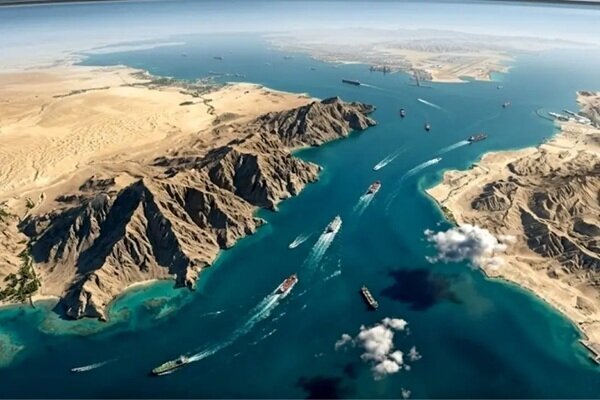
For decades, the Strait of Hormuz was perceived merely as a vital artery in the global energy system. The prevailing assumption was that its closure would be so catastrophic that no actor would dare undertake such an action. The current war has permanently altered this perception. What is now unfolding in the waters of the Persian Gulf is not a temporary disruption but the birth of a full-fledged geopolitics.

Control over critical chokepoints has now become the primary objective of strategic competition. By creating practical disruption in the Strait of Hormuz and subsequently declaring the right to receive payments in exchange for providing various services to vessels, Iran has transformed this waterway from a passive infrastructure into a deterrent lever. The West, through reciprocal blockade and attempts to obstruct the movement of Iranian tankers, has effectively legitimized this new game.

Approximately 11 to 13 percent of global oil was transported through the Strait of Hormuz. The sudden removal of this volume has pushed crude oil prices to the threshold of $126 per barrel within a few weeks. The U.S. Consumer Price Index jumped 0.6 percent in April, reaching its highest level since May 2023. Annual inflation in the Philippines has also risen from 4.1 to 7.2 percent, and Turkey’s inflation has increased from 30.9 to 32.4 percent. These figures represent merely the beginning; the real shock has yet to reach supply chains and the bank accounts of end consumers.

Heavy Costs and Structural Transformation of the Global Economy

The destructive effects of this deadlock are not confined to the borders of West Asia; new dimensions emerge daily in various parts of the world. In the Philippines, an energy emergency has been declared, and nearly three percent of the country’s gas stations have closed due to fuel shortages. South Korea, one of the world’s major industrial economies, faces a serious challenge in securing just three months of strategic oil reserves from non-Hormuz sources. The government has restricted private vehicle parking and encouraged citizens to use public transportation.

In Bangladesh, the state-owned refinery has shut down due to lack of crude oil, and gasoline and diesel prices have increased by eleven to fifteen percent. This situation has also seriously threatened the livelihoods of boatmen and fishermen, many of whom have been forced to operate with only one engine to conserve fuel. Germany’s Lufthansa airline has canceled twenty thousand summer flights due to concerns about fuel shortages—and this is merely the tip of the iceberg.

A senior analyst at the Chatham House institute has warned that the inflationary shock of the Hormuz crisis has only just begun. Central banks worldwide will face a dilemma similar to the Paul Volcker era of the 1980s; however, this time, classical tools for curbing inflation—such as interest rate hikes—cannot lower oil prices. The global economy has not yet recovered from the post-COVID shock and the Ukraine war, and the inflationary wounds of that period have not yet healed. Inflationary expectations among firms and households are easily stimulated, and this time, governments are compelled to adopt expansionary fiscal policies to cover war costs and ensure energy security—a move that further fuels inflation.

Forced Transition: Toward Electric Vehicles

Meanwhile, unlike all previous oil crises, the Hormuz crisis has coincided with a technological transformation that could permanently alter the structure of global energy demand. Adoption of electric vehicles has increased remarkably in various parts of the world—and this increase is no longer driven by climate concerns but by pure economic calculation.

In Britain, electric vehicle sales in March jumped twenty-four percent compared to the same period last year. For the first time, the average price of an electric vehicle has fallen below that of a comparable gasoline model—a watershed moment in transportation economics. In Vietnam, sales of domestic electric vehicles (VinFast) have increased by 127 percent, accounting for forty percent of new vehicle sales in the country.

However, the principal actor in this transformation is undoubtedly China. In 2024, China produced over twelve million electric, hybrid, and fuel-cell vehicles, representing seventy percent of global production. Fifty-three percent of new vehicle registrations in China were electric vehicles, and the country’s annual production capacity has reached twenty million units. China’s electric vehicle exports in March alone totaled 371,000 units—a 130 percent increase compared to the same period last year. Chinese battery manufacturer CATL has also recently announced the development of a new battery that enables an electric vehicle to travel 1,500 kilometers on a single charge. These developments indicate that the Hormuz crisis, while problematic, has paradoxically served as a powerful accelerator for the transition away from the oil era.

Legitimizing Deterrence: The West’s Reluctant Acknowledgment of the New Equation

Perhaps the most profound strategic consequence of the current crisis is the transformation that has occurred in the mindset of Western security elites. For the first time, official and semi-official discussions and analyses in Washington and London are being written in a language that previously appeared only in academic circles—and even then, with utmost caution. Acknowledgment of Iran’s capacity to disrupt the Strait of Hormuz and impose staggering costs on the global economy is no longer a theoretical scenario but a reality reflected in CIA classified reports and Pentagon assessments.

A document published by the Center for Strategic and International Studies explicitly references Iran’s capacity to withstand a complete blockade for at least three to four months. This disclosure of sensitive information itself signals an acceptance of inability to achieve rapid defeat and a legitimization of the new deterrence equation. Even hardline articles calling for “striking Iran’s jugular” and implementing complete air and land blockades confirm this reality from another angle. Such extreme and sometimes impractical solutions only enter the agenda when conventional options have reached a deadlock.

Iran, recognizing this transformation, has designed its diplomacy on the basis of “resistance and deterrence,” advancing conditions—including lifting sanctions, releasing frozen assets, compensation, and the right to control Hormuz transit—that would have been unimaginable a year ago.

The world is locked without Iran—not in the sense that Iran possesses the will to absolutely cut off energy flows, but in the sense that no actor can guarantee its energy stability and security with confidence while excluding Tehran. Hormuz is no longer merely a strait. It embodies a new geopolitical equation in which the lock and key are held by the actor who first successfully managed this dangerous scenario. Iran’s deterrence legitimacy is born from this very reality.

0 Comments

LATEST CONTENT

The Components of Iran’s Deterrence Power

SCFR Online – Opinion: At a time when regional security equations have reached a sensitive stage under the influence of Iran’s strategic confrontation with the United States and the Zionist regime, the question of the nature of Tehran’s defensive power has gained greater significance than ever before. While Washington and Tel Aviv rely on their technological superiority, the Islamic Republic of Iran has presented a model of deterrence that extends beyond the material calculations of the world’s classical militaries. This power, rooted in the connection between “the field” and “the people,” has not only altered the balance of power in recent conflicts but has also disrupted adversaries’ calculations when confronting Iran’s strategic depth.

The Persian Gulf; A Cold Battlefield Between Beijing and Washington

SCFR Online – Opinion: The competition in recent years between the United States and China encompasses various geographical regions—including the Indo-Pacific, West Asia, the Arctic and Antarctic, and Africa—as well as multiple domains such as economics and technology. Within this context, a strategic competition has also emerged in the Persian Gulf region across economic, technological, and military spheres.

Europe’s Enduring Dependence on Persian Gulf Energy

SCFR Online – Opinion: The dominant discourse in the field of European energy security over the past two decades has revolved around diversification of supply sources and the gradual reduction of dependence on fossil fuels. This narrative, which gained particular momentum after the Ukraine gas crisis in 2006 and its intensification in 2014 and 2022, was based on the assumption that Europe could free itself from the geopolitical vulnerabilities arising from dependence on specific suppliers through investment in renewable energy, imports of liquefied natural gas from diversified sources, and the establishment of new infrastructure. However, a closer analysis of energy trade data and the structure of the global oil and gas supply chain presents a different picture. Europe has not only failed to meaningfully reduce its dependence on the Persian Gulf, but in some sectors — particularly in liquefied natural gas imports — this dependence has deepened. This reality, which is often overlooked in public discourse, raises fundamental questions about the sustainability of Europe’s energy security strategies and their impact on regional power equations.

The Challenge of Hezbollah’s Low-Cost “FPV” Drones for the Zionist Regime

SCFR Online – Opinion: In modern warfare, it has always been assumed that the more expensive, and advanced the weapon—particularly from well-known companies—the more certain the victory will be. However, developments on the northern front of occupied Palestine in recent months have challenged this long-held belief. Here, the Zionist regime’s military, despite possessing the most advanced defense systems such as Iron Dome, David’s Sling, and Arrow, as well as fifth-generation F-35 fighter jets, Merkava tanks, and other modern equipment found in few countries worldwide, has effectively been rendered helpless against Hezbollah Lebanon’s few-hundred-dollar drones. Benjamin Netanyahu’s bitter admission regarding the inability to counter this threat, and his order to allocate an unlimited budget to find a solution, underscores the reality that the era of pure superiority through expensive technologies has come to an end.

Loading

Últimas publicaciones

The Components of Iran’s Deterrence Power

SCFR Online – Opinion: At a time when regional security equations have reached a sensitive stage under the influence of Iran’s strategic confrontation with the United States and the Zionist regime, the question of the nature of Tehran’s defensive power has gained greater significance than ever before. While Washington and Tel Aviv rely on their technological superiority, the Islamic Republic of Iran has presented a model of deterrence that extends beyond the material calculations of the world’s classical militaries. This power, rooted in the connection between “the field” and “the people,” has not only altered the balance of power in recent conflicts but has also disrupted adversaries’ calculations when confronting Iran’s strategic depth.

The Persian Gulf; A Cold Battlefield Between Beijing and Washington

SCFR Online – Opinion: The competition in recent years between the United States and China encompasses various geographical regions—including the Indo-Pacific, West Asia, the Arctic and Antarctic, and Africa—as well as multiple domains such as economics and technology. Within this context, a strategic competition has also emerged in the Persian Gulf region across economic, technological, and military spheres.

Europe’s Enduring Dependence on Persian Gulf Energy

SCFR Online – Opinion: The dominant discourse in the field of European energy security over the past two decades has revolved around diversification of supply sources and the gradual reduction of dependence on fossil fuels. This narrative, which gained particular momentum after the Ukraine gas crisis in 2006 and its intensification in 2014 and 2022, was based on the assumption that Europe could free itself from the geopolitical vulnerabilities arising from dependence on specific suppliers through investment in renewable energy, imports of liquefied natural gas from diversified sources, and the establishment of new infrastructure. However, a closer analysis of energy trade data and the structure of the global oil and gas supply chain presents a different picture. Europe has not only failed to meaningfully reduce its dependence on the Persian Gulf, but in some sectors — particularly in liquefied natural gas imports — this dependence has deepened. This reality, which is often overlooked in public discourse, raises fundamental questions about the sustainability of Europe’s energy security strategies and their impact on regional power equations.

The Challenge of Hezbollah’s Low-Cost “FPV” Drones for the Zionist Regime

SCFR Online – Opinion: In modern warfare, it has always been assumed that the more expensive, and advanced the weapon—particularly from well-known companies—the more certain the victory will be. However, developments on the northern front of occupied Palestine in recent months have challenged this long-held belief. Here, the Zionist regime’s military, despite possessing the most advanced defense systems such as Iron Dome, David’s Sling, and Arrow, as well as fifth-generation F-35 fighter jets, Merkava tanks, and other modern equipment found in few countries worldwide, has effectively been rendered helpless against Hezbollah Lebanon’s few-hundred-dollar drones. Benjamin Netanyahu’s bitter admission regarding the inability to counter this threat, and his order to allocate an unlimited budget to find a solution, underscores the reality that the era of pure superiority through expensive technologies has come to an end.

Loading

DERNIER CONTENU

The Components of Iran’s Deterrence Power

SCFR Online – Opinion: At a time when regional security equations have reached a sensitive stage under the influence of Iran’s strategic confrontation with the United States and the Zionist regime, the question of the nature of Tehran’s defensive power has gained greater significance than ever before. While Washington and Tel Aviv rely on their technological superiority, the Islamic Republic of Iran has presented a model of deterrence that extends beyond the material calculations of the world’s classical militaries. This power, rooted in the connection between “the field” and “the people,” has not only altered the balance of power in recent conflicts but has also disrupted adversaries’ calculations when confronting Iran’s strategic depth.

The Persian Gulf; A Cold Battlefield Between Beijing and Washington

SCFR Online – Opinion: The competition in recent years between the United States and China encompasses various geographical regions—including the Indo-Pacific, West Asia, the Arctic and Antarctic, and Africa—as well as multiple domains such as economics and technology. Within this context, a strategic competition has also emerged in the Persian Gulf region across economic, technological, and military spheres.

Europe’s Enduring Dependence on Persian Gulf Energy

SCFR Online – Opinion: The dominant discourse in the field of European energy security over the past two decades has revolved around diversification of supply sources and the gradual reduction of dependence on fossil fuels. This narrative, which gained particular momentum after the Ukraine gas crisis in 2006 and its intensification in 2014 and 2022, was based on the assumption that Europe could free itself from the geopolitical vulnerabilities arising from dependence on specific suppliers through investment in renewable energy, imports of liquefied natural gas from diversified sources, and the establishment of new infrastructure. However, a closer analysis of energy trade data and the structure of the global oil and gas supply chain presents a different picture. Europe has not only failed to meaningfully reduce its dependence on the Persian Gulf, but in some sectors — particularly in liquefied natural gas imports — this dependence has deepened. This reality, which is often overlooked in public discourse, raises fundamental questions about the sustainability of Europe’s energy security strategies and their impact on regional power equations.

The Challenge of Hezbollah’s Low-Cost “FPV” Drones for the Zionist Regime

SCFR Online – Opinion: In modern warfare, it has always been assumed that the more expensive, and advanced the weapon—particularly from well-known companies—the more certain the victory will be. However, developments on the northern front of occupied Palestine in recent months have challenged this long-held belief. Here, the Zionist regime’s military, despite possessing the most advanced defense systems such as Iron Dome, David’s Sling, and Arrow, as well as fifth-generation F-35 fighter jets, Merkava tanks, and other modern equipment found in few countries worldwide, has effectively been rendered helpless against Hezbollah Lebanon’s few-hundred-dollar drones. Benjamin Netanyahu’s bitter admission regarding the inability to counter this threat, and his order to allocate an unlimited budget to find a solution, underscores the reality that the era of pure superiority through expensive technologies has come to an end.

Loading

DERNIER CONTENU

The Components of Iran’s Deterrence Power

SCFR Online – Opinion: At a time when regional security equations have reached a sensitive stage under the influence of Iran’s strategic confrontation with the United States and the Zionist regime, the question of the nature of Tehran’s defensive power has gained greater significance than ever before. While Washington and Tel Aviv rely on their technological superiority, the Islamic Republic of Iran has presented a model of deterrence that extends beyond the material calculations of the world’s classical militaries. This power, rooted in the connection between “the field” and “the people,” has not only altered the balance of power in recent conflicts but has also disrupted adversaries’ calculations when confronting Iran’s strategic depth.

The Persian Gulf; A Cold Battlefield Between Beijing and Washington

SCFR Online – Opinion: The competition in recent years between the United States and China encompasses various geographical regions—including the Indo-Pacific, West Asia, the Arctic and Antarctic, and Africa—as well as multiple domains such as economics and technology. Within this context, a strategic competition has also emerged in the Persian Gulf region across economic, technological, and military spheres.

Europe’s Enduring Dependence on Persian Gulf Energy

SCFR Online – Opinion: The dominant discourse in the field of European energy security over the past two decades has revolved around diversification of supply sources and the gradual reduction of dependence on fossil fuels. This narrative, which gained particular momentum after the Ukraine gas crisis in 2006 and its intensification in 2014 and 2022, was based on the assumption that Europe could free itself from the geopolitical vulnerabilities arising from dependence on specific suppliers through investment in renewable energy, imports of liquefied natural gas from diversified sources, and the establishment of new infrastructure. However, a closer analysis of energy trade data and the structure of the global oil and gas supply chain presents a different picture. Europe has not only failed to meaningfully reduce its dependence on the Persian Gulf, but in some sectors — particularly in liquefied natural gas imports — this dependence has deepened. This reality, which is often overlooked in public discourse, raises fundamental questions about the sustainability of Europe’s energy security strategies and their impact on regional power equations.

The Challenge of Hezbollah’s Low-Cost “FPV” Drones for the Zionist Regime

SCFR Online – Opinion: In modern warfare, it has always been assumed that the more expensive, and advanced the weapon—particularly from well-known companies—the more certain the victory will be. However, developments on the northern front of occupied Palestine in recent months have challenged this long-held belief. Here, the Zionist regime’s military, despite possessing the most advanced defense systems such as Iron Dome, David’s Sling, and Arrow, as well as fifth-generation F-35 fighter jets, Merkava tanks, and other modern equipment found in few countries worldwide, has effectively been rendered helpless against Hezbollah Lebanon’s few-hundred-dollar drones. Benjamin Netanyahu’s bitter admission regarding the inability to counter this threat, and his order to allocate an unlimited budget to find a solution, underscores the reality that the era of pure superiority through expensive technologies has come to an end.

Loading

DERNIER CONTENU

The Components of Iran’s Deterrence Power

SCFR Online – Opinion: At a time when regional security equations have reached a sensitive stage under the influence of Iran’s strategic confrontation with the United States and the Zionist regime, the question of the nature of Tehran’s defensive power has gained greater significance than ever before. While Washington and Tel Aviv rely on their technological superiority, the Islamic Republic of Iran has presented a model of deterrence that extends beyond the material calculations of the world’s classical militaries. This power, rooted in the connection between “the field” and “the people,” has not only altered the balance of power in recent conflicts but has also disrupted adversaries’ calculations when confronting Iran’s strategic depth.

The Persian Gulf; A Cold Battlefield Between Beijing and Washington

SCFR Online – Opinion: The competition in recent years between the United States and China encompasses various geographical regions—including the Indo-Pacific, West Asia, the Arctic and Antarctic, and Africa—as well as multiple domains such as economics and technology. Within this context, a strategic competition has also emerged in the Persian Gulf region across economic, technological, and military spheres.

Europe’s Enduring Dependence on Persian Gulf Energy

SCFR Online – Opinion: The dominant discourse in the field of European energy security over the past two decades has revolved around diversification of supply sources and the gradual reduction of dependence on fossil fuels. This narrative, which gained particular momentum after the Ukraine gas crisis in 2006 and its intensification in 2014 and 2022, was based on the assumption that Europe could free itself from the geopolitical vulnerabilities arising from dependence on specific suppliers through investment in renewable energy, imports of liquefied natural gas from diversified sources, and the establishment of new infrastructure. However, a closer analysis of energy trade data and the structure of the global oil and gas supply chain presents a different picture. Europe has not only failed to meaningfully reduce its dependence on the Persian Gulf, but in some sectors — particularly in liquefied natural gas imports — this dependence has deepened. This reality, which is often overlooked in public discourse, raises fundamental questions about the sustainability of Europe’s energy security strategies and their impact on regional power equations.

The Challenge of Hezbollah’s Low-Cost “FPV” Drones for the Zionist Regime

SCFR Online – Opinion: In modern warfare, it has always been assumed that the more expensive, and advanced the weapon—particularly from well-known companies—the more certain the victory will be. However, developments on the northern front of occupied Palestine in recent months have challenged this long-held belief. Here, the Zionist regime’s military, despite possessing the most advanced defense systems such as Iron Dome, David’s Sling, and Arrow, as well as fifth-generation F-35 fighter jets, Merkava tanks, and other modern equipment found in few countries worldwide, has effectively been rendered helpless against Hezbollah Lebanon’s few-hundred-dollar drones. Benjamin Netanyahu’s bitter admission regarding the inability to counter this threat, and his order to allocate an unlimited budget to find a solution, underscores the reality that the era of pure superiority through expensive technologies has come to an end.

Loading