Implications of the US-Saudi Nuclear Agreement

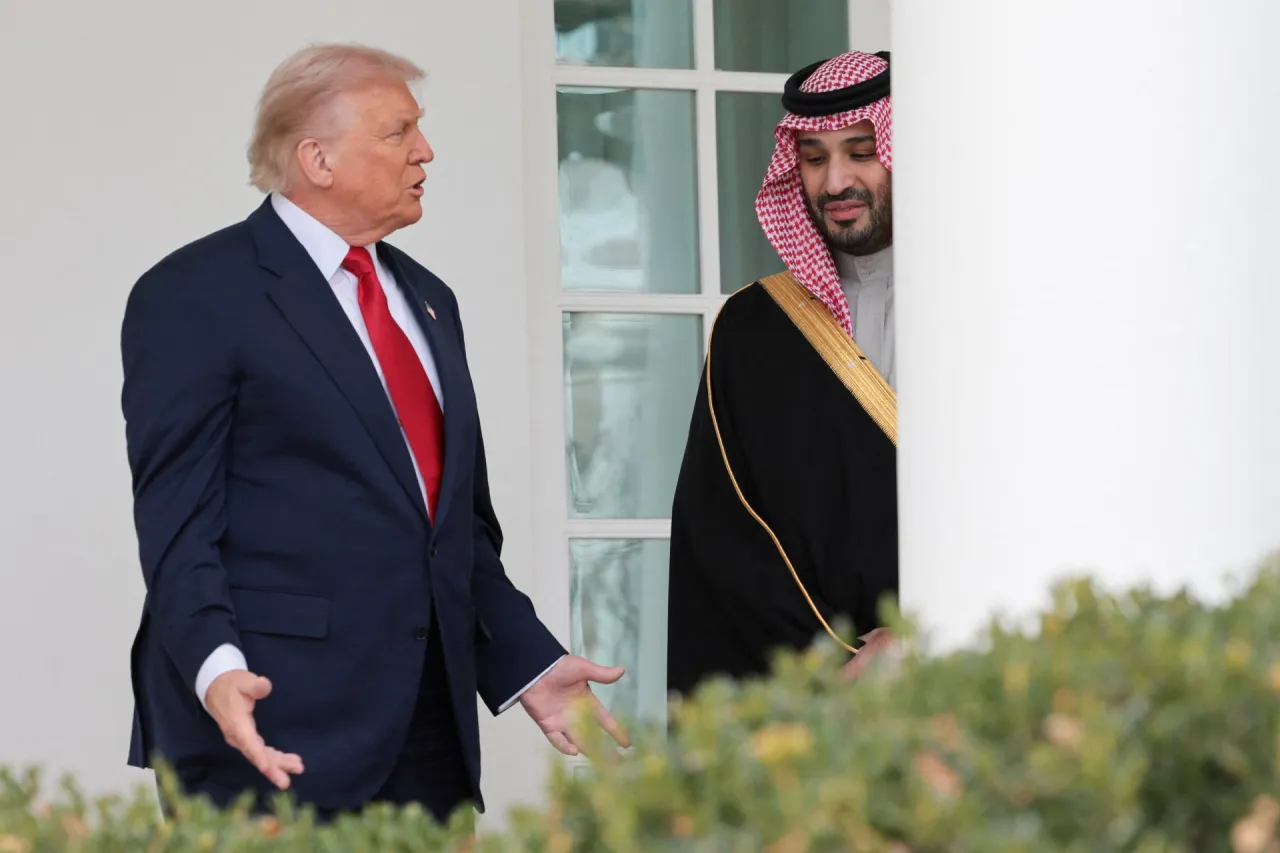
SCFR Online - Opinion: The new US-Saudi nuclear agreement, despite legal and political ambiguities, could alter previous non-proliferation standards in West Asia and intensify nuclear competition, ushering it into a new phase.

Kianoosh Shahroudi – Nuclear affairs expert

The Legal Framework and Political Conditions of the Agreement

The US Secretary of Energy and his Saudi counterpart signed the civilian nuclear cooperation document known as the “Section 123 Agreement” on July 22, 2026. This 30-year agreement provides the legal framework for US companies’ cooperation in the development of Saudi Arabia’s nuclear industry. However, the following day, Donald Trump announced that implementation of the agreement would be contingent upon Riyadh joining the “Abraham Accords” and normalizing relations with the Israeli regime; a condition that was not raised in the announced text of the agreement and which Saudi Arabia has made contingent on progress toward the formation of a Palestinian state.

This situation has created an important ambiguity regarding the relationship between the agreement’s legal commitments and subsequent political conditions. In effect, security and nuclear cooperation in Washington’s current approach have become more intertwined than before with US geopolitical priorities, and questions about the legal effects of a media statement on the signed document remain.

Enrichment; Difference from the UAE Model

The full text of the agreement has not yet been publicly released, and there are differing reports on the details of enrichment. However, published reports indicate that the enrichment issue has become one of the most important points of disagreement, and the possibility of Saudi Arabia obtaining enrichment capacity within the framework of the agreement has been discussed.

Should such capacity be realized, the difference between this agreement and the 2009 US-UAE nuclear agreement model becomes particularly significant; because the UAE forwent uranium enrichment and fuel reprocessing in that agreement. In contrast, the new Washington-Riyadh framework, even if it subjects sensitive nuclear activities to regulatory arrangements, delineates different boundaries for cooperation. Some reports have also cited the absence of certain reinforced verification mechanisms in the new agreement.

Therefore, the main issue is not merely Saudi Arabia’s acquisition of nuclear energy, but the creation of a new precedent for US treatment of nuclear programs in the region. The transition from a relatively clear standard regarding the UAE to a different framework for Saudi Arabia could further cloud non-proliferation norms and provoke other countries.

Geopolitical Motivations; Beyond Energy Supply

US-Saudi nuclear cooperation cannot be justified solely by Riyadh’s energy needs. The recent war against Iran and the intensification of regional instability have exposed the vulnerability of US allies to missile and drone attacks and have raised questions about the credibility of Washington’s security umbrella. In such circumstances, the nuclear cooperation proposal with Saudi Arabia can be assessed as part of US efforts to maintain its influence in the region and consolidate strategic relations with Riyadh.

In contrast, Saudi Arabia, through the development of its nuclear program, also seeks to diversify its strategic capacities and reduce dependence on a single security guarantor. Saudi officials have previously emphasized Riyadh’s interest in uranium enrichment, and therefore, the 2026 agreement can be seen as an attempt to respond to this demand within a US-supervised framework. This approach also offers advantages for Washington; because if Saudi Arabia moves toward enrichment, maintaining US involvement in design, technology, and oversight could allow for greater influence over Riyadh’s nuclear program path.

Nuclear Competition; from West Asia to the East

Current nuclear competition is not limited to West Asia, and signs of weakening previous norms are also observable globally. The German Institute for International and Security Affairs (SWP), in its assessment, has referred to US claims about the possibility of covert nuclear tests by China and Russia. Over the past years, Washington has raised the possibility of violations of international norms through underground tests, although available evidence on some cases is not definitive.

Simultaneously, the United States itself has also examined the issue of resuming nuclear tests several times during the Trump administrations. Such an action could, rather than strengthening Washington’s position, increase China and Russia’s incentive to further develop their nuclear capacities. In such circumstances, US nuclear cooperation with Saudi Arabia carries a strategic contradiction; Washington expresses concern about the weakening of non-proliferation norms in East Asia, yet in West Asia, by offering a different framework for nuclear cooperation with Riyadh, it subjects those same norms to a new test.

ASEAN Power Grid; Expansion of Competition to Energy Infrastructure

Competition over nuclear technology and geopolitical influence has also extended to energy infrastructure. The energy crisis resulting from disruptions to maritime routes has highlighted the vulnerability of Southeast Asian countries to external shocks and increased the importance of the “ASEAN power grid.” The ASEAN energy cooperation program for 2026-2030 also pursues the development of regional energy cooperation and movement toward greater integration of power grids.

Nuclear energy, alongside renewable energies, could also play a role in providing sustainable electricity for this region. Both China and the United States have significant technological and economic capacities for cooperation with ASEAN countries, and therefore, the regional power grid and nuclear cooperation could become a new arena for influence competition. This trend indicates that nuclear competition is no longer limited solely to weapons, but has also extended to technology, energy infrastructure, and economic development pathways.

On the other hand, the creation of new nuclear capacity in West Asia could further complicate the region’s security calculations, especially if Saudi Arabia achieves enrichment capacity in the future. Furthermore, the condition of normalizing Riyadh’s relations with the Israeli regime, if realized, could expand security and strategic cooperation between these two actors and affect the regional balance. On the other hand, the weakening of uniform standards in the field of non-proliferation could further complicate the diplomatic environment surrounding Iran’s nuclear program; because differences in US treatment of nuclear programs in the region raise questions about Washington’s double standards.

However, the final assessment of these implications depends on the publication of the full text of the agreement, the clarification of the limits of enrichment and verification mechanisms, as well as the fate of the condition for Saudi Arabia’s accession to the Abraham Accords. What seems clearer in the current circumstances is West Asia’s entry into a new phase of competition over nuclear technology; a phase in which peaceful objectives, security calculations, and power competition have become more intertwined than ever and could affect the region’s strategic balance.

0 Comments

LATEST CONTENT

Implications of the US-Saudi Nuclear Agreement

SCFR Online – Opinion: The new US-Saudi nuclear agreement, despite legal and political ambiguities, could alter previous non-proliferation standards in West Asia and intensify nuclear competition, ushering it into a new phase.

An Analysis of Recent Turkey-Israeli Regime Tensions

SCFR Online – Opinion: Recent developments in Syria indicate an intensification of strategic rivalry between Turkey and the Israeli regime, but mutual considerations and the role of the United States have limited the likelihood of direct war.

Increasing criticism of the extensive Zionist lobby network

SCFR Online – Opinion: An examination of the mechanisms of the Israeli regime’s influence in the United States depicts a complex picture of shared interests, strategic dependencies, and the limitations of this relationship.

Realities of the Tripartite Makkah Pact

SCFR Online – Interview: The signing of the Makkah agreement between Saudi Arabia, Pakistan, and Turkey has raised questions about the future of the region’s security structure and the position of these countries in West Asian equations. Can this agreement become a genuine collective defense mechanism, or does it have more of a political and deterrent function than creating new military capacity?

Strategic Implications of the Reduction of US Weapons Stockpiles

SCFR Online – Opinion: The continuation of the US war against Iran, in addition to increasing operational costs, has called into question the actual capacity of the American arsenal to simultaneously fulfill security commitments on multiple fronts; an issue that affects deterrence, defense production capacity, and Washington’s resource prioritization.

The Formation of a New Order in Relations Between Powers

SCFR Online – Opinion: The Russia-Ukraine war and the war of the United States and the Israeli regime against Iran have been formed with different objectives and actors, but field and political developments indicate that they are not entirely separate from one another.

An Analysis of the Makkah Defense Pact

SCFR Online – Opinion: On Friday, August 7, the heads of state of three countries – Saudi Arabia, Turkey, and Pakistan – signed a text under the title “Makkah Joint Defense Agreement.”

Loading

Últimas publicaciones

Implications of the US-Saudi Nuclear Agreement

SCFR Online – Opinion: The new US-Saudi nuclear agreement, despite legal and political ambiguities, could alter previous non-proliferation standards in West Asia and intensify nuclear competition, ushering it into a new phase.

An Analysis of Recent Turkey-Israeli Regime Tensions

SCFR Online – Opinion: Recent developments in Syria indicate an intensification of strategic rivalry between Turkey and the Israeli regime, but mutual considerations and the role of the United States have limited the likelihood of direct war.

Increasing criticism of the extensive Zionist lobby network

SCFR Online – Opinion: An examination of the mechanisms of the Israeli regime’s influence in the United States depicts a complex picture of shared interests, strategic dependencies, and the limitations of this relationship.

Realities of the Tripartite Makkah Pact

SCFR Online – Interview: The signing of the Makkah agreement between Saudi Arabia, Pakistan, and Turkey has raised questions about the future of the region’s security structure and the position of these countries in West Asian equations. Can this agreement become a genuine collective defense mechanism, or does it have more of a political and deterrent function than creating new military capacity?

Strategic Implications of the Reduction of US Weapons Stockpiles

SCFR Online – Opinion: The continuation of the US war against Iran, in addition to increasing operational costs, has called into question the actual capacity of the American arsenal to simultaneously fulfill security commitments on multiple fronts; an issue that affects deterrence, defense production capacity, and Washington’s resource prioritization.

The Formation of a New Order in Relations Between Powers

SCFR Online – Opinion: The Russia-Ukraine war and the war of the United States and the Israeli regime against Iran have been formed with different objectives and actors, but field and political developments indicate that they are not entirely separate from one another.

An Analysis of the Makkah Defense Pact

SCFR Online – Opinion: On Friday, August 7, the heads of state of three countries – Saudi Arabia, Turkey, and Pakistan – signed a text under the title “Makkah Joint Defense Agreement.”

Loading

DERNIER CONTENU

Implications of the US-Saudi Nuclear Agreement

SCFR Online – Opinion: The new US-Saudi nuclear agreement, despite legal and political ambiguities, could alter previous non-proliferation standards in West Asia and intensify nuclear competition, ushering it into a new phase.

An Analysis of Recent Turkey-Israeli Regime Tensions

SCFR Online – Opinion: Recent developments in Syria indicate an intensification of strategic rivalry between Turkey and the Israeli regime, but mutual considerations and the role of the United States have limited the likelihood of direct war.

Increasing criticism of the extensive Zionist lobby network

SCFR Online – Opinion: An examination of the mechanisms of the Israeli regime’s influence in the United States depicts a complex picture of shared interests, strategic dependencies, and the limitations of this relationship.

Realities of the Tripartite Makkah Pact

SCFR Online – Interview: The signing of the Makkah agreement between Saudi Arabia, Pakistan, and Turkey has raised questions about the future of the region’s security structure and the position of these countries in West Asian equations. Can this agreement become a genuine collective defense mechanism, or does it have more of a political and deterrent function than creating new military capacity?

Strategic Implications of the Reduction of US Weapons Stockpiles

SCFR Online – Opinion: The continuation of the US war against Iran, in addition to increasing operational costs, has called into question the actual capacity of the American arsenal to simultaneously fulfill security commitments on multiple fronts; an issue that affects deterrence, defense production capacity, and Washington’s resource prioritization.

The Formation of a New Order in Relations Between Powers

SCFR Online – Opinion: The Russia-Ukraine war and the war of the United States and the Israeli regime against Iran have been formed with different objectives and actors, but field and political developments indicate that they are not entirely separate from one another.

An Analysis of the Makkah Defense Pact

SCFR Online – Opinion: On Friday, August 7, the heads of state of three countries – Saudi Arabia, Turkey, and Pakistan – signed a text under the title “Makkah Joint Defense Agreement.”

Loading

DERNIER CONTENU

Implications of the US-Saudi Nuclear Agreement

SCFR Online – Opinion: The new US-Saudi nuclear agreement, despite legal and political ambiguities, could alter previous non-proliferation standards in West Asia and intensify nuclear competition, ushering it into a new phase.

An Analysis of Recent Turkey-Israeli Regime Tensions

SCFR Online – Opinion: Recent developments in Syria indicate an intensification of strategic rivalry between Turkey and the Israeli regime, but mutual considerations and the role of the United States have limited the likelihood of direct war.

Increasing criticism of the extensive Zionist lobby network

SCFR Online – Opinion: An examination of the mechanisms of the Israeli regime’s influence in the United States depicts a complex picture of shared interests, strategic dependencies, and the limitations of this relationship.

Realities of the Tripartite Makkah Pact

SCFR Online – Interview: The signing of the Makkah agreement between Saudi Arabia, Pakistan, and Turkey has raised questions about the future of the region’s security structure and the position of these countries in West Asian equations. Can this agreement become a genuine collective defense mechanism, or does it have more of a political and deterrent function than creating new military capacity?

Strategic Implications of the Reduction of US Weapons Stockpiles

SCFR Online – Opinion: The continuation of the US war against Iran, in addition to increasing operational costs, has called into question the actual capacity of the American arsenal to simultaneously fulfill security commitments on multiple fronts; an issue that affects deterrence, defense production capacity, and Washington’s resource prioritization.

The Formation of a New Order in Relations Between Powers

SCFR Online – Opinion: The Russia-Ukraine war and the war of the United States and the Israeli regime against Iran have been formed with different objectives and actors, but field and political developments indicate that they are not entirely separate from one another.

An Analysis of the Makkah Defense Pact

SCFR Online – Opinion: On Friday, August 7, the heads of state of three countries – Saudi Arabia, Turkey, and Pakistan – signed a text under the title “Makkah Joint Defense Agreement.”

Loading

DERNIER CONTENU

Implications of the US-Saudi Nuclear Agreement

SCFR Online – Opinion: The new US-Saudi nuclear agreement, despite legal and political ambiguities, could alter previous non-proliferation standards in West Asia and intensify nuclear competition, ushering it into a new phase.

An Analysis of Recent Turkey-Israeli Regime Tensions

SCFR Online – Opinion: Recent developments in Syria indicate an intensification of strategic rivalry between Turkey and the Israeli regime, but mutual considerations and the role of the United States have limited the likelihood of direct war.

Increasing criticism of the extensive Zionist lobby network

SCFR Online – Opinion: An examination of the mechanisms of the Israeli regime’s influence in the United States depicts a complex picture of shared interests, strategic dependencies, and the limitations of this relationship.

Realities of the Tripartite Makkah Pact

SCFR Online – Interview: The signing of the Makkah agreement between Saudi Arabia, Pakistan, and Turkey has raised questions about the future of the region’s security structure and the position of these countries in West Asian equations. Can this agreement become a genuine collective defense mechanism, or does it have more of a political and deterrent function than creating new military capacity?

Strategic Implications of the Reduction of US Weapons Stockpiles

SCFR Online – Opinion: The continuation of the US war against Iran, in addition to increasing operational costs, has called into question the actual capacity of the American arsenal to simultaneously fulfill security commitments on multiple fronts; an issue that affects deterrence, defense production capacity, and Washington’s resource prioritization.

The Formation of a New Order in Relations Between Powers

SCFR Online – Opinion: The Russia-Ukraine war and the war of the United States and the Israeli regime against Iran have been formed with different objectives and actors, but field and political developments indicate that they are not entirely separate from one another.

An Analysis of the Makkah Defense Pact

SCFR Online – Opinion: On Friday, August 7, the heads of state of three countries – Saudi Arabia, Turkey, and Pakistan – signed a text under the title “Makkah Joint Defense Agreement.”

Loading





