جدیدترین مطالب

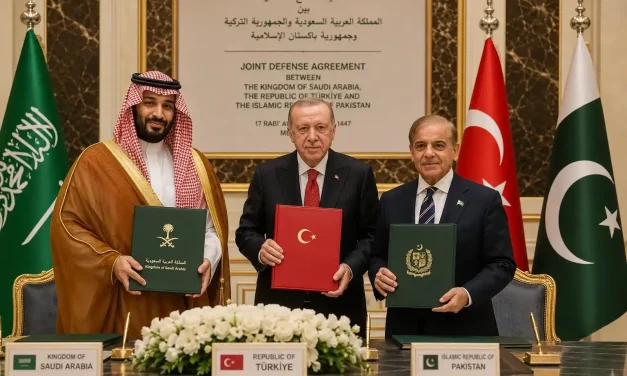
The Makkah Pact; Reasons for its Formation and Challenges Ahead

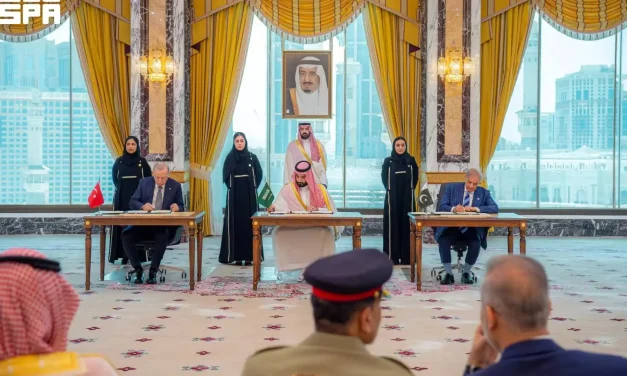
SCFR Online – Opinion: The Makkah Pact, signed between Saudi Arabia, Pakistan, and Turkey under the motto “an attack on one is an attack on all,” is viewed by some analysts less as a full-fledged military coalition and more as an attempt to reduce security dependence on an external power and to establish a regional security mechanism.

Implications of the US-Saudi Nuclear Agreement

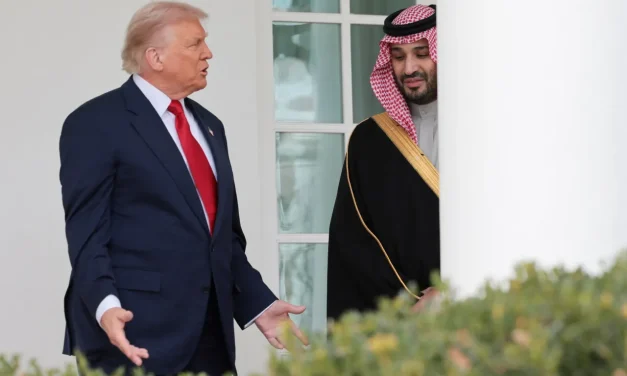
SCFR Online – Opinion: The new US-Saudi nuclear agreement, despite legal and political ambiguities, could alter previous non-proliferation standards in West Asia and intensify nuclear competition, ushering it into a new phase.

An Analysis of Recent Turkey-Israeli Regime Tensions

SCFR Online – Opinion: Recent developments in Syria indicate an intensification of strategic rivalry between Turkey and the Israeli regime, but mutual considerations and the role of the United States have limited the likelihood of direct war.

Increasing criticism of the extensive Zionist lobby network

SCFR Online – Opinion: An examination of the mechanisms of the Israeli regime’s influence in the United States depicts a complex picture of shared interests, strategic dependencies, and the limitations of this relationship.

Realities of the Tripartite Makkah Pact

SCFR Online – Interview: The signing of the Makkah agreement between Saudi Arabia, Pakistan, and Turkey has raised questions about the future of the region’s security structure and the position of these countries in West Asian equations. Can this agreement become a genuine collective defense mechanism, or does it have more of a political and deterrent function than creating new military capacity?

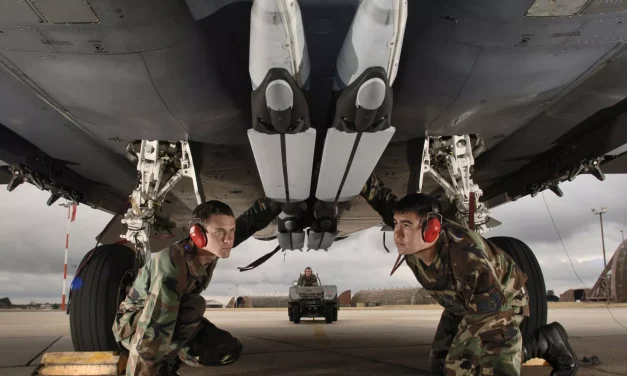
Strategic Implications of the Reduction of US Weapons Stockpiles

SCFR Online – Opinion: The continuation of the US war against Iran, in addition to increasing operational costs, has called into question the actual capacity of the American arsenal to simultaneously fulfill security commitments on multiple fronts; an issue that affects deterrence, defense production capacity, and Washington’s resource prioritization.

Loading

Top News

Roots of the Crisis in Tunisia

Roots of the Crisis in Tunisia

Strategic Council Online – Since the fall of Ben Ali in Tunisia in 2011, the country has faced many surprises. The only country that was able to successfully overcome the Arab Spring and draft a constitution based on democracy was Tunisia. In Tunisia there is a semi-presidential system, a parliamentary government, and at the same time a president with very broad powers elected by the people; but the removal of the Tunisian prime minister by President Kais Saied, the dissolution of the parliament for a month, and the lifting of the immunity of deputies is the beginning of a new round of events in the country.
Mahmoud Fazeli – International affairs analyst

The maneuver of Russia, Tajikistan, Uzbekistan and common concerns about the spread of insecurity to Central Asia

The maneuver of Russia, Tajikistan, Uzbekistan and common concerns about the spread of insecurity to Central Asia

Strategic Council Online—Interview: A university professor said any instability and insecurity in Afghanistan can easily spread to Central Asian states and create numerous security challenges for them, adding that there is the concern that empowerment of a radical force in Afghanistan and or any other foreign instigation or movement can result in recruitment of social dissidents in Tajikistan and move this country towards serious challenges.

Reasons of expediting the exit of America from Afghanistan

Reasons of expediting the exit of America from Afghanistan

Strategic Council Online—Interview: An expert of Afghanistan issues says on the reasons behind the decision by Joe Biden to withdraw military forces from Afghanistan by September that “it seems the main reason behind this decision is the prolongation of the presence of the US in Afghanistan as the US is present there close to two decades and in the meantime, various administrations in America have failed to realize the slogans they cried in these years.

Interview with the deputy of Iran Cyber Defense Command (2)  A view to strategies of Iran and Europe to combat cyber attacks

Interview with the deputy of Iran Cyber Defense Command (2) A view to strategies of Iran and Europe to combat cyber attacks

Strategic Council Online—Interview: The deputy of Iran Cyber Defense Command referred to the main strategies of Iran to combat the cyber threats and attacks and said “Iran is emphasizing the establishment of a local and domestic cyber defense industry and production of cyber equipment using the capabilities of research and manufacturing sectors in order to support the use of cyber infrastructure and prevent cyber attacks by enemies.”

Interview with deputy of Iran Cyber Defense Command (1) Increased Risk of Cyber Threats in Strategic Competition of States

Interview with deputy of Iran Cyber Defense Command (1) Increased Risk of Cyber Threats in Strategic Competition of States

Strategic Council Online – The deputy of Iran Cyber Defense Command, stating that technological progress, in addition to having different advantages, also creates new problems, said: The United States, the Zionist regime, and their regional allies are working to increase their operational access to our infrastructures by taking advantage of the advancement in cyberspace-related technologies.

Behind the Scene of Recent Political Developments in Tunisia; Contrast between Secularism and Islamism

Behind the Scene of Recent Political Developments in Tunisia; Contrast between Secularism and Islamism

Strategic Council Online – An expert of Africa affairs commenting on the recent situation in Tunisia as the origin of countries where the Arab Spring took place and some dissatisfaction emerged from the people said: The recent protests in Tunisia are due to dissatisfaction of people and some political officials with the decisions of the Tunisian president who removed the prime minister and suspended the parliament in an unforeseen move.

Interview with spokesman of Afghanistan people’s Trust Front: Favorable Outlook for Afghanistan from Non-Taliban Perception

Interview with spokesman of Afghanistan people’s Trust Front: Favorable Outlook for Afghanistan from Non-Taliban Perception

Strategic Council Online: A spokesman for the Afghanistan people’s Trust Front, stating that the desire and demand of the Afghan people is to establish a republic in the country, said: Countries with an effective role in Afghanistan should force the Taliban, who know no language other than killing and destruction, to enter into meaningful negotiations with a system that represents the people of Afghanistan, and together establish a coordinated system that is acceptable to the people of that country.

Obstacles, Prospects for Formation of Najib Mikati Government in Lebanon

Obstacles, Prospects for Formation of Najib Mikati Government in Lebanon

Strategic Council Online – Formation of government has always been the most complex and difficult political process in Lebanon, which is typically slow and has become one of the most challenging issues in that country for many years. The new era, which began with the resignation of Saad Hariri as prime minister and following October 2019 protests in Lebanon, entered a complex and tense path up to now when “Najib Mikati” has been appointed by Michel Aoun to form a new government.
Barsam Mohammadi – Analyst of international affairs

أحدث الوظائف

The Makkah Pact; Reasons for its Formation and Challenges Ahead

SCFR Online – Opinion: The Makkah Pact, signed between Saudi Arabia, Pakistan, and Turkey under the motto “an attack on one is an attack on all,” is viewed by some analysts less as a full-fledged military coalition and more as an attempt to reduce security dependence on an external power and to establish a regional security mechanism.

Implications of the US-Saudi Nuclear Agreement

SCFR Online – Opinion: The new US-Saudi nuclear agreement, despite legal and political ambiguities, could alter previous non-proliferation standards in West Asia and intensify nuclear competition, ushering it into a new phase.

An Analysis of Recent Turkey-Israeli Regime Tensions

SCFR Online – Opinion: Recent developments in Syria indicate an intensification of strategic rivalry between Turkey and the Israeli regime, but mutual considerations and the role of the United States have limited the likelihood of direct war.

Increasing criticism of the extensive Zionist lobby network

SCFR Online – Opinion: An examination of the mechanisms of the Israeli regime’s influence in the United States depicts a complex picture of shared interests, strategic dependencies, and the limitations of this relationship.

Realities of the Tripartite Makkah Pact

SCFR Online – Interview: The signing of the Makkah agreement between Saudi Arabia, Pakistan, and Turkey has raised questions about the future of the region’s security structure and the position of these countries in West Asian equations. Can this agreement become a genuine collective defense mechanism, or does it have more of a political and deterrent function than creating new military capacity?

Strategic Implications of the Reduction of US Weapons Stockpiles

SCFR Online – Opinion: The continuation of the US war against Iran, in addition to increasing operational costs, has called into question the actual capacity of the American arsenal to simultaneously fulfill security commitments on multiple fronts; an issue that affects deterrence, defense production capacity, and Washington’s resource prioritization.

Loading

Top News

Roots of the Crisis in Tunisia

Roots of the Crisis in Tunisia

Strategic Council Online – Since the fall of Ben Ali in Tunisia in 2011, the country has faced many surprises. The only country that was able to successfully overcome the Arab Spring and draft a constitution based on democracy was Tunisia. In Tunisia there is a semi-presidential system, a parliamentary government, and at the same time a president with very broad powers elected by the people; but the removal of the Tunisian prime minister by President Kais Saied, the dissolution of the parliament for a month, and the lifting of the immunity of deputies is the beginning of a new round of events in the country.
Mahmoud Fazeli – International affairs analyst

The maneuver of Russia, Tajikistan, Uzbekistan and common concerns about the spread of insecurity to Central Asia

The maneuver of Russia, Tajikistan, Uzbekistan and common concerns about the spread of insecurity to Central Asia

Strategic Council Online—Interview: A university professor said any instability and insecurity in Afghanistan can easily spread to Central Asian states and create numerous security challenges for them, adding that there is the concern that empowerment of a radical force in Afghanistan and or any other foreign instigation or movement can result in recruitment of social dissidents in Tajikistan and move this country towards serious challenges.

Reasons of expediting the exit of America from Afghanistan

Reasons of expediting the exit of America from Afghanistan

Strategic Council Online—Interview: An expert of Afghanistan issues says on the reasons behind the decision by Joe Biden to withdraw military forces from Afghanistan by September that “it seems the main reason behind this decision is the prolongation of the presence of the US in Afghanistan as the US is present there close to two decades and in the meantime, various administrations in America have failed to realize the slogans they cried in these years.

Interview with the deputy of Iran Cyber Defense Command (2)  A view to strategies of Iran and Europe to combat cyber attacks

Interview with the deputy of Iran Cyber Defense Command (2) A view to strategies of Iran and Europe to combat cyber attacks

Strategic Council Online—Interview: The deputy of Iran Cyber Defense Command referred to the main strategies of Iran to combat the cyber threats and attacks and said “Iran is emphasizing the establishment of a local and domestic cyber defense industry and production of cyber equipment using the capabilities of research and manufacturing sectors in order to support the use of cyber infrastructure and prevent cyber attacks by enemies.”

Interview with deputy of Iran Cyber Defense Command (1) Increased Risk of Cyber Threats in Strategic Competition of States

Interview with deputy of Iran Cyber Defense Command (1) Increased Risk of Cyber Threats in Strategic Competition of States

Strategic Council Online – The deputy of Iran Cyber Defense Command, stating that technological progress, in addition to having different advantages, also creates new problems, said: The United States, the Zionist regime, and their regional allies are working to increase their operational access to our infrastructures by taking advantage of the advancement in cyberspace-related technologies.

Behind the Scene of Recent Political Developments in Tunisia; Contrast between Secularism and Islamism

Behind the Scene of Recent Political Developments in Tunisia; Contrast between Secularism and Islamism

Strategic Council Online – An expert of Africa affairs commenting on the recent situation in Tunisia as the origin of countries where the Arab Spring took place and some dissatisfaction emerged from the people said: The recent protests in Tunisia are due to dissatisfaction of people and some political officials with the decisions of the Tunisian president who removed the prime minister and suspended the parliament in an unforeseen move.

Interview with spokesman of Afghanistan people’s Trust Front: Favorable Outlook for Afghanistan from Non-Taliban Perception

Interview with spokesman of Afghanistan people’s Trust Front: Favorable Outlook for Afghanistan from Non-Taliban Perception

Strategic Council Online: A spokesman for the Afghanistan people’s Trust Front, stating that the desire and demand of the Afghan people is to establish a republic in the country, said: Countries with an effective role in Afghanistan should force the Taliban, who know no language other than killing and destruction, to enter into meaningful negotiations with a system that represents the people of Afghanistan, and together establish a coordinated system that is acceptable to the people of that country.

Obstacles, Prospects for Formation of Najib Mikati Government in Lebanon

Obstacles, Prospects for Formation of Najib Mikati Government in Lebanon

Strategic Council Online – Formation of government has always been the most complex and difficult political process in Lebanon, which is typically slow and has become one of the most challenging issues in that country for many years. The new era, which began with the resignation of Saad Hariri as prime minister and following October 2019 protests in Lebanon, entered a complex and tense path up to now when “Najib Mikati” has been appointed by Michel Aoun to form a new government.
Barsam Mohammadi – Analyst of international affairs

Top News

Roots of the Crisis in Tunisia

Roots of the Crisis in Tunisia

Strategic Council Online – Since the fall of Ben Ali in Tunisia in 2011, the country has faced many surprises. The only country that was able to successfully overcome the Arab Spring and draft a constitution based on democracy was Tunisia. In Tunisia there is a semi-presidential system, a parliamentary government, and at the same time a president with very broad powers elected by the people; but the removal of the Tunisian prime minister by President Kais Saied, the dissolution of the parliament for a month, and the lifting of the immunity of deputies is the beginning of a new round of events in the country.
Mahmoud Fazeli – International affairs analyst

The maneuver of Russia, Tajikistan, Uzbekistan and common concerns about the spread of insecurity to Central Asia

The maneuver of Russia, Tajikistan, Uzbekistan and common concerns about the spread of insecurity to Central Asia

Strategic Council Online—Interview: A university professor said any instability and insecurity in Afghanistan can easily spread to Central Asian states and create numerous security challenges for them, adding that there is the concern that empowerment of a radical force in Afghanistan and or any other foreign instigation or movement can result in recruitment of social dissidents in Tajikistan and move this country towards serious challenges.

Reasons of expediting the exit of America from Afghanistan

Reasons of expediting the exit of America from Afghanistan

Strategic Council Online—Interview: An expert of Afghanistan issues says on the reasons behind the decision by Joe Biden to withdraw military forces from Afghanistan by September that “it seems the main reason behind this decision is the prolongation of the presence of the US in Afghanistan as the US is present there close to two decades and in the meantime, various administrations in America have failed to realize the slogans they cried in these years.

Interview with the deputy of Iran Cyber Defense Command (2)  A view to strategies of Iran and Europe to combat cyber attacks

Interview with the deputy of Iran Cyber Defense Command (2) A view to strategies of Iran and Europe to combat cyber attacks

Strategic Council Online—Interview: The deputy of Iran Cyber Defense Command referred to the main strategies of Iran to combat the cyber threats and attacks and said “Iran is emphasizing the establishment of a local and domestic cyber defense industry and production of cyber equipment using the capabilities of research and manufacturing sectors in order to support the use of cyber infrastructure and prevent cyber attacks by enemies.”

Interview with deputy of Iran Cyber Defense Command (1) Increased Risk of Cyber Threats in Strategic Competition of States

Interview with deputy of Iran Cyber Defense Command (1) Increased Risk of Cyber Threats in Strategic Competition of States

Strategic Council Online – The deputy of Iran Cyber Defense Command, stating that technological progress, in addition to having different advantages, also creates new problems, said: The United States, the Zionist regime, and their regional allies are working to increase their operational access to our infrastructures by taking advantage of the advancement in cyberspace-related technologies.

Behind the Scene of Recent Political Developments in Tunisia; Contrast between Secularism and Islamism

Behind the Scene of Recent Political Developments in Tunisia; Contrast between Secularism and Islamism

Strategic Council Online – An expert of Africa affairs commenting on the recent situation in Tunisia as the origin of countries where the Arab Spring took place and some dissatisfaction emerged from the people said: The recent protests in Tunisia are due to dissatisfaction of people and some political officials with the decisions of the Tunisian president who removed the prime minister and suspended the parliament in an unforeseen move.

Interview with spokesman of Afghanistan people’s Trust Front: Favorable Outlook for Afghanistan from Non-Taliban Perception

Interview with spokesman of Afghanistan people’s Trust Front: Favorable Outlook for Afghanistan from Non-Taliban Perception

Strategic Council Online: A spokesman for the Afghanistan people’s Trust Front, stating that the desire and demand of the Afghan people is to establish a republic in the country, said: Countries with an effective role in Afghanistan should force the Taliban, who know no language other than killing and destruction, to enter into meaningful negotiations with a system that represents the people of Afghanistan, and together establish a coordinated system that is acceptable to the people of that country.

Obstacles, Prospects for Formation of Najib Mikati Government in Lebanon

Obstacles, Prospects for Formation of Najib Mikati Government in Lebanon

Strategic Council Online – Formation of government has always been the most complex and difficult political process in Lebanon, which is typically slow and has become one of the most challenging issues in that country for many years. The new era, which began with the resignation of Saad Hariri as prime minister and following October 2019 protests in Lebanon, entered a complex and tense path up to now when “Najib Mikati” has been appointed by Michel Aoun to form a new government.
Barsam Mohammadi – Analyst of international affairs

LATEST CONTENT

The Makkah Pact; Reasons for its Formation and Challenges Ahead

SCFR Online – Opinion: The Makkah Pact, signed between Saudi Arabia, Pakistan, and Turkey under the motto “an attack on one is an attack on all,” is viewed by some analysts less as a full-fledged military coalition and more as an attempt to reduce security dependence on an external power and to establish a regional security mechanism.

Implications of the US-Saudi Nuclear Agreement

SCFR Online – Opinion: The new US-Saudi nuclear agreement, despite legal and political ambiguities, could alter previous non-proliferation standards in West Asia and intensify nuclear competition, ushering it into a new phase.

An Analysis of Recent Turkey-Israeli Regime Tensions

SCFR Online – Opinion: Recent developments in Syria indicate an intensification of strategic rivalry between Turkey and the Israeli regime, but mutual considerations and the role of the United States have limited the likelihood of direct war.

Increasing criticism of the extensive Zionist lobby network

SCFR Online – Opinion: An examination of the mechanisms of the Israeli regime’s influence in the United States depicts a complex picture of shared interests, strategic dependencies, and the limitations of this relationship.

Realities of the Tripartite Makkah Pact

SCFR Online – Interview: The signing of the Makkah agreement between Saudi Arabia, Pakistan, and Turkey has raised questions about the future of the region’s security structure and the position of these countries in West Asian equations. Can this agreement become a genuine collective defense mechanism, or does it have more of a political and deterrent function than creating new military capacity?

Strategic Implications of the Reduction of US Weapons Stockpiles

SCFR Online – Opinion: The continuation of the US war against Iran, in addition to increasing operational costs, has called into question the actual capacity of the American arsenal to simultaneously fulfill security commitments on multiple fronts; an issue that affects deterrence, defense production capacity, and Washington’s resource prioritization.

Loading

Top News

Roots of the Crisis in Tunisia

Roots of the Crisis in Tunisia

Strategic Council Online – Since the fall of Ben Ali in Tunisia in 2011, the country has faced many surprises. The only country that was able to successfully overcome the Arab Spring and draft a constitution based on democracy was Tunisia. In Tunisia there is a semi-presidential system, a parliamentary government, and at the same time a president with very broad powers elected by the people; but the removal of the Tunisian prime minister by President Kais Saied, the dissolution of the parliament for a month, and the lifting of the immunity of deputies is the beginning of a new round of events in the country.
Mahmoud Fazeli – International affairs analyst

The maneuver of Russia, Tajikistan, Uzbekistan and common concerns about the spread of insecurity to Central Asia

The maneuver of Russia, Tajikistan, Uzbekistan and common concerns about the spread of insecurity to Central Asia

Strategic Council Online—Interview: A university professor said any instability and insecurity in Afghanistan can easily spread to Central Asian states and create numerous security challenges for them, adding that there is the concern that empowerment of a radical force in Afghanistan and or any other foreign instigation or movement can result in recruitment of social dissidents in Tajikistan and move this country towards serious challenges.

Reasons of expediting the exit of America from Afghanistan

Reasons of expediting the exit of America from Afghanistan

Strategic Council Online—Interview: An expert of Afghanistan issues says on the reasons behind the decision by Joe Biden to withdraw military forces from Afghanistan by September that “it seems the main reason behind this decision is the prolongation of the presence of the US in Afghanistan as the US is present there close to two decades and in the meantime, various administrations in America have failed to realize the slogans they cried in these years.

Interview with the deputy of Iran Cyber Defense Command (2)  A view to strategies of Iran and Europe to combat cyber attacks

Interview with the deputy of Iran Cyber Defense Command (2) A view to strategies of Iran and Europe to combat cyber attacks

Strategic Council Online—Interview: The deputy of Iran Cyber Defense Command referred to the main strategies of Iran to combat the cyber threats and attacks and said “Iran is emphasizing the establishment of a local and domestic cyber defense industry and production of cyber equipment using the capabilities of research and manufacturing sectors in order to support the use of cyber infrastructure and prevent cyber attacks by enemies.”

Interview with deputy of Iran Cyber Defense Command (1) Increased Risk of Cyber Threats in Strategic Competition of States

Interview with deputy of Iran Cyber Defense Command (1) Increased Risk of Cyber Threats in Strategic Competition of States

Strategic Council Online – The deputy of Iran Cyber Defense Command, stating that technological progress, in addition to having different advantages, also creates new problems, said: The United States, the Zionist regime, and their regional allies are working to increase their operational access to our infrastructures by taking advantage of the advancement in cyberspace-related technologies.

Behind the Scene of Recent Political Developments in Tunisia; Contrast between Secularism and Islamism

Behind the Scene of Recent Political Developments in Tunisia; Contrast between Secularism and Islamism

Strategic Council Online – An expert of Africa affairs commenting on the recent situation in Tunisia as the origin of countries where the Arab Spring took place and some dissatisfaction emerged from the people said: The recent protests in Tunisia are due to dissatisfaction of people and some political officials with the decisions of the Tunisian president who removed the prime minister and suspended the parliament in an unforeseen move.

Interview with spokesman of Afghanistan people’s Trust Front: Favorable Outlook for Afghanistan from Non-Taliban Perception

Interview with spokesman of Afghanistan people’s Trust Front: Favorable Outlook for Afghanistan from Non-Taliban Perception

Strategic Council Online: A spokesman for the Afghanistan people’s Trust Front, stating that the desire and demand of the Afghan people is to establish a republic in the country, said: Countries with an effective role in Afghanistan should force the Taliban, who know no language other than killing and destruction, to enter into meaningful negotiations with a system that represents the people of Afghanistan, and together establish a coordinated system that is acceptable to the people of that country.

Obstacles, Prospects for Formation of Najib Mikati Government in Lebanon

Obstacles, Prospects for Formation of Najib Mikati Government in Lebanon

Strategic Council Online – Formation of government has always been the most complex and difficult political process in Lebanon, which is typically slow and has become one of the most challenging issues in that country for many years. The new era, which began with the resignation of Saad Hariri as prime minister and following October 2019 protests in Lebanon, entered a complex and tense path up to now when “Najib Mikati” has been appointed by Michel Aoun to form a new government.
Barsam Mohammadi – Analyst of international affairs

ÚLTIMAS PUBLICACIONES

The Makkah Pact; Reasons for its Formation and Challenges Ahead

SCFR Online – Opinion: The Makkah Pact, signed between Saudi Arabia, Pakistan, and Turkey under the motto “an attack on one is an attack on all,” is viewed by some analysts less as a full-fledged military coalition and more as an attempt to reduce security dependence on an external power and to establish a regional security mechanism.

Implications of the US-Saudi Nuclear Agreement

SCFR Online – Opinion: The new US-Saudi nuclear agreement, despite legal and political ambiguities, could alter previous non-proliferation standards in West Asia and intensify nuclear competition, ushering it into a new phase.

An Analysis of Recent Turkey-Israeli Regime Tensions

SCFR Online – Opinion: Recent developments in Syria indicate an intensification of strategic rivalry between Turkey and the Israeli regime, but mutual considerations and the role of the United States have limited the likelihood of direct war.

Increasing criticism of the extensive Zionist lobby network

SCFR Online – Opinion: An examination of the mechanisms of the Israeli regime’s influence in the United States depicts a complex picture of shared interests, strategic dependencies, and the limitations of this relationship.

Realities of the Tripartite Makkah Pact

SCFR Online – Interview: The signing of the Makkah agreement between Saudi Arabia, Pakistan, and Turkey has raised questions about the future of the region’s security structure and the position of these countries in West Asian equations. Can this agreement become a genuine collective defense mechanism, or does it have more of a political and deterrent function than creating new military capacity?

Strategic Implications of the Reduction of US Weapons Stockpiles

SCFR Online – Opinion: The continuation of the US war against Iran, in addition to increasing operational costs, has called into question the actual capacity of the American arsenal to simultaneously fulfill security commitments on multiple fronts; an issue that affects deterrence, defense production capacity, and Washington’s resource prioritization.

Loading

Top News

Roots of the Crisis in Tunisia

Roots of the Crisis in Tunisia

Strategic Council Online – Since the fall of Ben Ali in Tunisia in 2011, the country has faced many surprises. The only country that was able to successfully overcome the Arab Spring and draft a constitution based on democracy was Tunisia. In Tunisia there is a semi-presidential system, a parliamentary government, and at the same time a president with very broad powers elected by the people; but the removal of the Tunisian prime minister by President Kais Saied, the dissolution of the parliament for a month, and the lifting of the immunity of deputies is the beginning of a new round of events in the country.
Mahmoud Fazeli – International affairs analyst

The maneuver of Russia, Tajikistan, Uzbekistan and common concerns about the spread of insecurity to Central Asia

The maneuver of Russia, Tajikistan, Uzbekistan and common concerns about the spread of insecurity to Central Asia

Strategic Council Online—Interview: A university professor said any instability and insecurity in Afghanistan can easily spread to Central Asian states and create numerous security challenges for them, adding that there is the concern that empowerment of a radical force in Afghanistan and or any other foreign instigation or movement can result in recruitment of social dissidents in Tajikistan and move this country towards serious challenges.

Reasons of expediting the exit of America from Afghanistan

Reasons of expediting the exit of America from Afghanistan

Strategic Council Online—Interview: An expert of Afghanistan issues says on the reasons behind the decision by Joe Biden to withdraw military forces from Afghanistan by September that “it seems the main reason behind this decision is the prolongation of the presence of the US in Afghanistan as the US is present there close to two decades and in the meantime, various administrations in America have failed to realize the slogans they cried in these years.

Interview with the deputy of Iran Cyber Defense Command (2)  A view to strategies of Iran and Europe to combat cyber attacks

Interview with the deputy of Iran Cyber Defense Command (2) A view to strategies of Iran and Europe to combat cyber attacks

Strategic Council Online—Interview: The deputy of Iran Cyber Defense Command referred to the main strategies of Iran to combat the cyber threats and attacks and said “Iran is emphasizing the establishment of a local and domestic cyber defense industry and production of cyber equipment using the capabilities of research and manufacturing sectors in order to support the use of cyber infrastructure and prevent cyber attacks by enemies.”

Interview with deputy of Iran Cyber Defense Command (1) Increased Risk of Cyber Threats in Strategic Competition of States

Interview with deputy of Iran Cyber Defense Command (1) Increased Risk of Cyber Threats in Strategic Competition of States

Strategic Council Online – The deputy of Iran Cyber Defense Command, stating that technological progress, in addition to having different advantages, also creates new problems, said: The United States, the Zionist regime, and their regional allies are working to increase their operational access to our infrastructures by taking advantage of the advancement in cyberspace-related technologies.

Behind the Scene of Recent Political Developments in Tunisia; Contrast between Secularism and Islamism

Behind the Scene of Recent Political Developments in Tunisia; Contrast between Secularism and Islamism

Strategic Council Online – An expert of Africa affairs commenting on the recent situation in Tunisia as the origin of countries where the Arab Spring took place and some dissatisfaction emerged from the people said: The recent protests in Tunisia are due to dissatisfaction of people and some political officials with the decisions of the Tunisian president who removed the prime minister and suspended the parliament in an unforeseen move.

Interview with spokesman of Afghanistan people’s Trust Front: Favorable Outlook for Afghanistan from Non-Taliban Perception

Interview with spokesman of Afghanistan people’s Trust Front: Favorable Outlook for Afghanistan from Non-Taliban Perception

Strategic Council Online: A spokesman for the Afghanistan people’s Trust Front, stating that the desire and demand of the Afghan people is to establish a republic in the country, said: Countries with an effective role in Afghanistan should force the Taliban, who know no language other than killing and destruction, to enter into meaningful negotiations with a system that represents the people of Afghanistan, and together establish a coordinated system that is acceptable to the people of that country.

Obstacles, Prospects for Formation of Najib Mikati Government in Lebanon

Obstacles, Prospects for Formation of Najib Mikati Government in Lebanon

Strategic Council Online – Formation of government has always been the most complex and difficult political process in Lebanon, which is typically slow and has become one of the most challenging issues in that country for many years. The new era, which began with the resignation of Saad Hariri as prime minister and following October 2019 protests in Lebanon, entered a complex and tense path up to now when “Najib Mikati” has been appointed by Michel Aoun to form a new government.
Barsam Mohammadi – Analyst of international affairs

ÚLTIMAS PUBLICACIONES

The Makkah Pact; Reasons for its Formation and Challenges Ahead

SCFR Online – Opinion: The Makkah Pact, signed between Saudi Arabia, Pakistan, and Turkey under the motto “an attack on one is an attack on all,” is viewed by some analysts less as a full-fledged military coalition and more as an attempt to reduce security dependence on an external power and to establish a regional security mechanism.

Implications of the US-Saudi Nuclear Agreement

SCFR Online – Opinion: The new US-Saudi nuclear agreement, despite legal and political ambiguities, could alter previous non-proliferation standards in West Asia and intensify nuclear competition, ushering it into a new phase.

An Analysis of Recent Turkey-Israeli Regime Tensions

SCFR Online – Opinion: Recent developments in Syria indicate an intensification of strategic rivalry between Turkey and the Israeli regime, but mutual considerations and the role of the United States have limited the likelihood of direct war.

Increasing criticism of the extensive Zionist lobby network

SCFR Online – Opinion: An examination of the mechanisms of the Israeli regime’s influence in the United States depicts a complex picture of shared interests, strategic dependencies, and the limitations of this relationship.

Realities of the Tripartite Makkah Pact

SCFR Online – Interview: The signing of the Makkah agreement between Saudi Arabia, Pakistan, and Turkey has raised questions about the future of the region’s security structure and the position of these countries in West Asian equations. Can this agreement become a genuine collective defense mechanism, or does it have more of a political and deterrent function than creating new military capacity?

Strategic Implications of the Reduction of US Weapons Stockpiles

SCFR Online – Opinion: The continuation of the US war against Iran, in addition to increasing operational costs, has called into question the actual capacity of the American arsenal to simultaneously fulfill security commitments on multiple fronts; an issue that affects deterrence, defense production capacity, and Washington’s resource prioritization.

Loading

Top News

Roots of the Crisis in Tunisia

Roots of the Crisis in Tunisia

Strategic Council Online – Since the fall of Ben Ali in Tunisia in 2011, the country has faced many surprises. The only country that was able to successfully overcome the Arab Spring and draft a constitution based on democracy was Tunisia. In Tunisia there is a semi-presidential system, a parliamentary government, and at the same time a president with very broad powers elected by the people; but the removal of the Tunisian prime minister by President Kais Saied, the dissolution of the parliament for a month, and the lifting of the immunity of deputies is the beginning of a new round of events in the country.
Mahmoud Fazeli – International affairs analyst

The maneuver of Russia, Tajikistan, Uzbekistan and common concerns about the spread of insecurity to Central Asia

The maneuver of Russia, Tajikistan, Uzbekistan and common concerns about the spread of insecurity to Central Asia

Strategic Council Online—Interview: A university professor said any instability and insecurity in Afghanistan can easily spread to Central Asian states and create numerous security challenges for them, adding that there is the concern that empowerment of a radical force in Afghanistan and or any other foreign instigation or movement can result in recruitment of social dissidents in Tajikistan and move this country towards serious challenges.

Reasons of expediting the exit of America from Afghanistan

Reasons of expediting the exit of America from Afghanistan

Strategic Council Online—Interview: An expert of Afghanistan issues says on the reasons behind the decision by Joe Biden to withdraw military forces from Afghanistan by September that “it seems the main reason behind this decision is the prolongation of the presence of the US in Afghanistan as the US is present there close to two decades and in the meantime, various administrations in America have failed to realize the slogans they cried in these years.

Interview with the deputy of Iran Cyber Defense Command (2)  A view to strategies of Iran and Europe to combat cyber attacks

Interview with the deputy of Iran Cyber Defense Command (2) A view to strategies of Iran and Europe to combat cyber attacks

Strategic Council Online—Interview: The deputy of Iran Cyber Defense Command referred to the main strategies of Iran to combat the cyber threats and attacks and said “Iran is emphasizing the establishment of a local and domestic cyber defense industry and production of cyber equipment using the capabilities of research and manufacturing sectors in order to support the use of cyber infrastructure and prevent cyber attacks by enemies.”

Interview with deputy of Iran Cyber Defense Command (1) Increased Risk of Cyber Threats in Strategic Competition of States

Interview with deputy of Iran Cyber Defense Command (1) Increased Risk of Cyber Threats in Strategic Competition of States

Strategic Council Online – The deputy of Iran Cyber Defense Command, stating that technological progress, in addition to having different advantages, also creates new problems, said: The United States, the Zionist regime, and their regional allies are working to increase their operational access to our infrastructures by taking advantage of the advancement in cyberspace-related technologies.

Behind the Scene of Recent Political Developments in Tunisia; Contrast between Secularism and Islamism

Behind the Scene of Recent Political Developments in Tunisia; Contrast between Secularism and Islamism

Strategic Council Online – An expert of Africa affairs commenting on the recent situation in Tunisia as the origin of countries where the Arab Spring took place and some dissatisfaction emerged from the people said: The recent protests in Tunisia are due to dissatisfaction of people and some political officials with the decisions of the Tunisian president who removed the prime minister and suspended the parliament in an unforeseen move.

Interview with spokesman of Afghanistan people’s Trust Front: Favorable Outlook for Afghanistan from Non-Taliban Perception

Interview with spokesman of Afghanistan people’s Trust Front: Favorable Outlook for Afghanistan from Non-Taliban Perception

Strategic Council Online: A spokesman for the Afghanistan people’s Trust Front, stating that the desire and demand of the Afghan people is to establish a republic in the country, said: Countries with an effective role in Afghanistan should force the Taliban, who know no language other than killing and destruction, to enter into meaningful negotiations with a system that represents the people of Afghanistan, and together establish a coordinated system that is acceptable to the people of that country.

Obstacles, Prospects for Formation of Najib Mikati Government in Lebanon

Obstacles, Prospects for Formation of Najib Mikati Government in Lebanon

Strategic Council Online – Formation of government has always been the most complex and difficult political process in Lebanon, which is typically slow and has become one of the most challenging issues in that country for many years. The new era, which began with the resignation of Saad Hariri as prime minister and following October 2019 protests in Lebanon, entered a complex and tense path up to now when “Najib Mikati” has been appointed by Michel Aoun to form a new government.
Barsam Mohammadi – Analyst of international affairs

ÚLTIMAS PUBLICACIONES

The Makkah Pact; Reasons for its Formation and Challenges Ahead

SCFR Online – Opinion: The Makkah Pact, signed between Saudi Arabia, Pakistan, and Turkey under the motto “an attack on one is an attack on all,” is viewed by some analysts less as a full-fledged military coalition and more as an attempt to reduce security dependence on an external power and to establish a regional security mechanism.

Implications of the US-Saudi Nuclear Agreement

SCFR Online – Opinion: The new US-Saudi nuclear agreement, despite legal and political ambiguities, could alter previous non-proliferation standards in West Asia and intensify nuclear competition, ushering it into a new phase.

An Analysis of Recent Turkey-Israeli Regime Tensions

SCFR Online – Opinion: Recent developments in Syria indicate an intensification of strategic rivalry between Turkey and the Israeli regime, but mutual considerations and the role of the United States have limited the likelihood of direct war.

Increasing criticism of the extensive Zionist lobby network

SCFR Online – Opinion: An examination of the mechanisms of the Israeli regime’s influence in the United States depicts a complex picture of shared interests, strategic dependencies, and the limitations of this relationship.

Realities of the Tripartite Makkah Pact

SCFR Online – Interview: The signing of the Makkah agreement between Saudi Arabia, Pakistan, and Turkey has raised questions about the future of the region’s security structure and the position of these countries in West Asian equations. Can this agreement become a genuine collective defense mechanism, or does it have more of a political and deterrent function than creating new military capacity?

Strategic Implications of the Reduction of US Weapons Stockpiles

SCFR Online – Opinion: The continuation of the US war against Iran, in addition to increasing operational costs, has called into question the actual capacity of the American arsenal to simultaneously fulfill security commitments on multiple fronts; an issue that affects deterrence, defense production capacity, and Washington’s resource prioritization.

Loading

Top News

Roots of the Crisis in Tunisia

Roots of the Crisis in Tunisia

Strategic Council Online – Since the fall of Ben Ali in Tunisia in 2011, the country has faced many surprises. The only country that was able to successfully overcome the Arab Spring and draft a constitution based on democracy was Tunisia. In Tunisia there is a semi-presidential system, a parliamentary government, and at the same time a president with very broad powers elected by the people; but the removal of the Tunisian prime minister by President Kais Saied, the dissolution of the parliament for a month, and the lifting of the immunity of deputies is the beginning of a new round of events in the country.
Mahmoud Fazeli – International affairs analyst

The maneuver of Russia, Tajikistan, Uzbekistan and common concerns about the spread of insecurity to Central Asia

The maneuver of Russia, Tajikistan, Uzbekistan and common concerns about the spread of insecurity to Central Asia

Strategic Council Online—Interview: A university professor said any instability and insecurity in Afghanistan can easily spread to Central Asian states and create numerous security challenges for them, adding that there is the concern that empowerment of a radical force in Afghanistan and or any other foreign instigation or movement can result in recruitment of social dissidents in Tajikistan and move this country towards serious challenges.

Reasons of expediting the exit of America from Afghanistan

Reasons of expediting the exit of America from Afghanistan

Strategic Council Online—Interview: An expert of Afghanistan issues says on the reasons behind the decision by Joe Biden to withdraw military forces from Afghanistan by September that “it seems the main reason behind this decision is the prolongation of the presence of the US in Afghanistan as the US is present there close to two decades and in the meantime, various administrations in America have failed to realize the slogans they cried in these years.

Interview with the deputy of Iran Cyber Defense Command (2)  A view to strategies of Iran and Europe to combat cyber attacks

Interview with the deputy of Iran Cyber Defense Command (2) A view to strategies of Iran and Europe to combat cyber attacks

Strategic Council Online—Interview: The deputy of Iran Cyber Defense Command referred to the main strategies of Iran to combat the cyber threats and attacks and said “Iran is emphasizing the establishment of a local and domestic cyber defense industry and production of cyber equipment using the capabilities of research and manufacturing sectors in order to support the use of cyber infrastructure and prevent cyber attacks by enemies.”

Interview with deputy of Iran Cyber Defense Command (1) Increased Risk of Cyber Threats in Strategic Competition of States

Interview with deputy of Iran Cyber Defense Command (1) Increased Risk of Cyber Threats in Strategic Competition of States

Strategic Council Online – The deputy of Iran Cyber Defense Command, stating that technological progress, in addition to having different advantages, also creates new problems, said: The United States, the Zionist regime, and their regional allies are working to increase their operational access to our infrastructures by taking advantage of the advancement in cyberspace-related technologies.

Behind the Scene of Recent Political Developments in Tunisia; Contrast between Secularism and Islamism

Behind the Scene of Recent Political Developments in Tunisia; Contrast between Secularism and Islamism

Strategic Council Online – An expert of Africa affairs commenting on the recent situation in Tunisia as the origin of countries where the Arab Spring took place and some dissatisfaction emerged from the people said: The recent protests in Tunisia are due to dissatisfaction of people and some political officials with the decisions of the Tunisian president who removed the prime minister and suspended the parliament in an unforeseen move.

Interview with spokesman of Afghanistan people’s Trust Front: Favorable Outlook for Afghanistan from Non-Taliban Perception

Interview with spokesman of Afghanistan people’s Trust Front: Favorable Outlook for Afghanistan from Non-Taliban Perception

Strategic Council Online: A spokesman for the Afghanistan people’s Trust Front, stating that the desire and demand of the Afghan people is to establish a republic in the country, said: Countries with an effective role in Afghanistan should force the Taliban, who know no language other than killing and destruction, to enter into meaningful negotiations with a system that represents the people of Afghanistan, and together establish a coordinated system that is acceptable to the people of that country.

Obstacles, Prospects for Formation of Najib Mikati Government in Lebanon

Obstacles, Prospects for Formation of Najib Mikati Government in Lebanon

Strategic Council Online – Formation of government has always been the most complex and difficult political process in Lebanon, which is typically slow and has become one of the most challenging issues in that country for many years. The new era, which began with the resignation of Saad Hariri as prime minister and following October 2019 protests in Lebanon, entered a complex and tense path up to now when “Najib Mikati” has been appointed by Michel Aoun to form a new government.
Barsam Mohammadi – Analyst of international affairs

ÚLTIMAS PUBLICACIONES

The Makkah Pact; Reasons for its Formation and Challenges Ahead

SCFR Online – Opinion: The Makkah Pact, signed between Saudi Arabia, Pakistan, and Turkey under the motto “an attack on one is an attack on all,” is viewed by some analysts less as a full-fledged military coalition and more as an attempt to reduce security dependence on an external power and to establish a regional security mechanism.

Implications of the US-Saudi Nuclear Agreement

SCFR Online – Opinion: The new US-Saudi nuclear agreement, despite legal and political ambiguities, could alter previous non-proliferation standards in West Asia and intensify nuclear competition, ushering it into a new phase.

An Analysis of Recent Turkey-Israeli Regime Tensions

SCFR Online – Opinion: Recent developments in Syria indicate an intensification of strategic rivalry between Turkey and the Israeli regime, but mutual considerations and the role of the United States have limited the likelihood of direct war.

Increasing criticism of the extensive Zionist lobby network

SCFR Online – Opinion: An examination of the mechanisms of the Israeli regime’s influence in the United States depicts a complex picture of shared interests, strategic dependencies, and the limitations of this relationship.

Realities of the Tripartite Makkah Pact

SCFR Online – Interview: The signing of the Makkah agreement between Saudi Arabia, Pakistan, and Turkey has raised questions about the future of the region’s security structure and the position of these countries in West Asian equations. Can this agreement become a genuine collective defense mechanism, or does it have more of a political and deterrent function than creating new military capacity?

Strategic Implications of the Reduction of US Weapons Stockpiles

SCFR Online – Opinion: The continuation of the US war against Iran, in addition to increasing operational costs, has called into question the actual capacity of the American arsenal to simultaneously fulfill security commitments on multiple fronts; an issue that affects deterrence, defense production capacity, and Washington’s resource prioritization.

Loading