جدیدترین مطالب

The Makkah Pact; Reasons for its Formation and Challenges Ahead

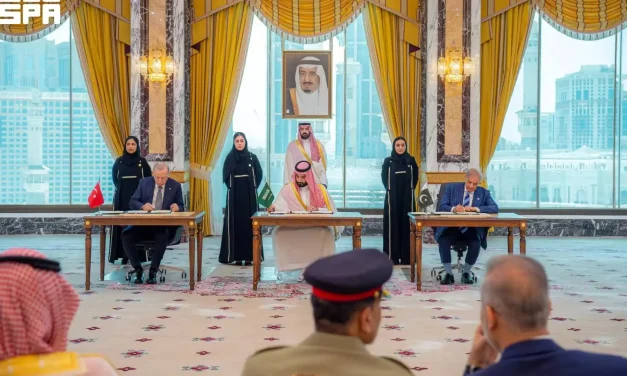
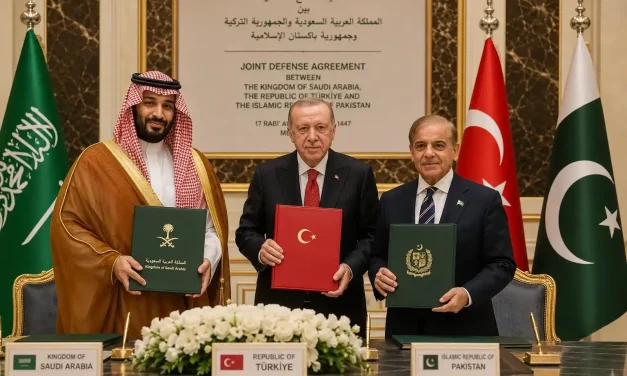
SCFR Online – Opinion: The Makkah Pact, signed between Saudi Arabia, Pakistan, and Turkey under the motto “an attack on one is an attack on all,” is viewed by some analysts less as a full-fledged military coalition and more as an attempt to reduce security dependence on an external power and to establish a regional security mechanism.

Implications of the US-Saudi Nuclear Agreement

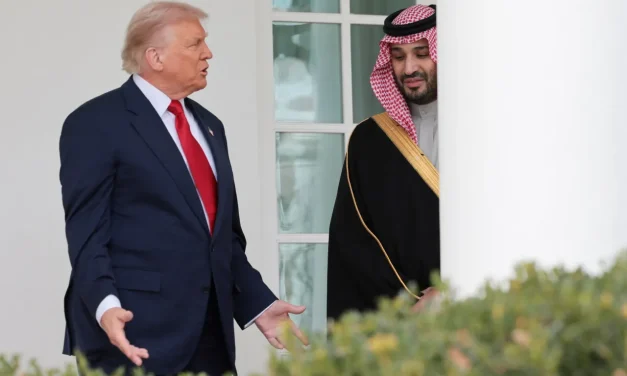
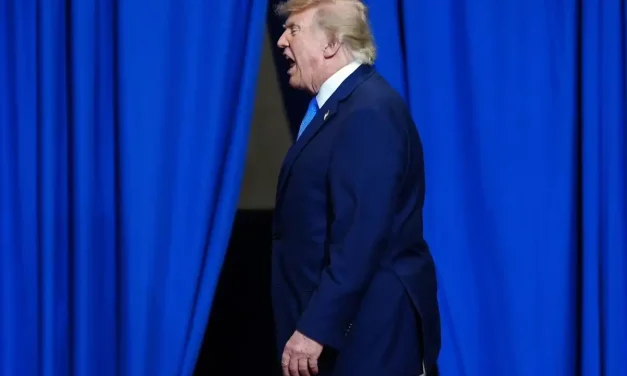
SCFR Online – Opinion: The new US-Saudi nuclear agreement, despite legal and political ambiguities, could alter previous non-proliferation standards in West Asia and intensify nuclear competition, ushering it into a new phase.

An Analysis of Recent Turkey-Israeli Regime Tensions

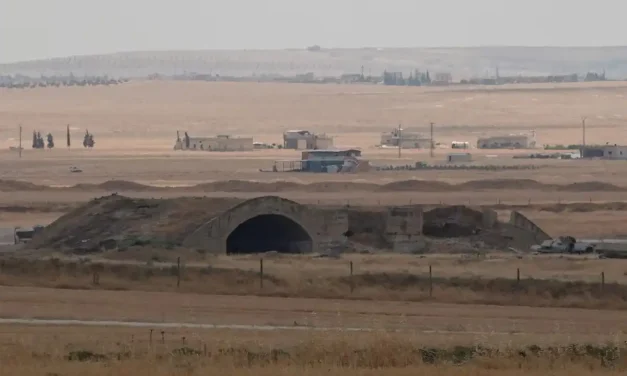
SCFR Online – Opinion: Recent developments in Syria indicate an intensification of strategic rivalry between Turkey and the Israeli regime, but mutual considerations and the role of the United States have limited the likelihood of direct war.

Increasing criticism of the extensive Zionist lobby network

SCFR Online – Opinion: An examination of the mechanisms of the Israeli regime’s influence in the United States depicts a complex picture of shared interests, strategic dependencies, and the limitations of this relationship.

Realities of the Tripartite Makkah Pact

SCFR Online – Interview: The signing of the Makkah agreement between Saudi Arabia, Pakistan, and Turkey has raised questions about the future of the region’s security structure and the position of these countries in West Asian equations. Can this agreement become a genuine collective defense mechanism, or does it have more of a political and deterrent function than creating new military capacity?

Strategic Implications of the Reduction of US Weapons Stockpiles

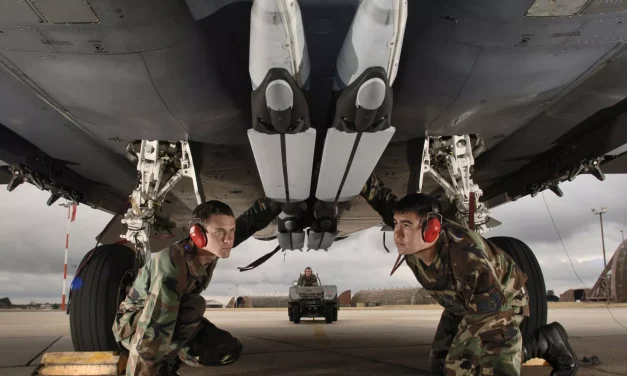
SCFR Online – Opinion: The continuation of the US war against Iran, in addition to increasing operational costs, has called into question the actual capacity of the American arsenal to simultaneously fulfill security commitments on multiple fronts; an issue that affects deterrence, defense production capacity, and Washington’s resource prioritization.

Loading

Top News

Turkey’s Foreign Policy and Upcoming Challenges

Turkey’s Foreign Policy and Upcoming Challenges

Strategic Council Online – Evidence shows that developments in Afghanistan, Libya, Egypt, Cyprus and Greece will overshadow Turkey’s foreign policy in the coming months.
Mahmoud Fazeli – Analyst of international affairs

Strategic goals and consequences of the misguided US policy in Afghanistan

Strategic goals and consequences of the misguided US policy in Afghanistan

Strategic Council Online—Interview: An expert of international issues says the United States irresponsible withdrawal of forces from Afghanistan has disrupted the relative stability in that country as the US is trying in addition to creating instability in the region, manage the Afghan crisis to create a threat for its rivals in the region.

Future of Conflicts among Big Powers

Future of Conflicts among Big Powers

Strategic Council Online – The latest G7 summit showed that the conflict among the big world powers is intensifying and the world is moving towards a greater confrontation of the big powers.
Reza Majidzadeh – Researcher of the political economy of development

Transformation of US Presence in Afghanistan

Transformation of US Presence in Afghanistan

Strategic Council Online – The US administration has announced that it will pull out its military bases in Afghanistan within a specified timeframe and will withdraw its troops from the country by September. In his new statement, US President Joe Biden announced that his country’s military mission in Afghanistan would end on August 31st, contrary to the suggestions and opinion of many of his senior military officials.
Hamid Khoshayand – International affairs analyst

The message of European leaders to Russia; affected by strategic differences of the two sides

The message of European leaders to Russia; affected by strategic differences of the two sides

Strategic Council Online—Interview: An analyst of Russian affairs says the heavy shadow of Ukraine and the annexation of Crimea to Russia still prevails Russian relations with Europe, adding that the most important message of the recent positions of the European Union leaders for Russia was that if Moscow adopts a new aggressive policy in this region, this relationship which is being reconstructed after several years of costs would be totally destroyed.

Tehran Intra-Afghan Meeting, Iran’s Strategy for Peace in Afghanistan

Tehran Intra-Afghan Meeting, Iran’s Strategy for Peace in Afghanistan

Strategic Council Online – Assistant to Minister and Director General of West Asia at Iran’s Ministry of Foreign Affairs, stating that the meeting of intra-Afghan groups in Tehran had a special success, added: The Taliban, with its past experience, realizes that it cannot necessarily achieve international legitimacy by military force; rather, international legitimacy is achieved through political negotiations.

Difference between Taliban today and yesterday?

Difference between Taliban today and yesterday?

Strategic Council Online—Interview: An expert of Afghanistan issues says no change has been taken place in the goals, motivations and ideology of Taliban compared to the past two decades and the Taliban, during various periods, has made efforts given the present circumstances in Afghanistan to realize a portion of its goals and programs with special tools.

Role, Responsibility of Regional States in Bringing Stability to Afghanistan

Role, Responsibility of Regional States in Bringing Stability to Afghanistan

Strategic Council Online – A university professor said that Afghanistan’s issues today are affected by the US negotiations with the Taliban and said that the scenarios considered by the regional countries for peace in Afghanistan should be comprehensive and they should accept that benefit of all is in peace and security with the participation of all ethnic groups.

Objectives, Consequences of Establishing Zionist Regime Embassy in UAE

Objectives, Consequences of Establishing Zionist Regime Embassy in UAE

Strategic Council Online – An expert on West Asia affairs said that the Zionist regime has been pursuing military and security goals in the Persian Gulf since the day it normalized relations with the UAE, Bahrain and Sudan, adding: The regime wants to be part of the region but public opinion in the region opposes it and does not accept it.

Prolongation of Afghan Crisis with Taliban’s Military, Violent Approach

Prolongation of Afghan Crisis with Taliban’s Military, Violent Approach

Strategic Council Online – Former Chief of Afghanistan Headquarters at the Ministry of Foreign Affairs stated that if the Tajiks enter the field of resistance against the Taliban, they will most likely have the support of the Uzbeks, Hazaras, Turkmen, other ethnic groups and even some Pashtuns, adding: Ethnic groups in Afghanistan have so far waited to see where the situation of the Taliban and resistance of the military against them will lead. The Taliban have not taken a stand against other ethnic groups and are trying not to turn the issue into an ethnic conflict.

أحدث الوظائف

The Makkah Pact; Reasons for its Formation and Challenges Ahead

SCFR Online – Opinion: The Makkah Pact, signed between Saudi Arabia, Pakistan, and Turkey under the motto “an attack on one is an attack on all,” is viewed by some analysts less as a full-fledged military coalition and more as an attempt to reduce security dependence on an external power and to establish a regional security mechanism.

Implications of the US-Saudi Nuclear Agreement

SCFR Online – Opinion: The new US-Saudi nuclear agreement, despite legal and political ambiguities, could alter previous non-proliferation standards in West Asia and intensify nuclear competition, ushering it into a new phase.

An Analysis of Recent Turkey-Israeli Regime Tensions

SCFR Online – Opinion: Recent developments in Syria indicate an intensification of strategic rivalry between Turkey and the Israeli regime, but mutual considerations and the role of the United States have limited the likelihood of direct war.

Increasing criticism of the extensive Zionist lobby network

SCFR Online – Opinion: An examination of the mechanisms of the Israeli regime’s influence in the United States depicts a complex picture of shared interests, strategic dependencies, and the limitations of this relationship.

Realities of the Tripartite Makkah Pact

SCFR Online – Interview: The signing of the Makkah agreement between Saudi Arabia, Pakistan, and Turkey has raised questions about the future of the region’s security structure and the position of these countries in West Asian equations. Can this agreement become a genuine collective defense mechanism, or does it have more of a political and deterrent function than creating new military capacity?

Strategic Implications of the Reduction of US Weapons Stockpiles

SCFR Online – Opinion: The continuation of the US war against Iran, in addition to increasing operational costs, has called into question the actual capacity of the American arsenal to simultaneously fulfill security commitments on multiple fronts; an issue that affects deterrence, defense production capacity, and Washington’s resource prioritization.

Loading

Top News

Turkey’s Foreign Policy and Upcoming Challenges

Turkey’s Foreign Policy and Upcoming Challenges

Strategic Council Online – Evidence shows that developments in Afghanistan, Libya, Egypt, Cyprus and Greece will overshadow Turkey’s foreign policy in the coming months.
Mahmoud Fazeli – Analyst of international affairs

Strategic goals and consequences of the misguided US policy in Afghanistan

Strategic goals and consequences of the misguided US policy in Afghanistan

Strategic Council Online—Interview: An expert of international issues says the United States irresponsible withdrawal of forces from Afghanistan has disrupted the relative stability in that country as the US is trying in addition to creating instability in the region, manage the Afghan crisis to create a threat for its rivals in the region.

Future of Conflicts among Big Powers

Future of Conflicts among Big Powers

Strategic Council Online – The latest G7 summit showed that the conflict among the big world powers is intensifying and the world is moving towards a greater confrontation of the big powers.
Reza Majidzadeh – Researcher of the political economy of development

Transformation of US Presence in Afghanistan

Transformation of US Presence in Afghanistan

Strategic Council Online – The US administration has announced that it will pull out its military bases in Afghanistan within a specified timeframe and will withdraw its troops from the country by September. In his new statement, US President Joe Biden announced that his country’s military mission in Afghanistan would end on August 31st, contrary to the suggestions and opinion of many of his senior military officials.
Hamid Khoshayand – International affairs analyst

The message of European leaders to Russia; affected by strategic differences of the two sides

The message of European leaders to Russia; affected by strategic differences of the two sides

Strategic Council Online—Interview: An analyst of Russian affairs says the heavy shadow of Ukraine and the annexation of Crimea to Russia still prevails Russian relations with Europe, adding that the most important message of the recent positions of the European Union leaders for Russia was that if Moscow adopts a new aggressive policy in this region, this relationship which is being reconstructed after several years of costs would be totally destroyed.

Tehran Intra-Afghan Meeting, Iran’s Strategy for Peace in Afghanistan

Tehran Intra-Afghan Meeting, Iran’s Strategy for Peace in Afghanistan

Strategic Council Online – Assistant to Minister and Director General of West Asia at Iran’s Ministry of Foreign Affairs, stating that the meeting of intra-Afghan groups in Tehran had a special success, added: The Taliban, with its past experience, realizes that it cannot necessarily achieve international legitimacy by military force; rather, international legitimacy is achieved through political negotiations.

Difference between Taliban today and yesterday?

Difference between Taliban today and yesterday?

Strategic Council Online—Interview: An expert of Afghanistan issues says no change has been taken place in the goals, motivations and ideology of Taliban compared to the past two decades and the Taliban, during various periods, has made efforts given the present circumstances in Afghanistan to realize a portion of its goals and programs with special tools.

Role, Responsibility of Regional States in Bringing Stability to Afghanistan

Role, Responsibility of Regional States in Bringing Stability to Afghanistan

Strategic Council Online – A university professor said that Afghanistan’s issues today are affected by the US negotiations with the Taliban and said that the scenarios considered by the regional countries for peace in Afghanistan should be comprehensive and they should accept that benefit of all is in peace and security with the participation of all ethnic groups.

Objectives, Consequences of Establishing Zionist Regime Embassy in UAE

Objectives, Consequences of Establishing Zionist Regime Embassy in UAE

Strategic Council Online – An expert on West Asia affairs said that the Zionist regime has been pursuing military and security goals in the Persian Gulf since the day it normalized relations with the UAE, Bahrain and Sudan, adding: The regime wants to be part of the region but public opinion in the region opposes it and does not accept it.

Prolongation of Afghan Crisis with Taliban’s Military, Violent Approach

Prolongation of Afghan Crisis with Taliban’s Military, Violent Approach

Strategic Council Online – Former Chief of Afghanistan Headquarters at the Ministry of Foreign Affairs stated that if the Tajiks enter the field of resistance against the Taliban, they will most likely have the support of the Uzbeks, Hazaras, Turkmen, other ethnic groups and even some Pashtuns, adding: Ethnic groups in Afghanistan have so far waited to see where the situation of the Taliban and resistance of the military against them will lead. The Taliban have not taken a stand against other ethnic groups and are trying not to turn the issue into an ethnic conflict.

Top News

Turkey’s Foreign Policy and Upcoming Challenges

Turkey’s Foreign Policy and Upcoming Challenges

Strategic Council Online – Evidence shows that developments in Afghanistan, Libya, Egypt, Cyprus and Greece will overshadow Turkey’s foreign policy in the coming months.
Mahmoud Fazeli – Analyst of international affairs

Strategic goals and consequences of the misguided US policy in Afghanistan

Strategic goals and consequences of the misguided US policy in Afghanistan

Strategic Council Online—Interview: An expert of international issues says the United States irresponsible withdrawal of forces from Afghanistan has disrupted the relative stability in that country as the US is trying in addition to creating instability in the region, manage the Afghan crisis to create a threat for its rivals in the region.

Future of Conflicts among Big Powers

Future of Conflicts among Big Powers

Strategic Council Online – The latest G7 summit showed that the conflict among the big world powers is intensifying and the world is moving towards a greater confrontation of the big powers.
Reza Majidzadeh – Researcher of the political economy of development

Transformation of US Presence in Afghanistan

Transformation of US Presence in Afghanistan

Strategic Council Online – The US administration has announced that it will pull out its military bases in Afghanistan within a specified timeframe and will withdraw its troops from the country by September. In his new statement, US President Joe Biden announced that his country’s military mission in Afghanistan would end on August 31st, contrary to the suggestions and opinion of many of his senior military officials.
Hamid Khoshayand – International affairs analyst

The message of European leaders to Russia; affected by strategic differences of the two sides

The message of European leaders to Russia; affected by strategic differences of the two sides

Strategic Council Online—Interview: An analyst of Russian affairs says the heavy shadow of Ukraine and the annexation of Crimea to Russia still prevails Russian relations with Europe, adding that the most important message of the recent positions of the European Union leaders for Russia was that if Moscow adopts a new aggressive policy in this region, this relationship which is being reconstructed after several years of costs would be totally destroyed.

Tehran Intra-Afghan Meeting, Iran’s Strategy for Peace in Afghanistan

Tehran Intra-Afghan Meeting, Iran’s Strategy for Peace in Afghanistan

Strategic Council Online – Assistant to Minister and Director General of West Asia at Iran’s Ministry of Foreign Affairs, stating that the meeting of intra-Afghan groups in Tehran had a special success, added: The Taliban, with its past experience, realizes that it cannot necessarily achieve international legitimacy by military force; rather, international legitimacy is achieved through political negotiations.

Difference between Taliban today and yesterday?

Difference between Taliban today and yesterday?

Strategic Council Online—Interview: An expert of Afghanistan issues says no change has been taken place in the goals, motivations and ideology of Taliban compared to the past two decades and the Taliban, during various periods, has made efforts given the present circumstances in Afghanistan to realize a portion of its goals and programs with special tools.

Role, Responsibility of Regional States in Bringing Stability to Afghanistan

Role, Responsibility of Regional States in Bringing Stability to Afghanistan

Strategic Council Online – A university professor said that Afghanistan’s issues today are affected by the US negotiations with the Taliban and said that the scenarios considered by the regional countries for peace in Afghanistan should be comprehensive and they should accept that benefit of all is in peace and security with the participation of all ethnic groups.

Objectives, Consequences of Establishing Zionist Regime Embassy in UAE

Objectives, Consequences of Establishing Zionist Regime Embassy in UAE

Strategic Council Online – An expert on West Asia affairs said that the Zionist regime has been pursuing military and security goals in the Persian Gulf since the day it normalized relations with the UAE, Bahrain and Sudan, adding: The regime wants to be part of the region but public opinion in the region opposes it and does not accept it.

Prolongation of Afghan Crisis with Taliban’s Military, Violent Approach

Prolongation of Afghan Crisis with Taliban’s Military, Violent Approach

Strategic Council Online – Former Chief of Afghanistan Headquarters at the Ministry of Foreign Affairs stated that if the Tajiks enter the field of resistance against the Taliban, they will most likely have the support of the Uzbeks, Hazaras, Turkmen, other ethnic groups and even some Pashtuns, adding: Ethnic groups in Afghanistan have so far waited to see where the situation of the Taliban and resistance of the military against them will lead. The Taliban have not taken a stand against other ethnic groups and are trying not to turn the issue into an ethnic conflict.

LATEST CONTENT

The Makkah Pact; Reasons for its Formation and Challenges Ahead

SCFR Online – Opinion: The Makkah Pact, signed between Saudi Arabia, Pakistan, and Turkey under the motto “an attack on one is an attack on all,” is viewed by some analysts less as a full-fledged military coalition and more as an attempt to reduce security dependence on an external power and to establish a regional security mechanism.

Implications of the US-Saudi Nuclear Agreement

SCFR Online – Opinion: The new US-Saudi nuclear agreement, despite legal and political ambiguities, could alter previous non-proliferation standards in West Asia and intensify nuclear competition, ushering it into a new phase.

An Analysis of Recent Turkey-Israeli Regime Tensions

SCFR Online – Opinion: Recent developments in Syria indicate an intensification of strategic rivalry between Turkey and the Israeli regime, but mutual considerations and the role of the United States have limited the likelihood of direct war.

Increasing criticism of the extensive Zionist lobby network

SCFR Online – Opinion: An examination of the mechanisms of the Israeli regime’s influence in the United States depicts a complex picture of shared interests, strategic dependencies, and the limitations of this relationship.

Realities of the Tripartite Makkah Pact

SCFR Online – Interview: The signing of the Makkah agreement between Saudi Arabia, Pakistan, and Turkey has raised questions about the future of the region’s security structure and the position of these countries in West Asian equations. Can this agreement become a genuine collective defense mechanism, or does it have more of a political and deterrent function than creating new military capacity?

Strategic Implications of the Reduction of US Weapons Stockpiles

SCFR Online – Opinion: The continuation of the US war against Iran, in addition to increasing operational costs, has called into question the actual capacity of the American arsenal to simultaneously fulfill security commitments on multiple fronts; an issue that affects deterrence, defense production capacity, and Washington’s resource prioritization.

Loading

Top News

Turkey’s Foreign Policy and Upcoming Challenges

Turkey’s Foreign Policy and Upcoming Challenges

Strategic Council Online – Evidence shows that developments in Afghanistan, Libya, Egypt, Cyprus and Greece will overshadow Turkey’s foreign policy in the coming months.
Mahmoud Fazeli – Analyst of international affairs

Strategic goals and consequences of the misguided US policy in Afghanistan

Strategic goals and consequences of the misguided US policy in Afghanistan

Strategic Council Online—Interview: An expert of international issues says the United States irresponsible withdrawal of forces from Afghanistan has disrupted the relative stability in that country as the US is trying in addition to creating instability in the region, manage the Afghan crisis to create a threat for its rivals in the region.

Future of Conflicts among Big Powers

Future of Conflicts among Big Powers

Strategic Council Online – The latest G7 summit showed that the conflict among the big world powers is intensifying and the world is moving towards a greater confrontation of the big powers.
Reza Majidzadeh – Researcher of the political economy of development

Transformation of US Presence in Afghanistan

Transformation of US Presence in Afghanistan

Strategic Council Online – The US administration has announced that it will pull out its military bases in Afghanistan within a specified timeframe and will withdraw its troops from the country by September. In his new statement, US President Joe Biden announced that his country’s military mission in Afghanistan would end on August 31st, contrary to the suggestions and opinion of many of his senior military officials.
Hamid Khoshayand – International affairs analyst

The message of European leaders to Russia; affected by strategic differences of the two sides

The message of European leaders to Russia; affected by strategic differences of the two sides

Strategic Council Online—Interview: An analyst of Russian affairs says the heavy shadow of Ukraine and the annexation of Crimea to Russia still prevails Russian relations with Europe, adding that the most important message of the recent positions of the European Union leaders for Russia was that if Moscow adopts a new aggressive policy in this region, this relationship which is being reconstructed after several years of costs would be totally destroyed.

Tehran Intra-Afghan Meeting, Iran’s Strategy for Peace in Afghanistan

Tehran Intra-Afghan Meeting, Iran’s Strategy for Peace in Afghanistan

Strategic Council Online – Assistant to Minister and Director General of West Asia at Iran’s Ministry of Foreign Affairs, stating that the meeting of intra-Afghan groups in Tehran had a special success, added: The Taliban, with its past experience, realizes that it cannot necessarily achieve international legitimacy by military force; rather, international legitimacy is achieved through political negotiations.

Difference between Taliban today and yesterday?

Difference between Taliban today and yesterday?

Strategic Council Online—Interview: An expert of Afghanistan issues says no change has been taken place in the goals, motivations and ideology of Taliban compared to the past two decades and the Taliban, during various periods, has made efforts given the present circumstances in Afghanistan to realize a portion of its goals and programs with special tools.

Role, Responsibility of Regional States in Bringing Stability to Afghanistan

Role, Responsibility of Regional States in Bringing Stability to Afghanistan

Strategic Council Online – A university professor said that Afghanistan’s issues today are affected by the US negotiations with the Taliban and said that the scenarios considered by the regional countries for peace in Afghanistan should be comprehensive and they should accept that benefit of all is in peace and security with the participation of all ethnic groups.

Objectives, Consequences of Establishing Zionist Regime Embassy in UAE

Objectives, Consequences of Establishing Zionist Regime Embassy in UAE

Strategic Council Online – An expert on West Asia affairs said that the Zionist regime has been pursuing military and security goals in the Persian Gulf since the day it normalized relations with the UAE, Bahrain and Sudan, adding: The regime wants to be part of the region but public opinion in the region opposes it and does not accept it.

Prolongation of Afghan Crisis with Taliban’s Military, Violent Approach

Prolongation of Afghan Crisis with Taliban’s Military, Violent Approach

Strategic Council Online – Former Chief of Afghanistan Headquarters at the Ministry of Foreign Affairs stated that if the Tajiks enter the field of resistance against the Taliban, they will most likely have the support of the Uzbeks, Hazaras, Turkmen, other ethnic groups and even some Pashtuns, adding: Ethnic groups in Afghanistan have so far waited to see where the situation of the Taliban and resistance of the military against them will lead. The Taliban have not taken a stand against other ethnic groups and are trying not to turn the issue into an ethnic conflict.

ÚLTIMAS PUBLICACIONES

The Makkah Pact; Reasons for its Formation and Challenges Ahead

SCFR Online – Opinion: The Makkah Pact, signed between Saudi Arabia, Pakistan, and Turkey under the motto “an attack on one is an attack on all,” is viewed by some analysts less as a full-fledged military coalition and more as an attempt to reduce security dependence on an external power and to establish a regional security mechanism.

Implications of the US-Saudi Nuclear Agreement

SCFR Online – Opinion: The new US-Saudi nuclear agreement, despite legal and political ambiguities, could alter previous non-proliferation standards in West Asia and intensify nuclear competition, ushering it into a new phase.

An Analysis of Recent Turkey-Israeli Regime Tensions

SCFR Online – Opinion: Recent developments in Syria indicate an intensification of strategic rivalry between Turkey and the Israeli regime, but mutual considerations and the role of the United States have limited the likelihood of direct war.

Increasing criticism of the extensive Zionist lobby network

SCFR Online – Opinion: An examination of the mechanisms of the Israeli regime’s influence in the United States depicts a complex picture of shared interests, strategic dependencies, and the limitations of this relationship.

Realities of the Tripartite Makkah Pact

SCFR Online – Interview: The signing of the Makkah agreement between Saudi Arabia, Pakistan, and Turkey has raised questions about the future of the region’s security structure and the position of these countries in West Asian equations. Can this agreement become a genuine collective defense mechanism, or does it have more of a political and deterrent function than creating new military capacity?

Strategic Implications of the Reduction of US Weapons Stockpiles

SCFR Online – Opinion: The continuation of the US war against Iran, in addition to increasing operational costs, has called into question the actual capacity of the American arsenal to simultaneously fulfill security commitments on multiple fronts; an issue that affects deterrence, defense production capacity, and Washington’s resource prioritization.

Loading

Top News

Turkey’s Foreign Policy and Upcoming Challenges

Turkey’s Foreign Policy and Upcoming Challenges

Strategic Council Online – Evidence shows that developments in Afghanistan, Libya, Egypt, Cyprus and Greece will overshadow Turkey’s foreign policy in the coming months.
Mahmoud Fazeli – Analyst of international affairs

Strategic goals and consequences of the misguided US policy in Afghanistan

Strategic goals and consequences of the misguided US policy in Afghanistan

Strategic Council Online—Interview: An expert of international issues says the United States irresponsible withdrawal of forces from Afghanistan has disrupted the relative stability in that country as the US is trying in addition to creating instability in the region, manage the Afghan crisis to create a threat for its rivals in the region.

Future of Conflicts among Big Powers

Future of Conflicts among Big Powers

Strategic Council Online – The latest G7 summit showed that the conflict among the big world powers is intensifying and the world is moving towards a greater confrontation of the big powers.
Reza Majidzadeh – Researcher of the political economy of development

Transformation of US Presence in Afghanistan

Transformation of US Presence in Afghanistan

Strategic Council Online – The US administration has announced that it will pull out its military bases in Afghanistan within a specified timeframe and will withdraw its troops from the country by September. In his new statement, US President Joe Biden announced that his country’s military mission in Afghanistan would end on August 31st, contrary to the suggestions and opinion of many of his senior military officials.
Hamid Khoshayand – International affairs analyst

The message of European leaders to Russia; affected by strategic differences of the two sides

The message of European leaders to Russia; affected by strategic differences of the two sides

Strategic Council Online—Interview: An analyst of Russian affairs says the heavy shadow of Ukraine and the annexation of Crimea to Russia still prevails Russian relations with Europe, adding that the most important message of the recent positions of the European Union leaders for Russia was that if Moscow adopts a new aggressive policy in this region, this relationship which is being reconstructed after several years of costs would be totally destroyed.

Tehran Intra-Afghan Meeting, Iran’s Strategy for Peace in Afghanistan

Tehran Intra-Afghan Meeting, Iran’s Strategy for Peace in Afghanistan

Strategic Council Online – Assistant to Minister and Director General of West Asia at Iran’s Ministry of Foreign Affairs, stating that the meeting of intra-Afghan groups in Tehran had a special success, added: The Taliban, with its past experience, realizes that it cannot necessarily achieve international legitimacy by military force; rather, international legitimacy is achieved through political negotiations.

Difference between Taliban today and yesterday?

Difference between Taliban today and yesterday?

Strategic Council Online—Interview: An expert of Afghanistan issues says no change has been taken place in the goals, motivations and ideology of Taliban compared to the past two decades and the Taliban, during various periods, has made efforts given the present circumstances in Afghanistan to realize a portion of its goals and programs with special tools.

Role, Responsibility of Regional States in Bringing Stability to Afghanistan

Role, Responsibility of Regional States in Bringing Stability to Afghanistan

Strategic Council Online – A university professor said that Afghanistan’s issues today are affected by the US negotiations with the Taliban and said that the scenarios considered by the regional countries for peace in Afghanistan should be comprehensive and they should accept that benefit of all is in peace and security with the participation of all ethnic groups.

Objectives, Consequences of Establishing Zionist Regime Embassy in UAE

Objectives, Consequences of Establishing Zionist Regime Embassy in UAE

Strategic Council Online – An expert on West Asia affairs said that the Zionist regime has been pursuing military and security goals in the Persian Gulf since the day it normalized relations with the UAE, Bahrain and Sudan, adding: The regime wants to be part of the region but public opinion in the region opposes it and does not accept it.

Prolongation of Afghan Crisis with Taliban’s Military, Violent Approach

Prolongation of Afghan Crisis with Taliban’s Military, Violent Approach

Strategic Council Online – Former Chief of Afghanistan Headquarters at the Ministry of Foreign Affairs stated that if the Tajiks enter the field of resistance against the Taliban, they will most likely have the support of the Uzbeks, Hazaras, Turkmen, other ethnic groups and even some Pashtuns, adding: Ethnic groups in Afghanistan have so far waited to see where the situation of the Taliban and resistance of the military against them will lead. The Taliban have not taken a stand against other ethnic groups and are trying not to turn the issue into an ethnic conflict.

ÚLTIMAS PUBLICACIONES

The Makkah Pact; Reasons for its Formation and Challenges Ahead

SCFR Online – Opinion: The Makkah Pact, signed between Saudi Arabia, Pakistan, and Turkey under the motto “an attack on one is an attack on all,” is viewed by some analysts less as a full-fledged military coalition and more as an attempt to reduce security dependence on an external power and to establish a regional security mechanism.

Implications of the US-Saudi Nuclear Agreement

SCFR Online – Opinion: The new US-Saudi nuclear agreement, despite legal and political ambiguities, could alter previous non-proliferation standards in West Asia and intensify nuclear competition, ushering it into a new phase.

An Analysis of Recent Turkey-Israeli Regime Tensions

SCFR Online – Opinion: Recent developments in Syria indicate an intensification of strategic rivalry between Turkey and the Israeli regime, but mutual considerations and the role of the United States have limited the likelihood of direct war.

Increasing criticism of the extensive Zionist lobby network

SCFR Online – Opinion: An examination of the mechanisms of the Israeli regime’s influence in the United States depicts a complex picture of shared interests, strategic dependencies, and the limitations of this relationship.

Realities of the Tripartite Makkah Pact

SCFR Online – Interview: The signing of the Makkah agreement between Saudi Arabia, Pakistan, and Turkey has raised questions about the future of the region’s security structure and the position of these countries in West Asian equations. Can this agreement become a genuine collective defense mechanism, or does it have more of a political and deterrent function than creating new military capacity?

Strategic Implications of the Reduction of US Weapons Stockpiles

SCFR Online – Opinion: The continuation of the US war against Iran, in addition to increasing operational costs, has called into question the actual capacity of the American arsenal to simultaneously fulfill security commitments on multiple fronts; an issue that affects deterrence, defense production capacity, and Washington’s resource prioritization.

Loading

Top News

Turkey’s Foreign Policy and Upcoming Challenges

Turkey’s Foreign Policy and Upcoming Challenges

Strategic Council Online – Evidence shows that developments in Afghanistan, Libya, Egypt, Cyprus and Greece will overshadow Turkey’s foreign policy in the coming months.
Mahmoud Fazeli – Analyst of international affairs

Strategic goals and consequences of the misguided US policy in Afghanistan

Strategic goals and consequences of the misguided US policy in Afghanistan

Strategic Council Online—Interview: An expert of international issues says the United States irresponsible withdrawal of forces from Afghanistan has disrupted the relative stability in that country as the US is trying in addition to creating instability in the region, manage the Afghan crisis to create a threat for its rivals in the region.

Future of Conflicts among Big Powers

Future of Conflicts among Big Powers

Strategic Council Online – The latest G7 summit showed that the conflict among the big world powers is intensifying and the world is moving towards a greater confrontation of the big powers.
Reza Majidzadeh – Researcher of the political economy of development

Transformation of US Presence in Afghanistan

Transformation of US Presence in Afghanistan

Strategic Council Online – The US administration has announced that it will pull out its military bases in Afghanistan within a specified timeframe and will withdraw its troops from the country by September. In his new statement, US President Joe Biden announced that his country’s military mission in Afghanistan would end on August 31st, contrary to the suggestions and opinion of many of his senior military officials.
Hamid Khoshayand – International affairs analyst

The message of European leaders to Russia; affected by strategic differences of the two sides

The message of European leaders to Russia; affected by strategic differences of the two sides

Strategic Council Online—Interview: An analyst of Russian affairs says the heavy shadow of Ukraine and the annexation of Crimea to Russia still prevails Russian relations with Europe, adding that the most important message of the recent positions of the European Union leaders for Russia was that if Moscow adopts a new aggressive policy in this region, this relationship which is being reconstructed after several years of costs would be totally destroyed.

Tehran Intra-Afghan Meeting, Iran’s Strategy for Peace in Afghanistan

Tehran Intra-Afghan Meeting, Iran’s Strategy for Peace in Afghanistan

Strategic Council Online – Assistant to Minister and Director General of West Asia at Iran’s Ministry of Foreign Affairs, stating that the meeting of intra-Afghan groups in Tehran had a special success, added: The Taliban, with its past experience, realizes that it cannot necessarily achieve international legitimacy by military force; rather, international legitimacy is achieved through political negotiations.

Difference between Taliban today and yesterday?

Difference between Taliban today and yesterday?

Strategic Council Online—Interview: An expert of Afghanistan issues says no change has been taken place in the goals, motivations and ideology of Taliban compared to the past two decades and the Taliban, during various periods, has made efforts given the present circumstances in Afghanistan to realize a portion of its goals and programs with special tools.

Role, Responsibility of Regional States in Bringing Stability to Afghanistan

Role, Responsibility of Regional States in Bringing Stability to Afghanistan

Strategic Council Online – A university professor said that Afghanistan’s issues today are affected by the US negotiations with the Taliban and said that the scenarios considered by the regional countries for peace in Afghanistan should be comprehensive and they should accept that benefit of all is in peace and security with the participation of all ethnic groups.

Objectives, Consequences of Establishing Zionist Regime Embassy in UAE

Objectives, Consequences of Establishing Zionist Regime Embassy in UAE

Strategic Council Online – An expert on West Asia affairs said that the Zionist regime has been pursuing military and security goals in the Persian Gulf since the day it normalized relations with the UAE, Bahrain and Sudan, adding: The regime wants to be part of the region but public opinion in the region opposes it and does not accept it.

Prolongation of Afghan Crisis with Taliban’s Military, Violent Approach

Prolongation of Afghan Crisis with Taliban’s Military, Violent Approach

Strategic Council Online – Former Chief of Afghanistan Headquarters at the Ministry of Foreign Affairs stated that if the Tajiks enter the field of resistance against the Taliban, they will most likely have the support of the Uzbeks, Hazaras, Turkmen, other ethnic groups and even some Pashtuns, adding: Ethnic groups in Afghanistan have so far waited to see where the situation of the Taliban and resistance of the military against them will lead. The Taliban have not taken a stand against other ethnic groups and are trying not to turn the issue into an ethnic conflict.

ÚLTIMAS PUBLICACIONES

The Makkah Pact; Reasons for its Formation and Challenges Ahead

SCFR Online – Opinion: The Makkah Pact, signed between Saudi Arabia, Pakistan, and Turkey under the motto “an attack on one is an attack on all,” is viewed by some analysts less as a full-fledged military coalition and more as an attempt to reduce security dependence on an external power and to establish a regional security mechanism.

Implications of the US-Saudi Nuclear Agreement

SCFR Online – Opinion: The new US-Saudi nuclear agreement, despite legal and political ambiguities, could alter previous non-proliferation standards in West Asia and intensify nuclear competition, ushering it into a new phase.

An Analysis of Recent Turkey-Israeli Regime Tensions

SCFR Online – Opinion: Recent developments in Syria indicate an intensification of strategic rivalry between Turkey and the Israeli regime, but mutual considerations and the role of the United States have limited the likelihood of direct war.

Increasing criticism of the extensive Zionist lobby network

SCFR Online – Opinion: An examination of the mechanisms of the Israeli regime’s influence in the United States depicts a complex picture of shared interests, strategic dependencies, and the limitations of this relationship.

Realities of the Tripartite Makkah Pact

SCFR Online – Interview: The signing of the Makkah agreement between Saudi Arabia, Pakistan, and Turkey has raised questions about the future of the region’s security structure and the position of these countries in West Asian equations. Can this agreement become a genuine collective defense mechanism, or does it have more of a political and deterrent function than creating new military capacity?

Strategic Implications of the Reduction of US Weapons Stockpiles

SCFR Online – Opinion: The continuation of the US war against Iran, in addition to increasing operational costs, has called into question the actual capacity of the American arsenal to simultaneously fulfill security commitments on multiple fronts; an issue that affects deterrence, defense production capacity, and Washington’s resource prioritization.

Loading

Top News

Turkey’s Foreign Policy and Upcoming Challenges

Turkey’s Foreign Policy and Upcoming Challenges

Strategic Council Online – Evidence shows that developments in Afghanistan, Libya, Egypt, Cyprus and Greece will overshadow Turkey’s foreign policy in the coming months.
Mahmoud Fazeli – Analyst of international affairs

Strategic goals and consequences of the misguided US policy in Afghanistan

Strategic goals and consequences of the misguided US policy in Afghanistan

Strategic Council Online—Interview: An expert of international issues says the United States irresponsible withdrawal of forces from Afghanistan has disrupted the relative stability in that country as the US is trying in addition to creating instability in the region, manage the Afghan crisis to create a threat for its rivals in the region.

Future of Conflicts among Big Powers

Future of Conflicts among Big Powers

Strategic Council Online – The latest G7 summit showed that the conflict among the big world powers is intensifying and the world is moving towards a greater confrontation of the big powers.
Reza Majidzadeh – Researcher of the political economy of development

Transformation of US Presence in Afghanistan

Transformation of US Presence in Afghanistan

Strategic Council Online – The US administration has announced that it will pull out its military bases in Afghanistan within a specified timeframe and will withdraw its troops from the country by September. In his new statement, US President Joe Biden announced that his country’s military mission in Afghanistan would end on August 31st, contrary to the suggestions and opinion of many of his senior military officials.
Hamid Khoshayand – International affairs analyst

The message of European leaders to Russia; affected by strategic differences of the two sides

The message of European leaders to Russia; affected by strategic differences of the two sides

Strategic Council Online—Interview: An analyst of Russian affairs says the heavy shadow of Ukraine and the annexation of Crimea to Russia still prevails Russian relations with Europe, adding that the most important message of the recent positions of the European Union leaders for Russia was that if Moscow adopts a new aggressive policy in this region, this relationship which is being reconstructed after several years of costs would be totally destroyed.

Tehran Intra-Afghan Meeting, Iran’s Strategy for Peace in Afghanistan

Tehran Intra-Afghan Meeting, Iran’s Strategy for Peace in Afghanistan

Strategic Council Online – Assistant to Minister and Director General of West Asia at Iran’s Ministry of Foreign Affairs, stating that the meeting of intra-Afghan groups in Tehran had a special success, added: The Taliban, with its past experience, realizes that it cannot necessarily achieve international legitimacy by military force; rather, international legitimacy is achieved through political negotiations.

Difference between Taliban today and yesterday?

Difference between Taliban today and yesterday?

Strategic Council Online—Interview: An expert of Afghanistan issues says no change has been taken place in the goals, motivations and ideology of Taliban compared to the past two decades and the Taliban, during various periods, has made efforts given the present circumstances in Afghanistan to realize a portion of its goals and programs with special tools.

Role, Responsibility of Regional States in Bringing Stability to Afghanistan

Role, Responsibility of Regional States in Bringing Stability to Afghanistan

Strategic Council Online – A university professor said that Afghanistan’s issues today are affected by the US negotiations with the Taliban and said that the scenarios considered by the regional countries for peace in Afghanistan should be comprehensive and they should accept that benefit of all is in peace and security with the participation of all ethnic groups.

Objectives, Consequences of Establishing Zionist Regime Embassy in UAE

Objectives, Consequences of Establishing Zionist Regime Embassy in UAE

Strategic Council Online – An expert on West Asia affairs said that the Zionist regime has been pursuing military and security goals in the Persian Gulf since the day it normalized relations with the UAE, Bahrain and Sudan, adding: The regime wants to be part of the region but public opinion in the region opposes it and does not accept it.

Prolongation of Afghan Crisis with Taliban’s Military, Violent Approach

Prolongation of Afghan Crisis with Taliban’s Military, Violent Approach

Strategic Council Online – Former Chief of Afghanistan Headquarters at the Ministry of Foreign Affairs stated that if the Tajiks enter the field of resistance against the Taliban, they will most likely have the support of the Uzbeks, Hazaras, Turkmen, other ethnic groups and even some Pashtuns, adding: Ethnic groups in Afghanistan have so far waited to see where the situation of the Taliban and resistance of the military against them will lead. The Taliban have not taken a stand against other ethnic groups and are trying not to turn the issue into an ethnic conflict.

ÚLTIMAS PUBLICACIONES

The Makkah Pact; Reasons for its Formation and Challenges Ahead

SCFR Online – Opinion: The Makkah Pact, signed between Saudi Arabia, Pakistan, and Turkey under the motto “an attack on one is an attack on all,” is viewed by some analysts less as a full-fledged military coalition and more as an attempt to reduce security dependence on an external power and to establish a regional security mechanism.

Implications of the US-Saudi Nuclear Agreement

SCFR Online – Opinion: The new US-Saudi nuclear agreement, despite legal and political ambiguities, could alter previous non-proliferation standards in West Asia and intensify nuclear competition, ushering it into a new phase.

An Analysis of Recent Turkey-Israeli Regime Tensions

SCFR Online – Opinion: Recent developments in Syria indicate an intensification of strategic rivalry between Turkey and the Israeli regime, but mutual considerations and the role of the United States have limited the likelihood of direct war.

Increasing criticism of the extensive Zionist lobby network

SCFR Online – Opinion: An examination of the mechanisms of the Israeli regime’s influence in the United States depicts a complex picture of shared interests, strategic dependencies, and the limitations of this relationship.

Realities of the Tripartite Makkah Pact

SCFR Online – Interview: The signing of the Makkah agreement between Saudi Arabia, Pakistan, and Turkey has raised questions about the future of the region’s security structure and the position of these countries in West Asian equations. Can this agreement become a genuine collective defense mechanism, or does it have more of a political and deterrent function than creating new military capacity?

Strategic Implications of the Reduction of US Weapons Stockpiles

SCFR Online – Opinion: The continuation of the US war against Iran, in addition to increasing operational costs, has called into question the actual capacity of the American arsenal to simultaneously fulfill security commitments on multiple fronts; an issue that affects deterrence, defense production capacity, and Washington’s resource prioritization.

Loading