جدیدترین مطالب

China’s Rejection of US Sanctions; Strengthening Iran’s Geopolitical Leverage

SCFR Online – Opinion: Concurrent with the official commencement of the United States’ economic war against our country, focusing on sanctions instruments, isolation, and economic pressure, what has now become increasingly important is the lack of alignment of other major global powers, especially China, with this policy.

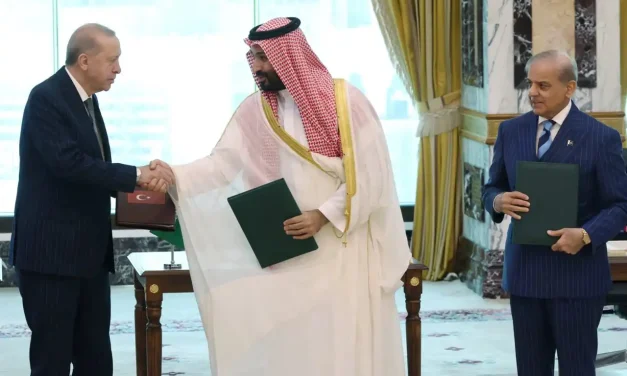
The Makkah Pact; Reasons for its Formation and Challenges Ahead

SCFR Online – Opinion: The Makkah Pact, signed between Saudi Arabia, Pakistan, and Turkey under the motto “an attack on one is an attack on all,” is viewed by some analysts less as a full-fledged military coalition and more as an attempt to reduce security dependence on an external power and to establish a regional security mechanism.

Implications of the US-Saudi Nuclear Agreement

SCFR Online – Opinion: The new US-Saudi nuclear agreement, despite legal and political ambiguities, could alter previous non-proliferation standards in West Asia and intensify nuclear competition, ushering it into a new phase.

An Analysis of Recent Turkey-Israeli Regime Tensions

SCFR Online – Opinion: Recent developments in Syria indicate an intensification of strategic rivalry between Turkey and the Israeli regime, but mutual considerations and the role of the United States have limited the likelihood of direct war.

Loading

Science & Culture

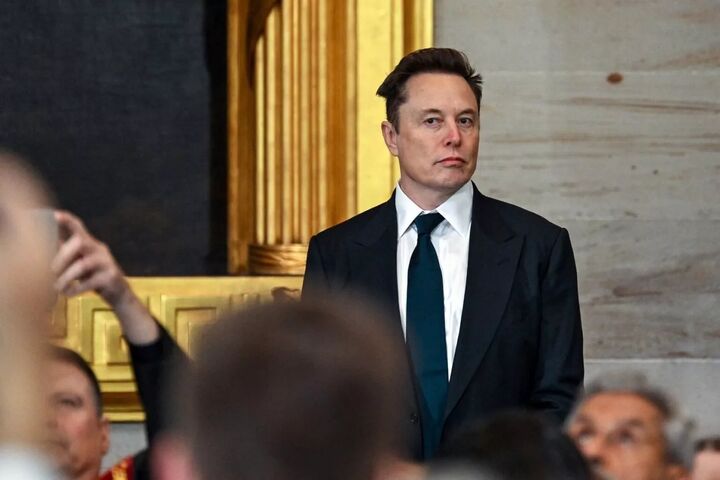
An Analysis of Elon Musk’s Right-Wing Political Interventions in Britain and Europe

An Analysis of Elon Musk’s Right-Wing Political Interventions in Britain and Europe

Strategic Council Online – A senior US affairs analyst stated that the overt intervention of billionaire and media mogul Elon Musk in the UK’s internal developments has once again brought the discussion about the role of non-state actors in international politics to the forefront of attention. With his provocative speech at the extreme right-wing rally in London, Musk not only called for the dissolution of parliament and early elections but also effectively sowed the seeds of political violence in the country’s fragile social fabric by promoting a rhetoric of “resistance or destruction.” UK Prime Minister Keir Starmer condemned these remarks, but the matter goes beyond a war of words. The emergence of figures like Musk, who simultaneously possess capital, media influence, and social popularity, has blurred the line between official politics and protest movements. This trend could become a serious challenge to the principle of non-interference in the internal affairs of countries, one of the fundamental principles of the UN Charter. International institutions have been designed primarily to control the actions of states, rather than billionaires who own global platforms. Today, however, developments show that technology and media giants can influence the political developments of countries as independent actors; a reality that could pose new questions to the international order regarding national sovereignty and political security.

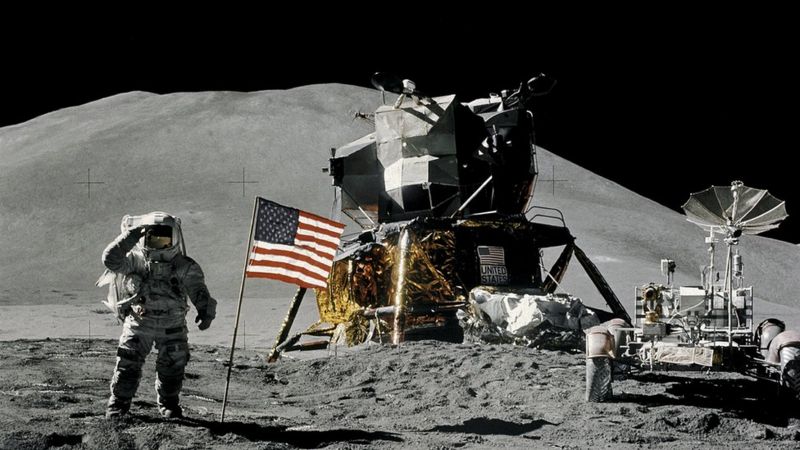
Growing U.S.-China Competition in Space

Growing U.S.-China Competition in Space

Strategic Council Online – Opinion: Recently, the U.S. National Aeronautics and Space Administration (NASA) has barred Chinese citizens from accessing its systems and facilities, a prohibition that even includes Chinese citizens possessing U.S. visas. This move can be interpreted as a sign of space competition between the United States and China.

Martyrdom of 270 Journalists by the Zionist Regime: A Deplorable and Unprecedented Record in the History of Wars

Martyrdom of 270 Journalists by the Zionist Regime: A Deplorable and Unprecedented Record in the History of Wars

Strategic Council Online – Interview: A senior West Asia affairs analyst wrote: A report by the Hebrew magazine “972” reveals that after October 7, 2023, the Zionist regime established a unit called the “Legitimization Unit” for media warfare and defaming Palestinian journalists. The goal of this unit is not security-related, but rather an effort to legitimize the actions of the Israeli regime in the eyes of public opinion and prevent international pressure. According to this report, the Israeli regime’s intelligence teams distort data and falsely link journalists to Hamas to both justify their killing and silence the Palestinian narrative. In some cases, a journalist was labeled as a “Hamas member” before being assassinated—an act that amounts to an unofficial death sentence in Gaza. The severe restrictions on foreign journalists entering Gaza are also part of this policy of narrative monopoly. According to statistics, over the past 22 months, at least 270 journalists have been killed in Gaza—an unprecedented number that exceeds the total number of journalists killed in World Wars, Vietnam, and Afghanistan. The recent drone attack on journalists’ tents near Al-Shifa Hospital and the martyrdom of Al Jazeera journalists represent the peak of this targeted and inhumane policy. As a result, the Israeli regime’s war against Gaza is not only military but also an organized media battle to distort reality and legitimize war crimes.

Decoding the Israeli Regime’s Narrative-Building in the Gaza War

Decoding the Israeli Regime’s Narrative-Building in the Gaza War

Strategic Council Online – Interview: A senior Palestinian affairs analyst stated: To justify its crimes in Gaza, the Zionist regime employs two main strategies: using military censorship regarding the publication of operational details and presenting an official narrative by military spokespersons in Hebrew and Arabic. By relying on selective images and information, it attempts to make its military actions in Gaza seem believable. While Benjamin Netanyahu, the Prime Minister of the Israeli regime, has announced readiness to expand military operations in Gaza and claimed that Palestinians would be allowed to leave the area, international criticism of this regime’s actions under the accusation of ethnic cleansing has intensified. By controlling Gaza’s borders, the Israeli regime’s military has restricted the exit of Palestinians and simultaneously carried out extensive bombings in the residential areas of Zeitoun and Sabra, which, according to the Hamas Civil Defense Organization, resulted in at least 33 deaths and widespread destruction. The European Union, the United Kingdom, Australia, Canada, and Japan, in a joint statement, have warned of an impending famine in Gaza and called for a halt to the use of lethal force near aid distribution sites. The World Health Organization has also emphasized the necessity of medical equipment entering Gaza, but the Israeli regime continues to prevent sufficient humanitarian aid from being sent.

The 12-Day War: An Opportunity for Designing Targeted Public Diplomacy

The 12-Day War: An Opportunity for Designing Targeted Public Diplomacy

Strategic Council Online – Interview: A researcher on West Asian affairs stated: The 12-day war of the Israeli regime against Iran, despite its aggressive and destructive nature, can turn into a strategic opportunity for our country; a chance to legitimize defense policies and strengthen the Resistance Discourse in the international system. In a world where public opinion plays an increasing role in shaping policies, effective narrative-building about this war is the key to turning threat into opportunity. Iran, relying on public diplomacy and transnational media, can present the Israeli regime’s attacks as a blatant violation of international law and emphasize its legitimate right to defense and deterrence. Furthermore, by portraying itself as logical, resistant, and oppressed, it can pave the way for increased regional and global empathy. Ultimately, this war can provide a platform for domestic consensus, cohesion of the Resistance Axis, and redefining Iran’s position as a responsible actor in regional security equations.

The Necessity of Systematizing the Role of Artificial Intelligence in the Military Domain

The Necessity of Systematizing the Role of Artificial Intelligence in the Military Domain

Strategic Council Online– Opinion Significant advancements in artificial intelligence have created new and sometimes concerning capabilities across various fields, including the military domain. AI, which is inherently meant to serve human welfare, comfort, and progress, is increasingly being utilized in the military programs of major powers and disruptive actors worldwide, particularly in West Asia.

The Role of Artificial Intelligence in Redefining Diplomacy in the Digital Age

The Role of Artificial Intelligence in Redefining Diplomacy in the Digital Age

Strategic Council Online– Opinion: From the past to the present, there has been a close relationship between technology and international relations. From the introduction of the steam engine to the emergence of the telephone and radio, significant milestones were achieved that enabled faster and more direct communication, reducing the need for intermediaries and diplomatic bureaucracy. The development and deployment of artificial intelligence (AI) systems also have the potential to transform various aspects of human life, much like climate change did decades ago in the international system. The reason AI impacts the international system, particularly in diplomacy, is that politics and political issues are among the most complex human behaviors, and this complexity reaches its peak in the international arena.

Analysis of the US Smart Deterrence Policy

Analysis of the US Smart Deterrence Policy

Strategic Council Online – Opinion: Deterrence has always been one of the main pillars of the US foreign and security policy against its rivals. However, geopolitical developments, the emergence of non-state actors, cyber threats, and changes in the global balance of power show the need for the US to reconsider its traditional deterrence approaches. In this regard, the concept of “smart deterrence” as a combination of hard and soft tools has attracted the attention of American politicians.

أحدث الوظائف

China’s Rejection of US Sanctions; Strengthening Iran’s Geopolitical Leverage

SCFR Online – Opinion: Concurrent with the official commencement of the United States’ economic war against our country, focusing on sanctions instruments, isolation, and economic pressure, what has now become increasingly important is the lack of alignment of other major global powers, especially China, with this policy.

The Makkah Pact; Reasons for its Formation and Challenges Ahead

SCFR Online – Opinion: The Makkah Pact, signed between Saudi Arabia, Pakistan, and Turkey under the motto “an attack on one is an attack on all,” is viewed by some analysts less as a full-fledged military coalition and more as an attempt to reduce security dependence on an external power and to establish a regional security mechanism.

Implications of the US-Saudi Nuclear Agreement

SCFR Online – Opinion: The new US-Saudi nuclear agreement, despite legal and political ambiguities, could alter previous non-proliferation standards in West Asia and intensify nuclear competition, ushering it into a new phase.

An Analysis of Recent Turkey-Israeli Regime Tensions

SCFR Online – Opinion: Recent developments in Syria indicate an intensification of strategic rivalry between Turkey and the Israeli regime, but mutual considerations and the role of the United States have limited the likelihood of direct war.

Loading

Science & Culture

An Analysis of Elon Musk’s Right-Wing Political Interventions in Britain and Europe

An Analysis of Elon Musk’s Right-Wing Political Interventions in Britain and Europe

Strategic Council Online – A senior US affairs analyst stated that the overt intervention of billionaire and media mogul Elon Musk in the UK’s internal developments has once again brought the discussion about the role of non-state actors in international politics to the forefront of attention. With his provocative speech at the extreme right-wing rally in London, Musk not only called for the dissolution of parliament and early elections but also effectively sowed the seeds of political violence in the country’s fragile social fabric by promoting a rhetoric of “resistance or destruction.” UK Prime Minister Keir Starmer condemned these remarks, but the matter goes beyond a war of words. The emergence of figures like Musk, who simultaneously possess capital, media influence, and social popularity, has blurred the line between official politics and protest movements. This trend could become a serious challenge to the principle of non-interference in the internal affairs of countries, one of the fundamental principles of the UN Charter. International institutions have been designed primarily to control the actions of states, rather than billionaires who own global platforms. Today, however, developments show that technology and media giants can influence the political developments of countries as independent actors; a reality that could pose new questions to the international order regarding national sovereignty and political security.

Growing U.S.-China Competition in Space

Growing U.S.-China Competition in Space

Strategic Council Online – Opinion: Recently, the U.S. National Aeronautics and Space Administration (NASA) has barred Chinese citizens from accessing its systems and facilities, a prohibition that even includes Chinese citizens possessing U.S. visas. This move can be interpreted as a sign of space competition between the United States and China.

Martyrdom of 270 Journalists by the Zionist Regime: A Deplorable and Unprecedented Record in the History of Wars

Martyrdom of 270 Journalists by the Zionist Regime: A Deplorable and Unprecedented Record in the History of Wars

Strategic Council Online – Interview: A senior West Asia affairs analyst wrote: A report by the Hebrew magazine “972” reveals that after October 7, 2023, the Zionist regime established a unit called the “Legitimization Unit” for media warfare and defaming Palestinian journalists. The goal of this unit is not security-related, but rather an effort to legitimize the actions of the Israeli regime in the eyes of public opinion and prevent international pressure. According to this report, the Israeli regime’s intelligence teams distort data and falsely link journalists to Hamas to both justify their killing and silence the Palestinian narrative. In some cases, a journalist was labeled as a “Hamas member” before being assassinated—an act that amounts to an unofficial death sentence in Gaza. The severe restrictions on foreign journalists entering Gaza are also part of this policy of narrative monopoly. According to statistics, over the past 22 months, at least 270 journalists have been killed in Gaza—an unprecedented number that exceeds the total number of journalists killed in World Wars, Vietnam, and Afghanistan. The recent drone attack on journalists’ tents near Al-Shifa Hospital and the martyrdom of Al Jazeera journalists represent the peak of this targeted and inhumane policy. As a result, the Israeli regime’s war against Gaza is not only military but also an organized media battle to distort reality and legitimize war crimes.

Decoding the Israeli Regime’s Narrative-Building in the Gaza War

Decoding the Israeli Regime’s Narrative-Building in the Gaza War

Strategic Council Online – Interview: A senior Palestinian affairs analyst stated: To justify its crimes in Gaza, the Zionist regime employs two main strategies: using military censorship regarding the publication of operational details and presenting an official narrative by military spokespersons in Hebrew and Arabic. By relying on selective images and information, it attempts to make its military actions in Gaza seem believable. While Benjamin Netanyahu, the Prime Minister of the Israeli regime, has announced readiness to expand military operations in Gaza and claimed that Palestinians would be allowed to leave the area, international criticism of this regime’s actions under the accusation of ethnic cleansing has intensified. By controlling Gaza’s borders, the Israeli regime’s military has restricted the exit of Palestinians and simultaneously carried out extensive bombings in the residential areas of Zeitoun and Sabra, which, according to the Hamas Civil Defense Organization, resulted in at least 33 deaths and widespread destruction. The European Union, the United Kingdom, Australia, Canada, and Japan, in a joint statement, have warned of an impending famine in Gaza and called for a halt to the use of lethal force near aid distribution sites. The World Health Organization has also emphasized the necessity of medical equipment entering Gaza, but the Israeli regime continues to prevent sufficient humanitarian aid from being sent.

The 12-Day War: An Opportunity for Designing Targeted Public Diplomacy

The 12-Day War: An Opportunity for Designing Targeted Public Diplomacy

Strategic Council Online – Interview: A researcher on West Asian affairs stated: The 12-day war of the Israeli regime against Iran, despite its aggressive and destructive nature, can turn into a strategic opportunity for our country; a chance to legitimize defense policies and strengthen the Resistance Discourse in the international system. In a world where public opinion plays an increasing role in shaping policies, effective narrative-building about this war is the key to turning threat into opportunity. Iran, relying on public diplomacy and transnational media, can present the Israeli regime’s attacks as a blatant violation of international law and emphasize its legitimate right to defense and deterrence. Furthermore, by portraying itself as logical, resistant, and oppressed, it can pave the way for increased regional and global empathy. Ultimately, this war can provide a platform for domestic consensus, cohesion of the Resistance Axis, and redefining Iran’s position as a responsible actor in regional security equations.

The Necessity of Systematizing the Role of Artificial Intelligence in the Military Domain

The Necessity of Systematizing the Role of Artificial Intelligence in the Military Domain

Strategic Council Online– Opinion Significant advancements in artificial intelligence have created new and sometimes concerning capabilities across various fields, including the military domain. AI, which is inherently meant to serve human welfare, comfort, and progress, is increasingly being utilized in the military programs of major powers and disruptive actors worldwide, particularly in West Asia.

The Role of Artificial Intelligence in Redefining Diplomacy in the Digital Age

The Role of Artificial Intelligence in Redefining Diplomacy in the Digital Age

Strategic Council Online– Opinion: From the past to the present, there has been a close relationship between technology and international relations. From the introduction of the steam engine to the emergence of the telephone and radio, significant milestones were achieved that enabled faster and more direct communication, reducing the need for intermediaries and diplomatic bureaucracy. The development and deployment of artificial intelligence (AI) systems also have the potential to transform various aspects of human life, much like climate change did decades ago in the international system. The reason AI impacts the international system, particularly in diplomacy, is that politics and political issues are among the most complex human behaviors, and this complexity reaches its peak in the international arena.

Analysis of the US Smart Deterrence Policy

Analysis of the US Smart Deterrence Policy

Strategic Council Online – Opinion: Deterrence has always been one of the main pillars of the US foreign and security policy against its rivals. However, geopolitical developments, the emergence of non-state actors, cyber threats, and changes in the global balance of power show the need for the US to reconsider its traditional deterrence approaches. In this regard, the concept of “smart deterrence” as a combination of hard and soft tools has attracted the attention of American politicians.

Science & Culture

An Analysis of Elon Musk’s Right-Wing Political Interventions in Britain and Europe

An Analysis of Elon Musk’s Right-Wing Political Interventions in Britain and Europe

Strategic Council Online – A senior US affairs analyst stated that the overt intervention of billionaire and media mogul Elon Musk in the UK’s internal developments has once again brought the discussion about the role of non-state actors in international politics to the forefront of attention. With his provocative speech at the extreme right-wing rally in London, Musk not only called for the dissolution of parliament and early elections but also effectively sowed the seeds of political violence in the country’s fragile social fabric by promoting a rhetoric of “resistance or destruction.” UK Prime Minister Keir Starmer condemned these remarks, but the matter goes beyond a war of words. The emergence of figures like Musk, who simultaneously possess capital, media influence, and social popularity, has blurred the line between official politics and protest movements. This trend could become a serious challenge to the principle of non-interference in the internal affairs of countries, one of the fundamental principles of the UN Charter. International institutions have been designed primarily to control the actions of states, rather than billionaires who own global platforms. Today, however, developments show that technology and media giants can influence the political developments of countries as independent actors; a reality that could pose new questions to the international order regarding national sovereignty and political security.

Growing U.S.-China Competition in Space

Growing U.S.-China Competition in Space

Strategic Council Online – Opinion: Recently, the U.S. National Aeronautics and Space Administration (NASA) has barred Chinese citizens from accessing its systems and facilities, a prohibition that even includes Chinese citizens possessing U.S. visas. This move can be interpreted as a sign of space competition between the United States and China.

Martyrdom of 270 Journalists by the Zionist Regime: A Deplorable and Unprecedented Record in the History of Wars

Martyrdom of 270 Journalists by the Zionist Regime: A Deplorable and Unprecedented Record in the History of Wars

Strategic Council Online – Interview: A senior West Asia affairs analyst wrote: A report by the Hebrew magazine “972” reveals that after October 7, 2023, the Zionist regime established a unit called the “Legitimization Unit” for media warfare and defaming Palestinian journalists. The goal of this unit is not security-related, but rather an effort to legitimize the actions of the Israeli regime in the eyes of public opinion and prevent international pressure. According to this report, the Israeli regime’s intelligence teams distort data and falsely link journalists to Hamas to both justify their killing and silence the Palestinian narrative. In some cases, a journalist was labeled as a “Hamas member” before being assassinated—an act that amounts to an unofficial death sentence in Gaza. The severe restrictions on foreign journalists entering Gaza are also part of this policy of narrative monopoly. According to statistics, over the past 22 months, at least 270 journalists have been killed in Gaza—an unprecedented number that exceeds the total number of journalists killed in World Wars, Vietnam, and Afghanistan. The recent drone attack on journalists’ tents near Al-Shifa Hospital and the martyrdom of Al Jazeera journalists represent the peak of this targeted and inhumane policy. As a result, the Israeli regime’s war against Gaza is not only military but also an organized media battle to distort reality and legitimize war crimes.

Decoding the Israeli Regime’s Narrative-Building in the Gaza War

Decoding the Israeli Regime’s Narrative-Building in the Gaza War

Strategic Council Online – Interview: A senior Palestinian affairs analyst stated: To justify its crimes in Gaza, the Zionist regime employs two main strategies: using military censorship regarding the publication of operational details and presenting an official narrative by military spokespersons in Hebrew and Arabic. By relying on selective images and information, it attempts to make its military actions in Gaza seem believable. While Benjamin Netanyahu, the Prime Minister of the Israeli regime, has announced readiness to expand military operations in Gaza and claimed that Palestinians would be allowed to leave the area, international criticism of this regime’s actions under the accusation of ethnic cleansing has intensified. By controlling Gaza’s borders, the Israeli regime’s military has restricted the exit of Palestinians and simultaneously carried out extensive bombings in the residential areas of Zeitoun and Sabra, which, according to the Hamas Civil Defense Organization, resulted in at least 33 deaths and widespread destruction. The European Union, the United Kingdom, Australia, Canada, and Japan, in a joint statement, have warned of an impending famine in Gaza and called for a halt to the use of lethal force near aid distribution sites. The World Health Organization has also emphasized the necessity of medical equipment entering Gaza, but the Israeli regime continues to prevent sufficient humanitarian aid from being sent.

The 12-Day War: An Opportunity for Designing Targeted Public Diplomacy

The 12-Day War: An Opportunity for Designing Targeted Public Diplomacy

Strategic Council Online – Interview: A researcher on West Asian affairs stated: The 12-day war of the Israeli regime against Iran, despite its aggressive and destructive nature, can turn into a strategic opportunity for our country; a chance to legitimize defense policies and strengthen the Resistance Discourse in the international system. In a world where public opinion plays an increasing role in shaping policies, effective narrative-building about this war is the key to turning threat into opportunity. Iran, relying on public diplomacy and transnational media, can present the Israeli regime’s attacks as a blatant violation of international law and emphasize its legitimate right to defense and deterrence. Furthermore, by portraying itself as logical, resistant, and oppressed, it can pave the way for increased regional and global empathy. Ultimately, this war can provide a platform for domestic consensus, cohesion of the Resistance Axis, and redefining Iran’s position as a responsible actor in regional security equations.

The Necessity of Systematizing the Role of Artificial Intelligence in the Military Domain

The Necessity of Systematizing the Role of Artificial Intelligence in the Military Domain

Strategic Council Online– Opinion Significant advancements in artificial intelligence have created new and sometimes concerning capabilities across various fields, including the military domain. AI, which is inherently meant to serve human welfare, comfort, and progress, is increasingly being utilized in the military programs of major powers and disruptive actors worldwide, particularly in West Asia.

The Role of Artificial Intelligence in Redefining Diplomacy in the Digital Age

The Role of Artificial Intelligence in Redefining Diplomacy in the Digital Age

Strategic Council Online– Opinion: From the past to the present, there has been a close relationship between technology and international relations. From the introduction of the steam engine to the emergence of the telephone and radio, significant milestones were achieved that enabled faster and more direct communication, reducing the need for intermediaries and diplomatic bureaucracy. The development and deployment of artificial intelligence (AI) systems also have the potential to transform various aspects of human life, much like climate change did decades ago in the international system. The reason AI impacts the international system, particularly in diplomacy, is that politics and political issues are among the most complex human behaviors, and this complexity reaches its peak in the international arena.

Analysis of the US Smart Deterrence Policy

Analysis of the US Smart Deterrence Policy

Strategic Council Online – Opinion: Deterrence has always been one of the main pillars of the US foreign and security policy against its rivals. However, geopolitical developments, the emergence of non-state actors, cyber threats, and changes in the global balance of power show the need for the US to reconsider its traditional deterrence approaches. In this regard, the concept of “smart deterrence” as a combination of hard and soft tools has attracted the attention of American politicians.

LATEST CONTENT

China’s Rejection of US Sanctions; Strengthening Iran’s Geopolitical Leverage

SCFR Online – Opinion: Concurrent with the official commencement of the United States’ economic war against our country, focusing on sanctions instruments, isolation, and economic pressure, what has now become increasingly important is the lack of alignment of other major global powers, especially China, with this policy.

The Makkah Pact; Reasons for its Formation and Challenges Ahead

SCFR Online – Opinion: The Makkah Pact, signed between Saudi Arabia, Pakistan, and Turkey under the motto “an attack on one is an attack on all,” is viewed by some analysts less as a full-fledged military coalition and more as an attempt to reduce security dependence on an external power and to establish a regional security mechanism.

Implications of the US-Saudi Nuclear Agreement

SCFR Online – Opinion: The new US-Saudi nuclear agreement, despite legal and political ambiguities, could alter previous non-proliferation standards in West Asia and intensify nuclear competition, ushering it into a new phase.

An Analysis of Recent Turkey-Israeli Regime Tensions

SCFR Online – Opinion: Recent developments in Syria indicate an intensification of strategic rivalry between Turkey and the Israeli regime, but mutual considerations and the role of the United States have limited the likelihood of direct war.

Loading

Science & Culture

An Analysis of Elon Musk’s Right-Wing Political Interventions in Britain and Europe

An Analysis of Elon Musk’s Right-Wing Political Interventions in Britain and Europe

Strategic Council Online – A senior US affairs analyst stated that the overt intervention of billionaire and media mogul Elon Musk in the UK’s internal developments has once again brought the discussion about the role of non-state actors in international politics to the forefront of attention. With his provocative speech at the extreme right-wing rally in London, Musk not only called for the dissolution of parliament and early elections but also effectively sowed the seeds of political violence in the country’s fragile social fabric by promoting a rhetoric of “resistance or destruction.” UK Prime Minister Keir Starmer condemned these remarks, but the matter goes beyond a war of words. The emergence of figures like Musk, who simultaneously possess capital, media influence, and social popularity, has blurred the line between official politics and protest movements. This trend could become a serious challenge to the principle of non-interference in the internal affairs of countries, one of the fundamental principles of the UN Charter. International institutions have been designed primarily to control the actions of states, rather than billionaires who own global platforms. Today, however, developments show that technology and media giants can influence the political developments of countries as independent actors; a reality that could pose new questions to the international order regarding national sovereignty and political security.

Growing U.S.-China Competition in Space

Growing U.S.-China Competition in Space

Strategic Council Online – Opinion: Recently, the U.S. National Aeronautics and Space Administration (NASA) has barred Chinese citizens from accessing its systems and facilities, a prohibition that even includes Chinese citizens possessing U.S. visas. This move can be interpreted as a sign of space competition between the United States and China.

Martyrdom of 270 Journalists by the Zionist Regime: A Deplorable and Unprecedented Record in the History of Wars

Martyrdom of 270 Journalists by the Zionist Regime: A Deplorable and Unprecedented Record in the History of Wars

Strategic Council Online – Interview: A senior West Asia affairs analyst wrote: A report by the Hebrew magazine “972” reveals that after October 7, 2023, the Zionist regime established a unit called the “Legitimization Unit” for media warfare and defaming Palestinian journalists. The goal of this unit is not security-related, but rather an effort to legitimize the actions of the Israeli regime in the eyes of public opinion and prevent international pressure. According to this report, the Israeli regime’s intelligence teams distort data and falsely link journalists to Hamas to both justify their killing and silence the Palestinian narrative. In some cases, a journalist was labeled as a “Hamas member” before being assassinated—an act that amounts to an unofficial death sentence in Gaza. The severe restrictions on foreign journalists entering Gaza are also part of this policy of narrative monopoly. According to statistics, over the past 22 months, at least 270 journalists have been killed in Gaza—an unprecedented number that exceeds the total number of journalists killed in World Wars, Vietnam, and Afghanistan. The recent drone attack on journalists’ tents near Al-Shifa Hospital and the martyrdom of Al Jazeera journalists represent the peak of this targeted and inhumane policy. As a result, the Israeli regime’s war against Gaza is not only military but also an organized media battle to distort reality and legitimize war crimes.

Decoding the Israeli Regime’s Narrative-Building in the Gaza War

Decoding the Israeli Regime’s Narrative-Building in the Gaza War

Strategic Council Online – Interview: A senior Palestinian affairs analyst stated: To justify its crimes in Gaza, the Zionist regime employs two main strategies: using military censorship regarding the publication of operational details and presenting an official narrative by military spokespersons in Hebrew and Arabic. By relying on selective images and information, it attempts to make its military actions in Gaza seem believable. While Benjamin Netanyahu, the Prime Minister of the Israeli regime, has announced readiness to expand military operations in Gaza and claimed that Palestinians would be allowed to leave the area, international criticism of this regime’s actions under the accusation of ethnic cleansing has intensified. By controlling Gaza’s borders, the Israeli regime’s military has restricted the exit of Palestinians and simultaneously carried out extensive bombings in the residential areas of Zeitoun and Sabra, which, according to the Hamas Civil Defense Organization, resulted in at least 33 deaths and widespread destruction. The European Union, the United Kingdom, Australia, Canada, and Japan, in a joint statement, have warned of an impending famine in Gaza and called for a halt to the use of lethal force near aid distribution sites. The World Health Organization has also emphasized the necessity of medical equipment entering Gaza, but the Israeli regime continues to prevent sufficient humanitarian aid from being sent.

The 12-Day War: An Opportunity for Designing Targeted Public Diplomacy

The 12-Day War: An Opportunity for Designing Targeted Public Diplomacy

Strategic Council Online – Interview: A researcher on West Asian affairs stated: The 12-day war of the Israeli regime against Iran, despite its aggressive and destructive nature, can turn into a strategic opportunity for our country; a chance to legitimize defense policies and strengthen the Resistance Discourse in the international system. In a world where public opinion plays an increasing role in shaping policies, effective narrative-building about this war is the key to turning threat into opportunity. Iran, relying on public diplomacy and transnational media, can present the Israeli regime’s attacks as a blatant violation of international law and emphasize its legitimate right to defense and deterrence. Furthermore, by portraying itself as logical, resistant, and oppressed, it can pave the way for increased regional and global empathy. Ultimately, this war can provide a platform for domestic consensus, cohesion of the Resistance Axis, and redefining Iran’s position as a responsible actor in regional security equations.

The Necessity of Systematizing the Role of Artificial Intelligence in the Military Domain

The Necessity of Systematizing the Role of Artificial Intelligence in the Military Domain

Strategic Council Online– Opinion Significant advancements in artificial intelligence have created new and sometimes concerning capabilities across various fields, including the military domain. AI, which is inherently meant to serve human welfare, comfort, and progress, is increasingly being utilized in the military programs of major powers and disruptive actors worldwide, particularly in West Asia.

The Role of Artificial Intelligence in Redefining Diplomacy in the Digital Age

The Role of Artificial Intelligence in Redefining Diplomacy in the Digital Age

Strategic Council Online– Opinion: From the past to the present, there has been a close relationship between technology and international relations. From the introduction of the steam engine to the emergence of the telephone and radio, significant milestones were achieved that enabled faster and more direct communication, reducing the need for intermediaries and diplomatic bureaucracy. The development and deployment of artificial intelligence (AI) systems also have the potential to transform various aspects of human life, much like climate change did decades ago in the international system. The reason AI impacts the international system, particularly in diplomacy, is that politics and political issues are among the most complex human behaviors, and this complexity reaches its peak in the international arena.

Analysis of the US Smart Deterrence Policy

Analysis of the US Smart Deterrence Policy

Strategic Council Online – Opinion: Deterrence has always been one of the main pillars of the US foreign and security policy against its rivals. However, geopolitical developments, the emergence of non-state actors, cyber threats, and changes in the global balance of power show the need for the US to reconsider its traditional deterrence approaches. In this regard, the concept of “smart deterrence” as a combination of hard and soft tools has attracted the attention of American politicians.

ÚLTIMAS PUBLICACIONES

China’s Rejection of US Sanctions; Strengthening Iran’s Geopolitical Leverage

SCFR Online – Opinion: Concurrent with the official commencement of the United States’ economic war against our country, focusing on sanctions instruments, isolation, and economic pressure, what has now become increasingly important is the lack of alignment of other major global powers, especially China, with this policy.

The Makkah Pact; Reasons for its Formation and Challenges Ahead

SCFR Online – Opinion: The Makkah Pact, signed between Saudi Arabia, Pakistan, and Turkey under the motto “an attack on one is an attack on all,” is viewed by some analysts less as a full-fledged military coalition and more as an attempt to reduce security dependence on an external power and to establish a regional security mechanism.

Implications of the US-Saudi Nuclear Agreement

SCFR Online – Opinion: The new US-Saudi nuclear agreement, despite legal and political ambiguities, could alter previous non-proliferation standards in West Asia and intensify nuclear competition, ushering it into a new phase.

An Analysis of Recent Turkey-Israeli Regime Tensions

SCFR Online – Opinion: Recent developments in Syria indicate an intensification of strategic rivalry between Turkey and the Israeli regime, but mutual considerations and the role of the United States have limited the likelihood of direct war.

Loading

Science & Culture

An Analysis of Elon Musk’s Right-Wing Political Interventions in Britain and Europe

An Analysis of Elon Musk’s Right-Wing Political Interventions in Britain and Europe

Strategic Council Online – A senior US affairs analyst stated that the overt intervention of billionaire and media mogul Elon Musk in the UK’s internal developments has once again brought the discussion about the role of non-state actors in international politics to the forefront of attention. With his provocative speech at the extreme right-wing rally in London, Musk not only called for the dissolution of parliament and early elections but also effectively sowed the seeds of political violence in the country’s fragile social fabric by promoting a rhetoric of “resistance or destruction.” UK Prime Minister Keir Starmer condemned these remarks, but the matter goes beyond a war of words. The emergence of figures like Musk, who simultaneously possess capital, media influence, and social popularity, has blurred the line between official politics and protest movements. This trend could become a serious challenge to the principle of non-interference in the internal affairs of countries, one of the fundamental principles of the UN Charter. International institutions have been designed primarily to control the actions of states, rather than billionaires who own global platforms. Today, however, developments show that technology and media giants can influence the political developments of countries as independent actors; a reality that could pose new questions to the international order regarding national sovereignty and political security.

Growing U.S.-China Competition in Space

Growing U.S.-China Competition in Space

Strategic Council Online – Opinion: Recently, the U.S. National Aeronautics and Space Administration (NASA) has barred Chinese citizens from accessing its systems and facilities, a prohibition that even includes Chinese citizens possessing U.S. visas. This move can be interpreted as a sign of space competition between the United States and China.

Martyrdom of 270 Journalists by the Zionist Regime: A Deplorable and Unprecedented Record in the History of Wars

Martyrdom of 270 Journalists by the Zionist Regime: A Deplorable and Unprecedented Record in the History of Wars

Strategic Council Online – Interview: A senior West Asia affairs analyst wrote: A report by the Hebrew magazine “972” reveals that after October 7, 2023, the Zionist regime established a unit called the “Legitimization Unit” for media warfare and defaming Palestinian journalists. The goal of this unit is not security-related, but rather an effort to legitimize the actions of the Israeli regime in the eyes of public opinion and prevent international pressure. According to this report, the Israeli regime’s intelligence teams distort data and falsely link journalists to Hamas to both justify their killing and silence the Palestinian narrative. In some cases, a journalist was labeled as a “Hamas member” before being assassinated—an act that amounts to an unofficial death sentence in Gaza. The severe restrictions on foreign journalists entering Gaza are also part of this policy of narrative monopoly. According to statistics, over the past 22 months, at least 270 journalists have been killed in Gaza—an unprecedented number that exceeds the total number of journalists killed in World Wars, Vietnam, and Afghanistan. The recent drone attack on journalists’ tents near Al-Shifa Hospital and the martyrdom of Al Jazeera journalists represent the peak of this targeted and inhumane policy. As a result, the Israeli regime’s war against Gaza is not only military but also an organized media battle to distort reality and legitimize war crimes.

Decoding the Israeli Regime’s Narrative-Building in the Gaza War

Decoding the Israeli Regime’s Narrative-Building in the Gaza War

Strategic Council Online – Interview: A senior Palestinian affairs analyst stated: To justify its crimes in Gaza, the Zionist regime employs two main strategies: using military censorship regarding the publication of operational details and presenting an official narrative by military spokespersons in Hebrew and Arabic. By relying on selective images and information, it attempts to make its military actions in Gaza seem believable. While Benjamin Netanyahu, the Prime Minister of the Israeli regime, has announced readiness to expand military operations in Gaza and claimed that Palestinians would be allowed to leave the area, international criticism of this regime’s actions under the accusation of ethnic cleansing has intensified. By controlling Gaza’s borders, the Israeli regime’s military has restricted the exit of Palestinians and simultaneously carried out extensive bombings in the residential areas of Zeitoun and Sabra, which, according to the Hamas Civil Defense Organization, resulted in at least 33 deaths and widespread destruction. The European Union, the United Kingdom, Australia, Canada, and Japan, in a joint statement, have warned of an impending famine in Gaza and called for a halt to the use of lethal force near aid distribution sites. The World Health Organization has also emphasized the necessity of medical equipment entering Gaza, but the Israeli regime continues to prevent sufficient humanitarian aid from being sent.

The 12-Day War: An Opportunity for Designing Targeted Public Diplomacy

The 12-Day War: An Opportunity for Designing Targeted Public Diplomacy

Strategic Council Online – Interview: A researcher on West Asian affairs stated: The 12-day war of the Israeli regime against Iran, despite its aggressive and destructive nature, can turn into a strategic opportunity for our country; a chance to legitimize defense policies and strengthen the Resistance Discourse in the international system. In a world where public opinion plays an increasing role in shaping policies, effective narrative-building about this war is the key to turning threat into opportunity. Iran, relying on public diplomacy and transnational media, can present the Israeli regime’s attacks as a blatant violation of international law and emphasize its legitimate right to defense and deterrence. Furthermore, by portraying itself as logical, resistant, and oppressed, it can pave the way for increased regional and global empathy. Ultimately, this war can provide a platform for domestic consensus, cohesion of the Resistance Axis, and redefining Iran’s position as a responsible actor in regional security equations.

The Necessity of Systematizing the Role of Artificial Intelligence in the Military Domain

The Necessity of Systematizing the Role of Artificial Intelligence in the Military Domain

Strategic Council Online– Opinion Significant advancements in artificial intelligence have created new and sometimes concerning capabilities across various fields, including the military domain. AI, which is inherently meant to serve human welfare, comfort, and progress, is increasingly being utilized in the military programs of major powers and disruptive actors worldwide, particularly in West Asia.

The Role of Artificial Intelligence in Redefining Diplomacy in the Digital Age

The Role of Artificial Intelligence in Redefining Diplomacy in the Digital Age

Strategic Council Online– Opinion: From the past to the present, there has been a close relationship between technology and international relations. From the introduction of the steam engine to the emergence of the telephone and radio, significant milestones were achieved that enabled faster and more direct communication, reducing the need for intermediaries and diplomatic bureaucracy. The development and deployment of artificial intelligence (AI) systems also have the potential to transform various aspects of human life, much like climate change did decades ago in the international system. The reason AI impacts the international system, particularly in diplomacy, is that politics and political issues are among the most complex human behaviors, and this complexity reaches its peak in the international arena.

Analysis of the US Smart Deterrence Policy

Analysis of the US Smart Deterrence Policy

Strategic Council Online – Opinion: Deterrence has always been one of the main pillars of the US foreign and security policy against its rivals. However, geopolitical developments, the emergence of non-state actors, cyber threats, and changes in the global balance of power show the need for the US to reconsider its traditional deterrence approaches. In this regard, the concept of “smart deterrence” as a combination of hard and soft tools has attracted the attention of American politicians.

ÚLTIMAS PUBLICACIONES

China’s Rejection of US Sanctions; Strengthening Iran’s Geopolitical Leverage

SCFR Online – Opinion: Concurrent with the official commencement of the United States’ economic war against our country, focusing on sanctions instruments, isolation, and economic pressure, what has now become increasingly important is the lack of alignment of other major global powers, especially China, with this policy.

The Makkah Pact; Reasons for its Formation and Challenges Ahead

SCFR Online – Opinion: The Makkah Pact, signed between Saudi Arabia, Pakistan, and Turkey under the motto “an attack on one is an attack on all,” is viewed by some analysts less as a full-fledged military coalition and more as an attempt to reduce security dependence on an external power and to establish a regional security mechanism.

Implications of the US-Saudi Nuclear Agreement

SCFR Online – Opinion: The new US-Saudi nuclear agreement, despite legal and political ambiguities, could alter previous non-proliferation standards in West Asia and intensify nuclear competition, ushering it into a new phase.

An Analysis of Recent Turkey-Israeli Regime Tensions

SCFR Online – Opinion: Recent developments in Syria indicate an intensification of strategic rivalry between Turkey and the Israeli regime, but mutual considerations and the role of the United States have limited the likelihood of direct war.

Loading

Science & Culture

An Analysis of Elon Musk’s Right-Wing Political Interventions in Britain and Europe

An Analysis of Elon Musk’s Right-Wing Political Interventions in Britain and Europe

Strategic Council Online – A senior US affairs analyst stated that the overt intervention of billionaire and media mogul Elon Musk in the UK’s internal developments has once again brought the discussion about the role of non-state actors in international politics to the forefront of attention. With his provocative speech at the extreme right-wing rally in London, Musk not only called for the dissolution of parliament and early elections but also effectively sowed the seeds of political violence in the country’s fragile social fabric by promoting a rhetoric of “resistance or destruction.” UK Prime Minister Keir Starmer condemned these remarks, but the matter goes beyond a war of words. The emergence of figures like Musk, who simultaneously possess capital, media influence, and social popularity, has blurred the line between official politics and protest movements. This trend could become a serious challenge to the principle of non-interference in the internal affairs of countries, one of the fundamental principles of the UN Charter. International institutions have been designed primarily to control the actions of states, rather than billionaires who own global platforms. Today, however, developments show that technology and media giants can influence the political developments of countries as independent actors; a reality that could pose new questions to the international order regarding national sovereignty and political security.

Growing U.S.-China Competition in Space

Growing U.S.-China Competition in Space

Strategic Council Online – Opinion: Recently, the U.S. National Aeronautics and Space Administration (NASA) has barred Chinese citizens from accessing its systems and facilities, a prohibition that even includes Chinese citizens possessing U.S. visas. This move can be interpreted as a sign of space competition between the United States and China.

Martyrdom of 270 Journalists by the Zionist Regime: A Deplorable and Unprecedented Record in the History of Wars

Martyrdom of 270 Journalists by the Zionist Regime: A Deplorable and Unprecedented Record in the History of Wars

Strategic Council Online – Interview: A senior West Asia affairs analyst wrote: A report by the Hebrew magazine “972” reveals that after October 7, 2023, the Zionist regime established a unit called the “Legitimization Unit” for media warfare and defaming Palestinian journalists. The goal of this unit is not security-related, but rather an effort to legitimize the actions of the Israeli regime in the eyes of public opinion and prevent international pressure. According to this report, the Israeli regime’s intelligence teams distort data and falsely link journalists to Hamas to both justify their killing and silence the Palestinian narrative. In some cases, a journalist was labeled as a “Hamas member” before being assassinated—an act that amounts to an unofficial death sentence in Gaza. The severe restrictions on foreign journalists entering Gaza are also part of this policy of narrative monopoly. According to statistics, over the past 22 months, at least 270 journalists have been killed in Gaza—an unprecedented number that exceeds the total number of journalists killed in World Wars, Vietnam, and Afghanistan. The recent drone attack on journalists’ tents near Al-Shifa Hospital and the martyrdom of Al Jazeera journalists represent the peak of this targeted and inhumane policy. As a result, the Israeli regime’s war against Gaza is not only military but also an organized media battle to distort reality and legitimize war crimes.

Decoding the Israeli Regime’s Narrative-Building in the Gaza War

Decoding the Israeli Regime’s Narrative-Building in the Gaza War

Strategic Council Online – Interview: A senior Palestinian affairs analyst stated: To justify its crimes in Gaza, the Zionist regime employs two main strategies: using military censorship regarding the publication of operational details and presenting an official narrative by military spokespersons in Hebrew and Arabic. By relying on selective images and information, it attempts to make its military actions in Gaza seem believable. While Benjamin Netanyahu, the Prime Minister of the Israeli regime, has announced readiness to expand military operations in Gaza and claimed that Palestinians would be allowed to leave the area, international criticism of this regime’s actions under the accusation of ethnic cleansing has intensified. By controlling Gaza’s borders, the Israeli regime’s military has restricted the exit of Palestinians and simultaneously carried out extensive bombings in the residential areas of Zeitoun and Sabra, which, according to the Hamas Civil Defense Organization, resulted in at least 33 deaths and widespread destruction. The European Union, the United Kingdom, Australia, Canada, and Japan, in a joint statement, have warned of an impending famine in Gaza and called for a halt to the use of lethal force near aid distribution sites. The World Health Organization has also emphasized the necessity of medical equipment entering Gaza, but the Israeli regime continues to prevent sufficient humanitarian aid from being sent.

The 12-Day War: An Opportunity for Designing Targeted Public Diplomacy

The 12-Day War: An Opportunity for Designing Targeted Public Diplomacy

Strategic Council Online – Interview: A researcher on West Asian affairs stated: The 12-day war of the Israeli regime against Iran, despite its aggressive and destructive nature, can turn into a strategic opportunity for our country; a chance to legitimize defense policies and strengthen the Resistance Discourse in the international system. In a world where public opinion plays an increasing role in shaping policies, effective narrative-building about this war is the key to turning threat into opportunity. Iran, relying on public diplomacy and transnational media, can present the Israeli regime’s attacks as a blatant violation of international law and emphasize its legitimate right to defense and deterrence. Furthermore, by portraying itself as logical, resistant, and oppressed, it can pave the way for increased regional and global empathy. Ultimately, this war can provide a platform for domestic consensus, cohesion of the Resistance Axis, and redefining Iran’s position as a responsible actor in regional security equations.

The Necessity of Systematizing the Role of Artificial Intelligence in the Military Domain

The Necessity of Systematizing the Role of Artificial Intelligence in the Military Domain

Strategic Council Online– Opinion Significant advancements in artificial intelligence have created new and sometimes concerning capabilities across various fields, including the military domain. AI, which is inherently meant to serve human welfare, comfort, and progress, is increasingly being utilized in the military programs of major powers and disruptive actors worldwide, particularly in West Asia.

The Role of Artificial Intelligence in Redefining Diplomacy in the Digital Age

The Role of Artificial Intelligence in Redefining Diplomacy in the Digital Age

Strategic Council Online– Opinion: From the past to the present, there has been a close relationship between technology and international relations. From the introduction of the steam engine to the emergence of the telephone and radio, significant milestones were achieved that enabled faster and more direct communication, reducing the need for intermediaries and diplomatic bureaucracy. The development and deployment of artificial intelligence (AI) systems also have the potential to transform various aspects of human life, much like climate change did decades ago in the international system. The reason AI impacts the international system, particularly in diplomacy, is that politics and political issues are among the most complex human behaviors, and this complexity reaches its peak in the international arena.

Analysis of the US Smart Deterrence Policy

Analysis of the US Smart Deterrence Policy

Strategic Council Online – Opinion: Deterrence has always been one of the main pillars of the US foreign and security policy against its rivals. However, geopolitical developments, the emergence of non-state actors, cyber threats, and changes in the global balance of power show the need for the US to reconsider its traditional deterrence approaches. In this regard, the concept of “smart deterrence” as a combination of hard and soft tools has attracted the attention of American politicians.

ÚLTIMAS PUBLICACIONES

China’s Rejection of US Sanctions; Strengthening Iran’s Geopolitical Leverage

SCFR Online – Opinion: Concurrent with the official commencement of the United States’ economic war against our country, focusing on sanctions instruments, isolation, and economic pressure, what has now become increasingly important is the lack of alignment of other major global powers, especially China, with this policy.

The Makkah Pact; Reasons for its Formation and Challenges Ahead

SCFR Online – Opinion: The Makkah Pact, signed between Saudi Arabia, Pakistan, and Turkey under the motto “an attack on one is an attack on all,” is viewed by some analysts less as a full-fledged military coalition and more as an attempt to reduce security dependence on an external power and to establish a regional security mechanism.

Implications of the US-Saudi Nuclear Agreement

SCFR Online – Opinion: The new US-Saudi nuclear agreement, despite legal and political ambiguities, could alter previous non-proliferation standards in West Asia and intensify nuclear competition, ushering it into a new phase.

An Analysis of Recent Turkey-Israeli Regime Tensions

SCFR Online – Opinion: Recent developments in Syria indicate an intensification of strategic rivalry between Turkey and the Israeli regime, but mutual considerations and the role of the United States have limited the likelihood of direct war.

Loading

Science & Culture

An Analysis of Elon Musk’s Right-Wing Political Interventions in Britain and Europe

An Analysis of Elon Musk’s Right-Wing Political Interventions in Britain and Europe

Strategic Council Online – A senior US affairs analyst stated that the overt intervention of billionaire and media mogul Elon Musk in the UK’s internal developments has once again brought the discussion about the role of non-state actors in international politics to the forefront of attention. With his provocative speech at the extreme right-wing rally in London, Musk not only called for the dissolution of parliament and early elections but also effectively sowed the seeds of political violence in the country’s fragile social fabric by promoting a rhetoric of “resistance or destruction.” UK Prime Minister Keir Starmer condemned these remarks, but the matter goes beyond a war of words. The emergence of figures like Musk, who simultaneously possess capital, media influence, and social popularity, has blurred the line between official politics and protest movements. This trend could become a serious challenge to the principle of non-interference in the internal affairs of countries, one of the fundamental principles of the UN Charter. International institutions have been designed primarily to control the actions of states, rather than billionaires who own global platforms. Today, however, developments show that technology and media giants can influence the political developments of countries as independent actors; a reality that could pose new questions to the international order regarding national sovereignty and political security.

Growing U.S.-China Competition in Space

Growing U.S.-China Competition in Space

Strategic Council Online – Opinion: Recently, the U.S. National Aeronautics and Space Administration (NASA) has barred Chinese citizens from accessing its systems and facilities, a prohibition that even includes Chinese citizens possessing U.S. visas. This move can be interpreted as a sign of space competition between the United States and China.

Martyrdom of 270 Journalists by the Zionist Regime: A Deplorable and Unprecedented Record in the History of Wars

Martyrdom of 270 Journalists by the Zionist Regime: A Deplorable and Unprecedented Record in the History of Wars

Strategic Council Online – Interview: A senior West Asia affairs analyst wrote: A report by the Hebrew magazine “972” reveals that after October 7, 2023, the Zionist regime established a unit called the “Legitimization Unit” for media warfare and defaming Palestinian journalists. The goal of this unit is not security-related, but rather an effort to legitimize the actions of the Israeli regime in the eyes of public opinion and prevent international pressure. According to this report, the Israeli regime’s intelligence teams distort data and falsely link journalists to Hamas to both justify their killing and silence the Palestinian narrative. In some cases, a journalist was labeled as a “Hamas member” before being assassinated—an act that amounts to an unofficial death sentence in Gaza. The severe restrictions on foreign journalists entering Gaza are also part of this policy of narrative monopoly. According to statistics, over the past 22 months, at least 270 journalists have been killed in Gaza—an unprecedented number that exceeds the total number of journalists killed in World Wars, Vietnam, and Afghanistan. The recent drone attack on journalists’ tents near Al-Shifa Hospital and the martyrdom of Al Jazeera journalists represent the peak of this targeted and inhumane policy. As a result, the Israeli regime’s war against Gaza is not only military but also an organized media battle to distort reality and legitimize war crimes.

Decoding the Israeli Regime’s Narrative-Building in the Gaza War

Decoding the Israeli Regime’s Narrative-Building in the Gaza War

Strategic Council Online – Interview: A senior Palestinian affairs analyst stated: To justify its crimes in Gaza, the Zionist regime employs two main strategies: using military censorship regarding the publication of operational details and presenting an official narrative by military spokespersons in Hebrew and Arabic. By relying on selective images and information, it attempts to make its military actions in Gaza seem believable. While Benjamin Netanyahu, the Prime Minister of the Israeli regime, has announced readiness to expand military operations in Gaza and claimed that Palestinians would be allowed to leave the area, international criticism of this regime’s actions under the accusation of ethnic cleansing has intensified. By controlling Gaza’s borders, the Israeli regime’s military has restricted the exit of Palestinians and simultaneously carried out extensive bombings in the residential areas of Zeitoun and Sabra, which, according to the Hamas Civil Defense Organization, resulted in at least 33 deaths and widespread destruction. The European Union, the United Kingdom, Australia, Canada, and Japan, in a joint statement, have warned of an impending famine in Gaza and called for a halt to the use of lethal force near aid distribution sites. The World Health Organization has also emphasized the necessity of medical equipment entering Gaza, but the Israeli regime continues to prevent sufficient humanitarian aid from being sent.

The 12-Day War: An Opportunity for Designing Targeted Public Diplomacy

The 12-Day War: An Opportunity for Designing Targeted Public Diplomacy

Strategic Council Online – Interview: A researcher on West Asian affairs stated: The 12-day war of the Israeli regime against Iran, despite its aggressive and destructive nature, can turn into a strategic opportunity for our country; a chance to legitimize defense policies and strengthen the Resistance Discourse in the international system. In a world where public opinion plays an increasing role in shaping policies, effective narrative-building about this war is the key to turning threat into opportunity. Iran, relying on public diplomacy and transnational media, can present the Israeli regime’s attacks as a blatant violation of international law and emphasize its legitimate right to defense and deterrence. Furthermore, by portraying itself as logical, resistant, and oppressed, it can pave the way for increased regional and global empathy. Ultimately, this war can provide a platform for domestic consensus, cohesion of the Resistance Axis, and redefining Iran’s position as a responsible actor in regional security equations.

The Necessity of Systematizing the Role of Artificial Intelligence in the Military Domain

The Necessity of Systematizing the Role of Artificial Intelligence in the Military Domain

Strategic Council Online– Opinion Significant advancements in artificial intelligence have created new and sometimes concerning capabilities across various fields, including the military domain. AI, which is inherently meant to serve human welfare, comfort, and progress, is increasingly being utilized in the military programs of major powers and disruptive actors worldwide, particularly in West Asia.

The Role of Artificial Intelligence in Redefining Diplomacy in the Digital Age

The Role of Artificial Intelligence in Redefining Diplomacy in the Digital Age

Strategic Council Online– Opinion: From the past to the present, there has been a close relationship between technology and international relations. From the introduction of the steam engine to the emergence of the telephone and radio, significant milestones were achieved that enabled faster and more direct communication, reducing the need for intermediaries and diplomatic bureaucracy. The development and deployment of artificial intelligence (AI) systems also have the potential to transform various aspects of human life, much like climate change did decades ago in the international system. The reason AI impacts the international system, particularly in diplomacy, is that politics and political issues are among the most complex human behaviors, and this complexity reaches its peak in the international arena.

Analysis of the US Smart Deterrence Policy

Analysis of the US Smart Deterrence Policy

Strategic Council Online – Opinion: Deterrence has always been one of the main pillars of the US foreign and security policy against its rivals. However, geopolitical developments, the emergence of non-state actors, cyber threats, and changes in the global balance of power show the need for the US to reconsider its traditional deterrence approaches. In this regard, the concept of “smart deterrence” as a combination of hard and soft tools has attracted the attention of American politicians.

ÚLTIMAS PUBLICACIONES

China’s Rejection of US Sanctions; Strengthening Iran’s Geopolitical Leverage

SCFR Online – Opinion: Concurrent with the official commencement of the United States’ economic war against our country, focusing on sanctions instruments, isolation, and economic pressure, what has now become increasingly important is the lack of alignment of other major global powers, especially China, with this policy.

The Makkah Pact; Reasons for its Formation and Challenges Ahead

SCFR Online – Opinion: The Makkah Pact, signed between Saudi Arabia, Pakistan, and Turkey under the motto “an attack on one is an attack on all,” is viewed by some analysts less as a full-fledged military coalition and more as an attempt to reduce security dependence on an external power and to establish a regional security mechanism.

Implications of the US-Saudi Nuclear Agreement

SCFR Online – Opinion: The new US-Saudi nuclear agreement, despite legal and political ambiguities, could alter previous non-proliferation standards in West Asia and intensify nuclear competition, ushering it into a new phase.

An Analysis of Recent Turkey-Israeli Regime Tensions

SCFR Online – Opinion: Recent developments in Syria indicate an intensification of strategic rivalry between Turkey and the Israeli regime, but mutual considerations and the role of the United States have limited the likelihood of direct war.

Loading