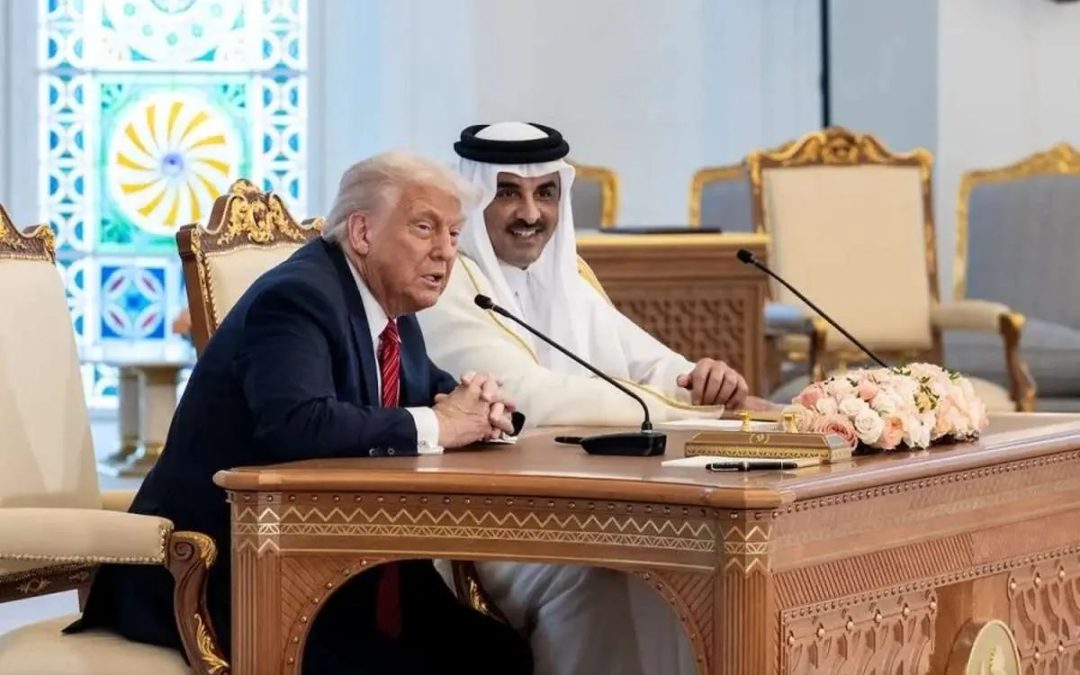
Reasons for the Ineffectiveness of Trump’s “Economic War” against Iran
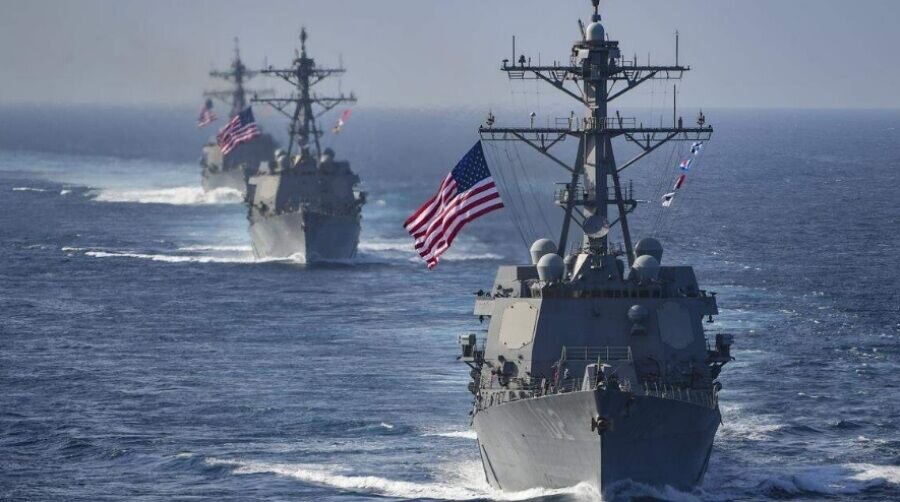
SCFR Online – Opinion: The intensification of U.S. sanctions against Iran on the eve of the U.S. midterm elections indicates Washington’s inability to achieve its war objectives.
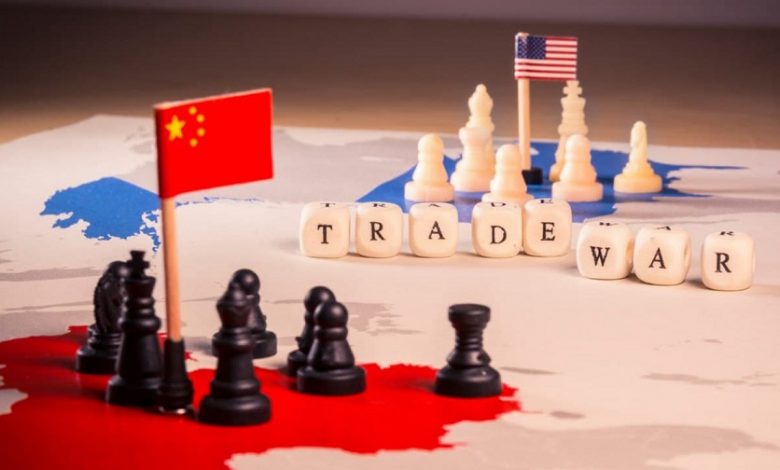
SCFR Online – Opinion: The competition between Washington and Beijing over chips and artificial intelligence, simultaneously with the shifting of technological balances, has taken on new economic and security dimensions.
SCFR Online – Opinion: The Shanghai Cooperation Organization summit has created a new opportunity for Iran to transform its membership from a political achievement into economic and transit cooperation.
Strategic Council Online – Note: The Makkah Defense Pact can be seen as a sign of regional countries’ efforts to reduce security dependence on extra-regional powers and redefine the balance in West Asia.
SCFR Online – Opinion: The Ukraine war, by exhausting US military capability on one hand and strengthening European defense capacity on the other, has altered the balance of power in the European continent, cast uncertainty over NATO’s future, and is driving it toward a European NATO.
SCFR Online – Opinion: The dissolution of the SDF, although considered an achievement for Turkey’s security, does not put an end to the challenges arising from the Israeli regime’s aggression and expansionism, refugees, and Syria’s fragility.
SCFR Online – Opinion: Concurrent with the official commencement of the United States’ economic war against our country, focusing on sanctions instruments, isolation, and economic pressure, what has now become increasingly important is the lack of alignment of other major global powers, especially China, with this policy.
SCFR Online – Opinion: The new US sanctions against Iran, despite extensive propaganda, face serious obstacles to success due to the ineffectiveness of sanctions tools and opposition from some of Tehran’s trading partners.
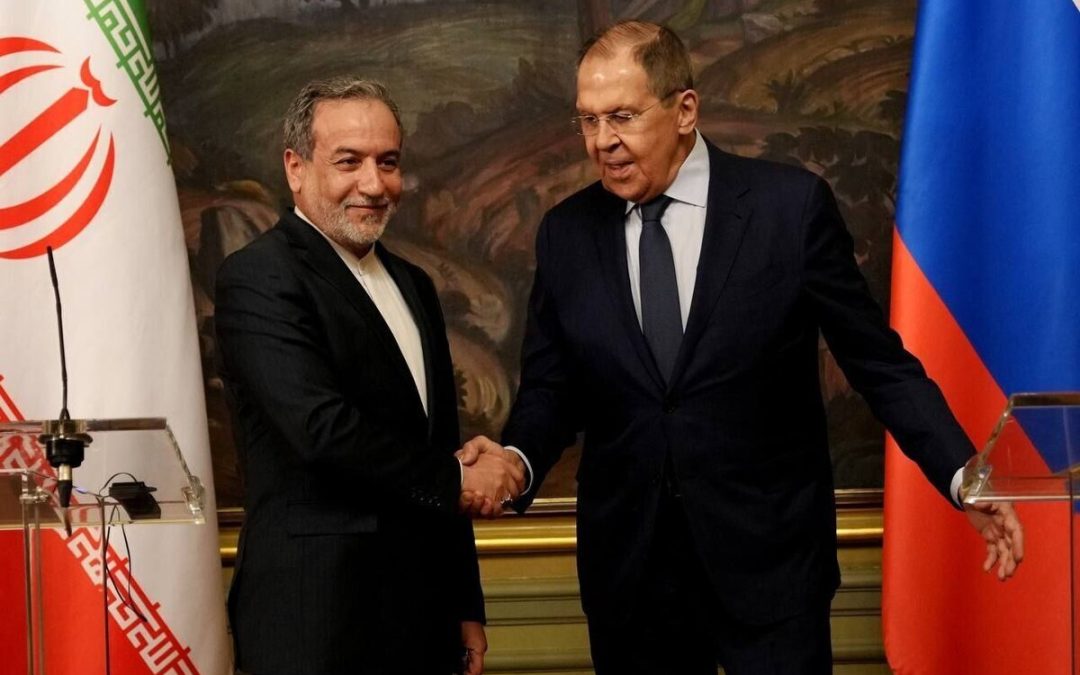
Online Strategic Council – Interview: It is essential that Tehran, Moscow, and Beijing adopt a more coordinated approach in the face of Washington’s strategy to revive its influence in Eurasia.
Online Strategic Council – Dialogue: A senior Chinese affairs analyst stated that recent developments in U.S.-China economic relations are a clear sign that the trade war between the world’s two major powers has entered a new phase.
Online Strategic Council – Interview: A senior European affairs analyst, referring to recent developments, stated: Europe’s role in the new international order is complex, affected by the Ukraine war, and simultaneously possesses capacities for economic and political interaction with Iran.
Online Strategic Council – Interview: A strategic studies researcher stated that following rapid regional developments and extensive wars in Gaza and Ukraine, the arena of discourse-building in West Asia and beyond has entered a new stage.
Online Strategic Council – Interview: A senior Afghan affairs analyst stated: Recently, Afghan media reported on airstrikes on Kabul and the sound of massive explosions. Local sources and news networks claimed that the Pakistani army had taken responsibility for this operation, and the target of the operation was identified as the leader of the Pakistani Taliban movement. Local Taliban spokesmen confirmed the occurrence of the explosion and announced that investigations had begun. The escalation of this incident, which occurred amid rising border and political tensions between Islamabad and Kabul, could affect the security equations in West and South Asia.
Online Strategic Council – Interview: An international affairs analyst said: In recent years, the Islamic Republic of Iran has strengthened its asymmetric capabilities, especially in the missile and drone fields. The growing development of missile and drone capabilities has not only raised the cost for regional rivals to enter the aerial arena but also enabled our country to establish layered deterrence and pursue more sustainable strategies compared to countries possessing advanced fighter jets.
Online Strategic Council – Interview: An international affairs expert stated that Iran, by relying on its geo-economic capacities across various fields, should strive to solidify its position as a bridge connecting the Persian Gulf to Eurasia. However, regional and extra-regional competition for influence in Azerbaijan and Armenia has reached a critical point, where Iran’s security considerations and geopolitical red lines could turn the advancement of a multi-faceted strategy into a real test for the diplomatic apparatus.
Online Strategic Council – Dialogue: A Latin American affairs expert stated that the United States has recently announced it is engaged in an “armed war” with drug cartels in Latin America, and its forces have targeted several boats belonging to Venezuela and Colombia. The President of Colombia has condemned this action and even said that Donald Trump should be prosecuted. In light of these actions, Trump is moving further away each week from his commitment that “no new wars” would be started during his second term.
Online Strategic Council – Interview: A university professor and international affairs analyst stated, “The US-centered world order is transitioning towards a multipolar structure.” This geopolitical transformation brings challenges and opportunities for Iran.
Online Strategic Council – Interview: An expert on Persian Gulf regional issues stated: The White House recently announced that Trump signed an executive order guaranteeing Qatar’s security. The order states that U.S. policy is to deter and respond to any external attack on Qatar’s security and territorial integrity.
SCFR Online – Opinion: The intensification of U.S. sanctions against Iran on the eve of the U.S. midterm elections indicates Washington’s inability to achieve its war objectives.
SCFR Online – Opinion: The competition between Washington and Beijing over chips and artificial intelligence, simultaneously with the shifting of technological balances, has taken on new economic and security dimensions.
SCFR Online – Opinion: The Shanghai Cooperation Organization summit has created a new opportunity for Iran to transform its membership from a political achievement into economic and transit cooperation.
Strategic Council Online – Note: The Makkah Defense Pact can be seen as a sign of regional countries’ efforts to reduce security dependence on extra-regional powers and redefine the balance in West Asia.
SCFR Online – Opinion: The Ukraine war, by exhausting US military capability on one hand and strengthening European defense capacity on the other, has altered the balance of power in the European continent, cast uncertainty over NATO’s future, and is driving it toward a European NATO.
SCFR Online – Opinion: The dissolution of the SDF, although considered an achievement for Turkey’s security, does not put an end to the challenges arising from the Israeli regime’s aggression and expansionism, refugees, and Syria’s fragility.
SCFR Online – Opinion: Concurrent with the official commencement of the United States’ economic war against our country, focusing on sanctions instruments, isolation, and economic pressure, what has now become increasingly important is the lack of alignment of other major global powers, especially China, with this policy.
SCFR Online – Opinion: The new US sanctions against Iran, despite extensive propaganda, face serious obstacles to success due to the ineffectiveness of sanctions tools and opposition from some of Tehran’s trading partners.
Online Strategic Council – Interview: It is essential that Tehran, Moscow, and Beijing adopt a more coordinated approach in the face of Washington’s strategy to revive its influence in Eurasia.
Online Strategic Council – Dialogue: A senior Chinese affairs analyst stated that recent developments in U.S.-China economic relations are a clear sign that the trade war between the world’s two major powers has entered a new phase.
Online Strategic Council – Interview: A senior European affairs analyst, referring to recent developments, stated: Europe’s role in the new international order is complex, affected by the Ukraine war, and simultaneously possesses capacities for economic and political interaction with Iran.
Online Strategic Council – Interview: A strategic studies researcher stated that following rapid regional developments and extensive wars in Gaza and Ukraine, the arena of discourse-building in West Asia and beyond has entered a new stage.
Online Strategic Council – Interview: A senior Afghan affairs analyst stated: Recently, Afghan media reported on airstrikes on Kabul and the sound of massive explosions. Local sources and news networks claimed that the Pakistani army had taken responsibility for this operation, and the target of the operation was identified as the leader of the Pakistani Taliban movement. Local Taliban spokesmen confirmed the occurrence of the explosion and announced that investigations had begun. The escalation of this incident, which occurred amid rising border and political tensions between Islamabad and Kabul, could affect the security equations in West and South Asia.
Online Strategic Council – Interview: An international affairs analyst said: In recent years, the Islamic Republic of Iran has strengthened its asymmetric capabilities, especially in the missile and drone fields. The growing development of missile and drone capabilities has not only raised the cost for regional rivals to enter the aerial arena but also enabled our country to establish layered deterrence and pursue more sustainable strategies compared to countries possessing advanced fighter jets.
Online Strategic Council – Interview: An international affairs expert stated that Iran, by relying on its geo-economic capacities across various fields, should strive to solidify its position as a bridge connecting the Persian Gulf to Eurasia. However, regional and extra-regional competition for influence in Azerbaijan and Armenia has reached a critical point, where Iran’s security considerations and geopolitical red lines could turn the advancement of a multi-faceted strategy into a real test for the diplomatic apparatus.
Online Strategic Council – Dialogue: A Latin American affairs expert stated that the United States has recently announced it is engaged in an “armed war” with drug cartels in Latin America, and its forces have targeted several boats belonging to Venezuela and Colombia. The President of Colombia has condemned this action and even said that Donald Trump should be prosecuted. In light of these actions, Trump is moving further away each week from his commitment that “no new wars” would be started during his second term.
Online Strategic Council – Interview: A university professor and international affairs analyst stated, “The US-centered world order is transitioning towards a multipolar structure.” This geopolitical transformation brings challenges and opportunities for Iran.
Online Strategic Council – Interview: An expert on Persian Gulf regional issues stated: The White House recently announced that Trump signed an executive order guaranteeing Qatar’s security. The order states that U.S. policy is to deter and respond to any external attack on Qatar’s security and territorial integrity.
Online Strategic Council – Interview: It is essential that Tehran, Moscow, and Beijing adopt a more coordinated approach in the face of Washington’s strategy to revive its influence in Eurasia.
Online Strategic Council – Dialogue: A senior Chinese affairs analyst stated that recent developments in U.S.-China economic relations are a clear sign that the trade war between the world’s two major powers has entered a new phase.
Online Strategic Council – Interview: A senior European affairs analyst, referring to recent developments, stated: Europe’s role in the new international order is complex, affected by the Ukraine war, and simultaneously possesses capacities for economic and political interaction with Iran.
Online Strategic Council – Interview: A strategic studies researcher stated that following rapid regional developments and extensive wars in Gaza and Ukraine, the arena of discourse-building in West Asia and beyond has entered a new stage.
Online Strategic Council – Interview: A senior Afghan affairs analyst stated: Recently, Afghan media reported on airstrikes on Kabul and the sound of massive explosions. Local sources and news networks claimed that the Pakistani army had taken responsibility for this operation, and the target of the operation was identified as the leader of the Pakistani Taliban movement. Local Taliban spokesmen confirmed the occurrence of the explosion and announced that investigations had begun. The escalation of this incident, which occurred amid rising border and political tensions between Islamabad and Kabul, could affect the security equations in West and South Asia.
Online Strategic Council – Interview: An international affairs analyst said: In recent years, the Islamic Republic of Iran has strengthened its asymmetric capabilities, especially in the missile and drone fields. The growing development of missile and drone capabilities has not only raised the cost for regional rivals to enter the aerial arena but also enabled our country to establish layered deterrence and pursue more sustainable strategies compared to countries possessing advanced fighter jets.
Online Strategic Council – Interview: An international affairs expert stated that Iran, by relying on its geo-economic capacities across various fields, should strive to solidify its position as a bridge connecting the Persian Gulf to Eurasia. However, regional and extra-regional competition for influence in Azerbaijan and Armenia has reached a critical point, where Iran’s security considerations and geopolitical red lines could turn the advancement of a multi-faceted strategy into a real test for the diplomatic apparatus.
Online Strategic Council – Dialogue: A Latin American affairs expert stated that the United States has recently announced it is engaged in an “armed war” with drug cartels in Latin America, and its forces have targeted several boats belonging to Venezuela and Colombia. The President of Colombia has condemned this action and even said that Donald Trump should be prosecuted. In light of these actions, Trump is moving further away each week from his commitment that “no new wars” would be started during his second term.
Online Strategic Council – Interview: A university professor and international affairs analyst stated, “The US-centered world order is transitioning towards a multipolar structure.” This geopolitical transformation brings challenges and opportunities for Iran.
Online Strategic Council – Interview: An expert on Persian Gulf regional issues stated: The White House recently announced that Trump signed an executive order guaranteeing Qatar’s security. The order states that U.S. policy is to deter and respond to any external attack on Qatar’s security and territorial integrity.
SCFR Online – Opinion: The intensification of U.S. sanctions against Iran on the eve of the U.S. midterm elections indicates Washington’s inability to achieve its war objectives.
SCFR Online – Opinion: The competition between Washington and Beijing over chips and artificial intelligence, simultaneously with the shifting of technological balances, has taken on new economic and security dimensions.
SCFR Online – Opinion: The Shanghai Cooperation Organization summit has created a new opportunity for Iran to transform its membership from a political achievement into economic and transit cooperation.
Strategic Council Online – Note: The Makkah Defense Pact can be seen as a sign of regional countries’ efforts to reduce security dependence on extra-regional powers and redefine the balance in West Asia.
SCFR Online – Opinion: The Ukraine war, by exhausting US military capability on one hand and strengthening European defense capacity on the other, has altered the balance of power in the European continent, cast uncertainty over NATO’s future, and is driving it toward a European NATO.
SCFR Online – Opinion: The dissolution of the SDF, although considered an achievement for Turkey’s security, does not put an end to the challenges arising from the Israeli regime’s aggression and expansionism, refugees, and Syria’s fragility.
SCFR Online – Opinion: Concurrent with the official commencement of the United States’ economic war against our country, focusing on sanctions instruments, isolation, and economic pressure, what has now become increasingly important is the lack of alignment of other major global powers, especially China, with this policy.
SCFR Online – Opinion: The new US sanctions against Iran, despite extensive propaganda, face serious obstacles to success due to the ineffectiveness of sanctions tools and opposition from some of Tehran’s trading partners.
Online Strategic Council – Interview: It is essential that Tehran, Moscow, and Beijing adopt a more coordinated approach in the face of Washington’s strategy to revive its influence in Eurasia.
Online Strategic Council – Dialogue: A senior Chinese affairs analyst stated that recent developments in U.S.-China economic relations are a clear sign that the trade war between the world’s two major powers has entered a new phase.
Online Strategic Council – Interview: A senior European affairs analyst, referring to recent developments, stated: Europe’s role in the new international order is complex, affected by the Ukraine war, and simultaneously possesses capacities for economic and political interaction with Iran.
Online Strategic Council – Interview: A strategic studies researcher stated that following rapid regional developments and extensive wars in Gaza and Ukraine, the arena of discourse-building in West Asia and beyond has entered a new stage.
Online Strategic Council – Interview: A senior Afghan affairs analyst stated: Recently, Afghan media reported on airstrikes on Kabul and the sound of massive explosions. Local sources and news networks claimed that the Pakistani army had taken responsibility for this operation, and the target of the operation was identified as the leader of the Pakistani Taliban movement. Local Taliban spokesmen confirmed the occurrence of the explosion and announced that investigations had begun. The escalation of this incident, which occurred amid rising border and political tensions between Islamabad and Kabul, could affect the security equations in West and South Asia.
Online Strategic Council – Interview: An international affairs analyst said: In recent years, the Islamic Republic of Iran has strengthened its asymmetric capabilities, especially in the missile and drone fields. The growing development of missile and drone capabilities has not only raised the cost for regional rivals to enter the aerial arena but also enabled our country to establish layered deterrence and pursue more sustainable strategies compared to countries possessing advanced fighter jets.
Online Strategic Council – Interview: An international affairs expert stated that Iran, by relying on its geo-economic capacities across various fields, should strive to solidify its position as a bridge connecting the Persian Gulf to Eurasia. However, regional and extra-regional competition for influence in Azerbaijan and Armenia has reached a critical point, where Iran’s security considerations and geopolitical red lines could turn the advancement of a multi-faceted strategy into a real test for the diplomatic apparatus.
Online Strategic Council – Dialogue: A Latin American affairs expert stated that the United States has recently announced it is engaged in an “armed war” with drug cartels in Latin America, and its forces have targeted several boats belonging to Venezuela and Colombia. The President of Colombia has condemned this action and even said that Donald Trump should be prosecuted. In light of these actions, Trump is moving further away each week from his commitment that “no new wars” would be started during his second term.
Online Strategic Council – Interview: A university professor and international affairs analyst stated, “The US-centered world order is transitioning towards a multipolar structure.” This geopolitical transformation brings challenges and opportunities for Iran.
Online Strategic Council – Interview: An expert on Persian Gulf regional issues stated: The White House recently announced that Trump signed an executive order guaranteeing Qatar’s security. The order states that U.S. policy is to deter and respond to any external attack on Qatar’s security and territorial integrity.
SCFR Online – Opinion: The intensification of U.S. sanctions against Iran on the eve of the U.S. midterm elections indicates Washington’s inability to achieve its war objectives.
SCFR Online – Opinion: The competition between Washington and Beijing over chips and artificial intelligence, simultaneously with the shifting of technological balances, has taken on new economic and security dimensions.
SCFR Online – Opinion: The Shanghai Cooperation Organization summit has created a new opportunity for Iran to transform its membership from a political achievement into economic and transit cooperation.
Strategic Council Online – Note: The Makkah Defense Pact can be seen as a sign of regional countries’ efforts to reduce security dependence on extra-regional powers and redefine the balance in West Asia.
SCFR Online – Opinion: The Ukraine war, by exhausting US military capability on one hand and strengthening European defense capacity on the other, has altered the balance of power in the European continent, cast uncertainty over NATO’s future, and is driving it toward a European NATO.
SCFR Online – Opinion: The dissolution of the SDF, although considered an achievement for Turkey’s security, does not put an end to the challenges arising from the Israeli regime’s aggression and expansionism, refugees, and Syria’s fragility.
SCFR Online – Opinion: Concurrent with the official commencement of the United States’ economic war against our country, focusing on sanctions instruments, isolation, and economic pressure, what has now become increasingly important is the lack of alignment of other major global powers, especially China, with this policy.
SCFR Online – Opinion: The new US sanctions against Iran, despite extensive propaganda, face serious obstacles to success due to the ineffectiveness of sanctions tools and opposition from some of Tehran’s trading partners.
Online Strategic Council – Interview: It is essential that Tehran, Moscow, and Beijing adopt a more coordinated approach in the face of Washington’s strategy to revive its influence in Eurasia.
Online Strategic Council – Dialogue: A senior Chinese affairs analyst stated that recent developments in U.S.-China economic relations are a clear sign that the trade war between the world’s two major powers has entered a new phase.
Online Strategic Council – Interview: A senior European affairs analyst, referring to recent developments, stated: Europe’s role in the new international order is complex, affected by the Ukraine war, and simultaneously possesses capacities for economic and political interaction with Iran.
Online Strategic Council – Interview: A strategic studies researcher stated that following rapid regional developments and extensive wars in Gaza and Ukraine, the arena of discourse-building in West Asia and beyond has entered a new stage.
Online Strategic Council – Interview: A senior Afghan affairs analyst stated: Recently, Afghan media reported on airstrikes on Kabul and the sound of massive explosions. Local sources and news networks claimed that the Pakistani army had taken responsibility for this operation, and the target of the operation was identified as the leader of the Pakistani Taliban movement. Local Taliban spokesmen confirmed the occurrence of the explosion and announced that investigations had begun. The escalation of this incident, which occurred amid rising border and political tensions between Islamabad and Kabul, could affect the security equations in West and South Asia.
Online Strategic Council – Interview: An international affairs analyst said: In recent years, the Islamic Republic of Iran has strengthened its asymmetric capabilities, especially in the missile and drone fields. The growing development of missile and drone capabilities has not only raised the cost for regional rivals to enter the aerial arena but also enabled our country to establish layered deterrence and pursue more sustainable strategies compared to countries possessing advanced fighter jets.
Online Strategic Council – Interview: An international affairs expert stated that Iran, by relying on its geo-economic capacities across various fields, should strive to solidify its position as a bridge connecting the Persian Gulf to Eurasia. However, regional and extra-regional competition for influence in Azerbaijan and Armenia has reached a critical point, where Iran’s security considerations and geopolitical red lines could turn the advancement of a multi-faceted strategy into a real test for the diplomatic apparatus.
Online Strategic Council – Dialogue: A Latin American affairs expert stated that the United States has recently announced it is engaged in an “armed war” with drug cartels in Latin America, and its forces have targeted several boats belonging to Venezuela and Colombia. The President of Colombia has condemned this action and even said that Donald Trump should be prosecuted. In light of these actions, Trump is moving further away each week from his commitment that “no new wars” would be started during his second term.
Online Strategic Council – Interview: A university professor and international affairs analyst stated, “The US-centered world order is transitioning towards a multipolar structure.” This geopolitical transformation brings challenges and opportunities for Iran.
Online Strategic Council – Interview: An expert on Persian Gulf regional issues stated: The White House recently announced that Trump signed an executive order guaranteeing Qatar’s security. The order states that U.S. policy is to deter and respond to any external attack on Qatar’s security and territorial integrity.
SCFR Online – Opinion: The intensification of U.S. sanctions against Iran on the eve of the U.S. midterm elections indicates Washington’s inability to achieve its war objectives.
SCFR Online – Opinion: The competition between Washington and Beijing over chips and artificial intelligence, simultaneously with the shifting of technological balances, has taken on new economic and security dimensions.
SCFR Online – Opinion: The Shanghai Cooperation Organization summit has created a new opportunity for Iran to transform its membership from a political achievement into economic and transit cooperation.
Strategic Council Online – Note: The Makkah Defense Pact can be seen as a sign of regional countries’ efforts to reduce security dependence on extra-regional powers and redefine the balance in West Asia.
SCFR Online – Opinion: The Ukraine war, by exhausting US military capability on one hand and strengthening European defense capacity on the other, has altered the balance of power in the European continent, cast uncertainty over NATO’s future, and is driving it toward a European NATO.
SCFR Online – Opinion: The dissolution of the SDF, although considered an achievement for Turkey’s security, does not put an end to the challenges arising from the Israeli regime’s aggression and expansionism, refugees, and Syria’s fragility.
SCFR Online – Opinion: Concurrent with the official commencement of the United States’ economic war against our country, focusing on sanctions instruments, isolation, and economic pressure, what has now become increasingly important is the lack of alignment of other major global powers, especially China, with this policy.
SCFR Online – Opinion: The new US sanctions against Iran, despite extensive propaganda, face serious obstacles to success due to the ineffectiveness of sanctions tools and opposition from some of Tehran’s trading partners.
Online Strategic Council – Interview: It is essential that Tehran, Moscow, and Beijing adopt a more coordinated approach in the face of Washington’s strategy to revive its influence in Eurasia.
Online Strategic Council – Dialogue: A senior Chinese affairs analyst stated that recent developments in U.S.-China economic relations are a clear sign that the trade war between the world’s two major powers has entered a new phase.
Online Strategic Council – Interview: A senior European affairs analyst, referring to recent developments, stated: Europe’s role in the new international order is complex, affected by the Ukraine war, and simultaneously possesses capacities for economic and political interaction with Iran.
Online Strategic Council – Interview: A strategic studies researcher stated that following rapid regional developments and extensive wars in Gaza and Ukraine, the arena of discourse-building in West Asia and beyond has entered a new stage.
Online Strategic Council – Interview: A senior Afghan affairs analyst stated: Recently, Afghan media reported on airstrikes on Kabul and the sound of massive explosions. Local sources and news networks claimed that the Pakistani army had taken responsibility for this operation, and the target of the operation was identified as the leader of the Pakistani Taliban movement. Local Taliban spokesmen confirmed the occurrence of the explosion and announced that investigations had begun. The escalation of this incident, which occurred amid rising border and political tensions between Islamabad and Kabul, could affect the security equations in West and South Asia.
Online Strategic Council – Interview: An international affairs analyst said: In recent years, the Islamic Republic of Iran has strengthened its asymmetric capabilities, especially in the missile and drone fields. The growing development of missile and drone capabilities has not only raised the cost for regional rivals to enter the aerial arena but also enabled our country to establish layered deterrence and pursue more sustainable strategies compared to countries possessing advanced fighter jets.
Online Strategic Council – Interview: An international affairs expert stated that Iran, by relying on its geo-economic capacities across various fields, should strive to solidify its position as a bridge connecting the Persian Gulf to Eurasia. However, regional and extra-regional competition for influence in Azerbaijan and Armenia has reached a critical point, where Iran’s security considerations and geopolitical red lines could turn the advancement of a multi-faceted strategy into a real test for the diplomatic apparatus.
Online Strategic Council – Dialogue: A Latin American affairs expert stated that the United States has recently announced it is engaged in an “armed war” with drug cartels in Latin America, and its forces have targeted several boats belonging to Venezuela and Colombia. The President of Colombia has condemned this action and even said that Donald Trump should be prosecuted. In light of these actions, Trump is moving further away each week from his commitment that “no new wars” would be started during his second term.
Online Strategic Council – Interview: A university professor and international affairs analyst stated, “The US-centered world order is transitioning towards a multipolar structure.” This geopolitical transformation brings challenges and opportunities for Iran.
Online Strategic Council – Interview: An expert on Persian Gulf regional issues stated: The White House recently announced that Trump signed an executive order guaranteeing Qatar’s security. The order states that U.S. policy is to deter and respond to any external attack on Qatar’s security and territorial integrity.
SCFR Online – Opinion: The intensification of U.S. sanctions against Iran on the eve of the U.S. midterm elections indicates Washington’s inability to achieve its war objectives.
SCFR Online – Opinion: The competition between Washington and Beijing over chips and artificial intelligence, simultaneously with the shifting of technological balances, has taken on new economic and security dimensions.
SCFR Online – Opinion: The Shanghai Cooperation Organization summit has created a new opportunity for Iran to transform its membership from a political achievement into economic and transit cooperation.
Strategic Council Online – Note: The Makkah Defense Pact can be seen as a sign of regional countries’ efforts to reduce security dependence on extra-regional powers and redefine the balance in West Asia.
SCFR Online – Opinion: The Ukraine war, by exhausting US military capability on one hand and strengthening European defense capacity on the other, has altered the balance of power in the European continent, cast uncertainty over NATO’s future, and is driving it toward a European NATO.
SCFR Online – Opinion: The dissolution of the SDF, although considered an achievement for Turkey’s security, does not put an end to the challenges arising from the Israeli regime’s aggression and expansionism, refugees, and Syria’s fragility.
SCFR Online – Opinion: Concurrent with the official commencement of the United States’ economic war against our country, focusing on sanctions instruments, isolation, and economic pressure, what has now become increasingly important is the lack of alignment of other major global powers, especially China, with this policy.
SCFR Online – Opinion: The new US sanctions against Iran, despite extensive propaganda, face serious obstacles to success due to the ineffectiveness of sanctions tools and opposition from some of Tehran’s trading partners.
Online Strategic Council – Interview: It is essential that Tehran, Moscow, and Beijing adopt a more coordinated approach in the face of Washington’s strategy to revive its influence in Eurasia.
Online Strategic Council – Dialogue: A senior Chinese affairs analyst stated that recent developments in U.S.-China economic relations are a clear sign that the trade war between the world’s two major powers has entered a new phase.
Online Strategic Council – Interview: A senior European affairs analyst, referring to recent developments, stated: Europe’s role in the new international order is complex, affected by the Ukraine war, and simultaneously possesses capacities for economic and political interaction with Iran.
Online Strategic Council – Interview: A strategic studies researcher stated that following rapid regional developments and extensive wars in Gaza and Ukraine, the arena of discourse-building in West Asia and beyond has entered a new stage.
Online Strategic Council – Interview: A senior Afghan affairs analyst stated: Recently, Afghan media reported on airstrikes on Kabul and the sound of massive explosions. Local sources and news networks claimed that the Pakistani army had taken responsibility for this operation, and the target of the operation was identified as the leader of the Pakistani Taliban movement. Local Taliban spokesmen confirmed the occurrence of the explosion and announced that investigations had begun. The escalation of this incident, which occurred amid rising border and political tensions between Islamabad and Kabul, could affect the security equations in West and South Asia.
Online Strategic Council – Interview: An international affairs analyst said: In recent years, the Islamic Republic of Iran has strengthened its asymmetric capabilities, especially in the missile and drone fields. The growing development of missile and drone capabilities has not only raised the cost for regional rivals to enter the aerial arena but also enabled our country to establish layered deterrence and pursue more sustainable strategies compared to countries possessing advanced fighter jets.
Online Strategic Council – Interview: An international affairs expert stated that Iran, by relying on its geo-economic capacities across various fields, should strive to solidify its position as a bridge connecting the Persian Gulf to Eurasia. However, regional and extra-regional competition for influence in Azerbaijan and Armenia has reached a critical point, where Iran’s security considerations and geopolitical red lines could turn the advancement of a multi-faceted strategy into a real test for the diplomatic apparatus.
Online Strategic Council – Dialogue: A Latin American affairs expert stated that the United States has recently announced it is engaged in an “armed war” with drug cartels in Latin America, and its forces have targeted several boats belonging to Venezuela and Colombia. The President of Colombia has condemned this action and even said that Donald Trump should be prosecuted. In light of these actions, Trump is moving further away each week from his commitment that “no new wars” would be started during his second term.
Online Strategic Council – Interview: A university professor and international affairs analyst stated, “The US-centered world order is transitioning towards a multipolar structure.” This geopolitical transformation brings challenges and opportunities for Iran.
Online Strategic Council – Interview: An expert on Persian Gulf regional issues stated: The White House recently announced that Trump signed an executive order guaranteeing Qatar’s security. The order states that U.S. policy is to deter and respond to any external attack on Qatar’s security and territorial integrity.
SCFR Online – Opinion: The intensification of U.S. sanctions against Iran on the eve of the U.S. midterm elections indicates Washington’s inability to achieve its war objectives.
SCFR Online – Opinion: The competition between Washington and Beijing over chips and artificial intelligence, simultaneously with the shifting of technological balances, has taken on new economic and security dimensions.
SCFR Online – Opinion: The Shanghai Cooperation Organization summit has created a new opportunity for Iran to transform its membership from a political achievement into economic and transit cooperation.
Strategic Council Online – Note: The Makkah Defense Pact can be seen as a sign of regional countries’ efforts to reduce security dependence on extra-regional powers and redefine the balance in West Asia.
SCFR Online – Opinion: The Ukraine war, by exhausting US military capability on one hand and strengthening European defense capacity on the other, has altered the balance of power in the European continent, cast uncertainty over NATO’s future, and is driving it toward a European NATO.
SCFR Online – Opinion: The dissolution of the SDF, although considered an achievement for Turkey’s security, does not put an end to the challenges arising from the Israeli regime’s aggression and expansionism, refugees, and Syria’s fragility.
SCFR Online – Opinion: Concurrent with the official commencement of the United States’ economic war against our country, focusing on sanctions instruments, isolation, and economic pressure, what has now become increasingly important is the lack of alignment of other major global powers, especially China, with this policy.
SCFR Online – Opinion: The new US sanctions against Iran, despite extensive propaganda, face serious obstacles to success due to the ineffectiveness of sanctions tools and opposition from some of Tehran’s trading partners.