Reasons for the Ineffectiveness of Trump’s “Economic War” against Iran
SCFR Online – Opinion: The intensification of U.S. sanctions against Iran on the eve of the U.S. midterm elections indicates Washington’s inability to achieve its war objectives.


SCFR Online – Opinion: The intensification of U.S. sanctions against Iran on the eve of the U.S. midterm elections indicates Washington’s inability to achieve its war objectives.

SCFR Online – Opinion: The competition between Washington and Beijing over chips and artificial intelligence, simultaneously with the shifting of technological balances, has taken on new economic and security dimensions.
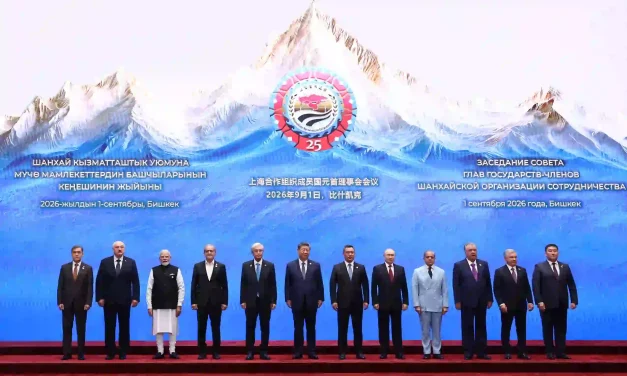
SCFR Online – Opinion: The Shanghai Cooperation Organization summit has created a new opportunity for Iran to transform its membership from a political achievement into economic and transit cooperation.
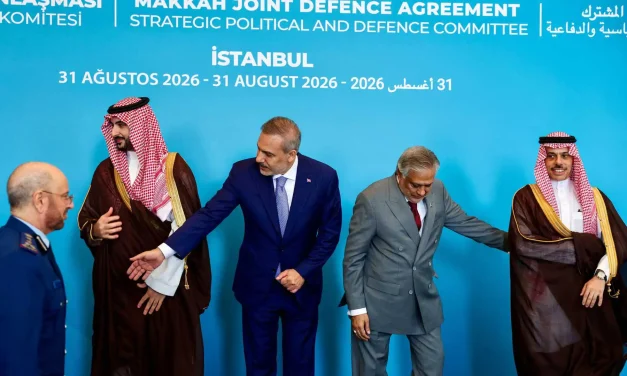
Strategic Council Online – Note: The Makkah Defense Pact can be seen as a sign of regional countries’ efforts to reduce security dependence on extra-regional powers and redefine the balance in West Asia.
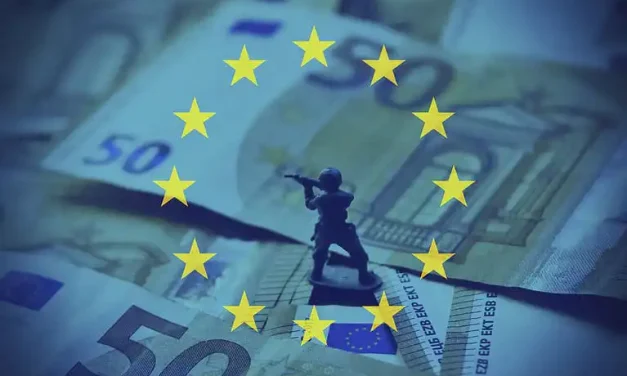
SCFR Online – Opinion: The Ukraine war, by exhausting US military capability on one hand and strengthening European defense capacity on the other, has altered the balance of power in the European continent, cast uncertainty over NATO’s future, and is driving it toward a European NATO.
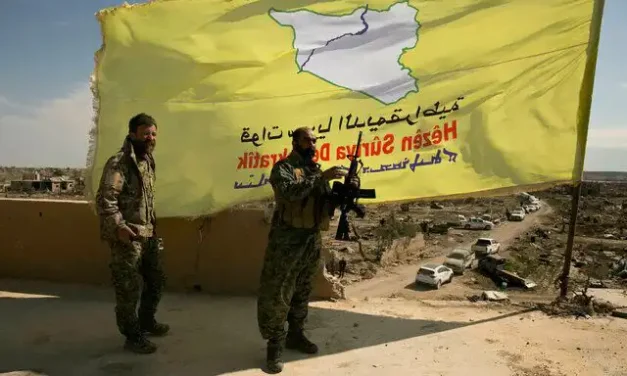
SCFR Online – Opinion: The dissolution of the SDF, although considered an achievement for Turkey’s security, does not put an end to the challenges arising from the Israeli regime’s aggression and expansionism, refugees, and Syria’s fragility.
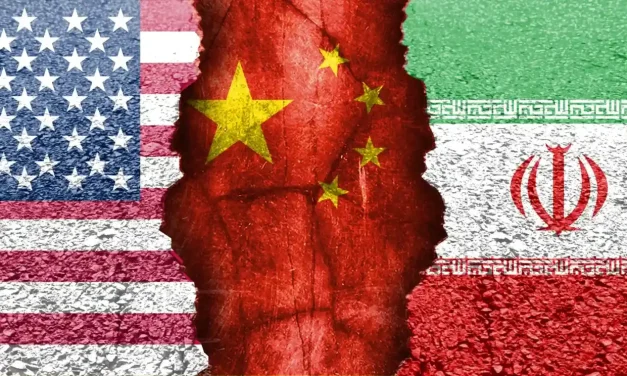
SCFR Online – Opinion: Concurrent with the official commencement of the United States’ economic war against our country, focusing on sanctions instruments, isolation, and economic pressure, what has now become increasingly important is the lack of alignment of other major global powers, especially China, with this policy.
SCFR Online – Opinion: The new US sanctions against Iran, despite extensive propaganda, face serious obstacles to success due to the ineffectiveness of sanctions tools and opposition from some of Tehran’s trading partners.


Strategic Council Online– Opinion: One of the most significant impacts of the competition between China and the U.S. on Iran, which is considered an advantage, is that the issue of new technologies has shifted from a monopoly to a bipolar monopoly.
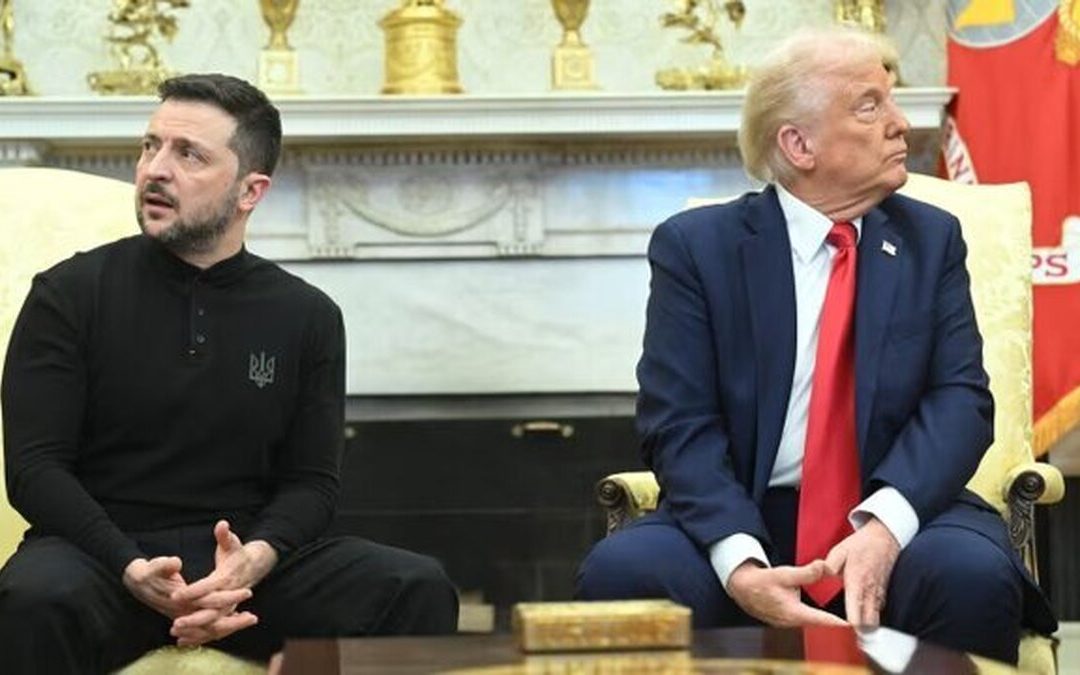
Strategic Council Online– Opinion: The experience of three and a half years of Russia’s war with Ukraine and the tensions it has had with the West within this framework have shown that the Russians have not only given in at any stage in the face of Western pressure, including sanctions, but this has also led to an escalation of tensions, differences, and conflicts, both in the region and in Russia-West relations. In practice, any effort in this regard has so far had at least negative results for the Ukrainians, and they have faced increased Russian attacks.

Strategic Council Online– Opinion: Erdogan’s strategic visit to the Persian Gulf creates an opportunity to strengthen Turkey’s regional role, alongside the economic consequences.
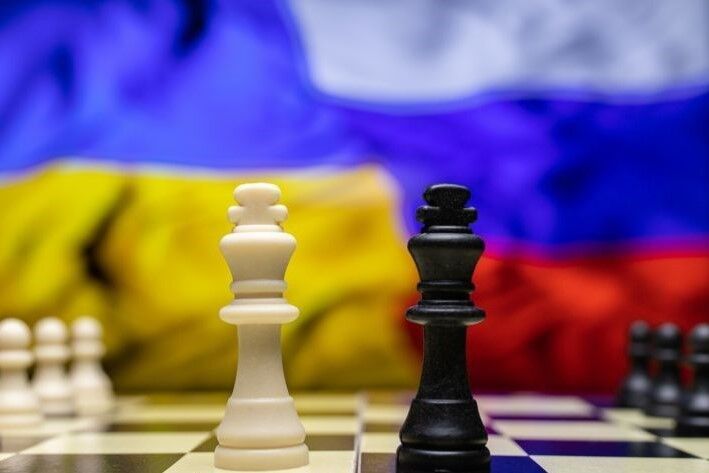
Strategic Council Online– Opinion: Russia’s recent nuclear exercises, under the direct supervision of Vladimir Putin, were not merely a military drill. Instead, they constituted a calculated show of force amidst a weakening diplomatic process and the suspension of a potential Trump-Putin meeting.
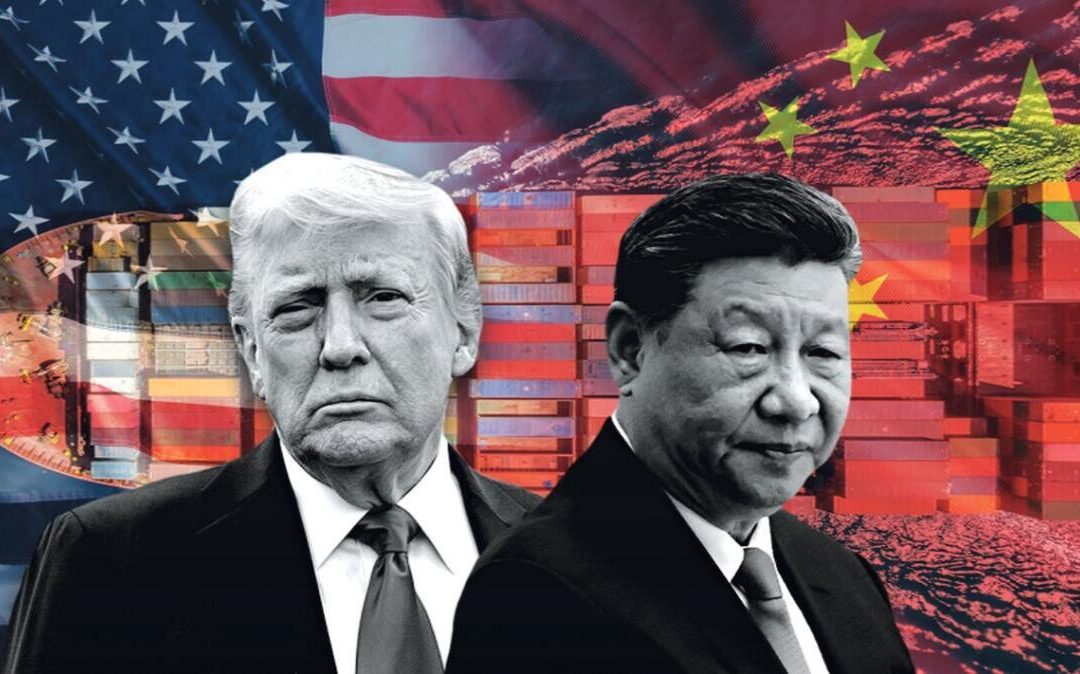
Strategic Council Online– Opinion: While the world has not yet been freed from the consequences of the pandemic and geopolitical disruptions, the economic competition between the world’s two giants – the United States and China – in East Asia has reached its peak.
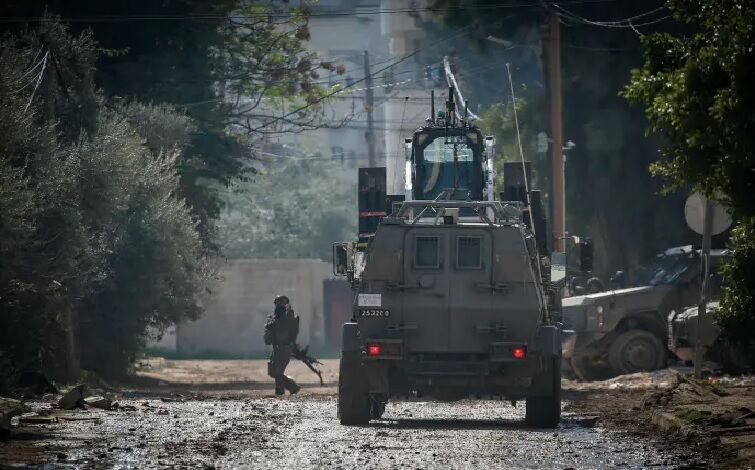
Strategic Council Online- Opinion: The approval of the bill to annex the West Bank in the Knesset is not only a clear violation of international law but could also trigger a new wave of instability and conflict in West Asia.
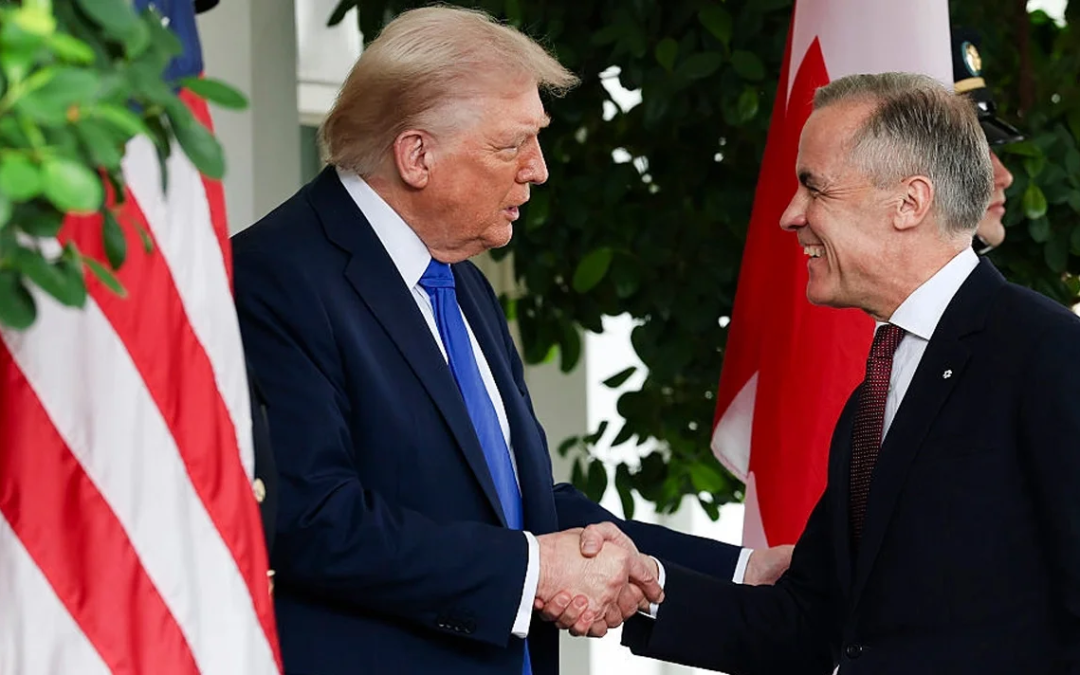
Online Strategic Council – Opinion: In a world where the international economy has become more than ever a network of interdependencies, even an old radio advertisement can spark a diplomatic-commercial crisis between two traditional allies.

Online Strategic Council – Note: Volodymyr Zelenskyy’s third trip to Washington this year as President of Ukraine must be considered a turning point in the Ukraine war. This trip took place one day after a two-and-a-half-hour phone call between Trump and Putin. It coincided with speculation about holding a second meeting between the presidents of the United States and Russia in Budapest.

Strategic Council Online – Opinion: Today, submarine cables have become the backbone of the global economy and security. While China seeks to expand its influence through investments in submarine cable networks and the Digital Silk Road initiative, the United States strives to maintain control over the global digital order through deterrent strategies and multinational alliances. The geopolitical competition beneath the waves has now become one of the most sensitive arenas of confrontation between the two major powers, where data is the tool of power.
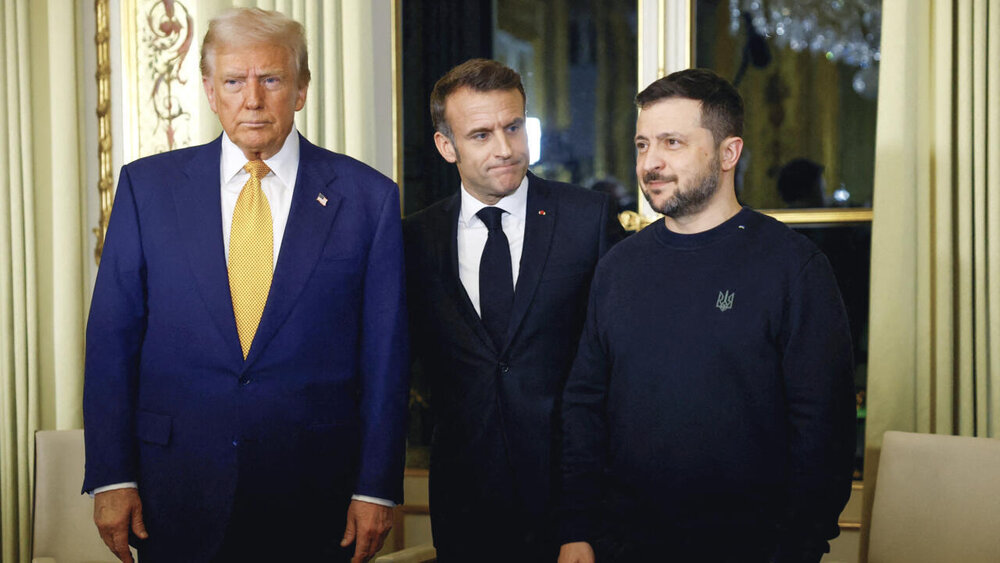
Online Strategic Council – Commentary: These days, the differences between the two sides of the Atlantic over how to deal with Russia in the Ukraine war have become a serious rift.
SCFR Online – Opinion: The intensification of U.S. sanctions against Iran on the eve of the U.S. midterm elections indicates Washington’s inability to achieve its war objectives.
SCFR Online – Opinion: The competition between Washington and Beijing over chips and artificial intelligence, simultaneously with the shifting of technological balances, has taken on new economic and security dimensions.
SCFR Online – Opinion: The Shanghai Cooperation Organization summit has created a new opportunity for Iran to transform its membership from a political achievement into economic and transit cooperation.
Strategic Council Online – Note: The Makkah Defense Pact can be seen as a sign of regional countries’ efforts to reduce security dependence on extra-regional powers and redefine the balance in West Asia.
SCFR Online – Opinion: The Ukraine war, by exhausting US military capability on one hand and strengthening European defense capacity on the other, has altered the balance of power in the European continent, cast uncertainty over NATO’s future, and is driving it toward a European NATO.
SCFR Online – Opinion: The dissolution of the SDF, although considered an achievement for Turkey’s security, does not put an end to the challenges arising from the Israeli regime’s aggression and expansionism, refugees, and Syria’s fragility.
SCFR Online – Opinion: Concurrent with the official commencement of the United States’ economic war against our country, focusing on sanctions instruments, isolation, and economic pressure, what has now become increasingly important is the lack of alignment of other major global powers, especially China, with this policy.
SCFR Online – Opinion: The new US sanctions against Iran, despite extensive propaganda, face serious obstacles to success due to the ineffectiveness of sanctions tools and opposition from some of Tehran’s trading partners.
Strategic Council Online– Opinion: One of the most significant impacts of the competition between China and the U.S. on Iran, which is considered an advantage, is that the issue of new technologies has shifted from a monopoly to a bipolar monopoly.
Strategic Council Online– Opinion: The experience of three and a half years of Russia’s war with Ukraine and the tensions it has had with the West within this framework have shown that the Russians have not only given in at any stage in the face of Western pressure, including sanctions, but this has also led to an escalation of tensions, differences, and conflicts, both in the region and in Russia-West relations. In practice, any effort in this regard has so far had at least negative results for the Ukrainians, and they have faced increased Russian attacks.
Strategic Council Online– Opinion: Erdogan’s strategic visit to the Persian Gulf creates an opportunity to strengthen Turkey’s regional role, alongside the economic consequences.
Strategic Council Online– Opinion: Russia’s recent nuclear exercises, under the direct supervision of Vladimir Putin, were not merely a military drill. Instead, they constituted a calculated show of force amidst a weakening diplomatic process and the suspension of a potential Trump-Putin meeting.
Strategic Council Online– Opinion: While the world has not yet been freed from the consequences of the pandemic and geopolitical disruptions, the economic competition between the world’s two giants – the United States and China – in East Asia has reached its peak.
Strategic Council Online- Opinion: The approval of the bill to annex the West Bank in the Knesset is not only a clear violation of international law but could also trigger a new wave of instability and conflict in West Asia.
Online Strategic Council – Opinion: In a world where the international economy has become more than ever a network of interdependencies, even an old radio advertisement can spark a diplomatic-commercial crisis between two traditional allies.
Online Strategic Council – Note: Volodymyr Zelenskyy’s third trip to Washington this year as President of Ukraine must be considered a turning point in the Ukraine war. This trip took place one day after a two-and-a-half-hour phone call between Trump and Putin. It coincided with speculation about holding a second meeting between the presidents of the United States and Russia in Budapest.
Strategic Council Online – Opinion: Today, submarine cables have become the backbone of the global economy and security. While China seeks to expand its influence through investments in submarine cable networks and the Digital Silk Road initiative, the United States strives to maintain control over the global digital order through deterrent strategies and multinational alliances. The geopolitical competition beneath the waves has now become one of the most sensitive arenas of confrontation between the two major powers, where data is the tool of power.
Online Strategic Council – Commentary: These days, the differences between the two sides of the Atlantic over how to deal with Russia in the Ukraine war have become a serious rift.
Strategic Council Online– Opinion: One of the most significant impacts of the competition between China and the U.S. on Iran, which is considered an advantage, is that the issue of new technologies has shifted from a monopoly to a bipolar monopoly.
Strategic Council Online– Opinion: The experience of three and a half years of Russia’s war with Ukraine and the tensions it has had with the West within this framework have shown that the Russians have not only given in at any stage in the face of Western pressure, including sanctions, but this has also led to an escalation of tensions, differences, and conflicts, both in the region and in Russia-West relations. In practice, any effort in this regard has so far had at least negative results for the Ukrainians, and they have faced increased Russian attacks.
Strategic Council Online– Opinion: Erdogan’s strategic visit to the Persian Gulf creates an opportunity to strengthen Turkey’s regional role, alongside the economic consequences.
Strategic Council Online– Opinion: Russia’s recent nuclear exercises, under the direct supervision of Vladimir Putin, were not merely a military drill. Instead, they constituted a calculated show of force amidst a weakening diplomatic process and the suspension of a potential Trump-Putin meeting.
Strategic Council Online– Opinion: While the world has not yet been freed from the consequences of the pandemic and geopolitical disruptions, the economic competition between the world’s two giants – the United States and China – in East Asia has reached its peak.
Strategic Council Online- Opinion: The approval of the bill to annex the West Bank in the Knesset is not only a clear violation of international law but could also trigger a new wave of instability and conflict in West Asia.
Online Strategic Council – Opinion: In a world where the international economy has become more than ever a network of interdependencies, even an old radio advertisement can spark a diplomatic-commercial crisis between two traditional allies.
Online Strategic Council – Note: Volodymyr Zelenskyy’s third trip to Washington this year as President of Ukraine must be considered a turning point in the Ukraine war. This trip took place one day after a two-and-a-half-hour phone call between Trump and Putin. It coincided with speculation about holding a second meeting between the presidents of the United States and Russia in Budapest.
Strategic Council Online – Opinion: Today, submarine cables have become the backbone of the global economy and security. While China seeks to expand its influence through investments in submarine cable networks and the Digital Silk Road initiative, the United States strives to maintain control over the global digital order through deterrent strategies and multinational alliances. The geopolitical competition beneath the waves has now become one of the most sensitive arenas of confrontation between the two major powers, where data is the tool of power.
Online Strategic Council – Commentary: These days, the differences between the two sides of the Atlantic over how to deal with Russia in the Ukraine war have become a serious rift.
SCFR Online – Opinion: The intensification of U.S. sanctions against Iran on the eve of the U.S. midterm elections indicates Washington’s inability to achieve its war objectives.
SCFR Online – Opinion: The competition between Washington and Beijing over chips and artificial intelligence, simultaneously with the shifting of technological balances, has taken on new economic and security dimensions.
SCFR Online – Opinion: The Shanghai Cooperation Organization summit has created a new opportunity for Iran to transform its membership from a political achievement into economic and transit cooperation.
Strategic Council Online – Note: The Makkah Defense Pact can be seen as a sign of regional countries’ efforts to reduce security dependence on extra-regional powers and redefine the balance in West Asia.
SCFR Online – Opinion: The Ukraine war, by exhausting US military capability on one hand and strengthening European defense capacity on the other, has altered the balance of power in the European continent, cast uncertainty over NATO’s future, and is driving it toward a European NATO.
SCFR Online – Opinion: The dissolution of the SDF, although considered an achievement for Turkey’s security, does not put an end to the challenges arising from the Israeli regime’s aggression and expansionism, refugees, and Syria’s fragility.
SCFR Online – Opinion: Concurrent with the official commencement of the United States’ economic war against our country, focusing on sanctions instruments, isolation, and economic pressure, what has now become increasingly important is the lack of alignment of other major global powers, especially China, with this policy.
SCFR Online – Opinion: The new US sanctions against Iran, despite extensive propaganda, face serious obstacles to success due to the ineffectiveness of sanctions tools and opposition from some of Tehran’s trading partners.
Strategic Council Online– Opinion: One of the most significant impacts of the competition between China and the U.S. on Iran, which is considered an advantage, is that the issue of new technologies has shifted from a monopoly to a bipolar monopoly.
Strategic Council Online– Opinion: The experience of three and a half years of Russia’s war with Ukraine and the tensions it has had with the West within this framework have shown that the Russians have not only given in at any stage in the face of Western pressure, including sanctions, but this has also led to an escalation of tensions, differences, and conflicts, both in the region and in Russia-West relations. In practice, any effort in this regard has so far had at least negative results for the Ukrainians, and they have faced increased Russian attacks.
Strategic Council Online– Opinion: Erdogan’s strategic visit to the Persian Gulf creates an opportunity to strengthen Turkey’s regional role, alongside the economic consequences.
Strategic Council Online– Opinion: Russia’s recent nuclear exercises, under the direct supervision of Vladimir Putin, were not merely a military drill. Instead, they constituted a calculated show of force amidst a weakening diplomatic process and the suspension of a potential Trump-Putin meeting.
Strategic Council Online– Opinion: While the world has not yet been freed from the consequences of the pandemic and geopolitical disruptions, the economic competition between the world’s two giants – the United States and China – in East Asia has reached its peak.
Strategic Council Online- Opinion: The approval of the bill to annex the West Bank in the Knesset is not only a clear violation of international law but could also trigger a new wave of instability and conflict in West Asia.
Online Strategic Council – Opinion: In a world where the international economy has become more than ever a network of interdependencies, even an old radio advertisement can spark a diplomatic-commercial crisis between two traditional allies.
Online Strategic Council – Note: Volodymyr Zelenskyy’s third trip to Washington this year as President of Ukraine must be considered a turning point in the Ukraine war. This trip took place one day after a two-and-a-half-hour phone call between Trump and Putin. It coincided with speculation about holding a second meeting between the presidents of the United States and Russia in Budapest.
Strategic Council Online – Opinion: Today, submarine cables have become the backbone of the global economy and security. While China seeks to expand its influence through investments in submarine cable networks and the Digital Silk Road initiative, the United States strives to maintain control over the global digital order through deterrent strategies and multinational alliances. The geopolitical competition beneath the waves has now become one of the most sensitive arenas of confrontation between the two major powers, where data is the tool of power.
Online Strategic Council – Commentary: These days, the differences between the two sides of the Atlantic over how to deal with Russia in the Ukraine war have become a serious rift.
SCFR Online – Opinion: The intensification of U.S. sanctions against Iran on the eve of the U.S. midterm elections indicates Washington’s inability to achieve its war objectives.
SCFR Online – Opinion: The competition between Washington and Beijing over chips and artificial intelligence, simultaneously with the shifting of technological balances, has taken on new economic and security dimensions.
SCFR Online – Opinion: The Shanghai Cooperation Organization summit has created a new opportunity for Iran to transform its membership from a political achievement into economic and transit cooperation.
Strategic Council Online – Note: The Makkah Defense Pact can be seen as a sign of regional countries’ efforts to reduce security dependence on extra-regional powers and redefine the balance in West Asia.
SCFR Online – Opinion: The Ukraine war, by exhausting US military capability on one hand and strengthening European defense capacity on the other, has altered the balance of power in the European continent, cast uncertainty over NATO’s future, and is driving it toward a European NATO.
SCFR Online – Opinion: The dissolution of the SDF, although considered an achievement for Turkey’s security, does not put an end to the challenges arising from the Israeli regime’s aggression and expansionism, refugees, and Syria’s fragility.
SCFR Online – Opinion: Concurrent with the official commencement of the United States’ economic war against our country, focusing on sanctions instruments, isolation, and economic pressure, what has now become increasingly important is the lack of alignment of other major global powers, especially China, with this policy.
SCFR Online – Opinion: The new US sanctions against Iran, despite extensive propaganda, face serious obstacles to success due to the ineffectiveness of sanctions tools and opposition from some of Tehran’s trading partners.
Strategic Council Online– Opinion: One of the most significant impacts of the competition between China and the U.S. on Iran, which is considered an advantage, is that the issue of new technologies has shifted from a monopoly to a bipolar monopoly.
Strategic Council Online– Opinion: The experience of three and a half years of Russia’s war with Ukraine and the tensions it has had with the West within this framework have shown that the Russians have not only given in at any stage in the face of Western pressure, including sanctions, but this has also led to an escalation of tensions, differences, and conflicts, both in the region and in Russia-West relations. In practice, any effort in this regard has so far had at least negative results for the Ukrainians, and they have faced increased Russian attacks.
Strategic Council Online– Opinion: Erdogan’s strategic visit to the Persian Gulf creates an opportunity to strengthen Turkey’s regional role, alongside the economic consequences.
Strategic Council Online– Opinion: Russia’s recent nuclear exercises, under the direct supervision of Vladimir Putin, were not merely a military drill. Instead, they constituted a calculated show of force amidst a weakening diplomatic process and the suspension of a potential Trump-Putin meeting.
Strategic Council Online– Opinion: While the world has not yet been freed from the consequences of the pandemic and geopolitical disruptions, the economic competition between the world’s two giants – the United States and China – in East Asia has reached its peak.
Strategic Council Online- Opinion: The approval of the bill to annex the West Bank in the Knesset is not only a clear violation of international law but could also trigger a new wave of instability and conflict in West Asia.
Online Strategic Council – Opinion: In a world where the international economy has become more than ever a network of interdependencies, even an old radio advertisement can spark a diplomatic-commercial crisis between two traditional allies.
Online Strategic Council – Note: Volodymyr Zelenskyy’s third trip to Washington this year as President of Ukraine must be considered a turning point in the Ukraine war. This trip took place one day after a two-and-a-half-hour phone call between Trump and Putin. It coincided with speculation about holding a second meeting between the presidents of the United States and Russia in Budapest.
Strategic Council Online – Opinion: Today, submarine cables have become the backbone of the global economy and security. While China seeks to expand its influence through investments in submarine cable networks and the Digital Silk Road initiative, the United States strives to maintain control over the global digital order through deterrent strategies and multinational alliances. The geopolitical competition beneath the waves has now become one of the most sensitive arenas of confrontation between the two major powers, where data is the tool of power.
Online Strategic Council – Commentary: These days, the differences between the two sides of the Atlantic over how to deal with Russia in the Ukraine war have become a serious rift.
SCFR Online – Opinion: The intensification of U.S. sanctions against Iran on the eve of the U.S. midterm elections indicates Washington’s inability to achieve its war objectives.
SCFR Online – Opinion: The competition between Washington and Beijing over chips and artificial intelligence, simultaneously with the shifting of technological balances, has taken on new economic and security dimensions.
SCFR Online – Opinion: The Shanghai Cooperation Organization summit has created a new opportunity for Iran to transform its membership from a political achievement into economic and transit cooperation.
Strategic Council Online – Note: The Makkah Defense Pact can be seen as a sign of regional countries’ efforts to reduce security dependence on extra-regional powers and redefine the balance in West Asia.
SCFR Online – Opinion: The Ukraine war, by exhausting US military capability on one hand and strengthening European defense capacity on the other, has altered the balance of power in the European continent, cast uncertainty over NATO’s future, and is driving it toward a European NATO.
SCFR Online – Opinion: The dissolution of the SDF, although considered an achievement for Turkey’s security, does not put an end to the challenges arising from the Israeli regime’s aggression and expansionism, refugees, and Syria’s fragility.
SCFR Online – Opinion: Concurrent with the official commencement of the United States’ economic war against our country, focusing on sanctions instruments, isolation, and economic pressure, what has now become increasingly important is the lack of alignment of other major global powers, especially China, with this policy.
SCFR Online – Opinion: The new US sanctions against Iran, despite extensive propaganda, face serious obstacles to success due to the ineffectiveness of sanctions tools and opposition from some of Tehran’s trading partners.
Strategic Council Online– Opinion: One of the most significant impacts of the competition between China and the U.S. on Iran, which is considered an advantage, is that the issue of new technologies has shifted from a monopoly to a bipolar monopoly.
Strategic Council Online– Opinion: The experience of three and a half years of Russia’s war with Ukraine and the tensions it has had with the West within this framework have shown that the Russians have not only given in at any stage in the face of Western pressure, including sanctions, but this has also led to an escalation of tensions, differences, and conflicts, both in the region and in Russia-West relations. In practice, any effort in this regard has so far had at least negative results for the Ukrainians, and they have faced increased Russian attacks.
Strategic Council Online– Opinion: Erdogan’s strategic visit to the Persian Gulf creates an opportunity to strengthen Turkey’s regional role, alongside the economic consequences.
Strategic Council Online– Opinion: Russia’s recent nuclear exercises, under the direct supervision of Vladimir Putin, were not merely a military drill. Instead, they constituted a calculated show of force amidst a weakening diplomatic process and the suspension of a potential Trump-Putin meeting.
Strategic Council Online– Opinion: While the world has not yet been freed from the consequences of the pandemic and geopolitical disruptions, the economic competition between the world’s two giants – the United States and China – in East Asia has reached its peak.
Strategic Council Online- Opinion: The approval of the bill to annex the West Bank in the Knesset is not only a clear violation of international law but could also trigger a new wave of instability and conflict in West Asia.
Online Strategic Council – Opinion: In a world where the international economy has become more than ever a network of interdependencies, even an old radio advertisement can spark a diplomatic-commercial crisis between two traditional allies.
Online Strategic Council – Note: Volodymyr Zelenskyy’s third trip to Washington this year as President of Ukraine must be considered a turning point in the Ukraine war. This trip took place one day after a two-and-a-half-hour phone call between Trump and Putin. It coincided with speculation about holding a second meeting between the presidents of the United States and Russia in Budapest.
Strategic Council Online – Opinion: Today, submarine cables have become the backbone of the global economy and security. While China seeks to expand its influence through investments in submarine cable networks and the Digital Silk Road initiative, the United States strives to maintain control over the global digital order through deterrent strategies and multinational alliances. The geopolitical competition beneath the waves has now become one of the most sensitive arenas of confrontation between the two major powers, where data is the tool of power.
Online Strategic Council – Commentary: These days, the differences between the two sides of the Atlantic over how to deal with Russia in the Ukraine war have become a serious rift.
SCFR Online – Opinion: The intensification of U.S. sanctions against Iran on the eve of the U.S. midterm elections indicates Washington’s inability to achieve its war objectives.
SCFR Online – Opinion: The competition between Washington and Beijing over chips and artificial intelligence, simultaneously with the shifting of technological balances, has taken on new economic and security dimensions.
SCFR Online – Opinion: The Shanghai Cooperation Organization summit has created a new opportunity for Iran to transform its membership from a political achievement into economic and transit cooperation.
Strategic Council Online – Note: The Makkah Defense Pact can be seen as a sign of regional countries’ efforts to reduce security dependence on extra-regional powers and redefine the balance in West Asia.
SCFR Online – Opinion: The Ukraine war, by exhausting US military capability on one hand and strengthening European defense capacity on the other, has altered the balance of power in the European continent, cast uncertainty over NATO’s future, and is driving it toward a European NATO.
SCFR Online – Opinion: The dissolution of the SDF, although considered an achievement for Turkey’s security, does not put an end to the challenges arising from the Israeli regime’s aggression and expansionism, refugees, and Syria’s fragility.
SCFR Online – Opinion: Concurrent with the official commencement of the United States’ economic war against our country, focusing on sanctions instruments, isolation, and economic pressure, what has now become increasingly important is the lack of alignment of other major global powers, especially China, with this policy.
SCFR Online – Opinion: The new US sanctions against Iran, despite extensive propaganda, face serious obstacles to success due to the ineffectiveness of sanctions tools and opposition from some of Tehran’s trading partners.
Strategic Council Online– Opinion: One of the most significant impacts of the competition between China and the U.S. on Iran, which is considered an advantage, is that the issue of new technologies has shifted from a monopoly to a bipolar monopoly.
Strategic Council Online– Opinion: The experience of three and a half years of Russia’s war with Ukraine and the tensions it has had with the West within this framework have shown that the Russians have not only given in at any stage in the face of Western pressure, including sanctions, but this has also led to an escalation of tensions, differences, and conflicts, both in the region and in Russia-West relations. In practice, any effort in this regard has so far had at least negative results for the Ukrainians, and they have faced increased Russian attacks.
Strategic Council Online– Opinion: Erdogan’s strategic visit to the Persian Gulf creates an opportunity to strengthen Turkey’s regional role, alongside the economic consequences.
Strategic Council Online– Opinion: Russia’s recent nuclear exercises, under the direct supervision of Vladimir Putin, were not merely a military drill. Instead, they constituted a calculated show of force amidst a weakening diplomatic process and the suspension of a potential Trump-Putin meeting.
Strategic Council Online– Opinion: While the world has not yet been freed from the consequences of the pandemic and geopolitical disruptions, the economic competition between the world’s two giants – the United States and China – in East Asia has reached its peak.
Strategic Council Online- Opinion: The approval of the bill to annex the West Bank in the Knesset is not only a clear violation of international law but could also trigger a new wave of instability and conflict in West Asia.
Online Strategic Council – Opinion: In a world where the international economy has become more than ever a network of interdependencies, even an old radio advertisement can spark a diplomatic-commercial crisis between two traditional allies.
Online Strategic Council – Note: Volodymyr Zelenskyy’s third trip to Washington this year as President of Ukraine must be considered a turning point in the Ukraine war. This trip took place one day after a two-and-a-half-hour phone call between Trump and Putin. It coincided with speculation about holding a second meeting between the presidents of the United States and Russia in Budapest.
Strategic Council Online – Opinion: Today, submarine cables have become the backbone of the global economy and security. While China seeks to expand its influence through investments in submarine cable networks and the Digital Silk Road initiative, the United States strives to maintain control over the global digital order through deterrent strategies and multinational alliances. The geopolitical competition beneath the waves has now become one of the most sensitive arenas of confrontation between the two major powers, where data is the tool of power.
Online Strategic Council – Commentary: These days, the differences between the two sides of the Atlantic over how to deal with Russia in the Ukraine war have become a serious rift.
SCFR Online – Opinion: The intensification of U.S. sanctions against Iran on the eve of the U.S. midterm elections indicates Washington’s inability to achieve its war objectives.
SCFR Online – Opinion: The competition between Washington and Beijing over chips and artificial intelligence, simultaneously with the shifting of technological balances, has taken on new economic and security dimensions.
SCFR Online – Opinion: The Shanghai Cooperation Organization summit has created a new opportunity for Iran to transform its membership from a political achievement into economic and transit cooperation.
Strategic Council Online – Note: The Makkah Defense Pact can be seen as a sign of regional countries’ efforts to reduce security dependence on extra-regional powers and redefine the balance in West Asia.
SCFR Online – Opinion: The Ukraine war, by exhausting US military capability on one hand and strengthening European defense capacity on the other, has altered the balance of power in the European continent, cast uncertainty over NATO’s future, and is driving it toward a European NATO.
SCFR Online – Opinion: The dissolution of the SDF, although considered an achievement for Turkey’s security, does not put an end to the challenges arising from the Israeli regime’s aggression and expansionism, refugees, and Syria’s fragility.
SCFR Online – Opinion: Concurrent with the official commencement of the United States’ economic war against our country, focusing on sanctions instruments, isolation, and economic pressure, what has now become increasingly important is the lack of alignment of other major global powers, especially China, with this policy.
SCFR Online – Opinion: The new US sanctions against Iran, despite extensive propaganda, face serious obstacles to success due to the ineffectiveness of sanctions tools and opposition from some of Tehran’s trading partners.