جدیدترین مطالب

China’s Rejection of US Sanctions; Strengthening Iran’s Geopolitical Leverage

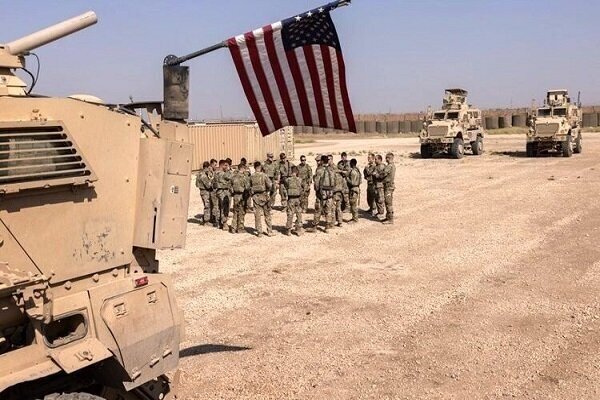
SCFR Online – Opinion: Concurrent with the official commencement of the United States’ economic war against our country, focusing on sanctions instruments, isolation, and economic pressure, what has now become increasingly important is the lack of alignment of other major global powers, especially China, with this policy.

The Makkah Pact; Reasons for its Formation and Challenges Ahead

SCFR Online – Opinion: The Makkah Pact, signed between Saudi Arabia, Pakistan, and Turkey under the motto “an attack on one is an attack on all,” is viewed by some analysts less as a full-fledged military coalition and more as an attempt to reduce security dependence on an external power and to establish a regional security mechanism.

Loading

Strategic Perspective

New Regional Order and the Requirement of Pathology of Iran’s Strategy

New Regional Order and the Requirement of Pathology of Iran’s Strategy

Strategic Council Online – Guest Note: After the developments in Syria and the challenges that the Axis of Resistance has faced, policymakers and analysts have decided to present a new representation of the Middle East regional order and consider new dimensions in their decision-making. The change and new combination of cooperation and alliances indicate an understanding of changes in the regional order. As a result, we are witnessing a change in strategies, which also requires changing their type of action and approach.

Tariff War and Escalation of Tension in China-US Relations

Tariff War and Escalation of Tension in China-US Relations

Strategic Council Online – Interview: The Secretary-General of the Iran-China Strategic Studies Institute believes that following the tariff war between China and the US, relations between Washington and Beijing face a turbulent outlook during the Trump era.

Consequences of the Trump Administration’s Trade War

Consequences of the Trump Administration’s Trade War

Strategic Council Online – Opinion: The consequences of Trump’s trade war, which is unprecedented and new and has apparently been implemented to ” support domestic production” in the United States and “balance global trade,” are gradually becoming apparent.

Analysis: Egypt’s Approach to the Gaza Crisis

Analysis: Egypt’s Approach to the Gaza Crisis

Strategic Council Online Opinion: Egypt’s foreign policy towards West Asia, especially in matters related to Gaza, is influenced by complex strategic factors that include national security, relations with global powers, and the country’s role in regional developments.

Analysis of the China-US Tariff War

Analysis of the China-US Tariff War

Strategic Council Online – Opinion: China expects the “Made in China 2025” strategy to be completed and realized this year. On the other hand, the United States sees its supposed hegemony in danger and is trying to maintain its position.
In this situation and as one of the means of confrontation, the trade war has intensified again, as was the experience of the 2016-2020 period, and in the most recent action, China and the United States have increased tariffs on each other’s agricultural products; China by 15 percent and the United States by 20 percent. Will this ping-pong lead to a trade agreement, or will the trade war intensify?

Prospects for US Attacks on Ansar Allah

Prospects for US Attacks on Ansar Allah

strategic Council Online – Opinion: After more than three weeks of military aggression and unprecedented and widespread bombing of various cities in Yemen, the US government has not yet gained significant and strategic achievements in line with its declared goals.

President of SCFR: Iran Has Not Closed All Doors, but is Ready for Indirect Negotiations to Evaluate the Other Side, Put Its Conditions, and Make Appropriate Decisions Accordingly.

President of SCFR: Iran Has Not Closed All Doors, but is Ready for Indirect Negotiations to Evaluate the Other Side, Put Its Conditions, and Make Appropriate Decisions Accordingly.

Strategic Council Online – Dr. Seyed Kamal Kharazi, the President of Iran’s Strategic Council on Foreign Relations (SCFR), analyzed the U.S. negotiation strategy and Iran’s lack of enthusiasm for it. Dr. Kharazi, in his interview with our correspondent, stated that: “What we currently observe from the U.S. administration is a psychological war aimed at promoting the policy of ‘either war or negotiation.’ This is carried out through contradictory messages from U.S. officials.”

Active Resistance in Neutralizing the Sanctions

Active Resistance in Neutralizing the Sanctions

Strategic Council Online – Opinion: In the words of the Supreme Leader of the Revolution, two types of discourses can be seen in the policy of neutralizing the sanctions: 1. The discourse emphasizes the lack of reliance and trust in the West and 2. The discourse of pragmatism focuses on relying on domestic power and the resistance economy.

Analysis of China’s Initiative to Advance Nuclear Talks

Analysis of China’s Initiative to Advance Nuclear Talks

Strategic Council Online – Dialogue: An expert on China said that if Iran gains a clear understanding of China’s global initiatives in the area of security, it can enter into good interactions with Beijing to resolve the nuclear issue. This is because China is interested in creating a new initiative in the Iranian nuclear issue that, although based on the JCPOA, creates a new framework for cooperation and interaction between the parties to the Joint Comprehensive Plan of Action.

أحدث الوظائف

China’s Rejection of US Sanctions; Strengthening Iran’s Geopolitical Leverage

SCFR Online – Opinion: Concurrent with the official commencement of the United States’ economic war against our country, focusing on sanctions instruments, isolation, and economic pressure, what has now become increasingly important is the lack of alignment of other major global powers, especially China, with this policy.

The Makkah Pact; Reasons for its Formation and Challenges Ahead

SCFR Online – Opinion: The Makkah Pact, signed between Saudi Arabia, Pakistan, and Turkey under the motto “an attack on one is an attack on all,” is viewed by some analysts less as a full-fledged military coalition and more as an attempt to reduce security dependence on an external power and to establish a regional security mechanism.

Loading

Strategic Perspective

New Regional Order and the Requirement of Pathology of Iran’s Strategy

New Regional Order and the Requirement of Pathology of Iran’s Strategy

Strategic Council Online – Guest Note: After the developments in Syria and the challenges that the Axis of Resistance has faced, policymakers and analysts have decided to present a new representation of the Middle East regional order and consider new dimensions in their decision-making. The change and new combination of cooperation and alliances indicate an understanding of changes in the regional order. As a result, we are witnessing a change in strategies, which also requires changing their type of action and approach.

Tariff War and Escalation of Tension in China-US Relations

Tariff War and Escalation of Tension in China-US Relations

Strategic Council Online – Interview: The Secretary-General of the Iran-China Strategic Studies Institute believes that following the tariff war between China and the US, relations between Washington and Beijing face a turbulent outlook during the Trump era.

Consequences of the Trump Administration’s Trade War

Consequences of the Trump Administration’s Trade War

Strategic Council Online – Opinion: The consequences of Trump’s trade war, which is unprecedented and new and has apparently been implemented to ” support domestic production” in the United States and “balance global trade,” are gradually becoming apparent.

Analysis: Egypt’s Approach to the Gaza Crisis

Analysis: Egypt’s Approach to the Gaza Crisis

Strategic Council Online Opinion: Egypt’s foreign policy towards West Asia, especially in matters related to Gaza, is influenced by complex strategic factors that include national security, relations with global powers, and the country’s role in regional developments.

Analysis of the China-US Tariff War

Analysis of the China-US Tariff War

Strategic Council Online – Opinion: China expects the “Made in China 2025” strategy to be completed and realized this year. On the other hand, the United States sees its supposed hegemony in danger and is trying to maintain its position.
In this situation and as one of the means of confrontation, the trade war has intensified again, as was the experience of the 2016-2020 period, and in the most recent action, China and the United States have increased tariffs on each other’s agricultural products; China by 15 percent and the United States by 20 percent. Will this ping-pong lead to a trade agreement, or will the trade war intensify?

Prospects for US Attacks on Ansar Allah

Prospects for US Attacks on Ansar Allah

strategic Council Online – Opinion: After more than three weeks of military aggression and unprecedented and widespread bombing of various cities in Yemen, the US government has not yet gained significant and strategic achievements in line with its declared goals.

President of SCFR: Iran Has Not Closed All Doors, but is Ready for Indirect Negotiations to Evaluate the Other Side, Put Its Conditions, and Make Appropriate Decisions Accordingly.

President of SCFR: Iran Has Not Closed All Doors, but is Ready for Indirect Negotiations to Evaluate the Other Side, Put Its Conditions, and Make Appropriate Decisions Accordingly.

Strategic Council Online – Dr. Seyed Kamal Kharazi, the President of Iran’s Strategic Council on Foreign Relations (SCFR), analyzed the U.S. negotiation strategy and Iran’s lack of enthusiasm for it. Dr. Kharazi, in his interview with our correspondent, stated that: “What we currently observe from the U.S. administration is a psychological war aimed at promoting the policy of ‘either war or negotiation.’ This is carried out through contradictory messages from U.S. officials.”

Active Resistance in Neutralizing the Sanctions

Active Resistance in Neutralizing the Sanctions

Strategic Council Online – Opinion: In the words of the Supreme Leader of the Revolution, two types of discourses can be seen in the policy of neutralizing the sanctions: 1. The discourse emphasizes the lack of reliance and trust in the West and 2. The discourse of pragmatism focuses on relying on domestic power and the resistance economy.

Analysis of China’s Initiative to Advance Nuclear Talks

Analysis of China’s Initiative to Advance Nuclear Talks

Strategic Council Online – Dialogue: An expert on China said that if Iran gains a clear understanding of China’s global initiatives in the area of security, it can enter into good interactions with Beijing to resolve the nuclear issue. This is because China is interested in creating a new initiative in the Iranian nuclear issue that, although based on the JCPOA, creates a new framework for cooperation and interaction between the parties to the Joint Comprehensive Plan of Action.

Strategic Perspective

New Regional Order and the Requirement of Pathology of Iran’s Strategy

New Regional Order and the Requirement of Pathology of Iran’s Strategy

Strategic Council Online – Guest Note: After the developments in Syria and the challenges that the Axis of Resistance has faced, policymakers and analysts have decided to present a new representation of the Middle East regional order and consider new dimensions in their decision-making. The change and new combination of cooperation and alliances indicate an understanding of changes in the regional order. As a result, we are witnessing a change in strategies, which also requires changing their type of action and approach.

Tariff War and Escalation of Tension in China-US Relations

Tariff War and Escalation of Tension in China-US Relations

Strategic Council Online – Interview: The Secretary-General of the Iran-China Strategic Studies Institute believes that following the tariff war between China and the US, relations between Washington and Beijing face a turbulent outlook during the Trump era.

Consequences of the Trump Administration’s Trade War

Consequences of the Trump Administration’s Trade War

Strategic Council Online – Opinion: The consequences of Trump’s trade war, which is unprecedented and new and has apparently been implemented to ” support domestic production” in the United States and “balance global trade,” are gradually becoming apparent.

Analysis: Egypt’s Approach to the Gaza Crisis

Analysis: Egypt’s Approach to the Gaza Crisis

Strategic Council Online Opinion: Egypt’s foreign policy towards West Asia, especially in matters related to Gaza, is influenced by complex strategic factors that include national security, relations with global powers, and the country’s role in regional developments.

Analysis of the China-US Tariff War

Analysis of the China-US Tariff War

Strategic Council Online – Opinion: China expects the “Made in China 2025” strategy to be completed and realized this year. On the other hand, the United States sees its supposed hegemony in danger and is trying to maintain its position.
In this situation and as one of the means of confrontation, the trade war has intensified again, as was the experience of the 2016-2020 period, and in the most recent action, China and the United States have increased tariffs on each other’s agricultural products; China by 15 percent and the United States by 20 percent. Will this ping-pong lead to a trade agreement, or will the trade war intensify?

Prospects for US Attacks on Ansar Allah

Prospects for US Attacks on Ansar Allah

strategic Council Online – Opinion: After more than three weeks of military aggression and unprecedented and widespread bombing of various cities in Yemen, the US government has not yet gained significant and strategic achievements in line with its declared goals.

President of SCFR: Iran Has Not Closed All Doors, but is Ready for Indirect Negotiations to Evaluate the Other Side, Put Its Conditions, and Make Appropriate Decisions Accordingly.

President of SCFR: Iran Has Not Closed All Doors, but is Ready for Indirect Negotiations to Evaluate the Other Side, Put Its Conditions, and Make Appropriate Decisions Accordingly.

Strategic Council Online – Dr. Seyed Kamal Kharazi, the President of Iran’s Strategic Council on Foreign Relations (SCFR), analyzed the U.S. negotiation strategy and Iran’s lack of enthusiasm for it. Dr. Kharazi, in his interview with our correspondent, stated that: “What we currently observe from the U.S. administration is a psychological war aimed at promoting the policy of ‘either war or negotiation.’ This is carried out through contradictory messages from U.S. officials.”

Active Resistance in Neutralizing the Sanctions

Active Resistance in Neutralizing the Sanctions

Strategic Council Online – Opinion: In the words of the Supreme Leader of the Revolution, two types of discourses can be seen in the policy of neutralizing the sanctions: 1. The discourse emphasizes the lack of reliance and trust in the West and 2. The discourse of pragmatism focuses on relying on domestic power and the resistance economy.

Analysis of China’s Initiative to Advance Nuclear Talks

Analysis of China’s Initiative to Advance Nuclear Talks

Strategic Council Online – Dialogue: An expert on China said that if Iran gains a clear understanding of China’s global initiatives in the area of security, it can enter into good interactions with Beijing to resolve the nuclear issue. This is because China is interested in creating a new initiative in the Iranian nuclear issue that, although based on the JCPOA, creates a new framework for cooperation and interaction between the parties to the Joint Comprehensive Plan of Action.

LATEST CONTENT

China’s Rejection of US Sanctions; Strengthening Iran’s Geopolitical Leverage

SCFR Online – Opinion: Concurrent with the official commencement of the United States’ economic war against our country, focusing on sanctions instruments, isolation, and economic pressure, what has now become increasingly important is the lack of alignment of other major global powers, especially China, with this policy.

The Makkah Pact; Reasons for its Formation and Challenges Ahead

SCFR Online – Opinion: The Makkah Pact, signed between Saudi Arabia, Pakistan, and Turkey under the motto “an attack on one is an attack on all,” is viewed by some analysts less as a full-fledged military coalition and more as an attempt to reduce security dependence on an external power and to establish a regional security mechanism.

Loading

Strategic Perspective

New Regional Order and the Requirement of Pathology of Iran’s Strategy

New Regional Order and the Requirement of Pathology of Iran’s Strategy

Strategic Council Online – Guest Note: After the developments in Syria and the challenges that the Axis of Resistance has faced, policymakers and analysts have decided to present a new representation of the Middle East regional order and consider new dimensions in their decision-making. The change and new combination of cooperation and alliances indicate an understanding of changes in the regional order. As a result, we are witnessing a change in strategies, which also requires changing their type of action and approach.

Tariff War and Escalation of Tension in China-US Relations

Tariff War and Escalation of Tension in China-US Relations

Strategic Council Online – Interview: The Secretary-General of the Iran-China Strategic Studies Institute believes that following the tariff war between China and the US, relations between Washington and Beijing face a turbulent outlook during the Trump era.

Consequences of the Trump Administration’s Trade War

Consequences of the Trump Administration’s Trade War

Strategic Council Online – Opinion: The consequences of Trump’s trade war, which is unprecedented and new and has apparently been implemented to ” support domestic production” in the United States and “balance global trade,” are gradually becoming apparent.

Analysis: Egypt’s Approach to the Gaza Crisis

Analysis: Egypt’s Approach to the Gaza Crisis

Strategic Council Online Opinion: Egypt’s foreign policy towards West Asia, especially in matters related to Gaza, is influenced by complex strategic factors that include national security, relations with global powers, and the country’s role in regional developments.

Analysis of the China-US Tariff War

Analysis of the China-US Tariff War

Strategic Council Online – Opinion: China expects the “Made in China 2025” strategy to be completed and realized this year. On the other hand, the United States sees its supposed hegemony in danger and is trying to maintain its position.
In this situation and as one of the means of confrontation, the trade war has intensified again, as was the experience of the 2016-2020 period, and in the most recent action, China and the United States have increased tariffs on each other’s agricultural products; China by 15 percent and the United States by 20 percent. Will this ping-pong lead to a trade agreement, or will the trade war intensify?

Prospects for US Attacks on Ansar Allah

Prospects for US Attacks on Ansar Allah

strategic Council Online – Opinion: After more than three weeks of military aggression and unprecedented and widespread bombing of various cities in Yemen, the US government has not yet gained significant and strategic achievements in line with its declared goals.

President of SCFR: Iran Has Not Closed All Doors, but is Ready for Indirect Negotiations to Evaluate the Other Side, Put Its Conditions, and Make Appropriate Decisions Accordingly.

President of SCFR: Iran Has Not Closed All Doors, but is Ready for Indirect Negotiations to Evaluate the Other Side, Put Its Conditions, and Make Appropriate Decisions Accordingly.

Strategic Council Online – Dr. Seyed Kamal Kharazi, the President of Iran’s Strategic Council on Foreign Relations (SCFR), analyzed the U.S. negotiation strategy and Iran’s lack of enthusiasm for it. Dr. Kharazi, in his interview with our correspondent, stated that: “What we currently observe from the U.S. administration is a psychological war aimed at promoting the policy of ‘either war or negotiation.’ This is carried out through contradictory messages from U.S. officials.”

Active Resistance in Neutralizing the Sanctions

Active Resistance in Neutralizing the Sanctions

Strategic Council Online – Opinion: In the words of the Supreme Leader of the Revolution, two types of discourses can be seen in the policy of neutralizing the sanctions: 1. The discourse emphasizes the lack of reliance and trust in the West and 2. The discourse of pragmatism focuses on relying on domestic power and the resistance economy.

Analysis of China’s Initiative to Advance Nuclear Talks

Analysis of China’s Initiative to Advance Nuclear Talks

Strategic Council Online – Dialogue: An expert on China said that if Iran gains a clear understanding of China’s global initiatives in the area of security, it can enter into good interactions with Beijing to resolve the nuclear issue. This is because China is interested in creating a new initiative in the Iranian nuclear issue that, although based on the JCPOA, creates a new framework for cooperation and interaction between the parties to the Joint Comprehensive Plan of Action.

ÚLTIMAS PUBLICACIONES

China’s Rejection of US Sanctions; Strengthening Iran’s Geopolitical Leverage

SCFR Online – Opinion: Concurrent with the official commencement of the United States’ economic war against our country, focusing on sanctions instruments, isolation, and economic pressure, what has now become increasingly important is the lack of alignment of other major global powers, especially China, with this policy.

The Makkah Pact; Reasons for its Formation and Challenges Ahead

SCFR Online – Opinion: The Makkah Pact, signed between Saudi Arabia, Pakistan, and Turkey under the motto “an attack on one is an attack on all,” is viewed by some analysts less as a full-fledged military coalition and more as an attempt to reduce security dependence on an external power and to establish a regional security mechanism.

Loading

Strategic Perspective

New Regional Order and the Requirement of Pathology of Iran’s Strategy

New Regional Order and the Requirement of Pathology of Iran’s Strategy

Strategic Council Online – Guest Note: After the developments in Syria and the challenges that the Axis of Resistance has faced, policymakers and analysts have decided to present a new representation of the Middle East regional order and consider new dimensions in their decision-making. The change and new combination of cooperation and alliances indicate an understanding of changes in the regional order. As a result, we are witnessing a change in strategies, which also requires changing their type of action and approach.

Tariff War and Escalation of Tension in China-US Relations

Tariff War and Escalation of Tension in China-US Relations

Strategic Council Online – Interview: The Secretary-General of the Iran-China Strategic Studies Institute believes that following the tariff war between China and the US, relations between Washington and Beijing face a turbulent outlook during the Trump era.

Consequences of the Trump Administration’s Trade War

Consequences of the Trump Administration’s Trade War

Strategic Council Online – Opinion: The consequences of Trump’s trade war, which is unprecedented and new and has apparently been implemented to ” support domestic production” in the United States and “balance global trade,” are gradually becoming apparent.

Analysis: Egypt’s Approach to the Gaza Crisis

Analysis: Egypt’s Approach to the Gaza Crisis

Strategic Council Online Opinion: Egypt’s foreign policy towards West Asia, especially in matters related to Gaza, is influenced by complex strategic factors that include national security, relations with global powers, and the country’s role in regional developments.

Analysis of the China-US Tariff War

Analysis of the China-US Tariff War

Strategic Council Online – Opinion: China expects the “Made in China 2025” strategy to be completed and realized this year. On the other hand, the United States sees its supposed hegemony in danger and is trying to maintain its position.
In this situation and as one of the means of confrontation, the trade war has intensified again, as was the experience of the 2016-2020 period, and in the most recent action, China and the United States have increased tariffs on each other’s agricultural products; China by 15 percent and the United States by 20 percent. Will this ping-pong lead to a trade agreement, or will the trade war intensify?

Prospects for US Attacks on Ansar Allah

Prospects for US Attacks on Ansar Allah

strategic Council Online – Opinion: After more than three weeks of military aggression and unprecedented and widespread bombing of various cities in Yemen, the US government has not yet gained significant and strategic achievements in line with its declared goals.

President of SCFR: Iran Has Not Closed All Doors, but is Ready for Indirect Negotiations to Evaluate the Other Side, Put Its Conditions, and Make Appropriate Decisions Accordingly.

President of SCFR: Iran Has Not Closed All Doors, but is Ready for Indirect Negotiations to Evaluate the Other Side, Put Its Conditions, and Make Appropriate Decisions Accordingly.

Strategic Council Online – Dr. Seyed Kamal Kharazi, the President of Iran’s Strategic Council on Foreign Relations (SCFR), analyzed the U.S. negotiation strategy and Iran’s lack of enthusiasm for it. Dr. Kharazi, in his interview with our correspondent, stated that: “What we currently observe from the U.S. administration is a psychological war aimed at promoting the policy of ‘either war or negotiation.’ This is carried out through contradictory messages from U.S. officials.”

Active Resistance in Neutralizing the Sanctions

Active Resistance in Neutralizing the Sanctions

Strategic Council Online – Opinion: In the words of the Supreme Leader of the Revolution, two types of discourses can be seen in the policy of neutralizing the sanctions: 1. The discourse emphasizes the lack of reliance and trust in the West and 2. The discourse of pragmatism focuses on relying on domestic power and the resistance economy.

Analysis of China’s Initiative to Advance Nuclear Talks

Analysis of China’s Initiative to Advance Nuclear Talks

Strategic Council Online – Dialogue: An expert on China said that if Iran gains a clear understanding of China’s global initiatives in the area of security, it can enter into good interactions with Beijing to resolve the nuclear issue. This is because China is interested in creating a new initiative in the Iranian nuclear issue that, although based on the JCPOA, creates a new framework for cooperation and interaction between the parties to the Joint Comprehensive Plan of Action.

ÚLTIMAS PUBLICACIONES

China’s Rejection of US Sanctions; Strengthening Iran’s Geopolitical Leverage

SCFR Online – Opinion: Concurrent with the official commencement of the United States’ economic war against our country, focusing on sanctions instruments, isolation, and economic pressure, what has now become increasingly important is the lack of alignment of other major global powers, especially China, with this policy.

The Makkah Pact; Reasons for its Formation and Challenges Ahead

SCFR Online – Opinion: The Makkah Pact, signed between Saudi Arabia, Pakistan, and Turkey under the motto “an attack on one is an attack on all,” is viewed by some analysts less as a full-fledged military coalition and more as an attempt to reduce security dependence on an external power and to establish a regional security mechanism.

Loading

Strategic Perspective

New Regional Order and the Requirement of Pathology of Iran’s Strategy

New Regional Order and the Requirement of Pathology of Iran’s Strategy

Strategic Council Online – Guest Note: After the developments in Syria and the challenges that the Axis of Resistance has faced, policymakers and analysts have decided to present a new representation of the Middle East regional order and consider new dimensions in their decision-making. The change and new combination of cooperation and alliances indicate an understanding of changes in the regional order. As a result, we are witnessing a change in strategies, which also requires changing their type of action and approach.

Tariff War and Escalation of Tension in China-US Relations

Tariff War and Escalation of Tension in China-US Relations

Strategic Council Online – Interview: The Secretary-General of the Iran-China Strategic Studies Institute believes that following the tariff war between China and the US, relations between Washington and Beijing face a turbulent outlook during the Trump era.

Consequences of the Trump Administration’s Trade War

Consequences of the Trump Administration’s Trade War

Strategic Council Online – Opinion: The consequences of Trump’s trade war, which is unprecedented and new and has apparently been implemented to ” support domestic production” in the United States and “balance global trade,” are gradually becoming apparent.

Analysis: Egypt’s Approach to the Gaza Crisis

Analysis: Egypt’s Approach to the Gaza Crisis

Strategic Council Online Opinion: Egypt’s foreign policy towards West Asia, especially in matters related to Gaza, is influenced by complex strategic factors that include national security, relations with global powers, and the country’s role in regional developments.

Analysis of the China-US Tariff War

Analysis of the China-US Tariff War

Strategic Council Online – Opinion: China expects the “Made in China 2025” strategy to be completed and realized this year. On the other hand, the United States sees its supposed hegemony in danger and is trying to maintain its position.
In this situation and as one of the means of confrontation, the trade war has intensified again, as was the experience of the 2016-2020 period, and in the most recent action, China and the United States have increased tariffs on each other’s agricultural products; China by 15 percent and the United States by 20 percent. Will this ping-pong lead to a trade agreement, or will the trade war intensify?

Prospects for US Attacks on Ansar Allah

Prospects for US Attacks on Ansar Allah

strategic Council Online – Opinion: After more than three weeks of military aggression and unprecedented and widespread bombing of various cities in Yemen, the US government has not yet gained significant and strategic achievements in line with its declared goals.

President of SCFR: Iran Has Not Closed All Doors, but is Ready for Indirect Negotiations to Evaluate the Other Side, Put Its Conditions, and Make Appropriate Decisions Accordingly.

President of SCFR: Iran Has Not Closed All Doors, but is Ready for Indirect Negotiations to Evaluate the Other Side, Put Its Conditions, and Make Appropriate Decisions Accordingly.

Strategic Council Online – Dr. Seyed Kamal Kharazi, the President of Iran’s Strategic Council on Foreign Relations (SCFR), analyzed the U.S. negotiation strategy and Iran’s lack of enthusiasm for it. Dr. Kharazi, in his interview with our correspondent, stated that: “What we currently observe from the U.S. administration is a psychological war aimed at promoting the policy of ‘either war or negotiation.’ This is carried out through contradictory messages from U.S. officials.”

Active Resistance in Neutralizing the Sanctions

Active Resistance in Neutralizing the Sanctions

Strategic Council Online – Opinion: In the words of the Supreme Leader of the Revolution, two types of discourses can be seen in the policy of neutralizing the sanctions: 1. The discourse emphasizes the lack of reliance and trust in the West and 2. The discourse of pragmatism focuses on relying on domestic power and the resistance economy.

Analysis of China’s Initiative to Advance Nuclear Talks

Analysis of China’s Initiative to Advance Nuclear Talks

Strategic Council Online – Dialogue: An expert on China said that if Iran gains a clear understanding of China’s global initiatives in the area of security, it can enter into good interactions with Beijing to resolve the nuclear issue. This is because China is interested in creating a new initiative in the Iranian nuclear issue that, although based on the JCPOA, creates a new framework for cooperation and interaction between the parties to the Joint Comprehensive Plan of Action.

ÚLTIMAS PUBLICACIONES

China’s Rejection of US Sanctions; Strengthening Iran’s Geopolitical Leverage

SCFR Online – Opinion: Concurrent with the official commencement of the United States’ economic war against our country, focusing on sanctions instruments, isolation, and economic pressure, what has now become increasingly important is the lack of alignment of other major global powers, especially China, with this policy.

The Makkah Pact; Reasons for its Formation and Challenges Ahead

SCFR Online – Opinion: The Makkah Pact, signed between Saudi Arabia, Pakistan, and Turkey under the motto “an attack on one is an attack on all,” is viewed by some analysts less as a full-fledged military coalition and more as an attempt to reduce security dependence on an external power and to establish a regional security mechanism.

Loading

Strategic Perspective

New Regional Order and the Requirement of Pathology of Iran’s Strategy

New Regional Order and the Requirement of Pathology of Iran’s Strategy

Strategic Council Online – Guest Note: After the developments in Syria and the challenges that the Axis of Resistance has faced, policymakers and analysts have decided to present a new representation of the Middle East regional order and consider new dimensions in their decision-making. The change and new combination of cooperation and alliances indicate an understanding of changes in the regional order. As a result, we are witnessing a change in strategies, which also requires changing their type of action and approach.

Tariff War and Escalation of Tension in China-US Relations

Tariff War and Escalation of Tension in China-US Relations

Strategic Council Online – Interview: The Secretary-General of the Iran-China Strategic Studies Institute believes that following the tariff war between China and the US, relations between Washington and Beijing face a turbulent outlook during the Trump era.

Consequences of the Trump Administration’s Trade War

Consequences of the Trump Administration’s Trade War

Strategic Council Online – Opinion: The consequences of Trump’s trade war, which is unprecedented and new and has apparently been implemented to ” support domestic production” in the United States and “balance global trade,” are gradually becoming apparent.

Analysis: Egypt’s Approach to the Gaza Crisis

Analysis: Egypt’s Approach to the Gaza Crisis

Strategic Council Online Opinion: Egypt’s foreign policy towards West Asia, especially in matters related to Gaza, is influenced by complex strategic factors that include national security, relations with global powers, and the country’s role in regional developments.

Analysis of the China-US Tariff War

Analysis of the China-US Tariff War

Strategic Council Online – Opinion: China expects the “Made in China 2025” strategy to be completed and realized this year. On the other hand, the United States sees its supposed hegemony in danger and is trying to maintain its position.
In this situation and as one of the means of confrontation, the trade war has intensified again, as was the experience of the 2016-2020 period, and in the most recent action, China and the United States have increased tariffs on each other’s agricultural products; China by 15 percent and the United States by 20 percent. Will this ping-pong lead to a trade agreement, or will the trade war intensify?

Prospects for US Attacks on Ansar Allah

Prospects for US Attacks on Ansar Allah

strategic Council Online – Opinion: After more than three weeks of military aggression and unprecedented and widespread bombing of various cities in Yemen, the US government has not yet gained significant and strategic achievements in line with its declared goals.

President of SCFR: Iran Has Not Closed All Doors, but is Ready for Indirect Negotiations to Evaluate the Other Side, Put Its Conditions, and Make Appropriate Decisions Accordingly.

President of SCFR: Iran Has Not Closed All Doors, but is Ready for Indirect Negotiations to Evaluate the Other Side, Put Its Conditions, and Make Appropriate Decisions Accordingly.

Strategic Council Online – Dr. Seyed Kamal Kharazi, the President of Iran’s Strategic Council on Foreign Relations (SCFR), analyzed the U.S. negotiation strategy and Iran’s lack of enthusiasm for it. Dr. Kharazi, in his interview with our correspondent, stated that: “What we currently observe from the U.S. administration is a psychological war aimed at promoting the policy of ‘either war or negotiation.’ This is carried out through contradictory messages from U.S. officials.”

Active Resistance in Neutralizing the Sanctions

Active Resistance in Neutralizing the Sanctions

Strategic Council Online – Opinion: In the words of the Supreme Leader of the Revolution, two types of discourses can be seen in the policy of neutralizing the sanctions: 1. The discourse emphasizes the lack of reliance and trust in the West and 2. The discourse of pragmatism focuses on relying on domestic power and the resistance economy.

Analysis of China’s Initiative to Advance Nuclear Talks

Analysis of China’s Initiative to Advance Nuclear Talks

Strategic Council Online – Dialogue: An expert on China said that if Iran gains a clear understanding of China’s global initiatives in the area of security, it can enter into good interactions with Beijing to resolve the nuclear issue. This is because China is interested in creating a new initiative in the Iranian nuclear issue that, although based on the JCPOA, creates a new framework for cooperation and interaction between the parties to the Joint Comprehensive Plan of Action.

ÚLTIMAS PUBLICACIONES

China’s Rejection of US Sanctions; Strengthening Iran’s Geopolitical Leverage

SCFR Online – Opinion: Concurrent with the official commencement of the United States’ economic war against our country, focusing on sanctions instruments, isolation, and economic pressure, what has now become increasingly important is the lack of alignment of other major global powers, especially China, with this policy.

The Makkah Pact; Reasons for its Formation and Challenges Ahead

SCFR Online – Opinion: The Makkah Pact, signed between Saudi Arabia, Pakistan, and Turkey under the motto “an attack on one is an attack on all,” is viewed by some analysts less as a full-fledged military coalition and more as an attempt to reduce security dependence on an external power and to establish a regional security mechanism.

Loading