جدیدترین مطالب

Implications of the US-Saudi Nuclear Agreement

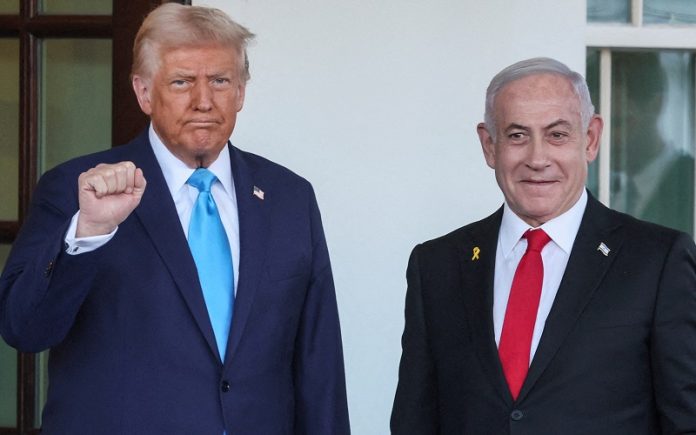
SCFR Online – Opinion: The new US-Saudi nuclear agreement, despite legal and political ambiguities, could alter previous non-proliferation standards in West Asia and intensify nuclear competition, ushering it into a new phase.

An Analysis of Recent Turkey-Israeli Regime Tensions

SCFR Online – Opinion: Recent developments in Syria indicate an intensification of strategic rivalry between Turkey and the Israeli regime, but mutual considerations and the role of the United States have limited the likelihood of direct war.

Increasing criticism of the extensive Zionist lobby network

SCFR Online – Opinion: An examination of the mechanisms of the Israeli regime’s influence in the United States depicts a complex picture of shared interests, strategic dependencies, and the limitations of this relationship.

Realities of the Tripartite Makkah Pact

SCFR Online – Interview: The signing of the Makkah agreement between Saudi Arabia, Pakistan, and Turkey has raised questions about the future of the region’s security structure and the position of these countries in West Asian equations. Can this agreement become a genuine collective defense mechanism, or does it have more of a political and deterrent function than creating new military capacity?

Strategic Implications of the Reduction of US Weapons Stockpiles

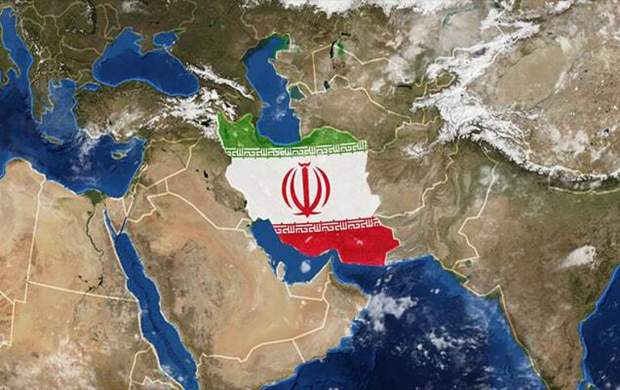
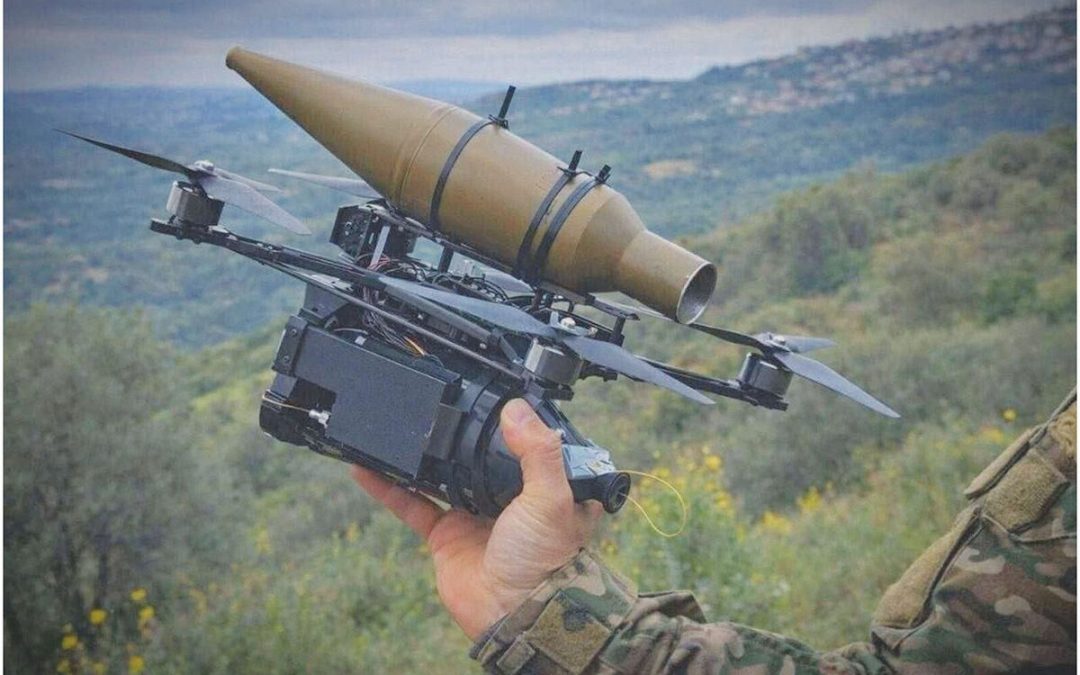
SCFR Online – Opinion: The continuation of the US war against Iran, in addition to increasing operational costs, has called into question the actual capacity of the American arsenal to simultaneously fulfill security commitments on multiple fronts; an issue that affects deterrence, defense production capacity, and Washington’s resource prioritization.

The Formation of a New Order in Relations Between Powers

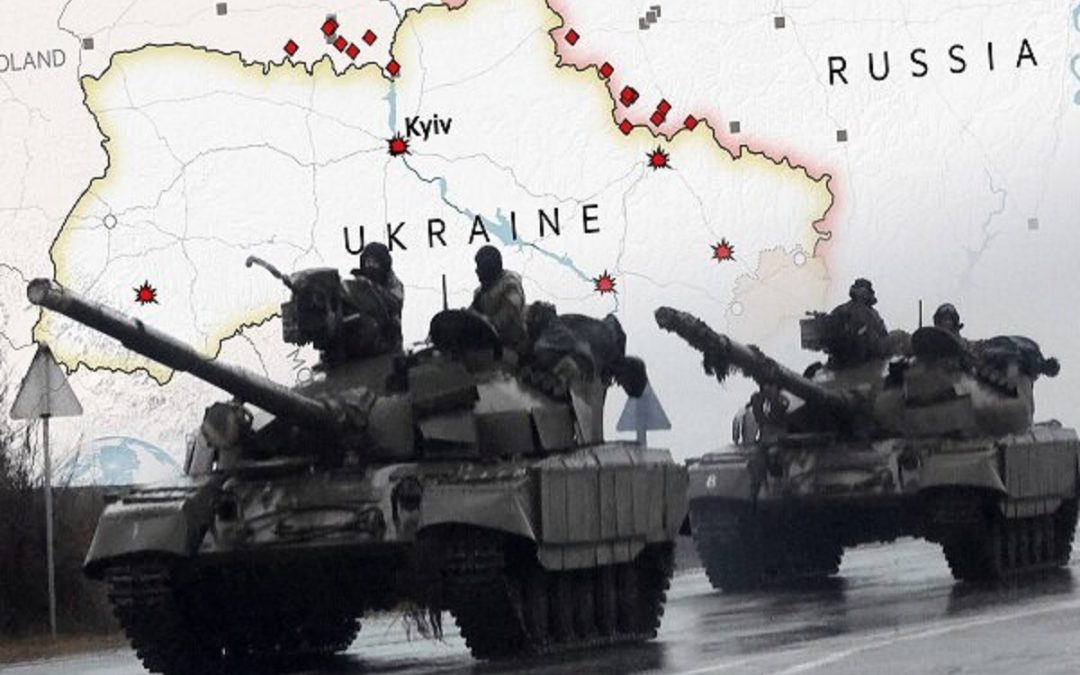
SCFR Online – Opinion: The Russia-Ukraine war and the war of the United States and the Israeli regime against Iran have been formed with different objectives and actors, but field and political developments indicate that they are not entirely separate from one another.

An Analysis of the Makkah Defense Pact

SCFR Online – Opinion: On Friday, August 7, the heads of state of three countries – Saudi Arabia, Turkey, and Pakistan – signed a text under the title “Makkah Joint Defense Agreement.”

Loading

Strategic Perspective

The United States Strategy toward the Strait of Hormuz in Confrontation with China’s Interests

The United States Strategy toward the Strait of Hormuz in Confrontation with China’s Interests

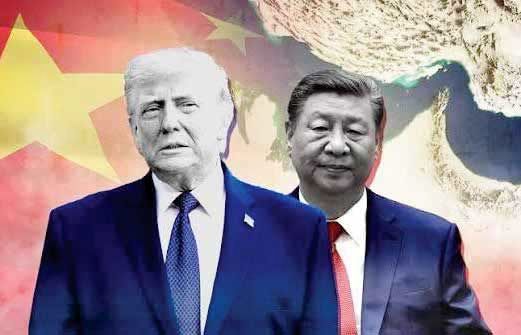
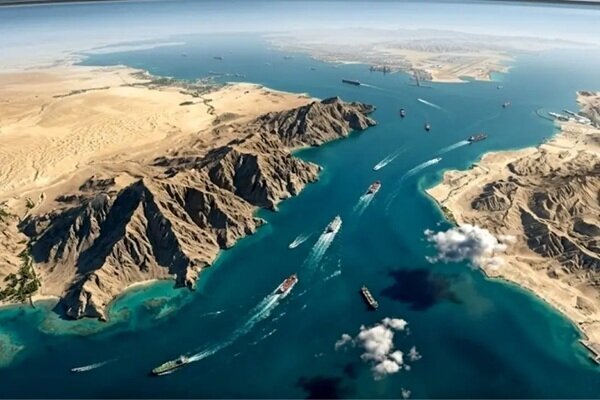
Strategic Council Online – Opinion: In the strategic geography of the global economy, certain regions attain such significance that they effectively become determining factors of the international order. The Strait of Hormuz is among these points; a narrow yet vital passage through which a considerable portion of the world’s energy transits, and whose stability is directly intertwined with the interests and economic security of many countries. However, the importance of the Strait of Hormuz is not limited solely to the volume of energy passing through it. This strait is also a stage upon which the limitations and challenges of great power politics are revealed. From China’s perspective, the policy of the United States regarding the security of this strategic chokepoint, rather than reflecting a stable order, demonstrates a set of contradictions and strategic difficulties that Washington faces in managing the regional order.

Public Pressure to Halt Military Cooperation with the Zionist Regime

Public Pressure to Halt Military Cooperation with the Zionist Regime

Strategic Council Online – Opinion: Following the intensification of war crimes by the Zionist regime in Lebanon and Palestine, as well as acts of warmongering that have weakened the foundations of peace, stability, and sustainable security in the region—producing highly destructive economic, security, and political consequences at the global level—for the first time since the establishment of the Israeli regime in 1948, a wave of coordinated and increasing pressure has emerged in Europe to halt military cooperation with this regime; a wave that is influenced by the growing opposition of European public opinion to the criminal actions of the Zionist regime in West Asia.

Spain as a “Pioneer” of Opposition to War: An Inspiration for Europe

Spain as a “Pioneer” of Opposition to War: An Inspiration for Europe

SCFR Online – Interview: “No to War” is a slogan that has recently transformed into a practical strategy in Spain’s foreign policy—an approach that, according to Iran’s Ambassador to Madrid, has made this country one of the most explicit opponents of military intervention in West Asia.

The Logic of Force, Self-Destruction, and the Decline of US Hegemony due to the Strait of Hormuz Crisis

The Logic of Force, Self-Destruction, and the Decline of US Hegemony due to the Strait of Hormuz Crisis

SCFR Online – Note: Donald Trump, President of the United States, announced on Monday morning, April 12, 2026, via his Truth Social platform that the US Navy would block the Strait of Hormuz. This decision, taken in response to the failure of Islamabad’s negotiations with Pakistan, represents—from the perspective of international relations philosophy—not merely a tactical error, but rather a reproduction of the same self-destructive logic that, from the era of ancient Greek city-states to modern empires, has drawn all hegemons emerging from “pure coercion” into the abyss of destruction.

Venezuela After the Abduction of Maduro; Is the International Order on the Verge of Collapse?

Venezuela After the Abduction of Maduro; Is the International Order on the Verge of Collapse?

SCFR Online – Interview: Three months have passed since the operation by US special forces in Caracas – an operation in which Nicolás Maduro, the President of Venezuela, was abducted and transferred to New York. To examine the legal, political, and economic dimensions of this unprecedented event and its consequences, we have interviewed Soroosh Salami, an expert on Latin American affairs.

Purging the US Military for Full Alignment with Trump

Purging the US Military for Full Alignment with Trump

SCFR Online – Interview: Over the past month, profound and unusual developments have occurred within the military structure of the United States, which many analysts attribute to the policies of “Pete Hegseth,” the US Secretary of War.

An Analysis of Hezbollah Lebanon’s Significant Role in the Ramadan War

An Analysis of Hezbollah Lebanon’s Significant Role in the Ramadan War

SCFR Online – Interview: An analyst of West Asian affairs and former Iranian diplomat in Beirut, stating that Hezbollah Lebanon has played a pivotal role in recent regional developments, remarked: “Hezbollah Lebanon has strengthened the Axis of Resistance in the Ramadan War.”

The Prohibition of Attacks on Infrastructure: A Universal and Binding Rule

The Prohibition of Attacks on Infrastructure: A Universal and Binding Rule

SCFR Online – Note: Attacks against critical infrastructure—including bridges, power plants, water infrastructure such as desalination facilities, and hospitals—constitute a blatant violation of the laws of war and represent a serious test for the efficacy of the international legal order.

Attempts to Intensify the Judaization of Occupied Territories Through the Enactment of a Law Mandating the Execution of Palestinians

Attempts to Intensify the Judaization of Occupied Territories Through the Enactment of a Law Mandating the Execution of Palestinians

SCFR Online – Interview: An expert on Palestinian affairs, commenting on the recent Knesset resolution regarding the imposition of the death penalty for Palestinian prisoners, stated: “This measure must be analyzed within the framework of broader macro-trends aimed at altering demographic balances and systematically increasing pressure on Palestinians to depart from the occupied territories.”

أحدث الوظائف

Implications of the US-Saudi Nuclear Agreement

SCFR Online – Opinion: The new US-Saudi nuclear agreement, despite legal and political ambiguities, could alter previous non-proliferation standards in West Asia and intensify nuclear competition, ushering it into a new phase.

An Analysis of Recent Turkey-Israeli Regime Tensions

SCFR Online – Opinion: Recent developments in Syria indicate an intensification of strategic rivalry between Turkey and the Israeli regime, but mutual considerations and the role of the United States have limited the likelihood of direct war.

Increasing criticism of the extensive Zionist lobby network

SCFR Online – Opinion: An examination of the mechanisms of the Israeli regime’s influence in the United States depicts a complex picture of shared interests, strategic dependencies, and the limitations of this relationship.

Realities of the Tripartite Makkah Pact

SCFR Online – Interview: The signing of the Makkah agreement between Saudi Arabia, Pakistan, and Turkey has raised questions about the future of the region’s security structure and the position of these countries in West Asian equations. Can this agreement become a genuine collective defense mechanism, or does it have more of a political and deterrent function than creating new military capacity?

Strategic Implications of the Reduction of US Weapons Stockpiles

SCFR Online – Opinion: The continuation of the US war against Iran, in addition to increasing operational costs, has called into question the actual capacity of the American arsenal to simultaneously fulfill security commitments on multiple fronts; an issue that affects deterrence, defense production capacity, and Washington’s resource prioritization.

The Formation of a New Order in Relations Between Powers

SCFR Online – Opinion: The Russia-Ukraine war and the war of the United States and the Israeli regime against Iran have been formed with different objectives and actors, but field and political developments indicate that they are not entirely separate from one another.

An Analysis of the Makkah Defense Pact

SCFR Online – Opinion: On Friday, August 7, the heads of state of three countries – Saudi Arabia, Turkey, and Pakistan – signed a text under the title “Makkah Joint Defense Agreement.”

Loading

Strategic Perspective

The United States Strategy toward the Strait of Hormuz in Confrontation with China’s Interests

The United States Strategy toward the Strait of Hormuz in Confrontation with China’s Interests

Strategic Council Online – Opinion: In the strategic geography of the global economy, certain regions attain such significance that they effectively become determining factors of the international order. The Strait of Hormuz is among these points; a narrow yet vital passage through which a considerable portion of the world’s energy transits, and whose stability is directly intertwined with the interests and economic security of many countries. However, the importance of the Strait of Hormuz is not limited solely to the volume of energy passing through it. This strait is also a stage upon which the limitations and challenges of great power politics are revealed. From China’s perspective, the policy of the United States regarding the security of this strategic chokepoint, rather than reflecting a stable order, demonstrates a set of contradictions and strategic difficulties that Washington faces in managing the regional order.

Public Pressure to Halt Military Cooperation with the Zionist Regime

Public Pressure to Halt Military Cooperation with the Zionist Regime

Strategic Council Online – Opinion: Following the intensification of war crimes by the Zionist regime in Lebanon and Palestine, as well as acts of warmongering that have weakened the foundations of peace, stability, and sustainable security in the region—producing highly destructive economic, security, and political consequences at the global level—for the first time since the establishment of the Israeli regime in 1948, a wave of coordinated and increasing pressure has emerged in Europe to halt military cooperation with this regime; a wave that is influenced by the growing opposition of European public opinion to the criminal actions of the Zionist regime in West Asia.

Spain as a “Pioneer” of Opposition to War: An Inspiration for Europe

Spain as a “Pioneer” of Opposition to War: An Inspiration for Europe

SCFR Online – Interview: “No to War” is a slogan that has recently transformed into a practical strategy in Spain’s foreign policy—an approach that, according to Iran’s Ambassador to Madrid, has made this country one of the most explicit opponents of military intervention in West Asia.

The Logic of Force, Self-Destruction, and the Decline of US Hegemony due to the Strait of Hormuz Crisis

The Logic of Force, Self-Destruction, and the Decline of US Hegemony due to the Strait of Hormuz Crisis

SCFR Online – Note: Donald Trump, President of the United States, announced on Monday morning, April 12, 2026, via his Truth Social platform that the US Navy would block the Strait of Hormuz. This decision, taken in response to the failure of Islamabad’s negotiations with Pakistan, represents—from the perspective of international relations philosophy—not merely a tactical error, but rather a reproduction of the same self-destructive logic that, from the era of ancient Greek city-states to modern empires, has drawn all hegemons emerging from “pure coercion” into the abyss of destruction.

Venezuela After the Abduction of Maduro; Is the International Order on the Verge of Collapse?

Venezuela After the Abduction of Maduro; Is the International Order on the Verge of Collapse?

SCFR Online – Interview: Three months have passed since the operation by US special forces in Caracas – an operation in which Nicolás Maduro, the President of Venezuela, was abducted and transferred to New York. To examine the legal, political, and economic dimensions of this unprecedented event and its consequences, we have interviewed Soroosh Salami, an expert on Latin American affairs.

Purging the US Military for Full Alignment with Trump

Purging the US Military for Full Alignment with Trump

SCFR Online – Interview: Over the past month, profound and unusual developments have occurred within the military structure of the United States, which many analysts attribute to the policies of “Pete Hegseth,” the US Secretary of War.

An Analysis of Hezbollah Lebanon’s Significant Role in the Ramadan War

An Analysis of Hezbollah Lebanon’s Significant Role in the Ramadan War

SCFR Online – Interview: An analyst of West Asian affairs and former Iranian diplomat in Beirut, stating that Hezbollah Lebanon has played a pivotal role in recent regional developments, remarked: “Hezbollah Lebanon has strengthened the Axis of Resistance in the Ramadan War.”

The Prohibition of Attacks on Infrastructure: A Universal and Binding Rule

The Prohibition of Attacks on Infrastructure: A Universal and Binding Rule

SCFR Online – Note: Attacks against critical infrastructure—including bridges, power plants, water infrastructure such as desalination facilities, and hospitals—constitute a blatant violation of the laws of war and represent a serious test for the efficacy of the international legal order.

Attempts to Intensify the Judaization of Occupied Territories Through the Enactment of a Law Mandating the Execution of Palestinians

Attempts to Intensify the Judaization of Occupied Territories Through the Enactment of a Law Mandating the Execution of Palestinians

SCFR Online – Interview: An expert on Palestinian affairs, commenting on the recent Knesset resolution regarding the imposition of the death penalty for Palestinian prisoners, stated: “This measure must be analyzed within the framework of broader macro-trends aimed at altering demographic balances and systematically increasing pressure on Palestinians to depart from the occupied territories.”

Strategic Perspective

The United States Strategy toward the Strait of Hormuz in Confrontation with China’s Interests

The United States Strategy toward the Strait of Hormuz in Confrontation with China’s Interests

Strategic Council Online – Opinion: In the strategic geography of the global economy, certain regions attain such significance that they effectively become determining factors of the international order. The Strait of Hormuz is among these points; a narrow yet vital passage through which a considerable portion of the world’s energy transits, and whose stability is directly intertwined with the interests and economic security of many countries. However, the importance of the Strait of Hormuz is not limited solely to the volume of energy passing through it. This strait is also a stage upon which the limitations and challenges of great power politics are revealed. From China’s perspective, the policy of the United States regarding the security of this strategic chokepoint, rather than reflecting a stable order, demonstrates a set of contradictions and strategic difficulties that Washington faces in managing the regional order.

Public Pressure to Halt Military Cooperation with the Zionist Regime

Public Pressure to Halt Military Cooperation with the Zionist Regime

Strategic Council Online – Opinion: Following the intensification of war crimes by the Zionist regime in Lebanon and Palestine, as well as acts of warmongering that have weakened the foundations of peace, stability, and sustainable security in the region—producing highly destructive economic, security, and political consequences at the global level—for the first time since the establishment of the Israeli regime in 1948, a wave of coordinated and increasing pressure has emerged in Europe to halt military cooperation with this regime; a wave that is influenced by the growing opposition of European public opinion to the criminal actions of the Zionist regime in West Asia.

Spain as a “Pioneer” of Opposition to War: An Inspiration for Europe

Spain as a “Pioneer” of Opposition to War: An Inspiration for Europe

SCFR Online – Interview: “No to War” is a slogan that has recently transformed into a practical strategy in Spain’s foreign policy—an approach that, according to Iran’s Ambassador to Madrid, has made this country one of the most explicit opponents of military intervention in West Asia.

The Logic of Force, Self-Destruction, and the Decline of US Hegemony due to the Strait of Hormuz Crisis

The Logic of Force, Self-Destruction, and the Decline of US Hegemony due to the Strait of Hormuz Crisis

SCFR Online – Note: Donald Trump, President of the United States, announced on Monday morning, April 12, 2026, via his Truth Social platform that the US Navy would block the Strait of Hormuz. This decision, taken in response to the failure of Islamabad’s negotiations with Pakistan, represents—from the perspective of international relations philosophy—not merely a tactical error, but rather a reproduction of the same self-destructive logic that, from the era of ancient Greek city-states to modern empires, has drawn all hegemons emerging from “pure coercion” into the abyss of destruction.

Venezuela After the Abduction of Maduro; Is the International Order on the Verge of Collapse?

Venezuela After the Abduction of Maduro; Is the International Order on the Verge of Collapse?

SCFR Online – Interview: Three months have passed since the operation by US special forces in Caracas – an operation in which Nicolás Maduro, the President of Venezuela, was abducted and transferred to New York. To examine the legal, political, and economic dimensions of this unprecedented event and its consequences, we have interviewed Soroosh Salami, an expert on Latin American affairs.

Purging the US Military for Full Alignment with Trump

Purging the US Military for Full Alignment with Trump

SCFR Online – Interview: Over the past month, profound and unusual developments have occurred within the military structure of the United States, which many analysts attribute to the policies of “Pete Hegseth,” the US Secretary of War.

An Analysis of Hezbollah Lebanon’s Significant Role in the Ramadan War

An Analysis of Hezbollah Lebanon’s Significant Role in the Ramadan War

SCFR Online – Interview: An analyst of West Asian affairs and former Iranian diplomat in Beirut, stating that Hezbollah Lebanon has played a pivotal role in recent regional developments, remarked: “Hezbollah Lebanon has strengthened the Axis of Resistance in the Ramadan War.”

The Prohibition of Attacks on Infrastructure: A Universal and Binding Rule

The Prohibition of Attacks on Infrastructure: A Universal and Binding Rule

SCFR Online – Note: Attacks against critical infrastructure—including bridges, power plants, water infrastructure such as desalination facilities, and hospitals—constitute a blatant violation of the laws of war and represent a serious test for the efficacy of the international legal order.

Attempts to Intensify the Judaization of Occupied Territories Through the Enactment of a Law Mandating the Execution of Palestinians

Attempts to Intensify the Judaization of Occupied Territories Through the Enactment of a Law Mandating the Execution of Palestinians

SCFR Online – Interview: An expert on Palestinian affairs, commenting on the recent Knesset resolution regarding the imposition of the death penalty for Palestinian prisoners, stated: “This measure must be analyzed within the framework of broader macro-trends aimed at altering demographic balances and systematically increasing pressure on Palestinians to depart from the occupied territories.”

LATEST CONTENT

Implications of the US-Saudi Nuclear Agreement

SCFR Online – Opinion: The new US-Saudi nuclear agreement, despite legal and political ambiguities, could alter previous non-proliferation standards in West Asia and intensify nuclear competition, ushering it into a new phase.

An Analysis of Recent Turkey-Israeli Regime Tensions

SCFR Online – Opinion: Recent developments in Syria indicate an intensification of strategic rivalry between Turkey and the Israeli regime, but mutual considerations and the role of the United States have limited the likelihood of direct war.

Increasing criticism of the extensive Zionist lobby network

SCFR Online – Opinion: An examination of the mechanisms of the Israeli regime’s influence in the United States depicts a complex picture of shared interests, strategic dependencies, and the limitations of this relationship.

Realities of the Tripartite Makkah Pact

SCFR Online – Interview: The signing of the Makkah agreement between Saudi Arabia, Pakistan, and Turkey has raised questions about the future of the region’s security structure and the position of these countries in West Asian equations. Can this agreement become a genuine collective defense mechanism, or does it have more of a political and deterrent function than creating new military capacity?

Strategic Implications of the Reduction of US Weapons Stockpiles

SCFR Online – Opinion: The continuation of the US war against Iran, in addition to increasing operational costs, has called into question the actual capacity of the American arsenal to simultaneously fulfill security commitments on multiple fronts; an issue that affects deterrence, defense production capacity, and Washington’s resource prioritization.

The Formation of a New Order in Relations Between Powers

SCFR Online – Opinion: The Russia-Ukraine war and the war of the United States and the Israeli regime against Iran have been formed with different objectives and actors, but field and political developments indicate that they are not entirely separate from one another.

An Analysis of the Makkah Defense Pact

SCFR Online – Opinion: On Friday, August 7, the heads of state of three countries – Saudi Arabia, Turkey, and Pakistan – signed a text under the title “Makkah Joint Defense Agreement.”

Loading

Strategic Perspective

The United States Strategy toward the Strait of Hormuz in Confrontation with China’s Interests

The United States Strategy toward the Strait of Hormuz in Confrontation with China’s Interests

Strategic Council Online – Opinion: In the strategic geography of the global economy, certain regions attain such significance that they effectively become determining factors of the international order. The Strait of Hormuz is among these points; a narrow yet vital passage through which a considerable portion of the world’s energy transits, and whose stability is directly intertwined with the interests and economic security of many countries. However, the importance of the Strait of Hormuz is not limited solely to the volume of energy passing through it. This strait is also a stage upon which the limitations and challenges of great power politics are revealed. From China’s perspective, the policy of the United States regarding the security of this strategic chokepoint, rather than reflecting a stable order, demonstrates a set of contradictions and strategic difficulties that Washington faces in managing the regional order.

Public Pressure to Halt Military Cooperation with the Zionist Regime

Public Pressure to Halt Military Cooperation with the Zionist Regime

Strategic Council Online – Opinion: Following the intensification of war crimes by the Zionist regime in Lebanon and Palestine, as well as acts of warmongering that have weakened the foundations of peace, stability, and sustainable security in the region—producing highly destructive economic, security, and political consequences at the global level—for the first time since the establishment of the Israeli regime in 1948, a wave of coordinated and increasing pressure has emerged in Europe to halt military cooperation with this regime; a wave that is influenced by the growing opposition of European public opinion to the criminal actions of the Zionist regime in West Asia.

Spain as a “Pioneer” of Opposition to War: An Inspiration for Europe

Spain as a “Pioneer” of Opposition to War: An Inspiration for Europe

SCFR Online – Interview: “No to War” is a slogan that has recently transformed into a practical strategy in Spain’s foreign policy—an approach that, according to Iran’s Ambassador to Madrid, has made this country one of the most explicit opponents of military intervention in West Asia.

The Logic of Force, Self-Destruction, and the Decline of US Hegemony due to the Strait of Hormuz Crisis

The Logic of Force, Self-Destruction, and the Decline of US Hegemony due to the Strait of Hormuz Crisis

SCFR Online – Note: Donald Trump, President of the United States, announced on Monday morning, April 12, 2026, via his Truth Social platform that the US Navy would block the Strait of Hormuz. This decision, taken in response to the failure of Islamabad’s negotiations with Pakistan, represents—from the perspective of international relations philosophy—not merely a tactical error, but rather a reproduction of the same self-destructive logic that, from the era of ancient Greek city-states to modern empires, has drawn all hegemons emerging from “pure coercion” into the abyss of destruction.

Venezuela After the Abduction of Maduro; Is the International Order on the Verge of Collapse?

Venezuela After the Abduction of Maduro; Is the International Order on the Verge of Collapse?

SCFR Online – Interview: Three months have passed since the operation by US special forces in Caracas – an operation in which Nicolás Maduro, the President of Venezuela, was abducted and transferred to New York. To examine the legal, political, and economic dimensions of this unprecedented event and its consequences, we have interviewed Soroosh Salami, an expert on Latin American affairs.

Purging the US Military for Full Alignment with Trump

Purging the US Military for Full Alignment with Trump

SCFR Online – Interview: Over the past month, profound and unusual developments have occurred within the military structure of the United States, which many analysts attribute to the policies of “Pete Hegseth,” the US Secretary of War.

An Analysis of Hezbollah Lebanon’s Significant Role in the Ramadan War

An Analysis of Hezbollah Lebanon’s Significant Role in the Ramadan War

SCFR Online – Interview: An analyst of West Asian affairs and former Iranian diplomat in Beirut, stating that Hezbollah Lebanon has played a pivotal role in recent regional developments, remarked: “Hezbollah Lebanon has strengthened the Axis of Resistance in the Ramadan War.”

The Prohibition of Attacks on Infrastructure: A Universal and Binding Rule

The Prohibition of Attacks on Infrastructure: A Universal and Binding Rule

SCFR Online – Note: Attacks against critical infrastructure—including bridges, power plants, water infrastructure such as desalination facilities, and hospitals—constitute a blatant violation of the laws of war and represent a serious test for the efficacy of the international legal order.

Attempts to Intensify the Judaization of Occupied Territories Through the Enactment of a Law Mandating the Execution of Palestinians

Attempts to Intensify the Judaization of Occupied Territories Through the Enactment of a Law Mandating the Execution of Palestinians

SCFR Online – Interview: An expert on Palestinian affairs, commenting on the recent Knesset resolution regarding the imposition of the death penalty for Palestinian prisoners, stated: “This measure must be analyzed within the framework of broader macro-trends aimed at altering demographic balances and systematically increasing pressure on Palestinians to depart from the occupied territories.”

ÚLTIMAS PUBLICACIONES

Implications of the US-Saudi Nuclear Agreement

SCFR Online – Opinion: The new US-Saudi nuclear agreement, despite legal and political ambiguities, could alter previous non-proliferation standards in West Asia and intensify nuclear competition, ushering it into a new phase.

An Analysis of Recent Turkey-Israeli Regime Tensions

SCFR Online – Opinion: Recent developments in Syria indicate an intensification of strategic rivalry between Turkey and the Israeli regime, but mutual considerations and the role of the United States have limited the likelihood of direct war.

Increasing criticism of the extensive Zionist lobby network

SCFR Online – Opinion: An examination of the mechanisms of the Israeli regime’s influence in the United States depicts a complex picture of shared interests, strategic dependencies, and the limitations of this relationship.

Realities of the Tripartite Makkah Pact

SCFR Online – Interview: The signing of the Makkah agreement between Saudi Arabia, Pakistan, and Turkey has raised questions about the future of the region’s security structure and the position of these countries in West Asian equations. Can this agreement become a genuine collective defense mechanism, or does it have more of a political and deterrent function than creating new military capacity?

Strategic Implications of the Reduction of US Weapons Stockpiles

SCFR Online – Opinion: The continuation of the US war against Iran, in addition to increasing operational costs, has called into question the actual capacity of the American arsenal to simultaneously fulfill security commitments on multiple fronts; an issue that affects deterrence, defense production capacity, and Washington’s resource prioritization.

The Formation of a New Order in Relations Between Powers

SCFR Online – Opinion: The Russia-Ukraine war and the war of the United States and the Israeli regime against Iran have been formed with different objectives and actors, but field and political developments indicate that they are not entirely separate from one another.

An Analysis of the Makkah Defense Pact

SCFR Online – Opinion: On Friday, August 7, the heads of state of three countries – Saudi Arabia, Turkey, and Pakistan – signed a text under the title “Makkah Joint Defense Agreement.”

Loading

Strategic Perspective

The United States Strategy toward the Strait of Hormuz in Confrontation with China’s Interests

The United States Strategy toward the Strait of Hormuz in Confrontation with China’s Interests

Strategic Council Online – Opinion: In the strategic geography of the global economy, certain regions attain such significance that they effectively become determining factors of the international order. The Strait of Hormuz is among these points; a narrow yet vital passage through which a considerable portion of the world’s energy transits, and whose stability is directly intertwined with the interests and economic security of many countries. However, the importance of the Strait of Hormuz is not limited solely to the volume of energy passing through it. This strait is also a stage upon which the limitations and challenges of great power politics are revealed. From China’s perspective, the policy of the United States regarding the security of this strategic chokepoint, rather than reflecting a stable order, demonstrates a set of contradictions and strategic difficulties that Washington faces in managing the regional order.

Public Pressure to Halt Military Cooperation with the Zionist Regime

Public Pressure to Halt Military Cooperation with the Zionist Regime

Strategic Council Online – Opinion: Following the intensification of war crimes by the Zionist regime in Lebanon and Palestine, as well as acts of warmongering that have weakened the foundations of peace, stability, and sustainable security in the region—producing highly destructive economic, security, and political consequences at the global level—for the first time since the establishment of the Israeli regime in 1948, a wave of coordinated and increasing pressure has emerged in Europe to halt military cooperation with this regime; a wave that is influenced by the growing opposition of European public opinion to the criminal actions of the Zionist regime in West Asia.

Spain as a “Pioneer” of Opposition to War: An Inspiration for Europe

Spain as a “Pioneer” of Opposition to War: An Inspiration for Europe

SCFR Online – Interview: “No to War” is a slogan that has recently transformed into a practical strategy in Spain’s foreign policy—an approach that, according to Iran’s Ambassador to Madrid, has made this country one of the most explicit opponents of military intervention in West Asia.

The Logic of Force, Self-Destruction, and the Decline of US Hegemony due to the Strait of Hormuz Crisis

The Logic of Force, Self-Destruction, and the Decline of US Hegemony due to the Strait of Hormuz Crisis

SCFR Online – Note: Donald Trump, President of the United States, announced on Monday morning, April 12, 2026, via his Truth Social platform that the US Navy would block the Strait of Hormuz. This decision, taken in response to the failure of Islamabad’s negotiations with Pakistan, represents—from the perspective of international relations philosophy—not merely a tactical error, but rather a reproduction of the same self-destructive logic that, from the era of ancient Greek city-states to modern empires, has drawn all hegemons emerging from “pure coercion” into the abyss of destruction.

Venezuela After the Abduction of Maduro; Is the International Order on the Verge of Collapse?

Venezuela After the Abduction of Maduro; Is the International Order on the Verge of Collapse?

SCFR Online – Interview: Three months have passed since the operation by US special forces in Caracas – an operation in which Nicolás Maduro, the President of Venezuela, was abducted and transferred to New York. To examine the legal, political, and economic dimensions of this unprecedented event and its consequences, we have interviewed Soroosh Salami, an expert on Latin American affairs.

Purging the US Military for Full Alignment with Trump

Purging the US Military for Full Alignment with Trump

SCFR Online – Interview: Over the past month, profound and unusual developments have occurred within the military structure of the United States, which many analysts attribute to the policies of “Pete Hegseth,” the US Secretary of War.

An Analysis of Hezbollah Lebanon’s Significant Role in the Ramadan War

An Analysis of Hezbollah Lebanon’s Significant Role in the Ramadan War

SCFR Online – Interview: An analyst of West Asian affairs and former Iranian diplomat in Beirut, stating that Hezbollah Lebanon has played a pivotal role in recent regional developments, remarked: “Hezbollah Lebanon has strengthened the Axis of Resistance in the Ramadan War.”

The Prohibition of Attacks on Infrastructure: A Universal and Binding Rule

The Prohibition of Attacks on Infrastructure: A Universal and Binding Rule

SCFR Online – Note: Attacks against critical infrastructure—including bridges, power plants, water infrastructure such as desalination facilities, and hospitals—constitute a blatant violation of the laws of war and represent a serious test for the efficacy of the international legal order.

Attempts to Intensify the Judaization of Occupied Territories Through the Enactment of a Law Mandating the Execution of Palestinians

Attempts to Intensify the Judaization of Occupied Territories Through the Enactment of a Law Mandating the Execution of Palestinians

SCFR Online – Interview: An expert on Palestinian affairs, commenting on the recent Knesset resolution regarding the imposition of the death penalty for Palestinian prisoners, stated: “This measure must be analyzed within the framework of broader macro-trends aimed at altering demographic balances and systematically increasing pressure on Palestinians to depart from the occupied territories.”

ÚLTIMAS PUBLICACIONES

Implications of the US-Saudi Nuclear Agreement

SCFR Online – Opinion: The new US-Saudi nuclear agreement, despite legal and political ambiguities, could alter previous non-proliferation standards in West Asia and intensify nuclear competition, ushering it into a new phase.

An Analysis of Recent Turkey-Israeli Regime Tensions

SCFR Online – Opinion: Recent developments in Syria indicate an intensification of strategic rivalry between Turkey and the Israeli regime, but mutual considerations and the role of the United States have limited the likelihood of direct war.

Increasing criticism of the extensive Zionist lobby network

SCFR Online – Opinion: An examination of the mechanisms of the Israeli regime’s influence in the United States depicts a complex picture of shared interests, strategic dependencies, and the limitations of this relationship.

Realities of the Tripartite Makkah Pact

SCFR Online – Interview: The signing of the Makkah agreement between Saudi Arabia, Pakistan, and Turkey has raised questions about the future of the region’s security structure and the position of these countries in West Asian equations. Can this agreement become a genuine collective defense mechanism, or does it have more of a political and deterrent function than creating new military capacity?

Strategic Implications of the Reduction of US Weapons Stockpiles

SCFR Online – Opinion: The continuation of the US war against Iran, in addition to increasing operational costs, has called into question the actual capacity of the American arsenal to simultaneously fulfill security commitments on multiple fronts; an issue that affects deterrence, defense production capacity, and Washington’s resource prioritization.

The Formation of a New Order in Relations Between Powers

SCFR Online – Opinion: The Russia-Ukraine war and the war of the United States and the Israeli regime against Iran have been formed with different objectives and actors, but field and political developments indicate that they are not entirely separate from one another.

An Analysis of the Makkah Defense Pact

SCFR Online – Opinion: On Friday, August 7, the heads of state of three countries – Saudi Arabia, Turkey, and Pakistan – signed a text under the title “Makkah Joint Defense Agreement.”

Loading

Strategic Perspective

The United States Strategy toward the Strait of Hormuz in Confrontation with China’s Interests

The United States Strategy toward the Strait of Hormuz in Confrontation with China’s Interests

Strategic Council Online – Opinion: In the strategic geography of the global economy, certain regions attain such significance that they effectively become determining factors of the international order. The Strait of Hormuz is among these points; a narrow yet vital passage through which a considerable portion of the world’s energy transits, and whose stability is directly intertwined with the interests and economic security of many countries. However, the importance of the Strait of Hormuz is not limited solely to the volume of energy passing through it. This strait is also a stage upon which the limitations and challenges of great power politics are revealed. From China’s perspective, the policy of the United States regarding the security of this strategic chokepoint, rather than reflecting a stable order, demonstrates a set of contradictions and strategic difficulties that Washington faces in managing the regional order.

Public Pressure to Halt Military Cooperation with the Zionist Regime

Public Pressure to Halt Military Cooperation with the Zionist Regime

Strategic Council Online – Opinion: Following the intensification of war crimes by the Zionist regime in Lebanon and Palestine, as well as acts of warmongering that have weakened the foundations of peace, stability, and sustainable security in the region—producing highly destructive economic, security, and political consequences at the global level—for the first time since the establishment of the Israeli regime in 1948, a wave of coordinated and increasing pressure has emerged in Europe to halt military cooperation with this regime; a wave that is influenced by the growing opposition of European public opinion to the criminal actions of the Zionist regime in West Asia.

Spain as a “Pioneer” of Opposition to War: An Inspiration for Europe

Spain as a “Pioneer” of Opposition to War: An Inspiration for Europe

SCFR Online – Interview: “No to War” is a slogan that has recently transformed into a practical strategy in Spain’s foreign policy—an approach that, according to Iran’s Ambassador to Madrid, has made this country one of the most explicit opponents of military intervention in West Asia.

The Logic of Force, Self-Destruction, and the Decline of US Hegemony due to the Strait of Hormuz Crisis

The Logic of Force, Self-Destruction, and the Decline of US Hegemony due to the Strait of Hormuz Crisis

SCFR Online – Note: Donald Trump, President of the United States, announced on Monday morning, April 12, 2026, via his Truth Social platform that the US Navy would block the Strait of Hormuz. This decision, taken in response to the failure of Islamabad’s negotiations with Pakistan, represents—from the perspective of international relations philosophy—not merely a tactical error, but rather a reproduction of the same self-destructive logic that, from the era of ancient Greek city-states to modern empires, has drawn all hegemons emerging from “pure coercion” into the abyss of destruction.

Venezuela After the Abduction of Maduro; Is the International Order on the Verge of Collapse?

Venezuela After the Abduction of Maduro; Is the International Order on the Verge of Collapse?

SCFR Online – Interview: Three months have passed since the operation by US special forces in Caracas – an operation in which Nicolás Maduro, the President of Venezuela, was abducted and transferred to New York. To examine the legal, political, and economic dimensions of this unprecedented event and its consequences, we have interviewed Soroosh Salami, an expert on Latin American affairs.

Purging the US Military for Full Alignment with Trump

Purging the US Military for Full Alignment with Trump

SCFR Online – Interview: Over the past month, profound and unusual developments have occurred within the military structure of the United States, which many analysts attribute to the policies of “Pete Hegseth,” the US Secretary of War.

An Analysis of Hezbollah Lebanon’s Significant Role in the Ramadan War

An Analysis of Hezbollah Lebanon’s Significant Role in the Ramadan War

SCFR Online – Interview: An analyst of West Asian affairs and former Iranian diplomat in Beirut, stating that Hezbollah Lebanon has played a pivotal role in recent regional developments, remarked: “Hezbollah Lebanon has strengthened the Axis of Resistance in the Ramadan War.”

The Prohibition of Attacks on Infrastructure: A Universal and Binding Rule

The Prohibition of Attacks on Infrastructure: A Universal and Binding Rule

SCFR Online – Note: Attacks against critical infrastructure—including bridges, power plants, water infrastructure such as desalination facilities, and hospitals—constitute a blatant violation of the laws of war and represent a serious test for the efficacy of the international legal order.

Attempts to Intensify the Judaization of Occupied Territories Through the Enactment of a Law Mandating the Execution of Palestinians

Attempts to Intensify the Judaization of Occupied Territories Through the Enactment of a Law Mandating the Execution of Palestinians

SCFR Online – Interview: An expert on Palestinian affairs, commenting on the recent Knesset resolution regarding the imposition of the death penalty for Palestinian prisoners, stated: “This measure must be analyzed within the framework of broader macro-trends aimed at altering demographic balances and systematically increasing pressure on Palestinians to depart from the occupied territories.”

ÚLTIMAS PUBLICACIONES

Implications of the US-Saudi Nuclear Agreement

SCFR Online – Opinion: The new US-Saudi nuclear agreement, despite legal and political ambiguities, could alter previous non-proliferation standards in West Asia and intensify nuclear competition, ushering it into a new phase.

An Analysis of Recent Turkey-Israeli Regime Tensions

SCFR Online – Opinion: Recent developments in Syria indicate an intensification of strategic rivalry between Turkey and the Israeli regime, but mutual considerations and the role of the United States have limited the likelihood of direct war.

Increasing criticism of the extensive Zionist lobby network

SCFR Online – Opinion: An examination of the mechanisms of the Israeli regime’s influence in the United States depicts a complex picture of shared interests, strategic dependencies, and the limitations of this relationship.

Realities of the Tripartite Makkah Pact

SCFR Online – Interview: The signing of the Makkah agreement between Saudi Arabia, Pakistan, and Turkey has raised questions about the future of the region’s security structure and the position of these countries in West Asian equations. Can this agreement become a genuine collective defense mechanism, or does it have more of a political and deterrent function than creating new military capacity?

Strategic Implications of the Reduction of US Weapons Stockpiles

SCFR Online – Opinion: The continuation of the US war against Iran, in addition to increasing operational costs, has called into question the actual capacity of the American arsenal to simultaneously fulfill security commitments on multiple fronts; an issue that affects deterrence, defense production capacity, and Washington’s resource prioritization.

The Formation of a New Order in Relations Between Powers

SCFR Online – Opinion: The Russia-Ukraine war and the war of the United States and the Israeli regime against Iran have been formed with different objectives and actors, but field and political developments indicate that they are not entirely separate from one another.

An Analysis of the Makkah Defense Pact

SCFR Online – Opinion: On Friday, August 7, the heads of state of three countries – Saudi Arabia, Turkey, and Pakistan – signed a text under the title “Makkah Joint Defense Agreement.”

Loading

Strategic Perspective

The United States Strategy toward the Strait of Hormuz in Confrontation with China’s Interests

The United States Strategy toward the Strait of Hormuz in Confrontation with China’s Interests

Strategic Council Online – Opinion: In the strategic geography of the global economy, certain regions attain such significance that they effectively become determining factors of the international order. The Strait of Hormuz is among these points; a narrow yet vital passage through which a considerable portion of the world’s energy transits, and whose stability is directly intertwined with the interests and economic security of many countries. However, the importance of the Strait of Hormuz is not limited solely to the volume of energy passing through it. This strait is also a stage upon which the limitations and challenges of great power politics are revealed. From China’s perspective, the policy of the United States regarding the security of this strategic chokepoint, rather than reflecting a stable order, demonstrates a set of contradictions and strategic difficulties that Washington faces in managing the regional order.

Public Pressure to Halt Military Cooperation with the Zionist Regime

Public Pressure to Halt Military Cooperation with the Zionist Regime

Strategic Council Online – Opinion: Following the intensification of war crimes by the Zionist regime in Lebanon and Palestine, as well as acts of warmongering that have weakened the foundations of peace, stability, and sustainable security in the region—producing highly destructive economic, security, and political consequences at the global level—for the first time since the establishment of the Israeli regime in 1948, a wave of coordinated and increasing pressure has emerged in Europe to halt military cooperation with this regime; a wave that is influenced by the growing opposition of European public opinion to the criminal actions of the Zionist regime in West Asia.

Spain as a “Pioneer” of Opposition to War: An Inspiration for Europe

Spain as a “Pioneer” of Opposition to War: An Inspiration for Europe

SCFR Online – Interview: “No to War” is a slogan that has recently transformed into a practical strategy in Spain’s foreign policy—an approach that, according to Iran’s Ambassador to Madrid, has made this country one of the most explicit opponents of military intervention in West Asia.

The Logic of Force, Self-Destruction, and the Decline of US Hegemony due to the Strait of Hormuz Crisis

The Logic of Force, Self-Destruction, and the Decline of US Hegemony due to the Strait of Hormuz Crisis

SCFR Online – Note: Donald Trump, President of the United States, announced on Monday morning, April 12, 2026, via his Truth Social platform that the US Navy would block the Strait of Hormuz. This decision, taken in response to the failure of Islamabad’s negotiations with Pakistan, represents—from the perspective of international relations philosophy—not merely a tactical error, but rather a reproduction of the same self-destructive logic that, from the era of ancient Greek city-states to modern empires, has drawn all hegemons emerging from “pure coercion” into the abyss of destruction.

Venezuela After the Abduction of Maduro; Is the International Order on the Verge of Collapse?

Venezuela After the Abduction of Maduro; Is the International Order on the Verge of Collapse?

SCFR Online – Interview: Three months have passed since the operation by US special forces in Caracas – an operation in which Nicolás Maduro, the President of Venezuela, was abducted and transferred to New York. To examine the legal, political, and economic dimensions of this unprecedented event and its consequences, we have interviewed Soroosh Salami, an expert on Latin American affairs.

Purging the US Military for Full Alignment with Trump

Purging the US Military for Full Alignment with Trump

SCFR Online – Interview: Over the past month, profound and unusual developments have occurred within the military structure of the United States, which many analysts attribute to the policies of “Pete Hegseth,” the US Secretary of War.

An Analysis of Hezbollah Lebanon’s Significant Role in the Ramadan War

An Analysis of Hezbollah Lebanon’s Significant Role in the Ramadan War

SCFR Online – Interview: An analyst of West Asian affairs and former Iranian diplomat in Beirut, stating that Hezbollah Lebanon has played a pivotal role in recent regional developments, remarked: “Hezbollah Lebanon has strengthened the Axis of Resistance in the Ramadan War.”

The Prohibition of Attacks on Infrastructure: A Universal and Binding Rule

The Prohibition of Attacks on Infrastructure: A Universal and Binding Rule

SCFR Online – Note: Attacks against critical infrastructure—including bridges, power plants, water infrastructure such as desalination facilities, and hospitals—constitute a blatant violation of the laws of war and represent a serious test for the efficacy of the international legal order.

Attempts to Intensify the Judaization of Occupied Territories Through the Enactment of a Law Mandating the Execution of Palestinians

Attempts to Intensify the Judaization of Occupied Territories Through the Enactment of a Law Mandating the Execution of Palestinians

SCFR Online – Interview: An expert on Palestinian affairs, commenting on the recent Knesset resolution regarding the imposition of the death penalty for Palestinian prisoners, stated: “This measure must be analyzed within the framework of broader macro-trends aimed at altering demographic balances and systematically increasing pressure on Palestinians to depart from the occupied territories.”

ÚLTIMAS PUBLICACIONES

Implications of the US-Saudi Nuclear Agreement

SCFR Online – Opinion: The new US-Saudi nuclear agreement, despite legal and political ambiguities, could alter previous non-proliferation standards in West Asia and intensify nuclear competition, ushering it into a new phase.

An Analysis of Recent Turkey-Israeli Regime Tensions

SCFR Online – Opinion: Recent developments in Syria indicate an intensification of strategic rivalry between Turkey and the Israeli regime, but mutual considerations and the role of the United States have limited the likelihood of direct war.

Increasing criticism of the extensive Zionist lobby network

SCFR Online – Opinion: An examination of the mechanisms of the Israeli regime’s influence in the United States depicts a complex picture of shared interests, strategic dependencies, and the limitations of this relationship.

Realities of the Tripartite Makkah Pact

SCFR Online – Interview: The signing of the Makkah agreement between Saudi Arabia, Pakistan, and Turkey has raised questions about the future of the region’s security structure and the position of these countries in West Asian equations. Can this agreement become a genuine collective defense mechanism, or does it have more of a political and deterrent function than creating new military capacity?

Strategic Implications of the Reduction of US Weapons Stockpiles

SCFR Online – Opinion: The continuation of the US war against Iran, in addition to increasing operational costs, has called into question the actual capacity of the American arsenal to simultaneously fulfill security commitments on multiple fronts; an issue that affects deterrence, defense production capacity, and Washington’s resource prioritization.

The Formation of a New Order in Relations Between Powers

SCFR Online – Opinion: The Russia-Ukraine war and the war of the United States and the Israeli regime against Iran have been formed with different objectives and actors, but field and political developments indicate that they are not entirely separate from one another.

An Analysis of the Makkah Defense Pact

SCFR Online – Opinion: On Friday, August 7, the heads of state of three countries – Saudi Arabia, Turkey, and Pakistan – signed a text under the title “Makkah Joint Defense Agreement.”

Loading