جدیدترین مطالب

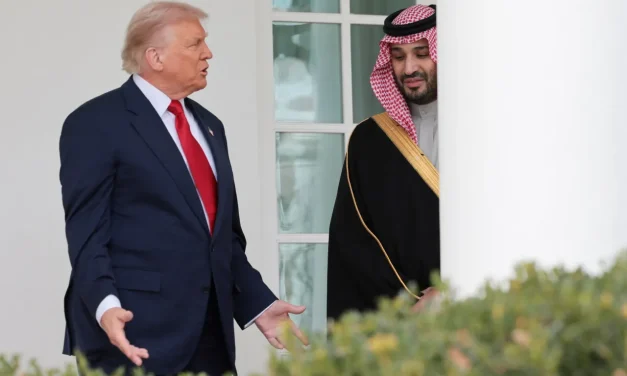
Implications of the US-Saudi Nuclear Agreement

SCFR Online – Opinion: The new US-Saudi nuclear agreement, despite legal and political ambiguities, could alter previous non-proliferation standards in West Asia and intensify nuclear competition, ushering it into a new phase.
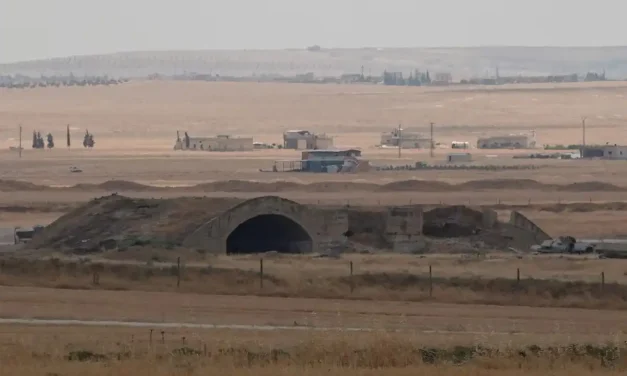
An Analysis of Recent Turkey-Israeli Regime Tensions

SCFR Online – Opinion: Recent developments in Syria indicate an intensification of strategic rivalry between Turkey and the Israeli regime, but mutual considerations and the role of the United States have limited the likelihood of direct war.

Increasing criticism of the extensive Zionist lobby network

SCFR Online – Opinion: An examination of the mechanisms of the Israeli regime’s influence in the United States depicts a complex picture of shared interests, strategic dependencies, and the limitations of this relationship.

Realities of the Tripartite Makkah Pact

SCFR Online – Interview: The signing of the Makkah agreement between Saudi Arabia, Pakistan, and Turkey has raised questions about the future of the region’s security structure and the position of these countries in West Asian equations. Can this agreement become a genuine collective defense mechanism, or does it have more of a political and deterrent function than creating new military capacity?

Strategic Implications of the Reduction of US Weapons Stockpiles

SCFR Online – Opinion: The continuation of the US war against Iran, in addition to increasing operational costs, has called into question the actual capacity of the American arsenal to simultaneously fulfill security commitments on multiple fronts; an issue that affects deterrence, defense production capacity, and Washington’s resource prioritization.

The Formation of a New Order in Relations Between Powers

SCFR Online – Opinion: The Russia-Ukraine war and the war of the United States and the Israeli regime against Iran have been formed with different objectives and actors, but field and political developments indicate that they are not entirely separate from one another.

An Analysis of the Makkah Defense Pact

SCFR Online – Opinion: On Friday, August 7, the heads of state of three countries – Saudi Arabia, Turkey, and Pakistan – signed a text under the title “Makkah Joint Defense Agreement.”

Loading

Strategic Perspective

Al-Aqsa Storm, Vanishing of Normalization of Relations with Zionist Regime

Al-Aqsa Storm, Vanishing of Normalization of Relations with Zionist Regime

Strategic Council Online – Interview: An expert on international affairs stated that due to the ongoing conflict between Hamas and Palestine, the normalization of relations with the Zionist regime will be suspended and seriously challenged, adding: In this situation, with an increase of conflicts and human casualties, considering the sensitivity of public opinion, in the short term, less governments in the region will dare to raise the issue of normalization.

An analysis of the positive process of negotiations between Ansarullah and Riyadh and the perspective of stability in Yemen

An analysis of the positive process of negotiations between Ansarullah and Riyadh and the perspective of stability in Yemen

Strategic Council Online—Interview: An expert on Yemen issues said that conducting negotiations between Yemeni political groups will be a big part of Ansarollah’s problems and Yemen’s problems. Despite the influence of regional and international powers, these negotiations seem to be unsuccessful because they are trying to institutionalize the internal crisis in Yemen.

New Arabia: the need to develop a suitable strategy

New Arabia: the need to develop a suitable strategy

Strategic Council Online—Opinion: At the end of August this year, Saudi Arabia announced that it had appointed its first ambassador to the Palestinian Authority. Based on this decision, Nayef bin Bandar al-Sudairi, as the extraordinary, plenipotentiary and non-resident ambassador (accredited) of Saudi Arabia in Ramallah and the Saudi consul general in occupied Quds, handed over his credentials to Majdi Al-Khalidi, the diplomatic advisor of Mahmoud Abbas, the head of the Palestinian Authority. Now, less than two months have passed since these decisions and actions, the Saudi government has announced that an official delegation from this country, headed by Nayef Bin Bandar Al-Sudairi, will travel to Ramallah to celebrate the birthday of the Prophet of Islam (PBUH) and to offer prayers in Al-Aqsa Mosque; An unprecedented action since the occupation of Quds in 1967, which will open a new chapter in Saudi Arabia’s diplomatic and role-playing activities in the West Asian region.

Mohammad Mehdi Mazaheri – University professor

Analysis of Reasons for Increasing Israeli Sale of Military Equipment

Analysis of Reasons for Increasing Israeli Sale of Military Equipment

Strategic Council Online: Statistics show that the volume of arms and military equipment exports by the Zionist regime has doubled over the past nine years. According to the Ministry of Defense of the Zionist regime, the income from the export of weapons and other military equipment reached 12.5 billion dollars in 2022, higher than the previous record of 11.4 billion dollars in 2021. Between 2011 and 2016, this figure fluctuated between 5.6 billion and 7.5 billion dollars.
Mahmoud Fazeli – International affairs analyst

Analysis of US Role, Interests in Continuation of Russia-Ukraine War

Analysis of US Role, Interests in Continuation of Russia-Ukraine War

Strategic Council Online – Interview: An expert on US affairs stated that the US priority is to contain Russia, even at the cost of destroying the Ukrainian nation or weakening Europe, to finally force Moscow to give concessions to Kyiv at the negotiating table. He emphasized that the main war is about survival, and the US is ready to pay heavy costs for it, but in fact, the main cost is from Europe, and the people of Europe, Ukrainian and non-Ukrainian, are dying.

Analysis of Bashar Assad’s Visit to Beijing, China’s Strategic Targets

Analysis of Bashar Assad’s Visit to Beijing, China’s Strategic Targets

Strategic Council Online – Interview: An expert on West Asia affairs said China’s purpose of inviting Assad to Beijing in the current situation is more political and in line with the determination of the Chinese to strengthen their political and geopolitical role in the Middle East, especially in critical areas and disputed cases, adding: The signing of the memorandum with general titles without clear economic agreements is indicative of the fact that China currently has no intention of doing serious economic work in Syria and what is more likely is the implementation of small scale projects rather than macroeconomic plan.

Significance of Formation of “Dialogue and Cooperation Assembly” among Persian Gulf States

Significance of Formation of “Dialogue and Cooperation Assembly” among Persian Gulf States

Strategic Council Online – Opinion: One of the most important issues raised during Amir Abdollahian’s trip to the coastal states of the Persian Gulf a few months ago was the formation of a joint mechanism called “Dialogue and Cooperation Assembly” for negotiation and cooperation with the presence of all countries in the Persian Gulf region.
Barsam Mohammadi – Expert on regional affairs

US Strategy in Caucasus: Undermining  Russia’s Position, Regional Role

US Strategy in Caucasus: Undermining Russia’s Position, Regional Role

Strategic Council Online – Interview: An expert on international law, stating that with the blocking of the Lachin Corridor nine months ago and the surrender of Karabakh, Moscow’s 2020 agreement has practically collapsed, added: For the first time after the collapse of the Soviet Union, a solid anti-Russian atmosphere has been created in Armenia and the US, while considering the Russians to be the cause of the current situation, is trying to show Russia as passive and useless and pull the rug from that country’s foot in the region and strengthen its presence in Armenia.

Impacts of Refugee Crisis on EU’s future

Impacts of Refugee Crisis on EU’s future

Strategic Council Online – Interview: An expert on European affairs, stating that immigration policies can lead to disagreements among EU member states of the Union, added: Differences in immigration policies can be one of the factors that lead to increased pressure on the European Union and the resulting consequences, especially difference between the right and left political currents along with social violence creates, would cause serious challenges for the Union.

“Iran’s Strategy towards the Caucasus Crisis: Insights from Dr. Kharazi”: Iran Does Not Tolerate Border Changes in the Region

“Iran’s Strategy towards the Caucasus Crisis: Insights from Dr. Kharazi”: Iran Does Not Tolerate Border Changes in the Region

Strategic Council Online: The President of the Strategic Council on Foreign Relations explained the strategy of the Islamic Republic of Iran regarding the Caucasus crisis and clarified that Iran does not tolerate any change of the current borders in the region.Strategic Council Online: The President of the Strategic Council on Foreign Relations explained the strategy of the Islamic Republic of Iran regarding the Caucasus crisis and clarified that Iran does not tolerate any change of the current borders in the region.

أحدث الوظائف

Implications of the US-Saudi Nuclear Agreement

SCFR Online – Opinion: The new US-Saudi nuclear agreement, despite legal and political ambiguities, could alter previous non-proliferation standards in West Asia and intensify nuclear competition, ushering it into a new phase.

An Analysis of Recent Turkey-Israeli Regime Tensions

SCFR Online – Opinion: Recent developments in Syria indicate an intensification of strategic rivalry between Turkey and the Israeli regime, but mutual considerations and the role of the United States have limited the likelihood of direct war.

Increasing criticism of the extensive Zionist lobby network

SCFR Online – Opinion: An examination of the mechanisms of the Israeli regime’s influence in the United States depicts a complex picture of shared interests, strategic dependencies, and the limitations of this relationship.

Realities of the Tripartite Makkah Pact

SCFR Online – Interview: The signing of the Makkah agreement between Saudi Arabia, Pakistan, and Turkey has raised questions about the future of the region’s security structure and the position of these countries in West Asian equations. Can this agreement become a genuine collective defense mechanism, or does it have more of a political and deterrent function than creating new military capacity?

Strategic Implications of the Reduction of US Weapons Stockpiles

SCFR Online – Opinion: The continuation of the US war against Iran, in addition to increasing operational costs, has called into question the actual capacity of the American arsenal to simultaneously fulfill security commitments on multiple fronts; an issue that affects deterrence, defense production capacity, and Washington’s resource prioritization.

The Formation of a New Order in Relations Between Powers

SCFR Online – Opinion: The Russia-Ukraine war and the war of the United States and the Israeli regime against Iran have been formed with different objectives and actors, but field and political developments indicate that they are not entirely separate from one another.

An Analysis of the Makkah Defense Pact

SCFR Online – Opinion: On Friday, August 7, the heads of state of three countries – Saudi Arabia, Turkey, and Pakistan – signed a text under the title “Makkah Joint Defense Agreement.”

Loading

Strategic Perspective

Al-Aqsa Storm, Vanishing of Normalization of Relations with Zionist Regime

Al-Aqsa Storm, Vanishing of Normalization of Relations with Zionist Regime

Strategic Council Online – Interview: An expert on international affairs stated that due to the ongoing conflict between Hamas and Palestine, the normalization of relations with the Zionist regime will be suspended and seriously challenged, adding: In this situation, with an increase of conflicts and human casualties, considering the sensitivity of public opinion, in the short term, less governments in the region will dare to raise the issue of normalization.

An analysis of the positive process of negotiations between Ansarullah and Riyadh and the perspective of stability in Yemen

An analysis of the positive process of negotiations between Ansarullah and Riyadh and the perspective of stability in Yemen

Strategic Council Online—Interview: An expert on Yemen issues said that conducting negotiations between Yemeni political groups will be a big part of Ansarollah’s problems and Yemen’s problems. Despite the influence of regional and international powers, these negotiations seem to be unsuccessful because they are trying to institutionalize the internal crisis in Yemen.

New Arabia: the need to develop a suitable strategy

New Arabia: the need to develop a suitable strategy

Strategic Council Online—Opinion: At the end of August this year, Saudi Arabia announced that it had appointed its first ambassador to the Palestinian Authority. Based on this decision, Nayef bin Bandar al-Sudairi, as the extraordinary, plenipotentiary and non-resident ambassador (accredited) of Saudi Arabia in Ramallah and the Saudi consul general in occupied Quds, handed over his credentials to Majdi Al-Khalidi, the diplomatic advisor of Mahmoud Abbas, the head of the Palestinian Authority. Now, less than two months have passed since these decisions and actions, the Saudi government has announced that an official delegation from this country, headed by Nayef Bin Bandar Al-Sudairi, will travel to Ramallah to celebrate the birthday of the Prophet of Islam (PBUH) and to offer prayers in Al-Aqsa Mosque; An unprecedented action since the occupation of Quds in 1967, which will open a new chapter in Saudi Arabia’s diplomatic and role-playing activities in the West Asian region.

Mohammad Mehdi Mazaheri – University professor

Analysis of Reasons for Increasing Israeli Sale of Military Equipment

Analysis of Reasons for Increasing Israeli Sale of Military Equipment

Strategic Council Online: Statistics show that the volume of arms and military equipment exports by the Zionist regime has doubled over the past nine years. According to the Ministry of Defense of the Zionist regime, the income from the export of weapons and other military equipment reached 12.5 billion dollars in 2022, higher than the previous record of 11.4 billion dollars in 2021. Between 2011 and 2016, this figure fluctuated between 5.6 billion and 7.5 billion dollars.
Mahmoud Fazeli – International affairs analyst

Analysis of US Role, Interests in Continuation of Russia-Ukraine War

Analysis of US Role, Interests in Continuation of Russia-Ukraine War

Strategic Council Online – Interview: An expert on US affairs stated that the US priority is to contain Russia, even at the cost of destroying the Ukrainian nation or weakening Europe, to finally force Moscow to give concessions to Kyiv at the negotiating table. He emphasized that the main war is about survival, and the US is ready to pay heavy costs for it, but in fact, the main cost is from Europe, and the people of Europe, Ukrainian and non-Ukrainian, are dying.

Analysis of Bashar Assad’s Visit to Beijing, China’s Strategic Targets

Analysis of Bashar Assad’s Visit to Beijing, China’s Strategic Targets

Strategic Council Online – Interview: An expert on West Asia affairs said China’s purpose of inviting Assad to Beijing in the current situation is more political and in line with the determination of the Chinese to strengthen their political and geopolitical role in the Middle East, especially in critical areas and disputed cases, adding: The signing of the memorandum with general titles without clear economic agreements is indicative of the fact that China currently has no intention of doing serious economic work in Syria and what is more likely is the implementation of small scale projects rather than macroeconomic plan.

Significance of Formation of “Dialogue and Cooperation Assembly” among Persian Gulf States

Significance of Formation of “Dialogue and Cooperation Assembly” among Persian Gulf States

Strategic Council Online – Opinion: One of the most important issues raised during Amir Abdollahian’s trip to the coastal states of the Persian Gulf a few months ago was the formation of a joint mechanism called “Dialogue and Cooperation Assembly” for negotiation and cooperation with the presence of all countries in the Persian Gulf region.
Barsam Mohammadi – Expert on regional affairs

US Strategy in Caucasus: Undermining  Russia’s Position, Regional Role

US Strategy in Caucasus: Undermining Russia’s Position, Regional Role

Strategic Council Online – Interview: An expert on international law, stating that with the blocking of the Lachin Corridor nine months ago and the surrender of Karabakh, Moscow’s 2020 agreement has practically collapsed, added: For the first time after the collapse of the Soviet Union, a solid anti-Russian atmosphere has been created in Armenia and the US, while considering the Russians to be the cause of the current situation, is trying to show Russia as passive and useless and pull the rug from that country’s foot in the region and strengthen its presence in Armenia.

Impacts of Refugee Crisis on EU’s future

Impacts of Refugee Crisis on EU’s future

Strategic Council Online – Interview: An expert on European affairs, stating that immigration policies can lead to disagreements among EU member states of the Union, added: Differences in immigration policies can be one of the factors that lead to increased pressure on the European Union and the resulting consequences, especially difference between the right and left political currents along with social violence creates, would cause serious challenges for the Union.

“Iran’s Strategy towards the Caucasus Crisis: Insights from Dr. Kharazi”: Iran Does Not Tolerate Border Changes in the Region

“Iran’s Strategy towards the Caucasus Crisis: Insights from Dr. Kharazi”: Iran Does Not Tolerate Border Changes in the Region

Strategic Council Online: The President of the Strategic Council on Foreign Relations explained the strategy of the Islamic Republic of Iran regarding the Caucasus crisis and clarified that Iran does not tolerate any change of the current borders in the region.Strategic Council Online: The President of the Strategic Council on Foreign Relations explained the strategy of the Islamic Republic of Iran regarding the Caucasus crisis and clarified that Iran does not tolerate any change of the current borders in the region.

Strategic Perspective

Al-Aqsa Storm, Vanishing of Normalization of Relations with Zionist Regime

Al-Aqsa Storm, Vanishing of Normalization of Relations with Zionist Regime

Strategic Council Online – Interview: An expert on international affairs stated that due to the ongoing conflict between Hamas and Palestine, the normalization of relations with the Zionist regime will be suspended and seriously challenged, adding: In this situation, with an increase of conflicts and human casualties, considering the sensitivity of public opinion, in the short term, less governments in the region will dare to raise the issue of normalization.

An analysis of the positive process of negotiations between Ansarullah and Riyadh and the perspective of stability in Yemen

An analysis of the positive process of negotiations between Ansarullah and Riyadh and the perspective of stability in Yemen

Strategic Council Online—Interview: An expert on Yemen issues said that conducting negotiations between Yemeni political groups will be a big part of Ansarollah’s problems and Yemen’s problems. Despite the influence of regional and international powers, these negotiations seem to be unsuccessful because they are trying to institutionalize the internal crisis in Yemen.

New Arabia: the need to develop a suitable strategy

New Arabia: the need to develop a suitable strategy

Strategic Council Online—Opinion: At the end of August this year, Saudi Arabia announced that it had appointed its first ambassador to the Palestinian Authority. Based on this decision, Nayef bin Bandar al-Sudairi, as the extraordinary, plenipotentiary and non-resident ambassador (accredited) of Saudi Arabia in Ramallah and the Saudi consul general in occupied Quds, handed over his credentials to Majdi Al-Khalidi, the diplomatic advisor of Mahmoud Abbas, the head of the Palestinian Authority. Now, less than two months have passed since these decisions and actions, the Saudi government has announced that an official delegation from this country, headed by Nayef Bin Bandar Al-Sudairi, will travel to Ramallah to celebrate the birthday of the Prophet of Islam (PBUH) and to offer prayers in Al-Aqsa Mosque; An unprecedented action since the occupation of Quds in 1967, which will open a new chapter in Saudi Arabia’s diplomatic and role-playing activities in the West Asian region.

Mohammad Mehdi Mazaheri – University professor

Analysis of Reasons for Increasing Israeli Sale of Military Equipment

Analysis of Reasons for Increasing Israeli Sale of Military Equipment

Strategic Council Online: Statistics show that the volume of arms and military equipment exports by the Zionist regime has doubled over the past nine years. According to the Ministry of Defense of the Zionist regime, the income from the export of weapons and other military equipment reached 12.5 billion dollars in 2022, higher than the previous record of 11.4 billion dollars in 2021. Between 2011 and 2016, this figure fluctuated between 5.6 billion and 7.5 billion dollars.
Mahmoud Fazeli – International affairs analyst

Analysis of US Role, Interests in Continuation of Russia-Ukraine War

Analysis of US Role, Interests in Continuation of Russia-Ukraine War

Strategic Council Online – Interview: An expert on US affairs stated that the US priority is to contain Russia, even at the cost of destroying the Ukrainian nation or weakening Europe, to finally force Moscow to give concessions to Kyiv at the negotiating table. He emphasized that the main war is about survival, and the US is ready to pay heavy costs for it, but in fact, the main cost is from Europe, and the people of Europe, Ukrainian and non-Ukrainian, are dying.

Analysis of Bashar Assad’s Visit to Beijing, China’s Strategic Targets

Analysis of Bashar Assad’s Visit to Beijing, China’s Strategic Targets

Strategic Council Online – Interview: An expert on West Asia affairs said China’s purpose of inviting Assad to Beijing in the current situation is more political and in line with the determination of the Chinese to strengthen their political and geopolitical role in the Middle East, especially in critical areas and disputed cases, adding: The signing of the memorandum with general titles without clear economic agreements is indicative of the fact that China currently has no intention of doing serious economic work in Syria and what is more likely is the implementation of small scale projects rather than macroeconomic plan.

Significance of Formation of “Dialogue and Cooperation Assembly” among Persian Gulf States

Significance of Formation of “Dialogue and Cooperation Assembly” among Persian Gulf States

Strategic Council Online – Opinion: One of the most important issues raised during Amir Abdollahian’s trip to the coastal states of the Persian Gulf a few months ago was the formation of a joint mechanism called “Dialogue and Cooperation Assembly” for negotiation and cooperation with the presence of all countries in the Persian Gulf region.
Barsam Mohammadi – Expert on regional affairs

US Strategy in Caucasus: Undermining  Russia’s Position, Regional Role

US Strategy in Caucasus: Undermining Russia’s Position, Regional Role

Strategic Council Online – Interview: An expert on international law, stating that with the blocking of the Lachin Corridor nine months ago and the surrender of Karabakh, Moscow’s 2020 agreement has practically collapsed, added: For the first time after the collapse of the Soviet Union, a solid anti-Russian atmosphere has been created in Armenia and the US, while considering the Russians to be the cause of the current situation, is trying to show Russia as passive and useless and pull the rug from that country’s foot in the region and strengthen its presence in Armenia.

Impacts of Refugee Crisis on EU’s future

Impacts of Refugee Crisis on EU’s future

Strategic Council Online – Interview: An expert on European affairs, stating that immigration policies can lead to disagreements among EU member states of the Union, added: Differences in immigration policies can be one of the factors that lead to increased pressure on the European Union and the resulting consequences, especially difference between the right and left political currents along with social violence creates, would cause serious challenges for the Union.

“Iran’s Strategy towards the Caucasus Crisis: Insights from Dr. Kharazi”: Iran Does Not Tolerate Border Changes in the Region

“Iran’s Strategy towards the Caucasus Crisis: Insights from Dr. Kharazi”: Iran Does Not Tolerate Border Changes in the Region

Strategic Council Online: The President of the Strategic Council on Foreign Relations explained the strategy of the Islamic Republic of Iran regarding the Caucasus crisis and clarified that Iran does not tolerate any change of the current borders in the region.Strategic Council Online: The President of the Strategic Council on Foreign Relations explained the strategy of the Islamic Republic of Iran regarding the Caucasus crisis and clarified that Iran does not tolerate any change of the current borders in the region.

LATEST CONTENT

Implications of the US-Saudi Nuclear Agreement

SCFR Online – Opinion: The new US-Saudi nuclear agreement, despite legal and political ambiguities, could alter previous non-proliferation standards in West Asia and intensify nuclear competition, ushering it into a new phase.
An Analysis of Recent Turkey-Israeli Regime Tensions

SCFR Online – Opinion: Recent developments in Syria indicate an intensification of strategic rivalry between Turkey and the Israeli regime, but mutual considerations and the role of the United States have limited the likelihood of direct war.

Increasing criticism of the extensive Zionist lobby network

SCFR Online – Opinion: An examination of the mechanisms of the Israeli regime’s influence in the United States depicts a complex picture of shared interests, strategic dependencies, and the limitations of this relationship.

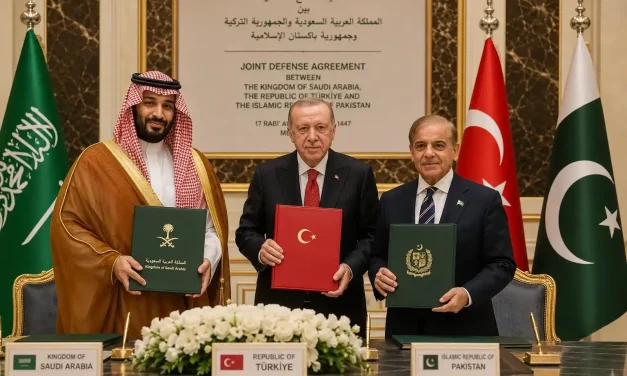
Realities of the Tripartite Makkah Pact

SCFR Online – Interview: The signing of the Makkah agreement between Saudi Arabia, Pakistan, and Turkey has raised questions about the future of the region’s security structure and the position of these countries in West Asian equations. Can this agreement become a genuine collective defense mechanism, or does it have more of a political and deterrent function than creating new military capacity?

Strategic Implications of the Reduction of US Weapons Stockpiles

SCFR Online – Opinion: The continuation of the US war against Iran, in addition to increasing operational costs, has called into question the actual capacity of the American arsenal to simultaneously fulfill security commitments on multiple fronts; an issue that affects deterrence, defense production capacity, and Washington’s resource prioritization.

The Formation of a New Order in Relations Between Powers

SCFR Online – Opinion: The Russia-Ukraine war and the war of the United States and the Israeli regime against Iran have been formed with different objectives and actors, but field and political developments indicate that they are not entirely separate from one another.

An Analysis of the Makkah Defense Pact

SCFR Online – Opinion: On Friday, August 7, the heads of state of three countries – Saudi Arabia, Turkey, and Pakistan – signed a text under the title “Makkah Joint Defense Agreement.”

Loading

Strategic Perspective

Al-Aqsa Storm, Vanishing of Normalization of Relations with Zionist Regime

Al-Aqsa Storm, Vanishing of Normalization of Relations with Zionist Regime

Strategic Council Online – Interview: An expert on international affairs stated that due to the ongoing conflict between Hamas and Palestine, the normalization of relations with the Zionist regime will be suspended and seriously challenged, adding: In this situation, with an increase of conflicts and human casualties, considering the sensitivity of public opinion, in the short term, less governments in the region will dare to raise the issue of normalization.

An analysis of the positive process of negotiations between Ansarullah and Riyadh and the perspective of stability in Yemen

An analysis of the positive process of negotiations between Ansarullah and Riyadh and the perspective of stability in Yemen

Strategic Council Online—Interview: An expert on Yemen issues said that conducting negotiations between Yemeni political groups will be a big part of Ansarollah’s problems and Yemen’s problems. Despite the influence of regional and international powers, these negotiations seem to be unsuccessful because they are trying to institutionalize the internal crisis in Yemen.

New Arabia: the need to develop a suitable strategy

New Arabia: the need to develop a suitable strategy

Strategic Council Online—Opinion: At the end of August this year, Saudi Arabia announced that it had appointed its first ambassador to the Palestinian Authority. Based on this decision, Nayef bin Bandar al-Sudairi, as the extraordinary, plenipotentiary and non-resident ambassador (accredited) of Saudi Arabia in Ramallah and the Saudi consul general in occupied Quds, handed over his credentials to Majdi Al-Khalidi, the diplomatic advisor of Mahmoud Abbas, the head of the Palestinian Authority. Now, less than two months have passed since these decisions and actions, the Saudi government has announced that an official delegation from this country, headed by Nayef Bin Bandar Al-Sudairi, will travel to Ramallah to celebrate the birthday of the Prophet of Islam (PBUH) and to offer prayers in Al-Aqsa Mosque; An unprecedented action since the occupation of Quds in 1967, which will open a new chapter in Saudi Arabia’s diplomatic and role-playing activities in the West Asian region.

Mohammad Mehdi Mazaheri – University professor

Analysis of Reasons for Increasing Israeli Sale of Military Equipment

Analysis of Reasons for Increasing Israeli Sale of Military Equipment

Strategic Council Online: Statistics show that the volume of arms and military equipment exports by the Zionist regime has doubled over the past nine years. According to the Ministry of Defense of the Zionist regime, the income from the export of weapons and other military equipment reached 12.5 billion dollars in 2022, higher than the previous record of 11.4 billion dollars in 2021. Between 2011 and 2016, this figure fluctuated between 5.6 billion and 7.5 billion dollars.
Mahmoud Fazeli – International affairs analyst

Analysis of US Role, Interests in Continuation of Russia-Ukraine War

Analysis of US Role, Interests in Continuation of Russia-Ukraine War

Strategic Council Online – Interview: An expert on US affairs stated that the US priority is to contain Russia, even at the cost of destroying the Ukrainian nation or weakening Europe, to finally force Moscow to give concessions to Kyiv at the negotiating table. He emphasized that the main war is about survival, and the US is ready to pay heavy costs for it, but in fact, the main cost is from Europe, and the people of Europe, Ukrainian and non-Ukrainian, are dying.

Analysis of Bashar Assad’s Visit to Beijing, China’s Strategic Targets

Analysis of Bashar Assad’s Visit to Beijing, China’s Strategic Targets

Strategic Council Online – Interview: An expert on West Asia affairs said China’s purpose of inviting Assad to Beijing in the current situation is more political and in line with the determination of the Chinese to strengthen their political and geopolitical role in the Middle East, especially in critical areas and disputed cases, adding: The signing of the memorandum with general titles without clear economic agreements is indicative of the fact that China currently has no intention of doing serious economic work in Syria and what is more likely is the implementation of small scale projects rather than macroeconomic plan.

Significance of Formation of “Dialogue and Cooperation Assembly” among Persian Gulf States

Significance of Formation of “Dialogue and Cooperation Assembly” among Persian Gulf States

Strategic Council Online – Opinion: One of the most important issues raised during Amir Abdollahian’s trip to the coastal states of the Persian Gulf a few months ago was the formation of a joint mechanism called “Dialogue and Cooperation Assembly” for negotiation and cooperation with the presence of all countries in the Persian Gulf region.
Barsam Mohammadi – Expert on regional affairs

US Strategy in Caucasus: Undermining  Russia’s Position, Regional Role

US Strategy in Caucasus: Undermining Russia’s Position, Regional Role

Strategic Council Online – Interview: An expert on international law, stating that with the blocking of the Lachin Corridor nine months ago and the surrender of Karabakh, Moscow’s 2020 agreement has practically collapsed, added: For the first time after the collapse of the Soviet Union, a solid anti-Russian atmosphere has been created in Armenia and the US, while considering the Russians to be the cause of the current situation, is trying to show Russia as passive and useless and pull the rug from that country’s foot in the region and strengthen its presence in Armenia.

Impacts of Refugee Crisis on EU’s future

Impacts of Refugee Crisis on EU’s future

Strategic Council Online – Interview: An expert on European affairs, stating that immigration policies can lead to disagreements among EU member states of the Union, added: Differences in immigration policies can be one of the factors that lead to increased pressure on the European Union and the resulting consequences, especially difference between the right and left political currents along with social violence creates, would cause serious challenges for the Union.

“Iran’s Strategy towards the Caucasus Crisis: Insights from Dr. Kharazi”: Iran Does Not Tolerate Border Changes in the Region

“Iran’s Strategy towards the Caucasus Crisis: Insights from Dr. Kharazi”: Iran Does Not Tolerate Border Changes in the Region

Strategic Council Online: The President of the Strategic Council on Foreign Relations explained the strategy of the Islamic Republic of Iran regarding the Caucasus crisis and clarified that Iran does not tolerate any change of the current borders in the region.Strategic Council Online: The President of the Strategic Council on Foreign Relations explained the strategy of the Islamic Republic of Iran regarding the Caucasus crisis and clarified that Iran does not tolerate any change of the current borders in the region.

ÚLTIMAS PUBLICACIONES

Implications of the US-Saudi Nuclear Agreement

SCFR Online – Opinion: The new US-Saudi nuclear agreement, despite legal and political ambiguities, could alter previous non-proliferation standards in West Asia and intensify nuclear competition, ushering it into a new phase.
An Analysis of Recent Turkey-Israeli Regime Tensions

SCFR Online – Opinion: Recent developments in Syria indicate an intensification of strategic rivalry between Turkey and the Israeli regime, but mutual considerations and the role of the United States have limited the likelihood of direct war.

Increasing criticism of the extensive Zionist lobby network

SCFR Online – Opinion: An examination of the mechanisms of the Israeli regime’s influence in the United States depicts a complex picture of shared interests, strategic dependencies, and the limitations of this relationship.

Realities of the Tripartite Makkah Pact

SCFR Online – Interview: The signing of the Makkah agreement between Saudi Arabia, Pakistan, and Turkey has raised questions about the future of the region’s security structure and the position of these countries in West Asian equations. Can this agreement become a genuine collective defense mechanism, or does it have more of a political and deterrent function than creating new military capacity?

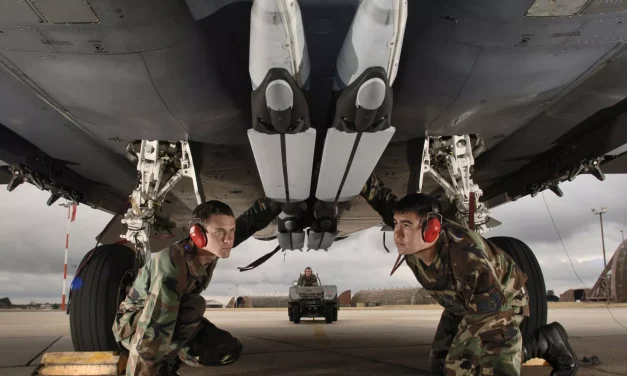
Strategic Implications of the Reduction of US Weapons Stockpiles

SCFR Online – Opinion: The continuation of the US war against Iran, in addition to increasing operational costs, has called into question the actual capacity of the American arsenal to simultaneously fulfill security commitments on multiple fronts; an issue that affects deterrence, defense production capacity, and Washington’s resource prioritization.

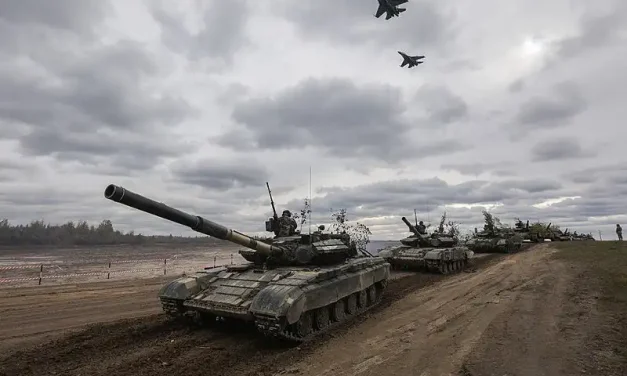
The Formation of a New Order in Relations Between Powers

SCFR Online – Opinion: The Russia-Ukraine war and the war of the United States and the Israeli regime against Iran have been formed with different objectives and actors, but field and political developments indicate that they are not entirely separate from one another.

An Analysis of the Makkah Defense Pact

SCFR Online – Opinion: On Friday, August 7, the heads of state of three countries – Saudi Arabia, Turkey, and Pakistan – signed a text under the title “Makkah Joint Defense Agreement.”

Loading

Strategic Perspective

Al-Aqsa Storm, Vanishing of Normalization of Relations with Zionist Regime

Al-Aqsa Storm, Vanishing of Normalization of Relations with Zionist Regime

Strategic Council Online – Interview: An expert on international affairs stated that due to the ongoing conflict between Hamas and Palestine, the normalization of relations with the Zionist regime will be suspended and seriously challenged, adding: In this situation, with an increase of conflicts and human casualties, considering the sensitivity of public opinion, in the short term, less governments in the region will dare to raise the issue of normalization.

An analysis of the positive process of negotiations between Ansarullah and Riyadh and the perspective of stability in Yemen

An analysis of the positive process of negotiations between Ansarullah and Riyadh and the perspective of stability in Yemen

Strategic Council Online—Interview: An expert on Yemen issues said that conducting negotiations between Yemeni political groups will be a big part of Ansarollah’s problems and Yemen’s problems. Despite the influence of regional and international powers, these negotiations seem to be unsuccessful because they are trying to institutionalize the internal crisis in Yemen.

New Arabia: the need to develop a suitable strategy

New Arabia: the need to develop a suitable strategy

Strategic Council Online—Opinion: At the end of August this year, Saudi Arabia announced that it had appointed its first ambassador to the Palestinian Authority. Based on this decision, Nayef bin Bandar al-Sudairi, as the extraordinary, plenipotentiary and non-resident ambassador (accredited) of Saudi Arabia in Ramallah and the Saudi consul general in occupied Quds, handed over his credentials to Majdi Al-Khalidi, the diplomatic advisor of Mahmoud Abbas, the head of the Palestinian Authority. Now, less than two months have passed since these decisions and actions, the Saudi government has announced that an official delegation from this country, headed by Nayef Bin Bandar Al-Sudairi, will travel to Ramallah to celebrate the birthday of the Prophet of Islam (PBUH) and to offer prayers in Al-Aqsa Mosque; An unprecedented action since the occupation of Quds in 1967, which will open a new chapter in Saudi Arabia’s diplomatic and role-playing activities in the West Asian region.

Mohammad Mehdi Mazaheri – University professor

Analysis of Reasons for Increasing Israeli Sale of Military Equipment

Analysis of Reasons for Increasing Israeli Sale of Military Equipment

Strategic Council Online: Statistics show that the volume of arms and military equipment exports by the Zionist regime has doubled over the past nine years. According to the Ministry of Defense of the Zionist regime, the income from the export of weapons and other military equipment reached 12.5 billion dollars in 2022, higher than the previous record of 11.4 billion dollars in 2021. Between 2011 and 2016, this figure fluctuated between 5.6 billion and 7.5 billion dollars.
Mahmoud Fazeli – International affairs analyst

Analysis of US Role, Interests in Continuation of Russia-Ukraine War

Analysis of US Role, Interests in Continuation of Russia-Ukraine War

Strategic Council Online – Interview: An expert on US affairs stated that the US priority is to contain Russia, even at the cost of destroying the Ukrainian nation or weakening Europe, to finally force Moscow to give concessions to Kyiv at the negotiating table. He emphasized that the main war is about survival, and the US is ready to pay heavy costs for it, but in fact, the main cost is from Europe, and the people of Europe, Ukrainian and non-Ukrainian, are dying.

Analysis of Bashar Assad’s Visit to Beijing, China’s Strategic Targets

Analysis of Bashar Assad’s Visit to Beijing, China’s Strategic Targets

Strategic Council Online – Interview: An expert on West Asia affairs said China’s purpose of inviting Assad to Beijing in the current situation is more political and in line with the determination of the Chinese to strengthen their political and geopolitical role in the Middle East, especially in critical areas and disputed cases, adding: The signing of the memorandum with general titles without clear economic agreements is indicative of the fact that China currently has no intention of doing serious economic work in Syria and what is more likely is the implementation of small scale projects rather than macroeconomic plan.

Significance of Formation of “Dialogue and Cooperation Assembly” among Persian Gulf States

Significance of Formation of “Dialogue and Cooperation Assembly” among Persian Gulf States

Strategic Council Online – Opinion: One of the most important issues raised during Amir Abdollahian’s trip to the coastal states of the Persian Gulf a few months ago was the formation of a joint mechanism called “Dialogue and Cooperation Assembly” for negotiation and cooperation with the presence of all countries in the Persian Gulf region.
Barsam Mohammadi – Expert on regional affairs

US Strategy in Caucasus: Undermining  Russia’s Position, Regional Role

US Strategy in Caucasus: Undermining Russia’s Position, Regional Role

Strategic Council Online – Interview: An expert on international law, stating that with the blocking of the Lachin Corridor nine months ago and the surrender of Karabakh, Moscow’s 2020 agreement has practically collapsed, added: For the first time after the collapse of the Soviet Union, a solid anti-Russian atmosphere has been created in Armenia and the US, while considering the Russians to be the cause of the current situation, is trying to show Russia as passive and useless and pull the rug from that country’s foot in the region and strengthen its presence in Armenia.

Impacts of Refugee Crisis on EU’s future

Impacts of Refugee Crisis on EU’s future

Strategic Council Online – Interview: An expert on European affairs, stating that immigration policies can lead to disagreements among EU member states of the Union, added: Differences in immigration policies can be one of the factors that lead to increased pressure on the European Union and the resulting consequences, especially difference between the right and left political currents along with social violence creates, would cause serious challenges for the Union.

“Iran’s Strategy towards the Caucasus Crisis: Insights from Dr. Kharazi”: Iran Does Not Tolerate Border Changes in the Region

“Iran’s Strategy towards the Caucasus Crisis: Insights from Dr. Kharazi”: Iran Does Not Tolerate Border Changes in the Region

Strategic Council Online: The President of the Strategic Council on Foreign Relations explained the strategy of the Islamic Republic of Iran regarding the Caucasus crisis and clarified that Iran does not tolerate any change of the current borders in the region.Strategic Council Online: The President of the Strategic Council on Foreign Relations explained the strategy of the Islamic Republic of Iran regarding the Caucasus crisis and clarified that Iran does not tolerate any change of the current borders in the region.

ÚLTIMAS PUBLICACIONES

Implications of the US-Saudi Nuclear Agreement

SCFR Online – Opinion: The new US-Saudi nuclear agreement, despite legal and political ambiguities, could alter previous non-proliferation standards in West Asia and intensify nuclear competition, ushering it into a new phase.
An Analysis of Recent Turkey-Israeli Regime Tensions

SCFR Online – Opinion: Recent developments in Syria indicate an intensification of strategic rivalry between Turkey and the Israeli regime, but mutual considerations and the role of the United States have limited the likelihood of direct war.

Increasing criticism of the extensive Zionist lobby network

SCFR Online – Opinion: An examination of the mechanisms of the Israeli regime’s influence in the United States depicts a complex picture of shared interests, strategic dependencies, and the limitations of this relationship.

Realities of the Tripartite Makkah Pact

SCFR Online – Interview: The signing of the Makkah agreement between Saudi Arabia, Pakistan, and Turkey has raised questions about the future of the region’s security structure and the position of these countries in West Asian equations. Can this agreement become a genuine collective defense mechanism, or does it have more of a political and deterrent function than creating new military capacity?

Strategic Implications of the Reduction of US Weapons Stockpiles

SCFR Online – Opinion: The continuation of the US war against Iran, in addition to increasing operational costs, has called into question the actual capacity of the American arsenal to simultaneously fulfill security commitments on multiple fronts; an issue that affects deterrence, defense production capacity, and Washington’s resource prioritization.

The Formation of a New Order in Relations Between Powers

SCFR Online – Opinion: The Russia-Ukraine war and the war of the United States and the Israeli regime against Iran have been formed with different objectives and actors, but field and political developments indicate that they are not entirely separate from one another.

An Analysis of the Makkah Defense Pact

SCFR Online – Opinion: On Friday, August 7, the heads of state of three countries – Saudi Arabia, Turkey, and Pakistan – signed a text under the title “Makkah Joint Defense Agreement.”

Loading

Strategic Perspective

Al-Aqsa Storm, Vanishing of Normalization of Relations with Zionist Regime

Al-Aqsa Storm, Vanishing of Normalization of Relations with Zionist Regime

Strategic Council Online – Interview: An expert on international affairs stated that due to the ongoing conflict between Hamas and Palestine, the normalization of relations with the Zionist regime will be suspended and seriously challenged, adding: In this situation, with an increase of conflicts and human casualties, considering the sensitivity of public opinion, in the short term, less governments in the region will dare to raise the issue of normalization.

An analysis of the positive process of negotiations between Ansarullah and Riyadh and the perspective of stability in Yemen

An analysis of the positive process of negotiations between Ansarullah and Riyadh and the perspective of stability in Yemen

Strategic Council Online—Interview: An expert on Yemen issues said that conducting negotiations between Yemeni political groups will be a big part of Ansarollah’s problems and Yemen’s problems. Despite the influence of regional and international powers, these negotiations seem to be unsuccessful because they are trying to institutionalize the internal crisis in Yemen.

New Arabia: the need to develop a suitable strategy

New Arabia: the need to develop a suitable strategy

Strategic Council Online—Opinion: At the end of August this year, Saudi Arabia announced that it had appointed its first ambassador to the Palestinian Authority. Based on this decision, Nayef bin Bandar al-Sudairi, as the extraordinary, plenipotentiary and non-resident ambassador (accredited) of Saudi Arabia in Ramallah and the Saudi consul general in occupied Quds, handed over his credentials to Majdi Al-Khalidi, the diplomatic advisor of Mahmoud Abbas, the head of the Palestinian Authority. Now, less than two months have passed since these decisions and actions, the Saudi government has announced that an official delegation from this country, headed by Nayef Bin Bandar Al-Sudairi, will travel to Ramallah to celebrate the birthday of the Prophet of Islam (PBUH) and to offer prayers in Al-Aqsa Mosque; An unprecedented action since the occupation of Quds in 1967, which will open a new chapter in Saudi Arabia’s diplomatic and role-playing activities in the West Asian region.

Mohammad Mehdi Mazaheri – University professor

Analysis of Reasons for Increasing Israeli Sale of Military Equipment

Analysis of Reasons for Increasing Israeli Sale of Military Equipment

Strategic Council Online: Statistics show that the volume of arms and military equipment exports by the Zionist regime has doubled over the past nine years. According to the Ministry of Defense of the Zionist regime, the income from the export of weapons and other military equipment reached 12.5 billion dollars in 2022, higher than the previous record of 11.4 billion dollars in 2021. Between 2011 and 2016, this figure fluctuated between 5.6 billion and 7.5 billion dollars.
Mahmoud Fazeli – International affairs analyst

Analysis of US Role, Interests in Continuation of Russia-Ukraine War

Analysis of US Role, Interests in Continuation of Russia-Ukraine War

Strategic Council Online – Interview: An expert on US affairs stated that the US priority is to contain Russia, even at the cost of destroying the Ukrainian nation or weakening Europe, to finally force Moscow to give concessions to Kyiv at the negotiating table. He emphasized that the main war is about survival, and the US is ready to pay heavy costs for it, but in fact, the main cost is from Europe, and the people of Europe, Ukrainian and non-Ukrainian, are dying.

Analysis of Bashar Assad’s Visit to Beijing, China’s Strategic Targets

Analysis of Bashar Assad’s Visit to Beijing, China’s Strategic Targets

Strategic Council Online – Interview: An expert on West Asia affairs said China’s purpose of inviting Assad to Beijing in the current situation is more political and in line with the determination of the Chinese to strengthen their political and geopolitical role in the Middle East, especially in critical areas and disputed cases, adding: The signing of the memorandum with general titles without clear economic agreements is indicative of the fact that China currently has no intention of doing serious economic work in Syria and what is more likely is the implementation of small scale projects rather than macroeconomic plan.

Significance of Formation of “Dialogue and Cooperation Assembly” among Persian Gulf States

Significance of Formation of “Dialogue and Cooperation Assembly” among Persian Gulf States

Strategic Council Online – Opinion: One of the most important issues raised during Amir Abdollahian’s trip to the coastal states of the Persian Gulf a few months ago was the formation of a joint mechanism called “Dialogue and Cooperation Assembly” for negotiation and cooperation with the presence of all countries in the Persian Gulf region.
Barsam Mohammadi – Expert on regional affairs

US Strategy in Caucasus: Undermining  Russia’s Position, Regional Role

US Strategy in Caucasus: Undermining Russia’s Position, Regional Role

Strategic Council Online – Interview: An expert on international law, stating that with the blocking of the Lachin Corridor nine months ago and the surrender of Karabakh, Moscow’s 2020 agreement has practically collapsed, added: For the first time after the collapse of the Soviet Union, a solid anti-Russian atmosphere has been created in Armenia and the US, while considering the Russians to be the cause of the current situation, is trying to show Russia as passive and useless and pull the rug from that country’s foot in the region and strengthen its presence in Armenia.

Impacts of Refugee Crisis on EU’s future

Impacts of Refugee Crisis on EU’s future

Strategic Council Online – Interview: An expert on European affairs, stating that immigration policies can lead to disagreements among EU member states of the Union, added: Differences in immigration policies can be one of the factors that lead to increased pressure on the European Union and the resulting consequences, especially difference between the right and left political currents along with social violence creates, would cause serious challenges for the Union.

“Iran’s Strategy towards the Caucasus Crisis: Insights from Dr. Kharazi”: Iran Does Not Tolerate Border Changes in the Region

“Iran’s Strategy towards the Caucasus Crisis: Insights from Dr. Kharazi”: Iran Does Not Tolerate Border Changes in the Region

Strategic Council Online: The President of the Strategic Council on Foreign Relations explained the strategy of the Islamic Republic of Iran regarding the Caucasus crisis and clarified that Iran does not tolerate any change of the current borders in the region.Strategic Council Online: The President of the Strategic Council on Foreign Relations explained the strategy of the Islamic Republic of Iran regarding the Caucasus crisis and clarified that Iran does not tolerate any change of the current borders in the region.

ÚLTIMAS PUBLICACIONES

Implications of the US-Saudi Nuclear Agreement

SCFR Online – Opinion: The new US-Saudi nuclear agreement, despite legal and political ambiguities, could alter previous non-proliferation standards in West Asia and intensify nuclear competition, ushering it into a new phase.

An Analysis of Recent Turkey-Israeli Regime Tensions

SCFR Online – Opinion: Recent developments in Syria indicate an intensification of strategic rivalry between Turkey and the Israeli regime, but mutual considerations and the role of the United States have limited the likelihood of direct war.

Increasing criticism of the extensive Zionist lobby network

SCFR Online – Opinion: An examination of the mechanisms of the Israeli regime’s influence in the United States depicts a complex picture of shared interests, strategic dependencies, and the limitations of this relationship.

Realities of the Tripartite Makkah Pact

SCFR Online – Interview: The signing of the Makkah agreement between Saudi Arabia, Pakistan, and Turkey has raised questions about the future of the region’s security structure and the position of these countries in West Asian equations. Can this agreement become a genuine collective defense mechanism, or does it have more of a political and deterrent function than creating new military capacity?

Strategic Implications of the Reduction of US Weapons Stockpiles

SCFR Online – Opinion: The continuation of the US war against Iran, in addition to increasing operational costs, has called into question the actual capacity of the American arsenal to simultaneously fulfill security commitments on multiple fronts; an issue that affects deterrence, defense production capacity, and Washington’s resource prioritization.

The Formation of a New Order in Relations Between Powers

SCFR Online – Opinion: The Russia-Ukraine war and the war of the United States and the Israeli regime against Iran have been formed with different objectives and actors, but field and political developments indicate that they are not entirely separate from one another.

An Analysis of the Makkah Defense Pact

SCFR Online – Opinion: On Friday, August 7, the heads of state of three countries – Saudi Arabia, Turkey, and Pakistan – signed a text under the title “Makkah Joint Defense Agreement.”

Loading

Strategic Perspective

Al-Aqsa Storm, Vanishing of Normalization of Relations with Zionist Regime

Al-Aqsa Storm, Vanishing of Normalization of Relations with Zionist Regime

Strategic Council Online – Interview: An expert on international affairs stated that due to the ongoing conflict between Hamas and Palestine, the normalization of relations with the Zionist regime will be suspended and seriously challenged, adding: In this situation, with an increase of conflicts and human casualties, considering the sensitivity of public opinion, in the short term, less governments in the region will dare to raise the issue of normalization.

An analysis of the positive process of negotiations between Ansarullah and Riyadh and the perspective of stability in Yemen

An analysis of the positive process of negotiations between Ansarullah and Riyadh and the perspective of stability in Yemen

Strategic Council Online—Interview: An expert on Yemen issues said that conducting negotiations between Yemeni political groups will be a big part of Ansarollah’s problems and Yemen’s problems. Despite the influence of regional and international powers, these negotiations seem to be unsuccessful because they are trying to institutionalize the internal crisis in Yemen.

New Arabia: the need to develop a suitable strategy

New Arabia: the need to develop a suitable strategy

Strategic Council Online—Opinion: At the end of August this year, Saudi Arabia announced that it had appointed its first ambassador to the Palestinian Authority. Based on this decision, Nayef bin Bandar al-Sudairi, as the extraordinary, plenipotentiary and non-resident ambassador (accredited) of Saudi Arabia in Ramallah and the Saudi consul general in occupied Quds, handed over his credentials to Majdi Al-Khalidi, the diplomatic advisor of Mahmoud Abbas, the head of the Palestinian Authority. Now, less than two months have passed since these decisions and actions, the Saudi government has announced that an official delegation from this country, headed by Nayef Bin Bandar Al-Sudairi, will travel to Ramallah to celebrate the birthday of the Prophet of Islam (PBUH) and to offer prayers in Al-Aqsa Mosque; An unprecedented action since the occupation of Quds in 1967, which will open a new chapter in Saudi Arabia’s diplomatic and role-playing activities in the West Asian region.

Mohammad Mehdi Mazaheri – University professor

Analysis of Reasons for Increasing Israeli Sale of Military Equipment

Analysis of Reasons for Increasing Israeli Sale of Military Equipment

Strategic Council Online: Statistics show that the volume of arms and military equipment exports by the Zionist regime has doubled over the past nine years. According to the Ministry of Defense of the Zionist regime, the income from the export of weapons and other military equipment reached 12.5 billion dollars in 2022, higher than the previous record of 11.4 billion dollars in 2021. Between 2011 and 2016, this figure fluctuated between 5.6 billion and 7.5 billion dollars.
Mahmoud Fazeli – International affairs analyst

Analysis of US Role, Interests in Continuation of Russia-Ukraine War

Analysis of US Role, Interests in Continuation of Russia-Ukraine War

Strategic Council Online – Interview: An expert on US affairs stated that the US priority is to contain Russia, even at the cost of destroying the Ukrainian nation or weakening Europe, to finally force Moscow to give concessions to Kyiv at the negotiating table. He emphasized that the main war is about survival, and the US is ready to pay heavy costs for it, but in fact, the main cost is from Europe, and the people of Europe, Ukrainian and non-Ukrainian, are dying.

Analysis of Bashar Assad’s Visit to Beijing, China’s Strategic Targets

Analysis of Bashar Assad’s Visit to Beijing, China’s Strategic Targets

Strategic Council Online – Interview: An expert on West Asia affairs said China’s purpose of inviting Assad to Beijing in the current situation is more political and in line with the determination of the Chinese to strengthen their political and geopolitical role in the Middle East, especially in critical areas and disputed cases, adding: The signing of the memorandum with general titles without clear economic agreements is indicative of the fact that China currently has no intention of doing serious economic work in Syria and what is more likely is the implementation of small scale projects rather than macroeconomic plan.

Significance of Formation of “Dialogue and Cooperation Assembly” among Persian Gulf States

Significance of Formation of “Dialogue and Cooperation Assembly” among Persian Gulf States

Strategic Council Online – Opinion: One of the most important issues raised during Amir Abdollahian’s trip to the coastal states of the Persian Gulf a few months ago was the formation of a joint mechanism called “Dialogue and Cooperation Assembly” for negotiation and cooperation with the presence of all countries in the Persian Gulf region.
Barsam Mohammadi – Expert on regional affairs

US Strategy in Caucasus: Undermining  Russia’s Position, Regional Role

US Strategy in Caucasus: Undermining Russia’s Position, Regional Role

Strategic Council Online – Interview: An expert on international law, stating that with the blocking of the Lachin Corridor nine months ago and the surrender of Karabakh, Moscow’s 2020 agreement has practically collapsed, added: For the first time after the collapse of the Soviet Union, a solid anti-Russian atmosphere has been created in Armenia and the US, while considering the Russians to be the cause of the current situation, is trying to show Russia as passive and useless and pull the rug from that country’s foot in the region and strengthen its presence in Armenia.

Impacts of Refugee Crisis on EU’s future

Impacts of Refugee Crisis on EU’s future

Strategic Council Online – Interview: An expert on European affairs, stating that immigration policies can lead to disagreements among EU member states of the Union, added: Differences in immigration policies can be one of the factors that lead to increased pressure on the European Union and the resulting consequences, especially difference between the right and left political currents along with social violence creates, would cause serious challenges for the Union.

“Iran’s Strategy towards the Caucasus Crisis: Insights from Dr. Kharazi”: Iran Does Not Tolerate Border Changes in the Region

“Iran’s Strategy towards the Caucasus Crisis: Insights from Dr. Kharazi”: Iran Does Not Tolerate Border Changes in the Region

Strategic Council Online: The President of the Strategic Council on Foreign Relations explained the strategy of the Islamic Republic of Iran regarding the Caucasus crisis and clarified that Iran does not tolerate any change of the current borders in the region.Strategic Council Online: The President of the Strategic Council on Foreign Relations explained the strategy of the Islamic Republic of Iran regarding the Caucasus crisis and clarified that Iran does not tolerate any change of the current borders in the region.

ÚLTIMAS PUBLICACIONES

Implications of the US-Saudi Nuclear Agreement

SCFR Online – Opinion: The new US-Saudi nuclear agreement, despite legal and political ambiguities, could alter previous non-proliferation standards in West Asia and intensify nuclear competition, ushering it into a new phase.

An Analysis of Recent Turkey-Israeli Regime Tensions

SCFR Online – Opinion: Recent developments in Syria indicate an intensification of strategic rivalry between Turkey and the Israeli regime, but mutual considerations and the role of the United States have limited the likelihood of direct war.

Increasing criticism of the extensive Zionist lobby network

SCFR Online – Opinion: An examination of the mechanisms of the Israeli regime’s influence in the United States depicts a complex picture of shared interests, strategic dependencies, and the limitations of this relationship.

Realities of the Tripartite Makkah Pact

SCFR Online – Interview: The signing of the Makkah agreement between Saudi Arabia, Pakistan, and Turkey has raised questions about the future of the region’s security structure and the position of these countries in West Asian equations. Can this agreement become a genuine collective defense mechanism, or does it have more of a political and deterrent function than creating new military capacity?

Strategic Implications of the Reduction of US Weapons Stockpiles

SCFR Online – Opinion: The continuation of the US war against Iran, in addition to increasing operational costs, has called into question the actual capacity of the American arsenal to simultaneously fulfill security commitments on multiple fronts; an issue that affects deterrence, defense production capacity, and Washington’s resource prioritization.

The Formation of a New Order in Relations Between Powers

SCFR Online – Opinion: The Russia-Ukraine war and the war of the United States and the Israeli regime against Iran have been formed with different objectives and actors, but field and political developments indicate that they are not entirely separate from one another.

An Analysis of the Makkah Defense Pact

SCFR Online – Opinion: On Friday, August 7, the heads of state of three countries – Saudi Arabia, Turkey, and Pakistan – signed a text under the title “Makkah Joint Defense Agreement.”

Loading