Europe’s Failure to Comply with JCPOA ‍Can Lead to Regional Instability

2018/11/14 | Council, News

Strategic Council Online: President of the Strategic Council on Foreign Relations Dr Kamal Kharrazi says Europe’s compliance with the Iran Nuclear Agreement (also known as the Joint Comprehensive Plan of Action) is a good indication as to whether EU can be trusted on its other initiatives. “Europe’s failure to comply with the JCPOA could result in regional instability,” Kharrazi noted.

Dr Kharrazi who is in Paris to attend the Paris Peace Forum made the statement in a meeting with the former Prime Minister of France Dominique De Villepin in a meeting held at the Embassy of the Islamic Republic of Iran.

At this meeting, the issues of the region, the relationship between Iran and Europe, US policies and the situation in Europe today were discussed in detail.

De Villepin stressed at the meeting that a good opportunity had come up to end the war in Yemen and stop the massacre of the Yemenis by Saudi Arabia and the United Arab Emirates and save the Yemenis from hunger.

Commenting on the US policies, he said they are seeking unilateralism and want annihilation of the organizations formed after World War II, and creating division between the East and the West of Europe is one of their goals,” said the French politician.

De Villepin said: “The world today is faced with numerous complications and needs new initiatives. The situation in the Middle East has faced an impasse and new alliances are being shaped.”

He added: “It’s not unlikely for the Middle East to face a crisis over the next two years, given that the US presidential election is approaching. Therefore, the countries that are looking for stability in the region need to be careful and vigilant”.

The French statesman noted: “There is no more trust in relationships but if the countries of the region pursue security and stability and take advantage of new initiatives, Europe will be ready to cooperate.”

Dr. Kharrazi, referring to the issues of the region and especially the US withdrawal from the JCPOA and the commitment the Europeans have made to this agreement, said: “Europe needs to fulfil its obligations as soon as possible and a commitment to the nuclear deal is a good sign as to whether Europe’s other initiatives can be trusted.”

If the EU fails to commit the region would become unstable, the SCFR president pointed out.

Dr. Kharrazi meets former French prime minister
Dr. Kharrazi meets former French prime minister
0 Comments

Submit a Comment

Your email address will not be published. Required fields are marked *

LATEST CONTENT

China’s Rejection of US Sanctions; Strengthening Iran’s Geopolitical Leverage

SCFR Online – Opinion: Concurrent with the official commencement of the United States’ economic war against our country, focusing on sanctions instruments, isolation, and economic pressure, what has now become increasingly important is the lack of alignment of other major global powers, especially China, with this policy.

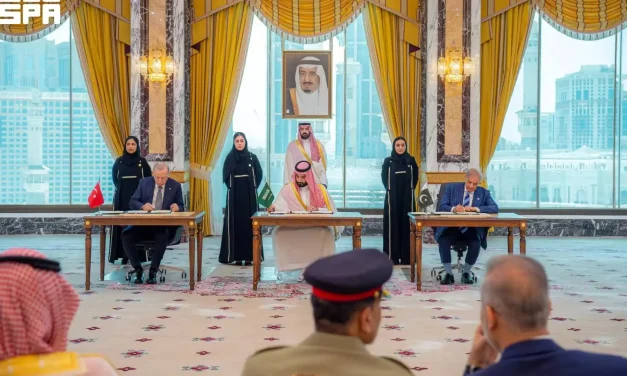
The Makkah Pact; Reasons for its Formation and Challenges Ahead

SCFR Online – Opinion: The Makkah Pact, signed between Saudi Arabia, Pakistan, and Turkey under the motto “an attack on one is an attack on all,” is viewed by some analysts less as a full-fledged military coalition and more as an attempt to reduce security dependence on an external power and to establish a regional security mechanism.

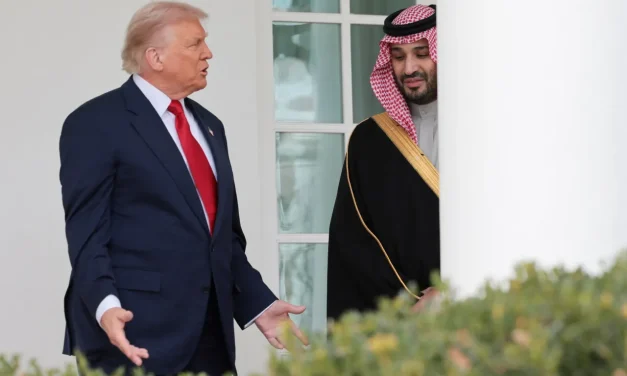
Implications of the US-Saudi Nuclear Agreement

SCFR Online – Opinion: The new US-Saudi nuclear agreement, despite legal and political ambiguities, could alter previous non-proliferation standards in West Asia and intensify nuclear competition, ushering it into a new phase.

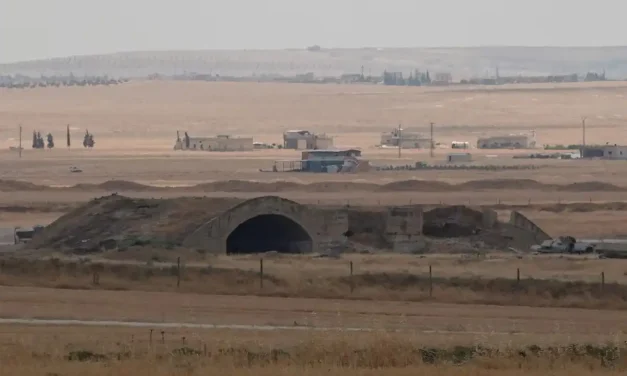
An Analysis of Recent Turkey-Israeli Regime Tensions

SCFR Online – Opinion: Recent developments in Syria indicate an intensification of strategic rivalry between Turkey and the Israeli regime, but mutual considerations and the role of the United States have limited the likelihood of direct war.

Loading

Últimas publicaciones

China’s Rejection of US Sanctions; Strengthening Iran’s Geopolitical Leverage

SCFR Online – Opinion: Concurrent with the official commencement of the United States’ economic war against our country, focusing on sanctions instruments, isolation, and economic pressure, what has now become increasingly important is the lack of alignment of other major global powers, especially China, with this policy.

The Makkah Pact; Reasons for its Formation and Challenges Ahead

SCFR Online – Opinion: The Makkah Pact, signed between Saudi Arabia, Pakistan, and Turkey under the motto “an attack on one is an attack on all,” is viewed by some analysts less as a full-fledged military coalition and more as an attempt to reduce security dependence on an external power and to establish a regional security mechanism.

Implications of the US-Saudi Nuclear Agreement

SCFR Online – Opinion: The new US-Saudi nuclear agreement, despite legal and political ambiguities, could alter previous non-proliferation standards in West Asia and intensify nuclear competition, ushering it into a new phase.

An Analysis of Recent Turkey-Israeli Regime Tensions

SCFR Online – Opinion: Recent developments in Syria indicate an intensification of strategic rivalry between Turkey and the Israeli regime, but mutual considerations and the role of the United States have limited the likelihood of direct war.

Loading

DERNIER CONTENU

China’s Rejection of US Sanctions; Strengthening Iran’s Geopolitical Leverage

SCFR Online – Opinion: Concurrent with the official commencement of the United States’ economic war against our country, focusing on sanctions instruments, isolation, and economic pressure, what has now become increasingly important is the lack of alignment of other major global powers, especially China, with this policy.

The Makkah Pact; Reasons for its Formation and Challenges Ahead

SCFR Online – Opinion: The Makkah Pact, signed between Saudi Arabia, Pakistan, and Turkey under the motto “an attack on one is an attack on all,” is viewed by some analysts less as a full-fledged military coalition and more as an attempt to reduce security dependence on an external power and to establish a regional security mechanism.

Implications of the US-Saudi Nuclear Agreement

SCFR Online – Opinion: The new US-Saudi nuclear agreement, despite legal and political ambiguities, could alter previous non-proliferation standards in West Asia and intensify nuclear competition, ushering it into a new phase.

An Analysis of Recent Turkey-Israeli Regime Tensions

SCFR Online – Opinion: Recent developments in Syria indicate an intensification of strategic rivalry between Turkey and the Israeli regime, but mutual considerations and the role of the United States have limited the likelihood of direct war.

Loading

DERNIER CONTENU

China’s Rejection of US Sanctions; Strengthening Iran’s Geopolitical Leverage

SCFR Online – Opinion: Concurrent with the official commencement of the United States’ economic war against our country, focusing on sanctions instruments, isolation, and economic pressure, what has now become increasingly important is the lack of alignment of other major global powers, especially China, with this policy.

The Makkah Pact; Reasons for its Formation and Challenges Ahead

SCFR Online – Opinion: The Makkah Pact, signed between Saudi Arabia, Pakistan, and Turkey under the motto “an attack on one is an attack on all,” is viewed by some analysts less as a full-fledged military coalition and more as an attempt to reduce security dependence on an external power and to establish a regional security mechanism.

Implications of the US-Saudi Nuclear Agreement

SCFR Online – Opinion: The new US-Saudi nuclear agreement, despite legal and political ambiguities, could alter previous non-proliferation standards in West Asia and intensify nuclear competition, ushering it into a new phase.

An Analysis of Recent Turkey-Israeli Regime Tensions

SCFR Online – Opinion: Recent developments in Syria indicate an intensification of strategic rivalry between Turkey and the Israeli regime, but mutual considerations and the role of the United States have limited the likelihood of direct war.

Loading

DERNIER CONTENU

China’s Rejection of US Sanctions; Strengthening Iran’s Geopolitical Leverage

SCFR Online – Opinion: Concurrent with the official commencement of the United States’ economic war against our country, focusing on sanctions instruments, isolation, and economic pressure, what has now become increasingly important is the lack of alignment of other major global powers, especially China, with this policy.

The Makkah Pact; Reasons for its Formation and Challenges Ahead

SCFR Online – Opinion: The Makkah Pact, signed between Saudi Arabia, Pakistan, and Turkey under the motto “an attack on one is an attack on all,” is viewed by some analysts less as a full-fledged military coalition and more as an attempt to reduce security dependence on an external power and to establish a regional security mechanism.

Implications of the US-Saudi Nuclear Agreement

SCFR Online – Opinion: The new US-Saudi nuclear agreement, despite legal and political ambiguities, could alter previous non-proliferation standards in West Asia and intensify nuclear competition, ushering it into a new phase.

An Analysis of Recent Turkey-Israeli Regime Tensions

SCFR Online – Opinion: Recent developments in Syria indicate an intensification of strategic rivalry between Turkey and the Israeli regime, but mutual considerations and the role of the United States have limited the likelihood of direct war.

Loading