جدیدترین مطالب

Consequences of Declining Trust in the Judiciary in Europe

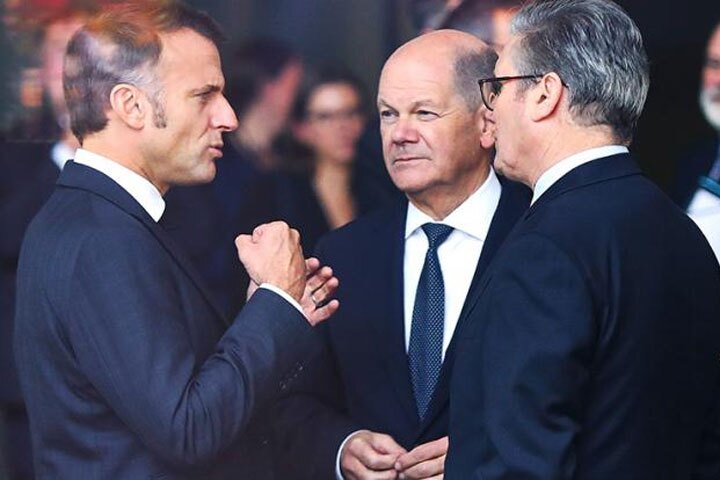
SCFRonline – Opinion: The increase in public distrust of the French judicial system, which in recent surveys has reached approximately two-thirds of citizens, should be analyzed within a framework broader than temporary dissatisfaction or an emotional reaction to a particular criminal case.

Iran’s Potential Levers of Power

SCFRonline– Opinion: Iran’s geopolitical power is not limited solely to oil and the Strait of Hormuz; the unintended emergence of disruptions in the future global food and energy security chains can also demonstrate Iran’s strategic importance.

The Inseparability of the Lebanese Front from the Axis of Resistance

SCFR Online–Opinion: By providing an extensive network of social, healthcare, educational, and post-war reconstruction services, Hezbollah has established a strong social base for itself among Lebanon’s Shiites and Sunnis, and even beyond that, among other segments of Lebanese society, including Christians. Hezbollah has never been an external actor imposed upon Lebanon; rather, it is a phenomenon fundamentally born out of the occupation and crimes of the Zionist regime and itself influenced by popular resistance.

The Increasing Efforts of the Zionist Regime to Redefine Borders and the Regional Order and Its Consequences

SCFR Online– Opinion: Security and military developments in the region over recent months indicate that the ongoing crises and wars in Gaza, southern Lebanon, and parts of Syrian territory encompass broader dimensions of geopolitical and geostrategic transformations. In this context, the increased military presence and control of the Zionist regime over parts of the territories of these areas, along with proposals regarding the creation of buffer zones or even the expansion of security borders, have raised serious questions about the future of the regional order and its consequences for the countries of West Asia.

Loading

USA

Implications of Trump Cabinet Reshuffle on U.S. Foreign Policy

Implications of Trump Cabinet Reshuffle on U.S. Foreign Policy

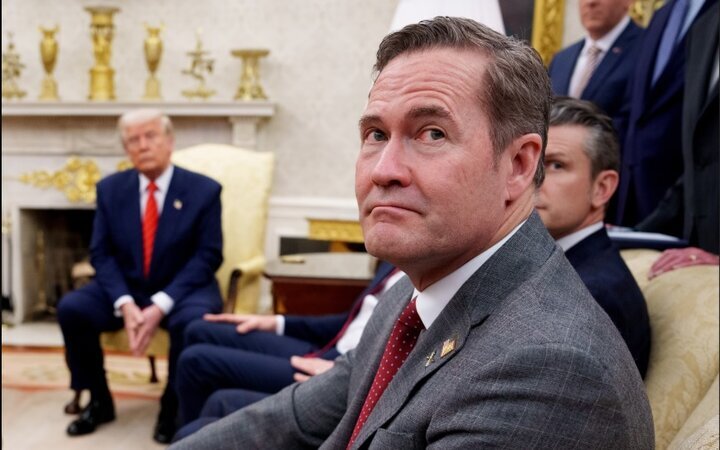
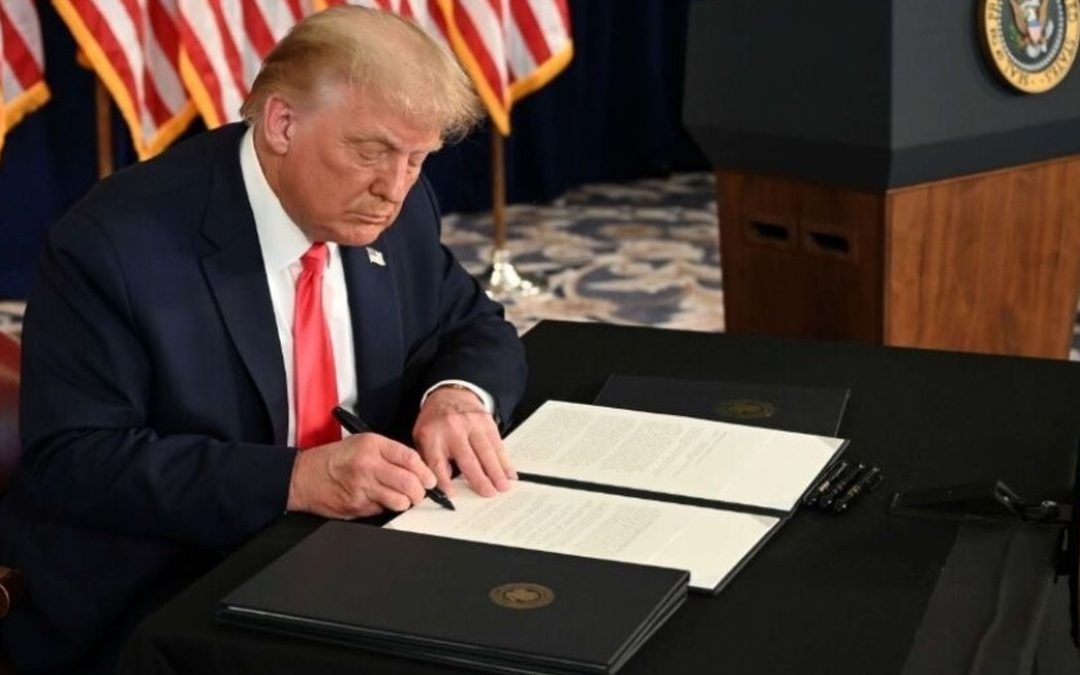
Strategic Council Online – Opinion: As Donald Trump’s second administration recently passed its 100-day mark, some changes in the composition of his team signal a potential reassessment of the structure and direction of U.S. foreign policy.

The Main Objective of Trump’s Proposal for Ukraine-Russia Peace Negotiations

The Main Objective of Trump’s Proposal for Ukraine-Russia Peace Negotiations

Strategic Council Online– Interview: An international affairs expert stated that the agreement between Ukraine and the U.S. on sharing profits from the sale of Ukrainian minerals, along with the shift in the U.S. stance on peace negotiations and the fading of its mediation between Moscow and Kyiv, demonstrates that Trump was never genuinely concerned with peace, termination of the war, or respecting the territorial integrity of nations. Instead, his sole focus has been securing his interests and objectives in Ukraine.

Analysis of the Show Trial of Israeli Military Officials

Analysis of the Show Trial of Israeli Military Officials

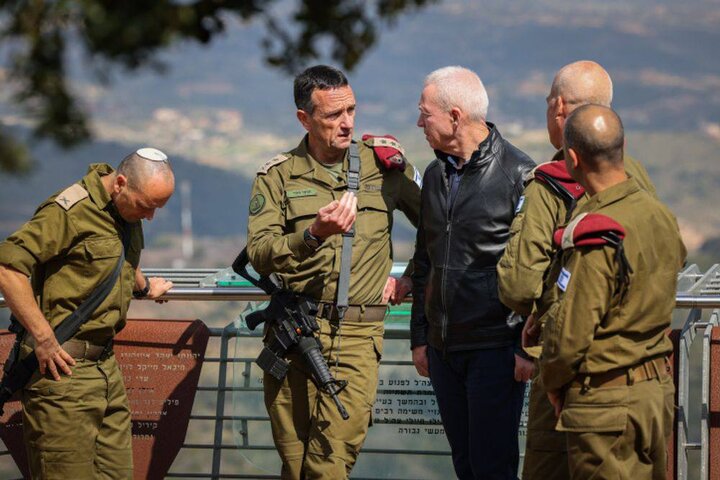
Strategic Council Online – Interview: An expert on regional issues referring to the Israeli regime’s move to try two military officials for violating human rights and humanitarian law, said: the Israeli regime officials believe that domestically they should expel Palestinians, and internationally they should make it seem like a standard action, so they are trying to justify the accusations against them by holding show trials.

Reducing US Military Presence in Syria: Motivations and Strategic Consequences

Reducing US Military Presence in Syria: Motivations and Strategic Consequences

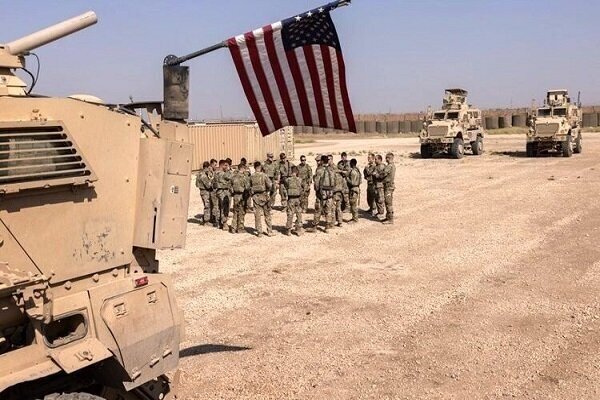
Strategic Council Online – Opinion: On April 18, 2025, the US Department of Defense (Pentagon) announced a review of the deployment of its military forces in Syria codenamed “Operation Inherent Resolve”. This plan, designed in line with Donald Trump’s policies to reduce US military presence in the Middle East, will reduce the number of US troops from 10,000 to 1,000 within two months. Although this measure was announced under the pretext of success in weakening ISIS, it is part of a broader US strategy to redefine its mission in the region. However, numerous political and security complexities accompany this decision, the consequences of which will be significant for Syria, the entire region, and even the international system.

EU3 and Iran-US Nuclear Talks

EU3 and Iran-US Nuclear Talks

Strategic Council Online – Guest Opinion: The recent nuclear talks between Iran and the United States, which are being conducted through the mediation of Oman, have once again attracted the attention of the international community. Although in the past, Iran, due to its differences and problems with the United States, mostly entered into negotiations on nuclear issues with European countries, especially the United Kingdom, France and Germany (EU3), in this period, due to specific regional and international conditions, and mainly due to the US President Donald Trump’s approach these negotiations have been limited to Iran and the United States, and other world powers are not present in the talks at the moment.

Tariff War; Creating a Deep Fault in the Transatlantic Alliance

Tariff War; Creating a Deep Fault in the Transatlantic Alliance

Strategic Council Online – Opinion: In recent weeks, the United States’ new tariff policies have also affected the goods of traditional American allies in Europe, once again activating the conditions for creating tension in transatlantic relations.

A Look at Netanyahu’s Domestic and Foreign Challenges

A Look at Netanyahu’s Domestic and Foreign Challenges

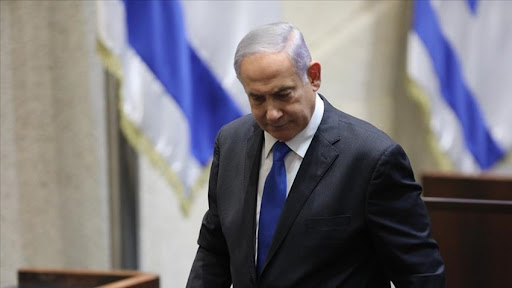
Strategic Council Online – Interview: An expert on regional issues said: The members of the far-right coalition in the Zionist regime are seeking the destruction of Hamas, and Netanyahu continues the war to keep them satisfied.

Analysis of the US Smart Deterrence Policy

Analysis of the US Smart Deterrence Policy

Strategic Council Online – Opinion: Deterrence has always been one of the main pillars of the US foreign and security policy against its rivals. However, geopolitical developments, the emergence of non-state actors, cyber threats, and changes in the global balance of power show the need for the US to reconsider its traditional deterrence approaches. In this regard, the concept of “smart deterrence” as a combination of hard and soft tools has attracted the attention of American politicians.

Tariff War and Escalation of Tension in China-US Relations

Tariff War and Escalation of Tension in China-US Relations

Strategic Council Online – Interview: The Secretary-General of the Iran-China Strategic Studies Institute believes that following the tariff war between China and the US, relations between Washington and Beijing face a turbulent outlook during the Trump era.

أحدث الوظائف

Consequences of Declining Trust in the Judiciary in Europe

SCFRonline – Opinion: The increase in public distrust of the French judicial system, which in recent surveys has reached approximately two-thirds of citizens, should be analyzed within a framework broader than temporary dissatisfaction or an emotional reaction to a particular criminal case.

Iran’s Potential Levers of Power

SCFRonline– Opinion: Iran’s geopolitical power is not limited solely to oil and the Strait of Hormuz; the unintended emergence of disruptions in the future global food and energy security chains can also demonstrate Iran’s strategic importance.

The Inseparability of the Lebanese Front from the Axis of Resistance

SCFR Online–Opinion: By providing an extensive network of social, healthcare, educational, and post-war reconstruction services, Hezbollah has established a strong social base for itself among Lebanon’s Shiites and Sunnis, and even beyond that, among other segments of Lebanese society, including Christians. Hezbollah has never been an external actor imposed upon Lebanon; rather, it is a phenomenon fundamentally born out of the occupation and crimes of the Zionist regime and itself influenced by popular resistance.

The Increasing Efforts of the Zionist Regime to Redefine Borders and the Regional Order and Its Consequences

SCFR Online– Opinion: Security and military developments in the region over recent months indicate that the ongoing crises and wars in Gaza, southern Lebanon, and parts of Syrian territory encompass broader dimensions of geopolitical and geostrategic transformations. In this context, the increased military presence and control of the Zionist regime over parts of the territories of these areas, along with proposals regarding the creation of buffer zones or even the expansion of security borders, have raised serious questions about the future of the regional order and its consequences for the countries of West Asia.

Loading

USA

Implications of Trump Cabinet Reshuffle on U.S. Foreign Policy

Implications of Trump Cabinet Reshuffle on U.S. Foreign Policy

Strategic Council Online – Opinion: As Donald Trump’s second administration recently passed its 100-day mark, some changes in the composition of his team signal a potential reassessment of the structure and direction of U.S. foreign policy.

The Main Objective of Trump’s Proposal for Ukraine-Russia Peace Negotiations

The Main Objective of Trump’s Proposal for Ukraine-Russia Peace Negotiations

Strategic Council Online– Interview: An international affairs expert stated that the agreement between Ukraine and the U.S. on sharing profits from the sale of Ukrainian minerals, along with the shift in the U.S. stance on peace negotiations and the fading of its mediation between Moscow and Kyiv, demonstrates that Trump was never genuinely concerned with peace, termination of the war, or respecting the territorial integrity of nations. Instead, his sole focus has been securing his interests and objectives in Ukraine.

Analysis of the Show Trial of Israeli Military Officials

Analysis of the Show Trial of Israeli Military Officials

Strategic Council Online – Interview: An expert on regional issues referring to the Israeli regime’s move to try two military officials for violating human rights and humanitarian law, said: the Israeli regime officials believe that domestically they should expel Palestinians, and internationally they should make it seem like a standard action, so they are trying to justify the accusations against them by holding show trials.

Reducing US Military Presence in Syria: Motivations and Strategic Consequences

Reducing US Military Presence in Syria: Motivations and Strategic Consequences

Strategic Council Online – Opinion: On April 18, 2025, the US Department of Defense (Pentagon) announced a review of the deployment of its military forces in Syria codenamed “Operation Inherent Resolve”. This plan, designed in line with Donald Trump’s policies to reduce US military presence in the Middle East, will reduce the number of US troops from 10,000 to 1,000 within two months. Although this measure was announced under the pretext of success in weakening ISIS, it is part of a broader US strategy to redefine its mission in the region. However, numerous political and security complexities accompany this decision, the consequences of which will be significant for Syria, the entire region, and even the international system.

EU3 and Iran-US Nuclear Talks

EU3 and Iran-US Nuclear Talks

Strategic Council Online – Guest Opinion: The recent nuclear talks between Iran and the United States, which are being conducted through the mediation of Oman, have once again attracted the attention of the international community. Although in the past, Iran, due to its differences and problems with the United States, mostly entered into negotiations on nuclear issues with European countries, especially the United Kingdom, France and Germany (EU3), in this period, due to specific regional and international conditions, and mainly due to the US President Donald Trump’s approach these negotiations have been limited to Iran and the United States, and other world powers are not present in the talks at the moment.

Tariff War; Creating a Deep Fault in the Transatlantic Alliance

Tariff War; Creating a Deep Fault in the Transatlantic Alliance

Strategic Council Online – Opinion: In recent weeks, the United States’ new tariff policies have also affected the goods of traditional American allies in Europe, once again activating the conditions for creating tension in transatlantic relations.

A Look at Netanyahu’s Domestic and Foreign Challenges

A Look at Netanyahu’s Domestic and Foreign Challenges

Strategic Council Online – Interview: An expert on regional issues said: The members of the far-right coalition in the Zionist regime are seeking the destruction of Hamas, and Netanyahu continues the war to keep them satisfied.

Analysis of the US Smart Deterrence Policy

Analysis of the US Smart Deterrence Policy

Strategic Council Online – Opinion: Deterrence has always been one of the main pillars of the US foreign and security policy against its rivals. However, geopolitical developments, the emergence of non-state actors, cyber threats, and changes in the global balance of power show the need for the US to reconsider its traditional deterrence approaches. In this regard, the concept of “smart deterrence” as a combination of hard and soft tools has attracted the attention of American politicians.

Tariff War and Escalation of Tension in China-US Relations

Tariff War and Escalation of Tension in China-US Relations

Strategic Council Online – Interview: The Secretary-General of the Iran-China Strategic Studies Institute believes that following the tariff war between China and the US, relations between Washington and Beijing face a turbulent outlook during the Trump era.

USA

Implications of Trump Cabinet Reshuffle on U.S. Foreign Policy

Implications of Trump Cabinet Reshuffle on U.S. Foreign Policy

Strategic Council Online – Opinion: As Donald Trump’s second administration recently passed its 100-day mark, some changes in the composition of his team signal a potential reassessment of the structure and direction of U.S. foreign policy.

The Main Objective of Trump’s Proposal for Ukraine-Russia Peace Negotiations

The Main Objective of Trump’s Proposal for Ukraine-Russia Peace Negotiations

Strategic Council Online– Interview: An international affairs expert stated that the agreement between Ukraine and the U.S. on sharing profits from the sale of Ukrainian minerals, along with the shift in the U.S. stance on peace negotiations and the fading of its mediation between Moscow and Kyiv, demonstrates that Trump was never genuinely concerned with peace, termination of the war, or respecting the territorial integrity of nations. Instead, his sole focus has been securing his interests and objectives in Ukraine.

Analysis of the Show Trial of Israeli Military Officials

Analysis of the Show Trial of Israeli Military Officials

Strategic Council Online – Interview: An expert on regional issues referring to the Israeli regime’s move to try two military officials for violating human rights and humanitarian law, said: the Israeli regime officials believe that domestically they should expel Palestinians, and internationally they should make it seem like a standard action, so they are trying to justify the accusations against them by holding show trials.

Reducing US Military Presence in Syria: Motivations and Strategic Consequences

Reducing US Military Presence in Syria: Motivations and Strategic Consequences

Strategic Council Online – Opinion: On April 18, 2025, the US Department of Defense (Pentagon) announced a review of the deployment of its military forces in Syria codenamed “Operation Inherent Resolve”. This plan, designed in line with Donald Trump’s policies to reduce US military presence in the Middle East, will reduce the number of US troops from 10,000 to 1,000 within two months. Although this measure was announced under the pretext of success in weakening ISIS, it is part of a broader US strategy to redefine its mission in the region. However, numerous political and security complexities accompany this decision, the consequences of which will be significant for Syria, the entire region, and even the international system.

EU3 and Iran-US Nuclear Talks

EU3 and Iran-US Nuclear Talks

Strategic Council Online – Guest Opinion: The recent nuclear talks between Iran and the United States, which are being conducted through the mediation of Oman, have once again attracted the attention of the international community. Although in the past, Iran, due to its differences and problems with the United States, mostly entered into negotiations on nuclear issues with European countries, especially the United Kingdom, France and Germany (EU3), in this period, due to specific regional and international conditions, and mainly due to the US President Donald Trump’s approach these negotiations have been limited to Iran and the United States, and other world powers are not present in the talks at the moment.

Tariff War; Creating a Deep Fault in the Transatlantic Alliance

Tariff War; Creating a Deep Fault in the Transatlantic Alliance

Strategic Council Online – Opinion: In recent weeks, the United States’ new tariff policies have also affected the goods of traditional American allies in Europe, once again activating the conditions for creating tension in transatlantic relations.

A Look at Netanyahu’s Domestic and Foreign Challenges

A Look at Netanyahu’s Domestic and Foreign Challenges

Strategic Council Online – Interview: An expert on regional issues said: The members of the far-right coalition in the Zionist regime are seeking the destruction of Hamas, and Netanyahu continues the war to keep them satisfied.

Analysis of the US Smart Deterrence Policy

Analysis of the US Smart Deterrence Policy

Strategic Council Online – Opinion: Deterrence has always been one of the main pillars of the US foreign and security policy against its rivals. However, geopolitical developments, the emergence of non-state actors, cyber threats, and changes in the global balance of power show the need for the US to reconsider its traditional deterrence approaches. In this regard, the concept of “smart deterrence” as a combination of hard and soft tools has attracted the attention of American politicians.

Tariff War and Escalation of Tension in China-US Relations

Tariff War and Escalation of Tension in China-US Relations

Strategic Council Online – Interview: The Secretary-General of the Iran-China Strategic Studies Institute believes that following the tariff war between China and the US, relations between Washington and Beijing face a turbulent outlook during the Trump era.

LATEST CONTENT

Consequences of Declining Trust in the Judiciary in Europe

SCFRonline – Opinion: The increase in public distrust of the French judicial system, which in recent surveys has reached approximately two-thirds of citizens, should be analyzed within a framework broader than temporary dissatisfaction or an emotional reaction to a particular criminal case.

Iran’s Potential Levers of Power

SCFRonline– Opinion: Iran’s geopolitical power is not limited solely to oil and the Strait of Hormuz; the unintended emergence of disruptions in the future global food and energy security chains can also demonstrate Iran’s strategic importance.

The Inseparability of the Lebanese Front from the Axis of Resistance

SCFR Online–Opinion: By providing an extensive network of social, healthcare, educational, and post-war reconstruction services, Hezbollah has established a strong social base for itself among Lebanon’s Shiites and Sunnis, and even beyond that, among other segments of Lebanese society, including Christians. Hezbollah has never been an external actor imposed upon Lebanon; rather, it is a phenomenon fundamentally born out of the occupation and crimes of the Zionist regime and itself influenced by popular resistance.

The Increasing Efforts of the Zionist Regime to Redefine Borders and the Regional Order and Its Consequences

SCFR Online– Opinion: Security and military developments in the region over recent months indicate that the ongoing crises and wars in Gaza, southern Lebanon, and parts of Syrian territory encompass broader dimensions of geopolitical and geostrategic transformations. In this context, the increased military presence and control of the Zionist regime over parts of the territories of these areas, along with proposals regarding the creation of buffer zones or even the expansion of security borders, have raised serious questions about the future of the regional order and its consequences for the countries of West Asia.

Loading

USA

Implications of Trump Cabinet Reshuffle on U.S. Foreign Policy

Implications of Trump Cabinet Reshuffle on U.S. Foreign Policy

Strategic Council Online – Opinion: As Donald Trump’s second administration recently passed its 100-day mark, some changes in the composition of his team signal a potential reassessment of the structure and direction of U.S. foreign policy.

The Main Objective of Trump’s Proposal for Ukraine-Russia Peace Negotiations

The Main Objective of Trump’s Proposal for Ukraine-Russia Peace Negotiations

Strategic Council Online– Interview: An international affairs expert stated that the agreement between Ukraine and the U.S. on sharing profits from the sale of Ukrainian minerals, along with the shift in the U.S. stance on peace negotiations and the fading of its mediation between Moscow and Kyiv, demonstrates that Trump was never genuinely concerned with peace, termination of the war, or respecting the territorial integrity of nations. Instead, his sole focus has been securing his interests and objectives in Ukraine.

Analysis of the Show Trial of Israeli Military Officials

Analysis of the Show Trial of Israeli Military Officials

Strategic Council Online – Interview: An expert on regional issues referring to the Israeli regime’s move to try two military officials for violating human rights and humanitarian law, said: the Israeli regime officials believe that domestically they should expel Palestinians, and internationally they should make it seem like a standard action, so they are trying to justify the accusations against them by holding show trials.

Reducing US Military Presence in Syria: Motivations and Strategic Consequences

Reducing US Military Presence in Syria: Motivations and Strategic Consequences

Strategic Council Online – Opinion: On April 18, 2025, the US Department of Defense (Pentagon) announced a review of the deployment of its military forces in Syria codenamed “Operation Inherent Resolve”. This plan, designed in line with Donald Trump’s policies to reduce US military presence in the Middle East, will reduce the number of US troops from 10,000 to 1,000 within two months. Although this measure was announced under the pretext of success in weakening ISIS, it is part of a broader US strategy to redefine its mission in the region. However, numerous political and security complexities accompany this decision, the consequences of which will be significant for Syria, the entire region, and even the international system.

EU3 and Iran-US Nuclear Talks

EU3 and Iran-US Nuclear Talks

Strategic Council Online – Guest Opinion: The recent nuclear talks between Iran and the United States, which are being conducted through the mediation of Oman, have once again attracted the attention of the international community. Although in the past, Iran, due to its differences and problems with the United States, mostly entered into negotiations on nuclear issues with European countries, especially the United Kingdom, France and Germany (EU3), in this period, due to specific regional and international conditions, and mainly due to the US President Donald Trump’s approach these negotiations have been limited to Iran and the United States, and other world powers are not present in the talks at the moment.

Tariff War; Creating a Deep Fault in the Transatlantic Alliance

Tariff War; Creating a Deep Fault in the Transatlantic Alliance

Strategic Council Online – Opinion: In recent weeks, the United States’ new tariff policies have also affected the goods of traditional American allies in Europe, once again activating the conditions for creating tension in transatlantic relations.

A Look at Netanyahu’s Domestic and Foreign Challenges

A Look at Netanyahu’s Domestic and Foreign Challenges

Strategic Council Online – Interview: An expert on regional issues said: The members of the far-right coalition in the Zionist regime are seeking the destruction of Hamas, and Netanyahu continues the war to keep them satisfied.

Analysis of the US Smart Deterrence Policy

Analysis of the US Smart Deterrence Policy

Strategic Council Online – Opinion: Deterrence has always been one of the main pillars of the US foreign and security policy against its rivals. However, geopolitical developments, the emergence of non-state actors, cyber threats, and changes in the global balance of power show the need for the US to reconsider its traditional deterrence approaches. In this regard, the concept of “smart deterrence” as a combination of hard and soft tools has attracted the attention of American politicians.

Tariff War and Escalation of Tension in China-US Relations

Tariff War and Escalation of Tension in China-US Relations

Strategic Council Online – Interview: The Secretary-General of the Iran-China Strategic Studies Institute believes that following the tariff war between China and the US, relations between Washington and Beijing face a turbulent outlook during the Trump era.

ÚLTIMAS PUBLICACIONES

Consequences of Declining Trust in the Judiciary in Europe

SCFRonline – Opinion: The increase in public distrust of the French judicial system, which in recent surveys has reached approximately two-thirds of citizens, should be analyzed within a framework broader than temporary dissatisfaction or an emotional reaction to a particular criminal case.

Iran’s Potential Levers of Power

SCFRonline– Opinion: Iran’s geopolitical power is not limited solely to oil and the Strait of Hormuz; the unintended emergence of disruptions in the future global food and energy security chains can also demonstrate Iran’s strategic importance.

The Inseparability of the Lebanese Front from the Axis of Resistance

SCFR Online–Opinion: By providing an extensive network of social, healthcare, educational, and post-war reconstruction services, Hezbollah has established a strong social base for itself among Lebanon’s Shiites and Sunnis, and even beyond that, among other segments of Lebanese society, including Christians. Hezbollah has never been an external actor imposed upon Lebanon; rather, it is a phenomenon fundamentally born out of the occupation and crimes of the Zionist regime and itself influenced by popular resistance.

The Increasing Efforts of the Zionist Regime to Redefine Borders and the Regional Order and Its Consequences

SCFR Online– Opinion: Security and military developments in the region over recent months indicate that the ongoing crises and wars in Gaza, southern Lebanon, and parts of Syrian territory encompass broader dimensions of geopolitical and geostrategic transformations. In this context, the increased military presence and control of the Zionist regime over parts of the territories of these areas, along with proposals regarding the creation of buffer zones or even the expansion of security borders, have raised serious questions about the future of the regional order and its consequences for the countries of West Asia.

Loading

USA

Implications of Trump Cabinet Reshuffle on U.S. Foreign Policy

Implications of Trump Cabinet Reshuffle on U.S. Foreign Policy

Strategic Council Online – Opinion: As Donald Trump’s second administration recently passed its 100-day mark, some changes in the composition of his team signal a potential reassessment of the structure and direction of U.S. foreign policy.

The Main Objective of Trump’s Proposal for Ukraine-Russia Peace Negotiations

The Main Objective of Trump’s Proposal for Ukraine-Russia Peace Negotiations

Strategic Council Online– Interview: An international affairs expert stated that the agreement between Ukraine and the U.S. on sharing profits from the sale of Ukrainian minerals, along with the shift in the U.S. stance on peace negotiations and the fading of its mediation between Moscow and Kyiv, demonstrates that Trump was never genuinely concerned with peace, termination of the war, or respecting the territorial integrity of nations. Instead, his sole focus has been securing his interests and objectives in Ukraine.

Analysis of the Show Trial of Israeli Military Officials

Analysis of the Show Trial of Israeli Military Officials

Strategic Council Online – Interview: An expert on regional issues referring to the Israeli regime’s move to try two military officials for violating human rights and humanitarian law, said: the Israeli regime officials believe that domestically they should expel Palestinians, and internationally they should make it seem like a standard action, so they are trying to justify the accusations against them by holding show trials.

Reducing US Military Presence in Syria: Motivations and Strategic Consequences

Reducing US Military Presence in Syria: Motivations and Strategic Consequences

Strategic Council Online – Opinion: On April 18, 2025, the US Department of Defense (Pentagon) announced a review of the deployment of its military forces in Syria codenamed “Operation Inherent Resolve”. This plan, designed in line with Donald Trump’s policies to reduce US military presence in the Middle East, will reduce the number of US troops from 10,000 to 1,000 within two months. Although this measure was announced under the pretext of success in weakening ISIS, it is part of a broader US strategy to redefine its mission in the region. However, numerous political and security complexities accompany this decision, the consequences of which will be significant for Syria, the entire region, and even the international system.

EU3 and Iran-US Nuclear Talks

EU3 and Iran-US Nuclear Talks

Strategic Council Online – Guest Opinion: The recent nuclear talks between Iran and the United States, which are being conducted through the mediation of Oman, have once again attracted the attention of the international community. Although in the past, Iran, due to its differences and problems with the United States, mostly entered into negotiations on nuclear issues with European countries, especially the United Kingdom, France and Germany (EU3), in this period, due to specific regional and international conditions, and mainly due to the US President Donald Trump’s approach these negotiations have been limited to Iran and the United States, and other world powers are not present in the talks at the moment.

Tariff War; Creating a Deep Fault in the Transatlantic Alliance

Tariff War; Creating a Deep Fault in the Transatlantic Alliance

Strategic Council Online – Opinion: In recent weeks, the United States’ new tariff policies have also affected the goods of traditional American allies in Europe, once again activating the conditions for creating tension in transatlantic relations.

A Look at Netanyahu’s Domestic and Foreign Challenges

A Look at Netanyahu’s Domestic and Foreign Challenges

Strategic Council Online – Interview: An expert on regional issues said: The members of the far-right coalition in the Zionist regime are seeking the destruction of Hamas, and Netanyahu continues the war to keep them satisfied.

Analysis of the US Smart Deterrence Policy

Analysis of the US Smart Deterrence Policy

Strategic Council Online – Opinion: Deterrence has always been one of the main pillars of the US foreign and security policy against its rivals. However, geopolitical developments, the emergence of non-state actors, cyber threats, and changes in the global balance of power show the need for the US to reconsider its traditional deterrence approaches. In this regard, the concept of “smart deterrence” as a combination of hard and soft tools has attracted the attention of American politicians.

Tariff War and Escalation of Tension in China-US Relations

Tariff War and Escalation of Tension in China-US Relations

Strategic Council Online – Interview: The Secretary-General of the Iran-China Strategic Studies Institute believes that following the tariff war between China and the US, relations between Washington and Beijing face a turbulent outlook during the Trump era.

ÚLTIMAS PUBLICACIONES

Consequences of Declining Trust in the Judiciary in Europe

SCFRonline – Opinion: The increase in public distrust of the French judicial system, which in recent surveys has reached approximately two-thirds of citizens, should be analyzed within a framework broader than temporary dissatisfaction or an emotional reaction to a particular criminal case.

Iran’s Potential Levers of Power

SCFRonline– Opinion: Iran’s geopolitical power is not limited solely to oil and the Strait of Hormuz; the unintended emergence of disruptions in the future global food and energy security chains can also demonstrate Iran’s strategic importance.

The Inseparability of the Lebanese Front from the Axis of Resistance

SCFR Online–Opinion: By providing an extensive network of social, healthcare, educational, and post-war reconstruction services, Hezbollah has established a strong social base for itself among Lebanon’s Shiites and Sunnis, and even beyond that, among other segments of Lebanese society, including Christians. Hezbollah has never been an external actor imposed upon Lebanon; rather, it is a phenomenon fundamentally born out of the occupation and crimes of the Zionist regime and itself influenced by popular resistance.

The Increasing Efforts of the Zionist Regime to Redefine Borders and the Regional Order and Its Consequences

SCFR Online– Opinion: Security and military developments in the region over recent months indicate that the ongoing crises and wars in Gaza, southern Lebanon, and parts of Syrian territory encompass broader dimensions of geopolitical and geostrategic transformations. In this context, the increased military presence and control of the Zionist regime over parts of the territories of these areas, along with proposals regarding the creation of buffer zones or even the expansion of security borders, have raised serious questions about the future of the regional order and its consequences for the countries of West Asia.

Loading

USA

Implications of Trump Cabinet Reshuffle on U.S. Foreign Policy

Implications of Trump Cabinet Reshuffle on U.S. Foreign Policy

Strategic Council Online – Opinion: As Donald Trump’s second administration recently passed its 100-day mark, some changes in the composition of his team signal a potential reassessment of the structure and direction of U.S. foreign policy.

The Main Objective of Trump’s Proposal for Ukraine-Russia Peace Negotiations

The Main Objective of Trump’s Proposal for Ukraine-Russia Peace Negotiations

Strategic Council Online– Interview: An international affairs expert stated that the agreement between Ukraine and the U.S. on sharing profits from the sale of Ukrainian minerals, along with the shift in the U.S. stance on peace negotiations and the fading of its mediation between Moscow and Kyiv, demonstrates that Trump was never genuinely concerned with peace, termination of the war, or respecting the territorial integrity of nations. Instead, his sole focus has been securing his interests and objectives in Ukraine.

Analysis of the Show Trial of Israeli Military Officials

Analysis of the Show Trial of Israeli Military Officials

Strategic Council Online – Interview: An expert on regional issues referring to the Israeli regime’s move to try two military officials for violating human rights and humanitarian law, said: the Israeli regime officials believe that domestically they should expel Palestinians, and internationally they should make it seem like a standard action, so they are trying to justify the accusations against them by holding show trials.

Reducing US Military Presence in Syria: Motivations and Strategic Consequences

Reducing US Military Presence in Syria: Motivations and Strategic Consequences

Strategic Council Online – Opinion: On April 18, 2025, the US Department of Defense (Pentagon) announced a review of the deployment of its military forces in Syria codenamed “Operation Inherent Resolve”. This plan, designed in line with Donald Trump’s policies to reduce US military presence in the Middle East, will reduce the number of US troops from 10,000 to 1,000 within two months. Although this measure was announced under the pretext of success in weakening ISIS, it is part of a broader US strategy to redefine its mission in the region. However, numerous political and security complexities accompany this decision, the consequences of which will be significant for Syria, the entire region, and even the international system.

EU3 and Iran-US Nuclear Talks

EU3 and Iran-US Nuclear Talks

Strategic Council Online – Guest Opinion: The recent nuclear talks between Iran and the United States, which are being conducted through the mediation of Oman, have once again attracted the attention of the international community. Although in the past, Iran, due to its differences and problems with the United States, mostly entered into negotiations on nuclear issues with European countries, especially the United Kingdom, France and Germany (EU3), in this period, due to specific regional and international conditions, and mainly due to the US President Donald Trump’s approach these negotiations have been limited to Iran and the United States, and other world powers are not present in the talks at the moment.

Tariff War; Creating a Deep Fault in the Transatlantic Alliance

Tariff War; Creating a Deep Fault in the Transatlantic Alliance

Strategic Council Online – Opinion: In recent weeks, the United States’ new tariff policies have also affected the goods of traditional American allies in Europe, once again activating the conditions for creating tension in transatlantic relations.

A Look at Netanyahu’s Domestic and Foreign Challenges

A Look at Netanyahu’s Domestic and Foreign Challenges

Strategic Council Online – Interview: An expert on regional issues said: The members of the far-right coalition in the Zionist regime are seeking the destruction of Hamas, and Netanyahu continues the war to keep them satisfied.

Analysis of the US Smart Deterrence Policy

Analysis of the US Smart Deterrence Policy

Strategic Council Online – Opinion: Deterrence has always been one of the main pillars of the US foreign and security policy against its rivals. However, geopolitical developments, the emergence of non-state actors, cyber threats, and changes in the global balance of power show the need for the US to reconsider its traditional deterrence approaches. In this regard, the concept of “smart deterrence” as a combination of hard and soft tools has attracted the attention of American politicians.

Tariff War and Escalation of Tension in China-US Relations

Tariff War and Escalation of Tension in China-US Relations

Strategic Council Online – Interview: The Secretary-General of the Iran-China Strategic Studies Institute believes that following the tariff war between China and the US, relations between Washington and Beijing face a turbulent outlook during the Trump era.

ÚLTIMAS PUBLICACIONES

Consequences of Declining Trust in the Judiciary in Europe

SCFRonline – Opinion: The increase in public distrust of the French judicial system, which in recent surveys has reached approximately two-thirds of citizens, should be analyzed within a framework broader than temporary dissatisfaction or an emotional reaction to a particular criminal case.

Iran’s Potential Levers of Power

SCFRonline– Opinion: Iran’s geopolitical power is not limited solely to oil and the Strait of Hormuz; the unintended emergence of disruptions in the future global food and energy security chains can also demonstrate Iran’s strategic importance.

The Inseparability of the Lebanese Front from the Axis of Resistance

SCFR Online–Opinion: By providing an extensive network of social, healthcare, educational, and post-war reconstruction services, Hezbollah has established a strong social base for itself among Lebanon’s Shiites and Sunnis, and even beyond that, among other segments of Lebanese society, including Christians. Hezbollah has never been an external actor imposed upon Lebanon; rather, it is a phenomenon fundamentally born out of the occupation and crimes of the Zionist regime and itself influenced by popular resistance.

The Increasing Efforts of the Zionist Regime to Redefine Borders and the Regional Order and Its Consequences

SCFR Online– Opinion: Security and military developments in the region over recent months indicate that the ongoing crises and wars in Gaza, southern Lebanon, and parts of Syrian territory encompass broader dimensions of geopolitical and geostrategic transformations. In this context, the increased military presence and control of the Zionist regime over parts of the territories of these areas, along with proposals regarding the creation of buffer zones or even the expansion of security borders, have raised serious questions about the future of the regional order and its consequences for the countries of West Asia.

Loading

USA

Implications of Trump Cabinet Reshuffle on U.S. Foreign Policy

Implications of Trump Cabinet Reshuffle on U.S. Foreign Policy

Strategic Council Online – Opinion: As Donald Trump’s second administration recently passed its 100-day mark, some changes in the composition of his team signal a potential reassessment of the structure and direction of U.S. foreign policy.

The Main Objective of Trump’s Proposal for Ukraine-Russia Peace Negotiations

The Main Objective of Trump’s Proposal for Ukraine-Russia Peace Negotiations

Strategic Council Online– Interview: An international affairs expert stated that the agreement between Ukraine and the U.S. on sharing profits from the sale of Ukrainian minerals, along with the shift in the U.S. stance on peace negotiations and the fading of its mediation between Moscow and Kyiv, demonstrates that Trump was never genuinely concerned with peace, termination of the war, or respecting the territorial integrity of nations. Instead, his sole focus has been securing his interests and objectives in Ukraine.

Analysis of the Show Trial of Israeli Military Officials

Analysis of the Show Trial of Israeli Military Officials

Strategic Council Online – Interview: An expert on regional issues referring to the Israeli regime’s move to try two military officials for violating human rights and humanitarian law, said: the Israeli regime officials believe that domestically they should expel Palestinians, and internationally they should make it seem like a standard action, so they are trying to justify the accusations against them by holding show trials.

Reducing US Military Presence in Syria: Motivations and Strategic Consequences

Reducing US Military Presence in Syria: Motivations and Strategic Consequences

Strategic Council Online – Opinion: On April 18, 2025, the US Department of Defense (Pentagon) announced a review of the deployment of its military forces in Syria codenamed “Operation Inherent Resolve”. This plan, designed in line with Donald Trump’s policies to reduce US military presence in the Middle East, will reduce the number of US troops from 10,000 to 1,000 within two months. Although this measure was announced under the pretext of success in weakening ISIS, it is part of a broader US strategy to redefine its mission in the region. However, numerous political and security complexities accompany this decision, the consequences of which will be significant for Syria, the entire region, and even the international system.

EU3 and Iran-US Nuclear Talks

EU3 and Iran-US Nuclear Talks

Strategic Council Online – Guest Opinion: The recent nuclear talks between Iran and the United States, which are being conducted through the mediation of Oman, have once again attracted the attention of the international community. Although in the past, Iran, due to its differences and problems with the United States, mostly entered into negotiations on nuclear issues with European countries, especially the United Kingdom, France and Germany (EU3), in this period, due to specific regional and international conditions, and mainly due to the US President Donald Trump’s approach these negotiations have been limited to Iran and the United States, and other world powers are not present in the talks at the moment.

Tariff War; Creating a Deep Fault in the Transatlantic Alliance

Tariff War; Creating a Deep Fault in the Transatlantic Alliance

Strategic Council Online – Opinion: In recent weeks, the United States’ new tariff policies have also affected the goods of traditional American allies in Europe, once again activating the conditions for creating tension in transatlantic relations.

A Look at Netanyahu’s Domestic and Foreign Challenges

A Look at Netanyahu’s Domestic and Foreign Challenges

Strategic Council Online – Interview: An expert on regional issues said: The members of the far-right coalition in the Zionist regime are seeking the destruction of Hamas, and Netanyahu continues the war to keep them satisfied.

Analysis of the US Smart Deterrence Policy

Analysis of the US Smart Deterrence Policy

Strategic Council Online – Opinion: Deterrence has always been one of the main pillars of the US foreign and security policy against its rivals. However, geopolitical developments, the emergence of non-state actors, cyber threats, and changes in the global balance of power show the need for the US to reconsider its traditional deterrence approaches. In this regard, the concept of “smart deterrence” as a combination of hard and soft tools has attracted the attention of American politicians.

Tariff War and Escalation of Tension in China-US Relations

Tariff War and Escalation of Tension in China-US Relations

Strategic Council Online – Interview: The Secretary-General of the Iran-China Strategic Studies Institute believes that following the tariff war between China and the US, relations between Washington and Beijing face a turbulent outlook during the Trump era.

ÚLTIMAS PUBLICACIONES

Consequences of Declining Trust in the Judiciary in Europe

SCFRonline – Opinion: The increase in public distrust of the French judicial system, which in recent surveys has reached approximately two-thirds of citizens, should be analyzed within a framework broader than temporary dissatisfaction or an emotional reaction to a particular criminal case.

Iran’s Potential Levers of Power

SCFRonline– Opinion: Iran’s geopolitical power is not limited solely to oil and the Strait of Hormuz; the unintended emergence of disruptions in the future global food and energy security chains can also demonstrate Iran’s strategic importance.

The Inseparability of the Lebanese Front from the Axis of Resistance

SCFR Online–Opinion: By providing an extensive network of social, healthcare, educational, and post-war reconstruction services, Hezbollah has established a strong social base for itself among Lebanon’s Shiites and Sunnis, and even beyond that, among other segments of Lebanese society, including Christians. Hezbollah has never been an external actor imposed upon Lebanon; rather, it is a phenomenon fundamentally born out of the occupation and crimes of the Zionist regime and itself influenced by popular resistance.

The Increasing Efforts of the Zionist Regime to Redefine Borders and the Regional Order and Its Consequences

SCFR Online– Opinion: Security and military developments in the region over recent months indicate that the ongoing crises and wars in Gaza, southern Lebanon, and parts of Syrian territory encompass broader dimensions of geopolitical and geostrategic transformations. In this context, the increased military presence and control of the Zionist regime over parts of the territories of these areas, along with proposals regarding the creation of buffer zones or even the expansion of security borders, have raised serious questions about the future of the regional order and its consequences for the countries of West Asia.

Loading