2025/09/17
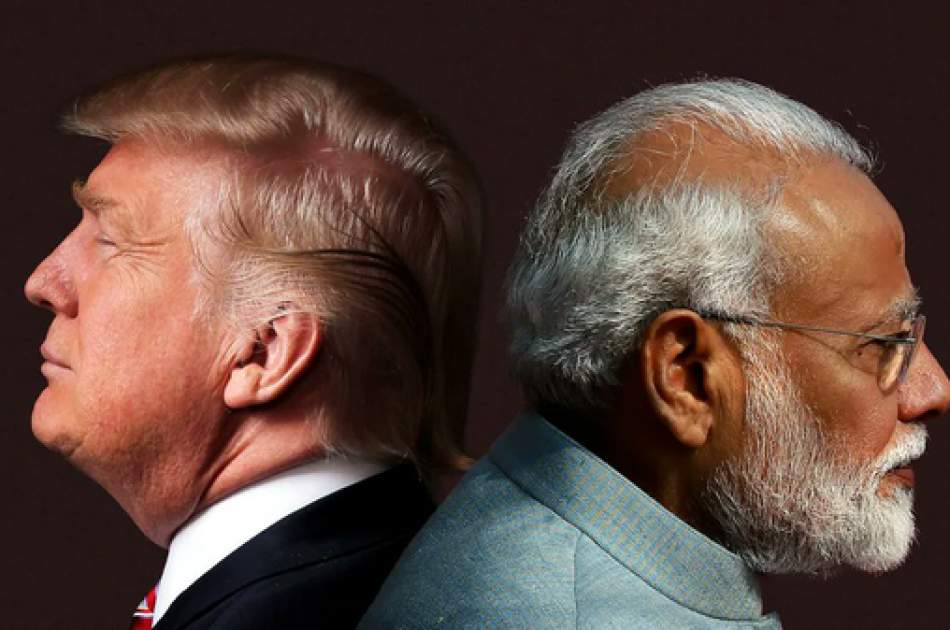
Strategic Council Online – Interview: A former Iranian diplomat stated that India will keep its differences with the United States limited and at the bilateral level, and will not join any power bloc against other powers.
2025/09/17
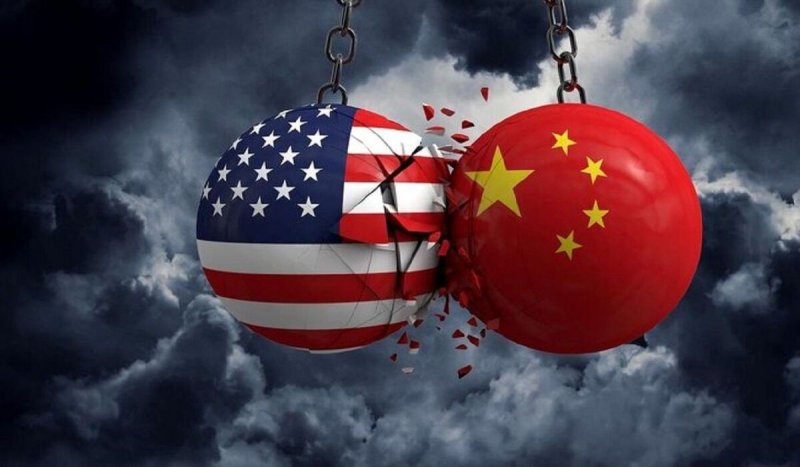
Strategic Council Online – Interview: A senior analyst on South Asian affairs stated that China’s grand military parade on September 3, 2025, was not merely a display of power; instead, it will mark the beginning of a new chapter in global geopolitical equations. The simultaneous presence of the leaders of China, Russia, and North Korea before the cameras, especially against the backdrop of Beijing’s “nuclear strategic triangle” unveiling, sent a clear message to Washington and its allies that the past unipolar order is collapsing and the world is moving toward multipolarity. China’s new land-based, sea-based, and air-launched missile systems have elevated its nuclear deterrent capability to an unprecedented level, and the sharp reactions from the United States—from Donald Trump’s sarcastic remarks to the Pentagon’s alert—indicate that Washington views these developments as a strategic threat. Many analysts believe that this event, beyond its military dimension, symbolizes the formation of new alliances among Eastern powers against the West. Simultaneously, the arms race and diplomatic pressures in the Asia-Pacific region have accelerated, and security equations in Taiwan and beyond have entered a new phase. It seems that the Beijing parade was not just a military ceremony but the beginning of an era in which the redefinition of power in the twenty-first century will accelerate.

2025/09/16
Strategic Council Online – Interview: An international affairs analyst stated that the Israeli regime’s airstrike on Qatar, under the pretext of targeting Hamas leaders, could be a turning point in the security and diplomatic equations of the Persian Gulf. This action not only challenged Qatar’s sovereignty but also raised questions about the security of the member states of the Persian Gulf Cooperation Council. Given that the Israeli regime is considered a close ally of the United States, this aggression has heightened sensitivities and increased doubts about Washington’s commitment to ensuring the security and protection of its regional partners. Under such circumstances, Iran can pursue regional dialogues and cooperation in the Persian Gulf, considering the Arab countries’ concerns about the ineffectiveness of American security guarantees. On the other hand, the Israeli regime’s aggression against Qatar has practically endangered normalization agreements, including the Abraham Accords, and reduced the chances of developing cooperation between Tel Aviv and some Arab countries. Internal pressure on the UAE and Bahrain to reconsider their relations with this regime has increased. Thus, the Israeli regime’s attack on Doha has not only complicated the security equations but also plunged the region’s political and diplomatic prospects into a complex phase, indicating that regional actors must reconsider traditional approaches dependent on extra-regional powers.
2025/09/14
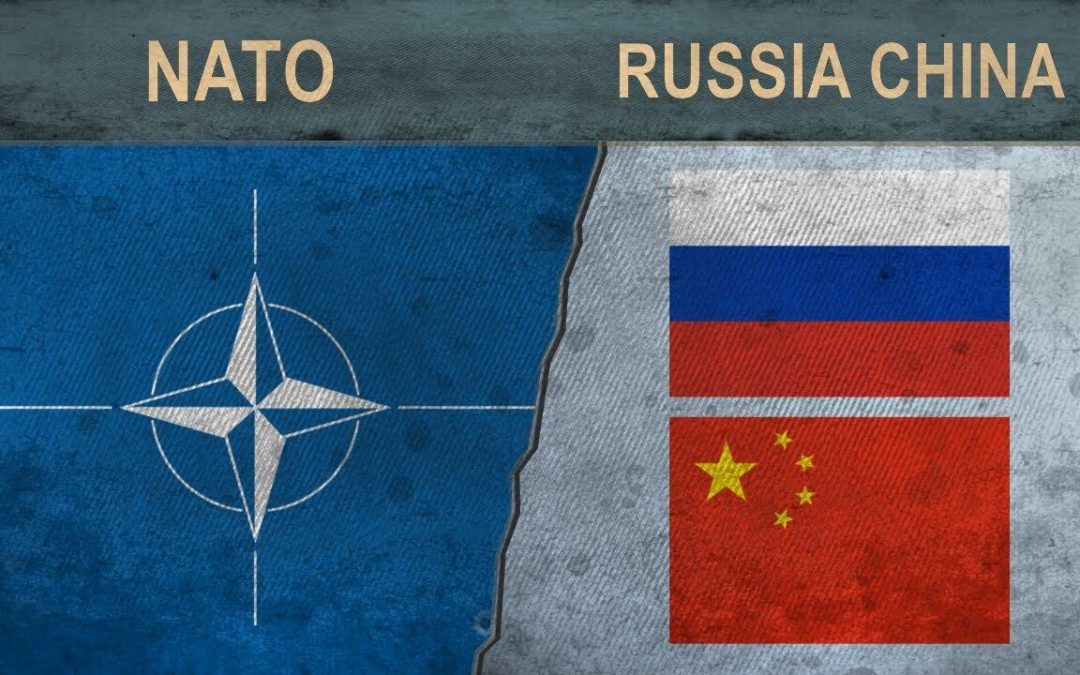
Strategic Council Online – Opinion: The escalating possibility of confrontation between the world’s Eastern and Western powers, particularly after the Russia-Ukraine war, along with the consolidation of China’s narrative of itself as the largest developing country with the capacity to lead the Global South, has become a threatening issue for the West, led by America and Europe. In this context, Mark Rutte, the Secretary-General of NATO, recently spoke at a press conference in Berlin about the necessity of European military modernization and called for “changing defense postures” in line with the increasing international military threats.

2025/09/14
Strategic Council Online – Interview: An international affairs analyst stated that the recent trade agreement between the United States and the European Union, signed on July 28, 2025, in Scotland, appears to have averted a full-scale tariff war. However, this agreement, shaped by Donald Trump’s pressures and threats to raise tariffs by up to 30%, reflects U.S. economic dominance over Europe more than it signifies mutual cooperation. The European Union’s commitment to purchasing $750 billion worth of energy and investing $600 billion in the U.S., along with accepting a 15% tariff on most European exports, raises serious questions about Europe’s economic independence and its implications for the global economy. Does this agreement mean stability for European trade, or does it represent a strategic surrender to the United States that will deepen existing rifts in the global order?
