جدیدترین مطالب

Consequences of Declining Trust in the Judiciary in Europe

SCFRonline – Opinion: The increase in public distrust of the French judicial system, which in recent surveys has reached approximately two-thirds of citizens, should be analyzed within a framework broader than temporary dissatisfaction or an emotional reaction to a particular criminal case.

Iran’s Potential Levers of Power

SCFRonline– Opinion: Iran’s geopolitical power is not limited solely to oil and the Strait of Hormuz; the unintended emergence of disruptions in the future global food and energy security chains can also demonstrate Iran’s strategic importance.

The Inseparability of the Lebanese Front from the Axis of Resistance

SCFR Online–Opinion: By providing an extensive network of social, healthcare, educational, and post-war reconstruction services, Hezbollah has established a strong social base for itself among Lebanon’s Shiites and Sunnis, and even beyond that, among other segments of Lebanese society, including Christians. Hezbollah has never been an external actor imposed upon Lebanon; rather, it is a phenomenon fundamentally born out of the occupation and crimes of the Zionist regime and itself influenced by popular resistance.

The Increasing Efforts of the Zionist Regime to Redefine Borders and the Regional Order and Its Consequences

SCFR Online– Opinion: Security and military developments in the region over recent months indicate that the ongoing crises and wars in Gaza, southern Lebanon, and parts of Syrian territory encompass broader dimensions of geopolitical and geostrategic transformations. In this context, the increased military presence and control of the Zionist regime over parts of the territories of these areas, along with proposals regarding the creation of buffer zones or even the expansion of security borders, have raised serious questions about the future of the regional order and its consequences for the countries of West Asia.

Loading

Fouad Izadi

Hidden Objectives of U.S. Military Threats Against Venezuela

Hidden Objectives of U.S. Military Threats Against Venezuela

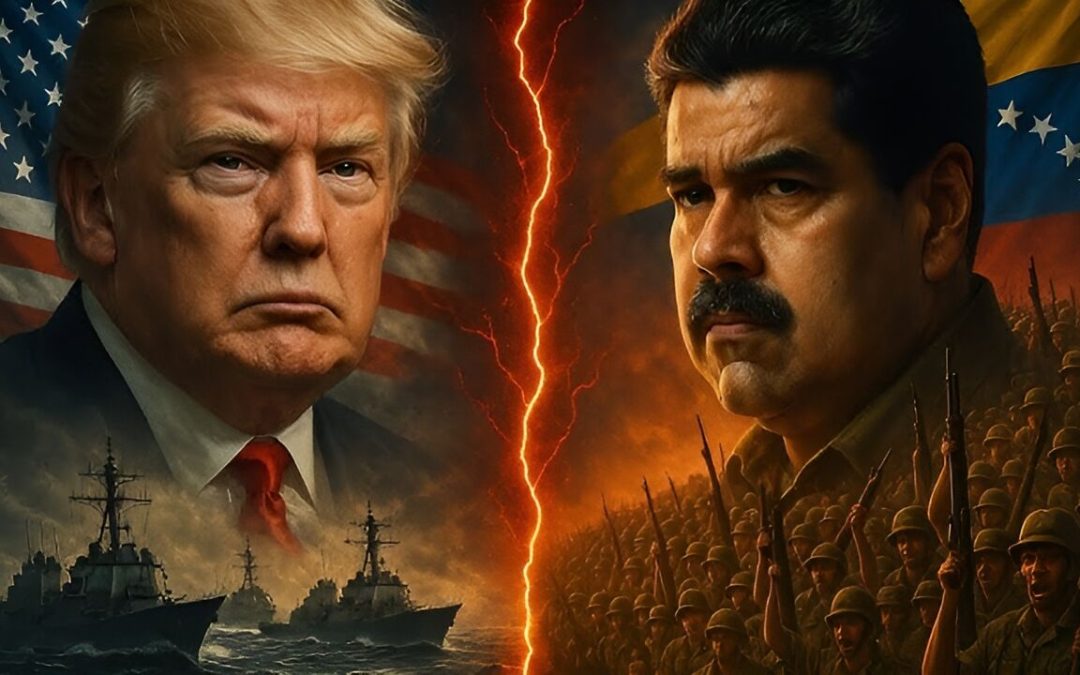
Strategic Council Online – Interview: An American affairs expert stated that in recent weeks, U.S. policy toward Venezuela has undergone a distinct redefinition, shifting toward hard power tools. According to media reports, during Donald Trump’s presidency, the White House reviewed options for military operations “against drug cartels”. It even introduced a deadly attack on a suspected boat leaving Venezuelan waters as the beginning of a new phase of its campaign. This approach has been reinforced by the deployment of significant military assets to the Caribbean periphery, including cruisers equipped with cruise missiles and attack submarines, as well as the stationing of F-35 fighter jets in Puerto Rico. It is complemented by labeling Nicolás Maduro a “narcoterrorist” and doubling the bounty for his capture.
Although Trump, when asked about “regime change,” said, “We’re not discussing that,” by linking Venezuela to the anti-drug mission, he has effectively redefined the “maximum pressure” strategy within a security-military framework. At the regional level, the resurgence of the old concept of “gunboat diplomacy” in America’s backyard sends a deterrent message to Caracas and its allies on one hand, while increasing the risk of sliding into proxy and attritional conflicts on the other. At the structural level, the merging of U.S. domestic considerations, including the “crackdown on drug trafficking” agenda, with geopolitical calculations to control energy resources and routes of influence, indicates that the Venezuela issue is not merely a criminal-security matter but rather a reflection of great power competition and a test of the resilience of the Latin American regional order—an order that, with each crisis escalation, simultaneously creates opportunities and threats for both extra-regional and regional actors.

Failure of US Global Security Strategy

Failure of US Global Security Strategy

Strategic Council Online – Interview: A professor of the University of Tehran commenting about challenges of the US political-military strategy in the world said: After the Vietnam War, the US put a strategy on the agenda based on which it decided to arm its allies to ensure its security; but Washington’s decision to withdraw its troops from Iraq and Afghanistan seems to be a sign of the failure of that strategy.

White House Goals behind Accusing Iran, Russia, China of interfering in US Protests

White House Goals behind Accusing Iran, Russia, China of interfering in US Protests

Strategic Council Online – A professor of the University of Tehran noting that the claim of Iran’s intervention in the US protests could eventually end up in Tehran’s favor, said: “The White House officials want to question the legitimacy of the protests in the US by linking them to foreign countries. While doing so, they are attacking their own people and trying to put the blame on others by way of projection.

US Obstructions and Tarnishing IMF’s Reputation

US Obstructions and Tarnishing IMF’s Reputation

Strategic Council Online: An expert on American affairs says Iran should be given priority in receiving a loan from the International Monetary Fund (IMF) due to the sanctions, lack of access to its financial resources and in the face of the coronavirus crisis. He says except for the US sabotaging, the IMF has no technical pretext for not lending to Iran and this should be protested to by the international community.

Trump’s Blame Game to Cover up incompetency in Dealing with Corona

Trump’s Blame Game to Cover up incompetency in Dealing with Corona

Strategic Council Online: A university professor said Trump due to the upcoming elections in the US had shown procrastination and delayed decisions in managing the corona crisis. Trump failed to do much of what he should have done sooner regarding the coronavirus, he said, adding now that the US has received an economic blow and Trump’s performance has been questioned, he is trying to put the blame on others.

أحدث الوظائف

Consequences of Declining Trust in the Judiciary in Europe

SCFRonline – Opinion: The increase in public distrust of the French judicial system, which in recent surveys has reached approximately two-thirds of citizens, should be analyzed within a framework broader than temporary dissatisfaction or an emotional reaction to a particular criminal case.

Iran’s Potential Levers of Power

SCFRonline– Opinion: Iran’s geopolitical power is not limited solely to oil and the Strait of Hormuz; the unintended emergence of disruptions in the future global food and energy security chains can also demonstrate Iran’s strategic importance.

The Inseparability of the Lebanese Front from the Axis of Resistance

SCFR Online–Opinion: By providing an extensive network of social, healthcare, educational, and post-war reconstruction services, Hezbollah has established a strong social base for itself among Lebanon’s Shiites and Sunnis, and even beyond that, among other segments of Lebanese society, including Christians. Hezbollah has never been an external actor imposed upon Lebanon; rather, it is a phenomenon fundamentally born out of the occupation and crimes of the Zionist regime and itself influenced by popular resistance.

The Increasing Efforts of the Zionist Regime to Redefine Borders and the Regional Order and Its Consequences

SCFR Online– Opinion: Security and military developments in the region over recent months indicate that the ongoing crises and wars in Gaza, southern Lebanon, and parts of Syrian territory encompass broader dimensions of geopolitical and geostrategic transformations. In this context, the increased military presence and control of the Zionist regime over parts of the territories of these areas, along with proposals regarding the creation of buffer zones or even the expansion of security borders, have raised serious questions about the future of the regional order and its consequences for the countries of West Asia.

Loading

Fouad Izadi

Hidden Objectives of U.S. Military Threats Against Venezuela

Hidden Objectives of U.S. Military Threats Against Venezuela

Strategic Council Online – Interview: An American affairs expert stated that in recent weeks, U.S. policy toward Venezuela has undergone a distinct redefinition, shifting toward hard power tools. According to media reports, during Donald Trump’s presidency, the White House reviewed options for military operations “against drug cartels”. It even introduced a deadly attack on a suspected boat leaving Venezuelan waters as the beginning of a new phase of its campaign. This approach has been reinforced by the deployment of significant military assets to the Caribbean periphery, including cruisers equipped with cruise missiles and attack submarines, as well as the stationing of F-35 fighter jets in Puerto Rico. It is complemented by labeling Nicolás Maduro a “narcoterrorist” and doubling the bounty for his capture.
Although Trump, when asked about “regime change,” said, “We’re not discussing that,” by linking Venezuela to the anti-drug mission, he has effectively redefined the “maximum pressure” strategy within a security-military framework. At the regional level, the resurgence of the old concept of “gunboat diplomacy” in America’s backyard sends a deterrent message to Caracas and its allies on one hand, while increasing the risk of sliding into proxy and attritional conflicts on the other. At the structural level, the merging of U.S. domestic considerations, including the “crackdown on drug trafficking” agenda, with geopolitical calculations to control energy resources and routes of influence, indicates that the Venezuela issue is not merely a criminal-security matter but rather a reflection of great power competition and a test of the resilience of the Latin American regional order—an order that, with each crisis escalation, simultaneously creates opportunities and threats for both extra-regional and regional actors.

Failure of US Global Security Strategy

Failure of US Global Security Strategy

Strategic Council Online – Interview: A professor of the University of Tehran commenting about challenges of the US political-military strategy in the world said: After the Vietnam War, the US put a strategy on the agenda based on which it decided to arm its allies to ensure its security; but Washington’s decision to withdraw its troops from Iraq and Afghanistan seems to be a sign of the failure of that strategy.

White House Goals behind Accusing Iran, Russia, China of interfering in US Protests

White House Goals behind Accusing Iran, Russia, China of interfering in US Protests

Strategic Council Online – A professor of the University of Tehran noting that the claim of Iran’s intervention in the US protests could eventually end up in Tehran’s favor, said: “The White House officials want to question the legitimacy of the protests in the US by linking them to foreign countries. While doing so, they are attacking their own people and trying to put the blame on others by way of projection.

US Obstructions and Tarnishing IMF’s Reputation

US Obstructions and Tarnishing IMF’s Reputation

Strategic Council Online: An expert on American affairs says Iran should be given priority in receiving a loan from the International Monetary Fund (IMF) due to the sanctions, lack of access to its financial resources and in the face of the coronavirus crisis. He says except for the US sabotaging, the IMF has no technical pretext for not lending to Iran and this should be protested to by the international community.

Trump’s Blame Game to Cover up incompetency in Dealing with Corona

Trump’s Blame Game to Cover up incompetency in Dealing with Corona

Strategic Council Online: A university professor said Trump due to the upcoming elections in the US had shown procrastination and delayed decisions in managing the corona crisis. Trump failed to do much of what he should have done sooner regarding the coronavirus, he said, adding now that the US has received an economic blow and Trump’s performance has been questioned, he is trying to put the blame on others.

Fouad Izadi

Hidden Objectives of U.S. Military Threats Against Venezuela

Hidden Objectives of U.S. Military Threats Against Venezuela

Strategic Council Online – Interview: An American affairs expert stated that in recent weeks, U.S. policy toward Venezuela has undergone a distinct redefinition, shifting toward hard power tools. According to media reports, during Donald Trump’s presidency, the White House reviewed options for military operations “against drug cartels”. It even introduced a deadly attack on a suspected boat leaving Venezuelan waters as the beginning of a new phase of its campaign. This approach has been reinforced by the deployment of significant military assets to the Caribbean periphery, including cruisers equipped with cruise missiles and attack submarines, as well as the stationing of F-35 fighter jets in Puerto Rico. It is complemented by labeling Nicolás Maduro a “narcoterrorist” and doubling the bounty for his capture.
Although Trump, when asked about “regime change,” said, “We’re not discussing that,” by linking Venezuela to the anti-drug mission, he has effectively redefined the “maximum pressure” strategy within a security-military framework. At the regional level, the resurgence of the old concept of “gunboat diplomacy” in America’s backyard sends a deterrent message to Caracas and its allies on one hand, while increasing the risk of sliding into proxy and attritional conflicts on the other. At the structural level, the merging of U.S. domestic considerations, including the “crackdown on drug trafficking” agenda, with geopolitical calculations to control energy resources and routes of influence, indicates that the Venezuela issue is not merely a criminal-security matter but rather a reflection of great power competition and a test of the resilience of the Latin American regional order—an order that, with each crisis escalation, simultaneously creates opportunities and threats for both extra-regional and regional actors.

Failure of US Global Security Strategy

Failure of US Global Security Strategy

Strategic Council Online – Interview: A professor of the University of Tehran commenting about challenges of the US political-military strategy in the world said: After the Vietnam War, the US put a strategy on the agenda based on which it decided to arm its allies to ensure its security; but Washington’s decision to withdraw its troops from Iraq and Afghanistan seems to be a sign of the failure of that strategy.

White House Goals behind Accusing Iran, Russia, China of interfering in US Protests

White House Goals behind Accusing Iran, Russia, China of interfering in US Protests

Strategic Council Online – A professor of the University of Tehran noting that the claim of Iran’s intervention in the US protests could eventually end up in Tehran’s favor, said: “The White House officials want to question the legitimacy of the protests in the US by linking them to foreign countries. While doing so, they are attacking their own people and trying to put the blame on others by way of projection.

US Obstructions and Tarnishing IMF’s Reputation

US Obstructions and Tarnishing IMF’s Reputation

Strategic Council Online: An expert on American affairs says Iran should be given priority in receiving a loan from the International Monetary Fund (IMF) due to the sanctions, lack of access to its financial resources and in the face of the coronavirus crisis. He says except for the US sabotaging, the IMF has no technical pretext for not lending to Iran and this should be protested to by the international community.

Trump’s Blame Game to Cover up incompetency in Dealing with Corona

Trump’s Blame Game to Cover up incompetency in Dealing with Corona

Strategic Council Online: A university professor said Trump due to the upcoming elections in the US had shown procrastination and delayed decisions in managing the corona crisis. Trump failed to do much of what he should have done sooner regarding the coronavirus, he said, adding now that the US has received an economic blow and Trump’s performance has been questioned, he is trying to put the blame on others.

LATEST CONTENT

Consequences of Declining Trust in the Judiciary in Europe

SCFRonline – Opinion: The increase in public distrust of the French judicial system, which in recent surveys has reached approximately two-thirds of citizens, should be analyzed within a framework broader than temporary dissatisfaction or an emotional reaction to a particular criminal case.

Iran’s Potential Levers of Power

SCFRonline– Opinion: Iran’s geopolitical power is not limited solely to oil and the Strait of Hormuz; the unintended emergence of disruptions in the future global food and energy security chains can also demonstrate Iran’s strategic importance.

The Inseparability of the Lebanese Front from the Axis of Resistance

SCFR Online–Opinion: By providing an extensive network of social, healthcare, educational, and post-war reconstruction services, Hezbollah has established a strong social base for itself among Lebanon’s Shiites and Sunnis, and even beyond that, among other segments of Lebanese society, including Christians. Hezbollah has never been an external actor imposed upon Lebanon; rather, it is a phenomenon fundamentally born out of the occupation and crimes of the Zionist regime and itself influenced by popular resistance.

The Increasing Efforts of the Zionist Regime to Redefine Borders and the Regional Order and Its Consequences

SCFR Online– Opinion: Security and military developments in the region over recent months indicate that the ongoing crises and wars in Gaza, southern Lebanon, and parts of Syrian territory encompass broader dimensions of geopolitical and geostrategic transformations. In this context, the increased military presence and control of the Zionist regime over parts of the territories of these areas, along with proposals regarding the creation of buffer zones or even the expansion of security borders, have raised serious questions about the future of the regional order and its consequences for the countries of West Asia.

Loading

Fouad Izadi

Hidden Objectives of U.S. Military Threats Against Venezuela

Hidden Objectives of U.S. Military Threats Against Venezuela

Strategic Council Online – Interview: An American affairs expert stated that in recent weeks, U.S. policy toward Venezuela has undergone a distinct redefinition, shifting toward hard power tools. According to media reports, during Donald Trump’s presidency, the White House reviewed options for military operations “against drug cartels”. It even introduced a deadly attack on a suspected boat leaving Venezuelan waters as the beginning of a new phase of its campaign. This approach has been reinforced by the deployment of significant military assets to the Caribbean periphery, including cruisers equipped with cruise missiles and attack submarines, as well as the stationing of F-35 fighter jets in Puerto Rico. It is complemented by labeling Nicolás Maduro a “narcoterrorist” and doubling the bounty for his capture.
Although Trump, when asked about “regime change,” said, “We’re not discussing that,” by linking Venezuela to the anti-drug mission, he has effectively redefined the “maximum pressure” strategy within a security-military framework. At the regional level, the resurgence of the old concept of “gunboat diplomacy” in America’s backyard sends a deterrent message to Caracas and its allies on one hand, while increasing the risk of sliding into proxy and attritional conflicts on the other. At the structural level, the merging of U.S. domestic considerations, including the “crackdown on drug trafficking” agenda, with geopolitical calculations to control energy resources and routes of influence, indicates that the Venezuela issue is not merely a criminal-security matter but rather a reflection of great power competition and a test of the resilience of the Latin American regional order—an order that, with each crisis escalation, simultaneously creates opportunities and threats for both extra-regional and regional actors.

Failure of US Global Security Strategy

Failure of US Global Security Strategy

Strategic Council Online – Interview: A professor of the University of Tehran commenting about challenges of the US political-military strategy in the world said: After the Vietnam War, the US put a strategy on the agenda based on which it decided to arm its allies to ensure its security; but Washington’s decision to withdraw its troops from Iraq and Afghanistan seems to be a sign of the failure of that strategy.

White House Goals behind Accusing Iran, Russia, China of interfering in US Protests

White House Goals behind Accusing Iran, Russia, China of interfering in US Protests

Strategic Council Online – A professor of the University of Tehran noting that the claim of Iran’s intervention in the US protests could eventually end up in Tehran’s favor, said: “The White House officials want to question the legitimacy of the protests in the US by linking them to foreign countries. While doing so, they are attacking their own people and trying to put the blame on others by way of projection.

US Obstructions and Tarnishing IMF’s Reputation

US Obstructions and Tarnishing IMF’s Reputation

Strategic Council Online: An expert on American affairs says Iran should be given priority in receiving a loan from the International Monetary Fund (IMF) due to the sanctions, lack of access to its financial resources and in the face of the coronavirus crisis. He says except for the US sabotaging, the IMF has no technical pretext for not lending to Iran and this should be protested to by the international community.

Trump’s Blame Game to Cover up incompetency in Dealing with Corona

Trump’s Blame Game to Cover up incompetency in Dealing with Corona

Strategic Council Online: A university professor said Trump due to the upcoming elections in the US had shown procrastination and delayed decisions in managing the corona crisis. Trump failed to do much of what he should have done sooner regarding the coronavirus, he said, adding now that the US has received an economic blow and Trump’s performance has been questioned, he is trying to put the blame on others.

ÚLTIMAS PUBLICACIONES

Consequences of Declining Trust in the Judiciary in Europe

SCFRonline – Opinion: The increase in public distrust of the French judicial system, which in recent surveys has reached approximately two-thirds of citizens, should be analyzed within a framework broader than temporary dissatisfaction or an emotional reaction to a particular criminal case.

Iran’s Potential Levers of Power

SCFRonline– Opinion: Iran’s geopolitical power is not limited solely to oil and the Strait of Hormuz; the unintended emergence of disruptions in the future global food and energy security chains can also demonstrate Iran’s strategic importance.

The Inseparability of the Lebanese Front from the Axis of Resistance

SCFR Online–Opinion: By providing an extensive network of social, healthcare, educational, and post-war reconstruction services, Hezbollah has established a strong social base for itself among Lebanon’s Shiites and Sunnis, and even beyond that, among other segments of Lebanese society, including Christians. Hezbollah has never been an external actor imposed upon Lebanon; rather, it is a phenomenon fundamentally born out of the occupation and crimes of the Zionist regime and itself influenced by popular resistance.

The Increasing Efforts of the Zionist Regime to Redefine Borders and the Regional Order and Its Consequences

SCFR Online– Opinion: Security and military developments in the region over recent months indicate that the ongoing crises and wars in Gaza, southern Lebanon, and parts of Syrian territory encompass broader dimensions of geopolitical and geostrategic transformations. In this context, the increased military presence and control of the Zionist regime over parts of the territories of these areas, along with proposals regarding the creation of buffer zones or even the expansion of security borders, have raised serious questions about the future of the regional order and its consequences for the countries of West Asia.

Loading

Fouad Izadi

Hidden Objectives of U.S. Military Threats Against Venezuela

Hidden Objectives of U.S. Military Threats Against Venezuela

Strategic Council Online – Interview: An American affairs expert stated that in recent weeks, U.S. policy toward Venezuela has undergone a distinct redefinition, shifting toward hard power tools. According to media reports, during Donald Trump’s presidency, the White House reviewed options for military operations “against drug cartels”. It even introduced a deadly attack on a suspected boat leaving Venezuelan waters as the beginning of a new phase of its campaign. This approach has been reinforced by the deployment of significant military assets to the Caribbean periphery, including cruisers equipped with cruise missiles and attack submarines, as well as the stationing of F-35 fighter jets in Puerto Rico. It is complemented by labeling Nicolás Maduro a “narcoterrorist” and doubling the bounty for his capture.
Although Trump, when asked about “regime change,” said, “We’re not discussing that,” by linking Venezuela to the anti-drug mission, he has effectively redefined the “maximum pressure” strategy within a security-military framework. At the regional level, the resurgence of the old concept of “gunboat diplomacy” in America’s backyard sends a deterrent message to Caracas and its allies on one hand, while increasing the risk of sliding into proxy and attritional conflicts on the other. At the structural level, the merging of U.S. domestic considerations, including the “crackdown on drug trafficking” agenda, with geopolitical calculations to control energy resources and routes of influence, indicates that the Venezuela issue is not merely a criminal-security matter but rather a reflection of great power competition and a test of the resilience of the Latin American regional order—an order that, with each crisis escalation, simultaneously creates opportunities and threats for both extra-regional and regional actors.

Failure of US Global Security Strategy

Failure of US Global Security Strategy

Strategic Council Online – Interview: A professor of the University of Tehran commenting about challenges of the US political-military strategy in the world said: After the Vietnam War, the US put a strategy on the agenda based on which it decided to arm its allies to ensure its security; but Washington’s decision to withdraw its troops from Iraq and Afghanistan seems to be a sign of the failure of that strategy.

White House Goals behind Accusing Iran, Russia, China of interfering in US Protests

White House Goals behind Accusing Iran, Russia, China of interfering in US Protests

Strategic Council Online – A professor of the University of Tehran noting that the claim of Iran’s intervention in the US protests could eventually end up in Tehran’s favor, said: “The White House officials want to question the legitimacy of the protests in the US by linking them to foreign countries. While doing so, they are attacking their own people and trying to put the blame on others by way of projection.

US Obstructions and Tarnishing IMF’s Reputation

US Obstructions and Tarnishing IMF’s Reputation

Strategic Council Online: An expert on American affairs says Iran should be given priority in receiving a loan from the International Monetary Fund (IMF) due to the sanctions, lack of access to its financial resources and in the face of the coronavirus crisis. He says except for the US sabotaging, the IMF has no technical pretext for not lending to Iran and this should be protested to by the international community.

Trump’s Blame Game to Cover up incompetency in Dealing with Corona

Trump’s Blame Game to Cover up incompetency in Dealing with Corona

Strategic Council Online: A university professor said Trump due to the upcoming elections in the US had shown procrastination and delayed decisions in managing the corona crisis. Trump failed to do much of what he should have done sooner regarding the coronavirus, he said, adding now that the US has received an economic blow and Trump’s performance has been questioned, he is trying to put the blame on others.

ÚLTIMAS PUBLICACIONES

Consequences of Declining Trust in the Judiciary in Europe

SCFRonline – Opinion: The increase in public distrust of the French judicial system, which in recent surveys has reached approximately two-thirds of citizens, should be analyzed within a framework broader than temporary dissatisfaction or an emotional reaction to a particular criminal case.

Iran’s Potential Levers of Power

SCFRonline– Opinion: Iran’s geopolitical power is not limited solely to oil and the Strait of Hormuz; the unintended emergence of disruptions in the future global food and energy security chains can also demonstrate Iran’s strategic importance.

The Inseparability of the Lebanese Front from the Axis of Resistance

SCFR Online–Opinion: By providing an extensive network of social, healthcare, educational, and post-war reconstruction services, Hezbollah has established a strong social base for itself among Lebanon’s Shiites and Sunnis, and even beyond that, among other segments of Lebanese society, including Christians. Hezbollah has never been an external actor imposed upon Lebanon; rather, it is a phenomenon fundamentally born out of the occupation and crimes of the Zionist regime and itself influenced by popular resistance.

The Increasing Efforts of the Zionist Regime to Redefine Borders and the Regional Order and Its Consequences

SCFR Online– Opinion: Security and military developments in the region over recent months indicate that the ongoing crises and wars in Gaza, southern Lebanon, and parts of Syrian territory encompass broader dimensions of geopolitical and geostrategic transformations. In this context, the increased military presence and control of the Zionist regime over parts of the territories of these areas, along with proposals regarding the creation of buffer zones or even the expansion of security borders, have raised serious questions about the future of the regional order and its consequences for the countries of West Asia.

Loading

Fouad Izadi

Hidden Objectives of U.S. Military Threats Against Venezuela

Hidden Objectives of U.S. Military Threats Against Venezuela

Strategic Council Online – Interview: An American affairs expert stated that in recent weeks, U.S. policy toward Venezuela has undergone a distinct redefinition, shifting toward hard power tools. According to media reports, during Donald Trump’s presidency, the White House reviewed options for military operations “against drug cartels”. It even introduced a deadly attack on a suspected boat leaving Venezuelan waters as the beginning of a new phase of its campaign. This approach has been reinforced by the deployment of significant military assets to the Caribbean periphery, including cruisers equipped with cruise missiles and attack submarines, as well as the stationing of F-35 fighter jets in Puerto Rico. It is complemented by labeling Nicolás Maduro a “narcoterrorist” and doubling the bounty for his capture.
Although Trump, when asked about “regime change,” said, “We’re not discussing that,” by linking Venezuela to the anti-drug mission, he has effectively redefined the “maximum pressure” strategy within a security-military framework. At the regional level, the resurgence of the old concept of “gunboat diplomacy” in America’s backyard sends a deterrent message to Caracas and its allies on one hand, while increasing the risk of sliding into proxy and attritional conflicts on the other. At the structural level, the merging of U.S. domestic considerations, including the “crackdown on drug trafficking” agenda, with geopolitical calculations to control energy resources and routes of influence, indicates that the Venezuela issue is not merely a criminal-security matter but rather a reflection of great power competition and a test of the resilience of the Latin American regional order—an order that, with each crisis escalation, simultaneously creates opportunities and threats for both extra-regional and regional actors.

Failure of US Global Security Strategy

Failure of US Global Security Strategy

Strategic Council Online – Interview: A professor of the University of Tehran commenting about challenges of the US political-military strategy in the world said: After the Vietnam War, the US put a strategy on the agenda based on which it decided to arm its allies to ensure its security; but Washington’s decision to withdraw its troops from Iraq and Afghanistan seems to be a sign of the failure of that strategy.

White House Goals behind Accusing Iran, Russia, China of interfering in US Protests

White House Goals behind Accusing Iran, Russia, China of interfering in US Protests

Strategic Council Online – A professor of the University of Tehran noting that the claim of Iran’s intervention in the US protests could eventually end up in Tehran’s favor, said: “The White House officials want to question the legitimacy of the protests in the US by linking them to foreign countries. While doing so, they are attacking their own people and trying to put the blame on others by way of projection.

US Obstructions and Tarnishing IMF’s Reputation

US Obstructions and Tarnishing IMF’s Reputation

Strategic Council Online: An expert on American affairs says Iran should be given priority in receiving a loan from the International Monetary Fund (IMF) due to the sanctions, lack of access to its financial resources and in the face of the coronavirus crisis. He says except for the US sabotaging, the IMF has no technical pretext for not lending to Iran and this should be protested to by the international community.

Trump’s Blame Game to Cover up incompetency in Dealing with Corona

Trump’s Blame Game to Cover up incompetency in Dealing with Corona

Strategic Council Online: A university professor said Trump due to the upcoming elections in the US had shown procrastination and delayed decisions in managing the corona crisis. Trump failed to do much of what he should have done sooner regarding the coronavirus, he said, adding now that the US has received an economic blow and Trump’s performance has been questioned, he is trying to put the blame on others.

ÚLTIMAS PUBLICACIONES

Consequences of Declining Trust in the Judiciary in Europe

SCFRonline – Opinion: The increase in public distrust of the French judicial system, which in recent surveys has reached approximately two-thirds of citizens, should be analyzed within a framework broader than temporary dissatisfaction or an emotional reaction to a particular criminal case.

Iran’s Potential Levers of Power

SCFRonline– Opinion: Iran’s geopolitical power is not limited solely to oil and the Strait of Hormuz; the unintended emergence of disruptions in the future global food and energy security chains can also demonstrate Iran’s strategic importance.

The Inseparability of the Lebanese Front from the Axis of Resistance

SCFR Online–Opinion: By providing an extensive network of social, healthcare, educational, and post-war reconstruction services, Hezbollah has established a strong social base for itself among Lebanon’s Shiites and Sunnis, and even beyond that, among other segments of Lebanese society, including Christians. Hezbollah has never been an external actor imposed upon Lebanon; rather, it is a phenomenon fundamentally born out of the occupation and crimes of the Zionist regime and itself influenced by popular resistance.

The Increasing Efforts of the Zionist Regime to Redefine Borders and the Regional Order and Its Consequences

SCFR Online– Opinion: Security and military developments in the region over recent months indicate that the ongoing crises and wars in Gaza, southern Lebanon, and parts of Syrian territory encompass broader dimensions of geopolitical and geostrategic transformations. In this context, the increased military presence and control of the Zionist regime over parts of the territories of these areas, along with proposals regarding the creation of buffer zones or even the expansion of security borders, have raised serious questions about the future of the regional order and its consequences for the countries of West Asia.

Loading

Fouad Izadi

Hidden Objectives of U.S. Military Threats Against Venezuela

Hidden Objectives of U.S. Military Threats Against Venezuela

Strategic Council Online – Interview: An American affairs expert stated that in recent weeks, U.S. policy toward Venezuela has undergone a distinct redefinition, shifting toward hard power tools. According to media reports, during Donald Trump’s presidency, the White House reviewed options for military operations “against drug cartels”. It even introduced a deadly attack on a suspected boat leaving Venezuelan waters as the beginning of a new phase of its campaign. This approach has been reinforced by the deployment of significant military assets to the Caribbean periphery, including cruisers equipped with cruise missiles and attack submarines, as well as the stationing of F-35 fighter jets in Puerto Rico. It is complemented by labeling Nicolás Maduro a “narcoterrorist” and doubling the bounty for his capture.
Although Trump, when asked about “regime change,” said, “We’re not discussing that,” by linking Venezuela to the anti-drug mission, he has effectively redefined the “maximum pressure” strategy within a security-military framework. At the regional level, the resurgence of the old concept of “gunboat diplomacy” in America’s backyard sends a deterrent message to Caracas and its allies on one hand, while increasing the risk of sliding into proxy and attritional conflicts on the other. At the structural level, the merging of U.S. domestic considerations, including the “crackdown on drug trafficking” agenda, with geopolitical calculations to control energy resources and routes of influence, indicates that the Venezuela issue is not merely a criminal-security matter but rather a reflection of great power competition and a test of the resilience of the Latin American regional order—an order that, with each crisis escalation, simultaneously creates opportunities and threats for both extra-regional and regional actors.

Failure of US Global Security Strategy

Failure of US Global Security Strategy

Strategic Council Online – Interview: A professor of the University of Tehran commenting about challenges of the US political-military strategy in the world said: After the Vietnam War, the US put a strategy on the agenda based on which it decided to arm its allies to ensure its security; but Washington’s decision to withdraw its troops from Iraq and Afghanistan seems to be a sign of the failure of that strategy.

White House Goals behind Accusing Iran, Russia, China of interfering in US Protests

White House Goals behind Accusing Iran, Russia, China of interfering in US Protests

Strategic Council Online – A professor of the University of Tehran noting that the claim of Iran’s intervention in the US protests could eventually end up in Tehran’s favor, said: “The White House officials want to question the legitimacy of the protests in the US by linking them to foreign countries. While doing so, they are attacking their own people and trying to put the blame on others by way of projection.

US Obstructions and Tarnishing IMF’s Reputation

US Obstructions and Tarnishing IMF’s Reputation

Strategic Council Online: An expert on American affairs says Iran should be given priority in receiving a loan from the International Monetary Fund (IMF) due to the sanctions, lack of access to its financial resources and in the face of the coronavirus crisis. He says except for the US sabotaging, the IMF has no technical pretext for not lending to Iran and this should be protested to by the international community.

Trump’s Blame Game to Cover up incompetency in Dealing with Corona

Trump’s Blame Game to Cover up incompetency in Dealing with Corona

Strategic Council Online: A university professor said Trump due to the upcoming elections in the US had shown procrastination and delayed decisions in managing the corona crisis. Trump failed to do much of what he should have done sooner regarding the coronavirus, he said, adding now that the US has received an economic blow and Trump’s performance has been questioned, he is trying to put the blame on others.

ÚLTIMAS PUBLICACIONES

Consequences of Declining Trust in the Judiciary in Europe

SCFRonline – Opinion: The increase in public distrust of the French judicial system, which in recent surveys has reached approximately two-thirds of citizens, should be analyzed within a framework broader than temporary dissatisfaction or an emotional reaction to a particular criminal case.

Iran’s Potential Levers of Power

SCFRonline– Opinion: Iran’s geopolitical power is not limited solely to oil and the Strait of Hormuz; the unintended emergence of disruptions in the future global food and energy security chains can also demonstrate Iran’s strategic importance.

The Inseparability of the Lebanese Front from the Axis of Resistance

SCFR Online–Opinion: By providing an extensive network of social, healthcare, educational, and post-war reconstruction services, Hezbollah has established a strong social base for itself among Lebanon’s Shiites and Sunnis, and even beyond that, among other segments of Lebanese society, including Christians. Hezbollah has never been an external actor imposed upon Lebanon; rather, it is a phenomenon fundamentally born out of the occupation and crimes of the Zionist regime and itself influenced by popular resistance.

The Increasing Efforts of the Zionist Regime to Redefine Borders and the Regional Order and Its Consequences

SCFR Online– Opinion: Security and military developments in the region over recent months indicate that the ongoing crises and wars in Gaza, southern Lebanon, and parts of Syrian territory encompass broader dimensions of geopolitical and geostrategic transformations. In this context, the increased military presence and control of the Zionist regime over parts of the territories of these areas, along with proposals regarding the creation of buffer zones or even the expansion of security borders, have raised serious questions about the future of the regional order and its consequences for the countries of West Asia.

Loading