جدیدترین مطالب

Temporary China–U.S. Trade Truce in the Shadow of Fundamental Distrust

SCFR Online – Opinion: The recent visit of the President of the United States to China is significant from various aspects; because China is recognized as the world’s second-largest economic power and a growing economy. The Chinese are also advancing in various fields, including the space sector, artificial intelligence, and military industries; to the extent that in the military sector, whereas they previously lacked an aircraft carrier, they now possess their third aircraft carrier. On the other hand, the United States, as a superpower, has always regarded China as its rival and continues to view it as such today.

Iran’s Success in the Narrative Battle in Cyberspace

SCFR Online – Opinion: In the war between Iran and the United States, the main battlefield was not defined solely in the military domain; rather, the battle of narratives in cyberspace—particularly through memes—reached a decisive level.

The Global Energy Shock Situation and Future Scenarios

SCFR Online – Opinion: Only one month after the beginning of the Ramadan War, maritime traffic in the Strait of Hormuz decreased dramatically, with Bloomberg announcing a reduction of 103 vessels; Brent oil prices rose by more than 50 percent, and gasoline prices in the United States increased by 31.4 percent. Additionally, benchmark gas prices in Europe showed a 73.4 percent increase.

Al-Zaydi’s Selection as Prime Minister, The Beginning of a New Chapter in Iraq

SCFR Online – Note: After approximately five months of political deadlock and institutional confusion, Ali al-Zaydi has finally been selected as Iraq’s Prime Minister. Al-Zaydi’s selection as Prime Minister represents a positive sign of the completion of the government formation process and the beginning of a new phase in Iraqi politics and governance. The emergence of a young, technocratic figure from the third generation of politicians—in a context where the country has been administered by traditional figures for decades—revives hope that Iraq may perhaps distance itself from the repetitive cycle of crises and experience a new path of stability, efficiency, and regional convergence.

Loading

Kashmir

The future of Afghanistan and India’s ambiguous relations with it

The future of Afghanistan and India’s ambiguous relations with it

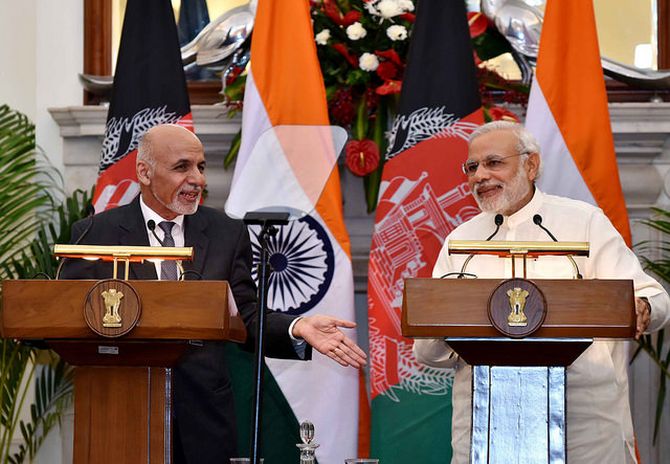
Strategic Council Online—Opinion: If for any reason, the Taliban are successful, either through political means and negotiations or military action, to possess maximum power in Afghanistan, and the two other parties—the North Front and the Liberal Democrats—are consequently placed in the weakness position, India would be definitely a loser as the Taliban’s view is ideological and therefore considers groups such as Lashkar-e-Taiba, Jaish-e-Mohammed and Hizb-ul-Mujahideen against India in Keshmir as its own allies. Therefore, if the Taliban are placed in the position of strength and power in Afghanistan, they would provide such groups with operational bases and India can no longer play a significant role in that country.
Pirmohammad Mollazehi—Expert of the subcontinent

Pakistan’s Efforts to Establish Balance in Relations with Important Countries

Pakistan’s Efforts to Establish Balance in Relations with Important Countries

Strategic Council Online – A university professor, referring to the cold relations between Pakistan and Arab countries in the Persian Gulf, said: Imran Khan’s government is trying to develop its relations with countries in the region and play an active role in de-escalating some of the tensions, but politicians of that country should be capable of balancing their relations with important countries.

Pakistan and Gradual Cooling of Relations with Saudi, UAE

Pakistan and Gradual Cooling of Relations with Saudi, UAE

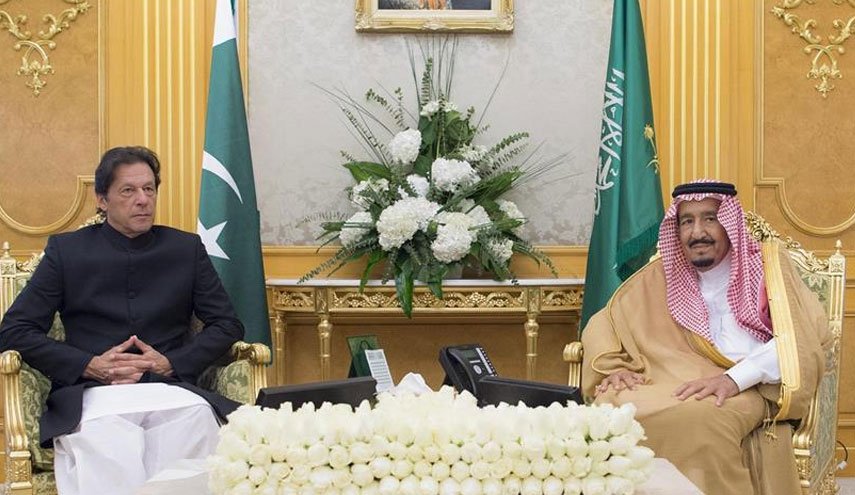
Strategic Council Online – Pakistan’s relations with Arab countries, especially Saudi Arabia, have entered a new phase since the inauguration of Imran Khan, the Chairman of the ruling party Tehreek-e-Insaf (PTI) and the Prime Minister of the country, in 2018.
Mohammad Reza Asgari Moroudi – Senior Expert on Asia

Indo-China Border Tensions & Prospect of Ambiguous Agreement

Indo-China Border Tensions & Prospect of Ambiguous Agreement

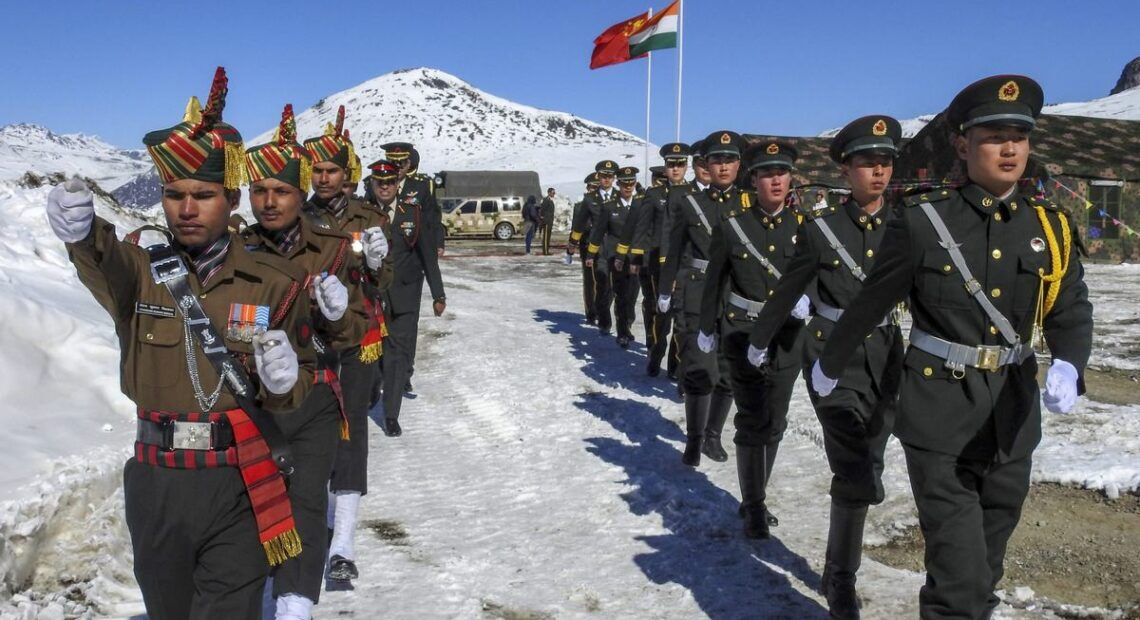
Strategic Council Online – An analyst of Asian affairs said that China-India border tensions could have a negative impact on their close economic ties. He added: With regard to the absence of mandatory provisions in the bilateral agreement and deep root of differences in the region, the agreement cannot put a seal of end to the tensions between the two countries and probably the fire of this conflict will flare up again in this region in a short period of time.

Developments in Pakistan’s Relations with Saudi Arabia

Developments in Pakistan’s Relations with Saudi Arabia

Strategic Council Online – The recent failed visit of Pakistani army generals to Riyadh, followed by the visit of Imran Khan, seems to be more the result of the frown of the Riyadh rulers than a sign of Pakistani initiative.
Mashallah Shakeri – Former Iranian ambassador to Pakistan and expert on international affairs

US, Iran Differ on Peace Agreement in Afghanistan

US, Iran Differ on Peace Agreement in Afghanistan

Strategic Council Online – Since the views of the United States and Iran on the Afghan peace process are completely different, it is inconceivable for Iran to stand by the US in the Afghan peace process and help them.
Pir Mohammad Mollazehi – Expert on Subcontinent Issues

China’s Cautious Move to Boost Relations with Afghanistan

China’s Cautious Move to Boost Relations with Afghanistan

Strategic Council Online – The Chinese are very serious about improving relations with Afghanistan and have clear policies, but as long as the Americans are in Afghanistan, it looks like Beijing will move with caution.
Pir Mohammad Mollazehi – Expert on Subcontinent Affairs

Root Causes of China-India Border Tension

Root Causes of China-India Border Tension

Strategic Council Online: Apart from what is happening in China-India-Pakistan relations, changing the equation of global power, i.e. India’s proximity to the United States and that of Pakistan to China, will not be ineffective in exacerbating the China-India border crisis.
Pir Mohammad Molazehi – Expert on Subcontinent Affairs

Kashmir the Cause of Tension in Pakistan-Saudi Relations

Kashmir the Cause of Tension in Pakistan-Saudi Relations

Strategic Council Online: Given that Kashmir is considered one of the main red lines of the Pakistani government and people, Saudi Arabia has essentially adopted a thoughtful silence in this regard, which has become a challenge in relations between the two countries.
Mohammad Reza Asgari Moroudi – Subcontinent Affairs Expert

India’s Creeping Strategy against Kashmir

India’s Creeping Strategy against Kashmir

Strategic Council Online: Given the recently announced decisions on Kashmir, several scenarios are foreseeable in the future, each requiring a specific reaction.
Nozar Shafiei – Subcontinent Affairs Expert

أحدث الوظائف

Temporary China–U.S. Trade Truce in the Shadow of Fundamental Distrust

SCFR Online – Opinion: The recent visit of the President of the United States to China is significant from various aspects; because China is recognized as the world’s second-largest economic power and a growing economy. The Chinese are also advancing in various fields, including the space sector, artificial intelligence, and military industries; to the extent that in the military sector, whereas they previously lacked an aircraft carrier, they now possess their third aircraft carrier. On the other hand, the United States, as a superpower, has always regarded China as its rival and continues to view it as such today.

Iran’s Success in the Narrative Battle in Cyberspace

SCFR Online – Opinion: In the war between Iran and the United States, the main battlefield was not defined solely in the military domain; rather, the battle of narratives in cyberspace—particularly through memes—reached a decisive level.

The Global Energy Shock Situation and Future Scenarios

SCFR Online – Opinion: Only one month after the beginning of the Ramadan War, maritime traffic in the Strait of Hormuz decreased dramatically, with Bloomberg announcing a reduction of 103 vessels; Brent oil prices rose by more than 50 percent, and gasoline prices in the United States increased by 31.4 percent. Additionally, benchmark gas prices in Europe showed a 73.4 percent increase.

Al-Zaydi’s Selection as Prime Minister, The Beginning of a New Chapter in Iraq

SCFR Online – Note: After approximately five months of political deadlock and institutional confusion, Ali al-Zaydi has finally been selected as Iraq’s Prime Minister. Al-Zaydi’s selection as Prime Minister represents a positive sign of the completion of the government formation process and the beginning of a new phase in Iraqi politics and governance. The emergence of a young, technocratic figure from the third generation of politicians—in a context where the country has been administered by traditional figures for decades—revives hope that Iraq may perhaps distance itself from the repetitive cycle of crises and experience a new path of stability, efficiency, and regional convergence.

Loading

Kashmir

The future of Afghanistan and India’s ambiguous relations with it

The future of Afghanistan and India’s ambiguous relations with it

Strategic Council Online—Opinion: If for any reason, the Taliban are successful, either through political means and negotiations or military action, to possess maximum power in Afghanistan, and the two other parties—the North Front and the Liberal Democrats—are consequently placed in the weakness position, India would be definitely a loser as the Taliban’s view is ideological and therefore considers groups such as Lashkar-e-Taiba, Jaish-e-Mohammed and Hizb-ul-Mujahideen against India in Keshmir as its own allies. Therefore, if the Taliban are placed in the position of strength and power in Afghanistan, they would provide such groups with operational bases and India can no longer play a significant role in that country.
Pirmohammad Mollazehi—Expert of the subcontinent

Pakistan’s Efforts to Establish Balance in Relations with Important Countries

Pakistan’s Efforts to Establish Balance in Relations with Important Countries

Strategic Council Online – A university professor, referring to the cold relations between Pakistan and Arab countries in the Persian Gulf, said: Imran Khan’s government is trying to develop its relations with countries in the region and play an active role in de-escalating some of the tensions, but politicians of that country should be capable of balancing their relations with important countries.

Pakistan and Gradual Cooling of Relations with Saudi, UAE

Pakistan and Gradual Cooling of Relations with Saudi, UAE

Strategic Council Online – Pakistan’s relations with Arab countries, especially Saudi Arabia, have entered a new phase since the inauguration of Imran Khan, the Chairman of the ruling party Tehreek-e-Insaf (PTI) and the Prime Minister of the country, in 2018.
Mohammad Reza Asgari Moroudi – Senior Expert on Asia

Indo-China Border Tensions & Prospect of Ambiguous Agreement

Indo-China Border Tensions & Prospect of Ambiguous Agreement

Strategic Council Online – An analyst of Asian affairs said that China-India border tensions could have a negative impact on their close economic ties. He added: With regard to the absence of mandatory provisions in the bilateral agreement and deep root of differences in the region, the agreement cannot put a seal of end to the tensions between the two countries and probably the fire of this conflict will flare up again in this region in a short period of time.

Developments in Pakistan’s Relations with Saudi Arabia

Developments in Pakistan’s Relations with Saudi Arabia

Strategic Council Online – The recent failed visit of Pakistani army generals to Riyadh, followed by the visit of Imran Khan, seems to be more the result of the frown of the Riyadh rulers than a sign of Pakistani initiative.
Mashallah Shakeri – Former Iranian ambassador to Pakistan and expert on international affairs

US, Iran Differ on Peace Agreement in Afghanistan

US, Iran Differ on Peace Agreement in Afghanistan

Strategic Council Online – Since the views of the United States and Iran on the Afghan peace process are completely different, it is inconceivable for Iran to stand by the US in the Afghan peace process and help them.
Pir Mohammad Mollazehi – Expert on Subcontinent Issues

China’s Cautious Move to Boost Relations with Afghanistan

China’s Cautious Move to Boost Relations with Afghanistan

Strategic Council Online – The Chinese are very serious about improving relations with Afghanistan and have clear policies, but as long as the Americans are in Afghanistan, it looks like Beijing will move with caution.
Pir Mohammad Mollazehi – Expert on Subcontinent Affairs

Root Causes of China-India Border Tension

Root Causes of China-India Border Tension

Strategic Council Online: Apart from what is happening in China-India-Pakistan relations, changing the equation of global power, i.e. India’s proximity to the United States and that of Pakistan to China, will not be ineffective in exacerbating the China-India border crisis.
Pir Mohammad Molazehi – Expert on Subcontinent Affairs

Kashmir the Cause of Tension in Pakistan-Saudi Relations

Kashmir the Cause of Tension in Pakistan-Saudi Relations

Strategic Council Online: Given that Kashmir is considered one of the main red lines of the Pakistani government and people, Saudi Arabia has essentially adopted a thoughtful silence in this regard, which has become a challenge in relations between the two countries.
Mohammad Reza Asgari Moroudi – Subcontinent Affairs Expert

India’s Creeping Strategy against Kashmir

India’s Creeping Strategy against Kashmir

Strategic Council Online: Given the recently announced decisions on Kashmir, several scenarios are foreseeable in the future, each requiring a specific reaction.
Nozar Shafiei – Subcontinent Affairs Expert

Kashmir

The future of Afghanistan and India’s ambiguous relations with it

The future of Afghanistan and India’s ambiguous relations with it

Strategic Council Online—Opinion: If for any reason, the Taliban are successful, either through political means and negotiations or military action, to possess maximum power in Afghanistan, and the two other parties—the North Front and the Liberal Democrats—are consequently placed in the weakness position, India would be definitely a loser as the Taliban’s view is ideological and therefore considers groups such as Lashkar-e-Taiba, Jaish-e-Mohammed and Hizb-ul-Mujahideen against India in Keshmir as its own allies. Therefore, if the Taliban are placed in the position of strength and power in Afghanistan, they would provide such groups with operational bases and India can no longer play a significant role in that country.
Pirmohammad Mollazehi—Expert of the subcontinent

Pakistan’s Efforts to Establish Balance in Relations with Important Countries

Pakistan’s Efforts to Establish Balance in Relations with Important Countries

Strategic Council Online – A university professor, referring to the cold relations between Pakistan and Arab countries in the Persian Gulf, said: Imran Khan’s government is trying to develop its relations with countries in the region and play an active role in de-escalating some of the tensions, but politicians of that country should be capable of balancing their relations with important countries.

Pakistan and Gradual Cooling of Relations with Saudi, UAE

Pakistan and Gradual Cooling of Relations with Saudi, UAE

Strategic Council Online – Pakistan’s relations with Arab countries, especially Saudi Arabia, have entered a new phase since the inauguration of Imran Khan, the Chairman of the ruling party Tehreek-e-Insaf (PTI) and the Prime Minister of the country, in 2018.
Mohammad Reza Asgari Moroudi – Senior Expert on Asia

Indo-China Border Tensions & Prospect of Ambiguous Agreement

Indo-China Border Tensions & Prospect of Ambiguous Agreement

Strategic Council Online – An analyst of Asian affairs said that China-India border tensions could have a negative impact on their close economic ties. He added: With regard to the absence of mandatory provisions in the bilateral agreement and deep root of differences in the region, the agreement cannot put a seal of end to the tensions between the two countries and probably the fire of this conflict will flare up again in this region in a short period of time.

Developments in Pakistan’s Relations with Saudi Arabia

Developments in Pakistan’s Relations with Saudi Arabia

Strategic Council Online – The recent failed visit of Pakistani army generals to Riyadh, followed by the visit of Imran Khan, seems to be more the result of the frown of the Riyadh rulers than a sign of Pakistani initiative.
Mashallah Shakeri – Former Iranian ambassador to Pakistan and expert on international affairs

US, Iran Differ on Peace Agreement in Afghanistan

US, Iran Differ on Peace Agreement in Afghanistan

Strategic Council Online – Since the views of the United States and Iran on the Afghan peace process are completely different, it is inconceivable for Iran to stand by the US in the Afghan peace process and help them.
Pir Mohammad Mollazehi – Expert on Subcontinent Issues

China’s Cautious Move to Boost Relations with Afghanistan

China’s Cautious Move to Boost Relations with Afghanistan

Strategic Council Online – The Chinese are very serious about improving relations with Afghanistan and have clear policies, but as long as the Americans are in Afghanistan, it looks like Beijing will move with caution.
Pir Mohammad Mollazehi – Expert on Subcontinent Affairs

Root Causes of China-India Border Tension

Root Causes of China-India Border Tension

Strategic Council Online: Apart from what is happening in China-India-Pakistan relations, changing the equation of global power, i.e. India’s proximity to the United States and that of Pakistan to China, will not be ineffective in exacerbating the China-India border crisis.
Pir Mohammad Molazehi – Expert on Subcontinent Affairs

Kashmir the Cause of Tension in Pakistan-Saudi Relations

Kashmir the Cause of Tension in Pakistan-Saudi Relations

Strategic Council Online: Given that Kashmir is considered one of the main red lines of the Pakistani government and people, Saudi Arabia has essentially adopted a thoughtful silence in this regard, which has become a challenge in relations between the two countries.
Mohammad Reza Asgari Moroudi – Subcontinent Affairs Expert

India’s Creeping Strategy against Kashmir

India’s Creeping Strategy against Kashmir

Strategic Council Online: Given the recently announced decisions on Kashmir, several scenarios are foreseeable in the future, each requiring a specific reaction.
Nozar Shafiei – Subcontinent Affairs Expert

LATEST CONTENT

Temporary China–U.S. Trade Truce in the Shadow of Fundamental Distrust

SCFR Online – Opinion: The recent visit of the President of the United States to China is significant from various aspects; because China is recognized as the world’s second-largest economic power and a growing economy. The Chinese are also advancing in various fields, including the space sector, artificial intelligence, and military industries; to the extent that in the military sector, whereas they previously lacked an aircraft carrier, they now possess their third aircraft carrier. On the other hand, the United States, as a superpower, has always regarded China as its rival and continues to view it as such today.

Iran’s Success in the Narrative Battle in Cyberspace

SCFR Online – Opinion: In the war between Iran and the United States, the main battlefield was not defined solely in the military domain; rather, the battle of narratives in cyberspace—particularly through memes—reached a decisive level.

The Global Energy Shock Situation and Future Scenarios

SCFR Online – Opinion: Only one month after the beginning of the Ramadan War, maritime traffic in the Strait of Hormuz decreased dramatically, with Bloomberg announcing a reduction of 103 vessels; Brent oil prices rose by more than 50 percent, and gasoline prices in the United States increased by 31.4 percent. Additionally, benchmark gas prices in Europe showed a 73.4 percent increase.

Al-Zaydi’s Selection as Prime Minister, The Beginning of a New Chapter in Iraq

SCFR Online – Note: After approximately five months of political deadlock and institutional confusion, Ali al-Zaydi has finally been selected as Iraq’s Prime Minister. Al-Zaydi’s selection as Prime Minister represents a positive sign of the completion of the government formation process and the beginning of a new phase in Iraqi politics and governance. The emergence of a young, technocratic figure from the third generation of politicians—in a context where the country has been administered by traditional figures for decades—revives hope that Iraq may perhaps distance itself from the repetitive cycle of crises and experience a new path of stability, efficiency, and regional convergence.

Loading

Kashmir

The future of Afghanistan and India’s ambiguous relations with it

The future of Afghanistan and India’s ambiguous relations with it

Strategic Council Online—Opinion: If for any reason, the Taliban are successful, either through political means and negotiations or military action, to possess maximum power in Afghanistan, and the two other parties—the North Front and the Liberal Democrats—are consequently placed in the weakness position, India would be definitely a loser as the Taliban’s view is ideological and therefore considers groups such as Lashkar-e-Taiba, Jaish-e-Mohammed and Hizb-ul-Mujahideen against India in Keshmir as its own allies. Therefore, if the Taliban are placed in the position of strength and power in Afghanistan, they would provide such groups with operational bases and India can no longer play a significant role in that country.
Pirmohammad Mollazehi—Expert of the subcontinent

Pakistan’s Efforts to Establish Balance in Relations with Important Countries

Pakistan’s Efforts to Establish Balance in Relations with Important Countries

Strategic Council Online – A university professor, referring to the cold relations between Pakistan and Arab countries in the Persian Gulf, said: Imran Khan’s government is trying to develop its relations with countries in the region and play an active role in de-escalating some of the tensions, but politicians of that country should be capable of balancing their relations with important countries.

Pakistan and Gradual Cooling of Relations with Saudi, UAE

Pakistan and Gradual Cooling of Relations with Saudi, UAE

Strategic Council Online – Pakistan’s relations with Arab countries, especially Saudi Arabia, have entered a new phase since the inauguration of Imran Khan, the Chairman of the ruling party Tehreek-e-Insaf (PTI) and the Prime Minister of the country, in 2018.
Mohammad Reza Asgari Moroudi – Senior Expert on Asia

Indo-China Border Tensions & Prospect of Ambiguous Agreement

Indo-China Border Tensions & Prospect of Ambiguous Agreement

Strategic Council Online – An analyst of Asian affairs said that China-India border tensions could have a negative impact on their close economic ties. He added: With regard to the absence of mandatory provisions in the bilateral agreement and deep root of differences in the region, the agreement cannot put a seal of end to the tensions between the two countries and probably the fire of this conflict will flare up again in this region in a short period of time.

Developments in Pakistan’s Relations with Saudi Arabia

Developments in Pakistan’s Relations with Saudi Arabia

Strategic Council Online – The recent failed visit of Pakistani army generals to Riyadh, followed by the visit of Imran Khan, seems to be more the result of the frown of the Riyadh rulers than a sign of Pakistani initiative.
Mashallah Shakeri – Former Iranian ambassador to Pakistan and expert on international affairs

US, Iran Differ on Peace Agreement in Afghanistan

US, Iran Differ on Peace Agreement in Afghanistan

Strategic Council Online – Since the views of the United States and Iran on the Afghan peace process are completely different, it is inconceivable for Iran to stand by the US in the Afghan peace process and help them.
Pir Mohammad Mollazehi – Expert on Subcontinent Issues

China’s Cautious Move to Boost Relations with Afghanistan

China’s Cautious Move to Boost Relations with Afghanistan

Strategic Council Online – The Chinese are very serious about improving relations with Afghanistan and have clear policies, but as long as the Americans are in Afghanistan, it looks like Beijing will move with caution.
Pir Mohammad Mollazehi – Expert on Subcontinent Affairs

Root Causes of China-India Border Tension

Root Causes of China-India Border Tension

Strategic Council Online: Apart from what is happening in China-India-Pakistan relations, changing the equation of global power, i.e. India’s proximity to the United States and that of Pakistan to China, will not be ineffective in exacerbating the China-India border crisis.
Pir Mohammad Molazehi – Expert on Subcontinent Affairs

Kashmir the Cause of Tension in Pakistan-Saudi Relations

Kashmir the Cause of Tension in Pakistan-Saudi Relations

Strategic Council Online: Given that Kashmir is considered one of the main red lines of the Pakistani government and people, Saudi Arabia has essentially adopted a thoughtful silence in this regard, which has become a challenge in relations between the two countries.
Mohammad Reza Asgari Moroudi – Subcontinent Affairs Expert

India’s Creeping Strategy against Kashmir

India’s Creeping Strategy against Kashmir

Strategic Council Online: Given the recently announced decisions on Kashmir, several scenarios are foreseeable in the future, each requiring a specific reaction.
Nozar Shafiei – Subcontinent Affairs Expert

ÚLTIMAS PUBLICACIONES

Temporary China–U.S. Trade Truce in the Shadow of Fundamental Distrust

SCFR Online – Opinion: The recent visit of the President of the United States to China is significant from various aspects; because China is recognized as the world’s second-largest economic power and a growing economy. The Chinese are also advancing in various fields, including the space sector, artificial intelligence, and military industries; to the extent that in the military sector, whereas they previously lacked an aircraft carrier, they now possess their third aircraft carrier. On the other hand, the United States, as a superpower, has always regarded China as its rival and continues to view it as such today.

Iran’s Success in the Narrative Battle in Cyberspace

SCFR Online – Opinion: In the war between Iran and the United States, the main battlefield was not defined solely in the military domain; rather, the battle of narratives in cyberspace—particularly through memes—reached a decisive level.

The Global Energy Shock Situation and Future Scenarios

SCFR Online – Opinion: Only one month after the beginning of the Ramadan War, maritime traffic in the Strait of Hormuz decreased dramatically, with Bloomberg announcing a reduction of 103 vessels; Brent oil prices rose by more than 50 percent, and gasoline prices in the United States increased by 31.4 percent. Additionally, benchmark gas prices in Europe showed a 73.4 percent increase.

Al-Zaydi’s Selection as Prime Minister, The Beginning of a New Chapter in Iraq

SCFR Online – Note: After approximately five months of political deadlock and institutional confusion, Ali al-Zaydi has finally been selected as Iraq’s Prime Minister. Al-Zaydi’s selection as Prime Minister represents a positive sign of the completion of the government formation process and the beginning of a new phase in Iraqi politics and governance. The emergence of a young, technocratic figure from the third generation of politicians—in a context where the country has been administered by traditional figures for decades—revives hope that Iraq may perhaps distance itself from the repetitive cycle of crises and experience a new path of stability, efficiency, and regional convergence.

Loading

Kashmir

The future of Afghanistan and India’s ambiguous relations with it

The future of Afghanistan and India’s ambiguous relations with it

Strategic Council Online—Opinion: If for any reason, the Taliban are successful, either through political means and negotiations or military action, to possess maximum power in Afghanistan, and the two other parties—the North Front and the Liberal Democrats—are consequently placed in the weakness position, India would be definitely a loser as the Taliban’s view is ideological and therefore considers groups such as Lashkar-e-Taiba, Jaish-e-Mohammed and Hizb-ul-Mujahideen against India in Keshmir as its own allies. Therefore, if the Taliban are placed in the position of strength and power in Afghanistan, they would provide such groups with operational bases and India can no longer play a significant role in that country.
Pirmohammad Mollazehi—Expert of the subcontinent

Pakistan’s Efforts to Establish Balance in Relations with Important Countries

Pakistan’s Efforts to Establish Balance in Relations with Important Countries

Strategic Council Online – A university professor, referring to the cold relations between Pakistan and Arab countries in the Persian Gulf, said: Imran Khan’s government is trying to develop its relations with countries in the region and play an active role in de-escalating some of the tensions, but politicians of that country should be capable of balancing their relations with important countries.

Pakistan and Gradual Cooling of Relations with Saudi, UAE

Pakistan and Gradual Cooling of Relations with Saudi, UAE

Strategic Council Online – Pakistan’s relations with Arab countries, especially Saudi Arabia, have entered a new phase since the inauguration of Imran Khan, the Chairman of the ruling party Tehreek-e-Insaf (PTI) and the Prime Minister of the country, in 2018.
Mohammad Reza Asgari Moroudi – Senior Expert on Asia

Indo-China Border Tensions & Prospect of Ambiguous Agreement

Indo-China Border Tensions & Prospect of Ambiguous Agreement

Strategic Council Online – An analyst of Asian affairs said that China-India border tensions could have a negative impact on their close economic ties. He added: With regard to the absence of mandatory provisions in the bilateral agreement and deep root of differences in the region, the agreement cannot put a seal of end to the tensions between the two countries and probably the fire of this conflict will flare up again in this region in a short period of time.

Developments in Pakistan’s Relations with Saudi Arabia

Developments in Pakistan’s Relations with Saudi Arabia

Strategic Council Online – The recent failed visit of Pakistani army generals to Riyadh, followed by the visit of Imran Khan, seems to be more the result of the frown of the Riyadh rulers than a sign of Pakistani initiative.
Mashallah Shakeri – Former Iranian ambassador to Pakistan and expert on international affairs

US, Iran Differ on Peace Agreement in Afghanistan

US, Iran Differ on Peace Agreement in Afghanistan

Strategic Council Online – Since the views of the United States and Iran on the Afghan peace process are completely different, it is inconceivable for Iran to stand by the US in the Afghan peace process and help them.
Pir Mohammad Mollazehi – Expert on Subcontinent Issues

China’s Cautious Move to Boost Relations with Afghanistan

China’s Cautious Move to Boost Relations with Afghanistan

Strategic Council Online – The Chinese are very serious about improving relations with Afghanistan and have clear policies, but as long as the Americans are in Afghanistan, it looks like Beijing will move with caution.
Pir Mohammad Mollazehi – Expert on Subcontinent Affairs

Root Causes of China-India Border Tension

Root Causes of China-India Border Tension

Strategic Council Online: Apart from what is happening in China-India-Pakistan relations, changing the equation of global power, i.e. India’s proximity to the United States and that of Pakistan to China, will not be ineffective in exacerbating the China-India border crisis.
Pir Mohammad Molazehi – Expert on Subcontinent Affairs

Kashmir the Cause of Tension in Pakistan-Saudi Relations

Kashmir the Cause of Tension in Pakistan-Saudi Relations

Strategic Council Online: Given that Kashmir is considered one of the main red lines of the Pakistani government and people, Saudi Arabia has essentially adopted a thoughtful silence in this regard, which has become a challenge in relations between the two countries.
Mohammad Reza Asgari Moroudi – Subcontinent Affairs Expert

India’s Creeping Strategy against Kashmir

India’s Creeping Strategy against Kashmir

Strategic Council Online: Given the recently announced decisions on Kashmir, several scenarios are foreseeable in the future, each requiring a specific reaction.
Nozar Shafiei – Subcontinent Affairs Expert

ÚLTIMAS PUBLICACIONES

Temporary China–U.S. Trade Truce in the Shadow of Fundamental Distrust

SCFR Online – Opinion: The recent visit of the President of the United States to China is significant from various aspects; because China is recognized as the world’s second-largest economic power and a growing economy. The Chinese are also advancing in various fields, including the space sector, artificial intelligence, and military industries; to the extent that in the military sector, whereas they previously lacked an aircraft carrier, they now possess their third aircraft carrier. On the other hand, the United States, as a superpower, has always regarded China as its rival and continues to view it as such today.

Iran’s Success in the Narrative Battle in Cyberspace

SCFR Online – Opinion: In the war between Iran and the United States, the main battlefield was not defined solely in the military domain; rather, the battle of narratives in cyberspace—particularly through memes—reached a decisive level.

The Global Energy Shock Situation and Future Scenarios

SCFR Online – Opinion: Only one month after the beginning of the Ramadan War, maritime traffic in the Strait of Hormuz decreased dramatically, with Bloomberg announcing a reduction of 103 vessels; Brent oil prices rose by more than 50 percent, and gasoline prices in the United States increased by 31.4 percent. Additionally, benchmark gas prices in Europe showed a 73.4 percent increase.

Al-Zaydi’s Selection as Prime Minister, The Beginning of a New Chapter in Iraq

SCFR Online – Note: After approximately five months of political deadlock and institutional confusion, Ali al-Zaydi has finally been selected as Iraq’s Prime Minister. Al-Zaydi’s selection as Prime Minister represents a positive sign of the completion of the government formation process and the beginning of a new phase in Iraqi politics and governance. The emergence of a young, technocratic figure from the third generation of politicians—in a context where the country has been administered by traditional figures for decades—revives hope that Iraq may perhaps distance itself from the repetitive cycle of crises and experience a new path of stability, efficiency, and regional convergence.

Loading

Kashmir

The future of Afghanistan and India’s ambiguous relations with it

The future of Afghanistan and India’s ambiguous relations with it

Strategic Council Online—Opinion: If for any reason, the Taliban are successful, either through political means and negotiations or military action, to possess maximum power in Afghanistan, and the two other parties—the North Front and the Liberal Democrats—are consequently placed in the weakness position, India would be definitely a loser as the Taliban’s view is ideological and therefore considers groups such as Lashkar-e-Taiba, Jaish-e-Mohammed and Hizb-ul-Mujahideen against India in Keshmir as its own allies. Therefore, if the Taliban are placed in the position of strength and power in Afghanistan, they would provide such groups with operational bases and India can no longer play a significant role in that country.
Pirmohammad Mollazehi—Expert of the subcontinent

Pakistan’s Efforts to Establish Balance in Relations with Important Countries

Pakistan’s Efforts to Establish Balance in Relations with Important Countries

Strategic Council Online – A university professor, referring to the cold relations between Pakistan and Arab countries in the Persian Gulf, said: Imran Khan’s government is trying to develop its relations with countries in the region and play an active role in de-escalating some of the tensions, but politicians of that country should be capable of balancing their relations with important countries.

Pakistan and Gradual Cooling of Relations with Saudi, UAE

Pakistan and Gradual Cooling of Relations with Saudi, UAE

Strategic Council Online – Pakistan’s relations with Arab countries, especially Saudi Arabia, have entered a new phase since the inauguration of Imran Khan, the Chairman of the ruling party Tehreek-e-Insaf (PTI) and the Prime Minister of the country, in 2018.
Mohammad Reza Asgari Moroudi – Senior Expert on Asia

Indo-China Border Tensions & Prospect of Ambiguous Agreement

Indo-China Border Tensions & Prospect of Ambiguous Agreement

Strategic Council Online – An analyst of Asian affairs said that China-India border tensions could have a negative impact on their close economic ties. He added: With regard to the absence of mandatory provisions in the bilateral agreement and deep root of differences in the region, the agreement cannot put a seal of end to the tensions between the two countries and probably the fire of this conflict will flare up again in this region in a short period of time.

Developments in Pakistan’s Relations with Saudi Arabia

Developments in Pakistan’s Relations with Saudi Arabia

Strategic Council Online – The recent failed visit of Pakistani army generals to Riyadh, followed by the visit of Imran Khan, seems to be more the result of the frown of the Riyadh rulers than a sign of Pakistani initiative.
Mashallah Shakeri – Former Iranian ambassador to Pakistan and expert on international affairs

US, Iran Differ on Peace Agreement in Afghanistan

US, Iran Differ on Peace Agreement in Afghanistan

Strategic Council Online – Since the views of the United States and Iran on the Afghan peace process are completely different, it is inconceivable for Iran to stand by the US in the Afghan peace process and help them.
Pir Mohammad Mollazehi – Expert on Subcontinent Issues

China’s Cautious Move to Boost Relations with Afghanistan

China’s Cautious Move to Boost Relations with Afghanistan

Strategic Council Online – The Chinese are very serious about improving relations with Afghanistan and have clear policies, but as long as the Americans are in Afghanistan, it looks like Beijing will move with caution.
Pir Mohammad Mollazehi – Expert on Subcontinent Affairs

Root Causes of China-India Border Tension

Root Causes of China-India Border Tension

Strategic Council Online: Apart from what is happening in China-India-Pakistan relations, changing the equation of global power, i.e. India’s proximity to the United States and that of Pakistan to China, will not be ineffective in exacerbating the China-India border crisis.
Pir Mohammad Molazehi – Expert on Subcontinent Affairs

Kashmir the Cause of Tension in Pakistan-Saudi Relations

Kashmir the Cause of Tension in Pakistan-Saudi Relations

Strategic Council Online: Given that Kashmir is considered one of the main red lines of the Pakistani government and people, Saudi Arabia has essentially adopted a thoughtful silence in this regard, which has become a challenge in relations between the two countries.
Mohammad Reza Asgari Moroudi – Subcontinent Affairs Expert

India’s Creeping Strategy against Kashmir

India’s Creeping Strategy against Kashmir

Strategic Council Online: Given the recently announced decisions on Kashmir, several scenarios are foreseeable in the future, each requiring a specific reaction.
Nozar Shafiei – Subcontinent Affairs Expert

ÚLTIMAS PUBLICACIONES

Temporary China–U.S. Trade Truce in the Shadow of Fundamental Distrust

SCFR Online – Opinion: The recent visit of the President of the United States to China is significant from various aspects; because China is recognized as the world’s second-largest economic power and a growing economy. The Chinese are also advancing in various fields, including the space sector, artificial intelligence, and military industries; to the extent that in the military sector, whereas they previously lacked an aircraft carrier, they now possess their third aircraft carrier. On the other hand, the United States, as a superpower, has always regarded China as its rival and continues to view it as such today.

Iran’s Success in the Narrative Battle in Cyberspace

SCFR Online – Opinion: In the war between Iran and the United States, the main battlefield was not defined solely in the military domain; rather, the battle of narratives in cyberspace—particularly through memes—reached a decisive level.

The Global Energy Shock Situation and Future Scenarios

SCFR Online – Opinion: Only one month after the beginning of the Ramadan War, maritime traffic in the Strait of Hormuz decreased dramatically, with Bloomberg announcing a reduction of 103 vessels; Brent oil prices rose by more than 50 percent, and gasoline prices in the United States increased by 31.4 percent. Additionally, benchmark gas prices in Europe showed a 73.4 percent increase.

Al-Zaydi’s Selection as Prime Minister, The Beginning of a New Chapter in Iraq

SCFR Online – Note: After approximately five months of political deadlock and institutional confusion, Ali al-Zaydi has finally been selected as Iraq’s Prime Minister. Al-Zaydi’s selection as Prime Minister represents a positive sign of the completion of the government formation process and the beginning of a new phase in Iraqi politics and governance. The emergence of a young, technocratic figure from the third generation of politicians—in a context where the country has been administered by traditional figures for decades—revives hope that Iraq may perhaps distance itself from the repetitive cycle of crises and experience a new path of stability, efficiency, and regional convergence.

Loading

Kashmir

The future of Afghanistan and India’s ambiguous relations with it

The future of Afghanistan and India’s ambiguous relations with it

Strategic Council Online—Opinion: If for any reason, the Taliban are successful, either through political means and negotiations or military action, to possess maximum power in Afghanistan, and the two other parties—the North Front and the Liberal Democrats—are consequently placed in the weakness position, India would be definitely a loser as the Taliban’s view is ideological and therefore considers groups such as Lashkar-e-Taiba, Jaish-e-Mohammed and Hizb-ul-Mujahideen against India in Keshmir as its own allies. Therefore, if the Taliban are placed in the position of strength and power in Afghanistan, they would provide such groups with operational bases and India can no longer play a significant role in that country.
Pirmohammad Mollazehi—Expert of the subcontinent

Pakistan’s Efforts to Establish Balance in Relations with Important Countries

Pakistan’s Efforts to Establish Balance in Relations with Important Countries

Strategic Council Online – A university professor, referring to the cold relations between Pakistan and Arab countries in the Persian Gulf, said: Imran Khan’s government is trying to develop its relations with countries in the region and play an active role in de-escalating some of the tensions, but politicians of that country should be capable of balancing their relations with important countries.

Pakistan and Gradual Cooling of Relations with Saudi, UAE

Pakistan and Gradual Cooling of Relations with Saudi, UAE

Strategic Council Online – Pakistan’s relations with Arab countries, especially Saudi Arabia, have entered a new phase since the inauguration of Imran Khan, the Chairman of the ruling party Tehreek-e-Insaf (PTI) and the Prime Minister of the country, in 2018.
Mohammad Reza Asgari Moroudi – Senior Expert on Asia

Indo-China Border Tensions & Prospect of Ambiguous Agreement

Indo-China Border Tensions & Prospect of Ambiguous Agreement

Strategic Council Online – An analyst of Asian affairs said that China-India border tensions could have a negative impact on their close economic ties. He added: With regard to the absence of mandatory provisions in the bilateral agreement and deep root of differences in the region, the agreement cannot put a seal of end to the tensions between the two countries and probably the fire of this conflict will flare up again in this region in a short period of time.

Developments in Pakistan’s Relations with Saudi Arabia

Developments in Pakistan’s Relations with Saudi Arabia

Strategic Council Online – The recent failed visit of Pakistani army generals to Riyadh, followed by the visit of Imran Khan, seems to be more the result of the frown of the Riyadh rulers than a sign of Pakistani initiative.
Mashallah Shakeri – Former Iranian ambassador to Pakistan and expert on international affairs

US, Iran Differ on Peace Agreement in Afghanistan

US, Iran Differ on Peace Agreement in Afghanistan

Strategic Council Online – Since the views of the United States and Iran on the Afghan peace process are completely different, it is inconceivable for Iran to stand by the US in the Afghan peace process and help them.
Pir Mohammad Mollazehi – Expert on Subcontinent Issues

China’s Cautious Move to Boost Relations with Afghanistan

China’s Cautious Move to Boost Relations with Afghanistan

Strategic Council Online – The Chinese are very serious about improving relations with Afghanistan and have clear policies, but as long as the Americans are in Afghanistan, it looks like Beijing will move with caution.
Pir Mohammad Mollazehi – Expert on Subcontinent Affairs

Root Causes of China-India Border Tension

Root Causes of China-India Border Tension

Strategic Council Online: Apart from what is happening in China-India-Pakistan relations, changing the equation of global power, i.e. India’s proximity to the United States and that of Pakistan to China, will not be ineffective in exacerbating the China-India border crisis.
Pir Mohammad Molazehi – Expert on Subcontinent Affairs

Kashmir the Cause of Tension in Pakistan-Saudi Relations

Kashmir the Cause of Tension in Pakistan-Saudi Relations

Strategic Council Online: Given that Kashmir is considered one of the main red lines of the Pakistani government and people, Saudi Arabia has essentially adopted a thoughtful silence in this regard, which has become a challenge in relations between the two countries.
Mohammad Reza Asgari Moroudi – Subcontinent Affairs Expert

India’s Creeping Strategy against Kashmir

India’s Creeping Strategy against Kashmir

Strategic Council Online: Given the recently announced decisions on Kashmir, several scenarios are foreseeable in the future, each requiring a specific reaction.
Nozar Shafiei – Subcontinent Affairs Expert

ÚLTIMAS PUBLICACIONES

Temporary China–U.S. Trade Truce in the Shadow of Fundamental Distrust

SCFR Online – Opinion: The recent visit of the President of the United States to China is significant from various aspects; because China is recognized as the world’s second-largest economic power and a growing economy. The Chinese are also advancing in various fields, including the space sector, artificial intelligence, and military industries; to the extent that in the military sector, whereas they previously lacked an aircraft carrier, they now possess their third aircraft carrier. On the other hand, the United States, as a superpower, has always regarded China as its rival and continues to view it as such today.

Iran’s Success in the Narrative Battle in Cyberspace

SCFR Online – Opinion: In the war between Iran and the United States, the main battlefield was not defined solely in the military domain; rather, the battle of narratives in cyberspace—particularly through memes—reached a decisive level.

The Global Energy Shock Situation and Future Scenarios

SCFR Online – Opinion: Only one month after the beginning of the Ramadan War, maritime traffic in the Strait of Hormuz decreased dramatically, with Bloomberg announcing a reduction of 103 vessels; Brent oil prices rose by more than 50 percent, and gasoline prices in the United States increased by 31.4 percent. Additionally, benchmark gas prices in Europe showed a 73.4 percent increase.

Al-Zaydi’s Selection as Prime Minister, The Beginning of a New Chapter in Iraq

SCFR Online – Note: After approximately five months of political deadlock and institutional confusion, Ali al-Zaydi has finally been selected as Iraq’s Prime Minister. Al-Zaydi’s selection as Prime Minister represents a positive sign of the completion of the government formation process and the beginning of a new phase in Iraqi politics and governance. The emergence of a young, technocratic figure from the third generation of politicians—in a context where the country has been administered by traditional figures for decades—revives hope that Iraq may perhaps distance itself from the repetitive cycle of crises and experience a new path of stability, efficiency, and regional convergence.

Loading