جدیدترین مطالب

Indicators for Choosing Between War and Diplomacy

SCFR Online – Opinion: Foreign policy analysis is valid when it evaluates decisions based on the information and circumstances prevailing at the time they were made, not on the basis of outcomes that only become apparent after the crisis has ended.

The war of narratives; a tool for geopolitical competition

Strategic Council Online – Note: In today’s global politics, the creation of narratives has become as important as territorial control and economic management, and has turned into the main tool of great power competition.

Analysis of the Recognition of the Armenian Genocide by the Zionist Regime

SCFR Online – Opinion: At a time when the West Asia region, particularly in recent months, has been undergoing the most complex political and security developments of the past half-century, the sudden decision by the cabinet of the Zionist regime to recognize the Armenian genocide committed by Turkey, which has faced strong condemnation and opposition from Ankara and Baku, raises questions.

Loading

Uzbeks

Effects of Taliban’s Rise to Power on Pakistan, Its Consequences

Effects of Taliban’s Rise to Power on Pakistan, Its Consequences

Strategic Council Online – Interview: An analyst of Asia affairs said that any possibility of insecurity in Afghanistan would damage Pakistan’s international reputation, adding: The Taliban’s victory in Afghanistan and acquisition of military and political facilities have given other extremist religious groups in Pakistan, being influenced by them, the hope to fight and pursue demands against their country’s sovereignty.

Prolongation of Afghan Crisis with Taliban’s Military, Violent Approach

Prolongation of Afghan Crisis with Taliban’s Military, Violent Approach

Strategic Council Online – Former Chief of Afghanistan Headquarters at the Ministry of Foreign Affairs stated that if the Tajiks enter the field of resistance against the Taliban, they will most likely have the support of the Uzbeks, Hazaras, Turkmen, other ethnic groups and even some Pashtuns, adding: Ethnic groups in Afghanistan have so far waited to see where the situation of the Taliban and resistance of the military against them will lead. The Taliban have not taken a stand against other ethnic groups and are trying not to turn the issue into an ethnic conflict.

Taliban Trying to Create Atmosphere of War and Peace to Gain More Points

Taliban Trying to Create Atmosphere of War and Peace to Gain More Points

Strategic Council Online – An expert on Afghan affairs stressed: The Taliban is trying to gain the most points from the two main factions of the government in the inter-Afghan peace negotiations process by escalating violence and claiming to have the largest share in any form of the future political structure of that country.

Prospect of Inter-Afghan talks

Prospect of Inter-Afghan talks

Strategic Council Online – An expert on the Subcontinent affairs said: The Taliban believe that the current government of Afghanistan is not a government to be dealt with, therefore, it should step down and an interim government should come to power so that perhaps negotiations can move forward.

The future of Afghanistan and India’s ambiguous relations with it

The future of Afghanistan and India’s ambiguous relations with it

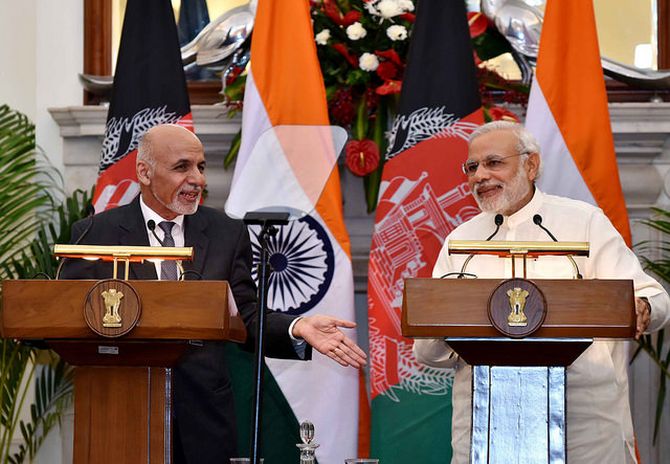
Strategic Council Online—Opinion: If for any reason, the Taliban are successful, either through political means and negotiations or military action, to possess maximum power in Afghanistan, and the two other parties—the North Front and the Liberal Democrats—are consequently placed in the weakness position, India would be definitely a loser as the Taliban’s view is ideological and therefore considers groups such as Lashkar-e-Taiba, Jaish-e-Mohammed and Hizb-ul-Mujahideen against India in Keshmir as its own allies. Therefore, if the Taliban are placed in the position of strength and power in Afghanistan, they would provide such groups with operational bases and India can no longer play a significant role in that country.
Pirmohammad Mollazehi—Expert of the subcontinent

أحدث الوظائف

Indicators for Choosing Between War and Diplomacy

SCFR Online – Opinion: Foreign policy analysis is valid when it evaluates decisions based on the information and circumstances prevailing at the time they were made, not on the basis of outcomes that only become apparent after the crisis has ended.

The war of narratives; a tool for geopolitical competition

Strategic Council Online – Note: In today’s global politics, the creation of narratives has become as important as territorial control and economic management, and has turned into the main tool of great power competition.

Analysis of the Recognition of the Armenian Genocide by the Zionist Regime

SCFR Online – Opinion: At a time when the West Asia region, particularly in recent months, has been undergoing the most complex political and security developments of the past half-century, the sudden decision by the cabinet of the Zionist regime to recognize the Armenian genocide committed by Turkey, which has faced strong condemnation and opposition from Ankara and Baku, raises questions.

Loading

Uzbeks

Effects of Taliban’s Rise to Power on Pakistan, Its Consequences

Effects of Taliban’s Rise to Power on Pakistan, Its Consequences

Strategic Council Online – Interview: An analyst of Asia affairs said that any possibility of insecurity in Afghanistan would damage Pakistan’s international reputation, adding: The Taliban’s victory in Afghanistan and acquisition of military and political facilities have given other extremist religious groups in Pakistan, being influenced by them, the hope to fight and pursue demands against their country’s sovereignty.

Prolongation of Afghan Crisis with Taliban’s Military, Violent Approach

Prolongation of Afghan Crisis with Taliban’s Military, Violent Approach

Strategic Council Online – Former Chief of Afghanistan Headquarters at the Ministry of Foreign Affairs stated that if the Tajiks enter the field of resistance against the Taliban, they will most likely have the support of the Uzbeks, Hazaras, Turkmen, other ethnic groups and even some Pashtuns, adding: Ethnic groups in Afghanistan have so far waited to see where the situation of the Taliban and resistance of the military against them will lead. The Taliban have not taken a stand against other ethnic groups and are trying not to turn the issue into an ethnic conflict.

Taliban Trying to Create Atmosphere of War and Peace to Gain More Points

Taliban Trying to Create Atmosphere of War and Peace to Gain More Points

Strategic Council Online – An expert on Afghan affairs stressed: The Taliban is trying to gain the most points from the two main factions of the government in the inter-Afghan peace negotiations process by escalating violence and claiming to have the largest share in any form of the future political structure of that country.

Prospect of Inter-Afghan talks

Prospect of Inter-Afghan talks

Strategic Council Online – An expert on the Subcontinent affairs said: The Taliban believe that the current government of Afghanistan is not a government to be dealt with, therefore, it should step down and an interim government should come to power so that perhaps negotiations can move forward.

The future of Afghanistan and India’s ambiguous relations with it

The future of Afghanistan and India’s ambiguous relations with it

Strategic Council Online—Opinion: If for any reason, the Taliban are successful, either through political means and negotiations or military action, to possess maximum power in Afghanistan, and the two other parties—the North Front and the Liberal Democrats—are consequently placed in the weakness position, India would be definitely a loser as the Taliban’s view is ideological and therefore considers groups such as Lashkar-e-Taiba, Jaish-e-Mohammed and Hizb-ul-Mujahideen against India in Keshmir as its own allies. Therefore, if the Taliban are placed in the position of strength and power in Afghanistan, they would provide such groups with operational bases and India can no longer play a significant role in that country.
Pirmohammad Mollazehi—Expert of the subcontinent

Uzbeks

Effects of Taliban’s Rise to Power on Pakistan, Its Consequences

Effects of Taliban’s Rise to Power on Pakistan, Its Consequences

Strategic Council Online – Interview: An analyst of Asia affairs said that any possibility of insecurity in Afghanistan would damage Pakistan’s international reputation, adding: The Taliban’s victory in Afghanistan and acquisition of military and political facilities have given other extremist religious groups in Pakistan, being influenced by them, the hope to fight and pursue demands against their country’s sovereignty.

Prolongation of Afghan Crisis with Taliban’s Military, Violent Approach

Prolongation of Afghan Crisis with Taliban’s Military, Violent Approach

Strategic Council Online – Former Chief of Afghanistan Headquarters at the Ministry of Foreign Affairs stated that if the Tajiks enter the field of resistance against the Taliban, they will most likely have the support of the Uzbeks, Hazaras, Turkmen, other ethnic groups and even some Pashtuns, adding: Ethnic groups in Afghanistan have so far waited to see where the situation of the Taliban and resistance of the military against them will lead. The Taliban have not taken a stand against other ethnic groups and are trying not to turn the issue into an ethnic conflict.

Taliban Trying to Create Atmosphere of War and Peace to Gain More Points

Taliban Trying to Create Atmosphere of War and Peace to Gain More Points

Strategic Council Online – An expert on Afghan affairs stressed: The Taliban is trying to gain the most points from the two main factions of the government in the inter-Afghan peace negotiations process by escalating violence and claiming to have the largest share in any form of the future political structure of that country.

Prospect of Inter-Afghan talks

Prospect of Inter-Afghan talks

Strategic Council Online – An expert on the Subcontinent affairs said: The Taliban believe that the current government of Afghanistan is not a government to be dealt with, therefore, it should step down and an interim government should come to power so that perhaps negotiations can move forward.

The future of Afghanistan and India’s ambiguous relations with it

The future of Afghanistan and India’s ambiguous relations with it

Strategic Council Online—Opinion: If for any reason, the Taliban are successful, either through political means and negotiations or military action, to possess maximum power in Afghanistan, and the two other parties—the North Front and the Liberal Democrats—are consequently placed in the weakness position, India would be definitely a loser as the Taliban’s view is ideological and therefore considers groups such as Lashkar-e-Taiba, Jaish-e-Mohammed and Hizb-ul-Mujahideen against India in Keshmir as its own allies. Therefore, if the Taliban are placed in the position of strength and power in Afghanistan, they would provide such groups with operational bases and India can no longer play a significant role in that country.
Pirmohammad Mollazehi—Expert of the subcontinent

LATEST CONTENT

Indicators for Choosing Between War and Diplomacy

SCFR Online – Opinion: Foreign policy analysis is valid when it evaluates decisions based on the information and circumstances prevailing at the time they were made, not on the basis of outcomes that only become apparent after the crisis has ended.

The war of narratives; a tool for geopolitical competition

Strategic Council Online – Note: In today’s global politics, the creation of narratives has become as important as territorial control and economic management, and has turned into the main tool of great power competition.

Analysis of the Recognition of the Armenian Genocide by the Zionist Regime

SCFR Online – Opinion: At a time when the West Asia region, particularly in recent months, has been undergoing the most complex political and security developments of the past half-century, the sudden decision by the cabinet of the Zionist regime to recognize the Armenian genocide committed by Turkey, which has faced strong condemnation and opposition from Ankara and Baku, raises questions.

Loading

Uzbeks

Effects of Taliban’s Rise to Power on Pakistan, Its Consequences

Effects of Taliban’s Rise to Power on Pakistan, Its Consequences

Strategic Council Online – Interview: An analyst of Asia affairs said that any possibility of insecurity in Afghanistan would damage Pakistan’s international reputation, adding: The Taliban’s victory in Afghanistan and acquisition of military and political facilities have given other extremist religious groups in Pakistan, being influenced by them, the hope to fight and pursue demands against their country’s sovereignty.

Prolongation of Afghan Crisis with Taliban’s Military, Violent Approach

Prolongation of Afghan Crisis with Taliban’s Military, Violent Approach

Strategic Council Online – Former Chief of Afghanistan Headquarters at the Ministry of Foreign Affairs stated that if the Tajiks enter the field of resistance against the Taliban, they will most likely have the support of the Uzbeks, Hazaras, Turkmen, other ethnic groups and even some Pashtuns, adding: Ethnic groups in Afghanistan have so far waited to see where the situation of the Taliban and resistance of the military against them will lead. The Taliban have not taken a stand against other ethnic groups and are trying not to turn the issue into an ethnic conflict.

Taliban Trying to Create Atmosphere of War and Peace to Gain More Points

Taliban Trying to Create Atmosphere of War and Peace to Gain More Points

Strategic Council Online – An expert on Afghan affairs stressed: The Taliban is trying to gain the most points from the two main factions of the government in the inter-Afghan peace negotiations process by escalating violence and claiming to have the largest share in any form of the future political structure of that country.

Prospect of Inter-Afghan talks

Prospect of Inter-Afghan talks

Strategic Council Online – An expert on the Subcontinent affairs said: The Taliban believe that the current government of Afghanistan is not a government to be dealt with, therefore, it should step down and an interim government should come to power so that perhaps negotiations can move forward.

The future of Afghanistan and India’s ambiguous relations with it

The future of Afghanistan and India’s ambiguous relations with it

Strategic Council Online—Opinion: If for any reason, the Taliban are successful, either through political means and negotiations or military action, to possess maximum power in Afghanistan, and the two other parties—the North Front and the Liberal Democrats—are consequently placed in the weakness position, India would be definitely a loser as the Taliban’s view is ideological and therefore considers groups such as Lashkar-e-Taiba, Jaish-e-Mohammed and Hizb-ul-Mujahideen against India in Keshmir as its own allies. Therefore, if the Taliban are placed in the position of strength and power in Afghanistan, they would provide such groups with operational bases and India can no longer play a significant role in that country.
Pirmohammad Mollazehi—Expert of the subcontinent

ÚLTIMAS PUBLICACIONES

Indicators for Choosing Between War and Diplomacy

SCFR Online – Opinion: Foreign policy analysis is valid when it evaluates decisions based on the information and circumstances prevailing at the time they were made, not on the basis of outcomes that only become apparent after the crisis has ended.

The war of narratives; a tool for geopolitical competition

Strategic Council Online – Note: In today’s global politics, the creation of narratives has become as important as territorial control and economic management, and has turned into the main tool of great power competition.

Analysis of the Recognition of the Armenian Genocide by the Zionist Regime

SCFR Online – Opinion: At a time when the West Asia region, particularly in recent months, has been undergoing the most complex political and security developments of the past half-century, the sudden decision by the cabinet of the Zionist regime to recognize the Armenian genocide committed by Turkey, which has faced strong condemnation and opposition from Ankara and Baku, raises questions.

Loading

Uzbeks

Effects of Taliban’s Rise to Power on Pakistan, Its Consequences

Effects of Taliban’s Rise to Power on Pakistan, Its Consequences

Strategic Council Online – Interview: An analyst of Asia affairs said that any possibility of insecurity in Afghanistan would damage Pakistan’s international reputation, adding: The Taliban’s victory in Afghanistan and acquisition of military and political facilities have given other extremist religious groups in Pakistan, being influenced by them, the hope to fight and pursue demands against their country’s sovereignty.

Prolongation of Afghan Crisis with Taliban’s Military, Violent Approach

Prolongation of Afghan Crisis with Taliban’s Military, Violent Approach

Strategic Council Online – Former Chief of Afghanistan Headquarters at the Ministry of Foreign Affairs stated that if the Tajiks enter the field of resistance against the Taliban, they will most likely have the support of the Uzbeks, Hazaras, Turkmen, other ethnic groups and even some Pashtuns, adding: Ethnic groups in Afghanistan have so far waited to see where the situation of the Taliban and resistance of the military against them will lead. The Taliban have not taken a stand against other ethnic groups and are trying not to turn the issue into an ethnic conflict.

Taliban Trying to Create Atmosphere of War and Peace to Gain More Points

Taliban Trying to Create Atmosphere of War and Peace to Gain More Points

Strategic Council Online – An expert on Afghan affairs stressed: The Taliban is trying to gain the most points from the two main factions of the government in the inter-Afghan peace negotiations process by escalating violence and claiming to have the largest share in any form of the future political structure of that country.

Prospect of Inter-Afghan talks

Prospect of Inter-Afghan talks

Strategic Council Online – An expert on the Subcontinent affairs said: The Taliban believe that the current government of Afghanistan is not a government to be dealt with, therefore, it should step down and an interim government should come to power so that perhaps negotiations can move forward.

The future of Afghanistan and India’s ambiguous relations with it

The future of Afghanistan and India’s ambiguous relations with it

Strategic Council Online—Opinion: If for any reason, the Taliban are successful, either through political means and negotiations or military action, to possess maximum power in Afghanistan, and the two other parties—the North Front and the Liberal Democrats—are consequently placed in the weakness position, India would be definitely a loser as the Taliban’s view is ideological and therefore considers groups such as Lashkar-e-Taiba, Jaish-e-Mohammed and Hizb-ul-Mujahideen against India in Keshmir as its own allies. Therefore, if the Taliban are placed in the position of strength and power in Afghanistan, they would provide such groups with operational bases and India can no longer play a significant role in that country.
Pirmohammad Mollazehi—Expert of the subcontinent

ÚLTIMAS PUBLICACIONES

Indicators for Choosing Between War and Diplomacy

SCFR Online – Opinion: Foreign policy analysis is valid when it evaluates decisions based on the information and circumstances prevailing at the time they were made, not on the basis of outcomes that only become apparent after the crisis has ended.

The war of narratives; a tool for geopolitical competition

Strategic Council Online – Note: In today’s global politics, the creation of narratives has become as important as territorial control and economic management, and has turned into the main tool of great power competition.

Analysis of the Recognition of the Armenian Genocide by the Zionist Regime

SCFR Online – Opinion: At a time when the West Asia region, particularly in recent months, has been undergoing the most complex political and security developments of the past half-century, the sudden decision by the cabinet of the Zionist regime to recognize the Armenian genocide committed by Turkey, which has faced strong condemnation and opposition from Ankara and Baku, raises questions.

Loading

Uzbeks

Effects of Taliban’s Rise to Power on Pakistan, Its Consequences

Effects of Taliban’s Rise to Power on Pakistan, Its Consequences

Strategic Council Online – Interview: An analyst of Asia affairs said that any possibility of insecurity in Afghanistan would damage Pakistan’s international reputation, adding: The Taliban’s victory in Afghanistan and acquisition of military and political facilities have given other extremist religious groups in Pakistan, being influenced by them, the hope to fight and pursue demands against their country’s sovereignty.

Prolongation of Afghan Crisis with Taliban’s Military, Violent Approach

Prolongation of Afghan Crisis with Taliban’s Military, Violent Approach

Strategic Council Online – Former Chief of Afghanistan Headquarters at the Ministry of Foreign Affairs stated that if the Tajiks enter the field of resistance against the Taliban, they will most likely have the support of the Uzbeks, Hazaras, Turkmen, other ethnic groups and even some Pashtuns, adding: Ethnic groups in Afghanistan have so far waited to see where the situation of the Taliban and resistance of the military against them will lead. The Taliban have not taken a stand against other ethnic groups and are trying not to turn the issue into an ethnic conflict.

Taliban Trying to Create Atmosphere of War and Peace to Gain More Points

Taliban Trying to Create Atmosphere of War and Peace to Gain More Points

Strategic Council Online – An expert on Afghan affairs stressed: The Taliban is trying to gain the most points from the two main factions of the government in the inter-Afghan peace negotiations process by escalating violence and claiming to have the largest share in any form of the future political structure of that country.

Prospect of Inter-Afghan talks

Prospect of Inter-Afghan talks

Strategic Council Online – An expert on the Subcontinent affairs said: The Taliban believe that the current government of Afghanistan is not a government to be dealt with, therefore, it should step down and an interim government should come to power so that perhaps negotiations can move forward.

The future of Afghanistan and India’s ambiguous relations with it

The future of Afghanistan and India’s ambiguous relations with it

Strategic Council Online—Opinion: If for any reason, the Taliban are successful, either through political means and negotiations or military action, to possess maximum power in Afghanistan, and the two other parties—the North Front and the Liberal Democrats—are consequently placed in the weakness position, India would be definitely a loser as the Taliban’s view is ideological and therefore considers groups such as Lashkar-e-Taiba, Jaish-e-Mohammed and Hizb-ul-Mujahideen against India in Keshmir as its own allies. Therefore, if the Taliban are placed in the position of strength and power in Afghanistan, they would provide such groups with operational bases and India can no longer play a significant role in that country.
Pirmohammad Mollazehi—Expert of the subcontinent

ÚLTIMAS PUBLICACIONES

Indicators for Choosing Between War and Diplomacy

SCFR Online – Opinion: Foreign policy analysis is valid when it evaluates decisions based on the information and circumstances prevailing at the time they were made, not on the basis of outcomes that only become apparent after the crisis has ended.

The war of narratives; a tool for geopolitical competition

Strategic Council Online – Note: In today’s global politics, the creation of narratives has become as important as territorial control and economic management, and has turned into the main tool of great power competition.

Analysis of the Recognition of the Armenian Genocide by the Zionist Regime

SCFR Online – Opinion: At a time when the West Asia region, particularly in recent months, has been undergoing the most complex political and security developments of the past half-century, the sudden decision by the cabinet of the Zionist regime to recognize the Armenian genocide committed by Turkey, which has faced strong condemnation and opposition from Ankara and Baku, raises questions.

Loading

Uzbeks

Effects of Taliban’s Rise to Power on Pakistan, Its Consequences

Effects of Taliban’s Rise to Power on Pakistan, Its Consequences

Strategic Council Online – Interview: An analyst of Asia affairs said that any possibility of insecurity in Afghanistan would damage Pakistan’s international reputation, adding: The Taliban’s victory in Afghanistan and acquisition of military and political facilities have given other extremist religious groups in Pakistan, being influenced by them, the hope to fight and pursue demands against their country’s sovereignty.

Prolongation of Afghan Crisis with Taliban’s Military, Violent Approach

Prolongation of Afghan Crisis with Taliban’s Military, Violent Approach

Strategic Council Online – Former Chief of Afghanistan Headquarters at the Ministry of Foreign Affairs stated that if the Tajiks enter the field of resistance against the Taliban, they will most likely have the support of the Uzbeks, Hazaras, Turkmen, other ethnic groups and even some Pashtuns, adding: Ethnic groups in Afghanistan have so far waited to see where the situation of the Taliban and resistance of the military against them will lead. The Taliban have not taken a stand against other ethnic groups and are trying not to turn the issue into an ethnic conflict.

Taliban Trying to Create Atmosphere of War and Peace to Gain More Points

Taliban Trying to Create Atmosphere of War and Peace to Gain More Points

Strategic Council Online – An expert on Afghan affairs stressed: The Taliban is trying to gain the most points from the two main factions of the government in the inter-Afghan peace negotiations process by escalating violence and claiming to have the largest share in any form of the future political structure of that country.

Prospect of Inter-Afghan talks

Prospect of Inter-Afghan talks

Strategic Council Online – An expert on the Subcontinent affairs said: The Taliban believe that the current government of Afghanistan is not a government to be dealt with, therefore, it should step down and an interim government should come to power so that perhaps negotiations can move forward.

The future of Afghanistan and India’s ambiguous relations with it

The future of Afghanistan and India’s ambiguous relations with it

Strategic Council Online—Opinion: If for any reason, the Taliban are successful, either through political means and negotiations or military action, to possess maximum power in Afghanistan, and the two other parties—the North Front and the Liberal Democrats—are consequently placed in the weakness position, India would be definitely a loser as the Taliban’s view is ideological and therefore considers groups such as Lashkar-e-Taiba, Jaish-e-Mohammed and Hizb-ul-Mujahideen against India in Keshmir as its own allies. Therefore, if the Taliban are placed in the position of strength and power in Afghanistan, they would provide such groups with operational bases and India can no longer play a significant role in that country.
Pirmohammad Mollazehi—Expert of the subcontinent

ÚLTIMAS PUBLICACIONES

Indicators for Choosing Between War and Diplomacy

SCFR Online – Opinion: Foreign policy analysis is valid when it evaluates decisions based on the information and circumstances prevailing at the time they were made, not on the basis of outcomes that only become apparent after the crisis has ended.

The war of narratives; a tool for geopolitical competition

Strategic Council Online – Note: In today’s global politics, the creation of narratives has become as important as territorial control and economic management, and has turned into the main tool of great power competition.

Analysis of the Recognition of the Armenian Genocide by the Zionist Regime

SCFR Online – Opinion: At a time when the West Asia region, particularly in recent months, has been undergoing the most complex political and security developments of the past half-century, the sudden decision by the cabinet of the Zionist regime to recognize the Armenian genocide committed by Turkey, which has faced strong condemnation and opposition from Ankara and Baku, raises questions.

Loading