جدیدترین مطالب

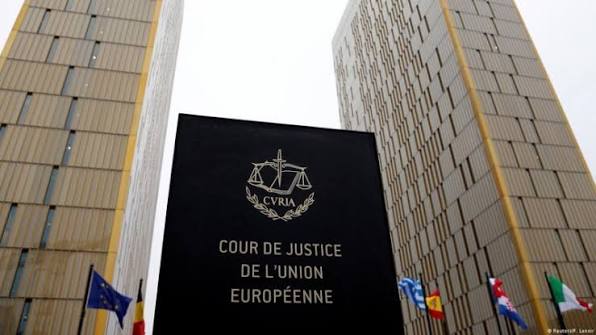
Consequences of Declining Trust in the Judiciary in Europe

SCFRonline – Opinion: The increase in public distrust of the French judicial system, which in recent surveys has reached approximately two-thirds of citizens, should be analyzed within a framework broader than temporary dissatisfaction or an emotional reaction to a particular criminal case.
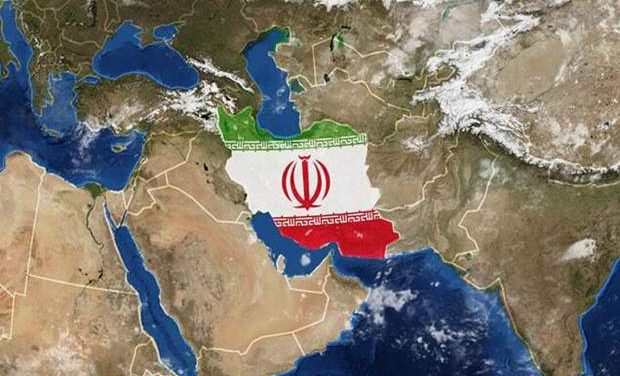
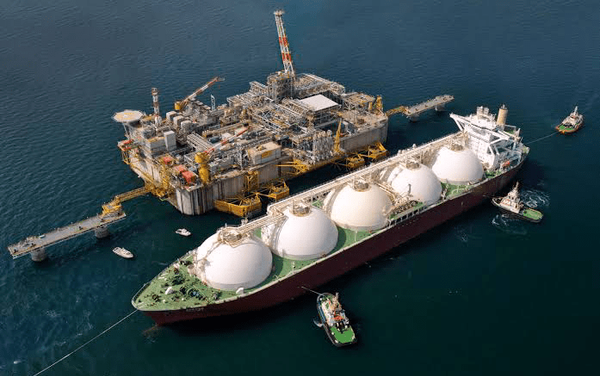
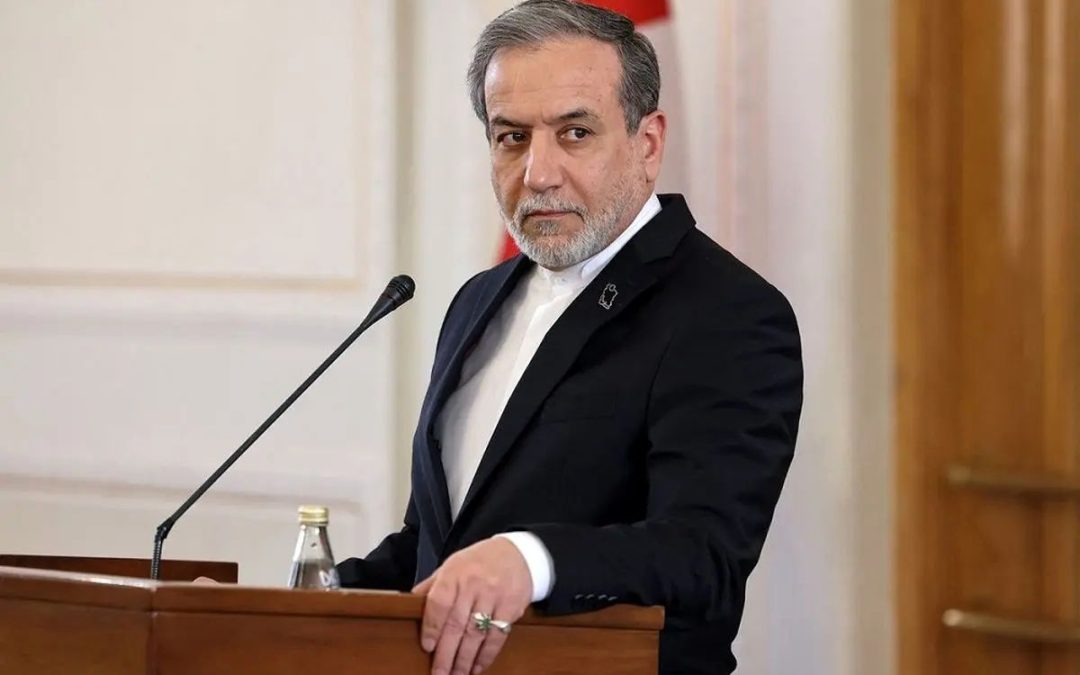
Iran’s Potential Levers of Power

SCFRonline– Opinion: Iran’s geopolitical power is not limited solely to oil and the Strait of Hormuz; the unintended emergence of disruptions in the future global food and energy security chains can also demonstrate Iran’s strategic importance.

The Inseparability of the Lebanese Front from the Axis of Resistance

SCFR Online–Opinion: By providing an extensive network of social, healthcare, educational, and post-war reconstruction services, Hezbollah has established a strong social base for itself among Lebanon’s Shiites and Sunnis, and even beyond that, among other segments of Lebanese society, including Christians. Hezbollah has never been an external actor imposed upon Lebanon; rather, it is a phenomenon fundamentally born out of the occupation and crimes of the Zionist regime and itself influenced by popular resistance.

The Increasing Efforts of the Zionist Regime to Redefine Borders and the Regional Order and Its Consequences

SCFR Online– Opinion: Security and military developments in the region over recent months indicate that the ongoing crises and wars in Gaza, southern Lebanon, and parts of Syrian territory encompass broader dimensions of geopolitical and geostrategic transformations. In this context, the increased military presence and control of the Zionist regime over parts of the territories of these areas, along with proposals regarding the creation of buffer zones or even the expansion of security borders, have raised serious questions about the future of the regional order and its consequences for the countries of West Asia.

Loading

USA

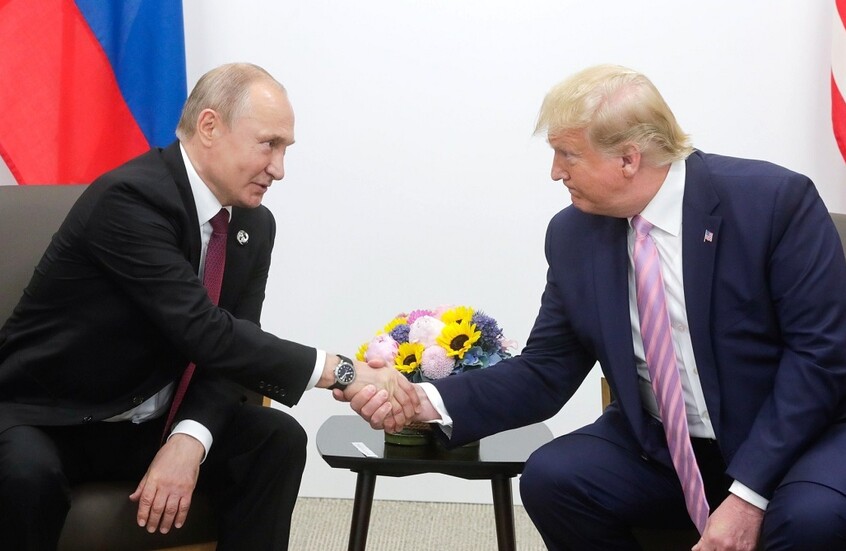
Alaska: Deal-Making Stage or Geopolitical Minefield?

Alaska: Deal-Making Stage or Geopolitical Minefield?

Strategic Council Online – Interview: A senior international affairs analyst stated: “The final week of summer 2025 marks a sensitive test for international relations and the future of the Ukraine war. The meeting between Donald Trump and Vladimir Putin in Alaska was merely seven months after Trump’s return to the White House, as the Ukraine war rages on relentlessly.” Volodymyr Zelenskyy, Ukraine’s president, has preemptively rejected Trump’s proposed peace plan—likely based on territorial concessions to Russia—warning that any agreement without Kyiv’s presence and consent would be a “dead solution.” Observers view the clash of interests among Moscow, Washington, Kyiv, and Europe as the intersection of four conflicting logics: Washington’s deal-driven logic, Moscow’s consolidationist logic, and Kyiv’s and Europe’s survivalist logic. While scenarios range from a minimal agreement to tacit Putin-Trump collusion solidifying current frontlines, each carries profound implications for European security and global power balances. Zelenskyy’s absence from Alaska could heighten risks of a deal that not only weakens Ukraine’s position but also undermines the legitimacy of fundamental international law.

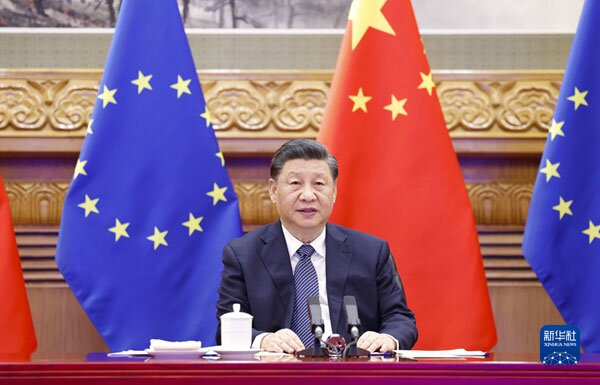
Brussels and Beijing: Cautious Cooperation Based on Dependency with a Flavor of Distrust

Brussels and Beijing: Cautious Cooperation Based on Dependency with a Flavor of Distrust

Strategy Council Online – Opinion: At the recent summit of European Union leaders and China, held in Beijing to mark the 50th anniversary of diplomatic relations, the parties once again sought to redefine their relationship in an atmosphere filled with mutual opportunities and threats. While the European Union emphasized the need to deepen cooperation with China, particularly in combating climate change and removing trade barriers, the heavy shadow of the Ukraine crisis and the escalating geopolitical tensions between Washington and Beijing pushed the talks to an unprecedented level of prudence and caution.

Consequences of the “Lebanon Minus Resistance” Scenario

Consequences of the “Lebanon Minus Resistance” Scenario

Strategic Council Online – Interview: An expert on Arab world affairs said: One of the Zionist regime’s primary motives for insisting on disarming Hezbollah is to create a security vacuum in Lebanon so that, if needed, the possibility of attacking it again is provided. Today, Lebanon is witnessing one of its most sensitive political junctures in recent years; the Lebanese cabinet, in its recent session chaired by Najib Mikati, the country’s Prime Minister, approved the content of the US proposal for disarming Hezbollah and monopolizing weapons in the hands of the army, despite opposition from some ministers. The US proposal, which has faced firm opposition from the Hezbollah, was brought to Beirut by Thomas Barrack, the US Special Envoy, and with a paternalistic approach, considers disarming the Hezbollah a precondition for starting any dialogue and border demarcation, explicitly stating that this plan must either be entirely accepted or Lebanon must accept the consequences of its rejection.

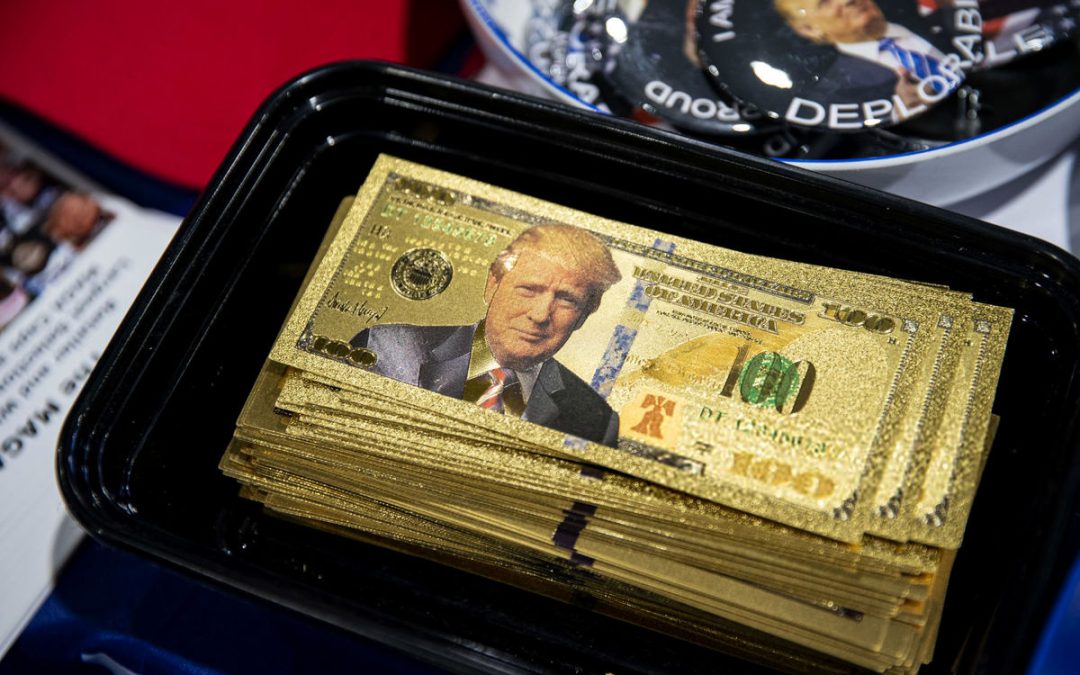
Feedback on Trump’s Economic Policies in America

Feedback on Trump’s Economic Policies in America

Strategic Council Online – Interview: An American affairs analyst stated: Although only seven months have passed since the beginning of Donald Trump’s second term in the White House, the administration’s official narrative of economic performance has again become a contentious subject in American academic, media, and expert circles. Statistics recently released by the Trump administration on economic indicators appear to suggest economic revival, reduced inflation, and a strengthened labor market. However, when these statistics are juxtaposed with independent data and credible surveys, a different and concerning picture of the U.S. economy’s real condition emerges. Rising unemployment rates, declining employment growth, falling labor force participation, consumer inflation exceeding optimal levels, and widespread public dissatisfaction with living costs are the most significant indicators challenging the Trump administration’s narrative. This comes as Trump, repeating his “Make America Great Again” slogan, had promised that protective trade policies and heavy tariffs would increase domestic employment and enhance the competitiveness of U.S. industries. Yet according to many economists and market observers, these policies have not only failed to revive the economy but have instead increased production costs, burdened domestic consumers, and disrupted global supply chains.

The 12-Day War: An Opportunity for Designing Targeted Public Diplomacy

The 12-Day War: An Opportunity for Designing Targeted Public Diplomacy

Strategic Council Online – Interview: A researcher on West Asian affairs stated: The 12-day war of the Israeli regime against Iran, despite its aggressive and destructive nature, can turn into a strategic opportunity for our country; a chance to legitimize defense policies and strengthen the Resistance Discourse in the international system. In a world where public opinion plays an increasing role in shaping policies, effective narrative-building about this war is the key to turning threat into opportunity. Iran, relying on public diplomacy and transnational media, can present the Israeli regime’s attacks as a blatant violation of international law and emphasize its legitimate right to defense and deterrence. Furthermore, by portraying itself as logical, resistant, and oppressed, it can pave the way for increased regional and global empathy. Ultimately, this war can provide a platform for domestic consensus, cohesion of the Resistance Axis, and redefining Iran’s position as a responsible actor in regional security equations.

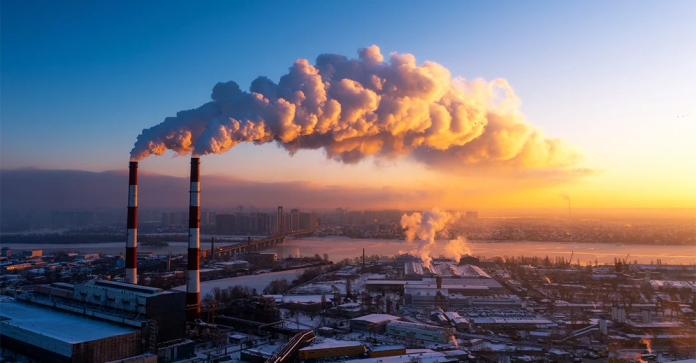
The Necessity of Strengthening Environmental Diplomacy to Counter the Consequences of the Trump Administration’s Deregulation

The Necessity of Strengthening Environmental Diplomacy to Counter the Consequences of the Trump Administration’s Deregulation

Strategic Council Online – Interview: A senior international security analyst stated: The Trump administration’s environmental deregulation policies will inflict serious and long-term damage on international security. The Donald Trump administration has adopted a controversial approach through extensive environmental deregulation policies, including revoking the 2009 scientific finding that identified greenhouse gases as a threat to public health. This decision, described by Lee Zeldin, head of the U.S. Environmental Protection Agency (EPA), as “the largest deregulation in American history,” not only weakens global efforts to combat global warming but will also have more destructive repercussions in the realm of international security.

Legal Avenues for Seeking Justice for the Crimes and Damages of the 12-Day War in International Forums

Legal Avenues for Seeking Justice for the Crimes and Damages of the 12-Day War in International Forums

Strategic Council Online Opinion: The 12-day imposed war, which began on June 12 of this year with the Zionist regime’s invasion of Iranian soil, marked one of the darkest chapters in Iran’s contemporary history. This conflict started with Israel’s surprise attacks on Iran’s military and nuclear facilities, as well as civilian targets, including several hospitals. It was accompanied by the targeted assassinations of military commanders and prominent nuclear scientists, the destruction of Evin Prison (resulting in 71 deaths), and the bombing of the Islamic Republic of Iran Broadcasting (IRIB. The direct involvement of the U.S., through the bombing of Iran’s peaceful nuclear facilities in Fordow and Isfahan, completed this tragedy. These actions not only constituted a blatant violation of international obligations, including the UN Charter, the Geneva Conventions, and the Treaty on the Non-Proliferation of Nuclear Weapons (NPT), but also imposed heavy legal and criminal responsibility on the U.S. and the Israeli regime.

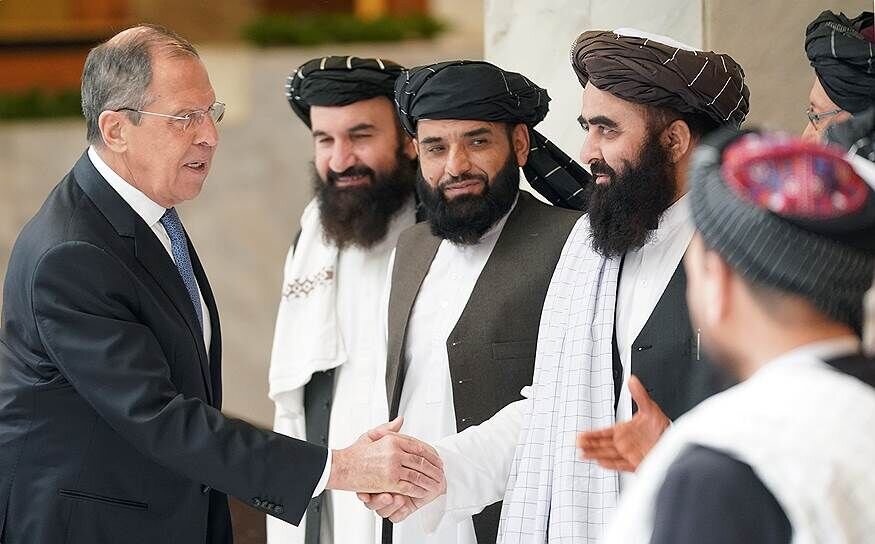
An Analysis of Russia’s Official Recognition of the Taliban

An Analysis of Russia’s Official Recognition of the Taliban

Strategic Council Online – Interview: A former Iranian diplomat stated that Russia’s recognition of the Taliban or the Islamic Emirate of Afghanistan is primarily a security and intelligence matter, and any expansion of political and economic relations with the Taliban will undoubtedly be carried out with Moscow’s specific considerations.

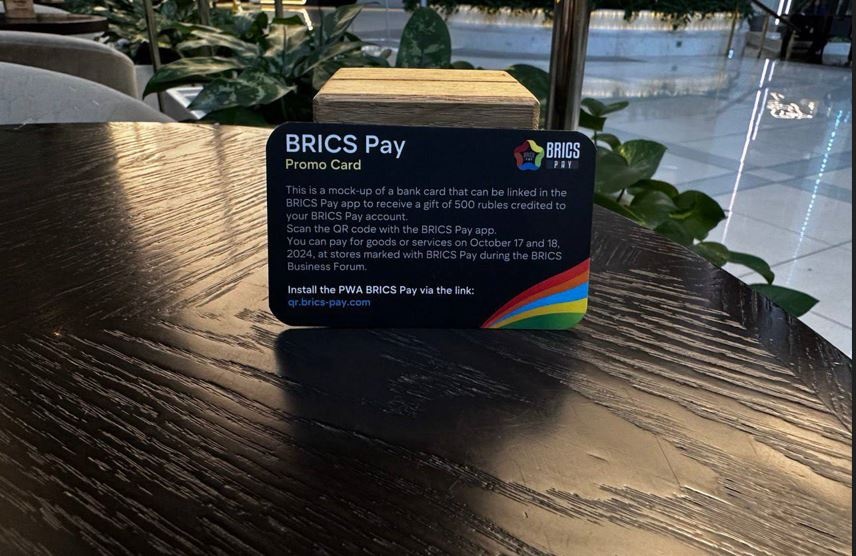
BRICS Initiatives to Reduce Countries’ Dependence on the Dollar and Their Challenges

BRICS Initiatives to Reduce Countries’ Dependence on the Dollar and Their Challenges

Strategic Council Online – Opinion: The expansion of the BRICS group, particularly with the addition of influential powers such as Iran, Saudi Arabia, the UAE, and Egypt, has sparked a wave of concern in American policymaking circles, especially among conservative factions symbolized by Donald Trump. This fear does not stem merely from the increase in membership. Still, it is rooted in the coalition’s potential to challenge the Western-led economic and political order—particularly the dollar’s exclusive status as the global reserve and exchange currency.

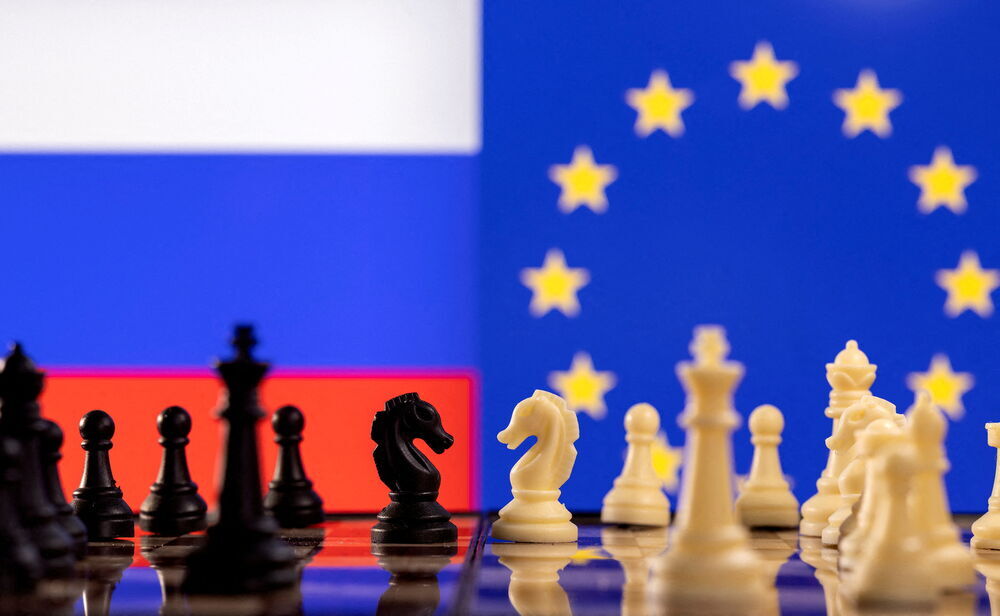
The Ukraine War and Europe’s Security Scenarios

The Ukraine War and Europe’s Security Scenarios

Strategic Council Online – Interview: A Russia affairs expert stated that Europe will face a complex security environment in the future, including increased militarization, economic challenges stemming from cutting dependence on Russian energy, and the need to redefine relations with the U.S. and NATO. As a result, without sustainable solutions, Europe may face greater existential, economic, and social threats in the future.

أحدث الوظائف

Consequences of Declining Trust in the Judiciary in Europe

SCFRonline – Opinion: The increase in public distrust of the French judicial system, which in recent surveys has reached approximately two-thirds of citizens, should be analyzed within a framework broader than temporary dissatisfaction or an emotional reaction to a particular criminal case.

Iran’s Potential Levers of Power

SCFRonline– Opinion: Iran’s geopolitical power is not limited solely to oil and the Strait of Hormuz; the unintended emergence of disruptions in the future global food and energy security chains can also demonstrate Iran’s strategic importance.

The Inseparability of the Lebanese Front from the Axis of Resistance

SCFR Online–Opinion: By providing an extensive network of social, healthcare, educational, and post-war reconstruction services, Hezbollah has established a strong social base for itself among Lebanon’s Shiites and Sunnis, and even beyond that, among other segments of Lebanese society, including Christians. Hezbollah has never been an external actor imposed upon Lebanon; rather, it is a phenomenon fundamentally born out of the occupation and crimes of the Zionist regime and itself influenced by popular resistance.

The Increasing Efforts of the Zionist Regime to Redefine Borders and the Regional Order and Its Consequences

SCFR Online– Opinion: Security and military developments in the region over recent months indicate that the ongoing crises and wars in Gaza, southern Lebanon, and parts of Syrian territory encompass broader dimensions of geopolitical and geostrategic transformations. In this context, the increased military presence and control of the Zionist regime over parts of the territories of these areas, along with proposals regarding the creation of buffer zones or even the expansion of security borders, have raised serious questions about the future of the regional order and its consequences for the countries of West Asia.

Loading

USA

Alaska: Deal-Making Stage or Geopolitical Minefield?

Alaska: Deal-Making Stage or Geopolitical Minefield?

Strategic Council Online – Interview: A senior international affairs analyst stated: “The final week of summer 2025 marks a sensitive test for international relations and the future of the Ukraine war. The meeting between Donald Trump and Vladimir Putin in Alaska was merely seven months after Trump’s return to the White House, as the Ukraine war rages on relentlessly.” Volodymyr Zelenskyy, Ukraine’s president, has preemptively rejected Trump’s proposed peace plan—likely based on territorial concessions to Russia—warning that any agreement without Kyiv’s presence and consent would be a “dead solution.” Observers view the clash of interests among Moscow, Washington, Kyiv, and Europe as the intersection of four conflicting logics: Washington’s deal-driven logic, Moscow’s consolidationist logic, and Kyiv’s and Europe’s survivalist logic. While scenarios range from a minimal agreement to tacit Putin-Trump collusion solidifying current frontlines, each carries profound implications for European security and global power balances. Zelenskyy’s absence from Alaska could heighten risks of a deal that not only weakens Ukraine’s position but also undermines the legitimacy of fundamental international law.

Brussels and Beijing: Cautious Cooperation Based on Dependency with a Flavor of Distrust

Brussels and Beijing: Cautious Cooperation Based on Dependency with a Flavor of Distrust

Strategy Council Online – Opinion: At the recent summit of European Union leaders and China, held in Beijing to mark the 50th anniversary of diplomatic relations, the parties once again sought to redefine their relationship in an atmosphere filled with mutual opportunities and threats. While the European Union emphasized the need to deepen cooperation with China, particularly in combating climate change and removing trade barriers, the heavy shadow of the Ukraine crisis and the escalating geopolitical tensions between Washington and Beijing pushed the talks to an unprecedented level of prudence and caution.

Consequences of the “Lebanon Minus Resistance” Scenario

Consequences of the “Lebanon Minus Resistance” Scenario

Strategic Council Online – Interview: An expert on Arab world affairs said: One of the Zionist regime’s primary motives for insisting on disarming Hezbollah is to create a security vacuum in Lebanon so that, if needed, the possibility of attacking it again is provided. Today, Lebanon is witnessing one of its most sensitive political junctures in recent years; the Lebanese cabinet, in its recent session chaired by Najib Mikati, the country’s Prime Minister, approved the content of the US proposal for disarming Hezbollah and monopolizing weapons in the hands of the army, despite opposition from some ministers. The US proposal, which has faced firm opposition from the Hezbollah, was brought to Beirut by Thomas Barrack, the US Special Envoy, and with a paternalistic approach, considers disarming the Hezbollah a precondition for starting any dialogue and border demarcation, explicitly stating that this plan must either be entirely accepted or Lebanon must accept the consequences of its rejection.

Feedback on Trump’s Economic Policies in America

Feedback on Trump’s Economic Policies in America

Strategic Council Online – Interview: An American affairs analyst stated: Although only seven months have passed since the beginning of Donald Trump’s second term in the White House, the administration’s official narrative of economic performance has again become a contentious subject in American academic, media, and expert circles. Statistics recently released by the Trump administration on economic indicators appear to suggest economic revival, reduced inflation, and a strengthened labor market. However, when these statistics are juxtaposed with independent data and credible surveys, a different and concerning picture of the U.S. economy’s real condition emerges. Rising unemployment rates, declining employment growth, falling labor force participation, consumer inflation exceeding optimal levels, and widespread public dissatisfaction with living costs are the most significant indicators challenging the Trump administration’s narrative. This comes as Trump, repeating his “Make America Great Again” slogan, had promised that protective trade policies and heavy tariffs would increase domestic employment and enhance the competitiveness of U.S. industries. Yet according to many economists and market observers, these policies have not only failed to revive the economy but have instead increased production costs, burdened domestic consumers, and disrupted global supply chains.

The 12-Day War: An Opportunity for Designing Targeted Public Diplomacy

The 12-Day War: An Opportunity for Designing Targeted Public Diplomacy

Strategic Council Online – Interview: A researcher on West Asian affairs stated: The 12-day war of the Israeli regime against Iran, despite its aggressive and destructive nature, can turn into a strategic opportunity for our country; a chance to legitimize defense policies and strengthen the Resistance Discourse in the international system. In a world where public opinion plays an increasing role in shaping policies, effective narrative-building about this war is the key to turning threat into opportunity. Iran, relying on public diplomacy and transnational media, can present the Israeli regime’s attacks as a blatant violation of international law and emphasize its legitimate right to defense and deterrence. Furthermore, by portraying itself as logical, resistant, and oppressed, it can pave the way for increased regional and global empathy. Ultimately, this war can provide a platform for domestic consensus, cohesion of the Resistance Axis, and redefining Iran’s position as a responsible actor in regional security equations.

The Necessity of Strengthening Environmental Diplomacy to Counter the Consequences of the Trump Administration’s Deregulation

The Necessity of Strengthening Environmental Diplomacy to Counter the Consequences of the Trump Administration’s Deregulation

Strategic Council Online – Interview: A senior international security analyst stated: The Trump administration’s environmental deregulation policies will inflict serious and long-term damage on international security. The Donald Trump administration has adopted a controversial approach through extensive environmental deregulation policies, including revoking the 2009 scientific finding that identified greenhouse gases as a threat to public health. This decision, described by Lee Zeldin, head of the U.S. Environmental Protection Agency (EPA), as “the largest deregulation in American history,” not only weakens global efforts to combat global warming but will also have more destructive repercussions in the realm of international security.

Legal Avenues for Seeking Justice for the Crimes and Damages of the 12-Day War in International Forums

Legal Avenues for Seeking Justice for the Crimes and Damages of the 12-Day War in International Forums

Strategic Council Online Opinion: The 12-day imposed war, which began on June 12 of this year with the Zionist regime’s invasion of Iranian soil, marked one of the darkest chapters in Iran’s contemporary history. This conflict started with Israel’s surprise attacks on Iran’s military and nuclear facilities, as well as civilian targets, including several hospitals. It was accompanied by the targeted assassinations of military commanders and prominent nuclear scientists, the destruction of Evin Prison (resulting in 71 deaths), and the bombing of the Islamic Republic of Iran Broadcasting (IRIB. The direct involvement of the U.S., through the bombing of Iran’s peaceful nuclear facilities in Fordow and Isfahan, completed this tragedy. These actions not only constituted a blatant violation of international obligations, including the UN Charter, the Geneva Conventions, and the Treaty on the Non-Proliferation of Nuclear Weapons (NPT), but also imposed heavy legal and criminal responsibility on the U.S. and the Israeli regime.

An Analysis of Russia’s Official Recognition of the Taliban

An Analysis of Russia’s Official Recognition of the Taliban

Strategic Council Online – Interview: A former Iranian diplomat stated that Russia’s recognition of the Taliban or the Islamic Emirate of Afghanistan is primarily a security and intelligence matter, and any expansion of political and economic relations with the Taliban will undoubtedly be carried out with Moscow’s specific considerations.

BRICS Initiatives to Reduce Countries’ Dependence on the Dollar and Their Challenges

BRICS Initiatives to Reduce Countries’ Dependence on the Dollar and Their Challenges

Strategic Council Online – Opinion: The expansion of the BRICS group, particularly with the addition of influential powers such as Iran, Saudi Arabia, the UAE, and Egypt, has sparked a wave of concern in American policymaking circles, especially among conservative factions symbolized by Donald Trump. This fear does not stem merely from the increase in membership. Still, it is rooted in the coalition’s potential to challenge the Western-led economic and political order—particularly the dollar’s exclusive status as the global reserve and exchange currency.

The Ukraine War and Europe’s Security Scenarios

The Ukraine War and Europe’s Security Scenarios

Strategic Council Online – Interview: A Russia affairs expert stated that Europe will face a complex security environment in the future, including increased militarization, economic challenges stemming from cutting dependence on Russian energy, and the need to redefine relations with the U.S. and NATO. As a result, without sustainable solutions, Europe may face greater existential, economic, and social threats in the future.

USA

Alaska: Deal-Making Stage or Geopolitical Minefield?

Alaska: Deal-Making Stage or Geopolitical Minefield?

Strategic Council Online – Interview: A senior international affairs analyst stated: “The final week of summer 2025 marks a sensitive test for international relations and the future of the Ukraine war. The meeting between Donald Trump and Vladimir Putin in Alaska was merely seven months after Trump’s return to the White House, as the Ukraine war rages on relentlessly.” Volodymyr Zelenskyy, Ukraine’s president, has preemptively rejected Trump’s proposed peace plan—likely based on territorial concessions to Russia—warning that any agreement without Kyiv’s presence and consent would be a “dead solution.” Observers view the clash of interests among Moscow, Washington, Kyiv, and Europe as the intersection of four conflicting logics: Washington’s deal-driven logic, Moscow’s consolidationist logic, and Kyiv’s and Europe’s survivalist logic. While scenarios range from a minimal agreement to tacit Putin-Trump collusion solidifying current frontlines, each carries profound implications for European security and global power balances. Zelenskyy’s absence from Alaska could heighten risks of a deal that not only weakens Ukraine’s position but also undermines the legitimacy of fundamental international law.

Brussels and Beijing: Cautious Cooperation Based on Dependency with a Flavor of Distrust

Brussels and Beijing: Cautious Cooperation Based on Dependency with a Flavor of Distrust

Strategy Council Online – Opinion: At the recent summit of European Union leaders and China, held in Beijing to mark the 50th anniversary of diplomatic relations, the parties once again sought to redefine their relationship in an atmosphere filled with mutual opportunities and threats. While the European Union emphasized the need to deepen cooperation with China, particularly in combating climate change and removing trade barriers, the heavy shadow of the Ukraine crisis and the escalating geopolitical tensions between Washington and Beijing pushed the talks to an unprecedented level of prudence and caution.

Consequences of the “Lebanon Minus Resistance” Scenario

Consequences of the “Lebanon Minus Resistance” Scenario

Strategic Council Online – Interview: An expert on Arab world affairs said: One of the Zionist regime’s primary motives for insisting on disarming Hezbollah is to create a security vacuum in Lebanon so that, if needed, the possibility of attacking it again is provided. Today, Lebanon is witnessing one of its most sensitive political junctures in recent years; the Lebanese cabinet, in its recent session chaired by Najib Mikati, the country’s Prime Minister, approved the content of the US proposal for disarming Hezbollah and monopolizing weapons in the hands of the army, despite opposition from some ministers. The US proposal, which has faced firm opposition from the Hezbollah, was brought to Beirut by Thomas Barrack, the US Special Envoy, and with a paternalistic approach, considers disarming the Hezbollah a precondition for starting any dialogue and border demarcation, explicitly stating that this plan must either be entirely accepted or Lebanon must accept the consequences of its rejection.

Feedback on Trump’s Economic Policies in America

Feedback on Trump’s Economic Policies in America

Strategic Council Online – Interview: An American affairs analyst stated: Although only seven months have passed since the beginning of Donald Trump’s second term in the White House, the administration’s official narrative of economic performance has again become a contentious subject in American academic, media, and expert circles. Statistics recently released by the Trump administration on economic indicators appear to suggest economic revival, reduced inflation, and a strengthened labor market. However, when these statistics are juxtaposed with independent data and credible surveys, a different and concerning picture of the U.S. economy’s real condition emerges. Rising unemployment rates, declining employment growth, falling labor force participation, consumer inflation exceeding optimal levels, and widespread public dissatisfaction with living costs are the most significant indicators challenging the Trump administration’s narrative. This comes as Trump, repeating his “Make America Great Again” slogan, had promised that protective trade policies and heavy tariffs would increase domestic employment and enhance the competitiveness of U.S. industries. Yet according to many economists and market observers, these policies have not only failed to revive the economy but have instead increased production costs, burdened domestic consumers, and disrupted global supply chains.

The 12-Day War: An Opportunity for Designing Targeted Public Diplomacy

The 12-Day War: An Opportunity for Designing Targeted Public Diplomacy

Strategic Council Online – Interview: A researcher on West Asian affairs stated: The 12-day war of the Israeli regime against Iran, despite its aggressive and destructive nature, can turn into a strategic opportunity for our country; a chance to legitimize defense policies and strengthen the Resistance Discourse in the international system. In a world where public opinion plays an increasing role in shaping policies, effective narrative-building about this war is the key to turning threat into opportunity. Iran, relying on public diplomacy and transnational media, can present the Israeli regime’s attacks as a blatant violation of international law and emphasize its legitimate right to defense and deterrence. Furthermore, by portraying itself as logical, resistant, and oppressed, it can pave the way for increased regional and global empathy. Ultimately, this war can provide a platform for domestic consensus, cohesion of the Resistance Axis, and redefining Iran’s position as a responsible actor in regional security equations.

The Necessity of Strengthening Environmental Diplomacy to Counter the Consequences of the Trump Administration’s Deregulation

The Necessity of Strengthening Environmental Diplomacy to Counter the Consequences of the Trump Administration’s Deregulation

Strategic Council Online – Interview: A senior international security analyst stated: The Trump administration’s environmental deregulation policies will inflict serious and long-term damage on international security. The Donald Trump administration has adopted a controversial approach through extensive environmental deregulation policies, including revoking the 2009 scientific finding that identified greenhouse gases as a threat to public health. This decision, described by Lee Zeldin, head of the U.S. Environmental Protection Agency (EPA), as “the largest deregulation in American history,” not only weakens global efforts to combat global warming but will also have more destructive repercussions in the realm of international security.

Legal Avenues for Seeking Justice for the Crimes and Damages of the 12-Day War in International Forums

Legal Avenues for Seeking Justice for the Crimes and Damages of the 12-Day War in International Forums

Strategic Council Online Opinion: The 12-day imposed war, which began on June 12 of this year with the Zionist regime’s invasion of Iranian soil, marked one of the darkest chapters in Iran’s contemporary history. This conflict started with Israel’s surprise attacks on Iran’s military and nuclear facilities, as well as civilian targets, including several hospitals. It was accompanied by the targeted assassinations of military commanders and prominent nuclear scientists, the destruction of Evin Prison (resulting in 71 deaths), and the bombing of the Islamic Republic of Iran Broadcasting (IRIB. The direct involvement of the U.S., through the bombing of Iran’s peaceful nuclear facilities in Fordow and Isfahan, completed this tragedy. These actions not only constituted a blatant violation of international obligations, including the UN Charter, the Geneva Conventions, and the Treaty on the Non-Proliferation of Nuclear Weapons (NPT), but also imposed heavy legal and criminal responsibility on the U.S. and the Israeli regime.

An Analysis of Russia’s Official Recognition of the Taliban

An Analysis of Russia’s Official Recognition of the Taliban

Strategic Council Online – Interview: A former Iranian diplomat stated that Russia’s recognition of the Taliban or the Islamic Emirate of Afghanistan is primarily a security and intelligence matter, and any expansion of political and economic relations with the Taliban will undoubtedly be carried out with Moscow’s specific considerations.

BRICS Initiatives to Reduce Countries’ Dependence on the Dollar and Their Challenges

BRICS Initiatives to Reduce Countries’ Dependence on the Dollar and Their Challenges

Strategic Council Online – Opinion: The expansion of the BRICS group, particularly with the addition of influential powers such as Iran, Saudi Arabia, the UAE, and Egypt, has sparked a wave of concern in American policymaking circles, especially among conservative factions symbolized by Donald Trump. This fear does not stem merely from the increase in membership. Still, it is rooted in the coalition’s potential to challenge the Western-led economic and political order—particularly the dollar’s exclusive status as the global reserve and exchange currency.

The Ukraine War and Europe’s Security Scenarios

The Ukraine War and Europe’s Security Scenarios

Strategic Council Online – Interview: A Russia affairs expert stated that Europe will face a complex security environment in the future, including increased militarization, economic challenges stemming from cutting dependence on Russian energy, and the need to redefine relations with the U.S. and NATO. As a result, without sustainable solutions, Europe may face greater existential, economic, and social threats in the future.

LATEST CONTENT

Consequences of Declining Trust in the Judiciary in Europe

SCFRonline – Opinion: The increase in public distrust of the French judicial system, which in recent surveys has reached approximately two-thirds of citizens, should be analyzed within a framework broader than temporary dissatisfaction or an emotional reaction to a particular criminal case.
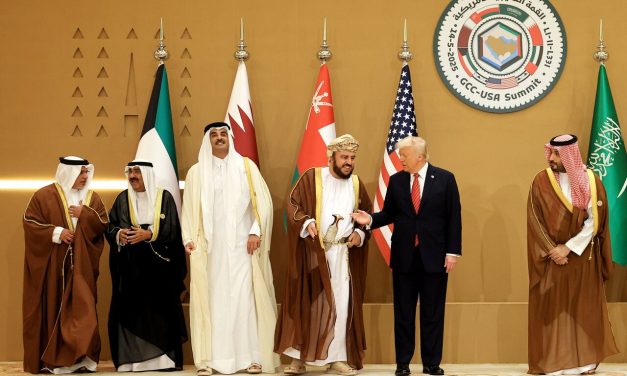
Iran’s Potential Levers of Power

SCFRonline– Opinion: Iran’s geopolitical power is not limited solely to oil and the Strait of Hormuz; the unintended emergence of disruptions in the future global food and energy security chains can also demonstrate Iran’s strategic importance.

The Inseparability of the Lebanese Front from the Axis of Resistance

SCFR Online–Opinion: By providing an extensive network of social, healthcare, educational, and post-war reconstruction services, Hezbollah has established a strong social base for itself among Lebanon’s Shiites and Sunnis, and even beyond that, among other segments of Lebanese society, including Christians. Hezbollah has never been an external actor imposed upon Lebanon; rather, it is a phenomenon fundamentally born out of the occupation and crimes of the Zionist regime and itself influenced by popular resistance.

The Increasing Efforts of the Zionist Regime to Redefine Borders and the Regional Order and Its Consequences

SCFR Online– Opinion: Security and military developments in the region over recent months indicate that the ongoing crises and wars in Gaza, southern Lebanon, and parts of Syrian territory encompass broader dimensions of geopolitical and geostrategic transformations. In this context, the increased military presence and control of the Zionist regime over parts of the territories of these areas, along with proposals regarding the creation of buffer zones or even the expansion of security borders, have raised serious questions about the future of the regional order and its consequences for the countries of West Asia.

Loading

USA

Alaska: Deal-Making Stage or Geopolitical Minefield?

Alaska: Deal-Making Stage or Geopolitical Minefield?

Strategic Council Online – Interview: A senior international affairs analyst stated: “The final week of summer 2025 marks a sensitive test for international relations and the future of the Ukraine war. The meeting between Donald Trump and Vladimir Putin in Alaska was merely seven months after Trump’s return to the White House, as the Ukraine war rages on relentlessly.” Volodymyr Zelenskyy, Ukraine’s president, has preemptively rejected Trump’s proposed peace plan—likely based on territorial concessions to Russia—warning that any agreement without Kyiv’s presence and consent would be a “dead solution.” Observers view the clash of interests among Moscow, Washington, Kyiv, and Europe as the intersection of four conflicting logics: Washington’s deal-driven logic, Moscow’s consolidationist logic, and Kyiv’s and Europe’s survivalist logic. While scenarios range from a minimal agreement to tacit Putin-Trump collusion solidifying current frontlines, each carries profound implications for European security and global power balances. Zelenskyy’s absence from Alaska could heighten risks of a deal that not only weakens Ukraine’s position but also undermines the legitimacy of fundamental international law.

Brussels and Beijing: Cautious Cooperation Based on Dependency with a Flavor of Distrust

Brussels and Beijing: Cautious Cooperation Based on Dependency with a Flavor of Distrust

Strategy Council Online – Opinion: At the recent summit of European Union leaders and China, held in Beijing to mark the 50th anniversary of diplomatic relations, the parties once again sought to redefine their relationship in an atmosphere filled with mutual opportunities and threats. While the European Union emphasized the need to deepen cooperation with China, particularly in combating climate change and removing trade barriers, the heavy shadow of the Ukraine crisis and the escalating geopolitical tensions between Washington and Beijing pushed the talks to an unprecedented level of prudence and caution.

Consequences of the “Lebanon Minus Resistance” Scenario

Consequences of the “Lebanon Minus Resistance” Scenario

Strategic Council Online – Interview: An expert on Arab world affairs said: One of the Zionist regime’s primary motives for insisting on disarming Hezbollah is to create a security vacuum in Lebanon so that, if needed, the possibility of attacking it again is provided. Today, Lebanon is witnessing one of its most sensitive political junctures in recent years; the Lebanese cabinet, in its recent session chaired by Najib Mikati, the country’s Prime Minister, approved the content of the US proposal for disarming Hezbollah and monopolizing weapons in the hands of the army, despite opposition from some ministers. The US proposal, which has faced firm opposition from the Hezbollah, was brought to Beirut by Thomas Barrack, the US Special Envoy, and with a paternalistic approach, considers disarming the Hezbollah a precondition for starting any dialogue and border demarcation, explicitly stating that this plan must either be entirely accepted or Lebanon must accept the consequences of its rejection.

Feedback on Trump’s Economic Policies in America

Feedback on Trump’s Economic Policies in America

Strategic Council Online – Interview: An American affairs analyst stated: Although only seven months have passed since the beginning of Donald Trump’s second term in the White House, the administration’s official narrative of economic performance has again become a contentious subject in American academic, media, and expert circles. Statistics recently released by the Trump administration on economic indicators appear to suggest economic revival, reduced inflation, and a strengthened labor market. However, when these statistics are juxtaposed with independent data and credible surveys, a different and concerning picture of the U.S. economy’s real condition emerges. Rising unemployment rates, declining employment growth, falling labor force participation, consumer inflation exceeding optimal levels, and widespread public dissatisfaction with living costs are the most significant indicators challenging the Trump administration’s narrative. This comes as Trump, repeating his “Make America Great Again” slogan, had promised that protective trade policies and heavy tariffs would increase domestic employment and enhance the competitiveness of U.S. industries. Yet according to many economists and market observers, these policies have not only failed to revive the economy but have instead increased production costs, burdened domestic consumers, and disrupted global supply chains.

The 12-Day War: An Opportunity for Designing Targeted Public Diplomacy

The 12-Day War: An Opportunity for Designing Targeted Public Diplomacy

Strategic Council Online – Interview: A researcher on West Asian affairs stated: The 12-day war of the Israeli regime against Iran, despite its aggressive and destructive nature, can turn into a strategic opportunity for our country; a chance to legitimize defense policies and strengthen the Resistance Discourse in the international system. In a world where public opinion plays an increasing role in shaping policies, effective narrative-building about this war is the key to turning threat into opportunity. Iran, relying on public diplomacy and transnational media, can present the Israeli regime’s attacks as a blatant violation of international law and emphasize its legitimate right to defense and deterrence. Furthermore, by portraying itself as logical, resistant, and oppressed, it can pave the way for increased regional and global empathy. Ultimately, this war can provide a platform for domestic consensus, cohesion of the Resistance Axis, and redefining Iran’s position as a responsible actor in regional security equations.

The Necessity of Strengthening Environmental Diplomacy to Counter the Consequences of the Trump Administration’s Deregulation

The Necessity of Strengthening Environmental Diplomacy to Counter the Consequences of the Trump Administration’s Deregulation

Strategic Council Online – Interview: A senior international security analyst stated: The Trump administration’s environmental deregulation policies will inflict serious and long-term damage on international security. The Donald Trump administration has adopted a controversial approach through extensive environmental deregulation policies, including revoking the 2009 scientific finding that identified greenhouse gases as a threat to public health. This decision, described by Lee Zeldin, head of the U.S. Environmental Protection Agency (EPA), as “the largest deregulation in American history,” not only weakens global efforts to combat global warming but will also have more destructive repercussions in the realm of international security.

Legal Avenues for Seeking Justice for the Crimes and Damages of the 12-Day War in International Forums

Legal Avenues for Seeking Justice for the Crimes and Damages of the 12-Day War in International Forums

Strategic Council Online Opinion: The 12-day imposed war, which began on June 12 of this year with the Zionist regime’s invasion of Iranian soil, marked one of the darkest chapters in Iran’s contemporary history. This conflict started with Israel’s surprise attacks on Iran’s military and nuclear facilities, as well as civilian targets, including several hospitals. It was accompanied by the targeted assassinations of military commanders and prominent nuclear scientists, the destruction of Evin Prison (resulting in 71 deaths), and the bombing of the Islamic Republic of Iran Broadcasting (IRIB. The direct involvement of the U.S., through the bombing of Iran’s peaceful nuclear facilities in Fordow and Isfahan, completed this tragedy. These actions not only constituted a blatant violation of international obligations, including the UN Charter, the Geneva Conventions, and the Treaty on the Non-Proliferation of Nuclear Weapons (NPT), but also imposed heavy legal and criminal responsibility on the U.S. and the Israeli regime.

An Analysis of Russia’s Official Recognition of the Taliban

An Analysis of Russia’s Official Recognition of the Taliban

Strategic Council Online – Interview: A former Iranian diplomat stated that Russia’s recognition of the Taliban or the Islamic Emirate of Afghanistan is primarily a security and intelligence matter, and any expansion of political and economic relations with the Taliban will undoubtedly be carried out with Moscow’s specific considerations.

BRICS Initiatives to Reduce Countries’ Dependence on the Dollar and Their Challenges

BRICS Initiatives to Reduce Countries’ Dependence on the Dollar and Their Challenges

Strategic Council Online – Opinion: The expansion of the BRICS group, particularly with the addition of influential powers such as Iran, Saudi Arabia, the UAE, and Egypt, has sparked a wave of concern in American policymaking circles, especially among conservative factions symbolized by Donald Trump. This fear does not stem merely from the increase in membership. Still, it is rooted in the coalition’s potential to challenge the Western-led economic and political order—particularly the dollar’s exclusive status as the global reserve and exchange currency.

The Ukraine War and Europe’s Security Scenarios

The Ukraine War and Europe’s Security Scenarios

Strategic Council Online – Interview: A Russia affairs expert stated that Europe will face a complex security environment in the future, including increased militarization, economic challenges stemming from cutting dependence on Russian energy, and the need to redefine relations with the U.S. and NATO. As a result, without sustainable solutions, Europe may face greater existential, economic, and social threats in the future.

ÚLTIMAS PUBLICACIONES

Consequences of Declining Trust in the Judiciary in Europe

SCFRonline – Opinion: The increase in public distrust of the French judicial system, which in recent surveys has reached approximately two-thirds of citizens, should be analyzed within a framework broader than temporary dissatisfaction or an emotional reaction to a particular criminal case.
Iran’s Potential Levers of Power

SCFRonline– Opinion: Iran’s geopolitical power is not limited solely to oil and the Strait of Hormuz; the unintended emergence of disruptions in the future global food and energy security chains can also demonstrate Iran’s strategic importance.

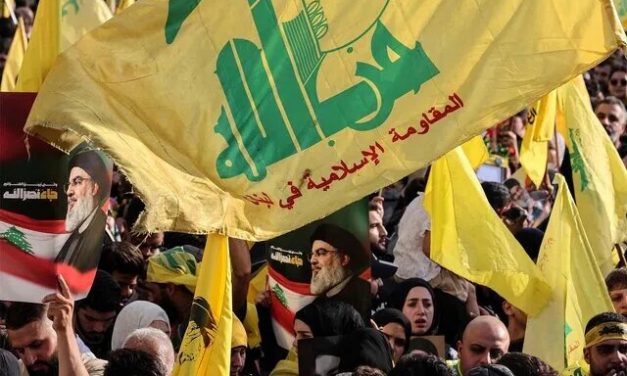
The Inseparability of the Lebanese Front from the Axis of Resistance

SCFR Online–Opinion: By providing an extensive network of social, healthcare, educational, and post-war reconstruction services, Hezbollah has established a strong social base for itself among Lebanon’s Shiites and Sunnis, and even beyond that, among other segments of Lebanese society, including Christians. Hezbollah has never been an external actor imposed upon Lebanon; rather, it is a phenomenon fundamentally born out of the occupation and crimes of the Zionist regime and itself influenced by popular resistance.

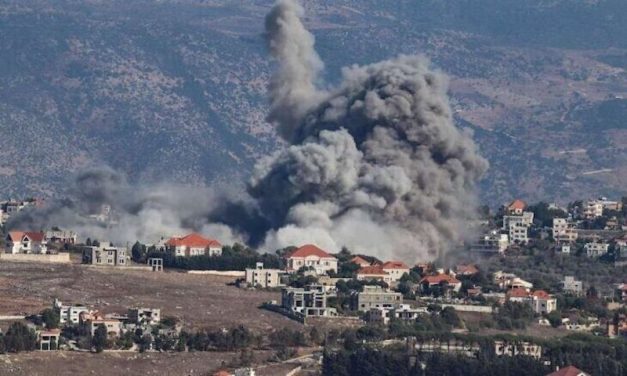
The Increasing Efforts of the Zionist Regime to Redefine Borders and the Regional Order and Its Consequences

SCFR Online– Opinion: Security and military developments in the region over recent months indicate that the ongoing crises and wars in Gaza, southern Lebanon, and parts of Syrian territory encompass broader dimensions of geopolitical and geostrategic transformations. In this context, the increased military presence and control of the Zionist regime over parts of the territories of these areas, along with proposals regarding the creation of buffer zones or even the expansion of security borders, have raised serious questions about the future of the regional order and its consequences for the countries of West Asia.

Loading

USA

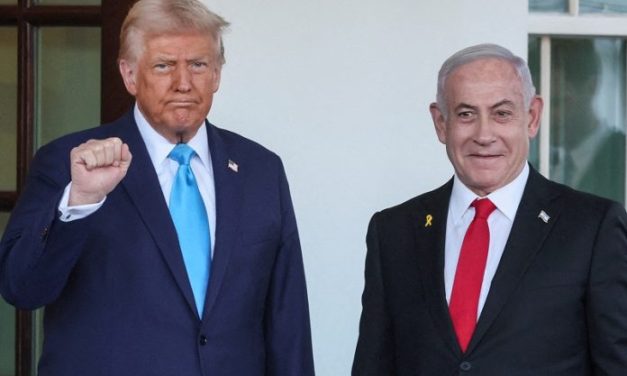
Alaska: Deal-Making Stage or Geopolitical Minefield?

Alaska: Deal-Making Stage or Geopolitical Minefield?

Strategic Council Online – Interview: A senior international affairs analyst stated: “The final week of summer 2025 marks a sensitive test for international relations and the future of the Ukraine war. The meeting between Donald Trump and Vladimir Putin in Alaska was merely seven months after Trump’s return to the White House, as the Ukraine war rages on relentlessly.” Volodymyr Zelenskyy, Ukraine’s president, has preemptively rejected Trump’s proposed peace plan—likely based on territorial concessions to Russia—warning that any agreement without Kyiv’s presence and consent would be a “dead solution.” Observers view the clash of interests among Moscow, Washington, Kyiv, and Europe as the intersection of four conflicting logics: Washington’s deal-driven logic, Moscow’s consolidationist logic, and Kyiv’s and Europe’s survivalist logic. While scenarios range from a minimal agreement to tacit Putin-Trump collusion solidifying current frontlines, each carries profound implications for European security and global power balances. Zelenskyy’s absence from Alaska could heighten risks of a deal that not only weakens Ukraine’s position but also undermines the legitimacy of fundamental international law.

Brussels and Beijing: Cautious Cooperation Based on Dependency with a Flavor of Distrust

Brussels and Beijing: Cautious Cooperation Based on Dependency with a Flavor of Distrust

Strategy Council Online – Opinion: At the recent summit of European Union leaders and China, held in Beijing to mark the 50th anniversary of diplomatic relations, the parties once again sought to redefine their relationship in an atmosphere filled with mutual opportunities and threats. While the European Union emphasized the need to deepen cooperation with China, particularly in combating climate change and removing trade barriers, the heavy shadow of the Ukraine crisis and the escalating geopolitical tensions between Washington and Beijing pushed the talks to an unprecedented level of prudence and caution.

Consequences of the “Lebanon Minus Resistance” Scenario

Consequences of the “Lebanon Minus Resistance” Scenario

Strategic Council Online – Interview: An expert on Arab world affairs said: One of the Zionist regime’s primary motives for insisting on disarming Hezbollah is to create a security vacuum in Lebanon so that, if needed, the possibility of attacking it again is provided. Today, Lebanon is witnessing one of its most sensitive political junctures in recent years; the Lebanese cabinet, in its recent session chaired by Najib Mikati, the country’s Prime Minister, approved the content of the US proposal for disarming Hezbollah and monopolizing weapons in the hands of the army, despite opposition from some ministers. The US proposal, which has faced firm opposition from the Hezbollah, was brought to Beirut by Thomas Barrack, the US Special Envoy, and with a paternalistic approach, considers disarming the Hezbollah a precondition for starting any dialogue and border demarcation, explicitly stating that this plan must either be entirely accepted or Lebanon must accept the consequences of its rejection.

Feedback on Trump’s Economic Policies in America

Feedback on Trump’s Economic Policies in America

Strategic Council Online – Interview: An American affairs analyst stated: Although only seven months have passed since the beginning of Donald Trump’s second term in the White House, the administration’s official narrative of economic performance has again become a contentious subject in American academic, media, and expert circles. Statistics recently released by the Trump administration on economic indicators appear to suggest economic revival, reduced inflation, and a strengthened labor market. However, when these statistics are juxtaposed with independent data and credible surveys, a different and concerning picture of the U.S. economy’s real condition emerges. Rising unemployment rates, declining employment growth, falling labor force participation, consumer inflation exceeding optimal levels, and widespread public dissatisfaction with living costs are the most significant indicators challenging the Trump administration’s narrative. This comes as Trump, repeating his “Make America Great Again” slogan, had promised that protective trade policies and heavy tariffs would increase domestic employment and enhance the competitiveness of U.S. industries. Yet according to many economists and market observers, these policies have not only failed to revive the economy but have instead increased production costs, burdened domestic consumers, and disrupted global supply chains.

The 12-Day War: An Opportunity for Designing Targeted Public Diplomacy

The 12-Day War: An Opportunity for Designing Targeted Public Diplomacy

Strategic Council Online – Interview: A researcher on West Asian affairs stated: The 12-day war of the Israeli regime against Iran, despite its aggressive and destructive nature, can turn into a strategic opportunity for our country; a chance to legitimize defense policies and strengthen the Resistance Discourse in the international system. In a world where public opinion plays an increasing role in shaping policies, effective narrative-building about this war is the key to turning threat into opportunity. Iran, relying on public diplomacy and transnational media, can present the Israeli regime’s attacks as a blatant violation of international law and emphasize its legitimate right to defense and deterrence. Furthermore, by portraying itself as logical, resistant, and oppressed, it can pave the way for increased regional and global empathy. Ultimately, this war can provide a platform for domestic consensus, cohesion of the Resistance Axis, and redefining Iran’s position as a responsible actor in regional security equations.

The Necessity of Strengthening Environmental Diplomacy to Counter the Consequences of the Trump Administration’s Deregulation

The Necessity of Strengthening Environmental Diplomacy to Counter the Consequences of the Trump Administration’s Deregulation

Strategic Council Online – Interview: A senior international security analyst stated: The Trump administration’s environmental deregulation policies will inflict serious and long-term damage on international security. The Donald Trump administration has adopted a controversial approach through extensive environmental deregulation policies, including revoking the 2009 scientific finding that identified greenhouse gases as a threat to public health. This decision, described by Lee Zeldin, head of the U.S. Environmental Protection Agency (EPA), as “the largest deregulation in American history,” not only weakens global efforts to combat global warming but will also have more destructive repercussions in the realm of international security.

Legal Avenues for Seeking Justice for the Crimes and Damages of the 12-Day War in International Forums

Legal Avenues for Seeking Justice for the Crimes and Damages of the 12-Day War in International Forums

Strategic Council Online Opinion: The 12-day imposed war, which began on June 12 of this year with the Zionist regime’s invasion of Iranian soil, marked one of the darkest chapters in Iran’s contemporary history. This conflict started with Israel’s surprise attacks on Iran’s military and nuclear facilities, as well as civilian targets, including several hospitals. It was accompanied by the targeted assassinations of military commanders and prominent nuclear scientists, the destruction of Evin Prison (resulting in 71 deaths), and the bombing of the Islamic Republic of Iran Broadcasting (IRIB. The direct involvement of the U.S., through the bombing of Iran’s peaceful nuclear facilities in Fordow and Isfahan, completed this tragedy. These actions not only constituted a blatant violation of international obligations, including the UN Charter, the Geneva Conventions, and the Treaty on the Non-Proliferation of Nuclear Weapons (NPT), but also imposed heavy legal and criminal responsibility on the U.S. and the Israeli regime.

An Analysis of Russia’s Official Recognition of the Taliban

An Analysis of Russia’s Official Recognition of the Taliban

Strategic Council Online – Interview: A former Iranian diplomat stated that Russia’s recognition of the Taliban or the Islamic Emirate of Afghanistan is primarily a security and intelligence matter, and any expansion of political and economic relations with the Taliban will undoubtedly be carried out with Moscow’s specific considerations.

BRICS Initiatives to Reduce Countries’ Dependence on the Dollar and Their Challenges

BRICS Initiatives to Reduce Countries’ Dependence on the Dollar and Their Challenges

Strategic Council Online – Opinion: The expansion of the BRICS group, particularly with the addition of influential powers such as Iran, Saudi Arabia, the UAE, and Egypt, has sparked a wave of concern in American policymaking circles, especially among conservative factions symbolized by Donald Trump. This fear does not stem merely from the increase in membership. Still, it is rooted in the coalition’s potential to challenge the Western-led economic and political order—particularly the dollar’s exclusive status as the global reserve and exchange currency.

The Ukraine War and Europe’s Security Scenarios

The Ukraine War and Europe’s Security Scenarios

Strategic Council Online – Interview: A Russia affairs expert stated that Europe will face a complex security environment in the future, including increased militarization, economic challenges stemming from cutting dependence on Russian energy, and the need to redefine relations with the U.S. and NATO. As a result, without sustainable solutions, Europe may face greater existential, economic, and social threats in the future.

ÚLTIMAS PUBLICACIONES

Consequences of Declining Trust in the Judiciary in Europe

SCFRonline – Opinion: The increase in public distrust of the French judicial system, which in recent surveys has reached approximately two-thirds of citizens, should be analyzed within a framework broader than temporary dissatisfaction or an emotional reaction to a particular criminal case.
Iran’s Potential Levers of Power

SCFRonline– Opinion: Iran’s geopolitical power is not limited solely to oil and the Strait of Hormuz; the unintended emergence of disruptions in the future global food and energy security chains can also demonstrate Iran’s strategic importance.

The Inseparability of the Lebanese Front from the Axis of Resistance

SCFR Online–Opinion: By providing an extensive network of social, healthcare, educational, and post-war reconstruction services, Hezbollah has established a strong social base for itself among Lebanon’s Shiites and Sunnis, and even beyond that, among other segments of Lebanese society, including Christians. Hezbollah has never been an external actor imposed upon Lebanon; rather, it is a phenomenon fundamentally born out of the occupation and crimes of the Zionist regime and itself influenced by popular resistance.

The Increasing Efforts of the Zionist Regime to Redefine Borders and the Regional Order and Its Consequences

SCFR Online– Opinion: Security and military developments in the region over recent months indicate that the ongoing crises and wars in Gaza, southern Lebanon, and parts of Syrian territory encompass broader dimensions of geopolitical and geostrategic transformations. In this context, the increased military presence and control of the Zionist regime over parts of the territories of these areas, along with proposals regarding the creation of buffer zones or even the expansion of security borders, have raised serious questions about the future of the regional order and its consequences for the countries of West Asia.

Loading

USA

Alaska: Deal-Making Stage or Geopolitical Minefield?

Alaska: Deal-Making Stage or Geopolitical Minefield?

Strategic Council Online – Interview: A senior international affairs analyst stated: “The final week of summer 2025 marks a sensitive test for international relations and the future of the Ukraine war. The meeting between Donald Trump and Vladimir Putin in Alaska was merely seven months after Trump’s return to the White House, as the Ukraine war rages on relentlessly.” Volodymyr Zelenskyy, Ukraine’s president, has preemptively rejected Trump’s proposed peace plan—likely based on territorial concessions to Russia—warning that any agreement without Kyiv’s presence and consent would be a “dead solution.” Observers view the clash of interests among Moscow, Washington, Kyiv, and Europe as the intersection of four conflicting logics: Washington’s deal-driven logic, Moscow’s consolidationist logic, and Kyiv’s and Europe’s survivalist logic. While scenarios range from a minimal agreement to tacit Putin-Trump collusion solidifying current frontlines, each carries profound implications for European security and global power balances. Zelenskyy’s absence from Alaska could heighten risks of a deal that not only weakens Ukraine’s position but also undermines the legitimacy of fundamental international law.

Brussels and Beijing: Cautious Cooperation Based on Dependency with a Flavor of Distrust

Brussels and Beijing: Cautious Cooperation Based on Dependency with a Flavor of Distrust

Strategy Council Online – Opinion: At the recent summit of European Union leaders and China, held in Beijing to mark the 50th anniversary of diplomatic relations, the parties once again sought to redefine their relationship in an atmosphere filled with mutual opportunities and threats. While the European Union emphasized the need to deepen cooperation with China, particularly in combating climate change and removing trade barriers, the heavy shadow of the Ukraine crisis and the escalating geopolitical tensions between Washington and Beijing pushed the talks to an unprecedented level of prudence and caution.

Consequences of the “Lebanon Minus Resistance” Scenario

Consequences of the “Lebanon Minus Resistance” Scenario

Strategic Council Online – Interview: An expert on Arab world affairs said: One of the Zionist regime’s primary motives for insisting on disarming Hezbollah is to create a security vacuum in Lebanon so that, if needed, the possibility of attacking it again is provided. Today, Lebanon is witnessing one of its most sensitive political junctures in recent years; the Lebanese cabinet, in its recent session chaired by Najib Mikati, the country’s Prime Minister, approved the content of the US proposal for disarming Hezbollah and monopolizing weapons in the hands of the army, despite opposition from some ministers. The US proposal, which has faced firm opposition from the Hezbollah, was brought to Beirut by Thomas Barrack, the US Special Envoy, and with a paternalistic approach, considers disarming the Hezbollah a precondition for starting any dialogue and border demarcation, explicitly stating that this plan must either be entirely accepted or Lebanon must accept the consequences of its rejection.

Feedback on Trump’s Economic Policies in America

Feedback on Trump’s Economic Policies in America

Strategic Council Online – Interview: An American affairs analyst stated: Although only seven months have passed since the beginning of Donald Trump’s second term in the White House, the administration’s official narrative of economic performance has again become a contentious subject in American academic, media, and expert circles. Statistics recently released by the Trump administration on economic indicators appear to suggest economic revival, reduced inflation, and a strengthened labor market. However, when these statistics are juxtaposed with independent data and credible surveys, a different and concerning picture of the U.S. economy’s real condition emerges. Rising unemployment rates, declining employment growth, falling labor force participation, consumer inflation exceeding optimal levels, and widespread public dissatisfaction with living costs are the most significant indicators challenging the Trump administration’s narrative. This comes as Trump, repeating his “Make America Great Again” slogan, had promised that protective trade policies and heavy tariffs would increase domestic employment and enhance the competitiveness of U.S. industries. Yet according to many economists and market observers, these policies have not only failed to revive the economy but have instead increased production costs, burdened domestic consumers, and disrupted global supply chains.

The 12-Day War: An Opportunity for Designing Targeted Public Diplomacy

The 12-Day War: An Opportunity for Designing Targeted Public Diplomacy

Strategic Council Online – Interview: A researcher on West Asian affairs stated: The 12-day war of the Israeli regime against Iran, despite its aggressive and destructive nature, can turn into a strategic opportunity for our country; a chance to legitimize defense policies and strengthen the Resistance Discourse in the international system. In a world where public opinion plays an increasing role in shaping policies, effective narrative-building about this war is the key to turning threat into opportunity. Iran, relying on public diplomacy and transnational media, can present the Israeli regime’s attacks as a blatant violation of international law and emphasize its legitimate right to defense and deterrence. Furthermore, by portraying itself as logical, resistant, and oppressed, it can pave the way for increased regional and global empathy. Ultimately, this war can provide a platform for domestic consensus, cohesion of the Resistance Axis, and redefining Iran’s position as a responsible actor in regional security equations.

The Necessity of Strengthening Environmental Diplomacy to Counter the Consequences of the Trump Administration’s Deregulation

The Necessity of Strengthening Environmental Diplomacy to Counter the Consequences of the Trump Administration’s Deregulation

Strategic Council Online – Interview: A senior international security analyst stated: The Trump administration’s environmental deregulation policies will inflict serious and long-term damage on international security. The Donald Trump administration has adopted a controversial approach through extensive environmental deregulation policies, including revoking the 2009 scientific finding that identified greenhouse gases as a threat to public health. This decision, described by Lee Zeldin, head of the U.S. Environmental Protection Agency (EPA), as “the largest deregulation in American history,” not only weakens global efforts to combat global warming but will also have more destructive repercussions in the realm of international security.

Legal Avenues for Seeking Justice for the Crimes and Damages of the 12-Day War in International Forums

Legal Avenues for Seeking Justice for the Crimes and Damages of the 12-Day War in International Forums

Strategic Council Online Opinion: The 12-day imposed war, which began on June 12 of this year with the Zionist regime’s invasion of Iranian soil, marked one of the darkest chapters in Iran’s contemporary history. This conflict started with Israel’s surprise attacks on Iran’s military and nuclear facilities, as well as civilian targets, including several hospitals. It was accompanied by the targeted assassinations of military commanders and prominent nuclear scientists, the destruction of Evin Prison (resulting in 71 deaths), and the bombing of the Islamic Republic of Iran Broadcasting (IRIB. The direct involvement of the U.S., through the bombing of Iran’s peaceful nuclear facilities in Fordow and Isfahan, completed this tragedy. These actions not only constituted a blatant violation of international obligations, including the UN Charter, the Geneva Conventions, and the Treaty on the Non-Proliferation of Nuclear Weapons (NPT), but also imposed heavy legal and criminal responsibility on the U.S. and the Israeli regime.

An Analysis of Russia’s Official Recognition of the Taliban

An Analysis of Russia’s Official Recognition of the Taliban

Strategic Council Online – Interview: A former Iranian diplomat stated that Russia’s recognition of the Taliban or the Islamic Emirate of Afghanistan is primarily a security and intelligence matter, and any expansion of political and economic relations with the Taliban will undoubtedly be carried out with Moscow’s specific considerations.

BRICS Initiatives to Reduce Countries’ Dependence on the Dollar and Their Challenges

BRICS Initiatives to Reduce Countries’ Dependence on the Dollar and Their Challenges

Strategic Council Online – Opinion: The expansion of the BRICS group, particularly with the addition of influential powers such as Iran, Saudi Arabia, the UAE, and Egypt, has sparked a wave of concern in American policymaking circles, especially among conservative factions symbolized by Donald Trump. This fear does not stem merely from the increase in membership. Still, it is rooted in the coalition’s potential to challenge the Western-led economic and political order—particularly the dollar’s exclusive status as the global reserve and exchange currency.

The Ukraine War and Europe’s Security Scenarios

The Ukraine War and Europe’s Security Scenarios

Strategic Council Online – Interview: A Russia affairs expert stated that Europe will face a complex security environment in the future, including increased militarization, economic challenges stemming from cutting dependence on Russian energy, and the need to redefine relations with the U.S. and NATO. As a result, without sustainable solutions, Europe may face greater existential, economic, and social threats in the future.

ÚLTIMAS PUBLICACIONES

Consequences of Declining Trust in the Judiciary in Europe

SCFRonline – Opinion: The increase in public distrust of the French judicial system, which in recent surveys has reached approximately two-thirds of citizens, should be analyzed within a framework broader than temporary dissatisfaction or an emotional reaction to a particular criminal case.
Iran’s Potential Levers of Power

SCFRonline– Opinion: Iran’s geopolitical power is not limited solely to oil and the Strait of Hormuz; the unintended emergence of disruptions in the future global food and energy security chains can also demonstrate Iran’s strategic importance.

The Inseparability of the Lebanese Front from the Axis of Resistance

SCFR Online–Opinion: By providing an extensive network of social, healthcare, educational, and post-war reconstruction services, Hezbollah has established a strong social base for itself among Lebanon’s Shiites and Sunnis, and even beyond that, among other segments of Lebanese society, including Christians. Hezbollah has never been an external actor imposed upon Lebanon; rather, it is a phenomenon fundamentally born out of the occupation and crimes of the Zionist regime and itself influenced by popular resistance.

The Increasing Efforts of the Zionist Regime to Redefine Borders and the Regional Order and Its Consequences

SCFR Online– Opinion: Security and military developments in the region over recent months indicate that the ongoing crises and wars in Gaza, southern Lebanon, and parts of Syrian territory encompass broader dimensions of geopolitical and geostrategic transformations. In this context, the increased military presence and control of the Zionist regime over parts of the territories of these areas, along with proposals regarding the creation of buffer zones or even the expansion of security borders, have raised serious questions about the future of the regional order and its consequences for the countries of West Asia.

Loading

USA

Alaska: Deal-Making Stage or Geopolitical Minefield?

Alaska: Deal-Making Stage or Geopolitical Minefield?

Strategic Council Online – Interview: A senior international affairs analyst stated: “The final week of summer 2025 marks a sensitive test for international relations and the future of the Ukraine war. The meeting between Donald Trump and Vladimir Putin in Alaska was merely seven months after Trump’s return to the White House, as the Ukraine war rages on relentlessly.” Volodymyr Zelenskyy, Ukraine’s president, has preemptively rejected Trump’s proposed peace plan—likely based on territorial concessions to Russia—warning that any agreement without Kyiv’s presence and consent would be a “dead solution.” Observers view the clash of interests among Moscow, Washington, Kyiv, and Europe as the intersection of four conflicting logics: Washington’s deal-driven logic, Moscow’s consolidationist logic, and Kyiv’s and Europe’s survivalist logic. While scenarios range from a minimal agreement to tacit Putin-Trump collusion solidifying current frontlines, each carries profound implications for European security and global power balances. Zelenskyy’s absence from Alaska could heighten risks of a deal that not only weakens Ukraine’s position but also undermines the legitimacy of fundamental international law.

Brussels and Beijing: Cautious Cooperation Based on Dependency with a Flavor of Distrust

Brussels and Beijing: Cautious Cooperation Based on Dependency with a Flavor of Distrust

Strategy Council Online – Opinion: At the recent summit of European Union leaders and China, held in Beijing to mark the 50th anniversary of diplomatic relations, the parties once again sought to redefine their relationship in an atmosphere filled with mutual opportunities and threats. While the European Union emphasized the need to deepen cooperation with China, particularly in combating climate change and removing trade barriers, the heavy shadow of the Ukraine crisis and the escalating geopolitical tensions between Washington and Beijing pushed the talks to an unprecedented level of prudence and caution.

Consequences of the “Lebanon Minus Resistance” Scenario

Consequences of the “Lebanon Minus Resistance” Scenario

Strategic Council Online – Interview: An expert on Arab world affairs said: One of the Zionist regime’s primary motives for insisting on disarming Hezbollah is to create a security vacuum in Lebanon so that, if needed, the possibility of attacking it again is provided. Today, Lebanon is witnessing one of its most sensitive political junctures in recent years; the Lebanese cabinet, in its recent session chaired by Najib Mikati, the country’s Prime Minister, approved the content of the US proposal for disarming Hezbollah and monopolizing weapons in the hands of the army, despite opposition from some ministers. The US proposal, which has faced firm opposition from the Hezbollah, was brought to Beirut by Thomas Barrack, the US Special Envoy, and with a paternalistic approach, considers disarming the Hezbollah a precondition for starting any dialogue and border demarcation, explicitly stating that this plan must either be entirely accepted or Lebanon must accept the consequences of its rejection.

Feedback on Trump’s Economic Policies in America

Feedback on Trump’s Economic Policies in America

Strategic Council Online – Interview: An American affairs analyst stated: Although only seven months have passed since the beginning of Donald Trump’s second term in the White House, the administration’s official narrative of economic performance has again become a contentious subject in American academic, media, and expert circles. Statistics recently released by the Trump administration on economic indicators appear to suggest economic revival, reduced inflation, and a strengthened labor market. However, when these statistics are juxtaposed with independent data and credible surveys, a different and concerning picture of the U.S. economy’s real condition emerges. Rising unemployment rates, declining employment growth, falling labor force participation, consumer inflation exceeding optimal levels, and widespread public dissatisfaction with living costs are the most significant indicators challenging the Trump administration’s narrative. This comes as Trump, repeating his “Make America Great Again” slogan, had promised that protective trade policies and heavy tariffs would increase domestic employment and enhance the competitiveness of U.S. industries. Yet according to many economists and market observers, these policies have not only failed to revive the economy but have instead increased production costs, burdened domestic consumers, and disrupted global supply chains.

The 12-Day War: An Opportunity for Designing Targeted Public Diplomacy

The 12-Day War: An Opportunity for Designing Targeted Public Diplomacy

Strategic Council Online – Interview: A researcher on West Asian affairs stated: The 12-day war of the Israeli regime against Iran, despite its aggressive and destructive nature, can turn into a strategic opportunity for our country; a chance to legitimize defense policies and strengthen the Resistance Discourse in the international system. In a world where public opinion plays an increasing role in shaping policies, effective narrative-building about this war is the key to turning threat into opportunity. Iran, relying on public diplomacy and transnational media, can present the Israeli regime’s attacks as a blatant violation of international law and emphasize its legitimate right to defense and deterrence. Furthermore, by portraying itself as logical, resistant, and oppressed, it can pave the way for increased regional and global empathy. Ultimately, this war can provide a platform for domestic consensus, cohesion of the Resistance Axis, and redefining Iran’s position as a responsible actor in regional security equations.

The Necessity of Strengthening Environmental Diplomacy to Counter the Consequences of the Trump Administration’s Deregulation

The Necessity of Strengthening Environmental Diplomacy to Counter the Consequences of the Trump Administration’s Deregulation

Strategic Council Online – Interview: A senior international security analyst stated: The Trump administration’s environmental deregulation policies will inflict serious and long-term damage on international security. The Donald Trump administration has adopted a controversial approach through extensive environmental deregulation policies, including revoking the 2009 scientific finding that identified greenhouse gases as a threat to public health. This decision, described by Lee Zeldin, head of the U.S. Environmental Protection Agency (EPA), as “the largest deregulation in American history,” not only weakens global efforts to combat global warming but will also have more destructive repercussions in the realm of international security.

Legal Avenues for Seeking Justice for the Crimes and Damages of the 12-Day War in International Forums

Legal Avenues for Seeking Justice for the Crimes and Damages of the 12-Day War in International Forums

Strategic Council Online Opinion: The 12-day imposed war, which began on June 12 of this year with the Zionist regime’s invasion of Iranian soil, marked one of the darkest chapters in Iran’s contemporary history. This conflict started with Israel’s surprise attacks on Iran’s military and nuclear facilities, as well as civilian targets, including several hospitals. It was accompanied by the targeted assassinations of military commanders and prominent nuclear scientists, the destruction of Evin Prison (resulting in 71 deaths), and the bombing of the Islamic Republic of Iran Broadcasting (IRIB. The direct involvement of the U.S., through the bombing of Iran’s peaceful nuclear facilities in Fordow and Isfahan, completed this tragedy. These actions not only constituted a blatant violation of international obligations, including the UN Charter, the Geneva Conventions, and the Treaty on the Non-Proliferation of Nuclear Weapons (NPT), but also imposed heavy legal and criminal responsibility on the U.S. and the Israeli regime.

An Analysis of Russia’s Official Recognition of the Taliban

An Analysis of Russia’s Official Recognition of the Taliban

Strategic Council Online – Interview: A former Iranian diplomat stated that Russia’s recognition of the Taliban or the Islamic Emirate of Afghanistan is primarily a security and intelligence matter, and any expansion of political and economic relations with the Taliban will undoubtedly be carried out with Moscow’s specific considerations.

BRICS Initiatives to Reduce Countries’ Dependence on the Dollar and Their Challenges

BRICS Initiatives to Reduce Countries’ Dependence on the Dollar and Their Challenges

Strategic Council Online – Opinion: The expansion of the BRICS group, particularly with the addition of influential powers such as Iran, Saudi Arabia, the UAE, and Egypt, has sparked a wave of concern in American policymaking circles, especially among conservative factions symbolized by Donald Trump. This fear does not stem merely from the increase in membership. Still, it is rooted in the coalition’s potential to challenge the Western-led economic and political order—particularly the dollar’s exclusive status as the global reserve and exchange currency.

The Ukraine War and Europe’s Security Scenarios

The Ukraine War and Europe’s Security Scenarios

Strategic Council Online – Interview: A Russia affairs expert stated that Europe will face a complex security environment in the future, including increased militarization, economic challenges stemming from cutting dependence on Russian energy, and the need to redefine relations with the U.S. and NATO. As a result, without sustainable solutions, Europe may face greater existential, economic, and social threats in the future.

ÚLTIMAS PUBLICACIONES

Consequences of Declining Trust in the Judiciary in Europe

SCFRonline – Opinion: The increase in public distrust of the French judicial system, which in recent surveys has reached approximately two-thirds of citizens, should be analyzed within a framework broader than temporary dissatisfaction or an emotional reaction to a particular criminal case.

Iran’s Potential Levers of Power

SCFRonline– Opinion: Iran’s geopolitical power is not limited solely to oil and the Strait of Hormuz; the unintended emergence of disruptions in the future global food and energy security chains can also demonstrate Iran’s strategic importance.

The Inseparability of the Lebanese Front from the Axis of Resistance

SCFR Online–Opinion: By providing an extensive network of social, healthcare, educational, and post-war reconstruction services, Hezbollah has established a strong social base for itself among Lebanon’s Shiites and Sunnis, and even beyond that, among other segments of Lebanese society, including Christians. Hezbollah has never been an external actor imposed upon Lebanon; rather, it is a phenomenon fundamentally born out of the occupation and crimes of the Zionist regime and itself influenced by popular resistance.

The Increasing Efforts of the Zionist Regime to Redefine Borders and the Regional Order and Its Consequences

SCFR Online– Opinion: Security and military developments in the region over recent months indicate that the ongoing crises and wars in Gaza, southern Lebanon, and parts of Syrian territory encompass broader dimensions of geopolitical and geostrategic transformations. In this context, the increased military presence and control of the Zionist regime over parts of the territories of these areas, along with proposals regarding the creation of buffer zones or even the expansion of security borders, have raised serious questions about the future of the regional order and its consequences for the countries of West Asia.

Loading