Reasons for the Ineffectiveness of Trump’s “Economic War” against Iran
SCFR Online – Opinion: The intensification of U.S. sanctions against Iran on the eve of the U.S. midterm elections indicates Washington’s inability to achieve its war objectives.
SCFR Online – Opinion: The competition between Washington and Beijing over chips and artificial intelligence, simultaneously with the shifting of technological balances, has taken on new economic and security dimensions.
SCFR Online – Opinion: The Shanghai Cooperation Organization summit has created a new opportunity for Iran to transform its membership from a political achievement into economic and transit cooperation.
Strategic Council Online – Note: The Makkah Defense Pact can be seen as a sign of regional countries’ efforts to reduce security dependence on extra-regional powers and redefine the balance in West Asia.
SCFR Online – Opinion: The Ukraine war, by exhausting US military capability on one hand and strengthening European defense capacity on the other, has altered the balance of power in the European continent, cast uncertainty over NATO’s future, and is driving it toward a European NATO.
SCFR Online – Opinion: The dissolution of the SDF, although considered an achievement for Turkey’s security, does not put an end to the challenges arising from the Israeli regime’s aggression and expansionism, refugees, and Syria’s fragility.
SCFR Online – Opinion: Concurrent with the official commencement of the United States’ economic war against our country, focusing on sanctions instruments, isolation, and economic pressure, what has now become increasingly important is the lack of alignment of other major global powers, especially China, with this policy.
SCFR Online – Opinion: The new US sanctions against Iran, despite extensive propaganda, face serious obstacles to success due to the ineffectiveness of sanctions tools and opposition from some of Tehran’s trading partners.
Strategic Council Online – Opinion: Western liberalism, which after the collapse of communism in the late twentieth century considered itself the undisputed victor of the world order and promised an ideal future in political, economic, and cultural dimensions, has faced a multitude of security, identity, and management crises in the twenty-first century; crises that have not only called into question the effectiveness of international institutions but have also pushed this order into a stage of transition and uncertainty.
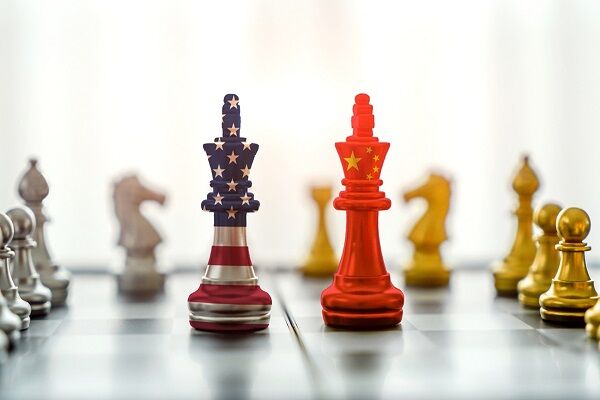
Strategic Council Online – Opinion: The global economy has entered a phase where competition among major powers is driven not by firing bullets, but through chips, supply chains, and technological standards. Economic security has become the main arena of strategic contention. In this landscape, Washington and Beijing are redefining the rules of the game, and its implications extend beyond bilateral relations, affecting the entire international order.
Strategic Council Online –Opinion: The international system is once again under a heavy shadow, fueled not by a nuclear explosion, but by the erosion of trust and the return of nuclear threat logic, pushing global security into an unstable state. This shadow has spread quietly and gradually, plunging the strategic calculations of major powers into a phase of profound ambiguity.
Strategic Council Online – Opinion: The new U.S. National Security Strategy, by abandoning a significant portion of multilateral commitments and relying on transactional logic, signals Washington’s entry into a new stage of power politics.
Strategic Council Online – Opinion: With the Ukraine crisis continuing and Europe’s security limitations exposed, Iran has found an opportunity to reorganize its position in the new Eurasian order by leveraging its energy capacities and regional transport networks.
Strategic Council Online – Opinion: At the European Union summit, it was decided that, to assist Ukraine, instead of using Russia’s frozen assets in European countries, 90 billion euros would be borrowed from financial markets and allocated to Ukraine. This issue is considered a very significant development in the European Union’s policy toward Russia.
Strategic Council Online – Interview: An international affairs expert stated that in recent years, the U.S. approach has shifted from a value-centered approach to security deal-making. This change means that, instead of emphasizing values such as democracy and human rights, the United States has adjusted its foreign policy to prioritize security interests, political bargaining, and expediency.
Strategic Council Online – Opinion: The new U.S. National Security Strategy is a sign of Washington’s gradual passage from the model of strategic liberalism and its entry into a phase of foreign policy in which the logic of deal-making, cost–benefit calculation, and the redefinition of commitments have replaced institution-centered value orientation; a transformation that carries profound consequences for the international order, traditional allies, and rivals.
Strategic Council Online – Note: Recent US movements in Lebanon indicate that Washington has likely distanced itself from the costly approach of disarming Hezbollah and has moved towards containing and managing its military capabilities.
Strategic Council Online – Opinion: The sanctions imposed by the European Union against the Islamic Republic of Iran before the activation of the snapback mechanism represent an effort to exert additional political and economic pressure on our country to change the system’s behavior regarding regional developments.
SCFR Online – Opinion: The intensification of U.S. sanctions against Iran on the eve of the U.S. midterm elections indicates Washington’s inability to achieve its war objectives.
SCFR Online – Opinion: The competition between Washington and Beijing over chips and artificial intelligence, simultaneously with the shifting of technological balances, has taken on new economic and security dimensions.
SCFR Online – Opinion: The Shanghai Cooperation Organization summit has created a new opportunity for Iran to transform its membership from a political achievement into economic and transit cooperation.
Strategic Council Online – Note: The Makkah Defense Pact can be seen as a sign of regional countries’ efforts to reduce security dependence on extra-regional powers and redefine the balance in West Asia.
SCFR Online – Opinion: The Ukraine war, by exhausting US military capability on one hand and strengthening European defense capacity on the other, has altered the balance of power in the European continent, cast uncertainty over NATO’s future, and is driving it toward a European NATO.
SCFR Online – Opinion: The dissolution of the SDF, although considered an achievement for Turkey’s security, does not put an end to the challenges arising from the Israeli regime’s aggression and expansionism, refugees, and Syria’s fragility.
SCFR Online – Opinion: Concurrent with the official commencement of the United States’ economic war against our country, focusing on sanctions instruments, isolation, and economic pressure, what has now become increasingly important is the lack of alignment of other major global powers, especially China, with this policy.
SCFR Online – Opinion: The new US sanctions against Iran, despite extensive propaganda, face serious obstacles to success due to the ineffectiveness of sanctions tools and opposition from some of Tehran’s trading partners.
Strategic Council Online – Opinion: Western liberalism, which after the collapse of communism in the late twentieth century considered itself the undisputed victor of the world order and promised an ideal future in political, economic, and cultural dimensions, has faced a multitude of security, identity, and management crises in the twenty-first century; crises that have not only called into question the effectiveness of international institutions but have also pushed this order into a stage of transition and uncertainty.
Strategic Council Online – Opinion: The global economy has entered a phase where competition among major powers is driven not by firing bullets, but through chips, supply chains, and technological standards. Economic security has become the main arena of strategic contention. In this landscape, Washington and Beijing are redefining the rules of the game, and its implications extend beyond bilateral relations, affecting the entire international order.
Strategic Council Online –Opinion: The international system is once again under a heavy shadow, fueled not by a nuclear explosion, but by the erosion of trust and the return of nuclear threat logic, pushing global security into an unstable state. This shadow has spread quietly and gradually, plunging the strategic calculations of major powers into a phase of profound ambiguity.
Strategic Council Online – Opinion: The new U.S. National Security Strategy, by abandoning a significant portion of multilateral commitments and relying on transactional logic, signals Washington’s entry into a new stage of power politics.
Strategic Council Online – Opinion: With the Ukraine crisis continuing and Europe’s security limitations exposed, Iran has found an opportunity to reorganize its position in the new Eurasian order by leveraging its energy capacities and regional transport networks.
Strategic Council Online – Opinion: At the European Union summit, it was decided that, to assist Ukraine, instead of using Russia’s frozen assets in European countries, 90 billion euros would be borrowed from financial markets and allocated to Ukraine. This issue is considered a very significant development in the European Union’s policy toward Russia.
Strategic Council Online – Interview: An international affairs expert stated that in recent years, the U.S. approach has shifted from a value-centered approach to security deal-making. This change means that, instead of emphasizing values such as democracy and human rights, the United States has adjusted its foreign policy to prioritize security interests, political bargaining, and expediency.
Strategic Council Online – Opinion: The new U.S. National Security Strategy is a sign of Washington’s gradual passage from the model of strategic liberalism and its entry into a phase of foreign policy in which the logic of deal-making, cost–benefit calculation, and the redefinition of commitments have replaced institution-centered value orientation; a transformation that carries profound consequences for the international order, traditional allies, and rivals.
Strategic Council Online – Note: Recent US movements in Lebanon indicate that Washington has likely distanced itself from the costly approach of disarming Hezbollah and has moved towards containing and managing its military capabilities.
Strategic Council Online – Opinion: The sanctions imposed by the European Union against the Islamic Republic of Iran before the activation of the snapback mechanism represent an effort to exert additional political and economic pressure on our country to change the system’s behavior regarding regional developments.
Strategic Council Online – Opinion: Western liberalism, which after the collapse of communism in the late twentieth century considered itself the undisputed victor of the world order and promised an ideal future in political, economic, and cultural dimensions, has faced a multitude of security, identity, and management crises in the twenty-first century; crises that have not only called into question the effectiveness of international institutions but have also pushed this order into a stage of transition and uncertainty.
Strategic Council Online – Opinion: The global economy has entered a phase where competition among major powers is driven not by firing bullets, but through chips, supply chains, and technological standards. Economic security has become the main arena of strategic contention. In this landscape, Washington and Beijing are redefining the rules of the game, and its implications extend beyond bilateral relations, affecting the entire international order.
Strategic Council Online –Opinion: The international system is once again under a heavy shadow, fueled not by a nuclear explosion, but by the erosion of trust and the return of nuclear threat logic, pushing global security into an unstable state. This shadow has spread quietly and gradually, plunging the strategic calculations of major powers into a phase of profound ambiguity.
Strategic Council Online – Opinion: The new U.S. National Security Strategy, by abandoning a significant portion of multilateral commitments and relying on transactional logic, signals Washington’s entry into a new stage of power politics.
Strategic Council Online – Opinion: With the Ukraine crisis continuing and Europe’s security limitations exposed, Iran has found an opportunity to reorganize its position in the new Eurasian order by leveraging its energy capacities and regional transport networks.
Strategic Council Online – Opinion: At the European Union summit, it was decided that, to assist Ukraine, instead of using Russia’s frozen assets in European countries, 90 billion euros would be borrowed from financial markets and allocated to Ukraine. This issue is considered a very significant development in the European Union’s policy toward Russia.
Strategic Council Online – Interview: An international affairs expert stated that in recent years, the U.S. approach has shifted from a value-centered approach to security deal-making. This change means that, instead of emphasizing values such as democracy and human rights, the United States has adjusted its foreign policy to prioritize security interests, political bargaining, and expediency.
Strategic Council Online – Opinion: The new U.S. National Security Strategy is a sign of Washington’s gradual passage from the model of strategic liberalism and its entry into a phase of foreign policy in which the logic of deal-making, cost–benefit calculation, and the redefinition of commitments have replaced institution-centered value orientation; a transformation that carries profound consequences for the international order, traditional allies, and rivals.
Strategic Council Online – Note: Recent US movements in Lebanon indicate that Washington has likely distanced itself from the costly approach of disarming Hezbollah and has moved towards containing and managing its military capabilities.
Strategic Council Online – Opinion: The sanctions imposed by the European Union against the Islamic Republic of Iran before the activation of the snapback mechanism represent an effort to exert additional political and economic pressure on our country to change the system’s behavior regarding regional developments.
SCFR Online – Opinion: The intensification of U.S. sanctions against Iran on the eve of the U.S. midterm elections indicates Washington’s inability to achieve its war objectives.
SCFR Online – Opinion: The competition between Washington and Beijing over chips and artificial intelligence, simultaneously with the shifting of technological balances, has taken on new economic and security dimensions.
SCFR Online – Opinion: The Shanghai Cooperation Organization summit has created a new opportunity for Iran to transform its membership from a political achievement into economic and transit cooperation.
Strategic Council Online – Note: The Makkah Defense Pact can be seen as a sign of regional countries’ efforts to reduce security dependence on extra-regional powers and redefine the balance in West Asia.
SCFR Online – Opinion: The Ukraine war, by exhausting US military capability on one hand and strengthening European defense capacity on the other, has altered the balance of power in the European continent, cast uncertainty over NATO’s future, and is driving it toward a European NATO.
SCFR Online – Opinion: The dissolution of the SDF, although considered an achievement for Turkey’s security, does not put an end to the challenges arising from the Israeli regime’s aggression and expansionism, refugees, and Syria’s fragility.
SCFR Online – Opinion: Concurrent with the official commencement of the United States’ economic war against our country, focusing on sanctions instruments, isolation, and economic pressure, what has now become increasingly important is the lack of alignment of other major global powers, especially China, with this policy.
SCFR Online – Opinion: The new US sanctions against Iran, despite extensive propaganda, face serious obstacles to success due to the ineffectiveness of sanctions tools and opposition from some of Tehran’s trading partners.
Strategic Council Online – Opinion: Western liberalism, which after the collapse of communism in the late twentieth century considered itself the undisputed victor of the world order and promised an ideal future in political, economic, and cultural dimensions, has faced a multitude of security, identity, and management crises in the twenty-first century; crises that have not only called into question the effectiveness of international institutions but have also pushed this order into a stage of transition and uncertainty.
Strategic Council Online – Opinion: The global economy has entered a phase where competition among major powers is driven not by firing bullets, but through chips, supply chains, and technological standards. Economic security has become the main arena of strategic contention. In this landscape, Washington and Beijing are redefining the rules of the game, and its implications extend beyond bilateral relations, affecting the entire international order.
Strategic Council Online –Opinion: The international system is once again under a heavy shadow, fueled not by a nuclear explosion, but by the erosion of trust and the return of nuclear threat logic, pushing global security into an unstable state. This shadow has spread quietly and gradually, plunging the strategic calculations of major powers into a phase of profound ambiguity.
Strategic Council Online – Opinion: The new U.S. National Security Strategy, by abandoning a significant portion of multilateral commitments and relying on transactional logic, signals Washington’s entry into a new stage of power politics.
Strategic Council Online – Opinion: With the Ukraine crisis continuing and Europe’s security limitations exposed, Iran has found an opportunity to reorganize its position in the new Eurasian order by leveraging its energy capacities and regional transport networks.
Strategic Council Online – Opinion: At the European Union summit, it was decided that, to assist Ukraine, instead of using Russia’s frozen assets in European countries, 90 billion euros would be borrowed from financial markets and allocated to Ukraine. This issue is considered a very significant development in the European Union’s policy toward Russia.
Strategic Council Online – Interview: An international affairs expert stated that in recent years, the U.S. approach has shifted from a value-centered approach to security deal-making. This change means that, instead of emphasizing values such as democracy and human rights, the United States has adjusted its foreign policy to prioritize security interests, political bargaining, and expediency.
Strategic Council Online – Opinion: The new U.S. National Security Strategy is a sign of Washington’s gradual passage from the model of strategic liberalism and its entry into a phase of foreign policy in which the logic of deal-making, cost–benefit calculation, and the redefinition of commitments have replaced institution-centered value orientation; a transformation that carries profound consequences for the international order, traditional allies, and rivals.
Strategic Council Online – Note: Recent US movements in Lebanon indicate that Washington has likely distanced itself from the costly approach of disarming Hezbollah and has moved towards containing and managing its military capabilities.
Strategic Council Online – Opinion: The sanctions imposed by the European Union against the Islamic Republic of Iran before the activation of the snapback mechanism represent an effort to exert additional political and economic pressure on our country to change the system’s behavior regarding regional developments.
SCFR Online – Opinion: The intensification of U.S. sanctions against Iran on the eve of the U.S. midterm elections indicates Washington’s inability to achieve its war objectives.
SCFR Online – Opinion: The competition between Washington and Beijing over chips and artificial intelligence, simultaneously with the shifting of technological balances, has taken on new economic and security dimensions.
SCFR Online – Opinion: The Shanghai Cooperation Organization summit has created a new opportunity for Iran to transform its membership from a political achievement into economic and transit cooperation.
Strategic Council Online – Note: The Makkah Defense Pact can be seen as a sign of regional countries’ efforts to reduce security dependence on extra-regional powers and redefine the balance in West Asia.
SCFR Online – Opinion: The Ukraine war, by exhausting US military capability on one hand and strengthening European defense capacity on the other, has altered the balance of power in the European continent, cast uncertainty over NATO’s future, and is driving it toward a European NATO.
SCFR Online – Opinion: The dissolution of the SDF, although considered an achievement for Turkey’s security, does not put an end to the challenges arising from the Israeli regime’s aggression and expansionism, refugees, and Syria’s fragility.
SCFR Online – Opinion: Concurrent with the official commencement of the United States’ economic war against our country, focusing on sanctions instruments, isolation, and economic pressure, what has now become increasingly important is the lack of alignment of other major global powers, especially China, with this policy.
SCFR Online – Opinion: The new US sanctions against Iran, despite extensive propaganda, face serious obstacles to success due to the ineffectiveness of sanctions tools and opposition from some of Tehran’s trading partners.
Strategic Council Online – Opinion: Western liberalism, which after the collapse of communism in the late twentieth century considered itself the undisputed victor of the world order and promised an ideal future in political, economic, and cultural dimensions, has faced a multitude of security, identity, and management crises in the twenty-first century; crises that have not only called into question the effectiveness of international institutions but have also pushed this order into a stage of transition and uncertainty.
Strategic Council Online – Opinion: The global economy has entered a phase where competition among major powers is driven not by firing bullets, but through chips, supply chains, and technological standards. Economic security has become the main arena of strategic contention. In this landscape, Washington and Beijing are redefining the rules of the game, and its implications extend beyond bilateral relations, affecting the entire international order.
Strategic Council Online –Opinion: The international system is once again under a heavy shadow, fueled not by a nuclear explosion, but by the erosion of trust and the return of nuclear threat logic, pushing global security into an unstable state. This shadow has spread quietly and gradually, plunging the strategic calculations of major powers into a phase of profound ambiguity.
Strategic Council Online – Opinion: The new U.S. National Security Strategy, by abandoning a significant portion of multilateral commitments and relying on transactional logic, signals Washington’s entry into a new stage of power politics.
Strategic Council Online – Opinion: With the Ukraine crisis continuing and Europe’s security limitations exposed, Iran has found an opportunity to reorganize its position in the new Eurasian order by leveraging its energy capacities and regional transport networks.
Strategic Council Online – Opinion: At the European Union summit, it was decided that, to assist Ukraine, instead of using Russia’s frozen assets in European countries, 90 billion euros would be borrowed from financial markets and allocated to Ukraine. This issue is considered a very significant development in the European Union’s policy toward Russia.
Strategic Council Online – Interview: An international affairs expert stated that in recent years, the U.S. approach has shifted from a value-centered approach to security deal-making. This change means that, instead of emphasizing values such as democracy and human rights, the United States has adjusted its foreign policy to prioritize security interests, political bargaining, and expediency.
Strategic Council Online – Opinion: The new U.S. National Security Strategy is a sign of Washington’s gradual passage from the model of strategic liberalism and its entry into a phase of foreign policy in which the logic of deal-making, cost–benefit calculation, and the redefinition of commitments have replaced institution-centered value orientation; a transformation that carries profound consequences for the international order, traditional allies, and rivals.
Strategic Council Online – Note: Recent US movements in Lebanon indicate that Washington has likely distanced itself from the costly approach of disarming Hezbollah and has moved towards containing and managing its military capabilities.
Strategic Council Online – Opinion: The sanctions imposed by the European Union against the Islamic Republic of Iran before the activation of the snapback mechanism represent an effort to exert additional political and economic pressure on our country to change the system’s behavior regarding regional developments.
SCFR Online – Opinion: The intensification of U.S. sanctions against Iran on the eve of the U.S. midterm elections indicates Washington’s inability to achieve its war objectives.
SCFR Online – Opinion: The competition between Washington and Beijing over chips and artificial intelligence, simultaneously with the shifting of technological balances, has taken on new economic and security dimensions.
SCFR Online – Opinion: The Shanghai Cooperation Organization summit has created a new opportunity for Iran to transform its membership from a political achievement into economic and transit cooperation.
Strategic Council Online – Note: The Makkah Defense Pact can be seen as a sign of regional countries’ efforts to reduce security dependence on extra-regional powers and redefine the balance in West Asia.
SCFR Online – Opinion: The Ukraine war, by exhausting US military capability on one hand and strengthening European defense capacity on the other, has altered the balance of power in the European continent, cast uncertainty over NATO’s future, and is driving it toward a European NATO.
SCFR Online – Opinion: The dissolution of the SDF, although considered an achievement for Turkey’s security, does not put an end to the challenges arising from the Israeli regime’s aggression and expansionism, refugees, and Syria’s fragility.
SCFR Online – Opinion: Concurrent with the official commencement of the United States’ economic war against our country, focusing on sanctions instruments, isolation, and economic pressure, what has now become increasingly important is the lack of alignment of other major global powers, especially China, with this policy.
SCFR Online – Opinion: The new US sanctions against Iran, despite extensive propaganda, face serious obstacles to success due to the ineffectiveness of sanctions tools and opposition from some of Tehran’s trading partners.
Strategic Council Online – Opinion: Western liberalism, which after the collapse of communism in the late twentieth century considered itself the undisputed victor of the world order and promised an ideal future in political, economic, and cultural dimensions, has faced a multitude of security, identity, and management crises in the twenty-first century; crises that have not only called into question the effectiveness of international institutions but have also pushed this order into a stage of transition and uncertainty.
Strategic Council Online – Opinion: The global economy has entered a phase where competition among major powers is driven not by firing bullets, but through chips, supply chains, and technological standards. Economic security has become the main arena of strategic contention. In this landscape, Washington and Beijing are redefining the rules of the game, and its implications extend beyond bilateral relations, affecting the entire international order.
Strategic Council Online –Opinion: The international system is once again under a heavy shadow, fueled not by a nuclear explosion, but by the erosion of trust and the return of nuclear threat logic, pushing global security into an unstable state. This shadow has spread quietly and gradually, plunging the strategic calculations of major powers into a phase of profound ambiguity.
Strategic Council Online – Opinion: The new U.S. National Security Strategy, by abandoning a significant portion of multilateral commitments and relying on transactional logic, signals Washington’s entry into a new stage of power politics.
Strategic Council Online – Opinion: With the Ukraine crisis continuing and Europe’s security limitations exposed, Iran has found an opportunity to reorganize its position in the new Eurasian order by leveraging its energy capacities and regional transport networks.
Strategic Council Online – Opinion: At the European Union summit, it was decided that, to assist Ukraine, instead of using Russia’s frozen assets in European countries, 90 billion euros would be borrowed from financial markets and allocated to Ukraine. This issue is considered a very significant development in the European Union’s policy toward Russia.
Strategic Council Online – Interview: An international affairs expert stated that in recent years, the U.S. approach has shifted from a value-centered approach to security deal-making. This change means that, instead of emphasizing values such as democracy and human rights, the United States has adjusted its foreign policy to prioritize security interests, political bargaining, and expediency.
Strategic Council Online – Opinion: The new U.S. National Security Strategy is a sign of Washington’s gradual passage from the model of strategic liberalism and its entry into a phase of foreign policy in which the logic of deal-making, cost–benefit calculation, and the redefinition of commitments have replaced institution-centered value orientation; a transformation that carries profound consequences for the international order, traditional allies, and rivals.
Strategic Council Online – Note: Recent US movements in Lebanon indicate that Washington has likely distanced itself from the costly approach of disarming Hezbollah and has moved towards containing and managing its military capabilities.
Strategic Council Online – Opinion: The sanctions imposed by the European Union against the Islamic Republic of Iran before the activation of the snapback mechanism represent an effort to exert additional political and economic pressure on our country to change the system’s behavior regarding regional developments.
SCFR Online – Opinion: The intensification of U.S. sanctions against Iran on the eve of the U.S. midterm elections indicates Washington’s inability to achieve its war objectives.
SCFR Online – Opinion: The competition between Washington and Beijing over chips and artificial intelligence, simultaneously with the shifting of technological balances, has taken on new economic and security dimensions.
SCFR Online – Opinion: The Shanghai Cooperation Organization summit has created a new opportunity for Iran to transform its membership from a political achievement into economic and transit cooperation.
Strategic Council Online – Note: The Makkah Defense Pact can be seen as a sign of regional countries’ efforts to reduce security dependence on extra-regional powers and redefine the balance in West Asia.
SCFR Online – Opinion: The Ukraine war, by exhausting US military capability on one hand and strengthening European defense capacity on the other, has altered the balance of power in the European continent, cast uncertainty over NATO’s future, and is driving it toward a European NATO.
SCFR Online – Opinion: The dissolution of the SDF, although considered an achievement for Turkey’s security, does not put an end to the challenges arising from the Israeli regime’s aggression and expansionism, refugees, and Syria’s fragility.
SCFR Online – Opinion: Concurrent with the official commencement of the United States’ economic war against our country, focusing on sanctions instruments, isolation, and economic pressure, what has now become increasingly important is the lack of alignment of other major global powers, especially China, with this policy.
SCFR Online – Opinion: The new US sanctions against Iran, despite extensive propaganda, face serious obstacles to success due to the ineffectiveness of sanctions tools and opposition from some of Tehran’s trading partners.
Strategic Council Online – Opinion: Western liberalism, which after the collapse of communism in the late twentieth century considered itself the undisputed victor of the world order and promised an ideal future in political, economic, and cultural dimensions, has faced a multitude of security, identity, and management crises in the twenty-first century; crises that have not only called into question the effectiveness of international institutions but have also pushed this order into a stage of transition and uncertainty.
Strategic Council Online – Opinion: The global economy has entered a phase where competition among major powers is driven not by firing bullets, but through chips, supply chains, and technological standards. Economic security has become the main arena of strategic contention. In this landscape, Washington and Beijing are redefining the rules of the game, and its implications extend beyond bilateral relations, affecting the entire international order.
Strategic Council Online –Opinion: The international system is once again under a heavy shadow, fueled not by a nuclear explosion, but by the erosion of trust and the return of nuclear threat logic, pushing global security into an unstable state. This shadow has spread quietly and gradually, plunging the strategic calculations of major powers into a phase of profound ambiguity.
Strategic Council Online – Opinion: The new U.S. National Security Strategy, by abandoning a significant portion of multilateral commitments and relying on transactional logic, signals Washington’s entry into a new stage of power politics.
Strategic Council Online – Opinion: With the Ukraine crisis continuing and Europe’s security limitations exposed, Iran has found an opportunity to reorganize its position in the new Eurasian order by leveraging its energy capacities and regional transport networks.
Strategic Council Online – Opinion: At the European Union summit, it was decided that, to assist Ukraine, instead of using Russia’s frozen assets in European countries, 90 billion euros would be borrowed from financial markets and allocated to Ukraine. This issue is considered a very significant development in the European Union’s policy toward Russia.
Strategic Council Online – Interview: An international affairs expert stated that in recent years, the U.S. approach has shifted from a value-centered approach to security deal-making. This change means that, instead of emphasizing values such as democracy and human rights, the United States has adjusted its foreign policy to prioritize security interests, political bargaining, and expediency.
Strategic Council Online – Opinion: The new U.S. National Security Strategy is a sign of Washington’s gradual passage from the model of strategic liberalism and its entry into a phase of foreign policy in which the logic of deal-making, cost–benefit calculation, and the redefinition of commitments have replaced institution-centered value orientation; a transformation that carries profound consequences for the international order, traditional allies, and rivals.
Strategic Council Online – Note: Recent US movements in Lebanon indicate that Washington has likely distanced itself from the costly approach of disarming Hezbollah and has moved towards containing and managing its military capabilities.
Strategic Council Online – Opinion: The sanctions imposed by the European Union against the Islamic Republic of Iran before the activation of the snapback mechanism represent an effort to exert additional political and economic pressure on our country to change the system’s behavior regarding regional developments.
SCFR Online – Opinion: The intensification of U.S. sanctions against Iran on the eve of the U.S. midterm elections indicates Washington’s inability to achieve its war objectives.
SCFR Online – Opinion: The competition between Washington and Beijing over chips and artificial intelligence, simultaneously with the shifting of technological balances, has taken on new economic and security dimensions.
SCFR Online – Opinion: The Shanghai Cooperation Organization summit has created a new opportunity for Iran to transform its membership from a political achievement into economic and transit cooperation.
Strategic Council Online – Note: The Makkah Defense Pact can be seen as a sign of regional countries’ efforts to reduce security dependence on extra-regional powers and redefine the balance in West Asia.
SCFR Online – Opinion: The Ukraine war, by exhausting US military capability on one hand and strengthening European defense capacity on the other, has altered the balance of power in the European continent, cast uncertainty over NATO’s future, and is driving it toward a European NATO.
SCFR Online – Opinion: The dissolution of the SDF, although considered an achievement for Turkey’s security, does not put an end to the challenges arising from the Israeli regime’s aggression and expansionism, refugees, and Syria’s fragility.
SCFR Online – Opinion: Concurrent with the official commencement of the United States’ economic war against our country, focusing on sanctions instruments, isolation, and economic pressure, what has now become increasingly important is the lack of alignment of other major global powers, especially China, with this policy.
SCFR Online – Opinion: The new US sanctions against Iran, despite extensive propaganda, face serious obstacles to success due to the ineffectiveness of sanctions tools and opposition from some of Tehran’s trading partners.