US Scenarios to Extend Iran’s Arms Embargo

Strategic Council Online: A professor of international relations referring to the US scenarios to block revocation of Iran’s arms embargo in compliance with Iran Nuclear Agreement, said: “With this action no reason would remain for Iran to stay committed to the agreement, also known formally as the Joint Comprehensive Plan of Action (JCPOA).” But the Europeans and China and Russia are reluctant to take any steps towards the collapse of the JCPOA. The Europeans do not want JCPOA’s remaining shell to collapse.

Dr. Abuzar Gohari Moghaddam, in an interview with the website of the Strategic Council on Foreign Relations, noted that the Americans have put several scenarios on the agenda to prevent the lifting and suspension of arms embargoes of the Islamic Republic, which will take place in the next few months. The first scenario, pursued politically, diplomatically and in the media, is to discuss the adoption of new resolutions in the UN Security Council, under which they can re-impose the sanctions.

He described the possible opposition of countries such as Russia and China as a challenge to this US scenario, adding: “These countries are likely to veto the US resolution.” Nowadays the Americans have given the draft resolution to several countries which has sparked negative reaction at least from Russia; Therefore, it seems that this scenario considered by the Americans will not be realized.

Stating that Americans are also pursuing the option of using the “trigger mechanism”, which is a more difficult path, the professor said: “The problem with this option is that it is not legally possible to use it because of their US’s official departure from the JCPOA.” Most countries, including Europeans, oppose the option, arguing that the United States cannot rely on the JCPOA.

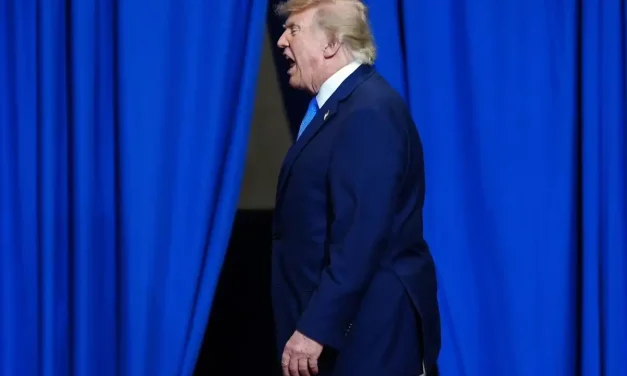
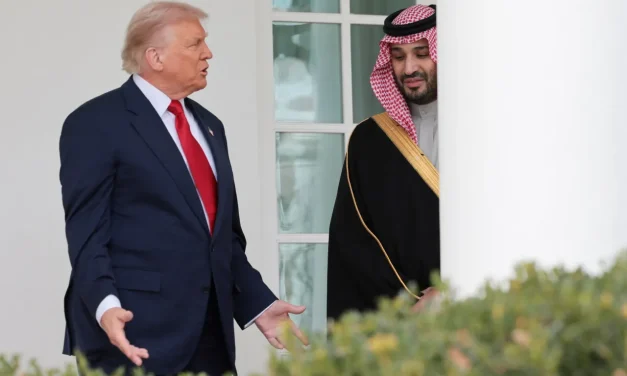
Gohari Moghaddam pointed to the possibility of using the presence of US allies in the JCPOA to activate the trigger mechanism through them and added: “It seems that at least in the current situation, European countries do not have much support for Trump.”

Regarding the possibility of the support of China and Russia for the proposed US resolution aimed at not activating the trigger mechanism, he said: “The behavior of the two countries at least in recent days, does not indicate the likelihood of such cooperation with the United States.” With this scenario, the JCPOA will be completely terminated  because a new resolution would be created and there is no longer any reason for Iran to adhere to any of the JCPOA clauses, and the death of the Iran nuclear agreement can be officially announced.

US Pressure on IAEA to File New Lawsuit against Iran

The analyst of international affairs said to file a new law suit against Iran’s nuclear program through the International Atomic Energy Agency and the Governing Council is a more likely option. “In a recent confidential report the Americans have put pressure on IAEA secretary general to include two ambiguous and negative points in the report. They are seeking to exert political and diplomatic pressure on the Islamic Republic so that they can refer the case directly to the UN Security Council, if possible.

At the same time, Gohari Moghaddam emphasized: “Regardless of all these issues, we must pay attention to the fact that the Americans have imposed their sanctions in various areas through various laws.” They have imposed unilateral sanctions on Iran’s arms sectors under laws such as Countering America’s Adversaries Through Sanctions Act (CAATSA). So in practice it will not make much difference. Arms sales companies in various countries that may want to work with us are subject to US sanctions.

US Seeks to Legitimize Sanctions

He continued: “The United States seeks to create a global consensus and legitimize the sanctions, and they want to see the sanctions imposed in practice become global and individual and unilateral.” Therefore, they urge the return of the sanctions against Iran.

Regarding the cases Iran must take into account in countering the US actions recently, he said: “The United States as a whole is looking to change Iran’s calculations about its relationship with the United States, and they want to increase the cost of the Iranian resistance. They are trying to change Iran’s calculations by even threatening a military option. We have seen the contradictory behavior of Americans in recent weeks. On the one hand, we have had a military threat from the United States over the Persian Gulf by Mr. Trump over the past few weeks, and in recent weeks there are messages calling for talks.”

“The United States is playing a dual game, and its goal is to attract the support of the public opinion inside the country,” he said, adding that Iran should not show weak signs in areas of its regional influence, as Americans think that due to the economic consequences of the outbreak of coronavirus in the country, it is probably a good time to negotiate with Iran from a weak position or stabilize their policy.

Gohari Moghaddam said: “This calculation of the Americans must be changed through active measures and resistance in the region as well as diplomatic activity at the international level and by increasing internal efficiency and strengthening the country’s economic power so that we do not witness these threatening actions or rhetoric against Iran and be able to prevent their policies of consensus against Iran at the level of the international system.

The professor of international relations emphasized: “If Iran does not adhere to the UN Security Council and its complete collapse, those who will suffer will definitely be the Western countries and even Russia and China.” They don’t seem to want to go down that path. Even Europeans at least do not want JCPOA’s remaining shell to collapse.

He also assessed some of the provocative actions of the United States in the current situation with the aim of intensifying actions on Iran’s withdrawal from the JCPOA so that they can document the new sanctions resolution. He said: “We must consider our interests. If we do not benefit from lifting of the sanctions, we must definitely reconsider our JCPOA policies.

0 Comments

Submit a Comment

Your email address will not be published. Required fields are marked *

LATEST CONTENT

The Inseparability of the Lebanese Front from the Axis of Resistance

SCFR Online–Opinion: By providing an extensive network of social, healthcare, educational, and post-war reconstruction services, Hezbollah has established a strong social base for itself among Lebanon’s Shiites and Sunnis, and even beyond that, among other segments of Lebanese society, including Christians. Hezbollah has never been an external actor imposed upon Lebanon; rather, it is a phenomenon fundamentally born out of the occupation and crimes of the Zionist regime and itself influenced by popular resistance.

The Increasing Efforts of the Zionist Regime to Redefine Borders and the Regional Order and Its Consequences

SCFR Online– Opinion: Security and military developments in the region over recent months indicate that the ongoing crises and wars in Gaza, southern Lebanon, and parts of Syrian territory encompass broader dimensions of geopolitical and geostrategic transformations. In this context, the increased military presence and control of the Zionist regime over parts of the territories of these areas, along with proposals regarding the creation of buffer zones or even the expansion of security borders, have raised serious questions about the future of the regional order and its consequences for the countries of West Asia.

The Components of Iran’s Deterrence Power

SCFR Online – Opinion: At a time when regional security equations have reached a sensitive stage under the influence of Iran’s strategic confrontation with the United States and the Zionist regime, the question of the nature of Tehran’s defensive power has gained greater significance than ever before. While Washington and Tel Aviv rely on their technological superiority, the Islamic Republic of Iran has presented a model of deterrence that extends beyond the material calculations of the world’s classical militaries. This power, rooted in the connection between “the field” and “the people,” has not only altered the balance of power in recent conflicts but has also disrupted adversaries’ calculations when confronting Iran’s strategic depth.

Loading

Últimas publicaciones

The Inseparability of the Lebanese Front from the Axis of Resistance

SCFR Online–Opinion: By providing an extensive network of social, healthcare, educational, and post-war reconstruction services, Hezbollah has established a strong social base for itself among Lebanon’s Shiites and Sunnis, and even beyond that, among other segments of Lebanese society, including Christians. Hezbollah has never been an external actor imposed upon Lebanon; rather, it is a phenomenon fundamentally born out of the occupation and crimes of the Zionist regime and itself influenced by popular resistance.

The Increasing Efforts of the Zionist Regime to Redefine Borders and the Regional Order and Its Consequences

SCFR Online– Opinion: Security and military developments in the region over recent months indicate that the ongoing crises and wars in Gaza, southern Lebanon, and parts of Syrian territory encompass broader dimensions of geopolitical and geostrategic transformations. In this context, the increased military presence and control of the Zionist regime over parts of the territories of these areas, along with proposals regarding the creation of buffer zones or even the expansion of security borders, have raised serious questions about the future of the regional order and its consequences for the countries of West Asia.

The Components of Iran’s Deterrence Power

SCFR Online – Opinion: At a time when regional security equations have reached a sensitive stage under the influence of Iran’s strategic confrontation with the United States and the Zionist regime, the question of the nature of Tehran’s defensive power has gained greater significance than ever before. While Washington and Tel Aviv rely on their technological superiority, the Islamic Republic of Iran has presented a model of deterrence that extends beyond the material calculations of the world’s classical militaries. This power, rooted in the connection between “the field” and “the people,” has not only altered the balance of power in recent conflicts but has also disrupted adversaries’ calculations when confronting Iran’s strategic depth.

Loading

DERNIER CONTENU

The Inseparability of the Lebanese Front from the Axis of Resistance

SCFR Online–Opinion: By providing an extensive network of social, healthcare, educational, and post-war reconstruction services, Hezbollah has established a strong social base for itself among Lebanon’s Shiites and Sunnis, and even beyond that, among other segments of Lebanese society, including Christians. Hezbollah has never been an external actor imposed upon Lebanon; rather, it is a phenomenon fundamentally born out of the occupation and crimes of the Zionist regime and itself influenced by popular resistance.

The Increasing Efforts of the Zionist Regime to Redefine Borders and the Regional Order and Its Consequences

SCFR Online– Opinion: Security and military developments in the region over recent months indicate that the ongoing crises and wars in Gaza, southern Lebanon, and parts of Syrian territory encompass broader dimensions of geopolitical and geostrategic transformations. In this context, the increased military presence and control of the Zionist regime over parts of the territories of these areas, along with proposals regarding the creation of buffer zones or even the expansion of security borders, have raised serious questions about the future of the regional order and its consequences for the countries of West Asia.

The Components of Iran’s Deterrence Power

SCFR Online – Opinion: At a time when regional security equations have reached a sensitive stage under the influence of Iran’s strategic confrontation with the United States and the Zionist regime, the question of the nature of Tehran’s defensive power has gained greater significance than ever before. While Washington and Tel Aviv rely on their technological superiority, the Islamic Republic of Iran has presented a model of deterrence that extends beyond the material calculations of the world’s classical militaries. This power, rooted in the connection between “the field” and “the people,” has not only altered the balance of power in recent conflicts but has also disrupted adversaries’ calculations when confronting Iran’s strategic depth.

Loading

DERNIER CONTENU

The Inseparability of the Lebanese Front from the Axis of Resistance

SCFR Online–Opinion: By providing an extensive network of social, healthcare, educational, and post-war reconstruction services, Hezbollah has established a strong social base for itself among Lebanon’s Shiites and Sunnis, and even beyond that, among other segments of Lebanese society, including Christians. Hezbollah has never been an external actor imposed upon Lebanon; rather, it is a phenomenon fundamentally born out of the occupation and crimes of the Zionist regime and itself influenced by popular resistance.

The Increasing Efforts of the Zionist Regime to Redefine Borders and the Regional Order and Its Consequences

SCFR Online– Opinion: Security and military developments in the region over recent months indicate that the ongoing crises and wars in Gaza, southern Lebanon, and parts of Syrian territory encompass broader dimensions of geopolitical and geostrategic transformations. In this context, the increased military presence and control of the Zionist regime over parts of the territories of these areas, along with proposals regarding the creation of buffer zones or even the expansion of security borders, have raised serious questions about the future of the regional order and its consequences for the countries of West Asia.

The Components of Iran’s Deterrence Power

SCFR Online – Opinion: At a time when regional security equations have reached a sensitive stage under the influence of Iran’s strategic confrontation with the United States and the Zionist regime, the question of the nature of Tehran’s defensive power has gained greater significance than ever before. While Washington and Tel Aviv rely on their technological superiority, the Islamic Republic of Iran has presented a model of deterrence that extends beyond the material calculations of the world’s classical militaries. This power, rooted in the connection between “the field” and “the people,” has not only altered the balance of power in recent conflicts but has also disrupted adversaries’ calculations when confronting Iran’s strategic depth.

Loading

DERNIER CONTENU

The Inseparability of the Lebanese Front from the Axis of Resistance

SCFR Online–Opinion: By providing an extensive network of social, healthcare, educational, and post-war reconstruction services, Hezbollah has established a strong social base for itself among Lebanon’s Shiites and Sunnis, and even beyond that, among other segments of Lebanese society, including Christians. Hezbollah has never been an external actor imposed upon Lebanon; rather, it is a phenomenon fundamentally born out of the occupation and crimes of the Zionist regime and itself influenced by popular resistance.

The Increasing Efforts of the Zionist Regime to Redefine Borders and the Regional Order and Its Consequences

SCFR Online– Opinion: Security and military developments in the region over recent months indicate that the ongoing crises and wars in Gaza, southern Lebanon, and parts of Syrian territory encompass broader dimensions of geopolitical and geostrategic transformations. In this context, the increased military presence and control of the Zionist regime over parts of the territories of these areas, along with proposals regarding the creation of buffer zones or even the expansion of security borders, have raised serious questions about the future of the regional order and its consequences for the countries of West Asia.

The Components of Iran’s Deterrence Power

SCFR Online – Opinion: At a time when regional security equations have reached a sensitive stage under the influence of Iran’s strategic confrontation with the United States and the Zionist regime, the question of the nature of Tehran’s defensive power has gained greater significance than ever before. While Washington and Tel Aviv rely on their technological superiority, the Islamic Republic of Iran has presented a model of deterrence that extends beyond the material calculations of the world’s classical militaries. This power, rooted in the connection between “the field” and “the people,” has not only altered the balance of power in recent conflicts but has also disrupted adversaries’ calculations when confronting Iran’s strategic depth.

Loading