

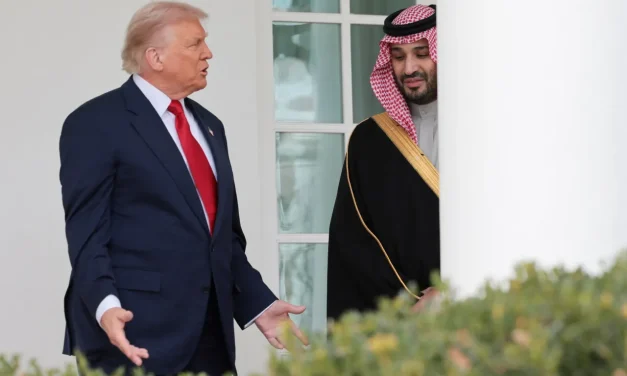
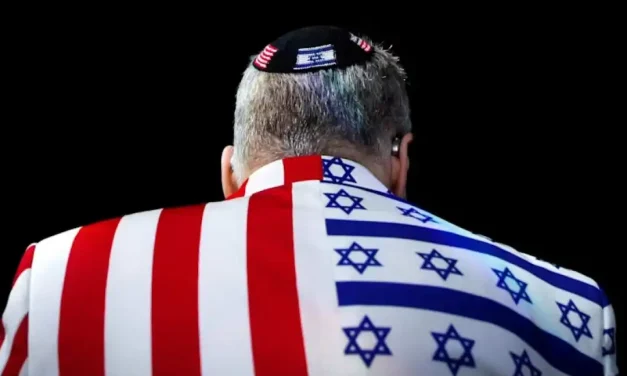
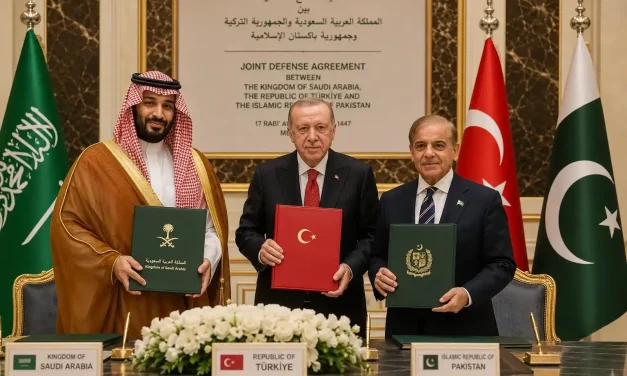
About the causes of this crisis, it should be said that the continuation of the occupation and settlements of the Zionist regime, the imposition of severe pressure and deprivation on the Palestinian people, especially the residents of the Gaza Strip, the rampage of the right-wing government of Netanyahu in the silence of the international community are among the important reasons that overwhelmed the patience of the Palestinian nation. Still, in the end, perhaps it was the efforts of the Israeli regime to infiltrate and normalize relations with some governments of the Arab and Islamic world, especially Saudi Arabia, that, even knowing the crushing response of the Zionist regime, made the start of the war with that regime logical for Hamas leaders; the possible success of the normalization process could leave the cause of independent Palestine to history and make the Zionist regime the main winner of the 70-year conflict with Palestine. Based on this, the immediate result of the war is the suspension and silence of the normalization negotiations. At least as long as the crimes of the Israeli regime in Gaza are alive in the public mind, the discussion of the development of the Abraham Accords and the normalization of relations between the Zionist regime and Saudi Arabia will not be held.
But in any case, war is not a desirable phenomenon, and especially when the level of civilian casualties is high, it is necessary to start efforts to end it as soon as possible. It should be said about the helpful solutions to end this war that although providing a definitive analysis in this regard is not an easy task. It largely depends on how the war continues, the plans presented by the mediating countries, and the level of intervention of regional and international powers in the war. Still, it seems that there are several possible scenarios in this regard:
The first scenario is the continuation of the war until the complete destruction and defeat of one of the parties. In this scenario, the war between Hamas and the Zionist regime will go out of the bilateral mode, and, like the model of World War I and II, it will move towards regional and international recruitment. The increase of the parties involved in this war will definitely increase the level of destruction and human casualties for both sides terribly, and it may turn into an attrition and costly war for all involved parties by activating and intensifying long-standing rivalries and hostilities in the West Asian region. The result of this new world war is forming a new peace agreement in favor of the dominant front and a fundamental change in the map and geopolitics of the region. As the positions and procedures of the Axis of Resistance, the US and Europe show, this scenario has a low probability of happening due to its high costs for the countries of the region and world powers and the uncertainty of its results, so everyone tries to avoid expanding the scope as much as possible and refrain from confrontation of the leading world powers with each other.
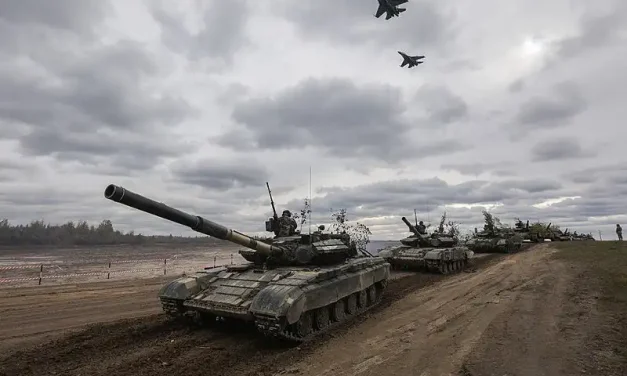
The second scenario is the Ukrainization of the war between the Zionist regime and Hamas; that is to say, like the Ukrainian war model, no country directly enters the war in support of the conflicting parties but secretly or openly provides financial, informational, military and logistical support to one of the parties. This scenario is more likely to happen than the first scenario. Still, due to its impact on the erosion of the war and the increase of its costs, it is not a favorable option for regional and global powers, and efforts will be made to avoid it.
The third scenario is the acceptance of peace plans presented by different countries, including the United States and Russia, and organizations such as the Organization of Islamic Cooperation, that are usually not accepted by one of the parties and do not have sufficient implementation guarantees due to their bias.
The fourth scenario, leaving Hamas and the Zionist regime alone to continue the war, is within the capacity of both sides; the purpose of this scenario, which has been implemented to some extent in the last week, is to restore dignity and compensate for the intelligence blow of the Zionist regime, which despite all its claims of being the superior military and intelligence power in the region, was attacked by a militant group and sustained many losses and casualties. Of course, within the framework of this scenario, sometimes indirect aid may be provided in various areas by the countries that support both sides, but such aid is done in such a way that the scope of the war does not expand.
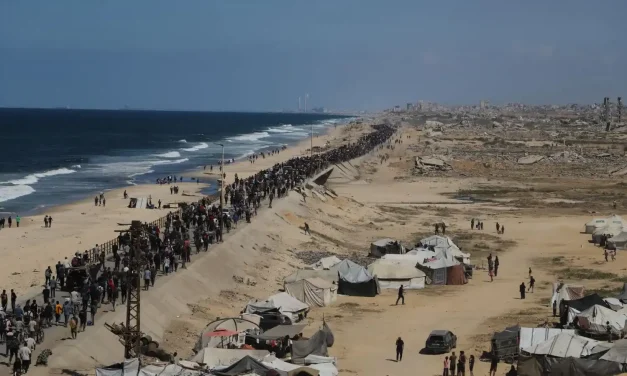
In conclusion, regardless of which of the above scenarios will be implemented in the medium and long term, considering the widespread casualties of civilians, especially children, in the last week, the important point is that the United Nations, the Organization of Islamic Cooperation and human rights organizations should compel the disillusioned and angry Zionist regime who officially announces with exemplary insolence that it has deprived the people of Gaza of their basic human rights, including food, water, electricity, and health care, and does not even hesitate to attack hospitals and fleeing civilian convoys, to respect human rights and the laws of war and prevent continuation of war crimes in the unequal war by defining and determining concrete and deterrent types of sanctions and punishments.

0 Comments