
Reza Majidzadeh – Development Affairs Expert
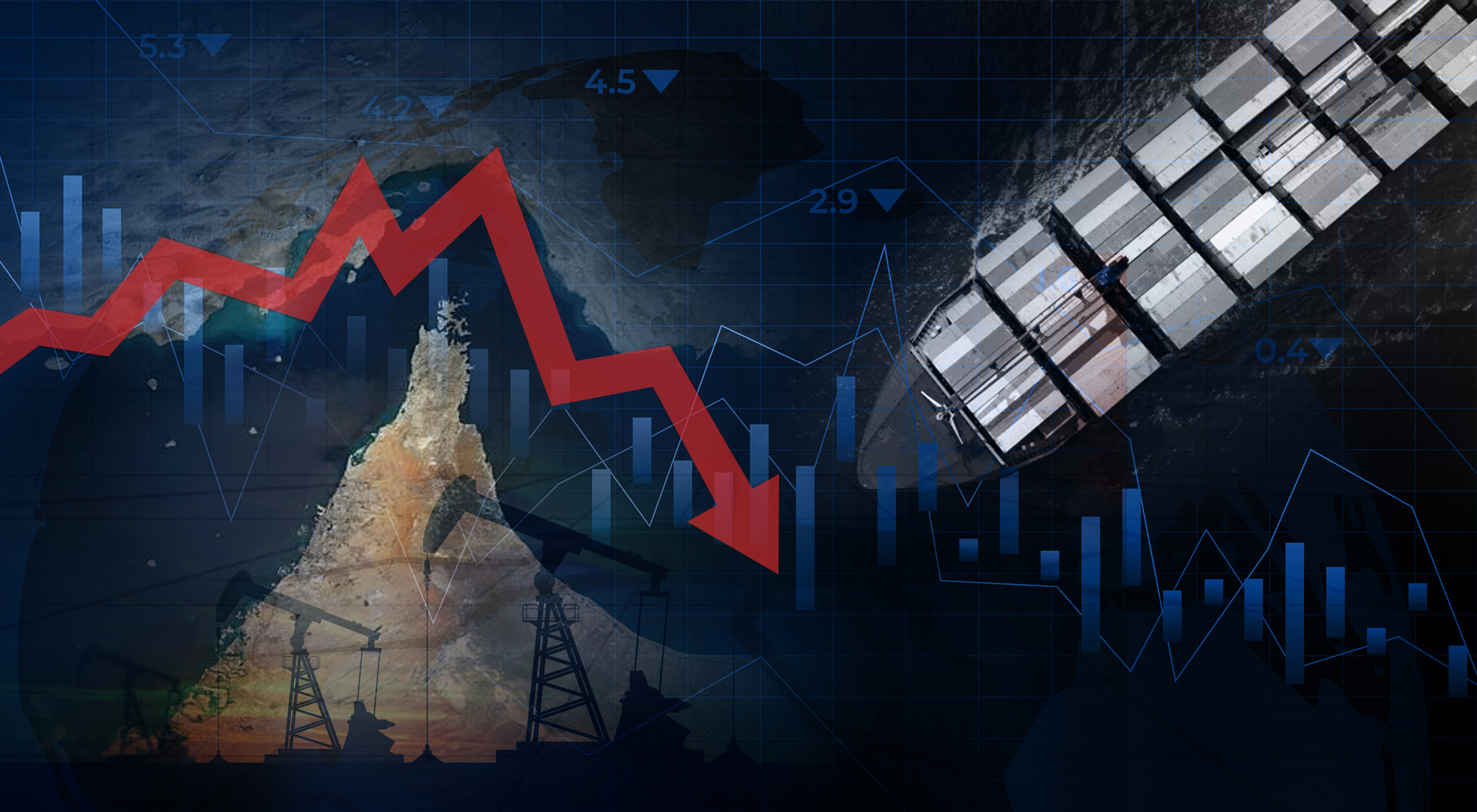
While the outlook for supply shortages of materials and energy from the Strait of Hormuz has become highly concerning, the issue of oil remains of greater importance for its importers, to the extent that Citigroup assesses the current oil crisis as much more severe than the crisis of the early 1970s. Citigroup has outlined two scenarios of $120 and $150 per barrel for Brent oil in May, which would mean the entrapment of global economies in a stagflationary super-recession. Under such circumstances, several important questions arise, including: If the Strait of Hormuz remains closed, which countries will find the fastest alternative routes for oil imports? Can the world’s strategic oil reserves prevent a global crisis, or merely delay it?
In the current international system, classical elements of geographically-focused politics—the distinction between continental and maritime powers, the strategic importance of Eurasia in general and chokepoints like the Strait of Hormuz in particular, and raw material supply chains—have regained significance. In such a context, the concept of securitization indicates how security risks are often appropriated for particular interests or even discursively portrayed as threats to legitimize extraordinary measures. For example, the United States’ grand strategy in West Asia revolves around “the discursive identification and positioning of the Persian Gulf as an unreliable yet pivotal geographically-focused economic space,” and this constant imaging of the region as central to effective functioning and regulating the global political economy legitimizes the strategic argument for the necessity of military intervention. Based on such a perspective, the scenario of tension in the Persian Gulf, whether in the form of conflict or blockade, currently remains in force.
However, within this existing context and based on International Energy Agency statistics, as of December 2025, China held nearly 1,400 million barrels of oil, the United States approximately 410 million barrels, Japan over 260 million barrels, OECD member countries about 180 million barrels, South Korea nearly 80 million barrels, and India more than 20 million barrels in strategic oil reserves. However, within just one week, U.S. strategic reserves decreased by 7 million barrels. If we take Goldman Sachs’ estimate of a 14.5 million barrel per day reduction in Persian Gulf crude oil production (i.e., 1.5 times the demand reduction during the COVID period) as our basis, this means that within just 30 days, assuming current conditions continue, 435 million fewer barrels of crude oil would be exported from the Persian Gulf—which would constitute a real and severe crisis for Japan, OECD economies, South Korea, and India.
Although during the height of the Ramadan War and the conflicts of the ceasefire period, Russia found the opportunity to sell its oil, it remains to be seen under two extreme scenarios—permanent end of conflict and agreement versus intense conflict—which economies can endure and which will become entangled in stagflation.
The Ramadan War caused Russia’s revenues to double during April. Southeast Asian countries, including Malaysia, Indonesia, the Philippines, and Vietnam, have also turned toward Russia to avoid the consequences of supply shortages from the Persian Gulf. However, should the scenario of renewed war occur, perhaps only Asian countries could rely on Russian oil.
Ukraine’s attack on Russian oil facilities aimed to send the signal that Ukraine would not tolerate Russia’s revenue-generating opportunities, and consequently, European countries face energy shortage risks and higher risks. U.S. oil producers also refused Trump’s request to increase strategic reserves, and this situation will make matters more difficult for Europe.
Consequently, it can be said that European countries have the greatest vulnerability regarding the scenario of renewed war and the blockade of the Strait of Hormuz. The continuation of the Ukraine war has also imposed significant financial and economic pressure on these economies, and in the event of a renewed war scenario, they would face a widespread crisis.
This text was translated using artificial intelligence and may contain errors. If you notice a clear error that makes the text incomprehensible, please inform the website editors.




0 Comments