Analysis of the New Security Order in the Region

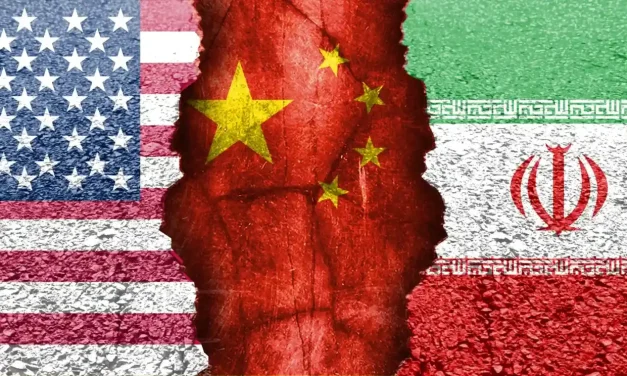
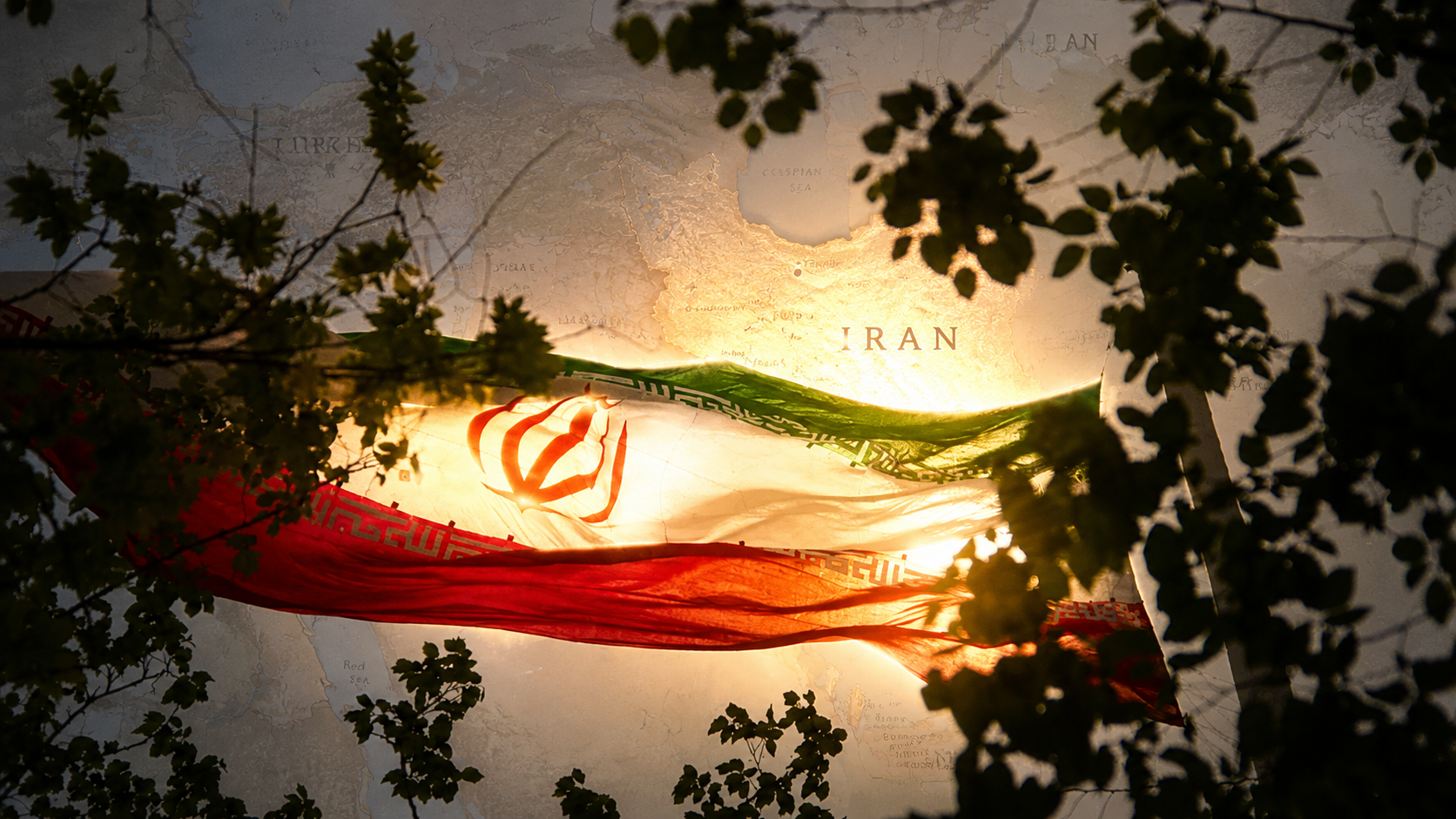
Strategic Council Online – Guest Note: The recent military aggression by the United States and the Israeli regime against the Islamic Republic of Iran in the early months of 2026, beyond a periodic tension, has acted as a catalyst for a fundamental reconfiguration of the Middle East’s geopolitical order.

Dr. Mohammad Mehdi Mazaheri – University Professor

The relative subsiding of the flames of direct conflict does not mean a return to traditional balance-of-power models or the establishment of sustainable stability; rather, it has placed the regional system into a new, dynamic and differentiated security geometry. The consequences of this structural shift can be explained at four macro levels:

  1. Reconfiguration of the Regional Order; Transition Beyond Classical Deterrence

The post–Ramadan War Middle East order has become distinct from predictable patterns of traditional deterrence. The previous red lines that defined the dimensions of the regional order within that framework have been redefined. The main feature of the new order is not established peace, but rather the formation of a kind of “fragile armed balance.” In this environment, the regional security architecture is confronted with a dual reality. On one hand, the Western–Arab axis’s attempt to integrate missile defense systems and radar networks across the territories of aligned actors faced structural challenges in practice; because post-war assessments indicate that these networks have failed to establish absolute deterrence against Iran’s hybrid tactics. On the other hand, Iran’s focus on enhancing its doctrine of asymmetric warfare, employing a strategy of “saturation attacks” and utilizing high-speed and maneuverable projectiles, has effectively caused costly regional defense layers to face operational attrition and a high margin of error. The impact of some of these projectiles on strategic targets demonstrates the reality that the region’s defensive geometry, contrary to the assumptions of its designers, is permeable. This issue has moved the West Asian regional order away from traditional Western alliance-building axes and has pushed Arab capitals toward preventive diplomacy and a smart balance with Tehran.

On the other hand, given Iran’s success in proportionate responses to the aggressions carried out, it will be difficult for Arab states to ignore the success of Iran’s asymmetric strategy, and this will encourage them to adopt similar approaches and develop new military capabilities. This situation places the region in a state of “permanent alert” and a kind of “new arms race,” making sustainable stability unattainable. Consequently, the future regional order is moving toward a fragile armed balance in which maintaining stability requires continuous diplomatic channels for crisis management.

  1. Redefinition of Iran’s Strategic Position

Contrary to the initial hypothesis of the architects of the Ramadan War, the illegal military aggression by the United States and the Israeli regime not only did not lead to Iran’s geopolitical isolation or the collapse of its regional influence network, but also demonstrated the effectiveness of the country’s defensive models and strategic resilience. Accordingly, it appears that Iran’s strategic position has been strengthened in the medium term; because the consolidation of asymmetric deterrence capability in practice removed the so-called “regime change” formula or Iran’s absolute isolation from the Western agenda. However, the deepening of the Israeli regime’s military presence on southern borders and the high costs of economic attrition have placed this military achievement under continuous diplomatic challenges, positioning Tehran as a “superior power but encircled within more complex security rings.”

Formation of Tehran–Washington Relations; Transition to New Arrangements

The relationship between Iran and the United States, following the recent ceasefire agreement, has moved beyond the traditional framework of crisis management and entered a phase of redefining the rules of the game. Although this agreement does not mean the resolution of long-standing ideological or political disputes between Iran and the United States, it operates beyond a simple emergency channel. This ceasefire has, at least at the current stage, created a new structure of “costly but stable mutual commitments,” in which Washington, recognizing the high costs of continued war and energy market volatility, has been forced to formally accept part of Iran’s deterrent capability. In return, Tehran has also, by intelligently leveraging this space, focused its diplomacy on consolidating field achievements and reducing sanctions pressure. Based on this new game rule, Washington is shifting its foreign policy approach from the costly strategy of “hard confrontation and attempts at absolute containment” toward a strategy of “smart containment of Iran and reconfiguration of regional security alliances,” in order to limit Tehran’s influence within defined red lines. In contrast, the Islamic Republic of Iran, relying on field achievements, pursues a policy of “consolidating strategic depth and optimizing the doctrine of asymmetric warfare,” in order to preserve its influence network while exploiting the post-ceasefire environment to gradually erode sanctions and strengthen its economic base and domestic social capital.

  1. Transformation of the International Order; Emergence of a “Less America-Centered World”

At the macro level, the confrontation between Iran and the offensive coalition led by the United States has deepened existing fractures in the international order and accelerated the transition toward a multipolar system. Accordingly, the failure of Washington’s plans for collapsing Iran’s political structure, fully destroying its defensive capabilities, and forcing unconditional surrender reveals the structural erosion of U.S. supremacy as a hegemonic power; since the essence of hegemony is manifested in its unique capacity to impose its political will and shape the preferred order. In this context, Iran’s successful persistence as a regional power in blocking this will, combined with imposing heavy strategic costs on Washington, has dealt a fundamental blow to America’s global stature and provided the necessary impetus to accelerate the shift of the international order toward pluralism and a post-hegemonic structure. In addition, China and Russia, through their positions during this war, demonstrated that they consider West Asia a key arena for challenging U.S. unilateralism.

Finally, current dynamics indicate that the West Asian region in the post–Ramadan War period is a system with high structural uncertainty. The end of military operations and the ceasefire agreement do not necessarily mean the beginning of a stable order, but rather the start of a multi-layered competition to define new rules of the game. In this emerging space, the consolidation of Iran’s position and security depends on the determination of national administrators to preserve the social capital created during the war, the avoidance by political parties and groups of intensifying divisions, and the capacity of strategic institutions to create balance and synergy between the “field” (hard power tools) and “diplomacy” (soft power tools) in the new regional and global environment.

0 Comments

LATEST CONTENT

Analysis of the New Security Order in the Region

Strategic Council Online – Guest Note: The recent military aggression by the United States and the Israeli regime against the Islamic Republic of Iran in the early months of 2026, beyond a periodic tension, has acted as a catalyst for a fundamental reconfiguration of the Middle East’s geopolitical order.

Consequences of Declining Trust in the Judiciary in Europe

SCFRonline – Opinion: The increase in public distrust of the French judicial system, which in recent surveys has reached approximately two-thirds of citizens, should be analyzed within a framework broader than temporary dissatisfaction or an emotional reaction to a particular criminal case.

Iran’s Potential Levers of Power

SCFRonline– Opinion: Iran’s geopolitical power is not limited solely to oil and the Strait of Hormuz; the unintended emergence of disruptions in the future global food and energy security chains can also demonstrate Iran’s strategic importance.

The Inseparability of the Lebanese Front from the Axis of Resistance

SCFR Online–Opinion: By providing an extensive network of social, healthcare, educational, and post-war reconstruction services, Hezbollah has established a strong social base for itself among Lebanon’s Shiites and Sunnis, and even beyond that, among other segments of Lebanese society, including Christians. Hezbollah has never been an external actor imposed upon Lebanon; rather, it is a phenomenon fundamentally born out of the occupation and crimes of the Zionist regime and itself influenced by popular resistance.

The Increasing Efforts of the Zionist Regime to Redefine Borders and the Regional Order and Its Consequences

SCFR Online– Opinion: Security and military developments in the region over recent months indicate that the ongoing crises and wars in Gaza, southern Lebanon, and parts of Syrian territory encompass broader dimensions of geopolitical and geostrategic transformations. In this context, the increased military presence and control of the Zionist regime over parts of the territories of these areas, along with proposals regarding the creation of buffer zones or even the expansion of security borders, have raised serious questions about the future of the regional order and its consequences for the countries of West Asia.

Loading

Últimas publicaciones

Analysis of the New Security Order in the Region

Strategic Council Online – Guest Note: The recent military aggression by the United States and the Israeli regime against the Islamic Republic of Iran in the early months of 2026, beyond a periodic tension, has acted as a catalyst for a fundamental reconfiguration of the Middle East’s geopolitical order.

Consequences of Declining Trust in the Judiciary in Europe

SCFRonline – Opinion: The increase in public distrust of the French judicial system, which in recent surveys has reached approximately two-thirds of citizens, should be analyzed within a framework broader than temporary dissatisfaction or an emotional reaction to a particular criminal case.

Iran’s Potential Levers of Power

SCFRonline– Opinion: Iran’s geopolitical power is not limited solely to oil and the Strait of Hormuz; the unintended emergence of disruptions in the future global food and energy security chains can also demonstrate Iran’s strategic importance.

The Inseparability of the Lebanese Front from the Axis of Resistance

SCFR Online–Opinion: By providing an extensive network of social, healthcare, educational, and post-war reconstruction services, Hezbollah has established a strong social base for itself among Lebanon’s Shiites and Sunnis, and even beyond that, among other segments of Lebanese society, including Christians. Hezbollah has never been an external actor imposed upon Lebanon; rather, it is a phenomenon fundamentally born out of the occupation and crimes of the Zionist regime and itself influenced by popular resistance.

The Increasing Efforts of the Zionist Regime to Redefine Borders and the Regional Order and Its Consequences

SCFR Online– Opinion: Security and military developments in the region over recent months indicate that the ongoing crises and wars in Gaza, southern Lebanon, and parts of Syrian territory encompass broader dimensions of geopolitical and geostrategic transformations. In this context, the increased military presence and control of the Zionist regime over parts of the territories of these areas, along with proposals regarding the creation of buffer zones or even the expansion of security borders, have raised serious questions about the future of the regional order and its consequences for the countries of West Asia.

Loading

DERNIER CONTENU

Analysis of the New Security Order in the Region

Strategic Council Online – Guest Note: The recent military aggression by the United States and the Israeli regime against the Islamic Republic of Iran in the early months of 2026, beyond a periodic tension, has acted as a catalyst for a fundamental reconfiguration of the Middle East’s geopolitical order.

Consequences of Declining Trust in the Judiciary in Europe

SCFRonline – Opinion: The increase in public distrust of the French judicial system, which in recent surveys has reached approximately two-thirds of citizens, should be analyzed within a framework broader than temporary dissatisfaction or an emotional reaction to a particular criminal case.

Iran’s Potential Levers of Power

SCFRonline– Opinion: Iran’s geopolitical power is not limited solely to oil and the Strait of Hormuz; the unintended emergence of disruptions in the future global food and energy security chains can also demonstrate Iran’s strategic importance.

The Inseparability of the Lebanese Front from the Axis of Resistance

SCFR Online–Opinion: By providing an extensive network of social, healthcare, educational, and post-war reconstruction services, Hezbollah has established a strong social base for itself among Lebanon’s Shiites and Sunnis, and even beyond that, among other segments of Lebanese society, including Christians. Hezbollah has never been an external actor imposed upon Lebanon; rather, it is a phenomenon fundamentally born out of the occupation and crimes of the Zionist regime and itself influenced by popular resistance.

The Increasing Efforts of the Zionist Regime to Redefine Borders and the Regional Order and Its Consequences

SCFR Online– Opinion: Security and military developments in the region over recent months indicate that the ongoing crises and wars in Gaza, southern Lebanon, and parts of Syrian territory encompass broader dimensions of geopolitical and geostrategic transformations. In this context, the increased military presence and control of the Zionist regime over parts of the territories of these areas, along with proposals regarding the creation of buffer zones or even the expansion of security borders, have raised serious questions about the future of the regional order and its consequences for the countries of West Asia.

Loading

DERNIER CONTENU

Analysis of the New Security Order in the Region

Strategic Council Online – Guest Note: The recent military aggression by the United States and the Israeli regime against the Islamic Republic of Iran in the early months of 2026, beyond a periodic tension, has acted as a catalyst for a fundamental reconfiguration of the Middle East’s geopolitical order.

Consequences of Declining Trust in the Judiciary in Europe

SCFRonline – Opinion: The increase in public distrust of the French judicial system, which in recent surveys has reached approximately two-thirds of citizens, should be analyzed within a framework broader than temporary dissatisfaction or an emotional reaction to a particular criminal case.

Iran’s Potential Levers of Power

SCFRonline– Opinion: Iran’s geopolitical power is not limited solely to oil and the Strait of Hormuz; the unintended emergence of disruptions in the future global food and energy security chains can also demonstrate Iran’s strategic importance.

The Inseparability of the Lebanese Front from the Axis of Resistance

SCFR Online–Opinion: By providing an extensive network of social, healthcare, educational, and post-war reconstruction services, Hezbollah has established a strong social base for itself among Lebanon’s Shiites and Sunnis, and even beyond that, among other segments of Lebanese society, including Christians. Hezbollah has never been an external actor imposed upon Lebanon; rather, it is a phenomenon fundamentally born out of the occupation and crimes of the Zionist regime and itself influenced by popular resistance.

The Increasing Efforts of the Zionist Regime to Redefine Borders and the Regional Order and Its Consequences

SCFR Online– Opinion: Security and military developments in the region over recent months indicate that the ongoing crises and wars in Gaza, southern Lebanon, and parts of Syrian territory encompass broader dimensions of geopolitical and geostrategic transformations. In this context, the increased military presence and control of the Zionist regime over parts of the territories of these areas, along with proposals regarding the creation of buffer zones or even the expansion of security borders, have raised serious questions about the future of the regional order and its consequences for the countries of West Asia.

Loading

DERNIER CONTENU

Analysis of the New Security Order in the Region

Strategic Council Online – Guest Note: The recent military aggression by the United States and the Israeli regime against the Islamic Republic of Iran in the early months of 2026, beyond a periodic tension, has acted as a catalyst for a fundamental reconfiguration of the Middle East’s geopolitical order.

Consequences of Declining Trust in the Judiciary in Europe

SCFRonline – Opinion: The increase in public distrust of the French judicial system, which in recent surveys has reached approximately two-thirds of citizens, should be analyzed within a framework broader than temporary dissatisfaction or an emotional reaction to a particular criminal case.

Iran’s Potential Levers of Power

SCFRonline– Opinion: Iran’s geopolitical power is not limited solely to oil and the Strait of Hormuz; the unintended emergence of disruptions in the future global food and energy security chains can also demonstrate Iran’s strategic importance.

The Inseparability of the Lebanese Front from the Axis of Resistance

SCFR Online–Opinion: By providing an extensive network of social, healthcare, educational, and post-war reconstruction services, Hezbollah has established a strong social base for itself among Lebanon’s Shiites and Sunnis, and even beyond that, among other segments of Lebanese society, including Christians. Hezbollah has never been an external actor imposed upon Lebanon; rather, it is a phenomenon fundamentally born out of the occupation and crimes of the Zionist regime and itself influenced by popular resistance.

The Increasing Efforts of the Zionist Regime to Redefine Borders and the Regional Order and Its Consequences

SCFR Online– Opinion: Security and military developments in the region over recent months indicate that the ongoing crises and wars in Gaza, southern Lebanon, and parts of Syrian territory encompass broader dimensions of geopolitical and geostrategic transformations. In this context, the increased military presence and control of the Zionist regime over parts of the territories of these areas, along with proposals regarding the creation of buffer zones or even the expansion of security borders, have raised serious questions about the future of the regional order and its consequences for the countries of West Asia.

Loading