جدیدترین مطالب

Implications of the US-Saudi Nuclear Agreement

SCFR Online – Opinion: The new US-Saudi nuclear agreement, despite legal and political ambiguities, could alter previous non-proliferation standards in West Asia and intensify nuclear competition, ushering it into a new phase.

An Analysis of Recent Turkey-Israeli Regime Tensions

SCFR Online – Opinion: Recent developments in Syria indicate an intensification of strategic rivalry between Turkey and the Israeli regime, but mutual considerations and the role of the United States have limited the likelihood of direct war.

Increasing criticism of the extensive Zionist lobby network

SCFR Online – Opinion: An examination of the mechanisms of the Israeli regime’s influence in the United States depicts a complex picture of shared interests, strategic dependencies, and the limitations of this relationship.

Realities of the Tripartite Makkah Pact

SCFR Online – Interview: The signing of the Makkah agreement between Saudi Arabia, Pakistan, and Turkey has raised questions about the future of the region’s security structure and the position of these countries in West Asian equations. Can this agreement become a genuine collective defense mechanism, or does it have more of a political and deterrent function than creating new military capacity?

Strategic Implications of the Reduction of US Weapons Stockpiles

SCFR Online – Opinion: The continuation of the US war against Iran, in addition to increasing operational costs, has called into question the actual capacity of the American arsenal to simultaneously fulfill security commitments on multiple fronts; an issue that affects deterrence, defense production capacity, and Washington’s resource prioritization.

The Formation of a New Order in Relations Between Powers

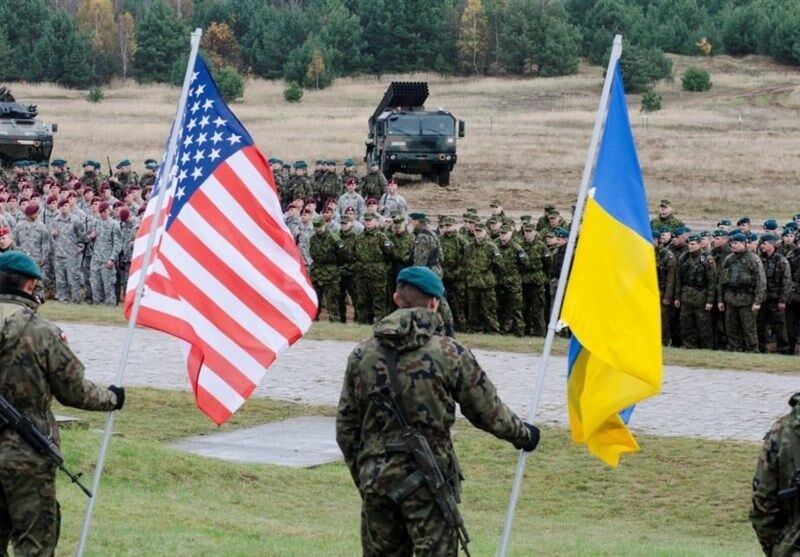
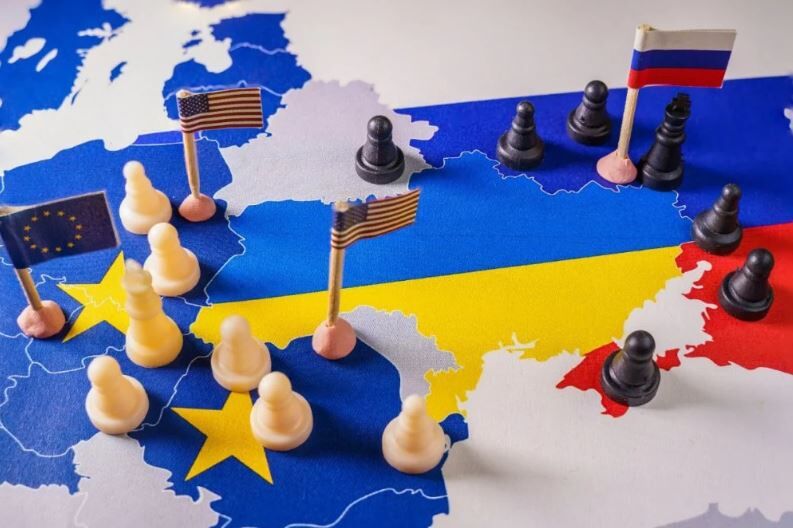
SCFR Online – Opinion: The Russia-Ukraine war and the war of the United States and the Israeli regime against Iran have been formed with different objectives and actors, but field and political developments indicate that they are not entirely separate from one another.

An Analysis of the Makkah Defense Pact

SCFR Online – Opinion: On Friday, August 7, the heads of state of three countries – Saudi Arabia, Turkey, and Pakistan – signed a text under the title “Makkah Joint Defense Agreement.”

Loading

Top News

An Analysis of Elon Musk’s Right-Wing Political Interventions in Britain and Europe

An Analysis of Elon Musk’s Right-Wing Political Interventions in Britain and Europe

Strategic Council Online – A senior US affairs analyst stated that the overt intervention of billionaire and media mogul Elon Musk in the UK’s internal developments has once again brought the discussion about the role of non-state actors in international politics to the forefront of attention. With his provocative speech at the extreme right-wing rally in London, Musk not only called for the dissolution of parliament and early elections but also effectively sowed the seeds of political violence in the country’s fragile social fabric by promoting a rhetoric of “resistance or destruction.” UK Prime Minister Keir Starmer condemned these remarks, but the matter goes beyond a war of words. The emergence of figures like Musk, who simultaneously possess capital, media influence, and social popularity, has blurred the line between official politics and protest movements. This trend could become a serious challenge to the principle of non-interference in the internal affairs of countries, one of the fundamental principles of the UN Charter. International institutions have been designed primarily to control the actions of states, rather than billionaires who own global platforms. Today, however, developments show that technology and media giants can influence the political developments of countries as independent actors; a reality that could pose new questions to the international order regarding national sovereignty and political security.

Europe’s Threat to Deploy Military Forces in Ukraine: From Words to Actions

Europe’s Threat to Deploy Military Forces in Ukraine: From Words to Actions

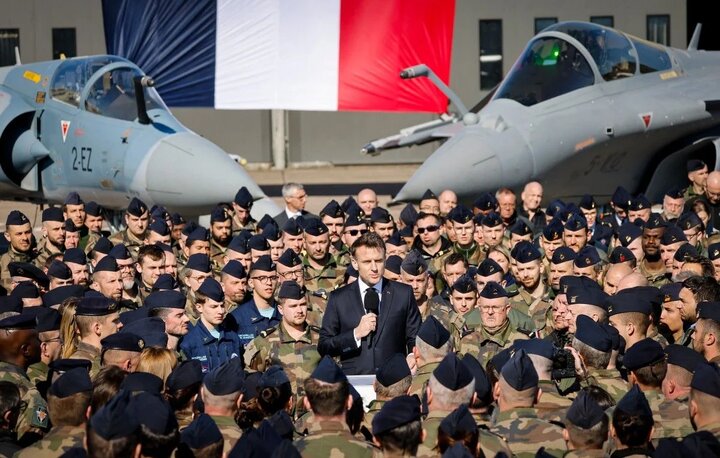
Strategic Council Online – Interview: An expert on Eurasian and Russian affairs stated that the West’s reaction to Russia’s threats regarding any deployment of foreign forces in Ukraine, whether under NATO or as an independent force, will be a combination of caution and deterrence. He said: Despite the desire of Europe and America to deploy military forces in Ukraine, they emphasize indirect support for Ukraine, including economic sanctions and increased diplomatic pressure on Moscow, and at best propose deploying neutral observers in Ukraine.

Efforts to Retake Bagram Airbase Complete America’s Unfinished Scenario in the Region

Efforts to Retake Bagram Airbase Complete America’s Unfinished Scenario in the Region

Strategic Council Online – Interview: A senior analyst on Afghan and Pakistani affairs stated that China’s explicit reaction to the new US efforts to retake Bagram Air Base in Afghanistan has once again highlighted the geopolitical competition among major powers in this sensitive region. Beijing has emphasized that any escalation of tensions or creation of confrontation in Afghanistan runs counter to the wishes and interests of the Afghan people and the entire region, and the Afghans themselves must shape the future of Afghanistan. This stance comes as US President Donald Trump has revealed Washington’s plan to return to Bagram, citing the base’s proximity to sensitive Chinese nuclear areas as one of the primary motivations. Analysts believe that a potential US return to Bagram signifies not only the revival of a military presence in Afghanistan but also an effort to curb China’s growing influence and control vital regional trade and security routes; a move that could have broad geopolitical consequences for all of Central and South Asia.

The Reality of Escalating European Pressures Against the Israeli Regime?

The Reality of Escalating European Pressures Against the Israeli Regime?

Strategic Council Online – Interview: A regional affairs expert stated that Europe has taken no action to increase political, economic, and security pressure on the Israeli regime to counter its genocide in Gaza, and it is unlikely to take any action in this regard in the future, although even at this level, support for Palestine and opposition to the crimes and genocide of the Israeli regime in Gaza are unprecedented in Europe.

Growing U.S.-China Competition in Space

Growing U.S.-China Competition in Space

Strategic Council Online – Opinion: Recently, the U.S. National Aeronautics and Space Administration (NASA) has barred Chinese citizens from accessing its systems and facilities, a prohibition that even includes Chinese citizens possessing U.S. visas. This move can be interpreted as a sign of space competition between the United States and China.

Differences in the Perspectives of Europe and America Regarding the Tariff War against China and India

Differences in the Perspectives of Europe and America Regarding the Tariff War against China and India

Strategic Council Online – Interview: A strategic affairs expert stated that recently, the United States has asked its allies in the G7 and its partners in the European Union to impose a new round of “significant tariffs” on China and India for purchasing Russian oil. Trump’s tariff demands reveal a clear gap in strategy between Washington and Brussels. While the Trump administration prefers to weaken the Kremlin’s economy by imposing tariffs on third countries, Europe seeks official sanctions against Moscow’s trade and financial partners.

Outlook of European Governments’ Plan to Recognize the State of Palestine

Outlook of European Governments’ Plan to Recognize the State of Palestine

Strategic Council Online – Interview: A senior analyst on West Asia and North Africa affairs stated, “The recognition of the State of Palestine at the United Nations General Assembly, particularly by European countries, initially appears to be a symbolic and positive action in support of Palestinian rights.” However, this move is more of a political and diplomatic response to the pressure from European and global public opinion than a real pressure on the Israeli regime.

The Challenge Between Europe and America Over Greenland

The Challenge Between Europe and America Over Greenland

Strategic Council Online – Interview: An international affairs expert, referring to the ongoing dispute between Europe and America over Greenland, stated that Europe’s policy is based on increasing political, diplomatic, and even economic support for Denmark and Greenland, and it certainly will not move towards escalating tensions with America.

U.S. Economic Recession and Its Domestic and Global Consequences

U.S. Economic Recession and Its Domestic and Global Consequences

Strategic Council Online – Interview: An analyst of U.S. affairs stated that while Donald Trump promised to revive the U.S. economy and restore the country’s industrial glory upon his return to the White House, the latest economic data indicate otherwise. The unemployment rate, which was 3.8% at the beginning of the new administration, has now risen to 4.3%, and factories and construction companies have laid off thousands of workers. Even revised statistics show that in June of this year alone, 13,000 jobs were lost. These developments highlight the gap between Trump’s campaign promises and the economic reality in the U.S.. This divide has overshadowed not only domestic politics but also the country’s economic and geopolitical future.
At the same time, Trump is attempting to shift pressures outward by leveraging geopolitical tools; an example is his threat to the European Union following the fines imposed on Google, an action many observers see as an effort to shift the agenda from domestic recession to external challenges. The question is whether these policies can pull the U.S. economy out of recession or if their consequences will ultimately spill over into the global economy.

أحدث الوظائف

Implications of the US-Saudi Nuclear Agreement

SCFR Online – Opinion: The new US-Saudi nuclear agreement, despite legal and political ambiguities, could alter previous non-proliferation standards in West Asia and intensify nuclear competition, ushering it into a new phase.

An Analysis of Recent Turkey-Israeli Regime Tensions

SCFR Online – Opinion: Recent developments in Syria indicate an intensification of strategic rivalry between Turkey and the Israeli regime, but mutual considerations and the role of the United States have limited the likelihood of direct war.

Increasing criticism of the extensive Zionist lobby network

SCFR Online – Opinion: An examination of the mechanisms of the Israeli regime’s influence in the United States depicts a complex picture of shared interests, strategic dependencies, and the limitations of this relationship.

Realities of the Tripartite Makkah Pact

SCFR Online – Interview: The signing of the Makkah agreement between Saudi Arabia, Pakistan, and Turkey has raised questions about the future of the region’s security structure and the position of these countries in West Asian equations. Can this agreement become a genuine collective defense mechanism, or does it have more of a political and deterrent function than creating new military capacity?

Strategic Implications of the Reduction of US Weapons Stockpiles

SCFR Online – Opinion: The continuation of the US war against Iran, in addition to increasing operational costs, has called into question the actual capacity of the American arsenal to simultaneously fulfill security commitments on multiple fronts; an issue that affects deterrence, defense production capacity, and Washington’s resource prioritization.

The Formation of a New Order in Relations Between Powers

SCFR Online – Opinion: The Russia-Ukraine war and the war of the United States and the Israeli regime against Iran have been formed with different objectives and actors, but field and political developments indicate that they are not entirely separate from one another.

An Analysis of the Makkah Defense Pact

SCFR Online – Opinion: On Friday, August 7, the heads of state of three countries – Saudi Arabia, Turkey, and Pakistan – signed a text under the title “Makkah Joint Defense Agreement.”

Loading

Top News

An Analysis of Elon Musk’s Right-Wing Political Interventions in Britain and Europe

An Analysis of Elon Musk’s Right-Wing Political Interventions in Britain and Europe

Strategic Council Online – A senior US affairs analyst stated that the overt intervention of billionaire and media mogul Elon Musk in the UK’s internal developments has once again brought the discussion about the role of non-state actors in international politics to the forefront of attention. With his provocative speech at the extreme right-wing rally in London, Musk not only called for the dissolution of parliament and early elections but also effectively sowed the seeds of political violence in the country’s fragile social fabric by promoting a rhetoric of “resistance or destruction.” UK Prime Minister Keir Starmer condemned these remarks, but the matter goes beyond a war of words. The emergence of figures like Musk, who simultaneously possess capital, media influence, and social popularity, has blurred the line between official politics and protest movements. This trend could become a serious challenge to the principle of non-interference in the internal affairs of countries, one of the fundamental principles of the UN Charter. International institutions have been designed primarily to control the actions of states, rather than billionaires who own global platforms. Today, however, developments show that technology and media giants can influence the political developments of countries as independent actors; a reality that could pose new questions to the international order regarding national sovereignty and political security.

Europe’s Threat to Deploy Military Forces in Ukraine: From Words to Actions

Europe’s Threat to Deploy Military Forces in Ukraine: From Words to Actions

Strategic Council Online – Interview: An expert on Eurasian and Russian affairs stated that the West’s reaction to Russia’s threats regarding any deployment of foreign forces in Ukraine, whether under NATO or as an independent force, will be a combination of caution and deterrence. He said: Despite the desire of Europe and America to deploy military forces in Ukraine, they emphasize indirect support for Ukraine, including economic sanctions and increased diplomatic pressure on Moscow, and at best propose deploying neutral observers in Ukraine.

Efforts to Retake Bagram Airbase Complete America’s Unfinished Scenario in the Region

Efforts to Retake Bagram Airbase Complete America’s Unfinished Scenario in the Region

Strategic Council Online – Interview: A senior analyst on Afghan and Pakistani affairs stated that China’s explicit reaction to the new US efforts to retake Bagram Air Base in Afghanistan has once again highlighted the geopolitical competition among major powers in this sensitive region. Beijing has emphasized that any escalation of tensions or creation of confrontation in Afghanistan runs counter to the wishes and interests of the Afghan people and the entire region, and the Afghans themselves must shape the future of Afghanistan. This stance comes as US President Donald Trump has revealed Washington’s plan to return to Bagram, citing the base’s proximity to sensitive Chinese nuclear areas as one of the primary motivations. Analysts believe that a potential US return to Bagram signifies not only the revival of a military presence in Afghanistan but also an effort to curb China’s growing influence and control vital regional trade and security routes; a move that could have broad geopolitical consequences for all of Central and South Asia.

The Reality of Escalating European Pressures Against the Israeli Regime?

The Reality of Escalating European Pressures Against the Israeli Regime?

Strategic Council Online – Interview: A regional affairs expert stated that Europe has taken no action to increase political, economic, and security pressure on the Israeli regime to counter its genocide in Gaza, and it is unlikely to take any action in this regard in the future, although even at this level, support for Palestine and opposition to the crimes and genocide of the Israeli regime in Gaza are unprecedented in Europe.

Growing U.S.-China Competition in Space

Growing U.S.-China Competition in Space

Strategic Council Online – Opinion: Recently, the U.S. National Aeronautics and Space Administration (NASA) has barred Chinese citizens from accessing its systems and facilities, a prohibition that even includes Chinese citizens possessing U.S. visas. This move can be interpreted as a sign of space competition between the United States and China.

Differences in the Perspectives of Europe and America Regarding the Tariff War against China and India

Differences in the Perspectives of Europe and America Regarding the Tariff War against China and India

Strategic Council Online – Interview: A strategic affairs expert stated that recently, the United States has asked its allies in the G7 and its partners in the European Union to impose a new round of “significant tariffs” on China and India for purchasing Russian oil. Trump’s tariff demands reveal a clear gap in strategy between Washington and Brussels. While the Trump administration prefers to weaken the Kremlin’s economy by imposing tariffs on third countries, Europe seeks official sanctions against Moscow’s trade and financial partners.

Outlook of European Governments’ Plan to Recognize the State of Palestine

Outlook of European Governments’ Plan to Recognize the State of Palestine

Strategic Council Online – Interview: A senior analyst on West Asia and North Africa affairs stated, “The recognition of the State of Palestine at the United Nations General Assembly, particularly by European countries, initially appears to be a symbolic and positive action in support of Palestinian rights.” However, this move is more of a political and diplomatic response to the pressure from European and global public opinion than a real pressure on the Israeli regime.

The Challenge Between Europe and America Over Greenland

The Challenge Between Europe and America Over Greenland

Strategic Council Online – Interview: An international affairs expert, referring to the ongoing dispute between Europe and America over Greenland, stated that Europe’s policy is based on increasing political, diplomatic, and even economic support for Denmark and Greenland, and it certainly will not move towards escalating tensions with America.

U.S. Economic Recession and Its Domestic and Global Consequences

U.S. Economic Recession and Its Domestic and Global Consequences

Strategic Council Online – Interview: An analyst of U.S. affairs stated that while Donald Trump promised to revive the U.S. economy and restore the country’s industrial glory upon his return to the White House, the latest economic data indicate otherwise. The unemployment rate, which was 3.8% at the beginning of the new administration, has now risen to 4.3%, and factories and construction companies have laid off thousands of workers. Even revised statistics show that in June of this year alone, 13,000 jobs were lost. These developments highlight the gap between Trump’s campaign promises and the economic reality in the U.S.. This divide has overshadowed not only domestic politics but also the country’s economic and geopolitical future.
At the same time, Trump is attempting to shift pressures outward by leveraging geopolitical tools; an example is his threat to the European Union following the fines imposed on Google, an action many observers see as an effort to shift the agenda from domestic recession to external challenges. The question is whether these policies can pull the U.S. economy out of recession or if their consequences will ultimately spill over into the global economy.

Top News

An Analysis of Elon Musk’s Right-Wing Political Interventions in Britain and Europe

An Analysis of Elon Musk’s Right-Wing Political Interventions in Britain and Europe

Strategic Council Online – A senior US affairs analyst stated that the overt intervention of billionaire and media mogul Elon Musk in the UK’s internal developments has once again brought the discussion about the role of non-state actors in international politics to the forefront of attention. With his provocative speech at the extreme right-wing rally in London, Musk not only called for the dissolution of parliament and early elections but also effectively sowed the seeds of political violence in the country’s fragile social fabric by promoting a rhetoric of “resistance or destruction.” UK Prime Minister Keir Starmer condemned these remarks, but the matter goes beyond a war of words. The emergence of figures like Musk, who simultaneously possess capital, media influence, and social popularity, has blurred the line between official politics and protest movements. This trend could become a serious challenge to the principle of non-interference in the internal affairs of countries, one of the fundamental principles of the UN Charter. International institutions have been designed primarily to control the actions of states, rather than billionaires who own global platforms. Today, however, developments show that technology and media giants can influence the political developments of countries as independent actors; a reality that could pose new questions to the international order regarding national sovereignty and political security.

Europe’s Threat to Deploy Military Forces in Ukraine: From Words to Actions

Europe’s Threat to Deploy Military Forces in Ukraine: From Words to Actions

Strategic Council Online – Interview: An expert on Eurasian and Russian affairs stated that the West’s reaction to Russia’s threats regarding any deployment of foreign forces in Ukraine, whether under NATO or as an independent force, will be a combination of caution and deterrence. He said: Despite the desire of Europe and America to deploy military forces in Ukraine, they emphasize indirect support for Ukraine, including economic sanctions and increased diplomatic pressure on Moscow, and at best propose deploying neutral observers in Ukraine.

Efforts to Retake Bagram Airbase Complete America’s Unfinished Scenario in the Region

Efforts to Retake Bagram Airbase Complete America’s Unfinished Scenario in the Region

Strategic Council Online – Interview: A senior analyst on Afghan and Pakistani affairs stated that China’s explicit reaction to the new US efforts to retake Bagram Air Base in Afghanistan has once again highlighted the geopolitical competition among major powers in this sensitive region. Beijing has emphasized that any escalation of tensions or creation of confrontation in Afghanistan runs counter to the wishes and interests of the Afghan people and the entire region, and the Afghans themselves must shape the future of Afghanistan. This stance comes as US President Donald Trump has revealed Washington’s plan to return to Bagram, citing the base’s proximity to sensitive Chinese nuclear areas as one of the primary motivations. Analysts believe that a potential US return to Bagram signifies not only the revival of a military presence in Afghanistan but also an effort to curb China’s growing influence and control vital regional trade and security routes; a move that could have broad geopolitical consequences for all of Central and South Asia.

The Reality of Escalating European Pressures Against the Israeli Regime?

The Reality of Escalating European Pressures Against the Israeli Regime?

Strategic Council Online – Interview: A regional affairs expert stated that Europe has taken no action to increase political, economic, and security pressure on the Israeli regime to counter its genocide in Gaza, and it is unlikely to take any action in this regard in the future, although even at this level, support for Palestine and opposition to the crimes and genocide of the Israeli regime in Gaza are unprecedented in Europe.

Growing U.S.-China Competition in Space

Growing U.S.-China Competition in Space

Strategic Council Online – Opinion: Recently, the U.S. National Aeronautics and Space Administration (NASA) has barred Chinese citizens from accessing its systems and facilities, a prohibition that even includes Chinese citizens possessing U.S. visas. This move can be interpreted as a sign of space competition between the United States and China.

Differences in the Perspectives of Europe and America Regarding the Tariff War against China and India

Differences in the Perspectives of Europe and America Regarding the Tariff War against China and India

Strategic Council Online – Interview: A strategic affairs expert stated that recently, the United States has asked its allies in the G7 and its partners in the European Union to impose a new round of “significant tariffs” on China and India for purchasing Russian oil. Trump’s tariff demands reveal a clear gap in strategy between Washington and Brussels. While the Trump administration prefers to weaken the Kremlin’s economy by imposing tariffs on third countries, Europe seeks official sanctions against Moscow’s trade and financial partners.

Outlook of European Governments’ Plan to Recognize the State of Palestine

Outlook of European Governments’ Plan to Recognize the State of Palestine

Strategic Council Online – Interview: A senior analyst on West Asia and North Africa affairs stated, “The recognition of the State of Palestine at the United Nations General Assembly, particularly by European countries, initially appears to be a symbolic and positive action in support of Palestinian rights.” However, this move is more of a political and diplomatic response to the pressure from European and global public opinion than a real pressure on the Israeli regime.

The Challenge Between Europe and America Over Greenland

The Challenge Between Europe and America Over Greenland

Strategic Council Online – Interview: An international affairs expert, referring to the ongoing dispute between Europe and America over Greenland, stated that Europe’s policy is based on increasing political, diplomatic, and even economic support for Denmark and Greenland, and it certainly will not move towards escalating tensions with America.

U.S. Economic Recession and Its Domestic and Global Consequences

U.S. Economic Recession and Its Domestic and Global Consequences

Strategic Council Online – Interview: An analyst of U.S. affairs stated that while Donald Trump promised to revive the U.S. economy and restore the country’s industrial glory upon his return to the White House, the latest economic data indicate otherwise. The unemployment rate, which was 3.8% at the beginning of the new administration, has now risen to 4.3%, and factories and construction companies have laid off thousands of workers. Even revised statistics show that in June of this year alone, 13,000 jobs were lost. These developments highlight the gap between Trump’s campaign promises and the economic reality in the U.S.. This divide has overshadowed not only domestic politics but also the country’s economic and geopolitical future.
At the same time, Trump is attempting to shift pressures outward by leveraging geopolitical tools; an example is his threat to the European Union following the fines imposed on Google, an action many observers see as an effort to shift the agenda from domestic recession to external challenges. The question is whether these policies can pull the U.S. economy out of recession or if their consequences will ultimately spill over into the global economy.

LATEST CONTENT

Implications of the US-Saudi Nuclear Agreement

SCFR Online – Opinion: The new US-Saudi nuclear agreement, despite legal and political ambiguities, could alter previous non-proliferation standards in West Asia and intensify nuclear competition, ushering it into a new phase.

An Analysis of Recent Turkey-Israeli Regime Tensions

SCFR Online – Opinion: Recent developments in Syria indicate an intensification of strategic rivalry between Turkey and the Israeli regime, but mutual considerations and the role of the United States have limited the likelihood of direct war.

Increasing criticism of the extensive Zionist lobby network

SCFR Online – Opinion: An examination of the mechanisms of the Israeli regime’s influence in the United States depicts a complex picture of shared interests, strategic dependencies, and the limitations of this relationship.

Realities of the Tripartite Makkah Pact

SCFR Online – Interview: The signing of the Makkah agreement between Saudi Arabia, Pakistan, and Turkey has raised questions about the future of the region’s security structure and the position of these countries in West Asian equations. Can this agreement become a genuine collective defense mechanism, or does it have more of a political and deterrent function than creating new military capacity?

Strategic Implications of the Reduction of US Weapons Stockpiles

SCFR Online – Opinion: The continuation of the US war against Iran, in addition to increasing operational costs, has called into question the actual capacity of the American arsenal to simultaneously fulfill security commitments on multiple fronts; an issue that affects deterrence, defense production capacity, and Washington’s resource prioritization.

The Formation of a New Order in Relations Between Powers

SCFR Online – Opinion: The Russia-Ukraine war and the war of the United States and the Israeli regime against Iran have been formed with different objectives and actors, but field and political developments indicate that they are not entirely separate from one another.

An Analysis of the Makkah Defense Pact

SCFR Online – Opinion: On Friday, August 7, the heads of state of three countries – Saudi Arabia, Turkey, and Pakistan – signed a text under the title “Makkah Joint Defense Agreement.”

Loading

Top News

An Analysis of Elon Musk’s Right-Wing Political Interventions in Britain and Europe

An Analysis of Elon Musk’s Right-Wing Political Interventions in Britain and Europe

Strategic Council Online – A senior US affairs analyst stated that the overt intervention of billionaire and media mogul Elon Musk in the UK’s internal developments has once again brought the discussion about the role of non-state actors in international politics to the forefront of attention. With his provocative speech at the extreme right-wing rally in London, Musk not only called for the dissolution of parliament and early elections but also effectively sowed the seeds of political violence in the country’s fragile social fabric by promoting a rhetoric of “resistance or destruction.” UK Prime Minister Keir Starmer condemned these remarks, but the matter goes beyond a war of words. The emergence of figures like Musk, who simultaneously possess capital, media influence, and social popularity, has blurred the line between official politics and protest movements. This trend could become a serious challenge to the principle of non-interference in the internal affairs of countries, one of the fundamental principles of the UN Charter. International institutions have been designed primarily to control the actions of states, rather than billionaires who own global platforms. Today, however, developments show that technology and media giants can influence the political developments of countries as independent actors; a reality that could pose new questions to the international order regarding national sovereignty and political security.

Europe’s Threat to Deploy Military Forces in Ukraine: From Words to Actions

Europe’s Threat to Deploy Military Forces in Ukraine: From Words to Actions

Strategic Council Online – Interview: An expert on Eurasian and Russian affairs stated that the West’s reaction to Russia’s threats regarding any deployment of foreign forces in Ukraine, whether under NATO or as an independent force, will be a combination of caution and deterrence. He said: Despite the desire of Europe and America to deploy military forces in Ukraine, they emphasize indirect support for Ukraine, including economic sanctions and increased diplomatic pressure on Moscow, and at best propose deploying neutral observers in Ukraine.

Efforts to Retake Bagram Airbase Complete America’s Unfinished Scenario in the Region

Efforts to Retake Bagram Airbase Complete America’s Unfinished Scenario in the Region

Strategic Council Online – Interview: A senior analyst on Afghan and Pakistani affairs stated that China’s explicit reaction to the new US efforts to retake Bagram Air Base in Afghanistan has once again highlighted the geopolitical competition among major powers in this sensitive region. Beijing has emphasized that any escalation of tensions or creation of confrontation in Afghanistan runs counter to the wishes and interests of the Afghan people and the entire region, and the Afghans themselves must shape the future of Afghanistan. This stance comes as US President Donald Trump has revealed Washington’s plan to return to Bagram, citing the base’s proximity to sensitive Chinese nuclear areas as one of the primary motivations. Analysts believe that a potential US return to Bagram signifies not only the revival of a military presence in Afghanistan but also an effort to curb China’s growing influence and control vital regional trade and security routes; a move that could have broad geopolitical consequences for all of Central and South Asia.

The Reality of Escalating European Pressures Against the Israeli Regime?

The Reality of Escalating European Pressures Against the Israeli Regime?

Strategic Council Online – Interview: A regional affairs expert stated that Europe has taken no action to increase political, economic, and security pressure on the Israeli regime to counter its genocide in Gaza, and it is unlikely to take any action in this regard in the future, although even at this level, support for Palestine and opposition to the crimes and genocide of the Israeli regime in Gaza are unprecedented in Europe.

Growing U.S.-China Competition in Space

Growing U.S.-China Competition in Space

Strategic Council Online – Opinion: Recently, the U.S. National Aeronautics and Space Administration (NASA) has barred Chinese citizens from accessing its systems and facilities, a prohibition that even includes Chinese citizens possessing U.S. visas. This move can be interpreted as a sign of space competition between the United States and China.

Differences in the Perspectives of Europe and America Regarding the Tariff War against China and India

Differences in the Perspectives of Europe and America Regarding the Tariff War against China and India

Strategic Council Online – Interview: A strategic affairs expert stated that recently, the United States has asked its allies in the G7 and its partners in the European Union to impose a new round of “significant tariffs” on China and India for purchasing Russian oil. Trump’s tariff demands reveal a clear gap in strategy between Washington and Brussels. While the Trump administration prefers to weaken the Kremlin’s economy by imposing tariffs on third countries, Europe seeks official sanctions against Moscow’s trade and financial partners.

Outlook of European Governments’ Plan to Recognize the State of Palestine

Outlook of European Governments’ Plan to Recognize the State of Palestine

Strategic Council Online – Interview: A senior analyst on West Asia and North Africa affairs stated, “The recognition of the State of Palestine at the United Nations General Assembly, particularly by European countries, initially appears to be a symbolic and positive action in support of Palestinian rights.” However, this move is more of a political and diplomatic response to the pressure from European and global public opinion than a real pressure on the Israeli regime.

The Challenge Between Europe and America Over Greenland

The Challenge Between Europe and America Over Greenland

Strategic Council Online – Interview: An international affairs expert, referring to the ongoing dispute between Europe and America over Greenland, stated that Europe’s policy is based on increasing political, diplomatic, and even economic support for Denmark and Greenland, and it certainly will not move towards escalating tensions with America.

U.S. Economic Recession and Its Domestic and Global Consequences

U.S. Economic Recession and Its Domestic and Global Consequences

Strategic Council Online – Interview: An analyst of U.S. affairs stated that while Donald Trump promised to revive the U.S. economy and restore the country’s industrial glory upon his return to the White House, the latest economic data indicate otherwise. The unemployment rate, which was 3.8% at the beginning of the new administration, has now risen to 4.3%, and factories and construction companies have laid off thousands of workers. Even revised statistics show that in June of this year alone, 13,000 jobs were lost. These developments highlight the gap between Trump’s campaign promises and the economic reality in the U.S.. This divide has overshadowed not only domestic politics but also the country’s economic and geopolitical future.
At the same time, Trump is attempting to shift pressures outward by leveraging geopolitical tools; an example is his threat to the European Union following the fines imposed on Google, an action many observers see as an effort to shift the agenda from domestic recession to external challenges. The question is whether these policies can pull the U.S. economy out of recession or if their consequences will ultimately spill over into the global economy.

ÚLTIMAS PUBLICACIONES

Implications of the US-Saudi Nuclear Agreement

SCFR Online – Opinion: The new US-Saudi nuclear agreement, despite legal and political ambiguities, could alter previous non-proliferation standards in West Asia and intensify nuclear competition, ushering it into a new phase.

An Analysis of Recent Turkey-Israeli Regime Tensions

SCFR Online – Opinion: Recent developments in Syria indicate an intensification of strategic rivalry between Turkey and the Israeli regime, but mutual considerations and the role of the United States have limited the likelihood of direct war.

Increasing criticism of the extensive Zionist lobby network

SCFR Online – Opinion: An examination of the mechanisms of the Israeli regime’s influence in the United States depicts a complex picture of shared interests, strategic dependencies, and the limitations of this relationship.

Realities of the Tripartite Makkah Pact

SCFR Online – Interview: The signing of the Makkah agreement between Saudi Arabia, Pakistan, and Turkey has raised questions about the future of the region’s security structure and the position of these countries in West Asian equations. Can this agreement become a genuine collective defense mechanism, or does it have more of a political and deterrent function than creating new military capacity?

Strategic Implications of the Reduction of US Weapons Stockpiles

SCFR Online – Opinion: The continuation of the US war against Iran, in addition to increasing operational costs, has called into question the actual capacity of the American arsenal to simultaneously fulfill security commitments on multiple fronts; an issue that affects deterrence, defense production capacity, and Washington’s resource prioritization.

The Formation of a New Order in Relations Between Powers

SCFR Online – Opinion: The Russia-Ukraine war and the war of the United States and the Israeli regime against Iran have been formed with different objectives and actors, but field and political developments indicate that they are not entirely separate from one another.

An Analysis of the Makkah Defense Pact

SCFR Online – Opinion: On Friday, August 7, the heads of state of three countries – Saudi Arabia, Turkey, and Pakistan – signed a text under the title “Makkah Joint Defense Agreement.”

Loading

Top News

An Analysis of Elon Musk’s Right-Wing Political Interventions in Britain and Europe

An Analysis of Elon Musk’s Right-Wing Political Interventions in Britain and Europe

Strategic Council Online – A senior US affairs analyst stated that the overt intervention of billionaire and media mogul Elon Musk in the UK’s internal developments has once again brought the discussion about the role of non-state actors in international politics to the forefront of attention. With his provocative speech at the extreme right-wing rally in London, Musk not only called for the dissolution of parliament and early elections but also effectively sowed the seeds of political violence in the country’s fragile social fabric by promoting a rhetoric of “resistance or destruction.” UK Prime Minister Keir Starmer condemned these remarks, but the matter goes beyond a war of words. The emergence of figures like Musk, who simultaneously possess capital, media influence, and social popularity, has blurred the line between official politics and protest movements. This trend could become a serious challenge to the principle of non-interference in the internal affairs of countries, one of the fundamental principles of the UN Charter. International institutions have been designed primarily to control the actions of states, rather than billionaires who own global platforms. Today, however, developments show that technology and media giants can influence the political developments of countries as independent actors; a reality that could pose new questions to the international order regarding national sovereignty and political security.

Europe’s Threat to Deploy Military Forces in Ukraine: From Words to Actions

Europe’s Threat to Deploy Military Forces in Ukraine: From Words to Actions

Strategic Council Online – Interview: An expert on Eurasian and Russian affairs stated that the West’s reaction to Russia’s threats regarding any deployment of foreign forces in Ukraine, whether under NATO or as an independent force, will be a combination of caution and deterrence. He said: Despite the desire of Europe and America to deploy military forces in Ukraine, they emphasize indirect support for Ukraine, including economic sanctions and increased diplomatic pressure on Moscow, and at best propose deploying neutral observers in Ukraine.

Efforts to Retake Bagram Airbase Complete America’s Unfinished Scenario in the Region

Efforts to Retake Bagram Airbase Complete America’s Unfinished Scenario in the Region

Strategic Council Online – Interview: A senior analyst on Afghan and Pakistani affairs stated that China’s explicit reaction to the new US efforts to retake Bagram Air Base in Afghanistan has once again highlighted the geopolitical competition among major powers in this sensitive region. Beijing has emphasized that any escalation of tensions or creation of confrontation in Afghanistan runs counter to the wishes and interests of the Afghan people and the entire region, and the Afghans themselves must shape the future of Afghanistan. This stance comes as US President Donald Trump has revealed Washington’s plan to return to Bagram, citing the base’s proximity to sensitive Chinese nuclear areas as one of the primary motivations. Analysts believe that a potential US return to Bagram signifies not only the revival of a military presence in Afghanistan but also an effort to curb China’s growing influence and control vital regional trade and security routes; a move that could have broad geopolitical consequences for all of Central and South Asia.

The Reality of Escalating European Pressures Against the Israeli Regime?

The Reality of Escalating European Pressures Against the Israeli Regime?

Strategic Council Online – Interview: A regional affairs expert stated that Europe has taken no action to increase political, economic, and security pressure on the Israeli regime to counter its genocide in Gaza, and it is unlikely to take any action in this regard in the future, although even at this level, support for Palestine and opposition to the crimes and genocide of the Israeli regime in Gaza are unprecedented in Europe.

Growing U.S.-China Competition in Space

Growing U.S.-China Competition in Space

Strategic Council Online – Opinion: Recently, the U.S. National Aeronautics and Space Administration (NASA) has barred Chinese citizens from accessing its systems and facilities, a prohibition that even includes Chinese citizens possessing U.S. visas. This move can be interpreted as a sign of space competition between the United States and China.

Differences in the Perspectives of Europe and America Regarding the Tariff War against China and India

Differences in the Perspectives of Europe and America Regarding the Tariff War against China and India

Strategic Council Online – Interview: A strategic affairs expert stated that recently, the United States has asked its allies in the G7 and its partners in the European Union to impose a new round of “significant tariffs” on China and India for purchasing Russian oil. Trump’s tariff demands reveal a clear gap in strategy between Washington and Brussels. While the Trump administration prefers to weaken the Kremlin’s economy by imposing tariffs on third countries, Europe seeks official sanctions against Moscow’s trade and financial partners.

Outlook of European Governments’ Plan to Recognize the State of Palestine

Outlook of European Governments’ Plan to Recognize the State of Palestine

Strategic Council Online – Interview: A senior analyst on West Asia and North Africa affairs stated, “The recognition of the State of Palestine at the United Nations General Assembly, particularly by European countries, initially appears to be a symbolic and positive action in support of Palestinian rights.” However, this move is more of a political and diplomatic response to the pressure from European and global public opinion than a real pressure on the Israeli regime.

The Challenge Between Europe and America Over Greenland

The Challenge Between Europe and America Over Greenland

Strategic Council Online – Interview: An international affairs expert, referring to the ongoing dispute between Europe and America over Greenland, stated that Europe’s policy is based on increasing political, diplomatic, and even economic support for Denmark and Greenland, and it certainly will not move towards escalating tensions with America.

U.S. Economic Recession and Its Domestic and Global Consequences

U.S. Economic Recession and Its Domestic and Global Consequences

Strategic Council Online – Interview: An analyst of U.S. affairs stated that while Donald Trump promised to revive the U.S. economy and restore the country’s industrial glory upon his return to the White House, the latest economic data indicate otherwise. The unemployment rate, which was 3.8% at the beginning of the new administration, has now risen to 4.3%, and factories and construction companies have laid off thousands of workers. Even revised statistics show that in June of this year alone, 13,000 jobs were lost. These developments highlight the gap between Trump’s campaign promises and the economic reality in the U.S.. This divide has overshadowed not only domestic politics but also the country’s economic and geopolitical future.
At the same time, Trump is attempting to shift pressures outward by leveraging geopolitical tools; an example is his threat to the European Union following the fines imposed on Google, an action many observers see as an effort to shift the agenda from domestic recession to external challenges. The question is whether these policies can pull the U.S. economy out of recession or if their consequences will ultimately spill over into the global economy.

ÚLTIMAS PUBLICACIONES

Implications of the US-Saudi Nuclear Agreement

SCFR Online – Opinion: The new US-Saudi nuclear agreement, despite legal and political ambiguities, could alter previous non-proliferation standards in West Asia and intensify nuclear competition, ushering it into a new phase.

An Analysis of Recent Turkey-Israeli Regime Tensions

SCFR Online – Opinion: Recent developments in Syria indicate an intensification of strategic rivalry between Turkey and the Israeli regime, but mutual considerations and the role of the United States have limited the likelihood of direct war.

Increasing criticism of the extensive Zionist lobby network

SCFR Online – Opinion: An examination of the mechanisms of the Israeli regime’s influence in the United States depicts a complex picture of shared interests, strategic dependencies, and the limitations of this relationship.

Realities of the Tripartite Makkah Pact

SCFR Online – Interview: The signing of the Makkah agreement between Saudi Arabia, Pakistan, and Turkey has raised questions about the future of the region’s security structure and the position of these countries in West Asian equations. Can this agreement become a genuine collective defense mechanism, or does it have more of a political and deterrent function than creating new military capacity?

Strategic Implications of the Reduction of US Weapons Stockpiles

SCFR Online – Opinion: The continuation of the US war against Iran, in addition to increasing operational costs, has called into question the actual capacity of the American arsenal to simultaneously fulfill security commitments on multiple fronts; an issue that affects deterrence, defense production capacity, and Washington’s resource prioritization.

The Formation of a New Order in Relations Between Powers

SCFR Online – Opinion: The Russia-Ukraine war and the war of the United States and the Israeli regime against Iran have been formed with different objectives and actors, but field and political developments indicate that they are not entirely separate from one another.

An Analysis of the Makkah Defense Pact

SCFR Online – Opinion: On Friday, August 7, the heads of state of three countries – Saudi Arabia, Turkey, and Pakistan – signed a text under the title “Makkah Joint Defense Agreement.”

Loading

Top News

An Analysis of Elon Musk’s Right-Wing Political Interventions in Britain and Europe

An Analysis of Elon Musk’s Right-Wing Political Interventions in Britain and Europe

Strategic Council Online – A senior US affairs analyst stated that the overt intervention of billionaire and media mogul Elon Musk in the UK’s internal developments has once again brought the discussion about the role of non-state actors in international politics to the forefront of attention. With his provocative speech at the extreme right-wing rally in London, Musk not only called for the dissolution of parliament and early elections but also effectively sowed the seeds of political violence in the country’s fragile social fabric by promoting a rhetoric of “resistance or destruction.” UK Prime Minister Keir Starmer condemned these remarks, but the matter goes beyond a war of words. The emergence of figures like Musk, who simultaneously possess capital, media influence, and social popularity, has blurred the line between official politics and protest movements. This trend could become a serious challenge to the principle of non-interference in the internal affairs of countries, one of the fundamental principles of the UN Charter. International institutions have been designed primarily to control the actions of states, rather than billionaires who own global platforms. Today, however, developments show that technology and media giants can influence the political developments of countries as independent actors; a reality that could pose new questions to the international order regarding national sovereignty and political security.

Europe’s Threat to Deploy Military Forces in Ukraine: From Words to Actions

Europe’s Threat to Deploy Military Forces in Ukraine: From Words to Actions

Strategic Council Online – Interview: An expert on Eurasian and Russian affairs stated that the West’s reaction to Russia’s threats regarding any deployment of foreign forces in Ukraine, whether under NATO or as an independent force, will be a combination of caution and deterrence. He said: Despite the desire of Europe and America to deploy military forces in Ukraine, they emphasize indirect support for Ukraine, including economic sanctions and increased diplomatic pressure on Moscow, and at best propose deploying neutral observers in Ukraine.

Efforts to Retake Bagram Airbase Complete America’s Unfinished Scenario in the Region

Efforts to Retake Bagram Airbase Complete America’s Unfinished Scenario in the Region

Strategic Council Online – Interview: A senior analyst on Afghan and Pakistani affairs stated that China’s explicit reaction to the new US efforts to retake Bagram Air Base in Afghanistan has once again highlighted the geopolitical competition among major powers in this sensitive region. Beijing has emphasized that any escalation of tensions or creation of confrontation in Afghanistan runs counter to the wishes and interests of the Afghan people and the entire region, and the Afghans themselves must shape the future of Afghanistan. This stance comes as US President Donald Trump has revealed Washington’s plan to return to Bagram, citing the base’s proximity to sensitive Chinese nuclear areas as one of the primary motivations. Analysts believe that a potential US return to Bagram signifies not only the revival of a military presence in Afghanistan but also an effort to curb China’s growing influence and control vital regional trade and security routes; a move that could have broad geopolitical consequences for all of Central and South Asia.

The Reality of Escalating European Pressures Against the Israeli Regime?

The Reality of Escalating European Pressures Against the Israeli Regime?

Strategic Council Online – Interview: A regional affairs expert stated that Europe has taken no action to increase political, economic, and security pressure on the Israeli regime to counter its genocide in Gaza, and it is unlikely to take any action in this regard in the future, although even at this level, support for Palestine and opposition to the crimes and genocide of the Israeli regime in Gaza are unprecedented in Europe.

Growing U.S.-China Competition in Space

Growing U.S.-China Competition in Space

Strategic Council Online – Opinion: Recently, the U.S. National Aeronautics and Space Administration (NASA) has barred Chinese citizens from accessing its systems and facilities, a prohibition that even includes Chinese citizens possessing U.S. visas. This move can be interpreted as a sign of space competition between the United States and China.

Differences in the Perspectives of Europe and America Regarding the Tariff War against China and India

Differences in the Perspectives of Europe and America Regarding the Tariff War against China and India

Strategic Council Online – Interview: A strategic affairs expert stated that recently, the United States has asked its allies in the G7 and its partners in the European Union to impose a new round of “significant tariffs” on China and India for purchasing Russian oil. Trump’s tariff demands reveal a clear gap in strategy between Washington and Brussels. While the Trump administration prefers to weaken the Kremlin’s economy by imposing tariffs on third countries, Europe seeks official sanctions against Moscow’s trade and financial partners.

Outlook of European Governments’ Plan to Recognize the State of Palestine

Outlook of European Governments’ Plan to Recognize the State of Palestine

Strategic Council Online – Interview: A senior analyst on West Asia and North Africa affairs stated, “The recognition of the State of Palestine at the United Nations General Assembly, particularly by European countries, initially appears to be a symbolic and positive action in support of Palestinian rights.” However, this move is more of a political and diplomatic response to the pressure from European and global public opinion than a real pressure on the Israeli regime.

The Challenge Between Europe and America Over Greenland

The Challenge Between Europe and America Over Greenland

Strategic Council Online – Interview: An international affairs expert, referring to the ongoing dispute between Europe and America over Greenland, stated that Europe’s policy is based on increasing political, diplomatic, and even economic support for Denmark and Greenland, and it certainly will not move towards escalating tensions with America.

U.S. Economic Recession and Its Domestic and Global Consequences

U.S. Economic Recession and Its Domestic and Global Consequences

Strategic Council Online – Interview: An analyst of U.S. affairs stated that while Donald Trump promised to revive the U.S. economy and restore the country’s industrial glory upon his return to the White House, the latest economic data indicate otherwise. The unemployment rate, which was 3.8% at the beginning of the new administration, has now risen to 4.3%, and factories and construction companies have laid off thousands of workers. Even revised statistics show that in June of this year alone, 13,000 jobs were lost. These developments highlight the gap between Trump’s campaign promises and the economic reality in the U.S.. This divide has overshadowed not only domestic politics but also the country’s economic and geopolitical future.
At the same time, Trump is attempting to shift pressures outward by leveraging geopolitical tools; an example is his threat to the European Union following the fines imposed on Google, an action many observers see as an effort to shift the agenda from domestic recession to external challenges. The question is whether these policies can pull the U.S. economy out of recession or if their consequences will ultimately spill over into the global economy.

ÚLTIMAS PUBLICACIONES

Implications of the US-Saudi Nuclear Agreement

SCFR Online – Opinion: The new US-Saudi nuclear agreement, despite legal and political ambiguities, could alter previous non-proliferation standards in West Asia and intensify nuclear competition, ushering it into a new phase.

An Analysis of Recent Turkey-Israeli Regime Tensions

SCFR Online – Opinion: Recent developments in Syria indicate an intensification of strategic rivalry between Turkey and the Israeli regime, but mutual considerations and the role of the United States have limited the likelihood of direct war.

Increasing criticism of the extensive Zionist lobby network

SCFR Online – Opinion: An examination of the mechanisms of the Israeli regime’s influence in the United States depicts a complex picture of shared interests, strategic dependencies, and the limitations of this relationship.

Realities of the Tripartite Makkah Pact

SCFR Online – Interview: The signing of the Makkah agreement between Saudi Arabia, Pakistan, and Turkey has raised questions about the future of the region’s security structure and the position of these countries in West Asian equations. Can this agreement become a genuine collective defense mechanism, or does it have more of a political and deterrent function than creating new military capacity?

Strategic Implications of the Reduction of US Weapons Stockpiles

SCFR Online – Opinion: The continuation of the US war against Iran, in addition to increasing operational costs, has called into question the actual capacity of the American arsenal to simultaneously fulfill security commitments on multiple fronts; an issue that affects deterrence, defense production capacity, and Washington’s resource prioritization.

The Formation of a New Order in Relations Between Powers

SCFR Online – Opinion: The Russia-Ukraine war and the war of the United States and the Israeli regime against Iran have been formed with different objectives and actors, but field and political developments indicate that they are not entirely separate from one another.

An Analysis of the Makkah Defense Pact

SCFR Online – Opinion: On Friday, August 7, the heads of state of three countries – Saudi Arabia, Turkey, and Pakistan – signed a text under the title “Makkah Joint Defense Agreement.”

Loading

Top News

An Analysis of Elon Musk’s Right-Wing Political Interventions in Britain and Europe

An Analysis of Elon Musk’s Right-Wing Political Interventions in Britain and Europe

Strategic Council Online – A senior US affairs analyst stated that the overt intervention of billionaire and media mogul Elon Musk in the UK’s internal developments has once again brought the discussion about the role of non-state actors in international politics to the forefront of attention. With his provocative speech at the extreme right-wing rally in London, Musk not only called for the dissolution of parliament and early elections but also effectively sowed the seeds of political violence in the country’s fragile social fabric by promoting a rhetoric of “resistance or destruction.” UK Prime Minister Keir Starmer condemned these remarks, but the matter goes beyond a war of words. The emergence of figures like Musk, who simultaneously possess capital, media influence, and social popularity, has blurred the line between official politics and protest movements. This trend could become a serious challenge to the principle of non-interference in the internal affairs of countries, one of the fundamental principles of the UN Charter. International institutions have been designed primarily to control the actions of states, rather than billionaires who own global platforms. Today, however, developments show that technology and media giants can influence the political developments of countries as independent actors; a reality that could pose new questions to the international order regarding national sovereignty and political security.

Europe’s Threat to Deploy Military Forces in Ukraine: From Words to Actions

Europe’s Threat to Deploy Military Forces in Ukraine: From Words to Actions

Strategic Council Online – Interview: An expert on Eurasian and Russian affairs stated that the West’s reaction to Russia’s threats regarding any deployment of foreign forces in Ukraine, whether under NATO or as an independent force, will be a combination of caution and deterrence. He said: Despite the desire of Europe and America to deploy military forces in Ukraine, they emphasize indirect support for Ukraine, including economic sanctions and increased diplomatic pressure on Moscow, and at best propose deploying neutral observers in Ukraine.

Efforts to Retake Bagram Airbase Complete America’s Unfinished Scenario in the Region

Efforts to Retake Bagram Airbase Complete America’s Unfinished Scenario in the Region

Strategic Council Online – Interview: A senior analyst on Afghan and Pakistani affairs stated that China’s explicit reaction to the new US efforts to retake Bagram Air Base in Afghanistan has once again highlighted the geopolitical competition among major powers in this sensitive region. Beijing has emphasized that any escalation of tensions or creation of confrontation in Afghanistan runs counter to the wishes and interests of the Afghan people and the entire region, and the Afghans themselves must shape the future of Afghanistan. This stance comes as US President Donald Trump has revealed Washington’s plan to return to Bagram, citing the base’s proximity to sensitive Chinese nuclear areas as one of the primary motivations. Analysts believe that a potential US return to Bagram signifies not only the revival of a military presence in Afghanistan but also an effort to curb China’s growing influence and control vital regional trade and security routes; a move that could have broad geopolitical consequences for all of Central and South Asia.

The Reality of Escalating European Pressures Against the Israeli Regime?

The Reality of Escalating European Pressures Against the Israeli Regime?

Strategic Council Online – Interview: A regional affairs expert stated that Europe has taken no action to increase political, economic, and security pressure on the Israeli regime to counter its genocide in Gaza, and it is unlikely to take any action in this regard in the future, although even at this level, support for Palestine and opposition to the crimes and genocide of the Israeli regime in Gaza are unprecedented in Europe.

Growing U.S.-China Competition in Space

Growing U.S.-China Competition in Space

Strategic Council Online – Opinion: Recently, the U.S. National Aeronautics and Space Administration (NASA) has barred Chinese citizens from accessing its systems and facilities, a prohibition that even includes Chinese citizens possessing U.S. visas. This move can be interpreted as a sign of space competition between the United States and China.

Differences in the Perspectives of Europe and America Regarding the Tariff War against China and India

Differences in the Perspectives of Europe and America Regarding the Tariff War against China and India

Strategic Council Online – Interview: A strategic affairs expert stated that recently, the United States has asked its allies in the G7 and its partners in the European Union to impose a new round of “significant tariffs” on China and India for purchasing Russian oil. Trump’s tariff demands reveal a clear gap in strategy between Washington and Brussels. While the Trump administration prefers to weaken the Kremlin’s economy by imposing tariffs on third countries, Europe seeks official sanctions against Moscow’s trade and financial partners.

Outlook of European Governments’ Plan to Recognize the State of Palestine

Outlook of European Governments’ Plan to Recognize the State of Palestine

Strategic Council Online – Interview: A senior analyst on West Asia and North Africa affairs stated, “The recognition of the State of Palestine at the United Nations General Assembly, particularly by European countries, initially appears to be a symbolic and positive action in support of Palestinian rights.” However, this move is more of a political and diplomatic response to the pressure from European and global public opinion than a real pressure on the Israeli regime.

The Challenge Between Europe and America Over Greenland

The Challenge Between Europe and America Over Greenland

Strategic Council Online – Interview: An international affairs expert, referring to the ongoing dispute between Europe and America over Greenland, stated that Europe’s policy is based on increasing political, diplomatic, and even economic support for Denmark and Greenland, and it certainly will not move towards escalating tensions with America.

U.S. Economic Recession and Its Domestic and Global Consequences

U.S. Economic Recession and Its Domestic and Global Consequences

Strategic Council Online – Interview: An analyst of U.S. affairs stated that while Donald Trump promised to revive the U.S. economy and restore the country’s industrial glory upon his return to the White House, the latest economic data indicate otherwise. The unemployment rate, which was 3.8% at the beginning of the new administration, has now risen to 4.3%, and factories and construction companies have laid off thousands of workers. Even revised statistics show that in June of this year alone, 13,000 jobs were lost. These developments highlight the gap between Trump’s campaign promises and the economic reality in the U.S.. This divide has overshadowed not only domestic politics but also the country’s economic and geopolitical future.
At the same time, Trump is attempting to shift pressures outward by leveraging geopolitical tools; an example is his threat to the European Union following the fines imposed on Google, an action many observers see as an effort to shift the agenda from domestic recession to external challenges. The question is whether these policies can pull the U.S. economy out of recession or if their consequences will ultimately spill over into the global economy.

ÚLTIMAS PUBLICACIONES

Implications of the US-Saudi Nuclear Agreement

SCFR Online – Opinion: The new US-Saudi nuclear agreement, despite legal and political ambiguities, could alter previous non-proliferation standards in West Asia and intensify nuclear competition, ushering it into a new phase.

An Analysis of Recent Turkey-Israeli Regime Tensions

SCFR Online – Opinion: Recent developments in Syria indicate an intensification of strategic rivalry between Turkey and the Israeli regime, but mutual considerations and the role of the United States have limited the likelihood of direct war.

Increasing criticism of the extensive Zionist lobby network

SCFR Online – Opinion: An examination of the mechanisms of the Israeli regime’s influence in the United States depicts a complex picture of shared interests, strategic dependencies, and the limitations of this relationship.

Realities of the Tripartite Makkah Pact

SCFR Online – Interview: The signing of the Makkah agreement between Saudi Arabia, Pakistan, and Turkey has raised questions about the future of the region’s security structure and the position of these countries in West Asian equations. Can this agreement become a genuine collective defense mechanism, or does it have more of a political and deterrent function than creating new military capacity?

Strategic Implications of the Reduction of US Weapons Stockpiles

SCFR Online – Opinion: The continuation of the US war against Iran, in addition to increasing operational costs, has called into question the actual capacity of the American arsenal to simultaneously fulfill security commitments on multiple fronts; an issue that affects deterrence, defense production capacity, and Washington’s resource prioritization.

The Formation of a New Order in Relations Between Powers

SCFR Online – Opinion: The Russia-Ukraine war and the war of the United States and the Israeli regime against Iran have been formed with different objectives and actors, but field and political developments indicate that they are not entirely separate from one another.

An Analysis of the Makkah Defense Pact

SCFR Online – Opinion: On Friday, August 7, the heads of state of three countries – Saudi Arabia, Turkey, and Pakistan – signed a text under the title “Makkah Joint Defense Agreement.”

Loading