جدیدترین مطالب

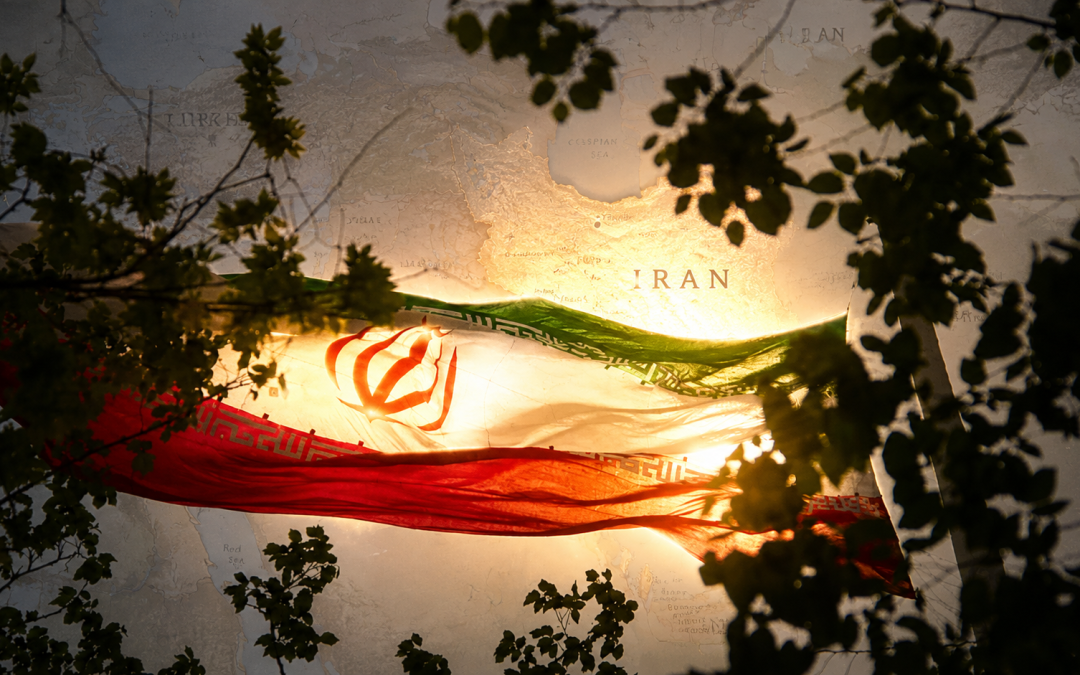
China’s Rejection of US Sanctions; Strengthening Iran’s Geopolitical Leverage

SCFR Online – Opinion: Concurrent with the official commencement of the United States’ economic war against our country, focusing on sanctions instruments, isolation, and economic pressure, what has now become increasingly important is the lack of alignment of other major global powers, especially China, with this policy.

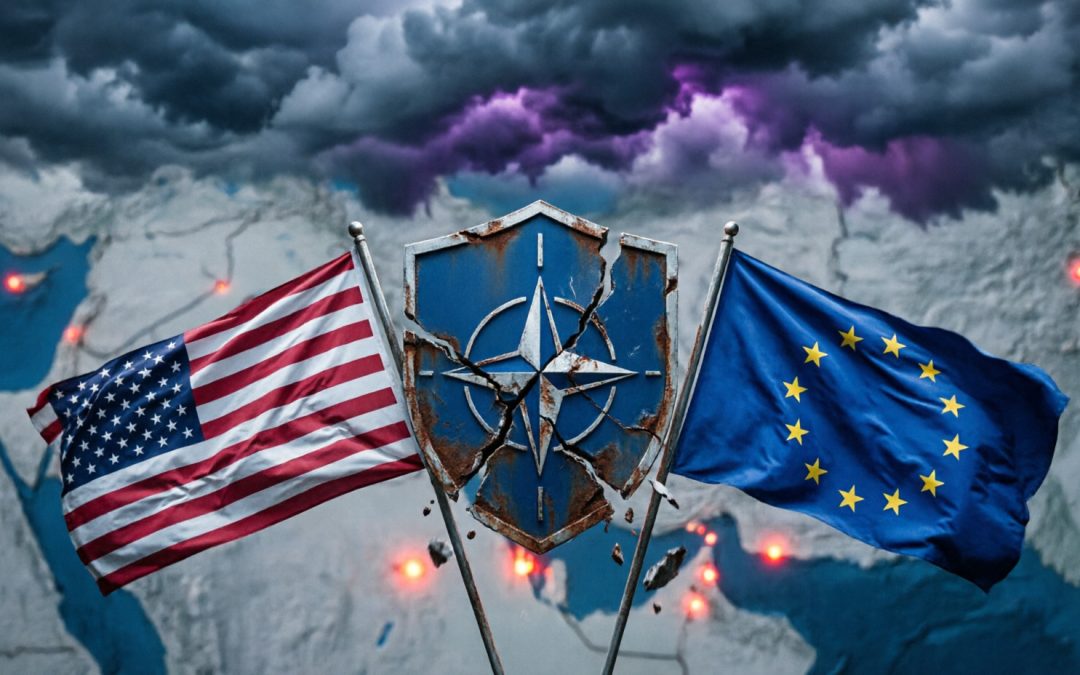
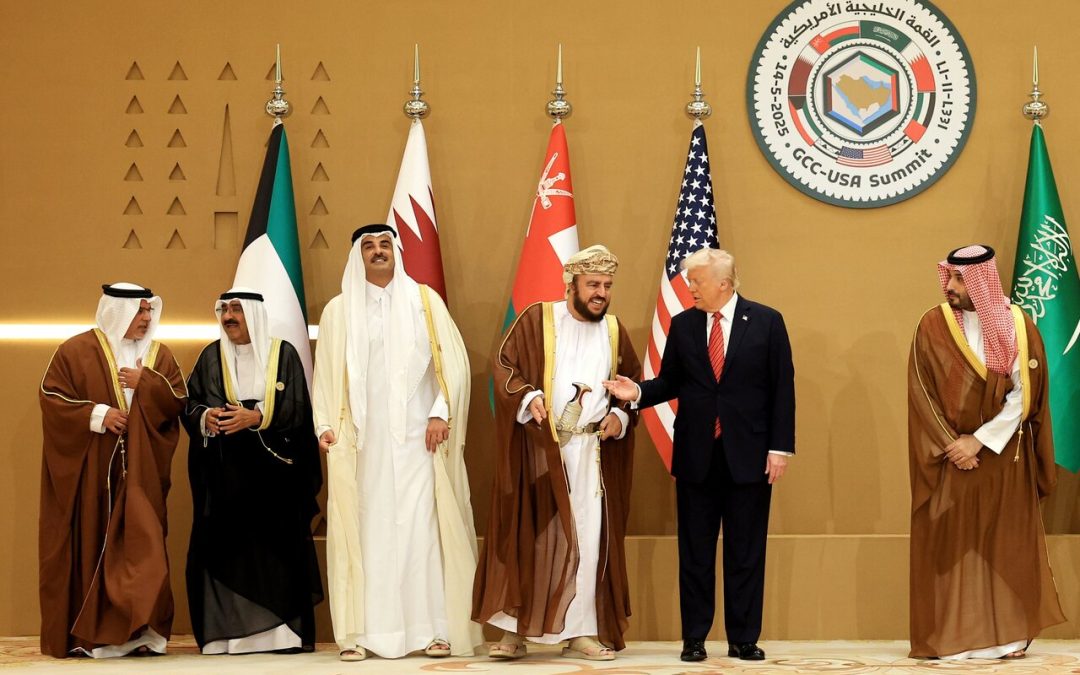
The Makkah Pact; Reasons for its Formation and Challenges Ahead

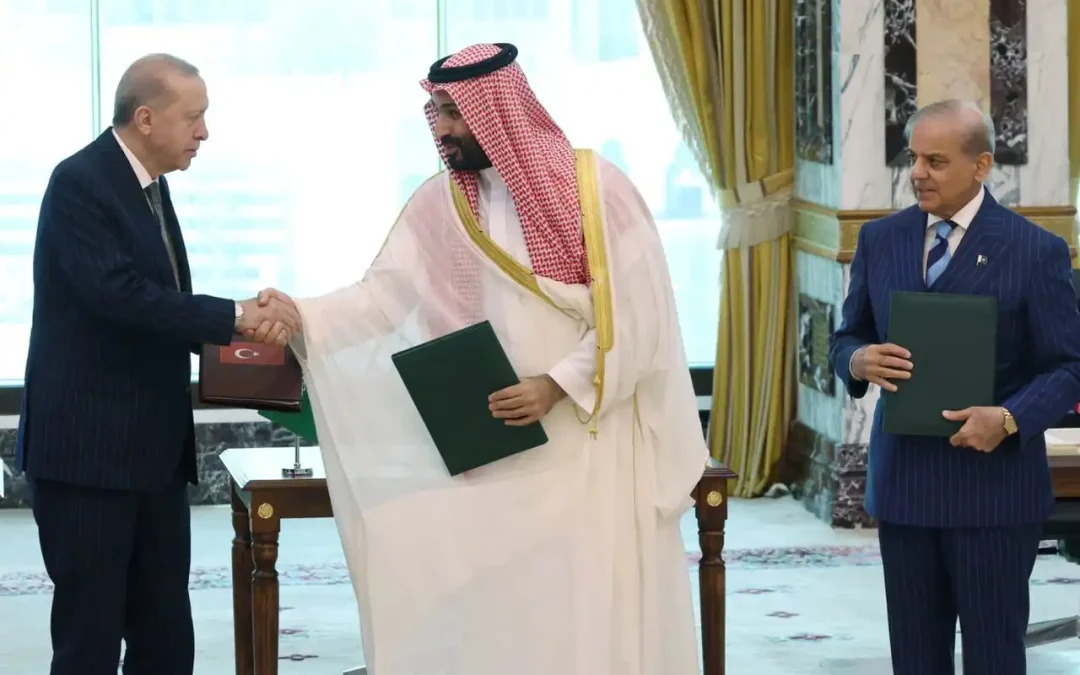
SCFR Online – Opinion: The Makkah Pact, signed between Saudi Arabia, Pakistan, and Turkey under the motto “an attack on one is an attack on all,” is viewed by some analysts less as a full-fledged military coalition and more as an attempt to reduce security dependence on an external power and to establish a regional security mechanism.

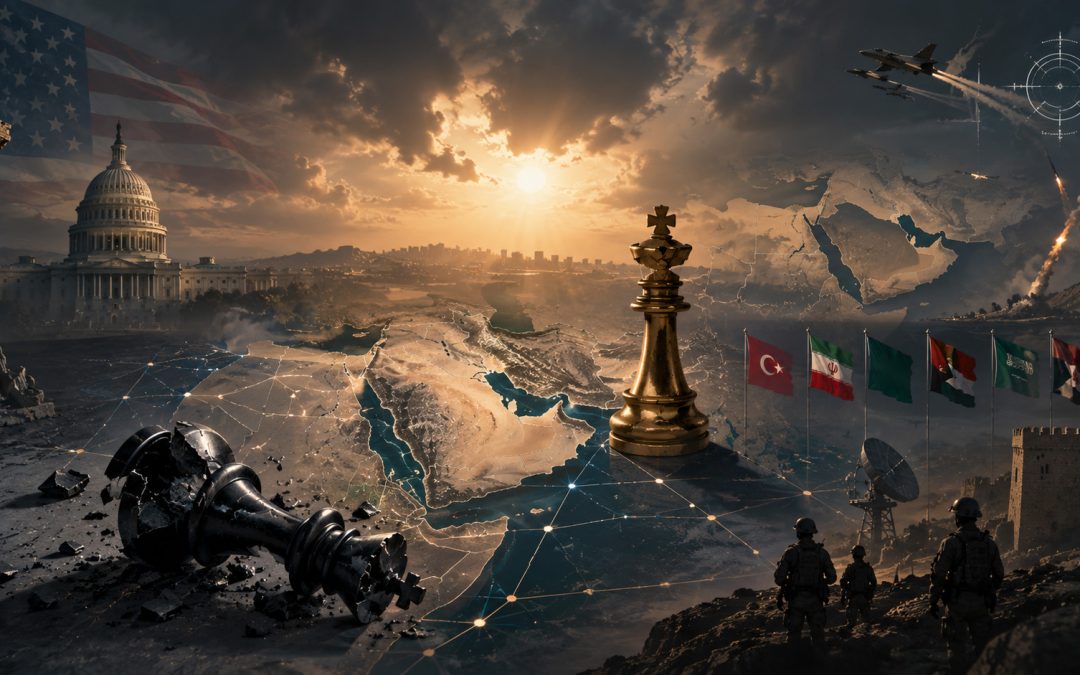
Implications of the US-Saudi Nuclear Agreement

SCFR Online – Opinion: The new US-Saudi nuclear agreement, despite legal and political ambiguities, could alter previous non-proliferation standards in West Asia and intensify nuclear competition, ushering it into a new phase.

Loading

Defense & Security

Analysis of the New Security Order in the Region

Analysis of the New Security Order in the Region

Strategic Council Online – Guest Note: The recent military aggression by the United States and the Israeli regime against the Islamic Republic of Iran in the early months of 2026, beyond a periodic tension, has acted as a catalyst for a fundamental reconfiguration of the Middle East’s geopolitical order.

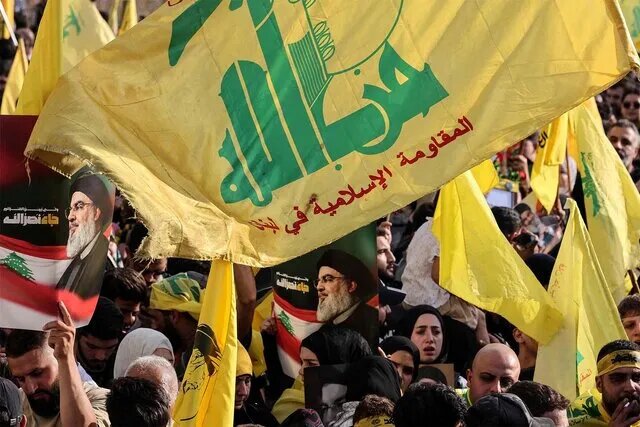
The Inseparability of the Lebanese Front from the Axis of Resistance

The Inseparability of the Lebanese Front from the Axis of Resistance

SCFR Online–Opinion: By providing an extensive network of social, healthcare, educational, and post-war reconstruction services, Hezbollah has established a strong social base for itself among Lebanon’s Shiites and Sunnis, and even beyond that, among other segments of Lebanese society, including Christians. Hezbollah has never been an external actor imposed upon Lebanon; rather, it is a phenomenon fundamentally born out of the occupation and crimes of the Zionist regime and itself influenced by popular resistance.

The Increasing Efforts of the Zionist Regime to Redefine Borders and the Regional Order and Its Consequences

The Increasing Efforts of the Zionist Regime to Redefine Borders and the Regional Order and Its Consequences

SCFR Online– Opinion: Security and military developments in the region over recent months indicate that the ongoing crises and wars in Gaza, southern Lebanon, and parts of Syrian territory encompass broader dimensions of geopolitical and geostrategic transformations. In this context, the increased military presence and control of the Zionist regime over parts of the territories of these areas, along with proposals regarding the creation of buffer zones or even the expansion of security borders, have raised serious questions about the future of the regional order and its consequences for the countries of West Asia.

The Components of Iran’s Deterrence Power

The Components of Iran’s Deterrence Power

SCFR Online – Opinion: At a time when regional security equations have reached a sensitive stage under the influence of Iran’s strategic confrontation with the United States and the Zionist regime, the question of the nature of Tehran’s defensive power has gained greater significance than ever before. While Washington and Tel Aviv rely on their technological superiority, the Islamic Republic of Iran has presented a model of deterrence that extends beyond the material calculations of the world’s classical militaries. This power, rooted in the connection between “the field” and “the people,” has not only altered the balance of power in recent conflicts but has also disrupted adversaries’ calculations when confronting Iran’s strategic depth.

The Challenge of Hezbollah’s Low-Cost “FPV” Drones for the Zionist Regime

The Challenge of Hezbollah’s Low-Cost “FPV” Drones for the Zionist Regime

SCFR Online – Opinion: In modern warfare, it has always been assumed that the more expensive, and advanced the weapon—particularly from well-known companies—the more certain the victory will be. However, developments on the northern front of occupied Palestine in recent months have challenged this long-held belief. Here, the Zionist regime’s military, despite possessing the most advanced defense systems such as Iron Dome, David’s Sling, and Arrow, as well as fifth-generation F-35 fighter jets, Merkava tanks, and other modern equipment found in few countries worldwide, has effectively been rendered helpless against Hezbollah Lebanon’s few-hundred-dollar drones. Benjamin Netanyahu’s bitter admission regarding the inability to counter this threat, and his order to allocate an unlimited budget to find a solution, underscores the reality that the era of pure superiority through expensive technologies has come to an end.

The United States Strategy toward the Strait of Hormuz in Confrontation with China’s Interests

The United States Strategy toward the Strait of Hormuz in Confrontation with China’s Interests

Strategic Council Online – Opinion: In the strategic geography of the global economy, certain regions attain such significance that they effectively become determining factors of the international order. The Strait of Hormuz is among these points; a narrow yet vital passage through which a considerable portion of the world’s energy transits, and whose stability is directly intertwined with the interests and economic security of many countries. However, the importance of the Strait of Hormuz is not limited solely to the volume of energy passing through it. This strait is also a stage upon which the limitations and challenges of great power politics are revealed. From China’s perspective, the policy of the United States regarding the security of this strategic chokepoint, rather than reflecting a stable order, demonstrates a set of contradictions and strategic difficulties that Washington faces in managing the regional order.

Purging the US Military for Full Alignment with Trump

Purging the US Military for Full Alignment with Trump

SCFR Online – Interview: Over the past month, profound and unusual developments have occurred within the military structure of the United States, which many analysts attribute to the policies of “Pete Hegseth,” the US Secretary of War.

Iran’s Strategy for Depleting Enemy Ammunition Stockpiles

Iran’s Strategy for Depleting Enemy Ammunition Stockpiles

SCFR Online – Report: The British think tank RUSI, in an analysis noting that during the first 16 days of the US and Zionist regime’s war against Iran, the aggressors have consumed more than 11,294 units of various munitions worth an estimated $26 billion, has emphasized that data indicates Iran’s strategic strengths have shifted the war equation in Tehran’s favor. This report examines these strengths.

أحدث الوظائف

China’s Rejection of US Sanctions; Strengthening Iran’s Geopolitical Leverage

SCFR Online – Opinion: Concurrent with the official commencement of the United States’ economic war against our country, focusing on sanctions instruments, isolation, and economic pressure, what has now become increasingly important is the lack of alignment of other major global powers, especially China, with this policy.

The Makkah Pact; Reasons for its Formation and Challenges Ahead

SCFR Online – Opinion: The Makkah Pact, signed between Saudi Arabia, Pakistan, and Turkey under the motto “an attack on one is an attack on all,” is viewed by some analysts less as a full-fledged military coalition and more as an attempt to reduce security dependence on an external power and to establish a regional security mechanism.

Implications of the US-Saudi Nuclear Agreement

SCFR Online – Opinion: The new US-Saudi nuclear agreement, despite legal and political ambiguities, could alter previous non-proliferation standards in West Asia and intensify nuclear competition, ushering it into a new phase.

Loading

Defense & Security

Analysis of the New Security Order in the Region

Analysis of the New Security Order in the Region

Strategic Council Online – Guest Note: The recent military aggression by the United States and the Israeli regime against the Islamic Republic of Iran in the early months of 2026, beyond a periodic tension, has acted as a catalyst for a fundamental reconfiguration of the Middle East’s geopolitical order.

The Inseparability of the Lebanese Front from the Axis of Resistance

The Inseparability of the Lebanese Front from the Axis of Resistance

SCFR Online–Opinion: By providing an extensive network of social, healthcare, educational, and post-war reconstruction services, Hezbollah has established a strong social base for itself among Lebanon’s Shiites and Sunnis, and even beyond that, among other segments of Lebanese society, including Christians. Hezbollah has never been an external actor imposed upon Lebanon; rather, it is a phenomenon fundamentally born out of the occupation and crimes of the Zionist regime and itself influenced by popular resistance.

The Increasing Efforts of the Zionist Regime to Redefine Borders and the Regional Order and Its Consequences

The Increasing Efforts of the Zionist Regime to Redefine Borders and the Regional Order and Its Consequences

SCFR Online– Opinion: Security and military developments in the region over recent months indicate that the ongoing crises and wars in Gaza, southern Lebanon, and parts of Syrian territory encompass broader dimensions of geopolitical and geostrategic transformations. In this context, the increased military presence and control of the Zionist regime over parts of the territories of these areas, along with proposals regarding the creation of buffer zones or even the expansion of security borders, have raised serious questions about the future of the regional order and its consequences for the countries of West Asia.

The Components of Iran’s Deterrence Power

The Components of Iran’s Deterrence Power

SCFR Online – Opinion: At a time when regional security equations have reached a sensitive stage under the influence of Iran’s strategic confrontation with the United States and the Zionist regime, the question of the nature of Tehran’s defensive power has gained greater significance than ever before. While Washington and Tel Aviv rely on their technological superiority, the Islamic Republic of Iran has presented a model of deterrence that extends beyond the material calculations of the world’s classical militaries. This power, rooted in the connection between “the field” and “the people,” has not only altered the balance of power in recent conflicts but has also disrupted adversaries’ calculations when confronting Iran’s strategic depth.

The Challenge of Hezbollah’s Low-Cost “FPV” Drones for the Zionist Regime

The Challenge of Hezbollah’s Low-Cost “FPV” Drones for the Zionist Regime

SCFR Online – Opinion: In modern warfare, it has always been assumed that the more expensive, and advanced the weapon—particularly from well-known companies—the more certain the victory will be. However, developments on the northern front of occupied Palestine in recent months have challenged this long-held belief. Here, the Zionist regime’s military, despite possessing the most advanced defense systems such as Iron Dome, David’s Sling, and Arrow, as well as fifth-generation F-35 fighter jets, Merkava tanks, and other modern equipment found in few countries worldwide, has effectively been rendered helpless against Hezbollah Lebanon’s few-hundred-dollar drones. Benjamin Netanyahu’s bitter admission regarding the inability to counter this threat, and his order to allocate an unlimited budget to find a solution, underscores the reality that the era of pure superiority through expensive technologies has come to an end.

The United States Strategy toward the Strait of Hormuz in Confrontation with China’s Interests

The United States Strategy toward the Strait of Hormuz in Confrontation with China’s Interests

Strategic Council Online – Opinion: In the strategic geography of the global economy, certain regions attain such significance that they effectively become determining factors of the international order. The Strait of Hormuz is among these points; a narrow yet vital passage through which a considerable portion of the world’s energy transits, and whose stability is directly intertwined with the interests and economic security of many countries. However, the importance of the Strait of Hormuz is not limited solely to the volume of energy passing through it. This strait is also a stage upon which the limitations and challenges of great power politics are revealed. From China’s perspective, the policy of the United States regarding the security of this strategic chokepoint, rather than reflecting a stable order, demonstrates a set of contradictions and strategic difficulties that Washington faces in managing the regional order.

Purging the US Military for Full Alignment with Trump

Purging the US Military for Full Alignment with Trump

SCFR Online – Interview: Over the past month, profound and unusual developments have occurred within the military structure of the United States, which many analysts attribute to the policies of “Pete Hegseth,” the US Secretary of War.

Iran’s Strategy for Depleting Enemy Ammunition Stockpiles

Iran’s Strategy for Depleting Enemy Ammunition Stockpiles

SCFR Online – Report: The British think tank RUSI, in an analysis noting that during the first 16 days of the US and Zionist regime’s war against Iran, the aggressors have consumed more than 11,294 units of various munitions worth an estimated $26 billion, has emphasized that data indicates Iran’s strategic strengths have shifted the war equation in Tehran’s favor. This report examines these strengths.

Defense & Security

Analysis of the New Security Order in the Region

Analysis of the New Security Order in the Region

Strategic Council Online – Guest Note: The recent military aggression by the United States and the Israeli regime against the Islamic Republic of Iran in the early months of 2026, beyond a periodic tension, has acted as a catalyst for a fundamental reconfiguration of the Middle East’s geopolitical order.

The Inseparability of the Lebanese Front from the Axis of Resistance

The Inseparability of the Lebanese Front from the Axis of Resistance

SCFR Online–Opinion: By providing an extensive network of social, healthcare, educational, and post-war reconstruction services, Hezbollah has established a strong social base for itself among Lebanon’s Shiites and Sunnis, and even beyond that, among other segments of Lebanese society, including Christians. Hezbollah has never been an external actor imposed upon Lebanon; rather, it is a phenomenon fundamentally born out of the occupation and crimes of the Zionist regime and itself influenced by popular resistance.

The Increasing Efforts of the Zionist Regime to Redefine Borders and the Regional Order and Its Consequences

The Increasing Efforts of the Zionist Regime to Redefine Borders and the Regional Order and Its Consequences

SCFR Online– Opinion: Security and military developments in the region over recent months indicate that the ongoing crises and wars in Gaza, southern Lebanon, and parts of Syrian territory encompass broader dimensions of geopolitical and geostrategic transformations. In this context, the increased military presence and control of the Zionist regime over parts of the territories of these areas, along with proposals regarding the creation of buffer zones or even the expansion of security borders, have raised serious questions about the future of the regional order and its consequences for the countries of West Asia.

The Components of Iran’s Deterrence Power

The Components of Iran’s Deterrence Power

SCFR Online – Opinion: At a time when regional security equations have reached a sensitive stage under the influence of Iran’s strategic confrontation with the United States and the Zionist regime, the question of the nature of Tehran’s defensive power has gained greater significance than ever before. While Washington and Tel Aviv rely on their technological superiority, the Islamic Republic of Iran has presented a model of deterrence that extends beyond the material calculations of the world’s classical militaries. This power, rooted in the connection between “the field” and “the people,” has not only altered the balance of power in recent conflicts but has also disrupted adversaries’ calculations when confronting Iran’s strategic depth.

The Challenge of Hezbollah’s Low-Cost “FPV” Drones for the Zionist Regime

The Challenge of Hezbollah’s Low-Cost “FPV” Drones for the Zionist Regime

SCFR Online – Opinion: In modern warfare, it has always been assumed that the more expensive, and advanced the weapon—particularly from well-known companies—the more certain the victory will be. However, developments on the northern front of occupied Palestine in recent months have challenged this long-held belief. Here, the Zionist regime’s military, despite possessing the most advanced defense systems such as Iron Dome, David’s Sling, and Arrow, as well as fifth-generation F-35 fighter jets, Merkava tanks, and other modern equipment found in few countries worldwide, has effectively been rendered helpless against Hezbollah Lebanon’s few-hundred-dollar drones. Benjamin Netanyahu’s bitter admission regarding the inability to counter this threat, and his order to allocate an unlimited budget to find a solution, underscores the reality that the era of pure superiority through expensive technologies has come to an end.

The United States Strategy toward the Strait of Hormuz in Confrontation with China’s Interests

The United States Strategy toward the Strait of Hormuz in Confrontation with China’s Interests

Strategic Council Online – Opinion: In the strategic geography of the global economy, certain regions attain such significance that they effectively become determining factors of the international order. The Strait of Hormuz is among these points; a narrow yet vital passage through which a considerable portion of the world’s energy transits, and whose stability is directly intertwined with the interests and economic security of many countries. However, the importance of the Strait of Hormuz is not limited solely to the volume of energy passing through it. This strait is also a stage upon which the limitations and challenges of great power politics are revealed. From China’s perspective, the policy of the United States regarding the security of this strategic chokepoint, rather than reflecting a stable order, demonstrates a set of contradictions and strategic difficulties that Washington faces in managing the regional order.

Purging the US Military for Full Alignment with Trump

Purging the US Military for Full Alignment with Trump

SCFR Online – Interview: Over the past month, profound and unusual developments have occurred within the military structure of the United States, which many analysts attribute to the policies of “Pete Hegseth,” the US Secretary of War.

Iran’s Strategy for Depleting Enemy Ammunition Stockpiles

Iran’s Strategy for Depleting Enemy Ammunition Stockpiles

SCFR Online – Report: The British think tank RUSI, in an analysis noting that during the first 16 days of the US and Zionist regime’s war against Iran, the aggressors have consumed more than 11,294 units of various munitions worth an estimated $26 billion, has emphasized that data indicates Iran’s strategic strengths have shifted the war equation in Tehran’s favor. This report examines these strengths.

LATEST CONTENT

China’s Rejection of US Sanctions; Strengthening Iran’s Geopolitical Leverage

SCFR Online – Opinion: Concurrent with the official commencement of the United States’ economic war against our country, focusing on sanctions instruments, isolation, and economic pressure, what has now become increasingly important is the lack of alignment of other major global powers, especially China, with this policy.

The Makkah Pact; Reasons for its Formation and Challenges Ahead

SCFR Online – Opinion: The Makkah Pact, signed between Saudi Arabia, Pakistan, and Turkey under the motto “an attack on one is an attack on all,” is viewed by some analysts less as a full-fledged military coalition and more as an attempt to reduce security dependence on an external power and to establish a regional security mechanism.

Implications of the US-Saudi Nuclear Agreement

SCFR Online – Opinion: The new US-Saudi nuclear agreement, despite legal and political ambiguities, could alter previous non-proliferation standards in West Asia and intensify nuclear competition, ushering it into a new phase.

Loading

Defense & Security

Analysis of the New Security Order in the Region

Analysis of the New Security Order in the Region

Strategic Council Online – Guest Note: The recent military aggression by the United States and the Israeli regime against the Islamic Republic of Iran in the early months of 2026, beyond a periodic tension, has acted as a catalyst for a fundamental reconfiguration of the Middle East’s geopolitical order.

The Inseparability of the Lebanese Front from the Axis of Resistance

The Inseparability of the Lebanese Front from the Axis of Resistance

SCFR Online–Opinion: By providing an extensive network of social, healthcare, educational, and post-war reconstruction services, Hezbollah has established a strong social base for itself among Lebanon’s Shiites and Sunnis, and even beyond that, among other segments of Lebanese society, including Christians. Hezbollah has never been an external actor imposed upon Lebanon; rather, it is a phenomenon fundamentally born out of the occupation and crimes of the Zionist regime and itself influenced by popular resistance.

The Increasing Efforts of the Zionist Regime to Redefine Borders and the Regional Order and Its Consequences

The Increasing Efforts of the Zionist Regime to Redefine Borders and the Regional Order and Its Consequences

SCFR Online– Opinion: Security and military developments in the region over recent months indicate that the ongoing crises and wars in Gaza, southern Lebanon, and parts of Syrian territory encompass broader dimensions of geopolitical and geostrategic transformations. In this context, the increased military presence and control of the Zionist regime over parts of the territories of these areas, along with proposals regarding the creation of buffer zones or even the expansion of security borders, have raised serious questions about the future of the regional order and its consequences for the countries of West Asia.

The Components of Iran’s Deterrence Power

The Components of Iran’s Deterrence Power

SCFR Online – Opinion: At a time when regional security equations have reached a sensitive stage under the influence of Iran’s strategic confrontation with the United States and the Zionist regime, the question of the nature of Tehran’s defensive power has gained greater significance than ever before. While Washington and Tel Aviv rely on their technological superiority, the Islamic Republic of Iran has presented a model of deterrence that extends beyond the material calculations of the world’s classical militaries. This power, rooted in the connection between “the field” and “the people,” has not only altered the balance of power in recent conflicts but has also disrupted adversaries’ calculations when confronting Iran’s strategic depth.

The Challenge of Hezbollah’s Low-Cost “FPV” Drones for the Zionist Regime

The Challenge of Hezbollah’s Low-Cost “FPV” Drones for the Zionist Regime

SCFR Online – Opinion: In modern warfare, it has always been assumed that the more expensive, and advanced the weapon—particularly from well-known companies—the more certain the victory will be. However, developments on the northern front of occupied Palestine in recent months have challenged this long-held belief. Here, the Zionist regime’s military, despite possessing the most advanced defense systems such as Iron Dome, David’s Sling, and Arrow, as well as fifth-generation F-35 fighter jets, Merkava tanks, and other modern equipment found in few countries worldwide, has effectively been rendered helpless against Hezbollah Lebanon’s few-hundred-dollar drones. Benjamin Netanyahu’s bitter admission regarding the inability to counter this threat, and his order to allocate an unlimited budget to find a solution, underscores the reality that the era of pure superiority through expensive technologies has come to an end.

The United States Strategy toward the Strait of Hormuz in Confrontation with China’s Interests

The United States Strategy toward the Strait of Hormuz in Confrontation with China’s Interests

Strategic Council Online – Opinion: In the strategic geography of the global economy, certain regions attain such significance that they effectively become determining factors of the international order. The Strait of Hormuz is among these points; a narrow yet vital passage through which a considerable portion of the world’s energy transits, and whose stability is directly intertwined with the interests and economic security of many countries. However, the importance of the Strait of Hormuz is not limited solely to the volume of energy passing through it. This strait is also a stage upon which the limitations and challenges of great power politics are revealed. From China’s perspective, the policy of the United States regarding the security of this strategic chokepoint, rather than reflecting a stable order, demonstrates a set of contradictions and strategic difficulties that Washington faces in managing the regional order.

Purging the US Military for Full Alignment with Trump

Purging the US Military for Full Alignment with Trump

SCFR Online – Interview: Over the past month, profound and unusual developments have occurred within the military structure of the United States, which many analysts attribute to the policies of “Pete Hegseth,” the US Secretary of War.

Iran’s Strategy for Depleting Enemy Ammunition Stockpiles

Iran’s Strategy for Depleting Enemy Ammunition Stockpiles

SCFR Online – Report: The British think tank RUSI, in an analysis noting that during the first 16 days of the US and Zionist regime’s war against Iran, the aggressors have consumed more than 11,294 units of various munitions worth an estimated $26 billion, has emphasized that data indicates Iran’s strategic strengths have shifted the war equation in Tehran’s favor. This report examines these strengths.

ÚLTIMAS PUBLICACIONES

China’s Rejection of US Sanctions; Strengthening Iran’s Geopolitical Leverage

SCFR Online – Opinion: Concurrent with the official commencement of the United States’ economic war against our country, focusing on sanctions instruments, isolation, and economic pressure, what has now become increasingly important is the lack of alignment of other major global powers, especially China, with this policy.

The Makkah Pact; Reasons for its Formation and Challenges Ahead

SCFR Online – Opinion: The Makkah Pact, signed between Saudi Arabia, Pakistan, and Turkey under the motto “an attack on one is an attack on all,” is viewed by some analysts less as a full-fledged military coalition and more as an attempt to reduce security dependence on an external power and to establish a regional security mechanism.

Implications of the US-Saudi Nuclear Agreement

SCFR Online – Opinion: The new US-Saudi nuclear agreement, despite legal and political ambiguities, could alter previous non-proliferation standards in West Asia and intensify nuclear competition, ushering it into a new phase.

Loading

Defense & Security

Analysis of the New Security Order in the Region

Analysis of the New Security Order in the Region

Strategic Council Online – Guest Note: The recent military aggression by the United States and the Israeli regime against the Islamic Republic of Iran in the early months of 2026, beyond a periodic tension, has acted as a catalyst for a fundamental reconfiguration of the Middle East’s geopolitical order.

The Inseparability of the Lebanese Front from the Axis of Resistance

The Inseparability of the Lebanese Front from the Axis of Resistance

SCFR Online–Opinion: By providing an extensive network of social, healthcare, educational, and post-war reconstruction services, Hezbollah has established a strong social base for itself among Lebanon’s Shiites and Sunnis, and even beyond that, among other segments of Lebanese society, including Christians. Hezbollah has never been an external actor imposed upon Lebanon; rather, it is a phenomenon fundamentally born out of the occupation and crimes of the Zionist regime and itself influenced by popular resistance.

The Increasing Efforts of the Zionist Regime to Redefine Borders and the Regional Order and Its Consequences

The Increasing Efforts of the Zionist Regime to Redefine Borders and the Regional Order and Its Consequences

SCFR Online– Opinion: Security and military developments in the region over recent months indicate that the ongoing crises and wars in Gaza, southern Lebanon, and parts of Syrian territory encompass broader dimensions of geopolitical and geostrategic transformations. In this context, the increased military presence and control of the Zionist regime over parts of the territories of these areas, along with proposals regarding the creation of buffer zones or even the expansion of security borders, have raised serious questions about the future of the regional order and its consequences for the countries of West Asia.

The Components of Iran’s Deterrence Power

The Components of Iran’s Deterrence Power

SCFR Online – Opinion: At a time when regional security equations have reached a sensitive stage under the influence of Iran’s strategic confrontation with the United States and the Zionist regime, the question of the nature of Tehran’s defensive power has gained greater significance than ever before. While Washington and Tel Aviv rely on their technological superiority, the Islamic Republic of Iran has presented a model of deterrence that extends beyond the material calculations of the world’s classical militaries. This power, rooted in the connection between “the field” and “the people,” has not only altered the balance of power in recent conflicts but has also disrupted adversaries’ calculations when confronting Iran’s strategic depth.

The Challenge of Hezbollah’s Low-Cost “FPV” Drones for the Zionist Regime

The Challenge of Hezbollah’s Low-Cost “FPV” Drones for the Zionist Regime

SCFR Online – Opinion: In modern warfare, it has always been assumed that the more expensive, and advanced the weapon—particularly from well-known companies—the more certain the victory will be. However, developments on the northern front of occupied Palestine in recent months have challenged this long-held belief. Here, the Zionist regime’s military, despite possessing the most advanced defense systems such as Iron Dome, David’s Sling, and Arrow, as well as fifth-generation F-35 fighter jets, Merkava tanks, and other modern equipment found in few countries worldwide, has effectively been rendered helpless against Hezbollah Lebanon’s few-hundred-dollar drones. Benjamin Netanyahu’s bitter admission regarding the inability to counter this threat, and his order to allocate an unlimited budget to find a solution, underscores the reality that the era of pure superiority through expensive technologies has come to an end.

The United States Strategy toward the Strait of Hormuz in Confrontation with China’s Interests

The United States Strategy toward the Strait of Hormuz in Confrontation with China’s Interests

Strategic Council Online – Opinion: In the strategic geography of the global economy, certain regions attain such significance that they effectively become determining factors of the international order. The Strait of Hormuz is among these points; a narrow yet vital passage through which a considerable portion of the world’s energy transits, and whose stability is directly intertwined with the interests and economic security of many countries. However, the importance of the Strait of Hormuz is not limited solely to the volume of energy passing through it. This strait is also a stage upon which the limitations and challenges of great power politics are revealed. From China’s perspective, the policy of the United States regarding the security of this strategic chokepoint, rather than reflecting a stable order, demonstrates a set of contradictions and strategic difficulties that Washington faces in managing the regional order.

Purging the US Military for Full Alignment with Trump

Purging the US Military for Full Alignment with Trump

SCFR Online – Interview: Over the past month, profound and unusual developments have occurred within the military structure of the United States, which many analysts attribute to the policies of “Pete Hegseth,” the US Secretary of War.

Iran’s Strategy for Depleting Enemy Ammunition Stockpiles

Iran’s Strategy for Depleting Enemy Ammunition Stockpiles

SCFR Online – Report: The British think tank RUSI, in an analysis noting that during the first 16 days of the US and Zionist regime’s war against Iran, the aggressors have consumed more than 11,294 units of various munitions worth an estimated $26 billion, has emphasized that data indicates Iran’s strategic strengths have shifted the war equation in Tehran’s favor. This report examines these strengths.

ÚLTIMAS PUBLICACIONES

China’s Rejection of US Sanctions; Strengthening Iran’s Geopolitical Leverage

SCFR Online – Opinion: Concurrent with the official commencement of the United States’ economic war against our country, focusing on sanctions instruments, isolation, and economic pressure, what has now become increasingly important is the lack of alignment of other major global powers, especially China, with this policy.

The Makkah Pact; Reasons for its Formation and Challenges Ahead

SCFR Online – Opinion: The Makkah Pact, signed between Saudi Arabia, Pakistan, and Turkey under the motto “an attack on one is an attack on all,” is viewed by some analysts less as a full-fledged military coalition and more as an attempt to reduce security dependence on an external power and to establish a regional security mechanism.

Implications of the US-Saudi Nuclear Agreement

SCFR Online – Opinion: The new US-Saudi nuclear agreement, despite legal and political ambiguities, could alter previous non-proliferation standards in West Asia and intensify nuclear competition, ushering it into a new phase.

Loading

Defense & Security

Analysis of the New Security Order in the Region

Analysis of the New Security Order in the Region

Strategic Council Online – Guest Note: The recent military aggression by the United States and the Israeli regime against the Islamic Republic of Iran in the early months of 2026, beyond a periodic tension, has acted as a catalyst for a fundamental reconfiguration of the Middle East’s geopolitical order.

The Inseparability of the Lebanese Front from the Axis of Resistance

The Inseparability of the Lebanese Front from the Axis of Resistance

SCFR Online–Opinion: By providing an extensive network of social, healthcare, educational, and post-war reconstruction services, Hezbollah has established a strong social base for itself among Lebanon’s Shiites and Sunnis, and even beyond that, among other segments of Lebanese society, including Christians. Hezbollah has never been an external actor imposed upon Lebanon; rather, it is a phenomenon fundamentally born out of the occupation and crimes of the Zionist regime and itself influenced by popular resistance.

The Increasing Efforts of the Zionist Regime to Redefine Borders and the Regional Order and Its Consequences

The Increasing Efforts of the Zionist Regime to Redefine Borders and the Regional Order and Its Consequences

SCFR Online– Opinion: Security and military developments in the region over recent months indicate that the ongoing crises and wars in Gaza, southern Lebanon, and parts of Syrian territory encompass broader dimensions of geopolitical and geostrategic transformations. In this context, the increased military presence and control of the Zionist regime over parts of the territories of these areas, along with proposals regarding the creation of buffer zones or even the expansion of security borders, have raised serious questions about the future of the regional order and its consequences for the countries of West Asia.

The Components of Iran’s Deterrence Power

The Components of Iran’s Deterrence Power

SCFR Online – Opinion: At a time when regional security equations have reached a sensitive stage under the influence of Iran’s strategic confrontation with the United States and the Zionist regime, the question of the nature of Tehran’s defensive power has gained greater significance than ever before. While Washington and Tel Aviv rely on their technological superiority, the Islamic Republic of Iran has presented a model of deterrence that extends beyond the material calculations of the world’s classical militaries. This power, rooted in the connection between “the field” and “the people,” has not only altered the balance of power in recent conflicts but has also disrupted adversaries’ calculations when confronting Iran’s strategic depth.

The Challenge of Hezbollah’s Low-Cost “FPV” Drones for the Zionist Regime

The Challenge of Hezbollah’s Low-Cost “FPV” Drones for the Zionist Regime

SCFR Online – Opinion: In modern warfare, it has always been assumed that the more expensive, and advanced the weapon—particularly from well-known companies—the more certain the victory will be. However, developments on the northern front of occupied Palestine in recent months have challenged this long-held belief. Here, the Zionist regime’s military, despite possessing the most advanced defense systems such as Iron Dome, David’s Sling, and Arrow, as well as fifth-generation F-35 fighter jets, Merkava tanks, and other modern equipment found in few countries worldwide, has effectively been rendered helpless against Hezbollah Lebanon’s few-hundred-dollar drones. Benjamin Netanyahu’s bitter admission regarding the inability to counter this threat, and his order to allocate an unlimited budget to find a solution, underscores the reality that the era of pure superiority through expensive technologies has come to an end.

The United States Strategy toward the Strait of Hormuz in Confrontation with China’s Interests

The United States Strategy toward the Strait of Hormuz in Confrontation with China’s Interests

Strategic Council Online – Opinion: In the strategic geography of the global economy, certain regions attain such significance that they effectively become determining factors of the international order. The Strait of Hormuz is among these points; a narrow yet vital passage through which a considerable portion of the world’s energy transits, and whose stability is directly intertwined with the interests and economic security of many countries. However, the importance of the Strait of Hormuz is not limited solely to the volume of energy passing through it. This strait is also a stage upon which the limitations and challenges of great power politics are revealed. From China’s perspective, the policy of the United States regarding the security of this strategic chokepoint, rather than reflecting a stable order, demonstrates a set of contradictions and strategic difficulties that Washington faces in managing the regional order.

Purging the US Military for Full Alignment with Trump

Purging the US Military for Full Alignment with Trump

SCFR Online – Interview: Over the past month, profound and unusual developments have occurred within the military structure of the United States, which many analysts attribute to the policies of “Pete Hegseth,” the US Secretary of War.

Iran’s Strategy for Depleting Enemy Ammunition Stockpiles

Iran’s Strategy for Depleting Enemy Ammunition Stockpiles

SCFR Online – Report: The British think tank RUSI, in an analysis noting that during the first 16 days of the US and Zionist regime’s war against Iran, the aggressors have consumed more than 11,294 units of various munitions worth an estimated $26 billion, has emphasized that data indicates Iran’s strategic strengths have shifted the war equation in Tehran’s favor. This report examines these strengths.

ÚLTIMAS PUBLICACIONES

China’s Rejection of US Sanctions; Strengthening Iran’s Geopolitical Leverage

SCFR Online – Opinion: Concurrent with the official commencement of the United States’ economic war against our country, focusing on sanctions instruments, isolation, and economic pressure, what has now become increasingly important is the lack of alignment of other major global powers, especially China, with this policy.

The Makkah Pact; Reasons for its Formation and Challenges Ahead

SCFR Online – Opinion: The Makkah Pact, signed between Saudi Arabia, Pakistan, and Turkey under the motto “an attack on one is an attack on all,” is viewed by some analysts less as a full-fledged military coalition and more as an attempt to reduce security dependence on an external power and to establish a regional security mechanism.

Implications of the US-Saudi Nuclear Agreement

SCFR Online – Opinion: The new US-Saudi nuclear agreement, despite legal and political ambiguities, could alter previous non-proliferation standards in West Asia and intensify nuclear competition, ushering it into a new phase.

Loading

Defense & Security

Analysis of the New Security Order in the Region

Analysis of the New Security Order in the Region

Strategic Council Online – Guest Note: The recent military aggression by the United States and the Israeli regime against the Islamic Republic of Iran in the early months of 2026, beyond a periodic tension, has acted as a catalyst for a fundamental reconfiguration of the Middle East’s geopolitical order.

The Inseparability of the Lebanese Front from the Axis of Resistance

The Inseparability of the Lebanese Front from the Axis of Resistance

SCFR Online–Opinion: By providing an extensive network of social, healthcare, educational, and post-war reconstruction services, Hezbollah has established a strong social base for itself among Lebanon’s Shiites and Sunnis, and even beyond that, among other segments of Lebanese society, including Christians. Hezbollah has never been an external actor imposed upon Lebanon; rather, it is a phenomenon fundamentally born out of the occupation and crimes of the Zionist regime and itself influenced by popular resistance.

The Increasing Efforts of the Zionist Regime to Redefine Borders and the Regional Order and Its Consequences

The Increasing Efforts of the Zionist Regime to Redefine Borders and the Regional Order and Its Consequences

SCFR Online– Opinion: Security and military developments in the region over recent months indicate that the ongoing crises and wars in Gaza, southern Lebanon, and parts of Syrian territory encompass broader dimensions of geopolitical and geostrategic transformations. In this context, the increased military presence and control of the Zionist regime over parts of the territories of these areas, along with proposals regarding the creation of buffer zones or even the expansion of security borders, have raised serious questions about the future of the regional order and its consequences for the countries of West Asia.

The Components of Iran’s Deterrence Power

The Components of Iran’s Deterrence Power

SCFR Online – Opinion: At a time when regional security equations have reached a sensitive stage under the influence of Iran’s strategic confrontation with the United States and the Zionist regime, the question of the nature of Tehran’s defensive power has gained greater significance than ever before. While Washington and Tel Aviv rely on their technological superiority, the Islamic Republic of Iran has presented a model of deterrence that extends beyond the material calculations of the world’s classical militaries. This power, rooted in the connection between “the field” and “the people,” has not only altered the balance of power in recent conflicts but has also disrupted adversaries’ calculations when confronting Iran’s strategic depth.

The Challenge of Hezbollah’s Low-Cost “FPV” Drones for the Zionist Regime

The Challenge of Hezbollah’s Low-Cost “FPV” Drones for the Zionist Regime

SCFR Online – Opinion: In modern warfare, it has always been assumed that the more expensive, and advanced the weapon—particularly from well-known companies—the more certain the victory will be. However, developments on the northern front of occupied Palestine in recent months have challenged this long-held belief. Here, the Zionist regime’s military, despite possessing the most advanced defense systems such as Iron Dome, David’s Sling, and Arrow, as well as fifth-generation F-35 fighter jets, Merkava tanks, and other modern equipment found in few countries worldwide, has effectively been rendered helpless against Hezbollah Lebanon’s few-hundred-dollar drones. Benjamin Netanyahu’s bitter admission regarding the inability to counter this threat, and his order to allocate an unlimited budget to find a solution, underscores the reality that the era of pure superiority through expensive technologies has come to an end.

The United States Strategy toward the Strait of Hormuz in Confrontation with China’s Interests

The United States Strategy toward the Strait of Hormuz in Confrontation with China’s Interests

Strategic Council Online – Opinion: In the strategic geography of the global economy, certain regions attain such significance that they effectively become determining factors of the international order. The Strait of Hormuz is among these points; a narrow yet vital passage through which a considerable portion of the world’s energy transits, and whose stability is directly intertwined with the interests and economic security of many countries. However, the importance of the Strait of Hormuz is not limited solely to the volume of energy passing through it. This strait is also a stage upon which the limitations and challenges of great power politics are revealed. From China’s perspective, the policy of the United States regarding the security of this strategic chokepoint, rather than reflecting a stable order, demonstrates a set of contradictions and strategic difficulties that Washington faces in managing the regional order.

Purging the US Military for Full Alignment with Trump

Purging the US Military for Full Alignment with Trump

SCFR Online – Interview: Over the past month, profound and unusual developments have occurred within the military structure of the United States, which many analysts attribute to the policies of “Pete Hegseth,” the US Secretary of War.

Iran’s Strategy for Depleting Enemy Ammunition Stockpiles

Iran’s Strategy for Depleting Enemy Ammunition Stockpiles

SCFR Online – Report: The British think tank RUSI, in an analysis noting that during the first 16 days of the US and Zionist regime’s war against Iran, the aggressors have consumed more than 11,294 units of various munitions worth an estimated $26 billion, has emphasized that data indicates Iran’s strategic strengths have shifted the war equation in Tehran’s favor. This report examines these strengths.

ÚLTIMAS PUBLICACIONES

China’s Rejection of US Sanctions; Strengthening Iran’s Geopolitical Leverage

SCFR Online – Opinion: Concurrent with the official commencement of the United States’ economic war against our country, focusing on sanctions instruments, isolation, and economic pressure, what has now become increasingly important is the lack of alignment of other major global powers, especially China, with this policy.

The Makkah Pact; Reasons for its Formation and Challenges Ahead

SCFR Online – Opinion: The Makkah Pact, signed between Saudi Arabia, Pakistan, and Turkey under the motto “an attack on one is an attack on all,” is viewed by some analysts less as a full-fledged military coalition and more as an attempt to reduce security dependence on an external power and to establish a regional security mechanism.

Implications of the US-Saudi Nuclear Agreement

SCFR Online – Opinion: The new US-Saudi nuclear agreement, despite legal and political ambiguities, could alter previous non-proliferation standards in West Asia and intensify nuclear competition, ushering it into a new phase.

Loading