جدیدترین مطالب

Balancing in the chain of chokepoints; from sea-based deterrence to pluralistic diplomacy

Strategic Council Online – Note: Recent developments in the political geography of West Asia, from rising tensions in the Persian Gulf to missile and drone activities in the Red Sea and the recent warning by Kaja Kallas, the European Union’s foreign policy chief, regarding the threat to freedom of navigation, indicate a key pattern shift; the US-Iran war has moved beyond the scope of a regional and local confrontation and has linked two vital passageways for the global economy: the Strait of Hormuz and the Bab el-Mandeb Strait.

Indicators for Choosing Between War and Diplomacy

SCFR Online – Opinion: Foreign policy analysis is valid when it evaluates decisions based on the information and circumstances prevailing at the time they were made, not on the basis of outcomes that only become apparent after the crisis has ended.

Loading

Politics

Prospects for Expanding Iran-Pakistan Relations

Prospects for Expanding Iran-Pakistan Relations

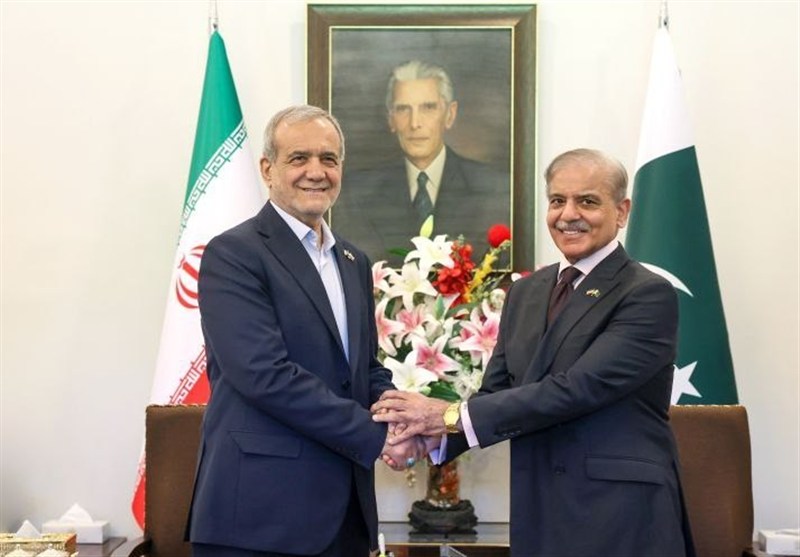
Strategic Council Online – Opinion: The recent visit of the President of Iran to Islamabad, which went beyond a conventional diplomatic meeting, is regarded as a fundamental step towards deepening and expanding bilateral strategic relations as well as influencing the regional balance of power. This visit took place at a time when the region and the world are witnessing rapid and complex developments, and Iran seeks to redefine and strengthen its axes of cooperation with its traditional and regional partners.

Legal Avenues for Seeking Justice for the Crimes and Damages of the 12-Day War in International Forums

Legal Avenues for Seeking Justice for the Crimes and Damages of the 12-Day War in International Forums

Strategic Council Online Opinion: The 12-day imposed war, which began on June 12 of this year with the Zionist regime’s invasion of Iranian soil, marked one of the darkest chapters in Iran’s contemporary history. This conflict started with Israel’s surprise attacks on Iran’s military and nuclear facilities, as well as civilian targets, including several hospitals. It was accompanied by the targeted assassinations of military commanders and prominent nuclear scientists, the destruction of Evin Prison (resulting in 71 deaths), and the bombing of the Islamic Republic of Iran Broadcasting (IRIB. The direct involvement of the U.S., through the bombing of Iran’s peaceful nuclear facilities in Fordow and Isfahan, completed this tragedy. These actions not only constituted a blatant violation of international obligations, including the UN Charter, the Geneva Conventions, and the Treaty on the Non-Proliferation of Nuclear Weapons (NPT), but also imposed heavy legal and criminal responsibility on the U.S. and the Israeli regime.

Opportunities and Challenges of Cooperation with Global Alliances

Opportunities and Challenges of Cooperation with Global Alliances

Strategic Council Online – Interview: An international affairs expert stated that Iran’s hybrid and multidimensional diplomacy, if combined with a measured, flexible, and more effective approach, could lead to tangible domestic and international achievements. The world is transitioning toward a multipolar order in which power is more dispersed and distributed among multiple actors. In this context, Iran, by adopting an inclusive policy and emphasizing cooperation with alliances such as BRICS and the Shanghai Cooperation Organization (SCO), seeks to reposition itself in the international system strategically. This policy goes beyond a reaction to the so-called Western-imposed isolation; it signifies a normative decision and choice to establish a fairer and more balanced order based on principles of justice, equality, and respect for national sovereignty. However, excessive reliance on specific alliances and blocs could limit Iran’s strategic options.

Turkey’s Concerns Regarding Recent Developments in Syria

Turkey’s Concerns Regarding Recent Developments in Syria

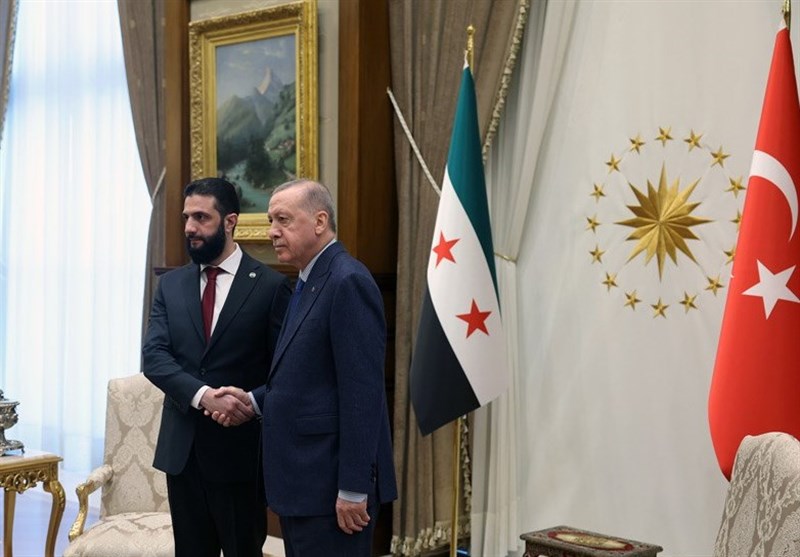
Strategic Council Online– Interview: A West Asia affairs expert stated that despite the internationally brokered ceasefire agreement reached a few days ago in Al-Suwayda, the Israeli regime’s movements in southern Syria continue. In this context, an important issue that has drawn public attention is Turkey’s reaction to these developments. By supporting Ahmed al-Shara (also known as Abu Muhammad al-Julene), Turkey managed to lay the groundwork for the fall of Bashar al-Assad and, in its view, solidify its foothold in the country. However, over the past few weeks, with the Zionist regime’s attacks on positions held by Julani’s forces in Syria and other areas, Ankara’s calculations in Syria have been significantly disrupted.

An Analysis of Russia’s Official Recognition of the Taliban

An Analysis of Russia’s Official Recognition of the Taliban

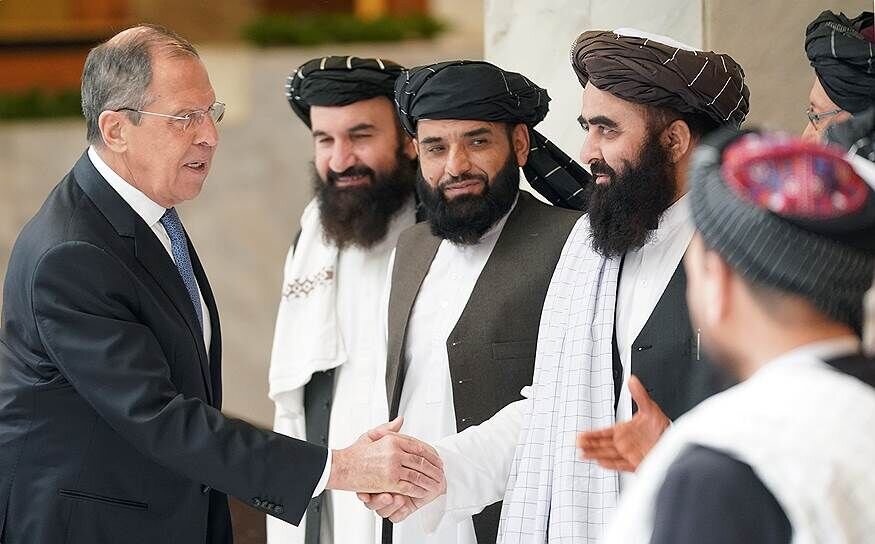
Strategic Council Online – Interview: A former Iranian diplomat stated that Russia’s recognition of the Taliban or the Islamic Emirate of Afghanistan is primarily a security and intelligence matter, and any expansion of political and economic relations with the Taliban will undoubtedly be carried out with Moscow’s specific considerations.

An Analysis of Germany’s Wrong Approach to the 12-Day War

An Analysis of Germany’s Wrong Approach to the 12-Day War

Strategic Council Online – Interview: A senior European affairs analyst stated that Germany’s support for the Israeli regime in the 12-day war against Iran stems from its historical commitment to this regime. Friedrich Merz, Germany’s Chancellor from the Christian Democratic Party, firmly backed the Israeli regime’s attacks on Iran in June 2025, calling them a “dirty job for everyone’s benefit” and part of the Israeli regime’s “self-defense.” This stance is rooted in Germany’s historical commitment to the security of the Israeli regime (Staatsräson), which has been reinforced since the Holocaust and Angela Merkel’s 2008 speech at the Knesset. At the G7 summit and a conference in Berlin, Merz cited Iran’s underground facilities, arguing that the attacks were necessary to prevent Iran from obtaining nuclear weapons. Germany’s Foreign Minister, Johann Wadephul, also reiterated support for the Israeli regime’s “right to self-defense.” This position has faced domestic and international criticism. Germany’s unconditional support, aligned with Western geopolitical interests against Iran, signals a shift toward a more aggressive foreign policy. This stance has sparked criticism both at home and abroad.

Legal Avenues to Pursue the US and Zionist Regime’s Attack on Iran

Legal Avenues to Pursue the US and Zionist Regime’s Attack on Iran

Strategic Council Online – Interview: The Former Deputy for Legal Affairs of the Ministry of Foreign Affairs stated that two paths—general provisions of international law and the Algiers Accord—are avenues through which the issue of the US and Zionist regime’s attack on Iran can be pursued in international forums.

Challenges Ahead for Future Cooperation Between Iran and the IAEA

Challenges Ahead for Future Cooperation Between Iran and the IAEA

Strategic Council Online – Interview: An international affairs expert stated that the recent attacks by the Israeli regime and the U.S. against Iran’s nuclear facilities are the primary challenge to future cooperation between Iran and the International Atomic Energy Agency (IAEA).

An Analysis of the Behind-the-Scenes of Recent Developments in Syria

An Analysis of the Behind-the-Scenes of Recent Developments in Syria

Strategic Council Online Opinion: After the outbreak of clashes between the Druze and Bedouin tribes in As-Suwayda Governorate, the Israeli regime intervened in favor of the Druze and launched airstrikes against Syria, which lasted for three days. Although this tension ultimately led to a fragile ceasefire, what lies behind this escalation and the confrontation between the Zionist regime and the interim government of Ahmad al-Shara (also known as Abu Muhammad al-Julani)?

Zangezur: A Test for Regional and International Players

Zangezur: A Test for Regional and International Players

Strategic Council Online – Analysis: On the verge of finalizing the Baku-Yerevan peace agreement, the recent remarks by Mnatsakan Safaryan, Armenia’s Deputy Foreign Minister, regarding the potential handover of the “logistical management” of the Zangezur route to a foreign company have pushed the status of this 32-kilometer strip into a critical phase. The discussion of a foreign operator’s involvement coincides with the meeting between Nikol Pashinyan and Ilham Aliyev in Abu Dhabi—a meeting that, according to regional media, primarily focused on this blocked route.

أحدث الوظائف

Balancing in the chain of chokepoints; from sea-based deterrence to pluralistic diplomacy

Strategic Council Online – Note: Recent developments in the political geography of West Asia, from rising tensions in the Persian Gulf to missile and drone activities in the Red Sea and the recent warning by Kaja Kallas, the European Union’s foreign policy chief, regarding the threat to freedom of navigation, indicate a key pattern shift; the US-Iran war has moved beyond the scope of a regional and local confrontation and has linked two vital passageways for the global economy: the Strait of Hormuz and the Bab el-Mandeb Strait.

Indicators for Choosing Between War and Diplomacy

SCFR Online – Opinion: Foreign policy analysis is valid when it evaluates decisions based on the information and circumstances prevailing at the time they were made, not on the basis of outcomes that only become apparent after the crisis has ended.

Loading

Politics

Prospects for Expanding Iran-Pakistan Relations

Prospects for Expanding Iran-Pakistan Relations

Strategic Council Online – Opinion: The recent visit of the President of Iran to Islamabad, which went beyond a conventional diplomatic meeting, is regarded as a fundamental step towards deepening and expanding bilateral strategic relations as well as influencing the regional balance of power. This visit took place at a time when the region and the world are witnessing rapid and complex developments, and Iran seeks to redefine and strengthen its axes of cooperation with its traditional and regional partners.

Legal Avenues for Seeking Justice for the Crimes and Damages of the 12-Day War in International Forums

Legal Avenues for Seeking Justice for the Crimes and Damages of the 12-Day War in International Forums

Strategic Council Online Opinion: The 12-day imposed war, which began on June 12 of this year with the Zionist regime’s invasion of Iranian soil, marked one of the darkest chapters in Iran’s contemporary history. This conflict started with Israel’s surprise attacks on Iran’s military and nuclear facilities, as well as civilian targets, including several hospitals. It was accompanied by the targeted assassinations of military commanders and prominent nuclear scientists, the destruction of Evin Prison (resulting in 71 deaths), and the bombing of the Islamic Republic of Iran Broadcasting (IRIB. The direct involvement of the U.S., through the bombing of Iran’s peaceful nuclear facilities in Fordow and Isfahan, completed this tragedy. These actions not only constituted a blatant violation of international obligations, including the UN Charter, the Geneva Conventions, and the Treaty on the Non-Proliferation of Nuclear Weapons (NPT), but also imposed heavy legal and criminal responsibility on the U.S. and the Israeli regime.

Opportunities and Challenges of Cooperation with Global Alliances

Opportunities and Challenges of Cooperation with Global Alliances

Strategic Council Online – Interview: An international affairs expert stated that Iran’s hybrid and multidimensional diplomacy, if combined with a measured, flexible, and more effective approach, could lead to tangible domestic and international achievements. The world is transitioning toward a multipolar order in which power is more dispersed and distributed among multiple actors. In this context, Iran, by adopting an inclusive policy and emphasizing cooperation with alliances such as BRICS and the Shanghai Cooperation Organization (SCO), seeks to reposition itself in the international system strategically. This policy goes beyond a reaction to the so-called Western-imposed isolation; it signifies a normative decision and choice to establish a fairer and more balanced order based on principles of justice, equality, and respect for national sovereignty. However, excessive reliance on specific alliances and blocs could limit Iran’s strategic options.

Turkey’s Concerns Regarding Recent Developments in Syria

Turkey’s Concerns Regarding Recent Developments in Syria

Strategic Council Online– Interview: A West Asia affairs expert stated that despite the internationally brokered ceasefire agreement reached a few days ago in Al-Suwayda, the Israeli regime’s movements in southern Syria continue. In this context, an important issue that has drawn public attention is Turkey’s reaction to these developments. By supporting Ahmed al-Shara (also known as Abu Muhammad al-Julene), Turkey managed to lay the groundwork for the fall of Bashar al-Assad and, in its view, solidify its foothold in the country. However, over the past few weeks, with the Zionist regime’s attacks on positions held by Julani’s forces in Syria and other areas, Ankara’s calculations in Syria have been significantly disrupted.

An Analysis of Russia’s Official Recognition of the Taliban

An Analysis of Russia’s Official Recognition of the Taliban

Strategic Council Online – Interview: A former Iranian diplomat stated that Russia’s recognition of the Taliban or the Islamic Emirate of Afghanistan is primarily a security and intelligence matter, and any expansion of political and economic relations with the Taliban will undoubtedly be carried out with Moscow’s specific considerations.

An Analysis of Germany’s Wrong Approach to the 12-Day War

An Analysis of Germany’s Wrong Approach to the 12-Day War

Strategic Council Online – Interview: A senior European affairs analyst stated that Germany’s support for the Israeli regime in the 12-day war against Iran stems from its historical commitment to this regime. Friedrich Merz, Germany’s Chancellor from the Christian Democratic Party, firmly backed the Israeli regime’s attacks on Iran in June 2025, calling them a “dirty job for everyone’s benefit” and part of the Israeli regime’s “self-defense.” This stance is rooted in Germany’s historical commitment to the security of the Israeli regime (Staatsräson), which has been reinforced since the Holocaust and Angela Merkel’s 2008 speech at the Knesset. At the G7 summit and a conference in Berlin, Merz cited Iran’s underground facilities, arguing that the attacks were necessary to prevent Iran from obtaining nuclear weapons. Germany’s Foreign Minister, Johann Wadephul, also reiterated support for the Israeli regime’s “right to self-defense.” This position has faced domestic and international criticism. Germany’s unconditional support, aligned with Western geopolitical interests against Iran, signals a shift toward a more aggressive foreign policy. This stance has sparked criticism both at home and abroad.

Legal Avenues to Pursue the US and Zionist Regime’s Attack on Iran

Legal Avenues to Pursue the US and Zionist Regime’s Attack on Iran

Strategic Council Online – Interview: The Former Deputy for Legal Affairs of the Ministry of Foreign Affairs stated that two paths—general provisions of international law and the Algiers Accord—are avenues through which the issue of the US and Zionist regime’s attack on Iran can be pursued in international forums.

Challenges Ahead for Future Cooperation Between Iran and the IAEA

Challenges Ahead for Future Cooperation Between Iran and the IAEA

Strategic Council Online – Interview: An international affairs expert stated that the recent attacks by the Israeli regime and the U.S. against Iran’s nuclear facilities are the primary challenge to future cooperation between Iran and the International Atomic Energy Agency (IAEA).

An Analysis of the Behind-the-Scenes of Recent Developments in Syria

An Analysis of the Behind-the-Scenes of Recent Developments in Syria

Strategic Council Online Opinion: After the outbreak of clashes between the Druze and Bedouin tribes in As-Suwayda Governorate, the Israeli regime intervened in favor of the Druze and launched airstrikes against Syria, which lasted for three days. Although this tension ultimately led to a fragile ceasefire, what lies behind this escalation and the confrontation between the Zionist regime and the interim government of Ahmad al-Shara (also known as Abu Muhammad al-Julani)?

Zangezur: A Test for Regional and International Players

Zangezur: A Test for Regional and International Players

Strategic Council Online – Analysis: On the verge of finalizing the Baku-Yerevan peace agreement, the recent remarks by Mnatsakan Safaryan, Armenia’s Deputy Foreign Minister, regarding the potential handover of the “logistical management” of the Zangezur route to a foreign company have pushed the status of this 32-kilometer strip into a critical phase. The discussion of a foreign operator’s involvement coincides with the meeting between Nikol Pashinyan and Ilham Aliyev in Abu Dhabi—a meeting that, according to regional media, primarily focused on this blocked route.

Politics

Prospects for Expanding Iran-Pakistan Relations

Prospects for Expanding Iran-Pakistan Relations

Strategic Council Online – Opinion: The recent visit of the President of Iran to Islamabad, which went beyond a conventional diplomatic meeting, is regarded as a fundamental step towards deepening and expanding bilateral strategic relations as well as influencing the regional balance of power. This visit took place at a time when the region and the world are witnessing rapid and complex developments, and Iran seeks to redefine and strengthen its axes of cooperation with its traditional and regional partners.

Legal Avenues for Seeking Justice for the Crimes and Damages of the 12-Day War in International Forums

Legal Avenues for Seeking Justice for the Crimes and Damages of the 12-Day War in International Forums

Strategic Council Online Opinion: The 12-day imposed war, which began on June 12 of this year with the Zionist regime’s invasion of Iranian soil, marked one of the darkest chapters in Iran’s contemporary history. This conflict started with Israel’s surprise attacks on Iran’s military and nuclear facilities, as well as civilian targets, including several hospitals. It was accompanied by the targeted assassinations of military commanders and prominent nuclear scientists, the destruction of Evin Prison (resulting in 71 deaths), and the bombing of the Islamic Republic of Iran Broadcasting (IRIB. The direct involvement of the U.S., through the bombing of Iran’s peaceful nuclear facilities in Fordow and Isfahan, completed this tragedy. These actions not only constituted a blatant violation of international obligations, including the UN Charter, the Geneva Conventions, and the Treaty on the Non-Proliferation of Nuclear Weapons (NPT), but also imposed heavy legal and criminal responsibility on the U.S. and the Israeli regime.

Opportunities and Challenges of Cooperation with Global Alliances

Opportunities and Challenges of Cooperation with Global Alliances

Strategic Council Online – Interview: An international affairs expert stated that Iran’s hybrid and multidimensional diplomacy, if combined with a measured, flexible, and more effective approach, could lead to tangible domestic and international achievements. The world is transitioning toward a multipolar order in which power is more dispersed and distributed among multiple actors. In this context, Iran, by adopting an inclusive policy and emphasizing cooperation with alliances such as BRICS and the Shanghai Cooperation Organization (SCO), seeks to reposition itself in the international system strategically. This policy goes beyond a reaction to the so-called Western-imposed isolation; it signifies a normative decision and choice to establish a fairer and more balanced order based on principles of justice, equality, and respect for national sovereignty. However, excessive reliance on specific alliances and blocs could limit Iran’s strategic options.

Turkey’s Concerns Regarding Recent Developments in Syria

Turkey’s Concerns Regarding Recent Developments in Syria

Strategic Council Online– Interview: A West Asia affairs expert stated that despite the internationally brokered ceasefire agreement reached a few days ago in Al-Suwayda, the Israeli regime’s movements in southern Syria continue. In this context, an important issue that has drawn public attention is Turkey’s reaction to these developments. By supporting Ahmed al-Shara (also known as Abu Muhammad al-Julene), Turkey managed to lay the groundwork for the fall of Bashar al-Assad and, in its view, solidify its foothold in the country. However, over the past few weeks, with the Zionist regime’s attacks on positions held by Julani’s forces in Syria and other areas, Ankara’s calculations in Syria have been significantly disrupted.

An Analysis of Russia’s Official Recognition of the Taliban

An Analysis of Russia’s Official Recognition of the Taliban

Strategic Council Online – Interview: A former Iranian diplomat stated that Russia’s recognition of the Taliban or the Islamic Emirate of Afghanistan is primarily a security and intelligence matter, and any expansion of political and economic relations with the Taliban will undoubtedly be carried out with Moscow’s specific considerations.

An Analysis of Germany’s Wrong Approach to the 12-Day War

An Analysis of Germany’s Wrong Approach to the 12-Day War

Strategic Council Online – Interview: A senior European affairs analyst stated that Germany’s support for the Israeli regime in the 12-day war against Iran stems from its historical commitment to this regime. Friedrich Merz, Germany’s Chancellor from the Christian Democratic Party, firmly backed the Israeli regime’s attacks on Iran in June 2025, calling them a “dirty job for everyone’s benefit” and part of the Israeli regime’s “self-defense.” This stance is rooted in Germany’s historical commitment to the security of the Israeli regime (Staatsräson), which has been reinforced since the Holocaust and Angela Merkel’s 2008 speech at the Knesset. At the G7 summit and a conference in Berlin, Merz cited Iran’s underground facilities, arguing that the attacks were necessary to prevent Iran from obtaining nuclear weapons. Germany’s Foreign Minister, Johann Wadephul, also reiterated support for the Israeli regime’s “right to self-defense.” This position has faced domestic and international criticism. Germany’s unconditional support, aligned with Western geopolitical interests against Iran, signals a shift toward a more aggressive foreign policy. This stance has sparked criticism both at home and abroad.

Legal Avenues to Pursue the US and Zionist Regime’s Attack on Iran

Legal Avenues to Pursue the US and Zionist Regime’s Attack on Iran

Strategic Council Online – Interview: The Former Deputy for Legal Affairs of the Ministry of Foreign Affairs stated that two paths—general provisions of international law and the Algiers Accord—are avenues through which the issue of the US and Zionist regime’s attack on Iran can be pursued in international forums.

Challenges Ahead for Future Cooperation Between Iran and the IAEA

Challenges Ahead for Future Cooperation Between Iran and the IAEA

Strategic Council Online – Interview: An international affairs expert stated that the recent attacks by the Israeli regime and the U.S. against Iran’s nuclear facilities are the primary challenge to future cooperation between Iran and the International Atomic Energy Agency (IAEA).

An Analysis of the Behind-the-Scenes of Recent Developments in Syria

An Analysis of the Behind-the-Scenes of Recent Developments in Syria

Strategic Council Online Opinion: After the outbreak of clashes between the Druze and Bedouin tribes in As-Suwayda Governorate, the Israeli regime intervened in favor of the Druze and launched airstrikes against Syria, which lasted for three days. Although this tension ultimately led to a fragile ceasefire, what lies behind this escalation and the confrontation between the Zionist regime and the interim government of Ahmad al-Shara (also known as Abu Muhammad al-Julani)?

Zangezur: A Test for Regional and International Players

Zangezur: A Test for Regional and International Players

Strategic Council Online – Analysis: On the verge of finalizing the Baku-Yerevan peace agreement, the recent remarks by Mnatsakan Safaryan, Armenia’s Deputy Foreign Minister, regarding the potential handover of the “logistical management” of the Zangezur route to a foreign company have pushed the status of this 32-kilometer strip into a critical phase. The discussion of a foreign operator’s involvement coincides with the meeting between Nikol Pashinyan and Ilham Aliyev in Abu Dhabi—a meeting that, according to regional media, primarily focused on this blocked route.

LATEST CONTENT

Balancing in the chain of chokepoints; from sea-based deterrence to pluralistic diplomacy

Strategic Council Online – Note: Recent developments in the political geography of West Asia, from rising tensions in the Persian Gulf to missile and drone activities in the Red Sea and the recent warning by Kaja Kallas, the European Union’s foreign policy chief, regarding the threat to freedom of navigation, indicate a key pattern shift; the US-Iran war has moved beyond the scope of a regional and local confrontation and has linked two vital passageways for the global economy: the Strait of Hormuz and the Bab el-Mandeb Strait.

Indicators for Choosing Between War and Diplomacy

SCFR Online – Opinion: Foreign policy analysis is valid when it evaluates decisions based on the information and circumstances prevailing at the time they were made, not on the basis of outcomes that only become apparent after the crisis has ended.

Loading

Politics

Prospects for Expanding Iran-Pakistan Relations

Prospects for Expanding Iran-Pakistan Relations

Strategic Council Online – Opinion: The recent visit of the President of Iran to Islamabad, which went beyond a conventional diplomatic meeting, is regarded as a fundamental step towards deepening and expanding bilateral strategic relations as well as influencing the regional balance of power. This visit took place at a time when the region and the world are witnessing rapid and complex developments, and Iran seeks to redefine and strengthen its axes of cooperation with its traditional and regional partners.

Legal Avenues for Seeking Justice for the Crimes and Damages of the 12-Day War in International Forums

Legal Avenues for Seeking Justice for the Crimes and Damages of the 12-Day War in International Forums

Strategic Council Online Opinion: The 12-day imposed war, which began on June 12 of this year with the Zionist regime’s invasion of Iranian soil, marked one of the darkest chapters in Iran’s contemporary history. This conflict started with Israel’s surprise attacks on Iran’s military and nuclear facilities, as well as civilian targets, including several hospitals. It was accompanied by the targeted assassinations of military commanders and prominent nuclear scientists, the destruction of Evin Prison (resulting in 71 deaths), and the bombing of the Islamic Republic of Iran Broadcasting (IRIB. The direct involvement of the U.S., through the bombing of Iran’s peaceful nuclear facilities in Fordow and Isfahan, completed this tragedy. These actions not only constituted a blatant violation of international obligations, including the UN Charter, the Geneva Conventions, and the Treaty on the Non-Proliferation of Nuclear Weapons (NPT), but also imposed heavy legal and criminal responsibility on the U.S. and the Israeli regime.

Opportunities and Challenges of Cooperation with Global Alliances

Opportunities and Challenges of Cooperation with Global Alliances

Strategic Council Online – Interview: An international affairs expert stated that Iran’s hybrid and multidimensional diplomacy, if combined with a measured, flexible, and more effective approach, could lead to tangible domestic and international achievements. The world is transitioning toward a multipolar order in which power is more dispersed and distributed among multiple actors. In this context, Iran, by adopting an inclusive policy and emphasizing cooperation with alliances such as BRICS and the Shanghai Cooperation Organization (SCO), seeks to reposition itself in the international system strategically. This policy goes beyond a reaction to the so-called Western-imposed isolation; it signifies a normative decision and choice to establish a fairer and more balanced order based on principles of justice, equality, and respect for national sovereignty. However, excessive reliance on specific alliances and blocs could limit Iran’s strategic options.

Turkey’s Concerns Regarding Recent Developments in Syria

Turkey’s Concerns Regarding Recent Developments in Syria

Strategic Council Online– Interview: A West Asia affairs expert stated that despite the internationally brokered ceasefire agreement reached a few days ago in Al-Suwayda, the Israeli regime’s movements in southern Syria continue. In this context, an important issue that has drawn public attention is Turkey’s reaction to these developments. By supporting Ahmed al-Shara (also known as Abu Muhammad al-Julene), Turkey managed to lay the groundwork for the fall of Bashar al-Assad and, in its view, solidify its foothold in the country. However, over the past few weeks, with the Zionist regime’s attacks on positions held by Julani’s forces in Syria and other areas, Ankara’s calculations in Syria have been significantly disrupted.

An Analysis of Russia’s Official Recognition of the Taliban

An Analysis of Russia’s Official Recognition of the Taliban

Strategic Council Online – Interview: A former Iranian diplomat stated that Russia’s recognition of the Taliban or the Islamic Emirate of Afghanistan is primarily a security and intelligence matter, and any expansion of political and economic relations with the Taliban will undoubtedly be carried out with Moscow’s specific considerations.

An Analysis of Germany’s Wrong Approach to the 12-Day War

An Analysis of Germany’s Wrong Approach to the 12-Day War

Strategic Council Online – Interview: A senior European affairs analyst stated that Germany’s support for the Israeli regime in the 12-day war against Iran stems from its historical commitment to this regime. Friedrich Merz, Germany’s Chancellor from the Christian Democratic Party, firmly backed the Israeli regime’s attacks on Iran in June 2025, calling them a “dirty job for everyone’s benefit” and part of the Israeli regime’s “self-defense.” This stance is rooted in Germany’s historical commitment to the security of the Israeli regime (Staatsräson), which has been reinforced since the Holocaust and Angela Merkel’s 2008 speech at the Knesset. At the G7 summit and a conference in Berlin, Merz cited Iran’s underground facilities, arguing that the attacks were necessary to prevent Iran from obtaining nuclear weapons. Germany’s Foreign Minister, Johann Wadephul, also reiterated support for the Israeli regime’s “right to self-defense.” This position has faced domestic and international criticism. Germany’s unconditional support, aligned with Western geopolitical interests against Iran, signals a shift toward a more aggressive foreign policy. This stance has sparked criticism both at home and abroad.

Legal Avenues to Pursue the US and Zionist Regime’s Attack on Iran

Legal Avenues to Pursue the US and Zionist Regime’s Attack on Iran

Strategic Council Online – Interview: The Former Deputy for Legal Affairs of the Ministry of Foreign Affairs stated that two paths—general provisions of international law and the Algiers Accord—are avenues through which the issue of the US and Zionist regime’s attack on Iran can be pursued in international forums.

Challenges Ahead for Future Cooperation Between Iran and the IAEA

Challenges Ahead for Future Cooperation Between Iran and the IAEA

Strategic Council Online – Interview: An international affairs expert stated that the recent attacks by the Israeli regime and the U.S. against Iran’s nuclear facilities are the primary challenge to future cooperation between Iran and the International Atomic Energy Agency (IAEA).

An Analysis of the Behind-the-Scenes of Recent Developments in Syria

An Analysis of the Behind-the-Scenes of Recent Developments in Syria

Strategic Council Online Opinion: After the outbreak of clashes between the Druze and Bedouin tribes in As-Suwayda Governorate, the Israeli regime intervened in favor of the Druze and launched airstrikes against Syria, which lasted for three days. Although this tension ultimately led to a fragile ceasefire, what lies behind this escalation and the confrontation between the Zionist regime and the interim government of Ahmad al-Shara (also known as Abu Muhammad al-Julani)?

Zangezur: A Test for Regional and International Players

Zangezur: A Test for Regional and International Players

Strategic Council Online – Analysis: On the verge of finalizing the Baku-Yerevan peace agreement, the recent remarks by Mnatsakan Safaryan, Armenia’s Deputy Foreign Minister, regarding the potential handover of the “logistical management” of the Zangezur route to a foreign company have pushed the status of this 32-kilometer strip into a critical phase. The discussion of a foreign operator’s involvement coincides with the meeting between Nikol Pashinyan and Ilham Aliyev in Abu Dhabi—a meeting that, according to regional media, primarily focused on this blocked route.

ÚLTIMAS PUBLICACIONES

Balancing in the chain of chokepoints; from sea-based deterrence to pluralistic diplomacy

Strategic Council Online – Note: Recent developments in the political geography of West Asia, from rising tensions in the Persian Gulf to missile and drone activities in the Red Sea and the recent warning by Kaja Kallas, the European Union’s foreign policy chief, regarding the threat to freedom of navigation, indicate a key pattern shift; the US-Iran war has moved beyond the scope of a regional and local confrontation and has linked two vital passageways for the global economy: the Strait of Hormuz and the Bab el-Mandeb Strait.

Indicators for Choosing Between War and Diplomacy

SCFR Online – Opinion: Foreign policy analysis is valid when it evaluates decisions based on the information and circumstances prevailing at the time they were made, not on the basis of outcomes that only become apparent after the crisis has ended.

Loading

Politics

Prospects for Expanding Iran-Pakistan Relations

Prospects for Expanding Iran-Pakistan Relations

Strategic Council Online – Opinion: The recent visit of the President of Iran to Islamabad, which went beyond a conventional diplomatic meeting, is regarded as a fundamental step towards deepening and expanding bilateral strategic relations as well as influencing the regional balance of power. This visit took place at a time when the region and the world are witnessing rapid and complex developments, and Iran seeks to redefine and strengthen its axes of cooperation with its traditional and regional partners.

Legal Avenues for Seeking Justice for the Crimes and Damages of the 12-Day War in International Forums

Legal Avenues for Seeking Justice for the Crimes and Damages of the 12-Day War in International Forums

Strategic Council Online Opinion: The 12-day imposed war, which began on June 12 of this year with the Zionist regime’s invasion of Iranian soil, marked one of the darkest chapters in Iran’s contemporary history. This conflict started with Israel’s surprise attacks on Iran’s military and nuclear facilities, as well as civilian targets, including several hospitals. It was accompanied by the targeted assassinations of military commanders and prominent nuclear scientists, the destruction of Evin Prison (resulting in 71 deaths), and the bombing of the Islamic Republic of Iran Broadcasting (IRIB. The direct involvement of the U.S., through the bombing of Iran’s peaceful nuclear facilities in Fordow and Isfahan, completed this tragedy. These actions not only constituted a blatant violation of international obligations, including the UN Charter, the Geneva Conventions, and the Treaty on the Non-Proliferation of Nuclear Weapons (NPT), but also imposed heavy legal and criminal responsibility on the U.S. and the Israeli regime.

Opportunities and Challenges of Cooperation with Global Alliances

Opportunities and Challenges of Cooperation with Global Alliances

Strategic Council Online – Interview: An international affairs expert stated that Iran’s hybrid and multidimensional diplomacy, if combined with a measured, flexible, and more effective approach, could lead to tangible domestic and international achievements. The world is transitioning toward a multipolar order in which power is more dispersed and distributed among multiple actors. In this context, Iran, by adopting an inclusive policy and emphasizing cooperation with alliances such as BRICS and the Shanghai Cooperation Organization (SCO), seeks to reposition itself in the international system strategically. This policy goes beyond a reaction to the so-called Western-imposed isolation; it signifies a normative decision and choice to establish a fairer and more balanced order based on principles of justice, equality, and respect for national sovereignty. However, excessive reliance on specific alliances and blocs could limit Iran’s strategic options.

Turkey’s Concerns Regarding Recent Developments in Syria

Turkey’s Concerns Regarding Recent Developments in Syria

Strategic Council Online– Interview: A West Asia affairs expert stated that despite the internationally brokered ceasefire agreement reached a few days ago in Al-Suwayda, the Israeli regime’s movements in southern Syria continue. In this context, an important issue that has drawn public attention is Turkey’s reaction to these developments. By supporting Ahmed al-Shara (also known as Abu Muhammad al-Julene), Turkey managed to lay the groundwork for the fall of Bashar al-Assad and, in its view, solidify its foothold in the country. However, over the past few weeks, with the Zionist regime’s attacks on positions held by Julani’s forces in Syria and other areas, Ankara’s calculations in Syria have been significantly disrupted.

An Analysis of Russia’s Official Recognition of the Taliban

An Analysis of Russia’s Official Recognition of the Taliban

Strategic Council Online – Interview: A former Iranian diplomat stated that Russia’s recognition of the Taliban or the Islamic Emirate of Afghanistan is primarily a security and intelligence matter, and any expansion of political and economic relations with the Taliban will undoubtedly be carried out with Moscow’s specific considerations.

An Analysis of Germany’s Wrong Approach to the 12-Day War

An Analysis of Germany’s Wrong Approach to the 12-Day War

Strategic Council Online – Interview: A senior European affairs analyst stated that Germany’s support for the Israeli regime in the 12-day war against Iran stems from its historical commitment to this regime. Friedrich Merz, Germany’s Chancellor from the Christian Democratic Party, firmly backed the Israeli regime’s attacks on Iran in June 2025, calling them a “dirty job for everyone’s benefit” and part of the Israeli regime’s “self-defense.” This stance is rooted in Germany’s historical commitment to the security of the Israeli regime (Staatsräson), which has been reinforced since the Holocaust and Angela Merkel’s 2008 speech at the Knesset. At the G7 summit and a conference in Berlin, Merz cited Iran’s underground facilities, arguing that the attacks were necessary to prevent Iran from obtaining nuclear weapons. Germany’s Foreign Minister, Johann Wadephul, also reiterated support for the Israeli regime’s “right to self-defense.” This position has faced domestic and international criticism. Germany’s unconditional support, aligned with Western geopolitical interests against Iran, signals a shift toward a more aggressive foreign policy. This stance has sparked criticism both at home and abroad.

Legal Avenues to Pursue the US and Zionist Regime’s Attack on Iran

Legal Avenues to Pursue the US and Zionist Regime’s Attack on Iran

Strategic Council Online – Interview: The Former Deputy for Legal Affairs of the Ministry of Foreign Affairs stated that two paths—general provisions of international law and the Algiers Accord—are avenues through which the issue of the US and Zionist regime’s attack on Iran can be pursued in international forums.

Challenges Ahead for Future Cooperation Between Iran and the IAEA

Challenges Ahead for Future Cooperation Between Iran and the IAEA

Strategic Council Online – Interview: An international affairs expert stated that the recent attacks by the Israeli regime and the U.S. against Iran’s nuclear facilities are the primary challenge to future cooperation between Iran and the International Atomic Energy Agency (IAEA).

An Analysis of the Behind-the-Scenes of Recent Developments in Syria

An Analysis of the Behind-the-Scenes of Recent Developments in Syria

Strategic Council Online Opinion: After the outbreak of clashes between the Druze and Bedouin tribes in As-Suwayda Governorate, the Israeli regime intervened in favor of the Druze and launched airstrikes against Syria, which lasted for three days. Although this tension ultimately led to a fragile ceasefire, what lies behind this escalation and the confrontation between the Zionist regime and the interim government of Ahmad al-Shara (also known as Abu Muhammad al-Julani)?

Zangezur: A Test for Regional and International Players

Zangezur: A Test for Regional and International Players

Strategic Council Online – Analysis: On the verge of finalizing the Baku-Yerevan peace agreement, the recent remarks by Mnatsakan Safaryan, Armenia’s Deputy Foreign Minister, regarding the potential handover of the “logistical management” of the Zangezur route to a foreign company have pushed the status of this 32-kilometer strip into a critical phase. The discussion of a foreign operator’s involvement coincides with the meeting between Nikol Pashinyan and Ilham Aliyev in Abu Dhabi—a meeting that, according to regional media, primarily focused on this blocked route.

ÚLTIMAS PUBLICACIONES

Balancing in the chain of chokepoints; from sea-based deterrence to pluralistic diplomacy

Strategic Council Online – Note: Recent developments in the political geography of West Asia, from rising tensions in the Persian Gulf to missile and drone activities in the Red Sea and the recent warning by Kaja Kallas, the European Union’s foreign policy chief, regarding the threat to freedom of navigation, indicate a key pattern shift; the US-Iran war has moved beyond the scope of a regional and local confrontation and has linked two vital passageways for the global economy: the Strait of Hormuz and the Bab el-Mandeb Strait.

Indicators for Choosing Between War and Diplomacy

SCFR Online – Opinion: Foreign policy analysis is valid when it evaluates decisions based on the information and circumstances prevailing at the time they were made, not on the basis of outcomes that only become apparent after the crisis has ended.

Loading

Politics

Prospects for Expanding Iran-Pakistan Relations

Prospects for Expanding Iran-Pakistan Relations

Strategic Council Online – Opinion: The recent visit of the President of Iran to Islamabad, which went beyond a conventional diplomatic meeting, is regarded as a fundamental step towards deepening and expanding bilateral strategic relations as well as influencing the regional balance of power. This visit took place at a time when the region and the world are witnessing rapid and complex developments, and Iran seeks to redefine and strengthen its axes of cooperation with its traditional and regional partners.

Legal Avenues for Seeking Justice for the Crimes and Damages of the 12-Day War in International Forums

Legal Avenues for Seeking Justice for the Crimes and Damages of the 12-Day War in International Forums

Strategic Council Online Opinion: The 12-day imposed war, which began on June 12 of this year with the Zionist regime’s invasion of Iranian soil, marked one of the darkest chapters in Iran’s contemporary history. This conflict started with Israel’s surprise attacks on Iran’s military and nuclear facilities, as well as civilian targets, including several hospitals. It was accompanied by the targeted assassinations of military commanders and prominent nuclear scientists, the destruction of Evin Prison (resulting in 71 deaths), and the bombing of the Islamic Republic of Iran Broadcasting (IRIB. The direct involvement of the U.S., through the bombing of Iran’s peaceful nuclear facilities in Fordow and Isfahan, completed this tragedy. These actions not only constituted a blatant violation of international obligations, including the UN Charter, the Geneva Conventions, and the Treaty on the Non-Proliferation of Nuclear Weapons (NPT), but also imposed heavy legal and criminal responsibility on the U.S. and the Israeli regime.

Opportunities and Challenges of Cooperation with Global Alliances

Opportunities and Challenges of Cooperation with Global Alliances

Strategic Council Online – Interview: An international affairs expert stated that Iran’s hybrid and multidimensional diplomacy, if combined with a measured, flexible, and more effective approach, could lead to tangible domestic and international achievements. The world is transitioning toward a multipolar order in which power is more dispersed and distributed among multiple actors. In this context, Iran, by adopting an inclusive policy and emphasizing cooperation with alliances such as BRICS and the Shanghai Cooperation Organization (SCO), seeks to reposition itself in the international system strategically. This policy goes beyond a reaction to the so-called Western-imposed isolation; it signifies a normative decision and choice to establish a fairer and more balanced order based on principles of justice, equality, and respect for national sovereignty. However, excessive reliance on specific alliances and blocs could limit Iran’s strategic options.

Turkey’s Concerns Regarding Recent Developments in Syria

Turkey’s Concerns Regarding Recent Developments in Syria

Strategic Council Online– Interview: A West Asia affairs expert stated that despite the internationally brokered ceasefire agreement reached a few days ago in Al-Suwayda, the Israeli regime’s movements in southern Syria continue. In this context, an important issue that has drawn public attention is Turkey’s reaction to these developments. By supporting Ahmed al-Shara (also known as Abu Muhammad al-Julene), Turkey managed to lay the groundwork for the fall of Bashar al-Assad and, in its view, solidify its foothold in the country. However, over the past few weeks, with the Zionist regime’s attacks on positions held by Julani’s forces in Syria and other areas, Ankara’s calculations in Syria have been significantly disrupted.

An Analysis of Russia’s Official Recognition of the Taliban

An Analysis of Russia’s Official Recognition of the Taliban

Strategic Council Online – Interview: A former Iranian diplomat stated that Russia’s recognition of the Taliban or the Islamic Emirate of Afghanistan is primarily a security and intelligence matter, and any expansion of political and economic relations with the Taliban will undoubtedly be carried out with Moscow’s specific considerations.

An Analysis of Germany’s Wrong Approach to the 12-Day War

An Analysis of Germany’s Wrong Approach to the 12-Day War

Strategic Council Online – Interview: A senior European affairs analyst stated that Germany’s support for the Israeli regime in the 12-day war against Iran stems from its historical commitment to this regime. Friedrich Merz, Germany’s Chancellor from the Christian Democratic Party, firmly backed the Israeli regime’s attacks on Iran in June 2025, calling them a “dirty job for everyone’s benefit” and part of the Israeli regime’s “self-defense.” This stance is rooted in Germany’s historical commitment to the security of the Israeli regime (Staatsräson), which has been reinforced since the Holocaust and Angela Merkel’s 2008 speech at the Knesset. At the G7 summit and a conference in Berlin, Merz cited Iran’s underground facilities, arguing that the attacks were necessary to prevent Iran from obtaining nuclear weapons. Germany’s Foreign Minister, Johann Wadephul, also reiterated support for the Israeli regime’s “right to self-defense.” This position has faced domestic and international criticism. Germany’s unconditional support, aligned with Western geopolitical interests against Iran, signals a shift toward a more aggressive foreign policy. This stance has sparked criticism both at home and abroad.

Legal Avenues to Pursue the US and Zionist Regime’s Attack on Iran

Legal Avenues to Pursue the US and Zionist Regime’s Attack on Iran

Strategic Council Online – Interview: The Former Deputy for Legal Affairs of the Ministry of Foreign Affairs stated that two paths—general provisions of international law and the Algiers Accord—are avenues through which the issue of the US and Zionist regime’s attack on Iran can be pursued in international forums.

Challenges Ahead for Future Cooperation Between Iran and the IAEA

Challenges Ahead for Future Cooperation Between Iran and the IAEA

Strategic Council Online – Interview: An international affairs expert stated that the recent attacks by the Israeli regime and the U.S. against Iran’s nuclear facilities are the primary challenge to future cooperation between Iran and the International Atomic Energy Agency (IAEA).

An Analysis of the Behind-the-Scenes of Recent Developments in Syria

An Analysis of the Behind-the-Scenes of Recent Developments in Syria

Strategic Council Online Opinion: After the outbreak of clashes between the Druze and Bedouin tribes in As-Suwayda Governorate, the Israeli regime intervened in favor of the Druze and launched airstrikes against Syria, which lasted for three days. Although this tension ultimately led to a fragile ceasefire, what lies behind this escalation and the confrontation between the Zionist regime and the interim government of Ahmad al-Shara (also known as Abu Muhammad al-Julani)?

Zangezur: A Test for Regional and International Players

Zangezur: A Test for Regional and International Players

Strategic Council Online – Analysis: On the verge of finalizing the Baku-Yerevan peace agreement, the recent remarks by Mnatsakan Safaryan, Armenia’s Deputy Foreign Minister, regarding the potential handover of the “logistical management” of the Zangezur route to a foreign company have pushed the status of this 32-kilometer strip into a critical phase. The discussion of a foreign operator’s involvement coincides with the meeting between Nikol Pashinyan and Ilham Aliyev in Abu Dhabi—a meeting that, according to regional media, primarily focused on this blocked route.

ÚLTIMAS PUBLICACIONES

Balancing in the chain of chokepoints; from sea-based deterrence to pluralistic diplomacy

Strategic Council Online – Note: Recent developments in the political geography of West Asia, from rising tensions in the Persian Gulf to missile and drone activities in the Red Sea and the recent warning by Kaja Kallas, the European Union’s foreign policy chief, regarding the threat to freedom of navigation, indicate a key pattern shift; the US-Iran war has moved beyond the scope of a regional and local confrontation and has linked two vital passageways for the global economy: the Strait of Hormuz and the Bab el-Mandeb Strait.

Indicators for Choosing Between War and Diplomacy

SCFR Online – Opinion: Foreign policy analysis is valid when it evaluates decisions based on the information and circumstances prevailing at the time they were made, not on the basis of outcomes that only become apparent after the crisis has ended.

Loading

Politics

Prospects for Expanding Iran-Pakistan Relations

Prospects for Expanding Iran-Pakistan Relations

Strategic Council Online – Opinion: The recent visit of the President of Iran to Islamabad, which went beyond a conventional diplomatic meeting, is regarded as a fundamental step towards deepening and expanding bilateral strategic relations as well as influencing the regional balance of power. This visit took place at a time when the region and the world are witnessing rapid and complex developments, and Iran seeks to redefine and strengthen its axes of cooperation with its traditional and regional partners.

Legal Avenues for Seeking Justice for the Crimes and Damages of the 12-Day War in International Forums

Legal Avenues for Seeking Justice for the Crimes and Damages of the 12-Day War in International Forums

Strategic Council Online Opinion: The 12-day imposed war, which began on June 12 of this year with the Zionist regime’s invasion of Iranian soil, marked one of the darkest chapters in Iran’s contemporary history. This conflict started with Israel’s surprise attacks on Iran’s military and nuclear facilities, as well as civilian targets, including several hospitals. It was accompanied by the targeted assassinations of military commanders and prominent nuclear scientists, the destruction of Evin Prison (resulting in 71 deaths), and the bombing of the Islamic Republic of Iran Broadcasting (IRIB. The direct involvement of the U.S., through the bombing of Iran’s peaceful nuclear facilities in Fordow and Isfahan, completed this tragedy. These actions not only constituted a blatant violation of international obligations, including the UN Charter, the Geneva Conventions, and the Treaty on the Non-Proliferation of Nuclear Weapons (NPT), but also imposed heavy legal and criminal responsibility on the U.S. and the Israeli regime.

Opportunities and Challenges of Cooperation with Global Alliances

Opportunities and Challenges of Cooperation with Global Alliances

Strategic Council Online – Interview: An international affairs expert stated that Iran’s hybrid and multidimensional diplomacy, if combined with a measured, flexible, and more effective approach, could lead to tangible domestic and international achievements. The world is transitioning toward a multipolar order in which power is more dispersed and distributed among multiple actors. In this context, Iran, by adopting an inclusive policy and emphasizing cooperation with alliances such as BRICS and the Shanghai Cooperation Organization (SCO), seeks to reposition itself in the international system strategically. This policy goes beyond a reaction to the so-called Western-imposed isolation; it signifies a normative decision and choice to establish a fairer and more balanced order based on principles of justice, equality, and respect for national sovereignty. However, excessive reliance on specific alliances and blocs could limit Iran’s strategic options.

Turkey’s Concerns Regarding Recent Developments in Syria

Turkey’s Concerns Regarding Recent Developments in Syria

Strategic Council Online– Interview: A West Asia affairs expert stated that despite the internationally brokered ceasefire agreement reached a few days ago in Al-Suwayda, the Israeli regime’s movements in southern Syria continue. In this context, an important issue that has drawn public attention is Turkey’s reaction to these developments. By supporting Ahmed al-Shara (also known as Abu Muhammad al-Julene), Turkey managed to lay the groundwork for the fall of Bashar al-Assad and, in its view, solidify its foothold in the country. However, over the past few weeks, with the Zionist regime’s attacks on positions held by Julani’s forces in Syria and other areas, Ankara’s calculations in Syria have been significantly disrupted.

An Analysis of Russia’s Official Recognition of the Taliban

An Analysis of Russia’s Official Recognition of the Taliban

Strategic Council Online – Interview: A former Iranian diplomat stated that Russia’s recognition of the Taliban or the Islamic Emirate of Afghanistan is primarily a security and intelligence matter, and any expansion of political and economic relations with the Taliban will undoubtedly be carried out with Moscow’s specific considerations.

An Analysis of Germany’s Wrong Approach to the 12-Day War

An Analysis of Germany’s Wrong Approach to the 12-Day War

Strategic Council Online – Interview: A senior European affairs analyst stated that Germany’s support for the Israeli regime in the 12-day war against Iran stems from its historical commitment to this regime. Friedrich Merz, Germany’s Chancellor from the Christian Democratic Party, firmly backed the Israeli regime’s attacks on Iran in June 2025, calling them a “dirty job for everyone’s benefit” and part of the Israeli regime’s “self-defense.” This stance is rooted in Germany’s historical commitment to the security of the Israeli regime (Staatsräson), which has been reinforced since the Holocaust and Angela Merkel’s 2008 speech at the Knesset. At the G7 summit and a conference in Berlin, Merz cited Iran’s underground facilities, arguing that the attacks were necessary to prevent Iran from obtaining nuclear weapons. Germany’s Foreign Minister, Johann Wadephul, also reiterated support for the Israeli regime’s “right to self-defense.” This position has faced domestic and international criticism. Germany’s unconditional support, aligned with Western geopolitical interests against Iran, signals a shift toward a more aggressive foreign policy. This stance has sparked criticism both at home and abroad.

Legal Avenues to Pursue the US and Zionist Regime’s Attack on Iran

Legal Avenues to Pursue the US and Zionist Regime’s Attack on Iran

Strategic Council Online – Interview: The Former Deputy for Legal Affairs of the Ministry of Foreign Affairs stated that two paths—general provisions of international law and the Algiers Accord—are avenues through which the issue of the US and Zionist regime’s attack on Iran can be pursued in international forums.

Challenges Ahead for Future Cooperation Between Iran and the IAEA

Challenges Ahead for Future Cooperation Between Iran and the IAEA

Strategic Council Online – Interview: An international affairs expert stated that the recent attacks by the Israeli regime and the U.S. against Iran’s nuclear facilities are the primary challenge to future cooperation between Iran and the International Atomic Energy Agency (IAEA).

An Analysis of the Behind-the-Scenes of Recent Developments in Syria

An Analysis of the Behind-the-Scenes of Recent Developments in Syria

Strategic Council Online Opinion: After the outbreak of clashes between the Druze and Bedouin tribes in As-Suwayda Governorate, the Israeli regime intervened in favor of the Druze and launched airstrikes against Syria, which lasted for three days. Although this tension ultimately led to a fragile ceasefire, what lies behind this escalation and the confrontation between the Zionist regime and the interim government of Ahmad al-Shara (also known as Abu Muhammad al-Julani)?

Zangezur: A Test for Regional and International Players

Zangezur: A Test for Regional and International Players

Strategic Council Online – Analysis: On the verge of finalizing the Baku-Yerevan peace agreement, the recent remarks by Mnatsakan Safaryan, Armenia’s Deputy Foreign Minister, regarding the potential handover of the “logistical management” of the Zangezur route to a foreign company have pushed the status of this 32-kilometer strip into a critical phase. The discussion of a foreign operator’s involvement coincides with the meeting between Nikol Pashinyan and Ilham Aliyev in Abu Dhabi—a meeting that, according to regional media, primarily focused on this blocked route.

ÚLTIMAS PUBLICACIONES

Balancing in the chain of chokepoints; from sea-based deterrence to pluralistic diplomacy

Strategic Council Online – Note: Recent developments in the political geography of West Asia, from rising tensions in the Persian Gulf to missile and drone activities in the Red Sea and the recent warning by Kaja Kallas, the European Union’s foreign policy chief, regarding the threat to freedom of navigation, indicate a key pattern shift; the US-Iran war has moved beyond the scope of a regional and local confrontation and has linked two vital passageways for the global economy: the Strait of Hormuz and the Bab el-Mandeb Strait.

Indicators for Choosing Between War and Diplomacy

SCFR Online – Opinion: Foreign policy analysis is valid when it evaluates decisions based on the information and circumstances prevailing at the time they were made, not on the basis of outcomes that only become apparent after the crisis has ended.

Loading