Opportunities & Challenges of NATO on Its 75th Birthday

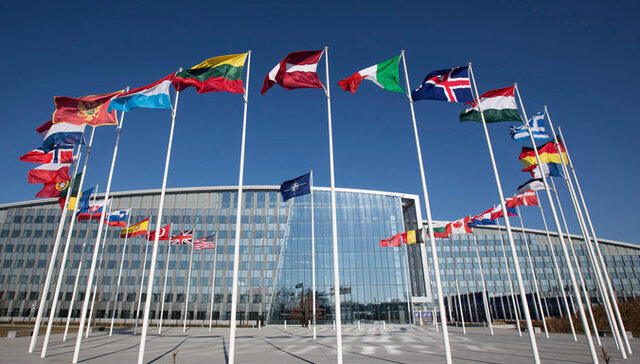
Strategic Council Online—Opinion: An expert on international affairs said: Although NATO, on its 75th birthday, has become more cohesive than three decades ago due to Russia's attack on Ukraine, this does not mean it will not face challenges in its future prospects.

In an interview with the website of the Strategic Council on Foreign Relations, referring to the 75th birthday of the North Atlantic Treaty Organization (NATO) and the challenges and opportunities of the alliance for its members, Rahman Ghahramanpour said: The developments of the last three decades in world politics, especially in the Indo-Pacific region, are a serious challenge for NATO; at the same time, if Trump wins the 2024 US elections, the challenges facing NATO will increase. Before the Russian attack on Ukraine, NATO was facing many problems to the extent that even the philosophy of the existence of this security organization was questioned.

Ghahramanpour added: After the Cold War, NATO even moved towards supporting the spread of democracy to maintain its existence and tried to seek the promotion of democracy to justify its existence. This organization participated in the war against terrorism after 9/11, and its presence in Afghanistan was a clear example of this effort.

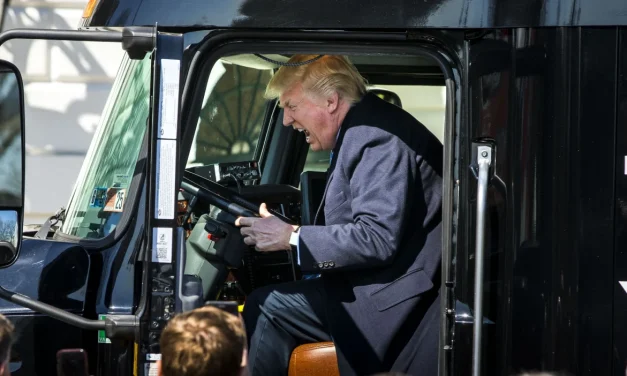
During the Trump era, Europe was very disturbed when the US president criticized NATO, but Russia’s attack on Ukraine solved this main crisis after the Cold War and gave it a new life; this even made Finland and Sweden, which tried to remain neutral to join NATO for fear of Russia’s reaction.

He continued: With the entry of Finland and Sweden into NATO, the number of its members increased to 32 countries, while NATO is rapidly expanding its military cooperation and partnerships with various countries, including those in Caucasus, Central Asia, and Asia Pacific. In this framework, cooperation with South Korea and Japan is also increasing, the purpose of which, in addition to containing Russia, is also to contain China’s military power.

Referring to the impact of Russia’s attack on Ukraine on NATO’s role, the international affairs expert said: Russia’s invasion of Ukraine has confronted NATO with a new era, a different atmosphere, and a new logic of existence, which has made NATO stronger and more coherent than before, as we have seen this consistency in the past two years in the indirect military support of Ukraine, including the provision of intelligence assistance. In fact, with Russia’s attack on Ukraine, NATO has once again found an objective and concrete enemy, and as long as Putin and his allies are at work in Russia, there is a sense of threat from NATO and Eastern European countries; therefore, NATO should have a logical self-justification for expanding its activities.

He stated: In NATO’s 75th year, it is impossible to pass by the challenges this security organization faces simply. One of these challenges has been allocating 2% of the member countries GDP to their military budget, with some members complying and others refusing to do so. For example, Germany believes that 2% of the GDP is significant. In general, if the member countries do not observe this percentage, it can decrease NATO’s defense capability.

The next challenge is the operation of new technologies and artificial intelligence, which NATO must adapt to because it has a serious weakness. Putting America aside, Germany is also seriously weak in artificial intelligence technology production. The continuation of financial and military support of the European countries that are members of NATO and the United States to Ukraine is one of the other challenges of NATO, Especially since these supports play a vital role for Europe and can be the most important obstacle against Russia’s security ambitions near the European borders.

Saying that there are serious differences of opinion among NATO members regarding support for Ukraine, Ghahramanpour clarified that NATO’s biggest concern is that if Trump is re-elected in 2024, this support may be stopped.

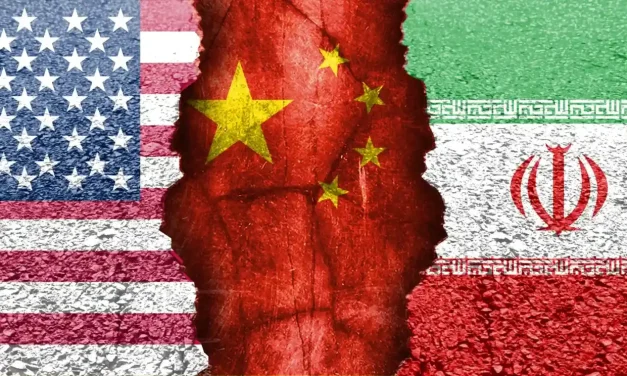
He considered another important challenge for NATO on the eve of its 75th anniversary as the Indo-Pacific issue and the presence of NATO in this region. He said that NATO needs to be present in this region to maintain the security of global trade routes and prevent the increase of China’s military power. NATO has plans and approaches, but there is serious disagreement between European countries and between Europe and America. While the main priority of the European member countries of NATO is to contain Russia, the main priority of America as the leader of NATO is to contain China; therefore, it should be seen how NATO creates a balance between these.

At the time of its establishment, NATO’s philosophy of existence was to provide Europe’s security against Russia. If NATO is going to define a new big mission for itself, such as containing China, it requires the creation of new infrastructure and a new consensus among the members. To solve this problem, NATO has tried to increase its strategic partnerships with countries in the Pacific region, such as Japan and South Korea, but whether this effort can lead to curbing China’s military power or not is not yet clear, and there are serious differences of opinion about it.
0 Comments

LATEST CONTENT

Europe’s Enduring Dependence on Persian Gulf Energy

SCFR Online – Opinion: The dominant discourse in the field of European energy security over the past two decades has revolved around diversification of supply sources and the gradual reduction of dependence on fossil fuels. This narrative, which gained particular momentum after the Ukraine gas crisis in 2006 and its intensification in 2014 and 2022, was based on the assumption that Europe could free itself from the geopolitical vulnerabilities arising from dependence on specific suppliers through investment in renewable energy, imports of liquefied natural gas from diversified sources, and the establishment of new infrastructure. However, a closer analysis of energy trade data and the structure of the global oil and gas supply chain presents a different picture. Europe has not only failed to meaningfully reduce its dependence on the Persian Gulf, but in some sectors — particularly in liquefied natural gas imports — this dependence has deepened. This reality, which is often overlooked in public discourse, raises fundamental questions about the sustainability of Europe’s energy security strategies and their impact on regional power equations.

The Challenge of Hezbollah’s Low-Cost “FPV” Drones for the Zionist Regime

SCFR Online – Opinion: In modern warfare, it has always been assumed that the more expensive, and advanced the weapon—particularly from well-known companies—the more certain the victory will be. However, developments on the northern front of occupied Palestine in recent months have challenged this long-held belief. Here, the Zionist regime’s military, despite possessing the most advanced defense systems such as Iron Dome, David’s Sling, and Arrow, as well as fifth-generation F-35 fighter jets, Merkava tanks, and other modern equipment found in few countries worldwide, has effectively been rendered helpless against Hezbollah Lebanon’s few-hundred-dollar drones. Benjamin Netanyahu’s bitter admission regarding the inability to counter this threat, and his order to allocate an unlimited budget to find a solution, underscores the reality that the era of pure superiority through expensive technologies has come to an end.

The Impact of West Asian Developments on the Ukraine War

SCFR Online – Note: Vladimir Putin, President of Russia, recently announced—more than four years after the commencement of military aggression against Ukraine—that he believes the conflict between Russia and Ukraine is drawing to a close.

Temporary China–U.S. Trade Truce in the Shadow of Fundamental Distrust

SCFR Online – Opinion: The recent visit of the President of the United States to China is significant from various aspects; because China is recognized as the world’s second-largest economic power and a growing economy. The Chinese are also advancing in various fields, including the space sector, artificial intelligence, and military industries; to the extent that in the military sector, whereas they previously lacked an aircraft carrier, they now possess their third aircraft carrier. On the other hand, the United States, as a superpower, has always regarded China as its rival and continues to view it as such today.

Loading

Últimas publicaciones

Europe’s Enduring Dependence on Persian Gulf Energy

SCFR Online – Opinion: The dominant discourse in the field of European energy security over the past two decades has revolved around diversification of supply sources and the gradual reduction of dependence on fossil fuels. This narrative, which gained particular momentum after the Ukraine gas crisis in 2006 and its intensification in 2014 and 2022, was based on the assumption that Europe could free itself from the geopolitical vulnerabilities arising from dependence on specific suppliers through investment in renewable energy, imports of liquefied natural gas from diversified sources, and the establishment of new infrastructure. However, a closer analysis of energy trade data and the structure of the global oil and gas supply chain presents a different picture. Europe has not only failed to meaningfully reduce its dependence on the Persian Gulf, but in some sectors — particularly in liquefied natural gas imports — this dependence has deepened. This reality, which is often overlooked in public discourse, raises fundamental questions about the sustainability of Europe’s energy security strategies and their impact on regional power equations.

The Challenge of Hezbollah’s Low-Cost “FPV” Drones for the Zionist Regime

SCFR Online – Opinion: In modern warfare, it has always been assumed that the more expensive, and advanced the weapon—particularly from well-known companies—the more certain the victory will be. However, developments on the northern front of occupied Palestine in recent months have challenged this long-held belief. Here, the Zionist regime’s military, despite possessing the most advanced defense systems such as Iron Dome, David’s Sling, and Arrow, as well as fifth-generation F-35 fighter jets, Merkava tanks, and other modern equipment found in few countries worldwide, has effectively been rendered helpless against Hezbollah Lebanon’s few-hundred-dollar drones. Benjamin Netanyahu’s bitter admission regarding the inability to counter this threat, and his order to allocate an unlimited budget to find a solution, underscores the reality that the era of pure superiority through expensive technologies has come to an end.

The Impact of West Asian Developments on the Ukraine War

SCFR Online – Note: Vladimir Putin, President of Russia, recently announced—more than four years after the commencement of military aggression against Ukraine—that he believes the conflict between Russia and Ukraine is drawing to a close.

Temporary China–U.S. Trade Truce in the Shadow of Fundamental Distrust

SCFR Online – Opinion: The recent visit of the President of the United States to China is significant from various aspects; because China is recognized as the world’s second-largest economic power and a growing economy. The Chinese are also advancing in various fields, including the space sector, artificial intelligence, and military industries; to the extent that in the military sector, whereas they previously lacked an aircraft carrier, they now possess their third aircraft carrier. On the other hand, the United States, as a superpower, has always regarded China as its rival and continues to view it as such today.

Loading

DERNIER CONTENU

Europe’s Enduring Dependence on Persian Gulf Energy

SCFR Online – Opinion: The dominant discourse in the field of European energy security over the past two decades has revolved around diversification of supply sources and the gradual reduction of dependence on fossil fuels. This narrative, which gained particular momentum after the Ukraine gas crisis in 2006 and its intensification in 2014 and 2022, was based on the assumption that Europe could free itself from the geopolitical vulnerabilities arising from dependence on specific suppliers through investment in renewable energy, imports of liquefied natural gas from diversified sources, and the establishment of new infrastructure. However, a closer analysis of energy trade data and the structure of the global oil and gas supply chain presents a different picture. Europe has not only failed to meaningfully reduce its dependence on the Persian Gulf, but in some sectors — particularly in liquefied natural gas imports — this dependence has deepened. This reality, which is often overlooked in public discourse, raises fundamental questions about the sustainability of Europe’s energy security strategies and their impact on regional power equations.

The Challenge of Hezbollah’s Low-Cost “FPV” Drones for the Zionist Regime

SCFR Online – Opinion: In modern warfare, it has always been assumed that the more expensive, and advanced the weapon—particularly from well-known companies—the more certain the victory will be. However, developments on the northern front of occupied Palestine in recent months have challenged this long-held belief. Here, the Zionist regime’s military, despite possessing the most advanced defense systems such as Iron Dome, David’s Sling, and Arrow, as well as fifth-generation F-35 fighter jets, Merkava tanks, and other modern equipment found in few countries worldwide, has effectively been rendered helpless against Hezbollah Lebanon’s few-hundred-dollar drones. Benjamin Netanyahu’s bitter admission regarding the inability to counter this threat, and his order to allocate an unlimited budget to find a solution, underscores the reality that the era of pure superiority through expensive technologies has come to an end.

The Impact of West Asian Developments on the Ukraine War

SCFR Online – Note: Vladimir Putin, President of Russia, recently announced—more than four years after the commencement of military aggression against Ukraine—that he believes the conflict between Russia and Ukraine is drawing to a close.

Temporary China–U.S. Trade Truce in the Shadow of Fundamental Distrust

SCFR Online – Opinion: The recent visit of the President of the United States to China is significant from various aspects; because China is recognized as the world’s second-largest economic power and a growing economy. The Chinese are also advancing in various fields, including the space sector, artificial intelligence, and military industries; to the extent that in the military sector, whereas they previously lacked an aircraft carrier, they now possess their third aircraft carrier. On the other hand, the United States, as a superpower, has always regarded China as its rival and continues to view it as such today.

Loading

DERNIER CONTENU

Europe’s Enduring Dependence on Persian Gulf Energy

SCFR Online – Opinion: The dominant discourse in the field of European energy security over the past two decades has revolved around diversification of supply sources and the gradual reduction of dependence on fossil fuels. This narrative, which gained particular momentum after the Ukraine gas crisis in 2006 and its intensification in 2014 and 2022, was based on the assumption that Europe could free itself from the geopolitical vulnerabilities arising from dependence on specific suppliers through investment in renewable energy, imports of liquefied natural gas from diversified sources, and the establishment of new infrastructure. However, a closer analysis of energy trade data and the structure of the global oil and gas supply chain presents a different picture. Europe has not only failed to meaningfully reduce its dependence on the Persian Gulf, but in some sectors — particularly in liquefied natural gas imports — this dependence has deepened. This reality, which is often overlooked in public discourse, raises fundamental questions about the sustainability of Europe’s energy security strategies and their impact on regional power equations.

The Challenge of Hezbollah’s Low-Cost “FPV” Drones for the Zionist Regime

SCFR Online – Opinion: In modern warfare, it has always been assumed that the more expensive, and advanced the weapon—particularly from well-known companies—the more certain the victory will be. However, developments on the northern front of occupied Palestine in recent months have challenged this long-held belief. Here, the Zionist regime’s military, despite possessing the most advanced defense systems such as Iron Dome, David’s Sling, and Arrow, as well as fifth-generation F-35 fighter jets, Merkava tanks, and other modern equipment found in few countries worldwide, has effectively been rendered helpless against Hezbollah Lebanon’s few-hundred-dollar drones. Benjamin Netanyahu’s bitter admission regarding the inability to counter this threat, and his order to allocate an unlimited budget to find a solution, underscores the reality that the era of pure superiority through expensive technologies has come to an end.

The Impact of West Asian Developments on the Ukraine War

SCFR Online – Note: Vladimir Putin, President of Russia, recently announced—more than four years after the commencement of military aggression against Ukraine—that he believes the conflict between Russia and Ukraine is drawing to a close.

Temporary China–U.S. Trade Truce in the Shadow of Fundamental Distrust

SCFR Online – Opinion: The recent visit of the President of the United States to China is significant from various aspects; because China is recognized as the world’s second-largest economic power and a growing economy. The Chinese are also advancing in various fields, including the space sector, artificial intelligence, and military industries; to the extent that in the military sector, whereas they previously lacked an aircraft carrier, they now possess their third aircraft carrier. On the other hand, the United States, as a superpower, has always regarded China as its rival and continues to view it as such today.

Loading

DERNIER CONTENU

Europe’s Enduring Dependence on Persian Gulf Energy

SCFR Online – Opinion: The dominant discourse in the field of European energy security over the past two decades has revolved around diversification of supply sources and the gradual reduction of dependence on fossil fuels. This narrative, which gained particular momentum after the Ukraine gas crisis in 2006 and its intensification in 2014 and 2022, was based on the assumption that Europe could free itself from the geopolitical vulnerabilities arising from dependence on specific suppliers through investment in renewable energy, imports of liquefied natural gas from diversified sources, and the establishment of new infrastructure. However, a closer analysis of energy trade data and the structure of the global oil and gas supply chain presents a different picture. Europe has not only failed to meaningfully reduce its dependence on the Persian Gulf, but in some sectors — particularly in liquefied natural gas imports — this dependence has deepened. This reality, which is often overlooked in public discourse, raises fundamental questions about the sustainability of Europe’s energy security strategies and their impact on regional power equations.

The Challenge of Hezbollah’s Low-Cost “FPV” Drones for the Zionist Regime

SCFR Online – Opinion: In modern warfare, it has always been assumed that the more expensive, and advanced the weapon—particularly from well-known companies—the more certain the victory will be. However, developments on the northern front of occupied Palestine in recent months have challenged this long-held belief. Here, the Zionist regime’s military, despite possessing the most advanced defense systems such as Iron Dome, David’s Sling, and Arrow, as well as fifth-generation F-35 fighter jets, Merkava tanks, and other modern equipment found in few countries worldwide, has effectively been rendered helpless against Hezbollah Lebanon’s few-hundred-dollar drones. Benjamin Netanyahu’s bitter admission regarding the inability to counter this threat, and his order to allocate an unlimited budget to find a solution, underscores the reality that the era of pure superiority through expensive technologies has come to an end.

The Impact of West Asian Developments on the Ukraine War

SCFR Online – Note: Vladimir Putin, President of Russia, recently announced—more than four years after the commencement of military aggression against Ukraine—that he believes the conflict between Russia and Ukraine is drawing to a close.

Temporary China–U.S. Trade Truce in the Shadow of Fundamental Distrust

SCFR Online – Opinion: The recent visit of the President of the United States to China is significant from various aspects; because China is recognized as the world’s second-largest economic power and a growing economy. The Chinese are also advancing in various fields, including the space sector, artificial intelligence, and military industries; to the extent that in the military sector, whereas they previously lacked an aircraft carrier, they now possess their third aircraft carrier. On the other hand, the United States, as a superpower, has always regarded China as its rival and continues to view it as such today.

Loading