Reasons for UNSC “Stop the Conflict” Resolution Ineffectiveness

2020/07/18 | interview, Politics, top news

Strategic Council Online - An international affairs expert said that the resolution to end the conflict in the context of the corona outbreak, like most Security Council resolutions, does not provide an executive guarantee, adding that UNSC members often have conflicting political stances and it is very difficult to agree on a text. At the same time there is not strong political resolve to implement these interpretive texts.

In an interview with the website of the Strategic Council on Foreign Relations, Kourosh Ahmadi said: “Given that the Security Council has already adopted resolutions on the dimensions of international peace and security, AIDS and Ebola, it was naturally expected to do the same with regard to Corona. Resolution 2532, which was unanimously adopted by the Security Council and called for a 90-day cessation of armed conflict for humanitarian reasons, has been negotiated in the Security Council for more than three months.

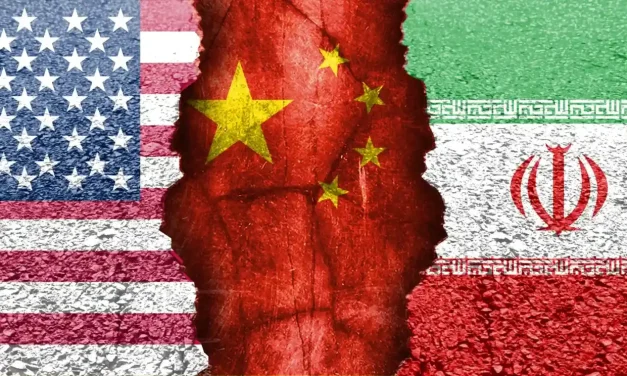
Sino-US Dispute Reason for 4-Month Delay in Releasing Resolution

Referring to various proposals made in the Security Council, including the proposals of France and the UN Secretary-General to end the armed conflict and suspension sanctions, he added: The main reason for the delay was the adoption of this resolution. In particular, the Americans initially leveled accusations against China on the outbreak of corona virus, using terms such as “Chinese virus” and “Wuhan virus.” They also raised the issue of non-transparency and non-cooperation with China.

The international affairs analyst said that the adoption of a joint text with the presence of the two countries had acute political dimensions, adding: “The Americans emphasized two points; they wanted “complete transparency” about diseases, and the Chinese opposed it. Another issue was how to point out the role of the World Health Organization. The United States strongly opposed any mention of the role of the World Health Organization.

Ahmadi continued: “On April 2, the General Assembly in a resolution emphasized the role of the World Health Organization and called on countries to pay attention to and act on the guidelines of the World Health Organization to fight the corona.” The United States was opposed to this. Finally, in this resolution, the council was content with “taking note of the resolution of the General Assembly”, which, although better than nothing, is a neutral phrase and has little political or legal weight.


Tacitly Addressing the Proposal to End Sanctions

Referring to the UN Secretary-General’s proposal to suspend sanctions to facilitate the fight against corona, he said: “Of course, this issue did not cause a sharp dispute, because other countries, including China and Russia, did not insist on this; As a result, the resolution only explicitly and implicitly included the phrase “taking note of the Secretary-General’s proposals”, without explicitly mentioning the suspension of sanctions.

“The main issue on the resolution is that it urges countries and parties to armed conflicts to agree to a 90 day truce to facilitate aid and measures to prevent the spread of the coronavirus and to adjust the dimensions of international peace and security of the disease,” he said. It is also clear, however, that the ceasefire has nothing to do with armed operations against groups identified by the Security Council as “terrorists” such as ISIS, al-Nusra and al-Qaeda, and does not include them.

Regarding the possibility of implementing the dimensions of this resolution, he said: “The issue of stopping the conflicts actually includes the conflicts in Yemen, Syria, Libya, Congo and South Sudan.” This, like other Security Council decisions, provides a legal basis that the countries concerned cannot ignore.

Ahmadi continued: “Although this resolution does not guarantee implementation in the form of Chapter 7 of the UN Charter, nevertheless, the states that are members of the United Nations have agreed under Article 25 of the Charter to accept and implement the decisions of the Security Council, although this is also the case with regard to the wording of the resolutions. However, they cannot easily ignore the decisions of the Security Council.

He cited Saudi-led military strikes in Yemen as a military conflict drawing the attention of the United Nations, adding: “Saudi Arabia must agree to a 90-day ceasefire. If it does not, it will be legally and to some extent politically vulnerable.” But as long as there is no serious punishment and guarantee of execution, practically non-compliance does not cause an acute problem.

The resolution is only a legal-political recommendation and has no guarantee of implementation

“If Saudi Arabia does not accept the ceasefire in Yemen, given the composition of the Security Council, it will not be able to take any specific action, such as the creation of an international force to carry out its decision,” he said. This resolution is only a legal-political recommendation.

Noting that the issuance of such a resolution after four months was not expected due to the global outbreak of the corona, Ahmadi said the clear effect of this resolution is that it puts a little pressure on some relevant governments to establish a ceasefire in some current conflicts and nothing is expected from this resolution.

Lack of Political Will to Implement Resolution

He went on to say that the permanent and non-permanent members of the Security Council have sometimes conflicting political positions and that it is very difficult for them to agree on a text that is binding and has an executive guarantee under “Chapter Seven”. It takes a lot of interpretation and sometimes it is vague and unclear.

0 Comments

Submit a Comment

Your email address will not be published. Required fields are marked *

LATEST CONTENT

Iran’s Success in the Narrative Battle in Cyberspace

SCFR Online – Opinion: In the war between Iran and the United States, the main battlefield was not defined solely in the military domain; rather, the battle of narratives in cyberspace—particularly through memes—reached a decisive level.

The Global Energy Shock Situation and Future Scenarios

SCFR Online – Opinion: Only one month after the beginning of the Ramadan War, maritime traffic in the Strait of Hormuz decreased dramatically, with Bloomberg announcing a reduction of 103 vessels; Brent oil prices rose by more than 50 percent, and gasoline prices in the United States increased by 31.4 percent. Additionally, benchmark gas prices in Europe showed a 73.4 percent increase.

Al-Zaydi’s Selection as Prime Minister, The Beginning of a New Chapter in Iraq

SCFR Online – Note: After approximately five months of political deadlock and institutional confusion, Ali al-Zaydi has finally been selected as Iraq’s Prime Minister. Al-Zaydi’s selection as Prime Minister represents a positive sign of the completion of the government formation process and the beginning of a new phase in Iraqi politics and governance. The emergence of a young, technocratic figure from the third generation of politicians—in a context where the country has been administered by traditional figures for decades—revives hope that Iraq may perhaps distance itself from the repetitive cycle of crises and experience a new path of stability, efficiency, and regional convergence.

Intensifying Intra-Party Divisions in the United States Regarding the Zionist Regime

SCFR Online – Note: Over recent decades, support for the Zionist regime has been one of the few issues commanding bipartisan consensus in US foreign policy. Since the Cold War era, Republicans and Democrats have generally agreed on the necessity of preserving the security and survival of the Zionist regime as Washington’s most strategic ally in West Asia—and indeed, globally. However, developments in recent years—particularly the Gaza war, escalating regional conflicts, the expansion of tensions into Lebanon, and this regime’s recent warmongering against Iran—have caused this traditional consensus, especially within the Democratic Party, to face significant fractures.

Public Opinion Disappointment of the Zionist Regime Regarding Success in War with Iran

SCFR Online – Opinion: The internal situation of the Israeli regime during the 40-day war can be analyzed from several perspectives. The popularity levels of Benjamin Netanyahu, the Likud Party, and the ruling coalition led by Netanyahu until February 28, 2026, remained approximately the same as during the preceding year. The most recent factor that had somewhat increased Netanyahu’s popularity was the advancement of the 2024 war with Hezbollah Lebanon. Subsequently, his popularity temporarily increased during the 12-day war with Iran, but after the war, it returned to its previous state.

Loading

Últimas publicaciones

Iran’s Success in the Narrative Battle in Cyberspace

SCFR Online – Opinion: In the war between Iran and the United States, the main battlefield was not defined solely in the military domain; rather, the battle of narratives in cyberspace—particularly through memes—reached a decisive level.

The Global Energy Shock Situation and Future Scenarios

SCFR Online – Opinion: Only one month after the beginning of the Ramadan War, maritime traffic in the Strait of Hormuz decreased dramatically, with Bloomberg announcing a reduction of 103 vessels; Brent oil prices rose by more than 50 percent, and gasoline prices in the United States increased by 31.4 percent. Additionally, benchmark gas prices in Europe showed a 73.4 percent increase.

Al-Zaydi’s Selection as Prime Minister, The Beginning of a New Chapter in Iraq

SCFR Online – Note: After approximately five months of political deadlock and institutional confusion, Ali al-Zaydi has finally been selected as Iraq’s Prime Minister. Al-Zaydi’s selection as Prime Minister represents a positive sign of the completion of the government formation process and the beginning of a new phase in Iraqi politics and governance. The emergence of a young, technocratic figure from the third generation of politicians—in a context where the country has been administered by traditional figures for decades—revives hope that Iraq may perhaps distance itself from the repetitive cycle of crises and experience a new path of stability, efficiency, and regional convergence.

Intensifying Intra-Party Divisions in the United States Regarding the Zionist Regime

SCFR Online – Note: Over recent decades, support for the Zionist regime has been one of the few issues commanding bipartisan consensus in US foreign policy. Since the Cold War era, Republicans and Democrats have generally agreed on the necessity of preserving the security and survival of the Zionist regime as Washington’s most strategic ally in West Asia—and indeed, globally. However, developments in recent years—particularly the Gaza war, escalating regional conflicts, the expansion of tensions into Lebanon, and this regime’s recent warmongering against Iran—have caused this traditional consensus, especially within the Democratic Party, to face significant fractures.

Public Opinion Disappointment of the Zionist Regime Regarding Success in War with Iran

SCFR Online – Opinion: The internal situation of the Israeli regime during the 40-day war can be analyzed from several perspectives. The popularity levels of Benjamin Netanyahu, the Likud Party, and the ruling coalition led by Netanyahu until February 28, 2026, remained approximately the same as during the preceding year. The most recent factor that had somewhat increased Netanyahu’s popularity was the advancement of the 2024 war with Hezbollah Lebanon. Subsequently, his popularity temporarily increased during the 12-day war with Iran, but after the war, it returned to its previous state.

Loading

DERNIER CONTENU

Iran’s Success in the Narrative Battle in Cyberspace

SCFR Online – Opinion: In the war between Iran and the United States, the main battlefield was not defined solely in the military domain; rather, the battle of narratives in cyberspace—particularly through memes—reached a decisive level.

The Global Energy Shock Situation and Future Scenarios

SCFR Online – Opinion: Only one month after the beginning of the Ramadan War, maritime traffic in the Strait of Hormuz decreased dramatically, with Bloomberg announcing a reduction of 103 vessels; Brent oil prices rose by more than 50 percent, and gasoline prices in the United States increased by 31.4 percent. Additionally, benchmark gas prices in Europe showed a 73.4 percent increase.

Al-Zaydi’s Selection as Prime Minister, The Beginning of a New Chapter in Iraq

SCFR Online – Note: After approximately five months of political deadlock and institutional confusion, Ali al-Zaydi has finally been selected as Iraq’s Prime Minister. Al-Zaydi’s selection as Prime Minister represents a positive sign of the completion of the government formation process and the beginning of a new phase in Iraqi politics and governance. The emergence of a young, technocratic figure from the third generation of politicians—in a context where the country has been administered by traditional figures for decades—revives hope that Iraq may perhaps distance itself from the repetitive cycle of crises and experience a new path of stability, efficiency, and regional convergence.

Intensifying Intra-Party Divisions in the United States Regarding the Zionist Regime

SCFR Online – Note: Over recent decades, support for the Zionist regime has been one of the few issues commanding bipartisan consensus in US foreign policy. Since the Cold War era, Republicans and Democrats have generally agreed on the necessity of preserving the security and survival of the Zionist regime as Washington’s most strategic ally in West Asia—and indeed, globally. However, developments in recent years—particularly the Gaza war, escalating regional conflicts, the expansion of tensions into Lebanon, and this regime’s recent warmongering against Iran—have caused this traditional consensus, especially within the Democratic Party, to face significant fractures.

Public Opinion Disappointment of the Zionist Regime Regarding Success in War with Iran

SCFR Online – Opinion: The internal situation of the Israeli regime during the 40-day war can be analyzed from several perspectives. The popularity levels of Benjamin Netanyahu, the Likud Party, and the ruling coalition led by Netanyahu until February 28, 2026, remained approximately the same as during the preceding year. The most recent factor that had somewhat increased Netanyahu’s popularity was the advancement of the 2024 war with Hezbollah Lebanon. Subsequently, his popularity temporarily increased during the 12-day war with Iran, but after the war, it returned to its previous state.

Loading

DERNIER CONTENU

Iran’s Success in the Narrative Battle in Cyberspace

SCFR Online – Opinion: In the war between Iran and the United States, the main battlefield was not defined solely in the military domain; rather, the battle of narratives in cyberspace—particularly through memes—reached a decisive level.

The Global Energy Shock Situation and Future Scenarios

SCFR Online – Opinion: Only one month after the beginning of the Ramadan War, maritime traffic in the Strait of Hormuz decreased dramatically, with Bloomberg announcing a reduction of 103 vessels; Brent oil prices rose by more than 50 percent, and gasoline prices in the United States increased by 31.4 percent. Additionally, benchmark gas prices in Europe showed a 73.4 percent increase.

Al-Zaydi’s Selection as Prime Minister, The Beginning of a New Chapter in Iraq

SCFR Online – Note: After approximately five months of political deadlock and institutional confusion, Ali al-Zaydi has finally been selected as Iraq’s Prime Minister. Al-Zaydi’s selection as Prime Minister represents a positive sign of the completion of the government formation process and the beginning of a new phase in Iraqi politics and governance. The emergence of a young, technocratic figure from the third generation of politicians—in a context where the country has been administered by traditional figures for decades—revives hope that Iraq may perhaps distance itself from the repetitive cycle of crises and experience a new path of stability, efficiency, and regional convergence.

Intensifying Intra-Party Divisions in the United States Regarding the Zionist Regime

SCFR Online – Note: Over recent decades, support for the Zionist regime has been one of the few issues commanding bipartisan consensus in US foreign policy. Since the Cold War era, Republicans and Democrats have generally agreed on the necessity of preserving the security and survival of the Zionist regime as Washington’s most strategic ally in West Asia—and indeed, globally. However, developments in recent years—particularly the Gaza war, escalating regional conflicts, the expansion of tensions into Lebanon, and this regime’s recent warmongering against Iran—have caused this traditional consensus, especially within the Democratic Party, to face significant fractures.

Public Opinion Disappointment of the Zionist Regime Regarding Success in War with Iran

SCFR Online – Opinion: The internal situation of the Israeli regime during the 40-day war can be analyzed from several perspectives. The popularity levels of Benjamin Netanyahu, the Likud Party, and the ruling coalition led by Netanyahu until February 28, 2026, remained approximately the same as during the preceding year. The most recent factor that had somewhat increased Netanyahu’s popularity was the advancement of the 2024 war with Hezbollah Lebanon. Subsequently, his popularity temporarily increased during the 12-day war with Iran, but after the war, it returned to its previous state.

Loading

DERNIER CONTENU

Iran’s Success in the Narrative Battle in Cyberspace

SCFR Online – Opinion: In the war between Iran and the United States, the main battlefield was not defined solely in the military domain; rather, the battle of narratives in cyberspace—particularly through memes—reached a decisive level.

The Global Energy Shock Situation and Future Scenarios

SCFR Online – Opinion: Only one month after the beginning of the Ramadan War, maritime traffic in the Strait of Hormuz decreased dramatically, with Bloomberg announcing a reduction of 103 vessels; Brent oil prices rose by more than 50 percent, and gasoline prices in the United States increased by 31.4 percent. Additionally, benchmark gas prices in Europe showed a 73.4 percent increase.

Al-Zaydi’s Selection as Prime Minister, The Beginning of a New Chapter in Iraq

SCFR Online – Note: After approximately five months of political deadlock and institutional confusion, Ali al-Zaydi has finally been selected as Iraq’s Prime Minister. Al-Zaydi’s selection as Prime Minister represents a positive sign of the completion of the government formation process and the beginning of a new phase in Iraqi politics and governance. The emergence of a young, technocratic figure from the third generation of politicians—in a context where the country has been administered by traditional figures for decades—revives hope that Iraq may perhaps distance itself from the repetitive cycle of crises and experience a new path of stability, efficiency, and regional convergence.

Intensifying Intra-Party Divisions in the United States Regarding the Zionist Regime

SCFR Online – Note: Over recent decades, support for the Zionist regime has been one of the few issues commanding bipartisan consensus in US foreign policy. Since the Cold War era, Republicans and Democrats have generally agreed on the necessity of preserving the security and survival of the Zionist regime as Washington’s most strategic ally in West Asia—and indeed, globally. However, developments in recent years—particularly the Gaza war, escalating regional conflicts, the expansion of tensions into Lebanon, and this regime’s recent warmongering against Iran—have caused this traditional consensus, especially within the Democratic Party, to face significant fractures.

Public Opinion Disappointment of the Zionist Regime Regarding Success in War with Iran

SCFR Online – Opinion: The internal situation of the Israeli regime during the 40-day war can be analyzed from several perspectives. The popularity levels of Benjamin Netanyahu, the Likud Party, and the ruling coalition led by Netanyahu until February 28, 2026, remained approximately the same as during the preceding year. The most recent factor that had somewhat increased Netanyahu’s popularity was the advancement of the 2024 war with Hezbollah Lebanon. Subsequently, his popularity temporarily increased during the 12-day war with Iran, but after the war, it returned to its previous state.

Loading