Analysis of G20 Meeting in India, Prospect of Upcoming Meeting in Brazil

2023/09/25 | interview, Politics, Top News

Strategic Council Online - Interview: An expert on international affairs, saying that in the G20 meeting in India, we witnessed a new alignment of emerging powers and developing countries in front of Europe and the US, added: We are transitioning the international system, distributing and, networking of power in the global arena, and European and American countries are not the only ones that determine the process of financial, economic, political and security developments in the world.

In an interview with the website of the Strategic Council on Foreign Relations, Morteza Makki stated that the G20 meeting in India was one of the most diverse meetings of this political-economic bloc and clarified: The leaders participating in that meeting in their final statement failed to reach agreement to condemn Russia’s invasion of Ukraine. In fact, the final statement of the G20 meeting was prepared by India in such a way that it was the point of understanding of all the participating members. For this reason, each country had its own perception of the meeting, and finally, Moscow praised its authors, and India appreciated the statement for not naming Russia.

He considered the issuance of the statement and the issues created in the marginal meetings of the Group of 20 as indicating the existence of a deep gap between the approach of the member countries of the Group of 20. He said: Compared to last year’s summit of the members of this group in Bali, Indonesia, the Indian meeting was not even able to act severely in response to Russia’s attack on Ukraine.

The expert on international issues, recalling that considering Russia’s position in the political and security equations of the world, all countries did not always align with the US and Europe in condemning Russia’s attack on Ukraine, added: Emerging and developing powers in Asia, Latin America and Africa and their superiors, India, Brazil, South Africa, and China tried to adopt a balanced policy in such a way that, by making maximum use of all the opportunities created after the Russian attack on Ukraine, especially in the energy market, they avoid the threats that could be directed at them by Russia.

Saying that this approach of the emerging powers also showed itself in the meetings of the Group of 20 in India, Makki continued: Europe and the United States, contrary to their expectations, could not even get the alignment and support of a country like Saudi Arabia for condemning Russia’s attack on Ukraine. For this reason, at the G20 meeting, we saw a new alignment of emerging powers and developing countries in front of European and American countries.

According to the international affairs analyst, the emerging powers seek to make the most of the networking of power in the international system and the opportunities created after the war in Ukraine. The membership of the African Union in the G20 meeting, with the support of a country like India, was very significant, and even the African countries that, before Russia attacked Ukraine, always adopted their positions under the influence of the former colonialists regarding Russia’s attack on Ukraine tried to show independent activism and stood up against their former colonizers like France.

He called the US unveiling of the project to connect India to Europe through the Arab countries of the Middle East and Israel as an important event of the Indian summit. He added: This strategy was clearly announced in contrast to the Chinese One Belt One Road Initiative, which seeks to develop China’s influence network in the world’s continents. The effort made in this direction by Europe and the US to formulate this strategy reveals the world’s future economic and security competition to some extent.

Regarding the non-attendance of the heads of state of China and Russia at the G20 meeting, while explaining the consequences of Russia’s devastating attack on Ukraine and its impact on the public opinion of the world, Makki said: China and Russia tried to manage the dimension of advertisement against themselves by not attending the meeting at the level of leaders; because European and American countries were trying to make the most of this issue in the advertising aspect. In addition, Putin is under legal prosecution by the international court, and there is the possibility that his trip to India could cause trouble for the host country.

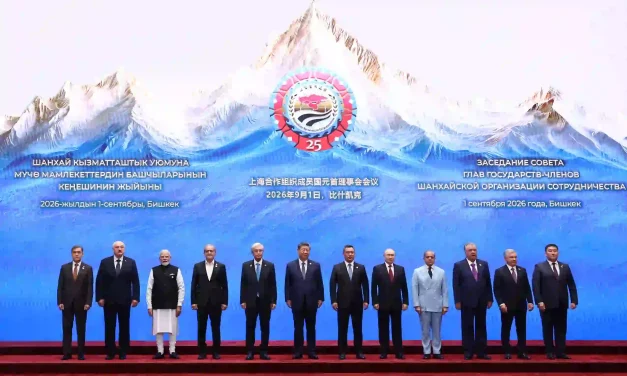
The expert on international affairs stated that sending their second and third people to India, China, and Russia showed that they are making maximum use of all global situations to advance their goals and interests. Lack of alignment with the US and Europe prevented the West from dominating and controlling the negotiations of the Group of 20 summit, and they were successful in this policy to some extent. Not taking a commemorative photo and not issuing a solid and decisive statement regarding the war in Ukraine shows that Russia and China should be among the winners of this meeting.

He pointed to internal reforms made during the G20 meeting regarding the International Monetary Fund and the World Trade Organization. He added: If the G7 countries had the power to manage global financial crises with their policies like in the past, they would have done this. However, in the current conditions of the world system, the economic and network power is expanding towards East Asia and West Asia, and those countries want more active participation in the official financial, economic, and political institutions.

Makki emphasized that we are in the transition of the international system, the distribution and networking of power in the world arena, and European and American countries are not the only ones determining the process of financial, economic, political, and security developments in the world.

Referring to next year’s G20 meeting in Brazil, the expert on international affairs said: A comparison between last year’s G20 meeting in Indonesia and this year’s meeting in India clearly explains the decline in the position of Europe and the US in the world arena. Of course, we also witness the increasing influence of emerging powers and developing countries. Certainly, with the continuation of this process, even if Russia is forced to withdraw from many parts of the Ukrainian territory and return them, it does not seem that the position of Western countries will return to before 2022. This issue will show itself in this group’s meeting in Brazil next year.

Makki added: The global development process is directed in one direction, and if they want to participate actively in the world arena, they will not be successful without the alignment and support of countries such as China, Russia, India, Brazil, South Africa, and regional powers.


0 Comments

LATEST CONTENT

Iran’s Potential Levers of Power

SCFRonline– Opinion: Iran’s geopolitical power is not limited solely to oil and the Strait of Hormuz; the unintended emergence of disruptions in the future global food and energy security chains can also demonstrate Iran’s strategic importance.

The Inseparability of the Lebanese Front from the Axis of Resistance

SCFR Online–Opinion: By providing an extensive network of social, healthcare, educational, and post-war reconstruction services, Hezbollah has established a strong social base for itself among Lebanon’s Shiites and Sunnis, and even beyond that, among other segments of Lebanese society, including Christians. Hezbollah has never been an external actor imposed upon Lebanon; rather, it is a phenomenon fundamentally born out of the occupation and crimes of the Zionist regime and itself influenced by popular resistance.

The Increasing Efforts of the Zionist Regime to Redefine Borders and the Regional Order and Its Consequences

SCFR Online– Opinion: Security and military developments in the region over recent months indicate that the ongoing crises and wars in Gaza, southern Lebanon, and parts of Syrian territory encompass broader dimensions of geopolitical and geostrategic transformations. In this context, the increased military presence and control of the Zionist regime over parts of the territories of these areas, along with proposals regarding the creation of buffer zones or even the expansion of security borders, have raised serious questions about the future of the regional order and its consequences for the countries of West Asia.

The Components of Iran’s Deterrence Power

SCFR Online – Opinion: At a time when regional security equations have reached a sensitive stage under the influence of Iran’s strategic confrontation with the United States and the Zionist regime, the question of the nature of Tehran’s defensive power has gained greater significance than ever before. While Washington and Tel Aviv rely on their technological superiority, the Islamic Republic of Iran has presented a model of deterrence that extends beyond the material calculations of the world’s classical militaries. This power, rooted in the connection between “the field” and “the people,” has not only altered the balance of power in recent conflicts but has also disrupted adversaries’ calculations when confronting Iran’s strategic depth.

Loading

Últimas publicaciones

Iran’s Potential Levers of Power

SCFRonline– Opinion: Iran’s geopolitical power is not limited solely to oil and the Strait of Hormuz; the unintended emergence of disruptions in the future global food and energy security chains can also demonstrate Iran’s strategic importance.

The Inseparability of the Lebanese Front from the Axis of Resistance

SCFR Online–Opinion: By providing an extensive network of social, healthcare, educational, and post-war reconstruction services, Hezbollah has established a strong social base for itself among Lebanon’s Shiites and Sunnis, and even beyond that, among other segments of Lebanese society, including Christians. Hezbollah has never been an external actor imposed upon Lebanon; rather, it is a phenomenon fundamentally born out of the occupation and crimes of the Zionist regime and itself influenced by popular resistance.

The Increasing Efforts of the Zionist Regime to Redefine Borders and the Regional Order and Its Consequences

SCFR Online– Opinion: Security and military developments in the region over recent months indicate that the ongoing crises and wars in Gaza, southern Lebanon, and parts of Syrian territory encompass broader dimensions of geopolitical and geostrategic transformations. In this context, the increased military presence and control of the Zionist regime over parts of the territories of these areas, along with proposals regarding the creation of buffer zones or even the expansion of security borders, have raised serious questions about the future of the regional order and its consequences for the countries of West Asia.

The Components of Iran’s Deterrence Power

SCFR Online – Opinion: At a time when regional security equations have reached a sensitive stage under the influence of Iran’s strategic confrontation with the United States and the Zionist regime, the question of the nature of Tehran’s defensive power has gained greater significance than ever before. While Washington and Tel Aviv rely on their technological superiority, the Islamic Republic of Iran has presented a model of deterrence that extends beyond the material calculations of the world’s classical militaries. This power, rooted in the connection between “the field” and “the people,” has not only altered the balance of power in recent conflicts but has also disrupted adversaries’ calculations when confronting Iran’s strategic depth.

Loading

DERNIER CONTENU

Iran’s Potential Levers of Power

SCFRonline– Opinion: Iran’s geopolitical power is not limited solely to oil and the Strait of Hormuz; the unintended emergence of disruptions in the future global food and energy security chains can also demonstrate Iran’s strategic importance.

The Inseparability of the Lebanese Front from the Axis of Resistance

SCFR Online–Opinion: By providing an extensive network of social, healthcare, educational, and post-war reconstruction services, Hezbollah has established a strong social base for itself among Lebanon’s Shiites and Sunnis, and even beyond that, among other segments of Lebanese society, including Christians. Hezbollah has never been an external actor imposed upon Lebanon; rather, it is a phenomenon fundamentally born out of the occupation and crimes of the Zionist regime and itself influenced by popular resistance.

The Increasing Efforts of the Zionist Regime to Redefine Borders and the Regional Order and Its Consequences

SCFR Online– Opinion: Security and military developments in the region over recent months indicate that the ongoing crises and wars in Gaza, southern Lebanon, and parts of Syrian territory encompass broader dimensions of geopolitical and geostrategic transformations. In this context, the increased military presence and control of the Zionist regime over parts of the territories of these areas, along with proposals regarding the creation of buffer zones or even the expansion of security borders, have raised serious questions about the future of the regional order and its consequences for the countries of West Asia.

The Components of Iran’s Deterrence Power

SCFR Online – Opinion: At a time when regional security equations have reached a sensitive stage under the influence of Iran’s strategic confrontation with the United States and the Zionist regime, the question of the nature of Tehran’s defensive power has gained greater significance than ever before. While Washington and Tel Aviv rely on their technological superiority, the Islamic Republic of Iran has presented a model of deterrence that extends beyond the material calculations of the world’s classical militaries. This power, rooted in the connection between “the field” and “the people,” has not only altered the balance of power in recent conflicts but has also disrupted adversaries’ calculations when confronting Iran’s strategic depth.

Loading

DERNIER CONTENU

Iran’s Potential Levers of Power

SCFRonline– Opinion: Iran’s geopolitical power is not limited solely to oil and the Strait of Hormuz; the unintended emergence of disruptions in the future global food and energy security chains can also demonstrate Iran’s strategic importance.

The Inseparability of the Lebanese Front from the Axis of Resistance

SCFR Online–Opinion: By providing an extensive network of social, healthcare, educational, and post-war reconstruction services, Hezbollah has established a strong social base for itself among Lebanon’s Shiites and Sunnis, and even beyond that, among other segments of Lebanese society, including Christians. Hezbollah has never been an external actor imposed upon Lebanon; rather, it is a phenomenon fundamentally born out of the occupation and crimes of the Zionist regime and itself influenced by popular resistance.

The Increasing Efforts of the Zionist Regime to Redefine Borders and the Regional Order and Its Consequences

SCFR Online– Opinion: Security and military developments in the region over recent months indicate that the ongoing crises and wars in Gaza, southern Lebanon, and parts of Syrian territory encompass broader dimensions of geopolitical and geostrategic transformations. In this context, the increased military presence and control of the Zionist regime over parts of the territories of these areas, along with proposals regarding the creation of buffer zones or even the expansion of security borders, have raised serious questions about the future of the regional order and its consequences for the countries of West Asia.

The Components of Iran’s Deterrence Power

SCFR Online – Opinion: At a time when regional security equations have reached a sensitive stage under the influence of Iran’s strategic confrontation with the United States and the Zionist regime, the question of the nature of Tehran’s defensive power has gained greater significance than ever before. While Washington and Tel Aviv rely on their technological superiority, the Islamic Republic of Iran has presented a model of deterrence that extends beyond the material calculations of the world’s classical militaries. This power, rooted in the connection between “the field” and “the people,” has not only altered the balance of power in recent conflicts but has also disrupted adversaries’ calculations when confronting Iran’s strategic depth.

Loading

DERNIER CONTENU

Iran’s Potential Levers of Power

SCFRonline– Opinion: Iran’s geopolitical power is not limited solely to oil and the Strait of Hormuz; the unintended emergence of disruptions in the future global food and energy security chains can also demonstrate Iran’s strategic importance.

The Inseparability of the Lebanese Front from the Axis of Resistance

SCFR Online–Opinion: By providing an extensive network of social, healthcare, educational, and post-war reconstruction services, Hezbollah has established a strong social base for itself among Lebanon’s Shiites and Sunnis, and even beyond that, among other segments of Lebanese society, including Christians. Hezbollah has never been an external actor imposed upon Lebanon; rather, it is a phenomenon fundamentally born out of the occupation and crimes of the Zionist regime and itself influenced by popular resistance.

The Increasing Efforts of the Zionist Regime to Redefine Borders and the Regional Order and Its Consequences

SCFR Online– Opinion: Security and military developments in the region over recent months indicate that the ongoing crises and wars in Gaza, southern Lebanon, and parts of Syrian territory encompass broader dimensions of geopolitical and geostrategic transformations. In this context, the increased military presence and control of the Zionist regime over parts of the territories of these areas, along with proposals regarding the creation of buffer zones or even the expansion of security borders, have raised serious questions about the future of the regional order and its consequences for the countries of West Asia.

The Components of Iran’s Deterrence Power

SCFR Online – Opinion: At a time when regional security equations have reached a sensitive stage under the influence of Iran’s strategic confrontation with the United States and the Zionist regime, the question of the nature of Tehran’s defensive power has gained greater significance than ever before. While Washington and Tel Aviv rely on their technological superiority, the Islamic Republic of Iran has presented a model of deterrence that extends beyond the material calculations of the world’s classical militaries. This power, rooted in the connection between “the field” and “the people,” has not only altered the balance of power in recent conflicts but has also disrupted adversaries’ calculations when confronting Iran’s strategic depth.

Loading