Reasons for the Ineffectiveness of Trump’s “Economic War” against Iran
SCFR Online – Opinion: The intensification of U.S. sanctions against Iran on the eve of the U.S. midterm elections indicates Washington’s inability to achieve its war objectives.


SCFR Online – Opinion: The intensification of U.S. sanctions against Iran on the eve of the U.S. midterm elections indicates Washington’s inability to achieve its war objectives.

SCFR Online – Opinion: The competition between Washington and Beijing over chips and artificial intelligence, simultaneously with the shifting of technological balances, has taken on new economic and security dimensions.
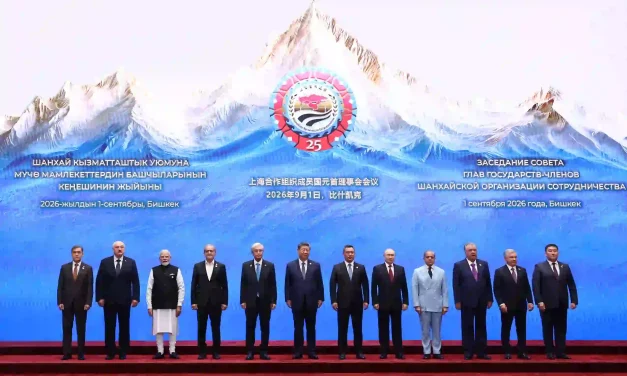
SCFR Online – Opinion: The Shanghai Cooperation Organization summit has created a new opportunity for Iran to transform its membership from a political achievement into economic and transit cooperation.
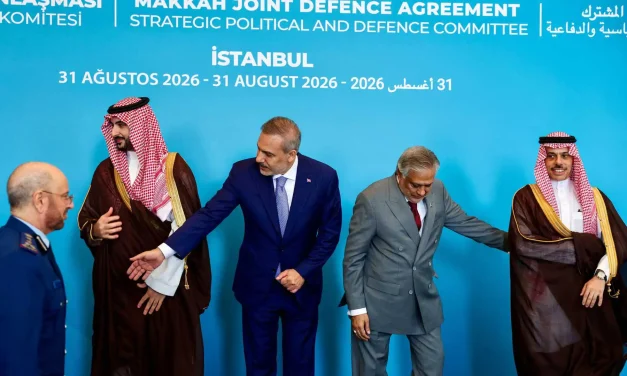
Strategic Council Online – Note: The Makkah Defense Pact can be seen as a sign of regional countries’ efforts to reduce security dependence on extra-regional powers and redefine the balance in West Asia.

SCFR Online – Opinion: The Ukraine war, by exhausting US military capability on one hand and strengthening European defense capacity on the other, has altered the balance of power in the European continent, cast uncertainty over NATO’s future, and is driving it toward a European NATO.
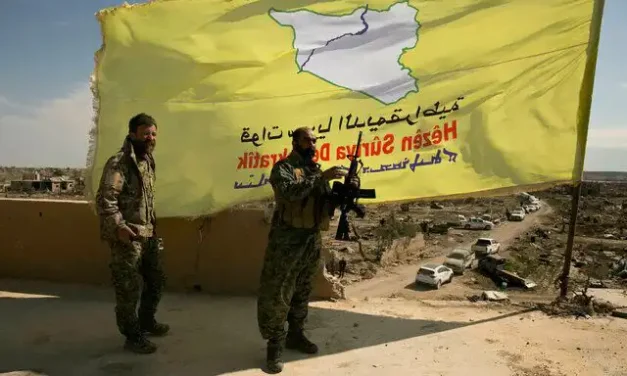
SCFR Online – Opinion: The dissolution of the SDF, although considered an achievement for Turkey’s security, does not put an end to the challenges arising from the Israeli regime’s aggression and expansionism, refugees, and Syria’s fragility.
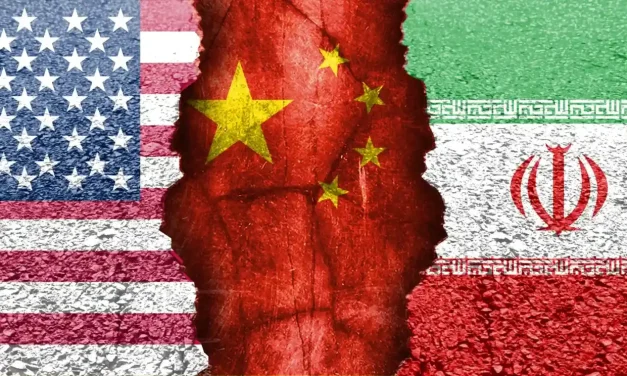
SCFR Online – Opinion: Concurrent with the official commencement of the United States’ economic war against our country, focusing on sanctions instruments, isolation, and economic pressure, what has now become increasingly important is the lack of alignment of other major global powers, especially China, with this policy.

SCFR Online – Opinion: The new US sanctions against Iran, despite extensive propaganda, face serious obstacles to success due to the ineffectiveness of sanctions tools and opposition from some of Tehran’s trading partners.


Online Strategic Council – Interview: A senior West Asia affairs analyst stated that recent developments in West Asia indicate that the region’s security equations have entered a new stage. The Israeli regime’s attack on Qatar, as a security shock, has made the Arab countries of the Persian Gulf aware of new vulnerabilities and forced them to reconsider their defense strategies. Now, relying on American security guarantees no longer seems sufficient, because emerging regional threats have become more complex and multi-layered than in the past. In this context, Pakistan, with its special position as the only atomic power in the Islamic world, has quickly found a strategic place in the security calculations of the Arab countries. The signing of the strategic defense agreement between Riyadh and Islamabad, followed by a military cooperation meeting between Bahrain and Pakistan in Manama, indicates an increasing trend in security convergence. These cooperations are defined not only to strengthen joint deterrence and counter potential threats, especially from the Israeli regime, but also indicate a shift in the balance of power in the region. Pakistan’s entry into the West Asian equations could have broader implications; on the one hand, it could reduce America’s monopoly on providing regional security, and on the other hand, it could create new axes of cooperation among Islamic powers. Thus, by moving closer to Islamabad, Saudi Arabia and Bahrain are seeking to develop an indigenous defense shield which, in addition to guaranteeing their own security, sends a clear message to regional rivals: the power equations are being rewritten and new actors have entered the scene.
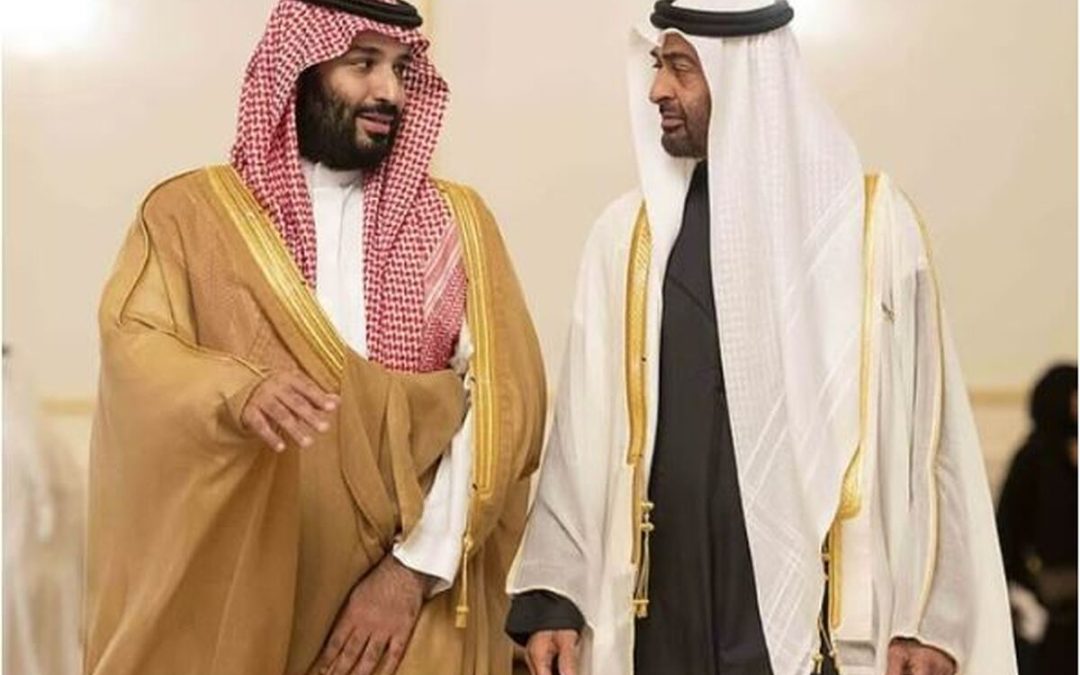
Strategic Council Online: Before the illegitimate attack by the Israeli and American regimes on our country’s nuclear and military centers, Iran’s diplomatic apparatus had adopted an active and multilateral regional policy. This policy aimed to gain and maintain the trust and cooperation of important and influential regional countries, including Saudi Arabia, by keeping them informed about the progress and process of nuclear negotiations with the United States. This policy has proven to be effective. Unlike in previous instances when it was highly likely that these countries would remain silent or even cooperate with attacks on our nuclear facilities, we recently observed a unanimous condemnation of the Israeli regime’s attack on our nation by the Persian Gulf Cooperation Council.
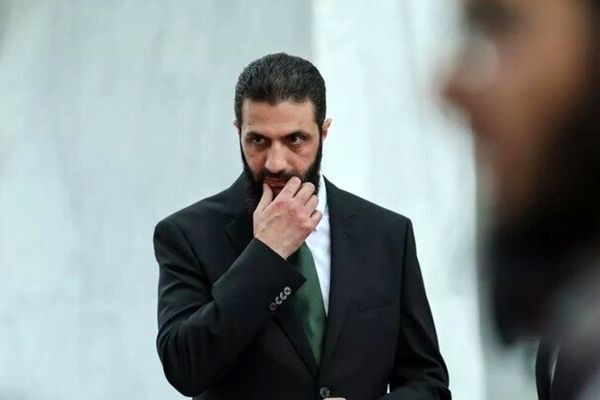
Strategic Council Online – Interview: A regional affairs expert stated that at present, it is impossible to have an accurate prediction whether Syria will move towards stability or another civil war will occur in the country in the next six months to a year.
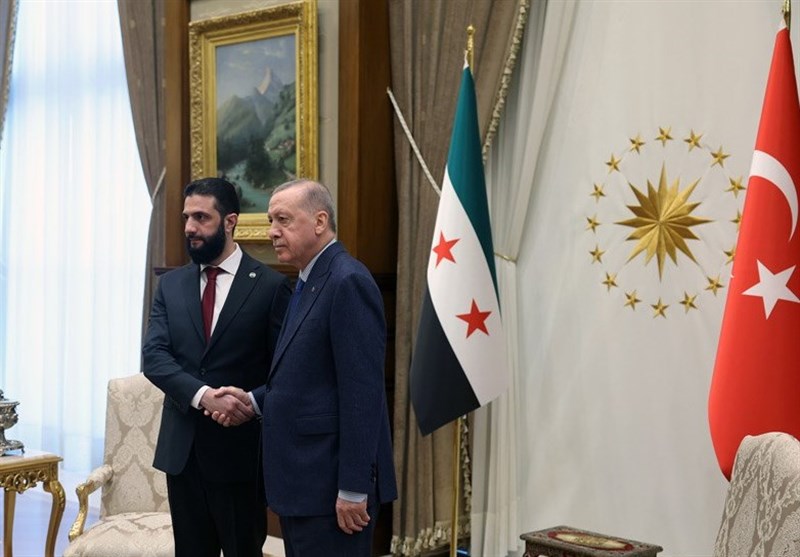
Strategic Council Online– Interview: A West Asia affairs expert stated that despite the internationally brokered ceasefire agreement reached a few days ago in Al-Suwayda, the Israeli regime’s movements in southern Syria continue. In this context, an important issue that has drawn public attention is Turkey’s reaction to these developments. By supporting Ahmed al-Shara (also known as Abu Muhammad al-Julene), Turkey managed to lay the groundwork for the fall of Bashar al-Assad and, in its view, solidify its foothold in the country. However, over the past few weeks, with the Zionist regime’s attacks on positions held by Julani’s forces in Syria and other areas, Ankara’s calculations in Syria have been significantly disrupted.
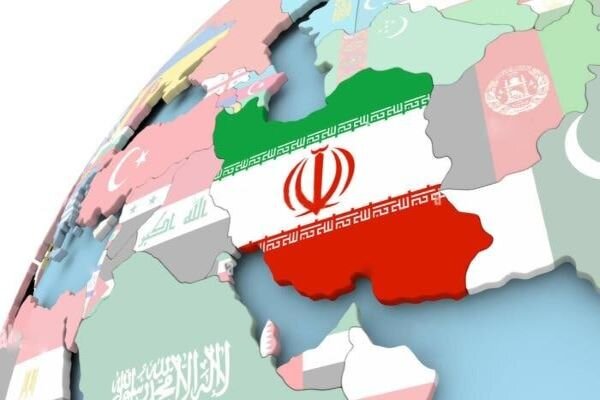
Strategic Council Online– Interview: A West Asia affairs analyst, discussing the role of Iran’s smart diplomacy in turning regional crises into opportunities to strengthen the country’s influence and position in the region, stated: Iran’s multilateral foreign policy can be an effective alternative to Western military interventions, especially at a time when the failures of the U.S. and the Israeli regime have reduced the trust of West Asian countries in them. By consciously leveraging regional capacities and strengthening cooperation, Tehran can play a pivotal role in establishing sustainable stability in the region.

Strategic Council Online – Interview: A senior West Asia analyst stated that The Washington Post recently emphasized in a report that the attacks by the Zionist regime and the U.S. on Iran not only failed in their strategy to isolate Tehran but also altered the perspective of Persian Gulf countries regarding regional threats, identifying the Zionists as the primary destabilizing force in the region.
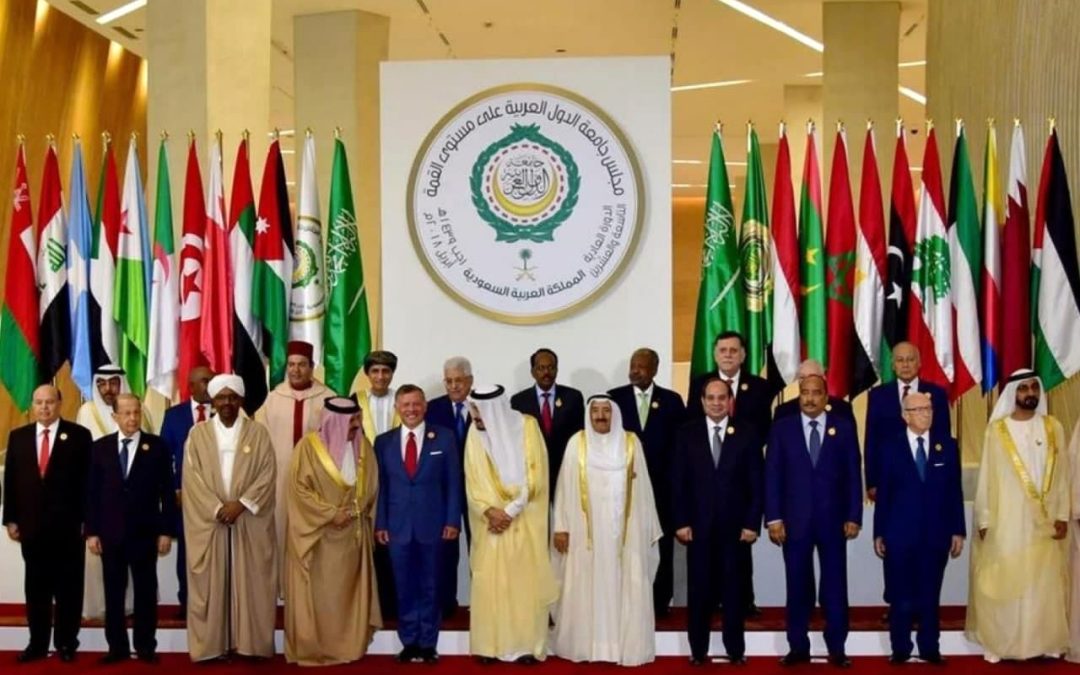
Strategic Council Online – Interview: A faculty member of International Relations at the Institute for Humanities and Cultural Studies stated: The 34th Arab League Summit was held in Baghdad on Saturday, May 17. 2024). In their final statement, Arab leaders called on the international community to pressure the Zionist regime to stop the bloodshed and massacres in Gaza. The summit’s final statement focused on the centrality of the Palestinian issue and the demand for an immediate ceasefire in the Gaza Strip. However, the question remains: Why has this body, aside from issuing a series of ineffective statements, failed to play a role in regional matters?
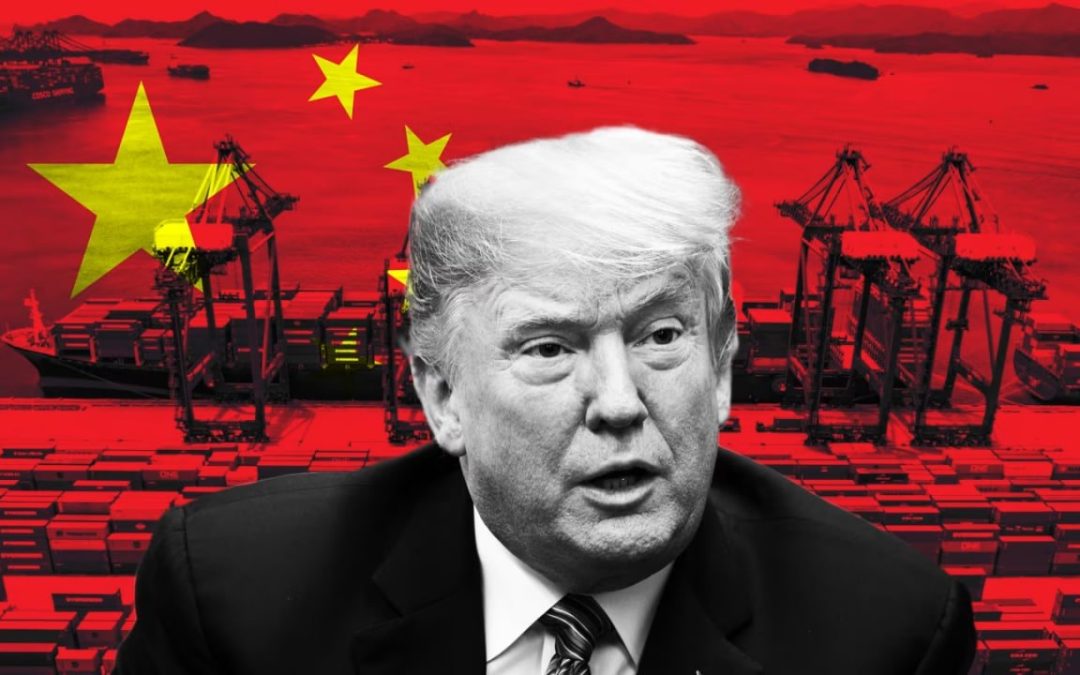
Strategic Council Online – Interview: The Secretary-General of the Iran-China Strategic Studies Think Tank stated that the temporary reduction of tariffs between the U.S. and China will not significantly alleviate the distrust among traders and investors, as U.S.-China trade relations during the Trump era remain highly challenging.
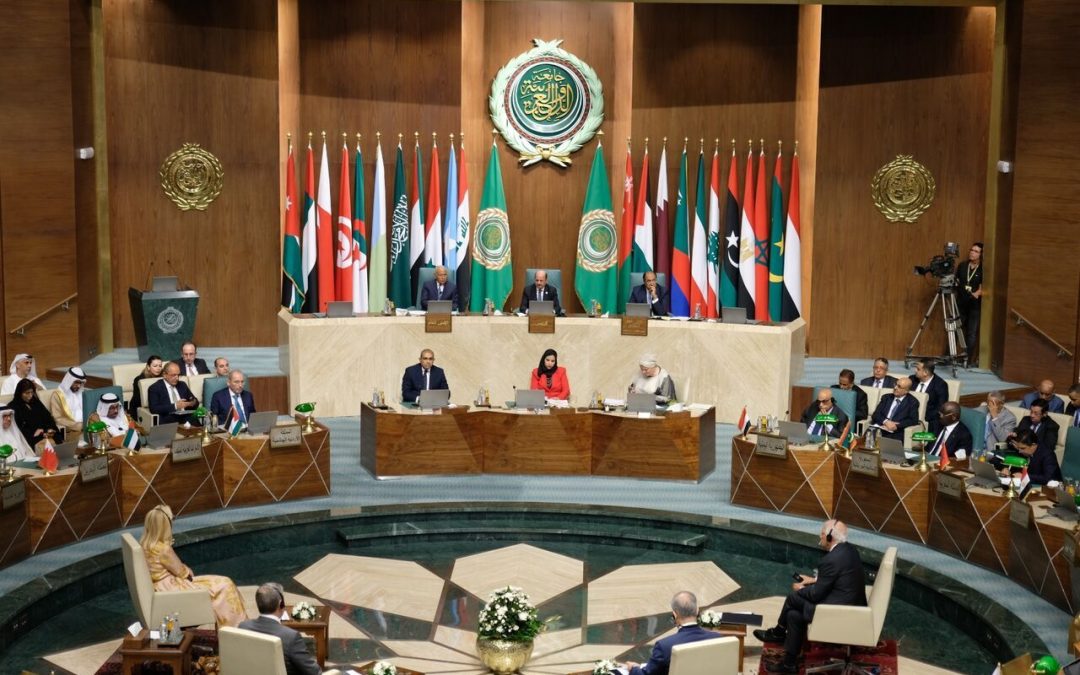
Strategic Council Online – Opinion: Egypt, Jordan, Saudi Arabia, the United Arab Emirates, Qatar, as well as the Palestinian Authority and the Arab League, in a meeting held in Cairo, issued a joint statement rejecting US President Donald Trump’s proposal to transfer Gaza residents to Egypt and Jordan.

Strategic Council Online – Opinion: Emmanuel Macron is the first European head of state to have invited Golani to visit France during a telephone conversation. Golani has previously visited Turkey and Saudi Arabia.
SCFR Online – Opinion: The intensification of U.S. sanctions against Iran on the eve of the U.S. midterm elections indicates Washington’s inability to achieve its war objectives.
SCFR Online – Opinion: The competition between Washington and Beijing over chips and artificial intelligence, simultaneously with the shifting of technological balances, has taken on new economic and security dimensions.
SCFR Online – Opinion: The Shanghai Cooperation Organization summit has created a new opportunity for Iran to transform its membership from a political achievement into economic and transit cooperation.
Strategic Council Online – Note: The Makkah Defense Pact can be seen as a sign of regional countries’ efforts to reduce security dependence on extra-regional powers and redefine the balance in West Asia.
SCFR Online – Opinion: The Ukraine war, by exhausting US military capability on one hand and strengthening European defense capacity on the other, has altered the balance of power in the European continent, cast uncertainty over NATO’s future, and is driving it toward a European NATO.
SCFR Online – Opinion: The dissolution of the SDF, although considered an achievement for Turkey’s security, does not put an end to the challenges arising from the Israeli regime’s aggression and expansionism, refugees, and Syria’s fragility.
SCFR Online – Opinion: Concurrent with the official commencement of the United States’ economic war against our country, focusing on sanctions instruments, isolation, and economic pressure, what has now become increasingly important is the lack of alignment of other major global powers, especially China, with this policy.
SCFR Online – Opinion: The new US sanctions against Iran, despite extensive propaganda, face serious obstacles to success due to the ineffectiveness of sanctions tools and opposition from some of Tehran’s trading partners.
Online Strategic Council – Interview: A senior West Asia affairs analyst stated that recent developments in West Asia indicate that the region’s security equations have entered a new stage. The Israeli regime’s attack on Qatar, as a security shock, has made the Arab countries of the Persian Gulf aware of new vulnerabilities and forced them to reconsider their defense strategies. Now, relying on American security guarantees no longer seems sufficient, because emerging regional threats have become more complex and multi-layered than in the past. In this context, Pakistan, with its special position as the only atomic power in the Islamic world, has quickly found a strategic place in the security calculations of the Arab countries. The signing of the strategic defense agreement between Riyadh and Islamabad, followed by a military cooperation meeting between Bahrain and Pakistan in Manama, indicates an increasing trend in security convergence. These cooperations are defined not only to strengthen joint deterrence and counter potential threats, especially from the Israeli regime, but also indicate a shift in the balance of power in the region. Pakistan’s entry into the West Asian equations could have broader implications; on the one hand, it could reduce America’s monopoly on providing regional security, and on the other hand, it could create new axes of cooperation among Islamic powers. Thus, by moving closer to Islamabad, Saudi Arabia and Bahrain are seeking to develop an indigenous defense shield which, in addition to guaranteeing their own security, sends a clear message to regional rivals: the power equations are being rewritten and new actors have entered the scene.
Strategic Council Online: Before the illegitimate attack by the Israeli and American regimes on our country’s nuclear and military centers, Iran’s diplomatic apparatus had adopted an active and multilateral regional policy. This policy aimed to gain and maintain the trust and cooperation of important and influential regional countries, including Saudi Arabia, by keeping them informed about the progress and process of nuclear negotiations with the United States. This policy has proven to be effective. Unlike in previous instances when it was highly likely that these countries would remain silent or even cooperate with attacks on our nuclear facilities, we recently observed a unanimous condemnation of the Israeli regime’s attack on our nation by the Persian Gulf Cooperation Council.
Strategic Council Online – Interview: A regional affairs expert stated that at present, it is impossible to have an accurate prediction whether Syria will move towards stability or another civil war will occur in the country in the next six months to a year.
Strategic Council Online– Interview: A West Asia affairs expert stated that despite the internationally brokered ceasefire agreement reached a few days ago in Al-Suwayda, the Israeli regime’s movements in southern Syria continue. In this context, an important issue that has drawn public attention is Turkey’s reaction to these developments. By supporting Ahmed al-Shara (also known as Abu Muhammad al-Julene), Turkey managed to lay the groundwork for the fall of Bashar al-Assad and, in its view, solidify its foothold in the country. However, over the past few weeks, with the Zionist regime’s attacks on positions held by Julani’s forces in Syria and other areas, Ankara’s calculations in Syria have been significantly disrupted.
Strategic Council Online– Interview: A West Asia affairs analyst, discussing the role of Iran’s smart diplomacy in turning regional crises into opportunities to strengthen the country’s influence and position in the region, stated: Iran’s multilateral foreign policy can be an effective alternative to Western military interventions, especially at a time when the failures of the U.S. and the Israeli regime have reduced the trust of West Asian countries in them. By consciously leveraging regional capacities and strengthening cooperation, Tehran can play a pivotal role in establishing sustainable stability in the region.
Strategic Council Online – Interview: A senior West Asia analyst stated that The Washington Post recently emphasized in a report that the attacks by the Zionist regime and the U.S. on Iran not only failed in their strategy to isolate Tehran but also altered the perspective of Persian Gulf countries regarding regional threats, identifying the Zionists as the primary destabilizing force in the region.
Strategic Council Online – Interview: A faculty member of International Relations at the Institute for Humanities and Cultural Studies stated: The 34th Arab League Summit was held in Baghdad on Saturday, May 17. 2024). In their final statement, Arab leaders called on the international community to pressure the Zionist regime to stop the bloodshed and massacres in Gaza. The summit’s final statement focused on the centrality of the Palestinian issue and the demand for an immediate ceasefire in the Gaza Strip. However, the question remains: Why has this body, aside from issuing a series of ineffective statements, failed to play a role in regional matters?
Strategic Council Online – Interview: The Secretary-General of the Iran-China Strategic Studies Think Tank stated that the temporary reduction of tariffs between the U.S. and China will not significantly alleviate the distrust among traders and investors, as U.S.-China trade relations during the Trump era remain highly challenging.
Strategic Council Online – Opinion: Egypt, Jordan, Saudi Arabia, the United Arab Emirates, Qatar, as well as the Palestinian Authority and the Arab League, in a meeting held in Cairo, issued a joint statement rejecting US President Donald Trump’s proposal to transfer Gaza residents to Egypt and Jordan.
Strategic Council Online – Opinion: Emmanuel Macron is the first European head of state to have invited Golani to visit France during a telephone conversation. Golani has previously visited Turkey and Saudi Arabia.
Online Strategic Council – Interview: A senior West Asia affairs analyst stated that recent developments in West Asia indicate that the region’s security equations have entered a new stage. The Israeli regime’s attack on Qatar, as a security shock, has made the Arab countries of the Persian Gulf aware of new vulnerabilities and forced them to reconsider their defense strategies. Now, relying on American security guarantees no longer seems sufficient, because emerging regional threats have become more complex and multi-layered than in the past. In this context, Pakistan, with its special position as the only atomic power in the Islamic world, has quickly found a strategic place in the security calculations of the Arab countries. The signing of the strategic defense agreement between Riyadh and Islamabad, followed by a military cooperation meeting between Bahrain and Pakistan in Manama, indicates an increasing trend in security convergence. These cooperations are defined not only to strengthen joint deterrence and counter potential threats, especially from the Israeli regime, but also indicate a shift in the balance of power in the region. Pakistan’s entry into the West Asian equations could have broader implications; on the one hand, it could reduce America’s monopoly on providing regional security, and on the other hand, it could create new axes of cooperation among Islamic powers. Thus, by moving closer to Islamabad, Saudi Arabia and Bahrain are seeking to develop an indigenous defense shield which, in addition to guaranteeing their own security, sends a clear message to regional rivals: the power equations are being rewritten and new actors have entered the scene.
Strategic Council Online: Before the illegitimate attack by the Israeli and American regimes on our country’s nuclear and military centers, Iran’s diplomatic apparatus had adopted an active and multilateral regional policy. This policy aimed to gain and maintain the trust and cooperation of important and influential regional countries, including Saudi Arabia, by keeping them informed about the progress and process of nuclear negotiations with the United States. This policy has proven to be effective. Unlike in previous instances when it was highly likely that these countries would remain silent or even cooperate with attacks on our nuclear facilities, we recently observed a unanimous condemnation of the Israeli regime’s attack on our nation by the Persian Gulf Cooperation Council.
Strategic Council Online – Interview: A regional affairs expert stated that at present, it is impossible to have an accurate prediction whether Syria will move towards stability or another civil war will occur in the country in the next six months to a year.
Strategic Council Online– Interview: A West Asia affairs expert stated that despite the internationally brokered ceasefire agreement reached a few days ago in Al-Suwayda, the Israeli regime’s movements in southern Syria continue. In this context, an important issue that has drawn public attention is Turkey’s reaction to these developments. By supporting Ahmed al-Shara (also known as Abu Muhammad al-Julene), Turkey managed to lay the groundwork for the fall of Bashar al-Assad and, in its view, solidify its foothold in the country. However, over the past few weeks, with the Zionist regime’s attacks on positions held by Julani’s forces in Syria and other areas, Ankara’s calculations in Syria have been significantly disrupted.
Strategic Council Online– Interview: A West Asia affairs analyst, discussing the role of Iran’s smart diplomacy in turning regional crises into opportunities to strengthen the country’s influence and position in the region, stated: Iran’s multilateral foreign policy can be an effective alternative to Western military interventions, especially at a time when the failures of the U.S. and the Israeli regime have reduced the trust of West Asian countries in them. By consciously leveraging regional capacities and strengthening cooperation, Tehran can play a pivotal role in establishing sustainable stability in the region.
Strategic Council Online – Interview: A senior West Asia analyst stated that The Washington Post recently emphasized in a report that the attacks by the Zionist regime and the U.S. on Iran not only failed in their strategy to isolate Tehran but also altered the perspective of Persian Gulf countries regarding regional threats, identifying the Zionists as the primary destabilizing force in the region.
Strategic Council Online – Interview: A faculty member of International Relations at the Institute for Humanities and Cultural Studies stated: The 34th Arab League Summit was held in Baghdad on Saturday, May 17. 2024). In their final statement, Arab leaders called on the international community to pressure the Zionist regime to stop the bloodshed and massacres in Gaza. The summit’s final statement focused on the centrality of the Palestinian issue and the demand for an immediate ceasefire in the Gaza Strip. However, the question remains: Why has this body, aside from issuing a series of ineffective statements, failed to play a role in regional matters?
Strategic Council Online – Interview: The Secretary-General of the Iran-China Strategic Studies Think Tank stated that the temporary reduction of tariffs between the U.S. and China will not significantly alleviate the distrust among traders and investors, as U.S.-China trade relations during the Trump era remain highly challenging.
Strategic Council Online – Opinion: Egypt, Jordan, Saudi Arabia, the United Arab Emirates, Qatar, as well as the Palestinian Authority and the Arab League, in a meeting held in Cairo, issued a joint statement rejecting US President Donald Trump’s proposal to transfer Gaza residents to Egypt and Jordan.
Strategic Council Online – Opinion: Emmanuel Macron is the first European head of state to have invited Golani to visit France during a telephone conversation. Golani has previously visited Turkey and Saudi Arabia.
SCFR Online – Opinion: The intensification of U.S. sanctions against Iran on the eve of the U.S. midterm elections indicates Washington’s inability to achieve its war objectives.
SCFR Online – Opinion: The competition between Washington and Beijing over chips and artificial intelligence, simultaneously with the shifting of technological balances, has taken on new economic and security dimensions.
SCFR Online – Opinion: The Shanghai Cooperation Organization summit has created a new opportunity for Iran to transform its membership from a political achievement into economic and transit cooperation.
Strategic Council Online – Note: The Makkah Defense Pact can be seen as a sign of regional countries’ efforts to reduce security dependence on extra-regional powers and redefine the balance in West Asia.
SCFR Online – Opinion: The Ukraine war, by exhausting US military capability on one hand and strengthening European defense capacity on the other, has altered the balance of power in the European continent, cast uncertainty over NATO’s future, and is driving it toward a European NATO.
SCFR Online – Opinion: The dissolution of the SDF, although considered an achievement for Turkey’s security, does not put an end to the challenges arising from the Israeli regime’s aggression and expansionism, refugees, and Syria’s fragility.
SCFR Online – Opinion: Concurrent with the official commencement of the United States’ economic war against our country, focusing on sanctions instruments, isolation, and economic pressure, what has now become increasingly important is the lack of alignment of other major global powers, especially China, with this policy.
SCFR Online – Opinion: The new US sanctions against Iran, despite extensive propaganda, face serious obstacles to success due to the ineffectiveness of sanctions tools and opposition from some of Tehran’s trading partners.
Online Strategic Council – Interview: A senior West Asia affairs analyst stated that recent developments in West Asia indicate that the region’s security equations have entered a new stage. The Israeli regime’s attack on Qatar, as a security shock, has made the Arab countries of the Persian Gulf aware of new vulnerabilities and forced them to reconsider their defense strategies. Now, relying on American security guarantees no longer seems sufficient, because emerging regional threats have become more complex and multi-layered than in the past. In this context, Pakistan, with its special position as the only atomic power in the Islamic world, has quickly found a strategic place in the security calculations of the Arab countries. The signing of the strategic defense agreement between Riyadh and Islamabad, followed by a military cooperation meeting between Bahrain and Pakistan in Manama, indicates an increasing trend in security convergence. These cooperations are defined not only to strengthen joint deterrence and counter potential threats, especially from the Israeli regime, but also indicate a shift in the balance of power in the region. Pakistan’s entry into the West Asian equations could have broader implications; on the one hand, it could reduce America’s monopoly on providing regional security, and on the other hand, it could create new axes of cooperation among Islamic powers. Thus, by moving closer to Islamabad, Saudi Arabia and Bahrain are seeking to develop an indigenous defense shield which, in addition to guaranteeing their own security, sends a clear message to regional rivals: the power equations are being rewritten and new actors have entered the scene.
Strategic Council Online: Before the illegitimate attack by the Israeli and American regimes on our country’s nuclear and military centers, Iran’s diplomatic apparatus had adopted an active and multilateral regional policy. This policy aimed to gain and maintain the trust and cooperation of important and influential regional countries, including Saudi Arabia, by keeping them informed about the progress and process of nuclear negotiations with the United States. This policy has proven to be effective. Unlike in previous instances when it was highly likely that these countries would remain silent or even cooperate with attacks on our nuclear facilities, we recently observed a unanimous condemnation of the Israeli regime’s attack on our nation by the Persian Gulf Cooperation Council.
Strategic Council Online – Interview: A regional affairs expert stated that at present, it is impossible to have an accurate prediction whether Syria will move towards stability or another civil war will occur in the country in the next six months to a year.
Strategic Council Online– Interview: A West Asia affairs expert stated that despite the internationally brokered ceasefire agreement reached a few days ago in Al-Suwayda, the Israeli regime’s movements in southern Syria continue. In this context, an important issue that has drawn public attention is Turkey’s reaction to these developments. By supporting Ahmed al-Shara (also known as Abu Muhammad al-Julene), Turkey managed to lay the groundwork for the fall of Bashar al-Assad and, in its view, solidify its foothold in the country. However, over the past few weeks, with the Zionist regime’s attacks on positions held by Julani’s forces in Syria and other areas, Ankara’s calculations in Syria have been significantly disrupted.
Strategic Council Online– Interview: A West Asia affairs analyst, discussing the role of Iran’s smart diplomacy in turning regional crises into opportunities to strengthen the country’s influence and position in the region, stated: Iran’s multilateral foreign policy can be an effective alternative to Western military interventions, especially at a time when the failures of the U.S. and the Israeli regime have reduced the trust of West Asian countries in them. By consciously leveraging regional capacities and strengthening cooperation, Tehran can play a pivotal role in establishing sustainable stability in the region.
Strategic Council Online – Interview: A senior West Asia analyst stated that The Washington Post recently emphasized in a report that the attacks by the Zionist regime and the U.S. on Iran not only failed in their strategy to isolate Tehran but also altered the perspective of Persian Gulf countries regarding regional threats, identifying the Zionists as the primary destabilizing force in the region.
Strategic Council Online – Interview: A faculty member of International Relations at the Institute for Humanities and Cultural Studies stated: The 34th Arab League Summit was held in Baghdad on Saturday, May 17. 2024). In their final statement, Arab leaders called on the international community to pressure the Zionist regime to stop the bloodshed and massacres in Gaza. The summit’s final statement focused on the centrality of the Palestinian issue and the demand for an immediate ceasefire in the Gaza Strip. However, the question remains: Why has this body, aside from issuing a series of ineffective statements, failed to play a role in regional matters?
Strategic Council Online – Interview: The Secretary-General of the Iran-China Strategic Studies Think Tank stated that the temporary reduction of tariffs between the U.S. and China will not significantly alleviate the distrust among traders and investors, as U.S.-China trade relations during the Trump era remain highly challenging.
Strategic Council Online – Opinion: Egypt, Jordan, Saudi Arabia, the United Arab Emirates, Qatar, as well as the Palestinian Authority and the Arab League, in a meeting held in Cairo, issued a joint statement rejecting US President Donald Trump’s proposal to transfer Gaza residents to Egypt and Jordan.
Strategic Council Online – Opinion: Emmanuel Macron is the first European head of state to have invited Golani to visit France during a telephone conversation. Golani has previously visited Turkey and Saudi Arabia.
SCFR Online – Opinion: The intensification of U.S. sanctions against Iran on the eve of the U.S. midterm elections indicates Washington’s inability to achieve its war objectives.
SCFR Online – Opinion: The competition between Washington and Beijing over chips and artificial intelligence, simultaneously with the shifting of technological balances, has taken on new economic and security dimensions.
SCFR Online – Opinion: The Shanghai Cooperation Organization summit has created a new opportunity for Iran to transform its membership from a political achievement into economic and transit cooperation.
Strategic Council Online – Note: The Makkah Defense Pact can be seen as a sign of regional countries’ efforts to reduce security dependence on extra-regional powers and redefine the balance in West Asia.
SCFR Online – Opinion: The Ukraine war, by exhausting US military capability on one hand and strengthening European defense capacity on the other, has altered the balance of power in the European continent, cast uncertainty over NATO’s future, and is driving it toward a European NATO.
SCFR Online – Opinion: The dissolution of the SDF, although considered an achievement for Turkey’s security, does not put an end to the challenges arising from the Israeli regime’s aggression and expansionism, refugees, and Syria’s fragility.
SCFR Online – Opinion: Concurrent with the official commencement of the United States’ economic war against our country, focusing on sanctions instruments, isolation, and economic pressure, what has now become increasingly important is the lack of alignment of other major global powers, especially China, with this policy.
SCFR Online – Opinion: The new US sanctions against Iran, despite extensive propaganda, face serious obstacles to success due to the ineffectiveness of sanctions tools and opposition from some of Tehran’s trading partners.
Online Strategic Council – Interview: A senior West Asia affairs analyst stated that recent developments in West Asia indicate that the region’s security equations have entered a new stage. The Israeli regime’s attack on Qatar, as a security shock, has made the Arab countries of the Persian Gulf aware of new vulnerabilities and forced them to reconsider their defense strategies. Now, relying on American security guarantees no longer seems sufficient, because emerging regional threats have become more complex and multi-layered than in the past. In this context, Pakistan, with its special position as the only atomic power in the Islamic world, has quickly found a strategic place in the security calculations of the Arab countries. The signing of the strategic defense agreement between Riyadh and Islamabad, followed by a military cooperation meeting between Bahrain and Pakistan in Manama, indicates an increasing trend in security convergence. These cooperations are defined not only to strengthen joint deterrence and counter potential threats, especially from the Israeli regime, but also indicate a shift in the balance of power in the region. Pakistan’s entry into the West Asian equations could have broader implications; on the one hand, it could reduce America’s monopoly on providing regional security, and on the other hand, it could create new axes of cooperation among Islamic powers. Thus, by moving closer to Islamabad, Saudi Arabia and Bahrain are seeking to develop an indigenous defense shield which, in addition to guaranteeing their own security, sends a clear message to regional rivals: the power equations are being rewritten and new actors have entered the scene.
Strategic Council Online: Before the illegitimate attack by the Israeli and American regimes on our country’s nuclear and military centers, Iran’s diplomatic apparatus had adopted an active and multilateral regional policy. This policy aimed to gain and maintain the trust and cooperation of important and influential regional countries, including Saudi Arabia, by keeping them informed about the progress and process of nuclear negotiations with the United States. This policy has proven to be effective. Unlike in previous instances when it was highly likely that these countries would remain silent or even cooperate with attacks on our nuclear facilities, we recently observed a unanimous condemnation of the Israeli regime’s attack on our nation by the Persian Gulf Cooperation Council.
Strategic Council Online – Interview: A regional affairs expert stated that at present, it is impossible to have an accurate prediction whether Syria will move towards stability or another civil war will occur in the country in the next six months to a year.
Strategic Council Online– Interview: A West Asia affairs expert stated that despite the internationally brokered ceasefire agreement reached a few days ago in Al-Suwayda, the Israeli regime’s movements in southern Syria continue. In this context, an important issue that has drawn public attention is Turkey’s reaction to these developments. By supporting Ahmed al-Shara (also known as Abu Muhammad al-Julene), Turkey managed to lay the groundwork for the fall of Bashar al-Assad and, in its view, solidify its foothold in the country. However, over the past few weeks, with the Zionist regime’s attacks on positions held by Julani’s forces in Syria and other areas, Ankara’s calculations in Syria have been significantly disrupted.
Strategic Council Online– Interview: A West Asia affairs analyst, discussing the role of Iran’s smart diplomacy in turning regional crises into opportunities to strengthen the country’s influence and position in the region, stated: Iran’s multilateral foreign policy can be an effective alternative to Western military interventions, especially at a time when the failures of the U.S. and the Israeli regime have reduced the trust of West Asian countries in them. By consciously leveraging regional capacities and strengthening cooperation, Tehran can play a pivotal role in establishing sustainable stability in the region.
Strategic Council Online – Interview: A senior West Asia analyst stated that The Washington Post recently emphasized in a report that the attacks by the Zionist regime and the U.S. on Iran not only failed in their strategy to isolate Tehran but also altered the perspective of Persian Gulf countries regarding regional threats, identifying the Zionists as the primary destabilizing force in the region.
Strategic Council Online – Interview: A faculty member of International Relations at the Institute for Humanities and Cultural Studies stated: The 34th Arab League Summit was held in Baghdad on Saturday, May 17. 2024). In their final statement, Arab leaders called on the international community to pressure the Zionist regime to stop the bloodshed and massacres in Gaza. The summit’s final statement focused on the centrality of the Palestinian issue and the demand for an immediate ceasefire in the Gaza Strip. However, the question remains: Why has this body, aside from issuing a series of ineffective statements, failed to play a role in regional matters?
Strategic Council Online – Interview: The Secretary-General of the Iran-China Strategic Studies Think Tank stated that the temporary reduction of tariffs between the U.S. and China will not significantly alleviate the distrust among traders and investors, as U.S.-China trade relations during the Trump era remain highly challenging.
Strategic Council Online – Opinion: Egypt, Jordan, Saudi Arabia, the United Arab Emirates, Qatar, as well as the Palestinian Authority and the Arab League, in a meeting held in Cairo, issued a joint statement rejecting US President Donald Trump’s proposal to transfer Gaza residents to Egypt and Jordan.
Strategic Council Online – Opinion: Emmanuel Macron is the first European head of state to have invited Golani to visit France during a telephone conversation. Golani has previously visited Turkey and Saudi Arabia.
SCFR Online – Opinion: The intensification of U.S. sanctions against Iran on the eve of the U.S. midterm elections indicates Washington’s inability to achieve its war objectives.
SCFR Online – Opinion: The competition between Washington and Beijing over chips and artificial intelligence, simultaneously with the shifting of technological balances, has taken on new economic and security dimensions.
SCFR Online – Opinion: The Shanghai Cooperation Organization summit has created a new opportunity for Iran to transform its membership from a political achievement into economic and transit cooperation.
Strategic Council Online – Note: The Makkah Defense Pact can be seen as a sign of regional countries’ efforts to reduce security dependence on extra-regional powers and redefine the balance in West Asia.
SCFR Online – Opinion: The Ukraine war, by exhausting US military capability on one hand and strengthening European defense capacity on the other, has altered the balance of power in the European continent, cast uncertainty over NATO’s future, and is driving it toward a European NATO.
SCFR Online – Opinion: The dissolution of the SDF, although considered an achievement for Turkey’s security, does not put an end to the challenges arising from the Israeli regime’s aggression and expansionism, refugees, and Syria’s fragility.
SCFR Online – Opinion: Concurrent with the official commencement of the United States’ economic war against our country, focusing on sanctions instruments, isolation, and economic pressure, what has now become increasingly important is the lack of alignment of other major global powers, especially China, with this policy.
SCFR Online – Opinion: The new US sanctions against Iran, despite extensive propaganda, face serious obstacles to success due to the ineffectiveness of sanctions tools and opposition from some of Tehran’s trading partners.
Online Strategic Council – Interview: A senior West Asia affairs analyst stated that recent developments in West Asia indicate that the region’s security equations have entered a new stage. The Israeli regime’s attack on Qatar, as a security shock, has made the Arab countries of the Persian Gulf aware of new vulnerabilities and forced them to reconsider their defense strategies. Now, relying on American security guarantees no longer seems sufficient, because emerging regional threats have become more complex and multi-layered than in the past. In this context, Pakistan, with its special position as the only atomic power in the Islamic world, has quickly found a strategic place in the security calculations of the Arab countries. The signing of the strategic defense agreement between Riyadh and Islamabad, followed by a military cooperation meeting between Bahrain and Pakistan in Manama, indicates an increasing trend in security convergence. These cooperations are defined not only to strengthen joint deterrence and counter potential threats, especially from the Israeli regime, but also indicate a shift in the balance of power in the region. Pakistan’s entry into the West Asian equations could have broader implications; on the one hand, it could reduce America’s monopoly on providing regional security, and on the other hand, it could create new axes of cooperation among Islamic powers. Thus, by moving closer to Islamabad, Saudi Arabia and Bahrain are seeking to develop an indigenous defense shield which, in addition to guaranteeing their own security, sends a clear message to regional rivals: the power equations are being rewritten and new actors have entered the scene.
Strategic Council Online: Before the illegitimate attack by the Israeli and American regimes on our country’s nuclear and military centers, Iran’s diplomatic apparatus had adopted an active and multilateral regional policy. This policy aimed to gain and maintain the trust and cooperation of important and influential regional countries, including Saudi Arabia, by keeping them informed about the progress and process of nuclear negotiations with the United States. This policy has proven to be effective. Unlike in previous instances when it was highly likely that these countries would remain silent or even cooperate with attacks on our nuclear facilities, we recently observed a unanimous condemnation of the Israeli regime’s attack on our nation by the Persian Gulf Cooperation Council.
Strategic Council Online – Interview: A regional affairs expert stated that at present, it is impossible to have an accurate prediction whether Syria will move towards stability or another civil war will occur in the country in the next six months to a year.
Strategic Council Online– Interview: A West Asia affairs expert stated that despite the internationally brokered ceasefire agreement reached a few days ago in Al-Suwayda, the Israeli regime’s movements in southern Syria continue. In this context, an important issue that has drawn public attention is Turkey’s reaction to these developments. By supporting Ahmed al-Shara (also known as Abu Muhammad al-Julene), Turkey managed to lay the groundwork for the fall of Bashar al-Assad and, in its view, solidify its foothold in the country. However, over the past few weeks, with the Zionist regime’s attacks on positions held by Julani’s forces in Syria and other areas, Ankara’s calculations in Syria have been significantly disrupted.
Strategic Council Online– Interview: A West Asia affairs analyst, discussing the role of Iran’s smart diplomacy in turning regional crises into opportunities to strengthen the country’s influence and position in the region, stated: Iran’s multilateral foreign policy can be an effective alternative to Western military interventions, especially at a time when the failures of the U.S. and the Israeli regime have reduced the trust of West Asian countries in them. By consciously leveraging regional capacities and strengthening cooperation, Tehran can play a pivotal role in establishing sustainable stability in the region.
Strategic Council Online – Interview: A senior West Asia analyst stated that The Washington Post recently emphasized in a report that the attacks by the Zionist regime and the U.S. on Iran not only failed in their strategy to isolate Tehran but also altered the perspective of Persian Gulf countries regarding regional threats, identifying the Zionists as the primary destabilizing force in the region.
Strategic Council Online – Interview: A faculty member of International Relations at the Institute for Humanities and Cultural Studies stated: The 34th Arab League Summit was held in Baghdad on Saturday, May 17. 2024). In their final statement, Arab leaders called on the international community to pressure the Zionist regime to stop the bloodshed and massacres in Gaza. The summit’s final statement focused on the centrality of the Palestinian issue and the demand for an immediate ceasefire in the Gaza Strip. However, the question remains: Why has this body, aside from issuing a series of ineffective statements, failed to play a role in regional matters?
Strategic Council Online – Interview: The Secretary-General of the Iran-China Strategic Studies Think Tank stated that the temporary reduction of tariffs between the U.S. and China will not significantly alleviate the distrust among traders and investors, as U.S.-China trade relations during the Trump era remain highly challenging.
Strategic Council Online – Opinion: Egypt, Jordan, Saudi Arabia, the United Arab Emirates, Qatar, as well as the Palestinian Authority and the Arab League, in a meeting held in Cairo, issued a joint statement rejecting US President Donald Trump’s proposal to transfer Gaza residents to Egypt and Jordan.
Strategic Council Online – Opinion: Emmanuel Macron is the first European head of state to have invited Golani to visit France during a telephone conversation. Golani has previously visited Turkey and Saudi Arabia.
SCFR Online – Opinion: The intensification of U.S. sanctions against Iran on the eve of the U.S. midterm elections indicates Washington’s inability to achieve its war objectives.
SCFR Online – Opinion: The competition between Washington and Beijing over chips and artificial intelligence, simultaneously with the shifting of technological balances, has taken on new economic and security dimensions.
SCFR Online – Opinion: The Shanghai Cooperation Organization summit has created a new opportunity for Iran to transform its membership from a political achievement into economic and transit cooperation.
Strategic Council Online – Note: The Makkah Defense Pact can be seen as a sign of regional countries’ efforts to reduce security dependence on extra-regional powers and redefine the balance in West Asia.
SCFR Online – Opinion: The Ukraine war, by exhausting US military capability on one hand and strengthening European defense capacity on the other, has altered the balance of power in the European continent, cast uncertainty over NATO’s future, and is driving it toward a European NATO.
SCFR Online – Opinion: The dissolution of the SDF, although considered an achievement for Turkey’s security, does not put an end to the challenges arising from the Israeli regime’s aggression and expansionism, refugees, and Syria’s fragility.
SCFR Online – Opinion: Concurrent with the official commencement of the United States’ economic war against our country, focusing on sanctions instruments, isolation, and economic pressure, what has now become increasingly important is the lack of alignment of other major global powers, especially China, with this policy.
SCFR Online – Opinion: The new US sanctions against Iran, despite extensive propaganda, face serious obstacles to success due to the ineffectiveness of sanctions tools and opposition from some of Tehran’s trading partners.
Online Strategic Council – Interview: A senior West Asia affairs analyst stated that recent developments in West Asia indicate that the region’s security equations have entered a new stage. The Israeli regime’s attack on Qatar, as a security shock, has made the Arab countries of the Persian Gulf aware of new vulnerabilities and forced them to reconsider their defense strategies. Now, relying on American security guarantees no longer seems sufficient, because emerging regional threats have become more complex and multi-layered than in the past. In this context, Pakistan, with its special position as the only atomic power in the Islamic world, has quickly found a strategic place in the security calculations of the Arab countries. The signing of the strategic defense agreement between Riyadh and Islamabad, followed by a military cooperation meeting between Bahrain and Pakistan in Manama, indicates an increasing trend in security convergence. These cooperations are defined not only to strengthen joint deterrence and counter potential threats, especially from the Israeli regime, but also indicate a shift in the balance of power in the region. Pakistan’s entry into the West Asian equations could have broader implications; on the one hand, it could reduce America’s monopoly on providing regional security, and on the other hand, it could create new axes of cooperation among Islamic powers. Thus, by moving closer to Islamabad, Saudi Arabia and Bahrain are seeking to develop an indigenous defense shield which, in addition to guaranteeing their own security, sends a clear message to regional rivals: the power equations are being rewritten and new actors have entered the scene.
Strategic Council Online: Before the illegitimate attack by the Israeli and American regimes on our country’s nuclear and military centers, Iran’s diplomatic apparatus had adopted an active and multilateral regional policy. This policy aimed to gain and maintain the trust and cooperation of important and influential regional countries, including Saudi Arabia, by keeping them informed about the progress and process of nuclear negotiations with the United States. This policy has proven to be effective. Unlike in previous instances when it was highly likely that these countries would remain silent or even cooperate with attacks on our nuclear facilities, we recently observed a unanimous condemnation of the Israeli regime’s attack on our nation by the Persian Gulf Cooperation Council.
Strategic Council Online – Interview: A regional affairs expert stated that at present, it is impossible to have an accurate prediction whether Syria will move towards stability or another civil war will occur in the country in the next six months to a year.
Strategic Council Online– Interview: A West Asia affairs expert stated that despite the internationally brokered ceasefire agreement reached a few days ago in Al-Suwayda, the Israeli regime’s movements in southern Syria continue. In this context, an important issue that has drawn public attention is Turkey’s reaction to these developments. By supporting Ahmed al-Shara (also known as Abu Muhammad al-Julene), Turkey managed to lay the groundwork for the fall of Bashar al-Assad and, in its view, solidify its foothold in the country. However, over the past few weeks, with the Zionist regime’s attacks on positions held by Julani’s forces in Syria and other areas, Ankara’s calculations in Syria have been significantly disrupted.
Strategic Council Online– Interview: A West Asia affairs analyst, discussing the role of Iran’s smart diplomacy in turning regional crises into opportunities to strengthen the country’s influence and position in the region, stated: Iran’s multilateral foreign policy can be an effective alternative to Western military interventions, especially at a time when the failures of the U.S. and the Israeli regime have reduced the trust of West Asian countries in them. By consciously leveraging regional capacities and strengthening cooperation, Tehran can play a pivotal role in establishing sustainable stability in the region.
Strategic Council Online – Interview: A senior West Asia analyst stated that The Washington Post recently emphasized in a report that the attacks by the Zionist regime and the U.S. on Iran not only failed in their strategy to isolate Tehran but also altered the perspective of Persian Gulf countries regarding regional threats, identifying the Zionists as the primary destabilizing force in the region.
Strategic Council Online – Interview: A faculty member of International Relations at the Institute for Humanities and Cultural Studies stated: The 34th Arab League Summit was held in Baghdad on Saturday, May 17. 2024). In their final statement, Arab leaders called on the international community to pressure the Zionist regime to stop the bloodshed and massacres in Gaza. The summit’s final statement focused on the centrality of the Palestinian issue and the demand for an immediate ceasefire in the Gaza Strip. However, the question remains: Why has this body, aside from issuing a series of ineffective statements, failed to play a role in regional matters?
Strategic Council Online – Interview: The Secretary-General of the Iran-China Strategic Studies Think Tank stated that the temporary reduction of tariffs between the U.S. and China will not significantly alleviate the distrust among traders and investors, as U.S.-China trade relations during the Trump era remain highly challenging.
Strategic Council Online – Opinion: Egypt, Jordan, Saudi Arabia, the United Arab Emirates, Qatar, as well as the Palestinian Authority and the Arab League, in a meeting held in Cairo, issued a joint statement rejecting US President Donald Trump’s proposal to transfer Gaza residents to Egypt and Jordan.
Strategic Council Online – Opinion: Emmanuel Macron is the first European head of state to have invited Golani to visit France during a telephone conversation. Golani has previously visited Turkey and Saudi Arabia.
SCFR Online – Opinion: The intensification of U.S. sanctions against Iran on the eve of the U.S. midterm elections indicates Washington’s inability to achieve its war objectives.
SCFR Online – Opinion: The competition between Washington and Beijing over chips and artificial intelligence, simultaneously with the shifting of technological balances, has taken on new economic and security dimensions.
SCFR Online – Opinion: The Shanghai Cooperation Organization summit has created a new opportunity for Iran to transform its membership from a political achievement into economic and transit cooperation.
Strategic Council Online – Note: The Makkah Defense Pact can be seen as a sign of regional countries’ efforts to reduce security dependence on extra-regional powers and redefine the balance in West Asia.
SCFR Online – Opinion: The Ukraine war, by exhausting US military capability on one hand and strengthening European defense capacity on the other, has altered the balance of power in the European continent, cast uncertainty over NATO’s future, and is driving it toward a European NATO.
SCFR Online – Opinion: The dissolution of the SDF, although considered an achievement for Turkey’s security, does not put an end to the challenges arising from the Israeli regime’s aggression and expansionism, refugees, and Syria’s fragility.
SCFR Online – Opinion: Concurrent with the official commencement of the United States’ economic war against our country, focusing on sanctions instruments, isolation, and economic pressure, what has now become increasingly important is the lack of alignment of other major global powers, especially China, with this policy.
SCFR Online – Opinion: The new US sanctions against Iran, despite extensive propaganda, face serious obstacles to success due to the ineffectiveness of sanctions tools and opposition from some of Tehran’s trading partners.