جدیدترین مطالب

Increasing criticism of the extensive Zionist lobby network

SCFR Online – Opinion: An examination of the mechanisms of the Israeli regime’s influence in the United States depicts a complex picture of shared interests, strategic dependencies, and the limitations of this relationship.

Realities of the Tripartite Makkah Pact

SCFR Online – Interview: The signing of the Makkah agreement between Saudi Arabia, Pakistan, and Turkey has raised questions about the future of the region’s security structure and the position of these countries in West Asian equations. Can this agreement become a genuine collective defense mechanism, or does it have more of a political and deterrent function than creating new military capacity?

Strategic Implications of the Reduction of US Weapons Stockpiles

SCFR Online – Opinion: The continuation of the US war against Iran, in addition to increasing operational costs, has called into question the actual capacity of the American arsenal to simultaneously fulfill security commitments on multiple fronts; an issue that affects deterrence, defense production capacity, and Washington’s resource prioritization.

The Formation of a New Order in Relations Between Powers

SCFR Online – Opinion: The Russia-Ukraine war and the war of the United States and the Israeli regime against Iran have been formed with different objectives and actors, but field and political developments indicate that they are not entirely separate from one another.

An Analysis of the Makkah Defense Pact

SCFR Online – Opinion: On Friday, August 7, the heads of state of three countries – Saudi Arabia, Turkey, and Pakistan – signed a text under the title “Makkah Joint Defense Agreement.”

Dimensions and challenges of the initiative to revive the Hejaz Railway

Strategic Council Online – Note: The initiative to revive the Hejaz Railway, beyond being a transportation project, constitutes an attempt to redefine geopolitics, the economy, and Turkey’s regional position; however, its realization appears to face significant financial, security, and institutional challenges.

Loading

USA

The Impact of the 12-Day War on the Economy of the Israeli Regime

The Impact of the 12-Day War on the Economy of the Israeli Regime

Strategic Council Online – Interview: A senior international affairs analyst stated that the Israeli regime’s 12-day war against Iran in June 2025 has pushed its economy to a fragile point. A 16.2% decline in exports to $3.6 billion is just the tip of the iceberg of the crisis. Simultaneously, global isolation and the continued widening of crimes in Gaza have placed an additional burden on its economy. The weakening of the shekel against the dollar and the destruction of key infrastructure have plunged the Israeli regime’s economy into a whirlpool of a 20.6% trade deficit and a 3.4% drop in six-month exports to $26.97 billion. A 5% increase in imports has further exacerbated the pressure. This crisis, rooted in the Israeli regime’s military adventurism and global isolation, has driven it toward dependence on foreign aid and social collapse.

The Global Consequences of Trump’s Tariff War

The Global Consequences of Trump’s Tariff War

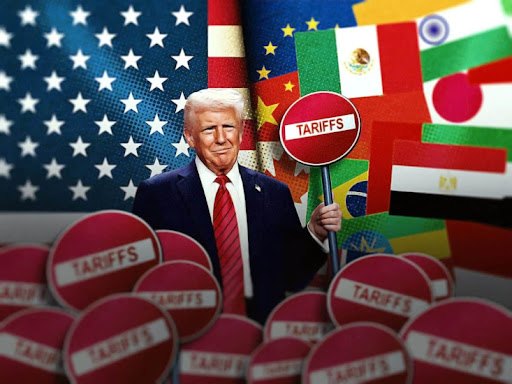
Strategic Council Online – Interview: A senior U.S. affairs analyst stated that the tariff policies of U.S. President Donald Trump have once again exposed the world to the prospect of a full-scale trade war. Trump’s threat to impose a 50% tariff on Brazilian goods and extensive tariffs against over 150 countries, including close U.S. allies like Japan and South Korea, reflects the White House’s aggressive approach to global trade.

Challenges Ahead for Future Cooperation Between Iran and the IAEA

Challenges Ahead for Future Cooperation Between Iran and the IAEA

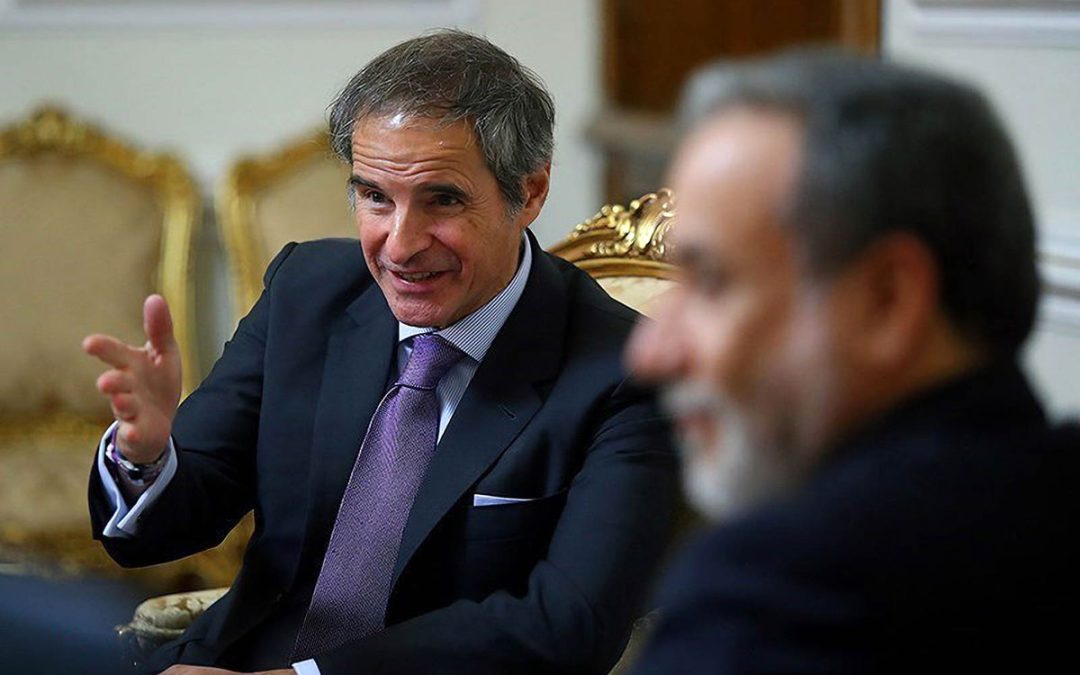
Strategic Council Online – Interview: An international affairs expert stated that the recent attacks by the Israeli regime and the U.S. against Iran’s nuclear facilities are the primary challenge to future cooperation between Iran and the International Atomic Energy Agency (IAEA).

Zangezur: A Test for Regional and International Players

Zangezur: A Test for Regional and International Players

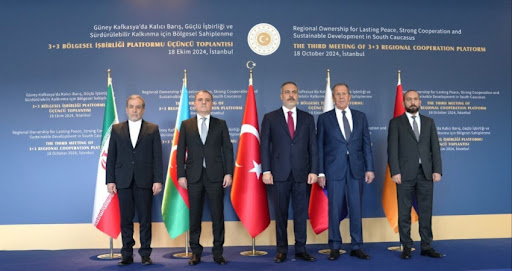
Strategic Council Online – Analysis: On the verge of finalizing the Baku-Yerevan peace agreement, the recent remarks by Mnatsakan Safaryan, Armenia’s Deputy Foreign Minister, regarding the potential handover of the “logistical management” of the Zangezur route to a foreign company have pushed the status of this 32-kilometer strip into a critical phase. The discussion of a foreign operator’s involvement coincides with the meeting between Nikol Pashinyan and Ilham Aliyev in Abu Dhabi—a meeting that, according to regional media, primarily focused on this blocked route.

Consequences of America’s Efforts to Destroy Resistance Groups in Iraq

Consequences of America’s Efforts to Destroy Resistance Groups in Iraq

Online Strategic Council – Commentary: In recent weeks, as part of advancing the so-called “New Middle East” plan by the U.S. and the Zionist regime in the region, and following the 12-day war against Iran, Washington and Tel Aviv have focused on Iraq and are pursuing a project to destabilize the country.

Nuclear Deterrence of Britain and France: A Step Toward Reducing Europe’s Defense Dependence on the U.S.

Nuclear Deterrence of Britain and France: A Step Toward Reducing Europe’s Defense Dependence on the U.S.

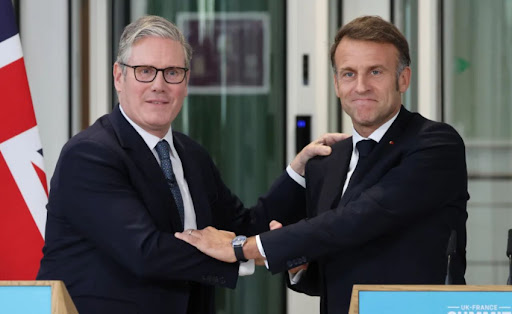
Strategic Council Online – Interview: A senior European affairs analyst stated that the nuclear deterrence agreement between Britain and France marks a turning point in Europe’s security architecture. This pact not only addresses immediate threats, including those posed by Russia, but also lays the groundwork for long-term cooperation in cyber, space, and military domains. The success of this collaboration depends on the two nations’ commitment to fulfilling existing obligations and actively participating in new security arrangements.

Iran’s Role in the New World Order

Iran’s Role in the New World Order

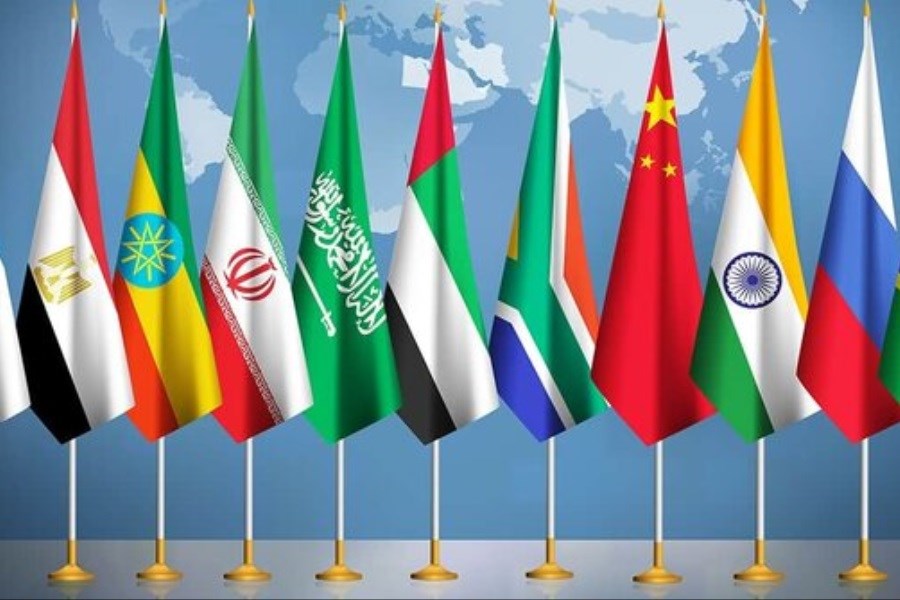
Strategic Council Online – Interview: An international affairs analyst stated that the contemporary world is transitioning toward a multipolar order in which major powers such as the United States, China, and Russia are engaged in a complex competition to preserve or expand their global influence. In this context, Iran, as a key player in the region and the Islamic world with significant strategic capabilities—including membership in BRICS and the Shanghai Cooperation Organization (SCO)—can leverage these developments to strengthen its position.

أحدث الوظائف

Increasing criticism of the extensive Zionist lobby network

SCFR Online – Opinion: An examination of the mechanisms of the Israeli regime’s influence in the United States depicts a complex picture of shared interests, strategic dependencies, and the limitations of this relationship.

Realities of the Tripartite Makkah Pact

SCFR Online – Interview: The signing of the Makkah agreement between Saudi Arabia, Pakistan, and Turkey has raised questions about the future of the region’s security structure and the position of these countries in West Asian equations. Can this agreement become a genuine collective defense mechanism, or does it have more of a political and deterrent function than creating new military capacity?

Strategic Implications of the Reduction of US Weapons Stockpiles

SCFR Online – Opinion: The continuation of the US war against Iran, in addition to increasing operational costs, has called into question the actual capacity of the American arsenal to simultaneously fulfill security commitments on multiple fronts; an issue that affects deterrence, defense production capacity, and Washington’s resource prioritization.

The Formation of a New Order in Relations Between Powers

SCFR Online – Opinion: The Russia-Ukraine war and the war of the United States and the Israeli regime against Iran have been formed with different objectives and actors, but field and political developments indicate that they are not entirely separate from one another.

An Analysis of the Makkah Defense Pact

SCFR Online – Opinion: On Friday, August 7, the heads of state of three countries – Saudi Arabia, Turkey, and Pakistan – signed a text under the title “Makkah Joint Defense Agreement.”

Dimensions and challenges of the initiative to revive the Hejaz Railway

Strategic Council Online – Note: The initiative to revive the Hejaz Railway, beyond being a transportation project, constitutes an attempt to redefine geopolitics, the economy, and Turkey’s regional position; however, its realization appears to face significant financial, security, and institutional challenges.

Loading

USA

The Impact of the 12-Day War on the Economy of the Israeli Regime

The Impact of the 12-Day War on the Economy of the Israeli Regime

Strategic Council Online – Interview: A senior international affairs analyst stated that the Israeli regime’s 12-day war against Iran in June 2025 has pushed its economy to a fragile point. A 16.2% decline in exports to $3.6 billion is just the tip of the iceberg of the crisis. Simultaneously, global isolation and the continued widening of crimes in Gaza have placed an additional burden on its economy. The weakening of the shekel against the dollar and the destruction of key infrastructure have plunged the Israeli regime’s economy into a whirlpool of a 20.6% trade deficit and a 3.4% drop in six-month exports to $26.97 billion. A 5% increase in imports has further exacerbated the pressure. This crisis, rooted in the Israeli regime’s military adventurism and global isolation, has driven it toward dependence on foreign aid and social collapse.

The Global Consequences of Trump’s Tariff War

The Global Consequences of Trump’s Tariff War

Strategic Council Online – Interview: A senior U.S. affairs analyst stated that the tariff policies of U.S. President Donald Trump have once again exposed the world to the prospect of a full-scale trade war. Trump’s threat to impose a 50% tariff on Brazilian goods and extensive tariffs against over 150 countries, including close U.S. allies like Japan and South Korea, reflects the White House’s aggressive approach to global trade.

Challenges Ahead for Future Cooperation Between Iran and the IAEA

Challenges Ahead for Future Cooperation Between Iran and the IAEA

Strategic Council Online – Interview: An international affairs expert stated that the recent attacks by the Israeli regime and the U.S. against Iran’s nuclear facilities are the primary challenge to future cooperation between Iran and the International Atomic Energy Agency (IAEA).

Zangezur: A Test for Regional and International Players

Zangezur: A Test for Regional and International Players

Strategic Council Online – Analysis: On the verge of finalizing the Baku-Yerevan peace agreement, the recent remarks by Mnatsakan Safaryan, Armenia’s Deputy Foreign Minister, regarding the potential handover of the “logistical management” of the Zangezur route to a foreign company have pushed the status of this 32-kilometer strip into a critical phase. The discussion of a foreign operator’s involvement coincides with the meeting between Nikol Pashinyan and Ilham Aliyev in Abu Dhabi—a meeting that, according to regional media, primarily focused on this blocked route.

Consequences of America’s Efforts to Destroy Resistance Groups in Iraq

Consequences of America’s Efforts to Destroy Resistance Groups in Iraq

Online Strategic Council – Commentary: In recent weeks, as part of advancing the so-called “New Middle East” plan by the U.S. and the Zionist regime in the region, and following the 12-day war against Iran, Washington and Tel Aviv have focused on Iraq and are pursuing a project to destabilize the country.

Nuclear Deterrence of Britain and France: A Step Toward Reducing Europe’s Defense Dependence on the U.S.

Nuclear Deterrence of Britain and France: A Step Toward Reducing Europe’s Defense Dependence on the U.S.

Strategic Council Online – Interview: A senior European affairs analyst stated that the nuclear deterrence agreement between Britain and France marks a turning point in Europe’s security architecture. This pact not only addresses immediate threats, including those posed by Russia, but also lays the groundwork for long-term cooperation in cyber, space, and military domains. The success of this collaboration depends on the two nations’ commitment to fulfilling existing obligations and actively participating in new security arrangements.

Iran’s Role in the New World Order

Iran’s Role in the New World Order

Strategic Council Online – Interview: An international affairs analyst stated that the contemporary world is transitioning toward a multipolar order in which major powers such as the United States, China, and Russia are engaged in a complex competition to preserve or expand their global influence. In this context, Iran, as a key player in the region and the Islamic world with significant strategic capabilities—including membership in BRICS and the Shanghai Cooperation Organization (SCO)—can leverage these developments to strengthen its position.

USA

The Impact of the 12-Day War on the Economy of the Israeli Regime

The Impact of the 12-Day War on the Economy of the Israeli Regime

Strategic Council Online – Interview: A senior international affairs analyst stated that the Israeli regime’s 12-day war against Iran in June 2025 has pushed its economy to a fragile point. A 16.2% decline in exports to $3.6 billion is just the tip of the iceberg of the crisis. Simultaneously, global isolation and the continued widening of crimes in Gaza have placed an additional burden on its economy. The weakening of the shekel against the dollar and the destruction of key infrastructure have plunged the Israeli regime’s economy into a whirlpool of a 20.6% trade deficit and a 3.4% drop in six-month exports to $26.97 billion. A 5% increase in imports has further exacerbated the pressure. This crisis, rooted in the Israeli regime’s military adventurism and global isolation, has driven it toward dependence on foreign aid and social collapse.

The Global Consequences of Trump’s Tariff War

The Global Consequences of Trump’s Tariff War

Strategic Council Online – Interview: A senior U.S. affairs analyst stated that the tariff policies of U.S. President Donald Trump have once again exposed the world to the prospect of a full-scale trade war. Trump’s threat to impose a 50% tariff on Brazilian goods and extensive tariffs against over 150 countries, including close U.S. allies like Japan and South Korea, reflects the White House’s aggressive approach to global trade.

Challenges Ahead for Future Cooperation Between Iran and the IAEA

Challenges Ahead for Future Cooperation Between Iran and the IAEA

Strategic Council Online – Interview: An international affairs expert stated that the recent attacks by the Israeli regime and the U.S. against Iran’s nuclear facilities are the primary challenge to future cooperation between Iran and the International Atomic Energy Agency (IAEA).

Zangezur: A Test for Regional and International Players

Zangezur: A Test for Regional and International Players

Strategic Council Online – Analysis: On the verge of finalizing the Baku-Yerevan peace agreement, the recent remarks by Mnatsakan Safaryan, Armenia’s Deputy Foreign Minister, regarding the potential handover of the “logistical management” of the Zangezur route to a foreign company have pushed the status of this 32-kilometer strip into a critical phase. The discussion of a foreign operator’s involvement coincides with the meeting between Nikol Pashinyan and Ilham Aliyev in Abu Dhabi—a meeting that, according to regional media, primarily focused on this blocked route.

Consequences of America’s Efforts to Destroy Resistance Groups in Iraq

Consequences of America’s Efforts to Destroy Resistance Groups in Iraq

Online Strategic Council – Commentary: In recent weeks, as part of advancing the so-called “New Middle East” plan by the U.S. and the Zionist regime in the region, and following the 12-day war against Iran, Washington and Tel Aviv have focused on Iraq and are pursuing a project to destabilize the country.

Nuclear Deterrence of Britain and France: A Step Toward Reducing Europe’s Defense Dependence on the U.S.

Nuclear Deterrence of Britain and France: A Step Toward Reducing Europe’s Defense Dependence on the U.S.

Strategic Council Online – Interview: A senior European affairs analyst stated that the nuclear deterrence agreement between Britain and France marks a turning point in Europe’s security architecture. This pact not only addresses immediate threats, including those posed by Russia, but also lays the groundwork for long-term cooperation in cyber, space, and military domains. The success of this collaboration depends on the two nations’ commitment to fulfilling existing obligations and actively participating in new security arrangements.

Iran’s Role in the New World Order

Iran’s Role in the New World Order

Strategic Council Online – Interview: An international affairs analyst stated that the contemporary world is transitioning toward a multipolar order in which major powers such as the United States, China, and Russia are engaged in a complex competition to preserve or expand their global influence. In this context, Iran, as a key player in the region and the Islamic world with significant strategic capabilities—including membership in BRICS and the Shanghai Cooperation Organization (SCO)—can leverage these developments to strengthen its position.

LATEST CONTENT

Increasing criticism of the extensive Zionist lobby network

SCFR Online – Opinion: An examination of the mechanisms of the Israeli regime’s influence in the United States depicts a complex picture of shared interests, strategic dependencies, and the limitations of this relationship.

Realities of the Tripartite Makkah Pact

SCFR Online – Interview: The signing of the Makkah agreement between Saudi Arabia, Pakistan, and Turkey has raised questions about the future of the region’s security structure and the position of these countries in West Asian equations. Can this agreement become a genuine collective defense mechanism, or does it have more of a political and deterrent function than creating new military capacity?

Strategic Implications of the Reduction of US Weapons Stockpiles

SCFR Online – Opinion: The continuation of the US war against Iran, in addition to increasing operational costs, has called into question the actual capacity of the American arsenal to simultaneously fulfill security commitments on multiple fronts; an issue that affects deterrence, defense production capacity, and Washington’s resource prioritization.

The Formation of a New Order in Relations Between Powers

SCFR Online – Opinion: The Russia-Ukraine war and the war of the United States and the Israeli regime against Iran have been formed with different objectives and actors, but field and political developments indicate that they are not entirely separate from one another.

An Analysis of the Makkah Defense Pact

SCFR Online – Opinion: On Friday, August 7, the heads of state of three countries – Saudi Arabia, Turkey, and Pakistan – signed a text under the title “Makkah Joint Defense Agreement.”

Dimensions and challenges of the initiative to revive the Hejaz Railway

Strategic Council Online – Note: The initiative to revive the Hejaz Railway, beyond being a transportation project, constitutes an attempt to redefine geopolitics, the economy, and Turkey’s regional position; however, its realization appears to face significant financial, security, and institutional challenges.

Loading

USA

The Impact of the 12-Day War on the Economy of the Israeli Regime

The Impact of the 12-Day War on the Economy of the Israeli Regime

Strategic Council Online – Interview: A senior international affairs analyst stated that the Israeli regime’s 12-day war against Iran in June 2025 has pushed its economy to a fragile point. A 16.2% decline in exports to $3.6 billion is just the tip of the iceberg of the crisis. Simultaneously, global isolation and the continued widening of crimes in Gaza have placed an additional burden on its economy. The weakening of the shekel against the dollar and the destruction of key infrastructure have plunged the Israeli regime’s economy into a whirlpool of a 20.6% trade deficit and a 3.4% drop in six-month exports to $26.97 billion. A 5% increase in imports has further exacerbated the pressure. This crisis, rooted in the Israeli regime’s military adventurism and global isolation, has driven it toward dependence on foreign aid and social collapse.

The Global Consequences of Trump’s Tariff War

The Global Consequences of Trump’s Tariff War

Strategic Council Online – Interview: A senior U.S. affairs analyst stated that the tariff policies of U.S. President Donald Trump have once again exposed the world to the prospect of a full-scale trade war. Trump’s threat to impose a 50% tariff on Brazilian goods and extensive tariffs against over 150 countries, including close U.S. allies like Japan and South Korea, reflects the White House’s aggressive approach to global trade.

Challenges Ahead for Future Cooperation Between Iran and the IAEA

Challenges Ahead for Future Cooperation Between Iran and the IAEA

Strategic Council Online – Interview: An international affairs expert stated that the recent attacks by the Israeli regime and the U.S. against Iran’s nuclear facilities are the primary challenge to future cooperation between Iran and the International Atomic Energy Agency (IAEA).

Zangezur: A Test for Regional and International Players

Zangezur: A Test for Regional and International Players

Strategic Council Online – Analysis: On the verge of finalizing the Baku-Yerevan peace agreement, the recent remarks by Mnatsakan Safaryan, Armenia’s Deputy Foreign Minister, regarding the potential handover of the “logistical management” of the Zangezur route to a foreign company have pushed the status of this 32-kilometer strip into a critical phase. The discussion of a foreign operator’s involvement coincides with the meeting between Nikol Pashinyan and Ilham Aliyev in Abu Dhabi—a meeting that, according to regional media, primarily focused on this blocked route.

Consequences of America’s Efforts to Destroy Resistance Groups in Iraq

Consequences of America’s Efforts to Destroy Resistance Groups in Iraq

Online Strategic Council – Commentary: In recent weeks, as part of advancing the so-called “New Middle East” plan by the U.S. and the Zionist regime in the region, and following the 12-day war against Iran, Washington and Tel Aviv have focused on Iraq and are pursuing a project to destabilize the country.

Nuclear Deterrence of Britain and France: A Step Toward Reducing Europe’s Defense Dependence on the U.S.

Nuclear Deterrence of Britain and France: A Step Toward Reducing Europe’s Defense Dependence on the U.S.

Strategic Council Online – Interview: A senior European affairs analyst stated that the nuclear deterrence agreement between Britain and France marks a turning point in Europe’s security architecture. This pact not only addresses immediate threats, including those posed by Russia, but also lays the groundwork for long-term cooperation in cyber, space, and military domains. The success of this collaboration depends on the two nations’ commitment to fulfilling existing obligations and actively participating in new security arrangements.

Iran’s Role in the New World Order

Iran’s Role in the New World Order

Strategic Council Online – Interview: An international affairs analyst stated that the contemporary world is transitioning toward a multipolar order in which major powers such as the United States, China, and Russia are engaged in a complex competition to preserve or expand their global influence. In this context, Iran, as a key player in the region and the Islamic world with significant strategic capabilities—including membership in BRICS and the Shanghai Cooperation Organization (SCO)—can leverage these developments to strengthen its position.

ÚLTIMAS PUBLICACIONES

Increasing criticism of the extensive Zionist lobby network

SCFR Online – Opinion: An examination of the mechanisms of the Israeli regime’s influence in the United States depicts a complex picture of shared interests, strategic dependencies, and the limitations of this relationship.

Realities of the Tripartite Makkah Pact

SCFR Online – Interview: The signing of the Makkah agreement between Saudi Arabia, Pakistan, and Turkey has raised questions about the future of the region’s security structure and the position of these countries in West Asian equations. Can this agreement become a genuine collective defense mechanism, or does it have more of a political and deterrent function than creating new military capacity?

Strategic Implications of the Reduction of US Weapons Stockpiles

SCFR Online – Opinion: The continuation of the US war against Iran, in addition to increasing operational costs, has called into question the actual capacity of the American arsenal to simultaneously fulfill security commitments on multiple fronts; an issue that affects deterrence, defense production capacity, and Washington’s resource prioritization.

The Formation of a New Order in Relations Between Powers

SCFR Online – Opinion: The Russia-Ukraine war and the war of the United States and the Israeli regime against Iran have been formed with different objectives and actors, but field and political developments indicate that they are not entirely separate from one another.

An Analysis of the Makkah Defense Pact

SCFR Online – Opinion: On Friday, August 7, the heads of state of three countries – Saudi Arabia, Turkey, and Pakistan – signed a text under the title “Makkah Joint Defense Agreement.”

Dimensions and challenges of the initiative to revive the Hejaz Railway

Strategic Council Online – Note: The initiative to revive the Hejaz Railway, beyond being a transportation project, constitutes an attempt to redefine geopolitics, the economy, and Turkey’s regional position; however, its realization appears to face significant financial, security, and institutional challenges.

Loading

USA

The Impact of the 12-Day War on the Economy of the Israeli Regime

The Impact of the 12-Day War on the Economy of the Israeli Regime

Strategic Council Online – Interview: A senior international affairs analyst stated that the Israeli regime’s 12-day war against Iran in June 2025 has pushed its economy to a fragile point. A 16.2% decline in exports to $3.6 billion is just the tip of the iceberg of the crisis. Simultaneously, global isolation and the continued widening of crimes in Gaza have placed an additional burden on its economy. The weakening of the shekel against the dollar and the destruction of key infrastructure have plunged the Israeli regime’s economy into a whirlpool of a 20.6% trade deficit and a 3.4% drop in six-month exports to $26.97 billion. A 5% increase in imports has further exacerbated the pressure. This crisis, rooted in the Israeli regime’s military adventurism and global isolation, has driven it toward dependence on foreign aid and social collapse.

The Global Consequences of Trump’s Tariff War

The Global Consequences of Trump’s Tariff War

Strategic Council Online – Interview: A senior U.S. affairs analyst stated that the tariff policies of U.S. President Donald Trump have once again exposed the world to the prospect of a full-scale trade war. Trump’s threat to impose a 50% tariff on Brazilian goods and extensive tariffs against over 150 countries, including close U.S. allies like Japan and South Korea, reflects the White House’s aggressive approach to global trade.

Challenges Ahead for Future Cooperation Between Iran and the IAEA

Challenges Ahead for Future Cooperation Between Iran and the IAEA

Strategic Council Online – Interview: An international affairs expert stated that the recent attacks by the Israeli regime and the U.S. against Iran’s nuclear facilities are the primary challenge to future cooperation between Iran and the International Atomic Energy Agency (IAEA).

Zangezur: A Test for Regional and International Players

Zangezur: A Test for Regional and International Players

Strategic Council Online – Analysis: On the verge of finalizing the Baku-Yerevan peace agreement, the recent remarks by Mnatsakan Safaryan, Armenia’s Deputy Foreign Minister, regarding the potential handover of the “logistical management” of the Zangezur route to a foreign company have pushed the status of this 32-kilometer strip into a critical phase. The discussion of a foreign operator’s involvement coincides with the meeting between Nikol Pashinyan and Ilham Aliyev in Abu Dhabi—a meeting that, according to regional media, primarily focused on this blocked route.

Consequences of America’s Efforts to Destroy Resistance Groups in Iraq

Consequences of America’s Efforts to Destroy Resistance Groups in Iraq

Online Strategic Council – Commentary: In recent weeks, as part of advancing the so-called “New Middle East” plan by the U.S. and the Zionist regime in the region, and following the 12-day war against Iran, Washington and Tel Aviv have focused on Iraq and are pursuing a project to destabilize the country.

Nuclear Deterrence of Britain and France: A Step Toward Reducing Europe’s Defense Dependence on the U.S.

Nuclear Deterrence of Britain and France: A Step Toward Reducing Europe’s Defense Dependence on the U.S.

Strategic Council Online – Interview: A senior European affairs analyst stated that the nuclear deterrence agreement between Britain and France marks a turning point in Europe’s security architecture. This pact not only addresses immediate threats, including those posed by Russia, but also lays the groundwork for long-term cooperation in cyber, space, and military domains. The success of this collaboration depends on the two nations’ commitment to fulfilling existing obligations and actively participating in new security arrangements.

Iran’s Role in the New World Order

Iran’s Role in the New World Order

Strategic Council Online – Interview: An international affairs analyst stated that the contemporary world is transitioning toward a multipolar order in which major powers such as the United States, China, and Russia are engaged in a complex competition to preserve or expand their global influence. In this context, Iran, as a key player in the region and the Islamic world with significant strategic capabilities—including membership in BRICS and the Shanghai Cooperation Organization (SCO)—can leverage these developments to strengthen its position.

ÚLTIMAS PUBLICACIONES

Increasing criticism of the extensive Zionist lobby network

SCFR Online – Opinion: An examination of the mechanisms of the Israeli regime’s influence in the United States depicts a complex picture of shared interests, strategic dependencies, and the limitations of this relationship.

Realities of the Tripartite Makkah Pact

SCFR Online – Interview: The signing of the Makkah agreement between Saudi Arabia, Pakistan, and Turkey has raised questions about the future of the region’s security structure and the position of these countries in West Asian equations. Can this agreement become a genuine collective defense mechanism, or does it have more of a political and deterrent function than creating new military capacity?

Strategic Implications of the Reduction of US Weapons Stockpiles

SCFR Online – Opinion: The continuation of the US war against Iran, in addition to increasing operational costs, has called into question the actual capacity of the American arsenal to simultaneously fulfill security commitments on multiple fronts; an issue that affects deterrence, defense production capacity, and Washington’s resource prioritization.

The Formation of a New Order in Relations Between Powers

SCFR Online – Opinion: The Russia-Ukraine war and the war of the United States and the Israeli regime against Iran have been formed with different objectives and actors, but field and political developments indicate that they are not entirely separate from one another.

An Analysis of the Makkah Defense Pact

SCFR Online – Opinion: On Friday, August 7, the heads of state of three countries – Saudi Arabia, Turkey, and Pakistan – signed a text under the title “Makkah Joint Defense Agreement.”

Dimensions and challenges of the initiative to revive the Hejaz Railway

Strategic Council Online – Note: The initiative to revive the Hejaz Railway, beyond being a transportation project, constitutes an attempt to redefine geopolitics, the economy, and Turkey’s regional position; however, its realization appears to face significant financial, security, and institutional challenges.

Loading

USA

The Impact of the 12-Day War on the Economy of the Israeli Regime

The Impact of the 12-Day War on the Economy of the Israeli Regime

Strategic Council Online – Interview: A senior international affairs analyst stated that the Israeli regime’s 12-day war against Iran in June 2025 has pushed its economy to a fragile point. A 16.2% decline in exports to $3.6 billion is just the tip of the iceberg of the crisis. Simultaneously, global isolation and the continued widening of crimes in Gaza have placed an additional burden on its economy. The weakening of the shekel against the dollar and the destruction of key infrastructure have plunged the Israeli regime’s economy into a whirlpool of a 20.6% trade deficit and a 3.4% drop in six-month exports to $26.97 billion. A 5% increase in imports has further exacerbated the pressure. This crisis, rooted in the Israeli regime’s military adventurism and global isolation, has driven it toward dependence on foreign aid and social collapse.

The Global Consequences of Trump’s Tariff War

The Global Consequences of Trump’s Tariff War

Strategic Council Online – Interview: A senior U.S. affairs analyst stated that the tariff policies of U.S. President Donald Trump have once again exposed the world to the prospect of a full-scale trade war. Trump’s threat to impose a 50% tariff on Brazilian goods and extensive tariffs against over 150 countries, including close U.S. allies like Japan and South Korea, reflects the White House’s aggressive approach to global trade.

Challenges Ahead for Future Cooperation Between Iran and the IAEA

Challenges Ahead for Future Cooperation Between Iran and the IAEA

Strategic Council Online – Interview: An international affairs expert stated that the recent attacks by the Israeli regime and the U.S. against Iran’s nuclear facilities are the primary challenge to future cooperation between Iran and the International Atomic Energy Agency (IAEA).

Zangezur: A Test for Regional and International Players

Zangezur: A Test for Regional and International Players

Strategic Council Online – Analysis: On the verge of finalizing the Baku-Yerevan peace agreement, the recent remarks by Mnatsakan Safaryan, Armenia’s Deputy Foreign Minister, regarding the potential handover of the “logistical management” of the Zangezur route to a foreign company have pushed the status of this 32-kilometer strip into a critical phase. The discussion of a foreign operator’s involvement coincides with the meeting between Nikol Pashinyan and Ilham Aliyev in Abu Dhabi—a meeting that, according to regional media, primarily focused on this blocked route.

Consequences of America’s Efforts to Destroy Resistance Groups in Iraq

Consequences of America’s Efforts to Destroy Resistance Groups in Iraq

Online Strategic Council – Commentary: In recent weeks, as part of advancing the so-called “New Middle East” plan by the U.S. and the Zionist regime in the region, and following the 12-day war against Iran, Washington and Tel Aviv have focused on Iraq and are pursuing a project to destabilize the country.

Nuclear Deterrence of Britain and France: A Step Toward Reducing Europe’s Defense Dependence on the U.S.

Nuclear Deterrence of Britain and France: A Step Toward Reducing Europe’s Defense Dependence on the U.S.

Strategic Council Online – Interview: A senior European affairs analyst stated that the nuclear deterrence agreement between Britain and France marks a turning point in Europe’s security architecture. This pact not only addresses immediate threats, including those posed by Russia, but also lays the groundwork for long-term cooperation in cyber, space, and military domains. The success of this collaboration depends on the two nations’ commitment to fulfilling existing obligations and actively participating in new security arrangements.

Iran’s Role in the New World Order

Iran’s Role in the New World Order

Strategic Council Online – Interview: An international affairs analyst stated that the contemporary world is transitioning toward a multipolar order in which major powers such as the United States, China, and Russia are engaged in a complex competition to preserve or expand their global influence. In this context, Iran, as a key player in the region and the Islamic world with significant strategic capabilities—including membership in BRICS and the Shanghai Cooperation Organization (SCO)—can leverage these developments to strengthen its position.

ÚLTIMAS PUBLICACIONES

Increasing criticism of the extensive Zionist lobby network

SCFR Online – Opinion: An examination of the mechanisms of the Israeli regime’s influence in the United States depicts a complex picture of shared interests, strategic dependencies, and the limitations of this relationship.

Realities of the Tripartite Makkah Pact

SCFR Online – Interview: The signing of the Makkah agreement between Saudi Arabia, Pakistan, and Turkey has raised questions about the future of the region’s security structure and the position of these countries in West Asian equations. Can this agreement become a genuine collective defense mechanism, or does it have more of a political and deterrent function than creating new military capacity?

Strategic Implications of the Reduction of US Weapons Stockpiles

SCFR Online – Opinion: The continuation of the US war against Iran, in addition to increasing operational costs, has called into question the actual capacity of the American arsenal to simultaneously fulfill security commitments on multiple fronts; an issue that affects deterrence, defense production capacity, and Washington’s resource prioritization.

The Formation of a New Order in Relations Between Powers

SCFR Online – Opinion: The Russia-Ukraine war and the war of the United States and the Israeli regime against Iran have been formed with different objectives and actors, but field and political developments indicate that they are not entirely separate from one another.

An Analysis of the Makkah Defense Pact

SCFR Online – Opinion: On Friday, August 7, the heads of state of three countries – Saudi Arabia, Turkey, and Pakistan – signed a text under the title “Makkah Joint Defense Agreement.”

Dimensions and challenges of the initiative to revive the Hejaz Railway

Strategic Council Online – Note: The initiative to revive the Hejaz Railway, beyond being a transportation project, constitutes an attempt to redefine geopolitics, the economy, and Turkey’s regional position; however, its realization appears to face significant financial, security, and institutional challenges.

Loading

USA

The Impact of the 12-Day War on the Economy of the Israeli Regime

The Impact of the 12-Day War on the Economy of the Israeli Regime

Strategic Council Online – Interview: A senior international affairs analyst stated that the Israeli regime’s 12-day war against Iran in June 2025 has pushed its economy to a fragile point. A 16.2% decline in exports to $3.6 billion is just the tip of the iceberg of the crisis. Simultaneously, global isolation and the continued widening of crimes in Gaza have placed an additional burden on its economy. The weakening of the shekel against the dollar and the destruction of key infrastructure have plunged the Israeli regime’s economy into a whirlpool of a 20.6% trade deficit and a 3.4% drop in six-month exports to $26.97 billion. A 5% increase in imports has further exacerbated the pressure. This crisis, rooted in the Israeli regime’s military adventurism and global isolation, has driven it toward dependence on foreign aid and social collapse.

The Global Consequences of Trump’s Tariff War

The Global Consequences of Trump’s Tariff War

Strategic Council Online – Interview: A senior U.S. affairs analyst stated that the tariff policies of U.S. President Donald Trump have once again exposed the world to the prospect of a full-scale trade war. Trump’s threat to impose a 50% tariff on Brazilian goods and extensive tariffs against over 150 countries, including close U.S. allies like Japan and South Korea, reflects the White House’s aggressive approach to global trade.

Challenges Ahead for Future Cooperation Between Iran and the IAEA

Challenges Ahead for Future Cooperation Between Iran and the IAEA

Strategic Council Online – Interview: An international affairs expert stated that the recent attacks by the Israeli regime and the U.S. against Iran’s nuclear facilities are the primary challenge to future cooperation between Iran and the International Atomic Energy Agency (IAEA).

Zangezur: A Test for Regional and International Players

Zangezur: A Test for Regional and International Players

Strategic Council Online – Analysis: On the verge of finalizing the Baku-Yerevan peace agreement, the recent remarks by Mnatsakan Safaryan, Armenia’s Deputy Foreign Minister, regarding the potential handover of the “logistical management” of the Zangezur route to a foreign company have pushed the status of this 32-kilometer strip into a critical phase. The discussion of a foreign operator’s involvement coincides with the meeting between Nikol Pashinyan and Ilham Aliyev in Abu Dhabi—a meeting that, according to regional media, primarily focused on this blocked route.

Consequences of America’s Efforts to Destroy Resistance Groups in Iraq

Consequences of America’s Efforts to Destroy Resistance Groups in Iraq

Online Strategic Council – Commentary: In recent weeks, as part of advancing the so-called “New Middle East” plan by the U.S. and the Zionist regime in the region, and following the 12-day war against Iran, Washington and Tel Aviv have focused on Iraq and are pursuing a project to destabilize the country.

Nuclear Deterrence of Britain and France: A Step Toward Reducing Europe’s Defense Dependence on the U.S.

Nuclear Deterrence of Britain and France: A Step Toward Reducing Europe’s Defense Dependence on the U.S.

Strategic Council Online – Interview: A senior European affairs analyst stated that the nuclear deterrence agreement between Britain and France marks a turning point in Europe’s security architecture. This pact not only addresses immediate threats, including those posed by Russia, but also lays the groundwork for long-term cooperation in cyber, space, and military domains. The success of this collaboration depends on the two nations’ commitment to fulfilling existing obligations and actively participating in new security arrangements.

Iran’s Role in the New World Order

Iran’s Role in the New World Order

Strategic Council Online – Interview: An international affairs analyst stated that the contemporary world is transitioning toward a multipolar order in which major powers such as the United States, China, and Russia are engaged in a complex competition to preserve or expand their global influence. In this context, Iran, as a key player in the region and the Islamic world with significant strategic capabilities—including membership in BRICS and the Shanghai Cooperation Organization (SCO)—can leverage these developments to strengthen its position.

ÚLTIMAS PUBLICACIONES

Increasing criticism of the extensive Zionist lobby network

SCFR Online – Opinion: An examination of the mechanisms of the Israeli regime’s influence in the United States depicts a complex picture of shared interests, strategic dependencies, and the limitations of this relationship.

Realities of the Tripartite Makkah Pact

SCFR Online – Interview: The signing of the Makkah agreement between Saudi Arabia, Pakistan, and Turkey has raised questions about the future of the region’s security structure and the position of these countries in West Asian equations. Can this agreement become a genuine collective defense mechanism, or does it have more of a political and deterrent function than creating new military capacity?

Strategic Implications of the Reduction of US Weapons Stockpiles

SCFR Online – Opinion: The continuation of the US war against Iran, in addition to increasing operational costs, has called into question the actual capacity of the American arsenal to simultaneously fulfill security commitments on multiple fronts; an issue that affects deterrence, defense production capacity, and Washington’s resource prioritization.

The Formation of a New Order in Relations Between Powers

SCFR Online – Opinion: The Russia-Ukraine war and the war of the United States and the Israeli regime against Iran have been formed with different objectives and actors, but field and political developments indicate that they are not entirely separate from one another.

An Analysis of the Makkah Defense Pact

SCFR Online – Opinion: On Friday, August 7, the heads of state of three countries – Saudi Arabia, Turkey, and Pakistan – signed a text under the title “Makkah Joint Defense Agreement.”

Dimensions and challenges of the initiative to revive the Hejaz Railway

Strategic Council Online – Note: The initiative to revive the Hejaz Railway, beyond being a transportation project, constitutes an attempt to redefine geopolitics, the economy, and Turkey’s regional position; however, its realization appears to face significant financial, security, and institutional challenges.

Loading