جدیدترین مطالب

Increasing criticism of the extensive Zionist lobby network

SCFR Online – Opinion: An examination of the mechanisms of the Israeli regime’s influence in the United States depicts a complex picture of shared interests, strategic dependencies, and the limitations of this relationship.

Realities of the Tripartite Makkah Pact

SCFR Online – Interview: The signing of the Makkah agreement between Saudi Arabia, Pakistan, and Turkey has raised questions about the future of the region’s security structure and the position of these countries in West Asian equations. Can this agreement become a genuine collective defense mechanism, or does it have more of a political and deterrent function than creating new military capacity?

Strategic Implications of the Reduction of US Weapons Stockpiles

SCFR Online – Opinion: The continuation of the US war against Iran, in addition to increasing operational costs, has called into question the actual capacity of the American arsenal to simultaneously fulfill security commitments on multiple fronts; an issue that affects deterrence, defense production capacity, and Washington’s resource prioritization.

The Formation of a New Order in Relations Between Powers

SCFR Online – Opinion: The Russia-Ukraine war and the war of the United States and the Israeli regime against Iran have been formed with different objectives and actors, but field and political developments indicate that they are not entirely separate from one another.

An Analysis of the Makkah Defense Pact

SCFR Online – Opinion: On Friday, August 7, the heads of state of three countries – Saudi Arabia, Turkey, and Pakistan – signed a text under the title “Makkah Joint Defense Agreement.”

Dimensions and challenges of the initiative to revive the Hejaz Railway

Strategic Council Online – Note: The initiative to revive the Hejaz Railway, beyond being a transportation project, constitutes an attempt to redefine geopolitics, the economy, and Turkey’s regional position; however, its realization appears to face significant financial, security, and institutional challenges.

Loading

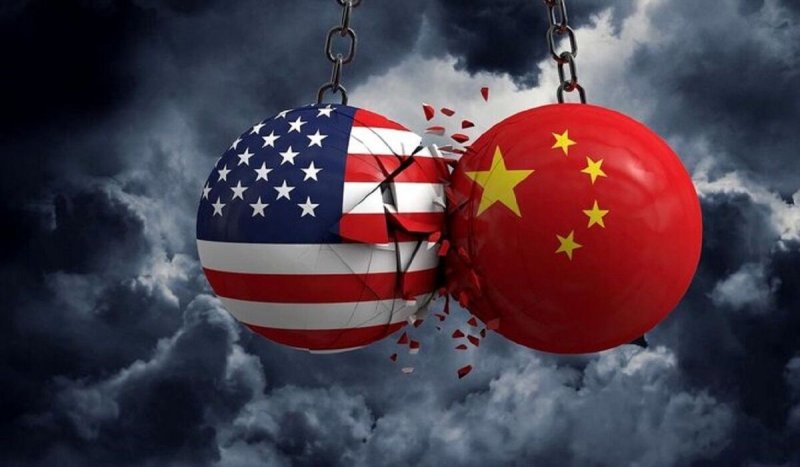
China-US competition

Prospect of a Multipolar Order and the Future of Beijing-Washington Confrontation

Prospect of a Multipolar Order and the Future of Beijing-Washington Confrontation

Strategic Council Online – Interview: A senior analyst on South Asian affairs stated that China’s grand military parade on September 3, 2025, was not merely a display of power; instead, it will mark the beginning of a new chapter in global geopolitical equations. The simultaneous presence of the leaders of China, Russia, and North Korea before the cameras, especially against the backdrop of Beijing’s “nuclear strategic triangle” unveiling, sent a clear message to Washington and its allies that the past unipolar order is collapsing and the world is moving toward multipolarity. China’s new land-based, sea-based, and air-launched missile systems have elevated its nuclear deterrent capability to an unprecedented level, and the sharp reactions from the United States—from Donald Trump’s sarcastic remarks to the Pentagon’s alert—indicate that Washington views these developments as a strategic threat. Many analysts believe that this event, beyond its military dimension, symbolizes the formation of new alliances among Eastern powers against the West. Simultaneously, the arms race and diplomatic pressures in the Asia-Pacific region have accelerated, and security equations in Taiwan and beyond have entered a new phase. It seems that the Beijing parade was not just a military ceremony but the beginning of an era in which the redefinition of power in the twenty-first century will accelerate.

Intl. Implications of China’s Future Presidency over BRICS

Intl. Implications of China’s Future Presidency over BRICS

Strategic Council Online – Opinion: Tensions and rivalries between China and the United States have global significance and implications, affecting relations with other powers and even international organizations and institutions such as the G20 or the United Nations and its agencies.
Pouria Nabipour – Ph.D. in political science and international relations

Perspective of the U.S. Strategy to Confront China

Perspective of the U.S. Strategy to Confront China

Having stated that the U.S. would like to have clash in the peripheral and strategic depth of China, an expert of the international issues said:” in the meantime, the U.S. follows up the decline of China’s competition capability in all fields and the competition will, certainly, turn to a hostility”.

Lessons of Ukraine War for China

Lessons of Ukraine War for China

Strategic Council Online – Opinion: As long as China will not achieve a much higher position than it does today in the hierarchy of power of the international system, in the case of Taiwan it will not resort to the same way that Russia did to Ukraine. The West’s coherence in the Russian embargo was instructive for Beijing that the West merely wants an excuse in a legitimate form to weaken its rivals and enemies.
Dr. Fatemeh Nakolalazad – International affairs researcher

China-US Show of Force under Pretext of Taiwan

China-US Show of Force under Pretext of Taiwan

Strategic Council Online – Opinion: Taiwan has always been at the center of rivalry and tension between China and the United States, but since maintaining “interaction” has been a key feature of US-China relations for the past decades, both countries, by maintaining restraint, have prevented increasing the level of tension in this regard.
Mohammad Javad Ghahremani – Expert on Asia affairs

China’s Sanctions against US; A Symbolic Move on Path of Increasing Tension

China’s Sanctions against US; A Symbolic Move on Path of Increasing Tension

Strategic Council Online – Since the US-China rivalry for supremacy in the structure of the international system is an inevitable fact, every small and large issue has the potential to intensify the path of rivalry and animosity between the two countries.
Dr. Tahmoures Gholami – expert on US affairs

أحدث الوظائف

Increasing criticism of the extensive Zionist lobby network

SCFR Online – Opinion: An examination of the mechanisms of the Israeli regime’s influence in the United States depicts a complex picture of shared interests, strategic dependencies, and the limitations of this relationship.

Realities of the Tripartite Makkah Pact

SCFR Online – Interview: The signing of the Makkah agreement between Saudi Arabia, Pakistan, and Turkey has raised questions about the future of the region’s security structure and the position of these countries in West Asian equations. Can this agreement become a genuine collective defense mechanism, or does it have more of a political and deterrent function than creating new military capacity?

Strategic Implications of the Reduction of US Weapons Stockpiles

SCFR Online – Opinion: The continuation of the US war against Iran, in addition to increasing operational costs, has called into question the actual capacity of the American arsenal to simultaneously fulfill security commitments on multiple fronts; an issue that affects deterrence, defense production capacity, and Washington’s resource prioritization.

The Formation of a New Order in Relations Between Powers

SCFR Online – Opinion: The Russia-Ukraine war and the war of the United States and the Israeli regime against Iran have been formed with different objectives and actors, but field and political developments indicate that they are not entirely separate from one another.

An Analysis of the Makkah Defense Pact

SCFR Online – Opinion: On Friday, August 7, the heads of state of three countries – Saudi Arabia, Turkey, and Pakistan – signed a text under the title “Makkah Joint Defense Agreement.”

Dimensions and challenges of the initiative to revive the Hejaz Railway

Strategic Council Online – Note: The initiative to revive the Hejaz Railway, beyond being a transportation project, constitutes an attempt to redefine geopolitics, the economy, and Turkey’s regional position; however, its realization appears to face significant financial, security, and institutional challenges.

Loading

China-US competition

Prospect of a Multipolar Order and the Future of Beijing-Washington Confrontation

Prospect of a Multipolar Order and the Future of Beijing-Washington Confrontation

Strategic Council Online – Interview: A senior analyst on South Asian affairs stated that China’s grand military parade on September 3, 2025, was not merely a display of power; instead, it will mark the beginning of a new chapter in global geopolitical equations. The simultaneous presence of the leaders of China, Russia, and North Korea before the cameras, especially against the backdrop of Beijing’s “nuclear strategic triangle” unveiling, sent a clear message to Washington and its allies that the past unipolar order is collapsing and the world is moving toward multipolarity. China’s new land-based, sea-based, and air-launched missile systems have elevated its nuclear deterrent capability to an unprecedented level, and the sharp reactions from the United States—from Donald Trump’s sarcastic remarks to the Pentagon’s alert—indicate that Washington views these developments as a strategic threat. Many analysts believe that this event, beyond its military dimension, symbolizes the formation of new alliances among Eastern powers against the West. Simultaneously, the arms race and diplomatic pressures in the Asia-Pacific region have accelerated, and security equations in Taiwan and beyond have entered a new phase. It seems that the Beijing parade was not just a military ceremony but the beginning of an era in which the redefinition of power in the twenty-first century will accelerate.

Intl. Implications of China’s Future Presidency over BRICS

Intl. Implications of China’s Future Presidency over BRICS

Strategic Council Online – Opinion: Tensions and rivalries between China and the United States have global significance and implications, affecting relations with other powers and even international organizations and institutions such as the G20 or the United Nations and its agencies.
Pouria Nabipour – Ph.D. in political science and international relations

Perspective of the U.S. Strategy to Confront China

Perspective of the U.S. Strategy to Confront China

Having stated that the U.S. would like to have clash in the peripheral and strategic depth of China, an expert of the international issues said:” in the meantime, the U.S. follows up the decline of China’s competition capability in all fields and the competition will, certainly, turn to a hostility”.

Lessons of Ukraine War for China

Lessons of Ukraine War for China

Strategic Council Online – Opinion: As long as China will not achieve a much higher position than it does today in the hierarchy of power of the international system, in the case of Taiwan it will not resort to the same way that Russia did to Ukraine. The West’s coherence in the Russian embargo was instructive for Beijing that the West merely wants an excuse in a legitimate form to weaken its rivals and enemies.
Dr. Fatemeh Nakolalazad – International affairs researcher

China-US Show of Force under Pretext of Taiwan

China-US Show of Force under Pretext of Taiwan

Strategic Council Online – Opinion: Taiwan has always been at the center of rivalry and tension between China and the United States, but since maintaining “interaction” has been a key feature of US-China relations for the past decades, both countries, by maintaining restraint, have prevented increasing the level of tension in this regard.
Mohammad Javad Ghahremani – Expert on Asia affairs

China’s Sanctions against US; A Symbolic Move on Path of Increasing Tension

China’s Sanctions against US; A Symbolic Move on Path of Increasing Tension

Strategic Council Online – Since the US-China rivalry for supremacy in the structure of the international system is an inevitable fact, every small and large issue has the potential to intensify the path of rivalry and animosity between the two countries.
Dr. Tahmoures Gholami – expert on US affairs

China-US competition

Prospect of a Multipolar Order and the Future of Beijing-Washington Confrontation

Prospect of a Multipolar Order and the Future of Beijing-Washington Confrontation

Strategic Council Online – Interview: A senior analyst on South Asian affairs stated that China’s grand military parade on September 3, 2025, was not merely a display of power; instead, it will mark the beginning of a new chapter in global geopolitical equations. The simultaneous presence of the leaders of China, Russia, and North Korea before the cameras, especially against the backdrop of Beijing’s “nuclear strategic triangle” unveiling, sent a clear message to Washington and its allies that the past unipolar order is collapsing and the world is moving toward multipolarity. China’s new land-based, sea-based, and air-launched missile systems have elevated its nuclear deterrent capability to an unprecedented level, and the sharp reactions from the United States—from Donald Trump’s sarcastic remarks to the Pentagon’s alert—indicate that Washington views these developments as a strategic threat. Many analysts believe that this event, beyond its military dimension, symbolizes the formation of new alliances among Eastern powers against the West. Simultaneously, the arms race and diplomatic pressures in the Asia-Pacific region have accelerated, and security equations in Taiwan and beyond have entered a new phase. It seems that the Beijing parade was not just a military ceremony but the beginning of an era in which the redefinition of power in the twenty-first century will accelerate.

Intl. Implications of China’s Future Presidency over BRICS

Intl. Implications of China’s Future Presidency over BRICS

Strategic Council Online – Opinion: Tensions and rivalries between China and the United States have global significance and implications, affecting relations with other powers and even international organizations and institutions such as the G20 or the United Nations and its agencies.
Pouria Nabipour – Ph.D. in political science and international relations

Perspective of the U.S. Strategy to Confront China

Perspective of the U.S. Strategy to Confront China

Having stated that the U.S. would like to have clash in the peripheral and strategic depth of China, an expert of the international issues said:” in the meantime, the U.S. follows up the decline of China’s competition capability in all fields and the competition will, certainly, turn to a hostility”.

Lessons of Ukraine War for China

Lessons of Ukraine War for China

Strategic Council Online – Opinion: As long as China will not achieve a much higher position than it does today in the hierarchy of power of the international system, in the case of Taiwan it will not resort to the same way that Russia did to Ukraine. The West’s coherence in the Russian embargo was instructive for Beijing that the West merely wants an excuse in a legitimate form to weaken its rivals and enemies.
Dr. Fatemeh Nakolalazad – International affairs researcher

China-US Show of Force under Pretext of Taiwan

China-US Show of Force under Pretext of Taiwan

Strategic Council Online – Opinion: Taiwan has always been at the center of rivalry and tension between China and the United States, but since maintaining “interaction” has been a key feature of US-China relations for the past decades, both countries, by maintaining restraint, have prevented increasing the level of tension in this regard.
Mohammad Javad Ghahremani – Expert on Asia affairs

China’s Sanctions against US; A Symbolic Move on Path of Increasing Tension

China’s Sanctions against US; A Symbolic Move on Path of Increasing Tension

Strategic Council Online – Since the US-China rivalry for supremacy in the structure of the international system is an inevitable fact, every small and large issue has the potential to intensify the path of rivalry and animosity between the two countries.
Dr. Tahmoures Gholami – expert on US affairs

LATEST CONTENT

Increasing criticism of the extensive Zionist lobby network

SCFR Online – Opinion: An examination of the mechanisms of the Israeli regime’s influence in the United States depicts a complex picture of shared interests, strategic dependencies, and the limitations of this relationship.

Realities of the Tripartite Makkah Pact

SCFR Online – Interview: The signing of the Makkah agreement between Saudi Arabia, Pakistan, and Turkey has raised questions about the future of the region’s security structure and the position of these countries in West Asian equations. Can this agreement become a genuine collective defense mechanism, or does it have more of a political and deterrent function than creating new military capacity?

Strategic Implications of the Reduction of US Weapons Stockpiles

SCFR Online – Opinion: The continuation of the US war against Iran, in addition to increasing operational costs, has called into question the actual capacity of the American arsenal to simultaneously fulfill security commitments on multiple fronts; an issue that affects deterrence, defense production capacity, and Washington’s resource prioritization.

The Formation of a New Order in Relations Between Powers

SCFR Online – Opinion: The Russia-Ukraine war and the war of the United States and the Israeli regime against Iran have been formed with different objectives and actors, but field and political developments indicate that they are not entirely separate from one another.

An Analysis of the Makkah Defense Pact

SCFR Online – Opinion: On Friday, August 7, the heads of state of three countries – Saudi Arabia, Turkey, and Pakistan – signed a text under the title “Makkah Joint Defense Agreement.”

Dimensions and challenges of the initiative to revive the Hejaz Railway

Strategic Council Online – Note: The initiative to revive the Hejaz Railway, beyond being a transportation project, constitutes an attempt to redefine geopolitics, the economy, and Turkey’s regional position; however, its realization appears to face significant financial, security, and institutional challenges.

Loading

China-US competition

Prospect of a Multipolar Order and the Future of Beijing-Washington Confrontation

Prospect of a Multipolar Order and the Future of Beijing-Washington Confrontation

Strategic Council Online – Interview: A senior analyst on South Asian affairs stated that China’s grand military parade on September 3, 2025, was not merely a display of power; instead, it will mark the beginning of a new chapter in global geopolitical equations. The simultaneous presence of the leaders of China, Russia, and North Korea before the cameras, especially against the backdrop of Beijing’s “nuclear strategic triangle” unveiling, sent a clear message to Washington and its allies that the past unipolar order is collapsing and the world is moving toward multipolarity. China’s new land-based, sea-based, and air-launched missile systems have elevated its nuclear deterrent capability to an unprecedented level, and the sharp reactions from the United States—from Donald Trump’s sarcastic remarks to the Pentagon’s alert—indicate that Washington views these developments as a strategic threat. Many analysts believe that this event, beyond its military dimension, symbolizes the formation of new alliances among Eastern powers against the West. Simultaneously, the arms race and diplomatic pressures in the Asia-Pacific region have accelerated, and security equations in Taiwan and beyond have entered a new phase. It seems that the Beijing parade was not just a military ceremony but the beginning of an era in which the redefinition of power in the twenty-first century will accelerate.

Intl. Implications of China’s Future Presidency over BRICS

Intl. Implications of China’s Future Presidency over BRICS

Strategic Council Online – Opinion: Tensions and rivalries between China and the United States have global significance and implications, affecting relations with other powers and even international organizations and institutions such as the G20 or the United Nations and its agencies.
Pouria Nabipour – Ph.D. in political science and international relations

Perspective of the U.S. Strategy to Confront China

Perspective of the U.S. Strategy to Confront China

Having stated that the U.S. would like to have clash in the peripheral and strategic depth of China, an expert of the international issues said:” in the meantime, the U.S. follows up the decline of China’s competition capability in all fields and the competition will, certainly, turn to a hostility”.

Lessons of Ukraine War for China

Lessons of Ukraine War for China

Strategic Council Online – Opinion: As long as China will not achieve a much higher position than it does today in the hierarchy of power of the international system, in the case of Taiwan it will not resort to the same way that Russia did to Ukraine. The West’s coherence in the Russian embargo was instructive for Beijing that the West merely wants an excuse in a legitimate form to weaken its rivals and enemies.
Dr. Fatemeh Nakolalazad – International affairs researcher

China-US Show of Force under Pretext of Taiwan

China-US Show of Force under Pretext of Taiwan

Strategic Council Online – Opinion: Taiwan has always been at the center of rivalry and tension between China and the United States, but since maintaining “interaction” has been a key feature of US-China relations for the past decades, both countries, by maintaining restraint, have prevented increasing the level of tension in this regard.
Mohammad Javad Ghahremani – Expert on Asia affairs

China’s Sanctions against US; A Symbolic Move on Path of Increasing Tension

China’s Sanctions against US; A Symbolic Move on Path of Increasing Tension

Strategic Council Online – Since the US-China rivalry for supremacy in the structure of the international system is an inevitable fact, every small and large issue has the potential to intensify the path of rivalry and animosity between the two countries.
Dr. Tahmoures Gholami – expert on US affairs

ÚLTIMAS PUBLICACIONES

Increasing criticism of the extensive Zionist lobby network

SCFR Online – Opinion: An examination of the mechanisms of the Israeli regime’s influence in the United States depicts a complex picture of shared interests, strategic dependencies, and the limitations of this relationship.

Realities of the Tripartite Makkah Pact

SCFR Online – Interview: The signing of the Makkah agreement between Saudi Arabia, Pakistan, and Turkey has raised questions about the future of the region’s security structure and the position of these countries in West Asian equations. Can this agreement become a genuine collective defense mechanism, or does it have more of a political and deterrent function than creating new military capacity?

Strategic Implications of the Reduction of US Weapons Stockpiles

SCFR Online – Opinion: The continuation of the US war against Iran, in addition to increasing operational costs, has called into question the actual capacity of the American arsenal to simultaneously fulfill security commitments on multiple fronts; an issue that affects deterrence, defense production capacity, and Washington’s resource prioritization.

The Formation of a New Order in Relations Between Powers

SCFR Online – Opinion: The Russia-Ukraine war and the war of the United States and the Israeli regime against Iran have been formed with different objectives and actors, but field and political developments indicate that they are not entirely separate from one another.

An Analysis of the Makkah Defense Pact

SCFR Online – Opinion: On Friday, August 7, the heads of state of three countries – Saudi Arabia, Turkey, and Pakistan – signed a text under the title “Makkah Joint Defense Agreement.”

Dimensions and challenges of the initiative to revive the Hejaz Railway

Strategic Council Online – Note: The initiative to revive the Hejaz Railway, beyond being a transportation project, constitutes an attempt to redefine geopolitics, the economy, and Turkey’s regional position; however, its realization appears to face significant financial, security, and institutional challenges.

Loading

China-US competition

Prospect of a Multipolar Order and the Future of Beijing-Washington Confrontation

Prospect of a Multipolar Order and the Future of Beijing-Washington Confrontation

Strategic Council Online – Interview: A senior analyst on South Asian affairs stated that China’s grand military parade on September 3, 2025, was not merely a display of power; instead, it will mark the beginning of a new chapter in global geopolitical equations. The simultaneous presence of the leaders of China, Russia, and North Korea before the cameras, especially against the backdrop of Beijing’s “nuclear strategic triangle” unveiling, sent a clear message to Washington and its allies that the past unipolar order is collapsing and the world is moving toward multipolarity. China’s new land-based, sea-based, and air-launched missile systems have elevated its nuclear deterrent capability to an unprecedented level, and the sharp reactions from the United States—from Donald Trump’s sarcastic remarks to the Pentagon’s alert—indicate that Washington views these developments as a strategic threat. Many analysts believe that this event, beyond its military dimension, symbolizes the formation of new alliances among Eastern powers against the West. Simultaneously, the arms race and diplomatic pressures in the Asia-Pacific region have accelerated, and security equations in Taiwan and beyond have entered a new phase. It seems that the Beijing parade was not just a military ceremony but the beginning of an era in which the redefinition of power in the twenty-first century will accelerate.

Intl. Implications of China’s Future Presidency over BRICS

Intl. Implications of China’s Future Presidency over BRICS

Strategic Council Online – Opinion: Tensions and rivalries between China and the United States have global significance and implications, affecting relations with other powers and even international organizations and institutions such as the G20 or the United Nations and its agencies.
Pouria Nabipour – Ph.D. in political science and international relations

Perspective of the U.S. Strategy to Confront China

Perspective of the U.S. Strategy to Confront China

Having stated that the U.S. would like to have clash in the peripheral and strategic depth of China, an expert of the international issues said:” in the meantime, the U.S. follows up the decline of China’s competition capability in all fields and the competition will, certainly, turn to a hostility”.

Lessons of Ukraine War for China

Lessons of Ukraine War for China

Strategic Council Online – Opinion: As long as China will not achieve a much higher position than it does today in the hierarchy of power of the international system, in the case of Taiwan it will not resort to the same way that Russia did to Ukraine. The West’s coherence in the Russian embargo was instructive for Beijing that the West merely wants an excuse in a legitimate form to weaken its rivals and enemies.
Dr. Fatemeh Nakolalazad – International affairs researcher

China-US Show of Force under Pretext of Taiwan

China-US Show of Force under Pretext of Taiwan

Strategic Council Online – Opinion: Taiwan has always been at the center of rivalry and tension between China and the United States, but since maintaining “interaction” has been a key feature of US-China relations for the past decades, both countries, by maintaining restraint, have prevented increasing the level of tension in this regard.
Mohammad Javad Ghahremani – Expert on Asia affairs

China’s Sanctions against US; A Symbolic Move on Path of Increasing Tension

China’s Sanctions against US; A Symbolic Move on Path of Increasing Tension

Strategic Council Online – Since the US-China rivalry for supremacy in the structure of the international system is an inevitable fact, every small and large issue has the potential to intensify the path of rivalry and animosity between the two countries.
Dr. Tahmoures Gholami – expert on US affairs

ÚLTIMAS PUBLICACIONES

Increasing criticism of the extensive Zionist lobby network

SCFR Online – Opinion: An examination of the mechanisms of the Israeli regime’s influence in the United States depicts a complex picture of shared interests, strategic dependencies, and the limitations of this relationship.

Realities of the Tripartite Makkah Pact

SCFR Online – Interview: The signing of the Makkah agreement between Saudi Arabia, Pakistan, and Turkey has raised questions about the future of the region’s security structure and the position of these countries in West Asian equations. Can this agreement become a genuine collective defense mechanism, or does it have more of a political and deterrent function than creating new military capacity?

Strategic Implications of the Reduction of US Weapons Stockpiles

SCFR Online – Opinion: The continuation of the US war against Iran, in addition to increasing operational costs, has called into question the actual capacity of the American arsenal to simultaneously fulfill security commitments on multiple fronts; an issue that affects deterrence, defense production capacity, and Washington’s resource prioritization.

The Formation of a New Order in Relations Between Powers

SCFR Online – Opinion: The Russia-Ukraine war and the war of the United States and the Israeli regime against Iran have been formed with different objectives and actors, but field and political developments indicate that they are not entirely separate from one another.

An Analysis of the Makkah Defense Pact

SCFR Online – Opinion: On Friday, August 7, the heads of state of three countries – Saudi Arabia, Turkey, and Pakistan – signed a text under the title “Makkah Joint Defense Agreement.”

Dimensions and challenges of the initiative to revive the Hejaz Railway

Strategic Council Online – Note: The initiative to revive the Hejaz Railway, beyond being a transportation project, constitutes an attempt to redefine geopolitics, the economy, and Turkey’s regional position; however, its realization appears to face significant financial, security, and institutional challenges.

Loading

China-US competition

Prospect of a Multipolar Order and the Future of Beijing-Washington Confrontation

Prospect of a Multipolar Order and the Future of Beijing-Washington Confrontation

Strategic Council Online – Interview: A senior analyst on South Asian affairs stated that China’s grand military parade on September 3, 2025, was not merely a display of power; instead, it will mark the beginning of a new chapter in global geopolitical equations. The simultaneous presence of the leaders of China, Russia, and North Korea before the cameras, especially against the backdrop of Beijing’s “nuclear strategic triangle” unveiling, sent a clear message to Washington and its allies that the past unipolar order is collapsing and the world is moving toward multipolarity. China’s new land-based, sea-based, and air-launched missile systems have elevated its nuclear deterrent capability to an unprecedented level, and the sharp reactions from the United States—from Donald Trump’s sarcastic remarks to the Pentagon’s alert—indicate that Washington views these developments as a strategic threat. Many analysts believe that this event, beyond its military dimension, symbolizes the formation of new alliances among Eastern powers against the West. Simultaneously, the arms race and diplomatic pressures in the Asia-Pacific region have accelerated, and security equations in Taiwan and beyond have entered a new phase. It seems that the Beijing parade was not just a military ceremony but the beginning of an era in which the redefinition of power in the twenty-first century will accelerate.

Intl. Implications of China’s Future Presidency over BRICS

Intl. Implications of China’s Future Presidency over BRICS

Strategic Council Online – Opinion: Tensions and rivalries between China and the United States have global significance and implications, affecting relations with other powers and even international organizations and institutions such as the G20 or the United Nations and its agencies.
Pouria Nabipour – Ph.D. in political science and international relations

Perspective of the U.S. Strategy to Confront China

Perspective of the U.S. Strategy to Confront China

Having stated that the U.S. would like to have clash in the peripheral and strategic depth of China, an expert of the international issues said:” in the meantime, the U.S. follows up the decline of China’s competition capability in all fields and the competition will, certainly, turn to a hostility”.

Lessons of Ukraine War for China

Lessons of Ukraine War for China

Strategic Council Online – Opinion: As long as China will not achieve a much higher position than it does today in the hierarchy of power of the international system, in the case of Taiwan it will not resort to the same way that Russia did to Ukraine. The West’s coherence in the Russian embargo was instructive for Beijing that the West merely wants an excuse in a legitimate form to weaken its rivals and enemies.
Dr. Fatemeh Nakolalazad – International affairs researcher

China-US Show of Force under Pretext of Taiwan

China-US Show of Force under Pretext of Taiwan

Strategic Council Online – Opinion: Taiwan has always been at the center of rivalry and tension between China and the United States, but since maintaining “interaction” has been a key feature of US-China relations for the past decades, both countries, by maintaining restraint, have prevented increasing the level of tension in this regard.
Mohammad Javad Ghahremani – Expert on Asia affairs

China’s Sanctions against US; A Symbolic Move on Path of Increasing Tension

China’s Sanctions against US; A Symbolic Move on Path of Increasing Tension

Strategic Council Online – Since the US-China rivalry for supremacy in the structure of the international system is an inevitable fact, every small and large issue has the potential to intensify the path of rivalry and animosity between the two countries.
Dr. Tahmoures Gholami – expert on US affairs

ÚLTIMAS PUBLICACIONES

Increasing criticism of the extensive Zionist lobby network

SCFR Online – Opinion: An examination of the mechanisms of the Israeli regime’s influence in the United States depicts a complex picture of shared interests, strategic dependencies, and the limitations of this relationship.

Realities of the Tripartite Makkah Pact

SCFR Online – Interview: The signing of the Makkah agreement between Saudi Arabia, Pakistan, and Turkey has raised questions about the future of the region’s security structure and the position of these countries in West Asian equations. Can this agreement become a genuine collective defense mechanism, or does it have more of a political and deterrent function than creating new military capacity?

Strategic Implications of the Reduction of US Weapons Stockpiles

SCFR Online – Opinion: The continuation of the US war against Iran, in addition to increasing operational costs, has called into question the actual capacity of the American arsenal to simultaneously fulfill security commitments on multiple fronts; an issue that affects deterrence, defense production capacity, and Washington’s resource prioritization.

The Formation of a New Order in Relations Between Powers

SCFR Online – Opinion: The Russia-Ukraine war and the war of the United States and the Israeli regime against Iran have been formed with different objectives and actors, but field and political developments indicate that they are not entirely separate from one another.

An Analysis of the Makkah Defense Pact

SCFR Online – Opinion: On Friday, August 7, the heads of state of three countries – Saudi Arabia, Turkey, and Pakistan – signed a text under the title “Makkah Joint Defense Agreement.”

Dimensions and challenges of the initiative to revive the Hejaz Railway

Strategic Council Online – Note: The initiative to revive the Hejaz Railway, beyond being a transportation project, constitutes an attempt to redefine geopolitics, the economy, and Turkey’s regional position; however, its realization appears to face significant financial, security, and institutional challenges.

Loading

China-US competition

Prospect of a Multipolar Order and the Future of Beijing-Washington Confrontation

Prospect of a Multipolar Order and the Future of Beijing-Washington Confrontation

Strategic Council Online – Interview: A senior analyst on South Asian affairs stated that China’s grand military parade on September 3, 2025, was not merely a display of power; instead, it will mark the beginning of a new chapter in global geopolitical equations. The simultaneous presence of the leaders of China, Russia, and North Korea before the cameras, especially against the backdrop of Beijing’s “nuclear strategic triangle” unveiling, sent a clear message to Washington and its allies that the past unipolar order is collapsing and the world is moving toward multipolarity. China’s new land-based, sea-based, and air-launched missile systems have elevated its nuclear deterrent capability to an unprecedented level, and the sharp reactions from the United States—from Donald Trump’s sarcastic remarks to the Pentagon’s alert—indicate that Washington views these developments as a strategic threat. Many analysts believe that this event, beyond its military dimension, symbolizes the formation of new alliances among Eastern powers against the West. Simultaneously, the arms race and diplomatic pressures in the Asia-Pacific region have accelerated, and security equations in Taiwan and beyond have entered a new phase. It seems that the Beijing parade was not just a military ceremony but the beginning of an era in which the redefinition of power in the twenty-first century will accelerate.

Intl. Implications of China’s Future Presidency over BRICS

Intl. Implications of China’s Future Presidency over BRICS

Strategic Council Online – Opinion: Tensions and rivalries between China and the United States have global significance and implications, affecting relations with other powers and even international organizations and institutions such as the G20 or the United Nations and its agencies.
Pouria Nabipour – Ph.D. in political science and international relations

Perspective of the U.S. Strategy to Confront China

Perspective of the U.S. Strategy to Confront China

Having stated that the U.S. would like to have clash in the peripheral and strategic depth of China, an expert of the international issues said:” in the meantime, the U.S. follows up the decline of China’s competition capability in all fields and the competition will, certainly, turn to a hostility”.

Lessons of Ukraine War for China

Lessons of Ukraine War for China

Strategic Council Online – Opinion: As long as China will not achieve a much higher position than it does today in the hierarchy of power of the international system, in the case of Taiwan it will not resort to the same way that Russia did to Ukraine. The West’s coherence in the Russian embargo was instructive for Beijing that the West merely wants an excuse in a legitimate form to weaken its rivals and enemies.
Dr. Fatemeh Nakolalazad – International affairs researcher

China-US Show of Force under Pretext of Taiwan

China-US Show of Force under Pretext of Taiwan

Strategic Council Online – Opinion: Taiwan has always been at the center of rivalry and tension between China and the United States, but since maintaining “interaction” has been a key feature of US-China relations for the past decades, both countries, by maintaining restraint, have prevented increasing the level of tension in this regard.
Mohammad Javad Ghahremani – Expert on Asia affairs

China’s Sanctions against US; A Symbolic Move on Path of Increasing Tension

China’s Sanctions against US; A Symbolic Move on Path of Increasing Tension

Strategic Council Online – Since the US-China rivalry for supremacy in the structure of the international system is an inevitable fact, every small and large issue has the potential to intensify the path of rivalry and animosity between the two countries.
Dr. Tahmoures Gholami – expert on US affairs

ÚLTIMAS PUBLICACIONES

Increasing criticism of the extensive Zionist lobby network

SCFR Online – Opinion: An examination of the mechanisms of the Israeli regime’s influence in the United States depicts a complex picture of shared interests, strategic dependencies, and the limitations of this relationship.

Realities of the Tripartite Makkah Pact

SCFR Online – Interview: The signing of the Makkah agreement between Saudi Arabia, Pakistan, and Turkey has raised questions about the future of the region’s security structure and the position of these countries in West Asian equations. Can this agreement become a genuine collective defense mechanism, or does it have more of a political and deterrent function than creating new military capacity?

Strategic Implications of the Reduction of US Weapons Stockpiles

SCFR Online – Opinion: The continuation of the US war against Iran, in addition to increasing operational costs, has called into question the actual capacity of the American arsenal to simultaneously fulfill security commitments on multiple fronts; an issue that affects deterrence, defense production capacity, and Washington’s resource prioritization.

The Formation of a New Order in Relations Between Powers

SCFR Online – Opinion: The Russia-Ukraine war and the war of the United States and the Israeli regime against Iran have been formed with different objectives and actors, but field and political developments indicate that they are not entirely separate from one another.

An Analysis of the Makkah Defense Pact

SCFR Online – Opinion: On Friday, August 7, the heads of state of three countries – Saudi Arabia, Turkey, and Pakistan – signed a text under the title “Makkah Joint Defense Agreement.”

Dimensions and challenges of the initiative to revive the Hejaz Railway

Strategic Council Online – Note: The initiative to revive the Hejaz Railway, beyond being a transportation project, constitutes an attempt to redefine geopolitics, the economy, and Turkey’s regional position; however, its realization appears to face significant financial, security, and institutional challenges.

Loading