جدیدترین مطالب

Realities of the Tripartite Makkah Pact

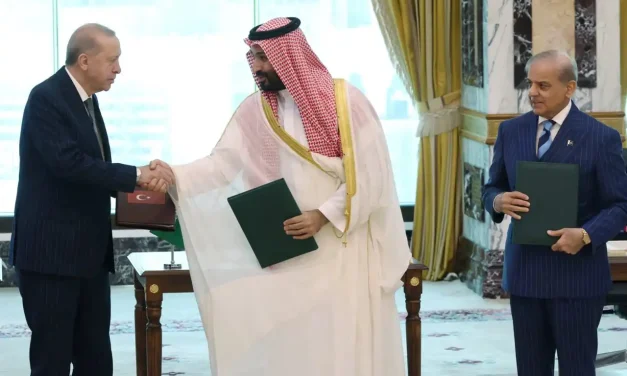
SCFR Online – Interview: The signing of the Makkah agreement between Saudi Arabia, Pakistan, and Turkey has raised questions about the future of the region’s security structure and the position of these countries in West Asian equations. Can this agreement become a genuine collective defense mechanism, or does it have more of a political and deterrent function than creating new military capacity?

Strategic Implications of the Reduction of US Weapons Stockpiles

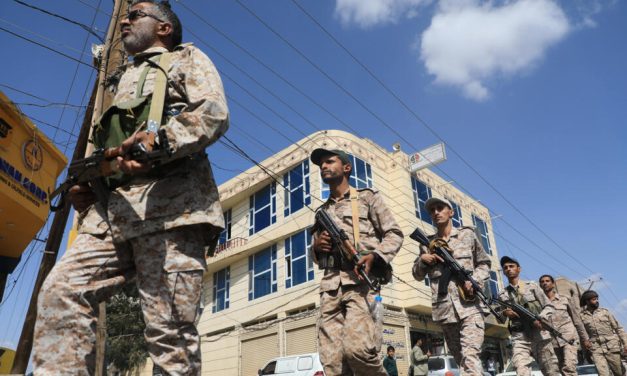
SCFR Online – Opinion: The continuation of the US war against Iran, in addition to increasing operational costs, has called into question the actual capacity of the American arsenal to simultaneously fulfill security commitments on multiple fronts; an issue that affects deterrence, defense production capacity, and Washington’s resource prioritization.

The Formation of a New Order in Relations Between Powers

SCFR Online – Opinion: The Russia-Ukraine war and the war of the United States and the Israeli regime against Iran have been formed with different objectives and actors, but field and political developments indicate that they are not entirely separate from one another.

An Analysis of the Makkah Defense Pact

SCFR Online – Opinion: On Friday, August 7, the heads of state of three countries – Saudi Arabia, Turkey, and Pakistan – signed a text under the title “Makkah Joint Defense Agreement.”

Dimensions and challenges of the initiative to revive the Hejaz Railway

Strategic Council Online – Note: The initiative to revive the Hejaz Railway, beyond being a transportation project, constitutes an attempt to redefine geopolitics, the economy, and Turkey’s regional position; however, its realization appears to face significant financial, security, and institutional challenges.

Loading

Finland

Strategic Consequences for NATO Membership of Sweden & Finland

Strategic Consequences for NATO Membership of Sweden & Finland

Strategic Council Online – Opinion: During the recent day, we witnessed that Sweden and Finland expressed their decision to join NATO. Traditionally, the two countries have followed the policy of non-membership in any alliance. Even during the Cold War, they adhered to their policy. The neutrality policy was also considered as an important factor to secure the stability of North Europe by Moscow, which had been admitted by European countries as well.
Dr. Mohammad Medhi Mazaheri, University Professor

Strategic Consequences of Sweden & Finland Membership in NATO

Strategic Consequences of Sweden & Finland Membership in NATO

Strategic Council Online – Interview: Board member of Research Institute of Strategic Studies stated that Sweden and Finland membership in NATO will make security ambience of Europe more challenging. He said:” NATO strengthening will give the U.S. an upper hand to further contain China; because with further strengthening of unity and stronger military power of the European section of NATO, Europeans’ partnership will further boost to contain Russia, and the U.S. can concentrate on China’s containment with an upper hand”.

China-Finland Relations in Line with Building Arctic Silk Road

China-Finland Relations in Line with Building Arctic Silk Road

Strategic Council Online – Guest Opinion: It is predicted that by 2030 the Arctic will be without significant ice during the summer. This major environmental challenge could prepare trade routes for international transit, an opportunity that China is pursuing by developing offshore projects in line with Building the Arctic Silk Road.
Maryam Varij Kazemi – Researcher on geopolitical issues

EU Performance on Corona Crisis

EU Performance on Corona Crisis

Strategic Council Online: European convergence has declined in recent years due to the Brexit or coming to power of right-wing parties, and today the outbreak of corona and its economic implications could deepen these crises and differences.
Alireza Thamoudi – European Affairs Expert

أحدث الوظائف

Realities of the Tripartite Makkah Pact

SCFR Online – Interview: The signing of the Makkah agreement between Saudi Arabia, Pakistan, and Turkey has raised questions about the future of the region’s security structure and the position of these countries in West Asian equations. Can this agreement become a genuine collective defense mechanism, or does it have more of a political and deterrent function than creating new military capacity?

Strategic Implications of the Reduction of US Weapons Stockpiles

SCFR Online – Opinion: The continuation of the US war against Iran, in addition to increasing operational costs, has called into question the actual capacity of the American arsenal to simultaneously fulfill security commitments on multiple fronts; an issue that affects deterrence, defense production capacity, and Washington’s resource prioritization.

The Formation of a New Order in Relations Between Powers

SCFR Online – Opinion: The Russia-Ukraine war and the war of the United States and the Israeli regime against Iran have been formed with different objectives and actors, but field and political developments indicate that they are not entirely separate from one another.

An Analysis of the Makkah Defense Pact

SCFR Online – Opinion: On Friday, August 7, the heads of state of three countries – Saudi Arabia, Turkey, and Pakistan – signed a text under the title “Makkah Joint Defense Agreement.”

Dimensions and challenges of the initiative to revive the Hejaz Railway

Strategic Council Online – Note: The initiative to revive the Hejaz Railway, beyond being a transportation project, constitutes an attempt to redefine geopolitics, the economy, and Turkey’s regional position; however, its realization appears to face significant financial, security, and institutional challenges.

Loading

Finland

Strategic Consequences for NATO Membership of Sweden & Finland

Strategic Consequences for NATO Membership of Sweden & Finland

Strategic Council Online – Opinion: During the recent day, we witnessed that Sweden and Finland expressed their decision to join NATO. Traditionally, the two countries have followed the policy of non-membership in any alliance. Even during the Cold War, they adhered to their policy. The neutrality policy was also considered as an important factor to secure the stability of North Europe by Moscow, which had been admitted by European countries as well.
Dr. Mohammad Medhi Mazaheri, University Professor

Strategic Consequences of Sweden & Finland Membership in NATO

Strategic Consequences of Sweden & Finland Membership in NATO

Strategic Council Online – Interview: Board member of Research Institute of Strategic Studies stated that Sweden and Finland membership in NATO will make security ambience of Europe more challenging. He said:” NATO strengthening will give the U.S. an upper hand to further contain China; because with further strengthening of unity and stronger military power of the European section of NATO, Europeans’ partnership will further boost to contain Russia, and the U.S. can concentrate on China’s containment with an upper hand”.

China-Finland Relations in Line with Building Arctic Silk Road

China-Finland Relations in Line with Building Arctic Silk Road

Strategic Council Online – Guest Opinion: It is predicted that by 2030 the Arctic will be without significant ice during the summer. This major environmental challenge could prepare trade routes for international transit, an opportunity that China is pursuing by developing offshore projects in line with Building the Arctic Silk Road.
Maryam Varij Kazemi – Researcher on geopolitical issues

EU Performance on Corona Crisis

EU Performance on Corona Crisis

Strategic Council Online: European convergence has declined in recent years due to the Brexit or coming to power of right-wing parties, and today the outbreak of corona and its economic implications could deepen these crises and differences.
Alireza Thamoudi – European Affairs Expert

Finland

Strategic Consequences for NATO Membership of Sweden & Finland

Strategic Consequences for NATO Membership of Sweden & Finland

Strategic Council Online – Opinion: During the recent day, we witnessed that Sweden and Finland expressed their decision to join NATO. Traditionally, the two countries have followed the policy of non-membership in any alliance. Even during the Cold War, they adhered to their policy. The neutrality policy was also considered as an important factor to secure the stability of North Europe by Moscow, which had been admitted by European countries as well.
Dr. Mohammad Medhi Mazaheri, University Professor

Strategic Consequences of Sweden & Finland Membership in NATO

Strategic Consequences of Sweden & Finland Membership in NATO

Strategic Council Online – Interview: Board member of Research Institute of Strategic Studies stated that Sweden and Finland membership in NATO will make security ambience of Europe more challenging. He said:” NATO strengthening will give the U.S. an upper hand to further contain China; because with further strengthening of unity and stronger military power of the European section of NATO, Europeans’ partnership will further boost to contain Russia, and the U.S. can concentrate on China’s containment with an upper hand”.

China-Finland Relations in Line with Building Arctic Silk Road

China-Finland Relations in Line with Building Arctic Silk Road

Strategic Council Online – Guest Opinion: It is predicted that by 2030 the Arctic will be without significant ice during the summer. This major environmental challenge could prepare trade routes for international transit, an opportunity that China is pursuing by developing offshore projects in line with Building the Arctic Silk Road.
Maryam Varij Kazemi – Researcher on geopolitical issues

EU Performance on Corona Crisis

EU Performance on Corona Crisis

Strategic Council Online: European convergence has declined in recent years due to the Brexit or coming to power of right-wing parties, and today the outbreak of corona and its economic implications could deepen these crises and differences.
Alireza Thamoudi – European Affairs Expert

LATEST CONTENT

Realities of the Tripartite Makkah Pact

SCFR Online – Interview: The signing of the Makkah agreement between Saudi Arabia, Pakistan, and Turkey has raised questions about the future of the region’s security structure and the position of these countries in West Asian equations. Can this agreement become a genuine collective defense mechanism, or does it have more of a political and deterrent function than creating new military capacity?

Strategic Implications of the Reduction of US Weapons Stockpiles

SCFR Online – Opinion: The continuation of the US war against Iran, in addition to increasing operational costs, has called into question the actual capacity of the American arsenal to simultaneously fulfill security commitments on multiple fronts; an issue that affects deterrence, defense production capacity, and Washington’s resource prioritization.

The Formation of a New Order in Relations Between Powers

SCFR Online – Opinion: The Russia-Ukraine war and the war of the United States and the Israeli regime against Iran have been formed with different objectives and actors, but field and political developments indicate that they are not entirely separate from one another.

An Analysis of the Makkah Defense Pact

SCFR Online – Opinion: On Friday, August 7, the heads of state of three countries – Saudi Arabia, Turkey, and Pakistan – signed a text under the title “Makkah Joint Defense Agreement.”

Dimensions and challenges of the initiative to revive the Hejaz Railway

Strategic Council Online – Note: The initiative to revive the Hejaz Railway, beyond being a transportation project, constitutes an attempt to redefine geopolitics, the economy, and Turkey’s regional position; however, its realization appears to face significant financial, security, and institutional challenges.

Loading

Finland

Strategic Consequences for NATO Membership of Sweden & Finland

Strategic Consequences for NATO Membership of Sweden & Finland

Strategic Council Online – Opinion: During the recent day, we witnessed that Sweden and Finland expressed their decision to join NATO. Traditionally, the two countries have followed the policy of non-membership in any alliance. Even during the Cold War, they adhered to their policy. The neutrality policy was also considered as an important factor to secure the stability of North Europe by Moscow, which had been admitted by European countries as well.
Dr. Mohammad Medhi Mazaheri, University Professor

Strategic Consequences of Sweden & Finland Membership in NATO

Strategic Consequences of Sweden & Finland Membership in NATO

Strategic Council Online – Interview: Board member of Research Institute of Strategic Studies stated that Sweden and Finland membership in NATO will make security ambience of Europe more challenging. He said:” NATO strengthening will give the U.S. an upper hand to further contain China; because with further strengthening of unity and stronger military power of the European section of NATO, Europeans’ partnership will further boost to contain Russia, and the U.S. can concentrate on China’s containment with an upper hand”.

China-Finland Relations in Line with Building Arctic Silk Road

China-Finland Relations in Line with Building Arctic Silk Road

Strategic Council Online – Guest Opinion: It is predicted that by 2030 the Arctic will be without significant ice during the summer. This major environmental challenge could prepare trade routes for international transit, an opportunity that China is pursuing by developing offshore projects in line with Building the Arctic Silk Road.
Maryam Varij Kazemi – Researcher on geopolitical issues

EU Performance on Corona Crisis

EU Performance on Corona Crisis

Strategic Council Online: European convergence has declined in recent years due to the Brexit or coming to power of right-wing parties, and today the outbreak of corona and its economic implications could deepen these crises and differences.
Alireza Thamoudi – European Affairs Expert

ÚLTIMAS PUBLICACIONES

Realities of the Tripartite Makkah Pact

SCFR Online – Interview: The signing of the Makkah agreement between Saudi Arabia, Pakistan, and Turkey has raised questions about the future of the region’s security structure and the position of these countries in West Asian equations. Can this agreement become a genuine collective defense mechanism, or does it have more of a political and deterrent function than creating new military capacity?

Strategic Implications of the Reduction of US Weapons Stockpiles

SCFR Online – Opinion: The continuation of the US war against Iran, in addition to increasing operational costs, has called into question the actual capacity of the American arsenal to simultaneously fulfill security commitments on multiple fronts; an issue that affects deterrence, defense production capacity, and Washington’s resource prioritization.

The Formation of a New Order in Relations Between Powers

SCFR Online – Opinion: The Russia-Ukraine war and the war of the United States and the Israeli regime against Iran have been formed with different objectives and actors, but field and political developments indicate that they are not entirely separate from one another.

An Analysis of the Makkah Defense Pact

SCFR Online – Opinion: On Friday, August 7, the heads of state of three countries – Saudi Arabia, Turkey, and Pakistan – signed a text under the title “Makkah Joint Defense Agreement.”

Dimensions and challenges of the initiative to revive the Hejaz Railway

Strategic Council Online – Note: The initiative to revive the Hejaz Railway, beyond being a transportation project, constitutes an attempt to redefine geopolitics, the economy, and Turkey’s regional position; however, its realization appears to face significant financial, security, and institutional challenges.

Loading

Finland

Strategic Consequences for NATO Membership of Sweden & Finland

Strategic Consequences for NATO Membership of Sweden & Finland

Strategic Council Online – Opinion: During the recent day, we witnessed that Sweden and Finland expressed their decision to join NATO. Traditionally, the two countries have followed the policy of non-membership in any alliance. Even during the Cold War, they adhered to their policy. The neutrality policy was also considered as an important factor to secure the stability of North Europe by Moscow, which had been admitted by European countries as well.
Dr. Mohammad Medhi Mazaheri, University Professor

Strategic Consequences of Sweden & Finland Membership in NATO

Strategic Consequences of Sweden & Finland Membership in NATO

Strategic Council Online – Interview: Board member of Research Institute of Strategic Studies stated that Sweden and Finland membership in NATO will make security ambience of Europe more challenging. He said:” NATO strengthening will give the U.S. an upper hand to further contain China; because with further strengthening of unity and stronger military power of the European section of NATO, Europeans’ partnership will further boost to contain Russia, and the U.S. can concentrate on China’s containment with an upper hand”.

China-Finland Relations in Line with Building Arctic Silk Road

China-Finland Relations in Line with Building Arctic Silk Road

Strategic Council Online – Guest Opinion: It is predicted that by 2030 the Arctic will be without significant ice during the summer. This major environmental challenge could prepare trade routes for international transit, an opportunity that China is pursuing by developing offshore projects in line with Building the Arctic Silk Road.
Maryam Varij Kazemi – Researcher on geopolitical issues

EU Performance on Corona Crisis

EU Performance on Corona Crisis

Strategic Council Online: European convergence has declined in recent years due to the Brexit or coming to power of right-wing parties, and today the outbreak of corona and its economic implications could deepen these crises and differences.
Alireza Thamoudi – European Affairs Expert

ÚLTIMAS PUBLICACIONES

Realities of the Tripartite Makkah Pact

SCFR Online – Interview: The signing of the Makkah agreement between Saudi Arabia, Pakistan, and Turkey has raised questions about the future of the region’s security structure and the position of these countries in West Asian equations. Can this agreement become a genuine collective defense mechanism, or does it have more of a political and deterrent function than creating new military capacity?

Strategic Implications of the Reduction of US Weapons Stockpiles

SCFR Online – Opinion: The continuation of the US war against Iran, in addition to increasing operational costs, has called into question the actual capacity of the American arsenal to simultaneously fulfill security commitments on multiple fronts; an issue that affects deterrence, defense production capacity, and Washington’s resource prioritization.

The Formation of a New Order in Relations Between Powers

SCFR Online – Opinion: The Russia-Ukraine war and the war of the United States and the Israeli regime against Iran have been formed with different objectives and actors, but field and political developments indicate that they are not entirely separate from one another.

An Analysis of the Makkah Defense Pact

SCFR Online – Opinion: On Friday, August 7, the heads of state of three countries – Saudi Arabia, Turkey, and Pakistan – signed a text under the title “Makkah Joint Defense Agreement.”

Dimensions and challenges of the initiative to revive the Hejaz Railway

Strategic Council Online – Note: The initiative to revive the Hejaz Railway, beyond being a transportation project, constitutes an attempt to redefine geopolitics, the economy, and Turkey’s regional position; however, its realization appears to face significant financial, security, and institutional challenges.

Loading

Finland

Strategic Consequences for NATO Membership of Sweden & Finland

Strategic Consequences for NATO Membership of Sweden & Finland

Strategic Council Online – Opinion: During the recent day, we witnessed that Sweden and Finland expressed their decision to join NATO. Traditionally, the two countries have followed the policy of non-membership in any alliance. Even during the Cold War, they adhered to their policy. The neutrality policy was also considered as an important factor to secure the stability of North Europe by Moscow, which had been admitted by European countries as well.
Dr. Mohammad Medhi Mazaheri, University Professor

Strategic Consequences of Sweden & Finland Membership in NATO

Strategic Consequences of Sweden & Finland Membership in NATO

Strategic Council Online – Interview: Board member of Research Institute of Strategic Studies stated that Sweden and Finland membership in NATO will make security ambience of Europe more challenging. He said:” NATO strengthening will give the U.S. an upper hand to further contain China; because with further strengthening of unity and stronger military power of the European section of NATO, Europeans’ partnership will further boost to contain Russia, and the U.S. can concentrate on China’s containment with an upper hand”.

China-Finland Relations in Line with Building Arctic Silk Road

China-Finland Relations in Line with Building Arctic Silk Road

Strategic Council Online – Guest Opinion: It is predicted that by 2030 the Arctic will be without significant ice during the summer. This major environmental challenge could prepare trade routes for international transit, an opportunity that China is pursuing by developing offshore projects in line with Building the Arctic Silk Road.
Maryam Varij Kazemi – Researcher on geopolitical issues

EU Performance on Corona Crisis

EU Performance on Corona Crisis

Strategic Council Online: European convergence has declined in recent years due to the Brexit or coming to power of right-wing parties, and today the outbreak of corona and its economic implications could deepen these crises and differences.
Alireza Thamoudi – European Affairs Expert

ÚLTIMAS PUBLICACIONES

Realities of the Tripartite Makkah Pact

SCFR Online – Interview: The signing of the Makkah agreement between Saudi Arabia, Pakistan, and Turkey has raised questions about the future of the region’s security structure and the position of these countries in West Asian equations. Can this agreement become a genuine collective defense mechanism, or does it have more of a political and deterrent function than creating new military capacity?

Strategic Implications of the Reduction of US Weapons Stockpiles

SCFR Online – Opinion: The continuation of the US war against Iran, in addition to increasing operational costs, has called into question the actual capacity of the American arsenal to simultaneously fulfill security commitments on multiple fronts; an issue that affects deterrence, defense production capacity, and Washington’s resource prioritization.

The Formation of a New Order in Relations Between Powers

SCFR Online – Opinion: The Russia-Ukraine war and the war of the United States and the Israeli regime against Iran have been formed with different objectives and actors, but field and political developments indicate that they are not entirely separate from one another.

An Analysis of the Makkah Defense Pact

SCFR Online – Opinion: On Friday, August 7, the heads of state of three countries – Saudi Arabia, Turkey, and Pakistan – signed a text under the title “Makkah Joint Defense Agreement.”

Dimensions and challenges of the initiative to revive the Hejaz Railway

Strategic Council Online – Note: The initiative to revive the Hejaz Railway, beyond being a transportation project, constitutes an attempt to redefine geopolitics, the economy, and Turkey’s regional position; however, its realization appears to face significant financial, security, and institutional challenges.

Loading

Finland

Strategic Consequences for NATO Membership of Sweden & Finland

Strategic Consequences for NATO Membership of Sweden & Finland

Strategic Council Online – Opinion: During the recent day, we witnessed that Sweden and Finland expressed their decision to join NATO. Traditionally, the two countries have followed the policy of non-membership in any alliance. Even during the Cold War, they adhered to their policy. The neutrality policy was also considered as an important factor to secure the stability of North Europe by Moscow, which had been admitted by European countries as well.
Dr. Mohammad Medhi Mazaheri, University Professor

Strategic Consequences of Sweden & Finland Membership in NATO

Strategic Consequences of Sweden & Finland Membership in NATO

Strategic Council Online – Interview: Board member of Research Institute of Strategic Studies stated that Sweden and Finland membership in NATO will make security ambience of Europe more challenging. He said:” NATO strengthening will give the U.S. an upper hand to further contain China; because with further strengthening of unity and stronger military power of the European section of NATO, Europeans’ partnership will further boost to contain Russia, and the U.S. can concentrate on China’s containment with an upper hand”.

China-Finland Relations in Line with Building Arctic Silk Road

China-Finland Relations in Line with Building Arctic Silk Road

Strategic Council Online – Guest Opinion: It is predicted that by 2030 the Arctic will be without significant ice during the summer. This major environmental challenge could prepare trade routes for international transit, an opportunity that China is pursuing by developing offshore projects in line with Building the Arctic Silk Road.
Maryam Varij Kazemi – Researcher on geopolitical issues

EU Performance on Corona Crisis

EU Performance on Corona Crisis

Strategic Council Online: European convergence has declined in recent years due to the Brexit or coming to power of right-wing parties, and today the outbreak of corona and its economic implications could deepen these crises and differences.
Alireza Thamoudi – European Affairs Expert

ÚLTIMAS PUBLICACIONES

Realities of the Tripartite Makkah Pact

SCFR Online – Interview: The signing of the Makkah agreement between Saudi Arabia, Pakistan, and Turkey has raised questions about the future of the region’s security structure and the position of these countries in West Asian equations. Can this agreement become a genuine collective defense mechanism, or does it have more of a political and deterrent function than creating new military capacity?

Strategic Implications of the Reduction of US Weapons Stockpiles

SCFR Online – Opinion: The continuation of the US war against Iran, in addition to increasing operational costs, has called into question the actual capacity of the American arsenal to simultaneously fulfill security commitments on multiple fronts; an issue that affects deterrence, defense production capacity, and Washington’s resource prioritization.

The Formation of a New Order in Relations Between Powers

SCFR Online – Opinion: The Russia-Ukraine war and the war of the United States and the Israeli regime against Iran have been formed with different objectives and actors, but field and political developments indicate that they are not entirely separate from one another.

An Analysis of the Makkah Defense Pact

SCFR Online – Opinion: On Friday, August 7, the heads of state of three countries – Saudi Arabia, Turkey, and Pakistan – signed a text under the title “Makkah Joint Defense Agreement.”

Dimensions and challenges of the initiative to revive the Hejaz Railway

Strategic Council Online – Note: The initiative to revive the Hejaz Railway, beyond being a transportation project, constitutes an attempt to redefine geopolitics, the economy, and Turkey’s regional position; however, its realization appears to face significant financial, security, and institutional challenges.

Loading