جدیدترین مطالب

Balancing in the chain of chokepoints; from sea-based deterrence to pluralistic diplomacy

Strategic Council Online – Note: Recent developments in the political geography of West Asia, from rising tensions in the Persian Gulf to missile and drone activities in the Red Sea and the recent warning by Kaja Kallas, the European Union’s foreign policy chief, regarding the threat to freedom of navigation, indicate a key pattern shift; the US-Iran war has moved beyond the scope of a regional and local confrontation and has linked two vital passageways for the global economy: the Strait of Hormuz and the Bab el-Mandeb Strait.

Indicators for Choosing Between War and Diplomacy

SCFR Online – Opinion: Foreign policy analysis is valid when it evaluates decisions based on the information and circumstances prevailing at the time they were made, not on the basis of outcomes that only become apparent after the crisis has ended.

Loading

Zionist Regime

America’s Endeavor to Rebuild Domination in West Asia Under the Guise of Peace Plans

America’s Endeavor to Rebuild Domination in West Asia Under the Guise of Peace Plans

Strategic Council Online- Interview: An expert on West Asian issues stated: The developments following the Gaza war indicate that the U.S. strategy to redefine the West Asian order through the normalization of relations with the Israeli regime has reached a dead end. Therefore, the post-Gaza war developments have once again placed the U.S. security engineering strategy in West Asia at the center of analysts’ attention.

West Asia: An Arena of Strength Testing

West Asia: An Arena of Strength Testing

Online Strategic Council – Note: Developments in the West Asia region, including tensions between Iran and the Israeli regime or regional cooperation, are influenced by macro policies pursued by extra-regional powers. Of course, other equations are very influential. It must be noted that China and Russia have no desire whatsoever for America’s success in the West Asia region and, based on this, they do not support the success and operational superiority of the Israeli regime in confronting Iran. Meanwhile, the Americans are seeking to focus their forces in West Asia for now, amid the three crises of Ukraine, Taiwan, and West Asia.

The Zionist Regime’s Genocide of Palestinians in Gaza from the Perspective of International Law

The Zionist Regime’s Genocide of Palestinians in Gaza from the Perspective of International Law

Online Strategic Council – Memo: In September 2025, the UN Independent Commission of Inquiry officially announced that the Israeli regime had committed genocide during the Gaza war. The commission clarified that this regime had carried out four of the five acts defined by the Convention as genocidal acts, and that the statements of Israeli regime officials also indicated an intent to destroy a national group (Palestinians).

A Look at the U.S. Security Agreement with Qatar

A Look at the U.S. Security Agreement with Qatar

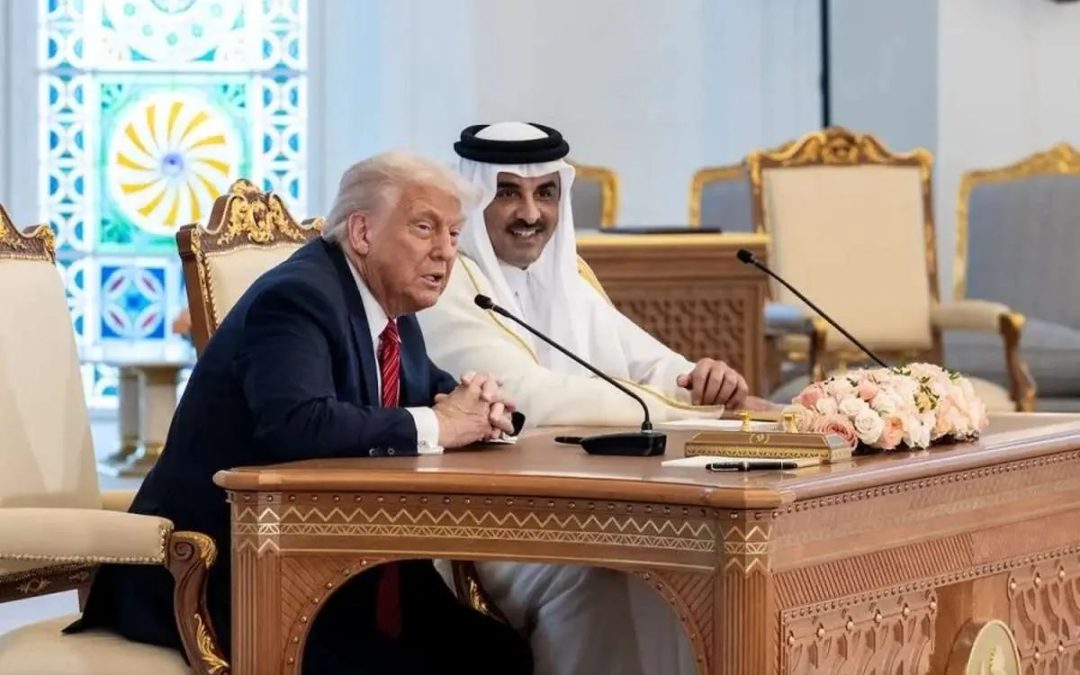
Online Strategic Council – Interview: An expert on Persian Gulf regional issues stated: The White House recently announced that Trump signed an executive order guaranteeing Qatar’s security. The order states that U.S. policy is to deter and respond to any external attack on Qatar’s security and territorial integrity.

The Plan to Disarm Hezbollah and the Future of Lebanon

The Plan to Disarm Hezbollah and the Future of Lebanon

Online Strategic Council – Interview: The former Director-General of the Middle East at the Ministry of Foreign Affairs stated: The U.S. plan to disarm Lebanon’s Hezbollah, based on Resolution 1701 issued in 2006, is not a new issue, but its timing, coinciding with the Gaza War, which started in October 2023, has placed it in a different context. This is because, simultaneously with the Gaza War, Syria underwent extensive developments, and Lebanon, which had entered the Gaza War through Hezbollah, suddenly signed a ceasefire agreement with the Israeli regime.

An Analysis of Syria’s Parliamentary Elections

An Analysis of Syria’s Parliamentary Elections

Online Strategic Council – Interview: A West Asia affairs expert stated that the first parliamentary elections in Syria during the interim government’s tenure, led by Ahmad al-Shar, were held while the appointed composition of seats, the absence of a national census, and the influence of foreign actors challenge the real legitimacy and freedom of these elections.

Seizure of the Samoud Flotilla: A Clear Violation of International Law

Seizure of the Samoud Flotilla: A Clear Violation of International Law

Online Strategic Council – Dialogue: A senior analyst of West Asian and Arab world affairs stated: The recent action by the naval forces of the Israeli regime in seizing the “Global Samoud” humanitarian ships has once again placed the world before a clear violation of international law and maritime laws.

A Regional Deterrence Umbrella Against the Threats of the Zionist Regime

A Regional Deterrence Umbrella Against the Threats of the Zionist Regime

Online Strategic Council – Interview: A senior West Asia affairs analyst stated that recent developments in West Asia indicate that the region’s security equations have entered a new stage. The Israeli regime’s attack on Qatar, as a security shock, has made the Arab countries of the Persian Gulf aware of new vulnerabilities and forced them to reconsider their defense strategies. Now, relying on American security guarantees no longer seems sufficient, because emerging regional threats have become more complex and multi-layered than in the past. In this context, Pakistan, with its special position as the only atomic power in the Islamic world, has quickly found a strategic place in the security calculations of the Arab countries. The signing of the strategic defense agreement between Riyadh and Islamabad, followed by a military cooperation meeting between Bahrain and Pakistan in Manama, indicates an increasing trend in security convergence. These cooperations are defined not only to strengthen joint deterrence and counter potential threats, especially from the Israeli regime, but also indicate a shift in the balance of power in the region. Pakistan’s entry into the West Asian equations could have broader implications; on the one hand, it could reduce America’s monopoly on providing regional security, and on the other hand, it could create new axes of cooperation among Islamic powers. Thus, by moving closer to Islamabad, Saudi Arabia and Bahrain are seeking to develop an indigenous defense shield which, in addition to guaranteeing their own security, sends a clear message to regional rivals: the power equations are being rewritten and new actors have entered the scene.

The Prospect of Global Recognition of the State of Palestine

The Prospect of Global Recognition of the State of Palestine

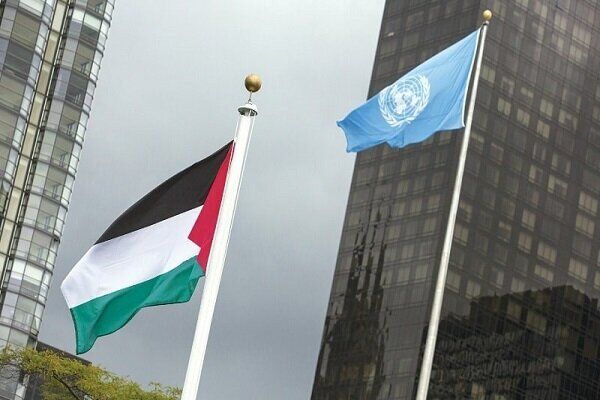
Online Strategic Council – Note: The process of recognizing Palestine by countries around the world, which has been met with opposition and anger from the Israeli regime, is noteworthy. The unprecedented move by various world countries to recognize the independent State of Palestine is entirely linked to the crimes of the Zionist regime in Gaza and its genocidal and racist policies.

أحدث الوظائف

Balancing in the chain of chokepoints; from sea-based deterrence to pluralistic diplomacy

Strategic Council Online – Note: Recent developments in the political geography of West Asia, from rising tensions in the Persian Gulf to missile and drone activities in the Red Sea and the recent warning by Kaja Kallas, the European Union’s foreign policy chief, regarding the threat to freedom of navigation, indicate a key pattern shift; the US-Iran war has moved beyond the scope of a regional and local confrontation and has linked two vital passageways for the global economy: the Strait of Hormuz and the Bab el-Mandeb Strait.

Indicators for Choosing Between War and Diplomacy

SCFR Online – Opinion: Foreign policy analysis is valid when it evaluates decisions based on the information and circumstances prevailing at the time they were made, not on the basis of outcomes that only become apparent after the crisis has ended.

Loading

Zionist Regime

America’s Endeavor to Rebuild Domination in West Asia Under the Guise of Peace Plans

America’s Endeavor to Rebuild Domination in West Asia Under the Guise of Peace Plans

Strategic Council Online- Interview: An expert on West Asian issues stated: The developments following the Gaza war indicate that the U.S. strategy to redefine the West Asian order through the normalization of relations with the Israeli regime has reached a dead end. Therefore, the post-Gaza war developments have once again placed the U.S. security engineering strategy in West Asia at the center of analysts’ attention.

West Asia: An Arena of Strength Testing

West Asia: An Arena of Strength Testing

Online Strategic Council – Note: Developments in the West Asia region, including tensions between Iran and the Israeli regime or regional cooperation, are influenced by macro policies pursued by extra-regional powers. Of course, other equations are very influential. It must be noted that China and Russia have no desire whatsoever for America’s success in the West Asia region and, based on this, they do not support the success and operational superiority of the Israeli regime in confronting Iran. Meanwhile, the Americans are seeking to focus their forces in West Asia for now, amid the three crises of Ukraine, Taiwan, and West Asia.

The Zionist Regime’s Genocide of Palestinians in Gaza from the Perspective of International Law

The Zionist Regime’s Genocide of Palestinians in Gaza from the Perspective of International Law

Online Strategic Council – Memo: In September 2025, the UN Independent Commission of Inquiry officially announced that the Israeli regime had committed genocide during the Gaza war. The commission clarified that this regime had carried out four of the five acts defined by the Convention as genocidal acts, and that the statements of Israeli regime officials also indicated an intent to destroy a national group (Palestinians).

A Look at the U.S. Security Agreement with Qatar

A Look at the U.S. Security Agreement with Qatar

Online Strategic Council – Interview: An expert on Persian Gulf regional issues stated: The White House recently announced that Trump signed an executive order guaranteeing Qatar’s security. The order states that U.S. policy is to deter and respond to any external attack on Qatar’s security and territorial integrity.

The Plan to Disarm Hezbollah and the Future of Lebanon

The Plan to Disarm Hezbollah and the Future of Lebanon

Online Strategic Council – Interview: The former Director-General of the Middle East at the Ministry of Foreign Affairs stated: The U.S. plan to disarm Lebanon’s Hezbollah, based on Resolution 1701 issued in 2006, is not a new issue, but its timing, coinciding with the Gaza War, which started in October 2023, has placed it in a different context. This is because, simultaneously with the Gaza War, Syria underwent extensive developments, and Lebanon, which had entered the Gaza War through Hezbollah, suddenly signed a ceasefire agreement with the Israeli regime.

An Analysis of Syria’s Parliamentary Elections

An Analysis of Syria’s Parliamentary Elections

Online Strategic Council – Interview: A West Asia affairs expert stated that the first parliamentary elections in Syria during the interim government’s tenure, led by Ahmad al-Shar, were held while the appointed composition of seats, the absence of a national census, and the influence of foreign actors challenge the real legitimacy and freedom of these elections.

Seizure of the Samoud Flotilla: A Clear Violation of International Law

Seizure of the Samoud Flotilla: A Clear Violation of International Law

Online Strategic Council – Dialogue: A senior analyst of West Asian and Arab world affairs stated: The recent action by the naval forces of the Israeli regime in seizing the “Global Samoud” humanitarian ships has once again placed the world before a clear violation of international law and maritime laws.

A Regional Deterrence Umbrella Against the Threats of the Zionist Regime

A Regional Deterrence Umbrella Against the Threats of the Zionist Regime

Online Strategic Council – Interview: A senior West Asia affairs analyst stated that recent developments in West Asia indicate that the region’s security equations have entered a new stage. The Israeli regime’s attack on Qatar, as a security shock, has made the Arab countries of the Persian Gulf aware of new vulnerabilities and forced them to reconsider their defense strategies. Now, relying on American security guarantees no longer seems sufficient, because emerging regional threats have become more complex and multi-layered than in the past. In this context, Pakistan, with its special position as the only atomic power in the Islamic world, has quickly found a strategic place in the security calculations of the Arab countries. The signing of the strategic defense agreement between Riyadh and Islamabad, followed by a military cooperation meeting between Bahrain and Pakistan in Manama, indicates an increasing trend in security convergence. These cooperations are defined not only to strengthen joint deterrence and counter potential threats, especially from the Israeli regime, but also indicate a shift in the balance of power in the region. Pakistan’s entry into the West Asian equations could have broader implications; on the one hand, it could reduce America’s monopoly on providing regional security, and on the other hand, it could create new axes of cooperation among Islamic powers. Thus, by moving closer to Islamabad, Saudi Arabia and Bahrain are seeking to develop an indigenous defense shield which, in addition to guaranteeing their own security, sends a clear message to regional rivals: the power equations are being rewritten and new actors have entered the scene.

The Prospect of Global Recognition of the State of Palestine

The Prospect of Global Recognition of the State of Palestine

Online Strategic Council – Note: The process of recognizing Palestine by countries around the world, which has been met with opposition and anger from the Israeli regime, is noteworthy. The unprecedented move by various world countries to recognize the independent State of Palestine is entirely linked to the crimes of the Zionist regime in Gaza and its genocidal and racist policies.

Zionist Regime

America’s Endeavor to Rebuild Domination in West Asia Under the Guise of Peace Plans

America’s Endeavor to Rebuild Domination in West Asia Under the Guise of Peace Plans

Strategic Council Online- Interview: An expert on West Asian issues stated: The developments following the Gaza war indicate that the U.S. strategy to redefine the West Asian order through the normalization of relations with the Israeli regime has reached a dead end. Therefore, the post-Gaza war developments have once again placed the U.S. security engineering strategy in West Asia at the center of analysts’ attention.

West Asia: An Arena of Strength Testing

West Asia: An Arena of Strength Testing

Online Strategic Council – Note: Developments in the West Asia region, including tensions between Iran and the Israeli regime or regional cooperation, are influenced by macro policies pursued by extra-regional powers. Of course, other equations are very influential. It must be noted that China and Russia have no desire whatsoever for America’s success in the West Asia region and, based on this, they do not support the success and operational superiority of the Israeli regime in confronting Iran. Meanwhile, the Americans are seeking to focus their forces in West Asia for now, amid the three crises of Ukraine, Taiwan, and West Asia.

The Zionist Regime’s Genocide of Palestinians in Gaza from the Perspective of International Law

The Zionist Regime’s Genocide of Palestinians in Gaza from the Perspective of International Law

Online Strategic Council – Memo: In September 2025, the UN Independent Commission of Inquiry officially announced that the Israeli regime had committed genocide during the Gaza war. The commission clarified that this regime had carried out four of the five acts defined by the Convention as genocidal acts, and that the statements of Israeli regime officials also indicated an intent to destroy a national group (Palestinians).

A Look at the U.S. Security Agreement with Qatar

A Look at the U.S. Security Agreement with Qatar

Online Strategic Council – Interview: An expert on Persian Gulf regional issues stated: The White House recently announced that Trump signed an executive order guaranteeing Qatar’s security. The order states that U.S. policy is to deter and respond to any external attack on Qatar’s security and territorial integrity.

The Plan to Disarm Hezbollah and the Future of Lebanon

The Plan to Disarm Hezbollah and the Future of Lebanon

Online Strategic Council – Interview: The former Director-General of the Middle East at the Ministry of Foreign Affairs stated: The U.S. plan to disarm Lebanon’s Hezbollah, based on Resolution 1701 issued in 2006, is not a new issue, but its timing, coinciding with the Gaza War, which started in October 2023, has placed it in a different context. This is because, simultaneously with the Gaza War, Syria underwent extensive developments, and Lebanon, which had entered the Gaza War through Hezbollah, suddenly signed a ceasefire agreement with the Israeli regime.

An Analysis of Syria’s Parliamentary Elections

An Analysis of Syria’s Parliamentary Elections

Online Strategic Council – Interview: A West Asia affairs expert stated that the first parliamentary elections in Syria during the interim government’s tenure, led by Ahmad al-Shar, were held while the appointed composition of seats, the absence of a national census, and the influence of foreign actors challenge the real legitimacy and freedom of these elections.

Seizure of the Samoud Flotilla: A Clear Violation of International Law

Seizure of the Samoud Flotilla: A Clear Violation of International Law

Online Strategic Council – Dialogue: A senior analyst of West Asian and Arab world affairs stated: The recent action by the naval forces of the Israeli regime in seizing the “Global Samoud” humanitarian ships has once again placed the world before a clear violation of international law and maritime laws.

A Regional Deterrence Umbrella Against the Threats of the Zionist Regime

A Regional Deterrence Umbrella Against the Threats of the Zionist Regime

Online Strategic Council – Interview: A senior West Asia affairs analyst stated that recent developments in West Asia indicate that the region’s security equations have entered a new stage. The Israeli regime’s attack on Qatar, as a security shock, has made the Arab countries of the Persian Gulf aware of new vulnerabilities and forced them to reconsider their defense strategies. Now, relying on American security guarantees no longer seems sufficient, because emerging regional threats have become more complex and multi-layered than in the past. In this context, Pakistan, with its special position as the only atomic power in the Islamic world, has quickly found a strategic place in the security calculations of the Arab countries. The signing of the strategic defense agreement between Riyadh and Islamabad, followed by a military cooperation meeting between Bahrain and Pakistan in Manama, indicates an increasing trend in security convergence. These cooperations are defined not only to strengthen joint deterrence and counter potential threats, especially from the Israeli regime, but also indicate a shift in the balance of power in the region. Pakistan’s entry into the West Asian equations could have broader implications; on the one hand, it could reduce America’s monopoly on providing regional security, and on the other hand, it could create new axes of cooperation among Islamic powers. Thus, by moving closer to Islamabad, Saudi Arabia and Bahrain are seeking to develop an indigenous defense shield which, in addition to guaranteeing their own security, sends a clear message to regional rivals: the power equations are being rewritten and new actors have entered the scene.

The Prospect of Global Recognition of the State of Palestine

The Prospect of Global Recognition of the State of Palestine

Online Strategic Council – Note: The process of recognizing Palestine by countries around the world, which has been met with opposition and anger from the Israeli regime, is noteworthy. The unprecedented move by various world countries to recognize the independent State of Palestine is entirely linked to the crimes of the Zionist regime in Gaza and its genocidal and racist policies.

LATEST CONTENT

Balancing in the chain of chokepoints; from sea-based deterrence to pluralistic diplomacy

Strategic Council Online – Note: Recent developments in the political geography of West Asia, from rising tensions in the Persian Gulf to missile and drone activities in the Red Sea and the recent warning by Kaja Kallas, the European Union’s foreign policy chief, regarding the threat to freedom of navigation, indicate a key pattern shift; the US-Iran war has moved beyond the scope of a regional and local confrontation and has linked two vital passageways for the global economy: the Strait of Hormuz and the Bab el-Mandeb Strait.

Indicators for Choosing Between War and Diplomacy

SCFR Online – Opinion: Foreign policy analysis is valid when it evaluates decisions based on the information and circumstances prevailing at the time they were made, not on the basis of outcomes that only become apparent after the crisis has ended.

Loading

Zionist Regime

America’s Endeavor to Rebuild Domination in West Asia Under the Guise of Peace Plans

America’s Endeavor to Rebuild Domination in West Asia Under the Guise of Peace Plans

Strategic Council Online- Interview: An expert on West Asian issues stated: The developments following the Gaza war indicate that the U.S. strategy to redefine the West Asian order through the normalization of relations with the Israeli regime has reached a dead end. Therefore, the post-Gaza war developments have once again placed the U.S. security engineering strategy in West Asia at the center of analysts’ attention.

West Asia: An Arena of Strength Testing

West Asia: An Arena of Strength Testing

Online Strategic Council – Note: Developments in the West Asia region, including tensions between Iran and the Israeli regime or regional cooperation, are influenced by macro policies pursued by extra-regional powers. Of course, other equations are very influential. It must be noted that China and Russia have no desire whatsoever for America’s success in the West Asia region and, based on this, they do not support the success and operational superiority of the Israeli regime in confronting Iran. Meanwhile, the Americans are seeking to focus their forces in West Asia for now, amid the three crises of Ukraine, Taiwan, and West Asia.

The Zionist Regime’s Genocide of Palestinians in Gaza from the Perspective of International Law

The Zionist Regime’s Genocide of Palestinians in Gaza from the Perspective of International Law

Online Strategic Council – Memo: In September 2025, the UN Independent Commission of Inquiry officially announced that the Israeli regime had committed genocide during the Gaza war. The commission clarified that this regime had carried out four of the five acts defined by the Convention as genocidal acts, and that the statements of Israeli regime officials also indicated an intent to destroy a national group (Palestinians).

A Look at the U.S. Security Agreement with Qatar

A Look at the U.S. Security Agreement with Qatar

Online Strategic Council – Interview: An expert on Persian Gulf regional issues stated: The White House recently announced that Trump signed an executive order guaranteeing Qatar’s security. The order states that U.S. policy is to deter and respond to any external attack on Qatar’s security and territorial integrity.

The Plan to Disarm Hezbollah and the Future of Lebanon

The Plan to Disarm Hezbollah and the Future of Lebanon

Online Strategic Council – Interview: The former Director-General of the Middle East at the Ministry of Foreign Affairs stated: The U.S. plan to disarm Lebanon’s Hezbollah, based on Resolution 1701 issued in 2006, is not a new issue, but its timing, coinciding with the Gaza War, which started in October 2023, has placed it in a different context. This is because, simultaneously with the Gaza War, Syria underwent extensive developments, and Lebanon, which had entered the Gaza War through Hezbollah, suddenly signed a ceasefire agreement with the Israeli regime.

An Analysis of Syria’s Parliamentary Elections

An Analysis of Syria’s Parliamentary Elections

Online Strategic Council – Interview: A West Asia affairs expert stated that the first parliamentary elections in Syria during the interim government’s tenure, led by Ahmad al-Shar, were held while the appointed composition of seats, the absence of a national census, and the influence of foreign actors challenge the real legitimacy and freedom of these elections.

Seizure of the Samoud Flotilla: A Clear Violation of International Law

Seizure of the Samoud Flotilla: A Clear Violation of International Law

Online Strategic Council – Dialogue: A senior analyst of West Asian and Arab world affairs stated: The recent action by the naval forces of the Israeli regime in seizing the “Global Samoud” humanitarian ships has once again placed the world before a clear violation of international law and maritime laws.

A Regional Deterrence Umbrella Against the Threats of the Zionist Regime

A Regional Deterrence Umbrella Against the Threats of the Zionist Regime

Online Strategic Council – Interview: A senior West Asia affairs analyst stated that recent developments in West Asia indicate that the region’s security equations have entered a new stage. The Israeli regime’s attack on Qatar, as a security shock, has made the Arab countries of the Persian Gulf aware of new vulnerabilities and forced them to reconsider their defense strategies. Now, relying on American security guarantees no longer seems sufficient, because emerging regional threats have become more complex and multi-layered than in the past. In this context, Pakistan, with its special position as the only atomic power in the Islamic world, has quickly found a strategic place in the security calculations of the Arab countries. The signing of the strategic defense agreement between Riyadh and Islamabad, followed by a military cooperation meeting between Bahrain and Pakistan in Manama, indicates an increasing trend in security convergence. These cooperations are defined not only to strengthen joint deterrence and counter potential threats, especially from the Israeli regime, but also indicate a shift in the balance of power in the region. Pakistan’s entry into the West Asian equations could have broader implications; on the one hand, it could reduce America’s monopoly on providing regional security, and on the other hand, it could create new axes of cooperation among Islamic powers. Thus, by moving closer to Islamabad, Saudi Arabia and Bahrain are seeking to develop an indigenous defense shield which, in addition to guaranteeing their own security, sends a clear message to regional rivals: the power equations are being rewritten and new actors have entered the scene.

The Prospect of Global Recognition of the State of Palestine

The Prospect of Global Recognition of the State of Palestine

Online Strategic Council – Note: The process of recognizing Palestine by countries around the world, which has been met with opposition and anger from the Israeli regime, is noteworthy. The unprecedented move by various world countries to recognize the independent State of Palestine is entirely linked to the crimes of the Zionist regime in Gaza and its genocidal and racist policies.

ÚLTIMAS PUBLICACIONES

Balancing in the chain of chokepoints; from sea-based deterrence to pluralistic diplomacy

Strategic Council Online – Note: Recent developments in the political geography of West Asia, from rising tensions in the Persian Gulf to missile and drone activities in the Red Sea and the recent warning by Kaja Kallas, the European Union’s foreign policy chief, regarding the threat to freedom of navigation, indicate a key pattern shift; the US-Iran war has moved beyond the scope of a regional and local confrontation and has linked two vital passageways for the global economy: the Strait of Hormuz and the Bab el-Mandeb Strait.

Indicators for Choosing Between War and Diplomacy

SCFR Online – Opinion: Foreign policy analysis is valid when it evaluates decisions based on the information and circumstances prevailing at the time they were made, not on the basis of outcomes that only become apparent after the crisis has ended.

Loading

Zionist Regime

America’s Endeavor to Rebuild Domination in West Asia Under the Guise of Peace Plans

America’s Endeavor to Rebuild Domination in West Asia Under the Guise of Peace Plans

Strategic Council Online- Interview: An expert on West Asian issues stated: The developments following the Gaza war indicate that the U.S. strategy to redefine the West Asian order through the normalization of relations with the Israeli regime has reached a dead end. Therefore, the post-Gaza war developments have once again placed the U.S. security engineering strategy in West Asia at the center of analysts’ attention.

West Asia: An Arena of Strength Testing

West Asia: An Arena of Strength Testing

Online Strategic Council – Note: Developments in the West Asia region, including tensions between Iran and the Israeli regime or regional cooperation, are influenced by macro policies pursued by extra-regional powers. Of course, other equations are very influential. It must be noted that China and Russia have no desire whatsoever for America’s success in the West Asia region and, based on this, they do not support the success and operational superiority of the Israeli regime in confronting Iran. Meanwhile, the Americans are seeking to focus their forces in West Asia for now, amid the three crises of Ukraine, Taiwan, and West Asia.

The Zionist Regime’s Genocide of Palestinians in Gaza from the Perspective of International Law

The Zionist Regime’s Genocide of Palestinians in Gaza from the Perspective of International Law

Online Strategic Council – Memo: In September 2025, the UN Independent Commission of Inquiry officially announced that the Israeli regime had committed genocide during the Gaza war. The commission clarified that this regime had carried out four of the five acts defined by the Convention as genocidal acts, and that the statements of Israeli regime officials also indicated an intent to destroy a national group (Palestinians).

A Look at the U.S. Security Agreement with Qatar

A Look at the U.S. Security Agreement with Qatar

Online Strategic Council – Interview: An expert on Persian Gulf regional issues stated: The White House recently announced that Trump signed an executive order guaranteeing Qatar’s security. The order states that U.S. policy is to deter and respond to any external attack on Qatar’s security and territorial integrity.

The Plan to Disarm Hezbollah and the Future of Lebanon

The Plan to Disarm Hezbollah and the Future of Lebanon

Online Strategic Council – Interview: The former Director-General of the Middle East at the Ministry of Foreign Affairs stated: The U.S. plan to disarm Lebanon’s Hezbollah, based on Resolution 1701 issued in 2006, is not a new issue, but its timing, coinciding with the Gaza War, which started in October 2023, has placed it in a different context. This is because, simultaneously with the Gaza War, Syria underwent extensive developments, and Lebanon, which had entered the Gaza War through Hezbollah, suddenly signed a ceasefire agreement with the Israeli regime.

An Analysis of Syria’s Parliamentary Elections

An Analysis of Syria’s Parliamentary Elections

Online Strategic Council – Interview: A West Asia affairs expert stated that the first parliamentary elections in Syria during the interim government’s tenure, led by Ahmad al-Shar, were held while the appointed composition of seats, the absence of a national census, and the influence of foreign actors challenge the real legitimacy and freedom of these elections.

Seizure of the Samoud Flotilla: A Clear Violation of International Law

Seizure of the Samoud Flotilla: A Clear Violation of International Law

Online Strategic Council – Dialogue: A senior analyst of West Asian and Arab world affairs stated: The recent action by the naval forces of the Israeli regime in seizing the “Global Samoud” humanitarian ships has once again placed the world before a clear violation of international law and maritime laws.

A Regional Deterrence Umbrella Against the Threats of the Zionist Regime

A Regional Deterrence Umbrella Against the Threats of the Zionist Regime

Online Strategic Council – Interview: A senior West Asia affairs analyst stated that recent developments in West Asia indicate that the region’s security equations have entered a new stage. The Israeli regime’s attack on Qatar, as a security shock, has made the Arab countries of the Persian Gulf aware of new vulnerabilities and forced them to reconsider their defense strategies. Now, relying on American security guarantees no longer seems sufficient, because emerging regional threats have become more complex and multi-layered than in the past. In this context, Pakistan, with its special position as the only atomic power in the Islamic world, has quickly found a strategic place in the security calculations of the Arab countries. The signing of the strategic defense agreement between Riyadh and Islamabad, followed by a military cooperation meeting between Bahrain and Pakistan in Manama, indicates an increasing trend in security convergence. These cooperations are defined not only to strengthen joint deterrence and counter potential threats, especially from the Israeli regime, but also indicate a shift in the balance of power in the region. Pakistan’s entry into the West Asian equations could have broader implications; on the one hand, it could reduce America’s monopoly on providing regional security, and on the other hand, it could create new axes of cooperation among Islamic powers. Thus, by moving closer to Islamabad, Saudi Arabia and Bahrain are seeking to develop an indigenous defense shield which, in addition to guaranteeing their own security, sends a clear message to regional rivals: the power equations are being rewritten and new actors have entered the scene.

The Prospect of Global Recognition of the State of Palestine

The Prospect of Global Recognition of the State of Palestine

Online Strategic Council – Note: The process of recognizing Palestine by countries around the world, which has been met with opposition and anger from the Israeli regime, is noteworthy. The unprecedented move by various world countries to recognize the independent State of Palestine is entirely linked to the crimes of the Zionist regime in Gaza and its genocidal and racist policies.

ÚLTIMAS PUBLICACIONES

Balancing in the chain of chokepoints; from sea-based deterrence to pluralistic diplomacy

Strategic Council Online – Note: Recent developments in the political geography of West Asia, from rising tensions in the Persian Gulf to missile and drone activities in the Red Sea and the recent warning by Kaja Kallas, the European Union’s foreign policy chief, regarding the threat to freedom of navigation, indicate a key pattern shift; the US-Iran war has moved beyond the scope of a regional and local confrontation and has linked two vital passageways for the global economy: the Strait of Hormuz and the Bab el-Mandeb Strait.

Indicators for Choosing Between War and Diplomacy

SCFR Online – Opinion: Foreign policy analysis is valid when it evaluates decisions based on the information and circumstances prevailing at the time they were made, not on the basis of outcomes that only become apparent after the crisis has ended.

Loading

Zionist Regime

America’s Endeavor to Rebuild Domination in West Asia Under the Guise of Peace Plans

America’s Endeavor to Rebuild Domination in West Asia Under the Guise of Peace Plans

Strategic Council Online- Interview: An expert on West Asian issues stated: The developments following the Gaza war indicate that the U.S. strategy to redefine the West Asian order through the normalization of relations with the Israeli regime has reached a dead end. Therefore, the post-Gaza war developments have once again placed the U.S. security engineering strategy in West Asia at the center of analysts’ attention.

West Asia: An Arena of Strength Testing

West Asia: An Arena of Strength Testing

Online Strategic Council – Note: Developments in the West Asia region, including tensions between Iran and the Israeli regime or regional cooperation, are influenced by macro policies pursued by extra-regional powers. Of course, other equations are very influential. It must be noted that China and Russia have no desire whatsoever for America’s success in the West Asia region and, based on this, they do not support the success and operational superiority of the Israeli regime in confronting Iran. Meanwhile, the Americans are seeking to focus their forces in West Asia for now, amid the three crises of Ukraine, Taiwan, and West Asia.

The Zionist Regime’s Genocide of Palestinians in Gaza from the Perspective of International Law

The Zionist Regime’s Genocide of Palestinians in Gaza from the Perspective of International Law

Online Strategic Council – Memo: In September 2025, the UN Independent Commission of Inquiry officially announced that the Israeli regime had committed genocide during the Gaza war. The commission clarified that this regime had carried out four of the five acts defined by the Convention as genocidal acts, and that the statements of Israeli regime officials also indicated an intent to destroy a national group (Palestinians).

A Look at the U.S. Security Agreement with Qatar

A Look at the U.S. Security Agreement with Qatar

Online Strategic Council – Interview: An expert on Persian Gulf regional issues stated: The White House recently announced that Trump signed an executive order guaranteeing Qatar’s security. The order states that U.S. policy is to deter and respond to any external attack on Qatar’s security and territorial integrity.

The Plan to Disarm Hezbollah and the Future of Lebanon

The Plan to Disarm Hezbollah and the Future of Lebanon

Online Strategic Council – Interview: The former Director-General of the Middle East at the Ministry of Foreign Affairs stated: The U.S. plan to disarm Lebanon’s Hezbollah, based on Resolution 1701 issued in 2006, is not a new issue, but its timing, coinciding with the Gaza War, which started in October 2023, has placed it in a different context. This is because, simultaneously with the Gaza War, Syria underwent extensive developments, and Lebanon, which had entered the Gaza War through Hezbollah, suddenly signed a ceasefire agreement with the Israeli regime.

An Analysis of Syria’s Parliamentary Elections

An Analysis of Syria’s Parliamentary Elections

Online Strategic Council – Interview: A West Asia affairs expert stated that the first parliamentary elections in Syria during the interim government’s tenure, led by Ahmad al-Shar, were held while the appointed composition of seats, the absence of a national census, and the influence of foreign actors challenge the real legitimacy and freedom of these elections.

Seizure of the Samoud Flotilla: A Clear Violation of International Law

Seizure of the Samoud Flotilla: A Clear Violation of International Law

Online Strategic Council – Dialogue: A senior analyst of West Asian and Arab world affairs stated: The recent action by the naval forces of the Israeli regime in seizing the “Global Samoud” humanitarian ships has once again placed the world before a clear violation of international law and maritime laws.

A Regional Deterrence Umbrella Against the Threats of the Zionist Regime

A Regional Deterrence Umbrella Against the Threats of the Zionist Regime

Online Strategic Council – Interview: A senior West Asia affairs analyst stated that recent developments in West Asia indicate that the region’s security equations have entered a new stage. The Israeli regime’s attack on Qatar, as a security shock, has made the Arab countries of the Persian Gulf aware of new vulnerabilities and forced them to reconsider their defense strategies. Now, relying on American security guarantees no longer seems sufficient, because emerging regional threats have become more complex and multi-layered than in the past. In this context, Pakistan, with its special position as the only atomic power in the Islamic world, has quickly found a strategic place in the security calculations of the Arab countries. The signing of the strategic defense agreement between Riyadh and Islamabad, followed by a military cooperation meeting between Bahrain and Pakistan in Manama, indicates an increasing trend in security convergence. These cooperations are defined not only to strengthen joint deterrence and counter potential threats, especially from the Israeli regime, but also indicate a shift in the balance of power in the region. Pakistan’s entry into the West Asian equations could have broader implications; on the one hand, it could reduce America’s monopoly on providing regional security, and on the other hand, it could create new axes of cooperation among Islamic powers. Thus, by moving closer to Islamabad, Saudi Arabia and Bahrain are seeking to develop an indigenous defense shield which, in addition to guaranteeing their own security, sends a clear message to regional rivals: the power equations are being rewritten and new actors have entered the scene.

The Prospect of Global Recognition of the State of Palestine

The Prospect of Global Recognition of the State of Palestine

Online Strategic Council – Note: The process of recognizing Palestine by countries around the world, which has been met with opposition and anger from the Israeli regime, is noteworthy. The unprecedented move by various world countries to recognize the independent State of Palestine is entirely linked to the crimes of the Zionist regime in Gaza and its genocidal and racist policies.

ÚLTIMAS PUBLICACIONES

Balancing in the chain of chokepoints; from sea-based deterrence to pluralistic diplomacy

Strategic Council Online – Note: Recent developments in the political geography of West Asia, from rising tensions in the Persian Gulf to missile and drone activities in the Red Sea and the recent warning by Kaja Kallas, the European Union’s foreign policy chief, regarding the threat to freedom of navigation, indicate a key pattern shift; the US-Iran war has moved beyond the scope of a regional and local confrontation and has linked two vital passageways for the global economy: the Strait of Hormuz and the Bab el-Mandeb Strait.

Indicators for Choosing Between War and Diplomacy

SCFR Online – Opinion: Foreign policy analysis is valid when it evaluates decisions based on the information and circumstances prevailing at the time they were made, not on the basis of outcomes that only become apparent after the crisis has ended.

Loading

Zionist Regime

America’s Endeavor to Rebuild Domination in West Asia Under the Guise of Peace Plans

America’s Endeavor to Rebuild Domination in West Asia Under the Guise of Peace Plans

Strategic Council Online- Interview: An expert on West Asian issues stated: The developments following the Gaza war indicate that the U.S. strategy to redefine the West Asian order through the normalization of relations with the Israeli regime has reached a dead end. Therefore, the post-Gaza war developments have once again placed the U.S. security engineering strategy in West Asia at the center of analysts’ attention.

West Asia: An Arena of Strength Testing

West Asia: An Arena of Strength Testing

Online Strategic Council – Note: Developments in the West Asia region, including tensions between Iran and the Israeli regime or regional cooperation, are influenced by macro policies pursued by extra-regional powers. Of course, other equations are very influential. It must be noted that China and Russia have no desire whatsoever for America’s success in the West Asia region and, based on this, they do not support the success and operational superiority of the Israeli regime in confronting Iran. Meanwhile, the Americans are seeking to focus their forces in West Asia for now, amid the three crises of Ukraine, Taiwan, and West Asia.

The Zionist Regime’s Genocide of Palestinians in Gaza from the Perspective of International Law

The Zionist Regime’s Genocide of Palestinians in Gaza from the Perspective of International Law

Online Strategic Council – Memo: In September 2025, the UN Independent Commission of Inquiry officially announced that the Israeli regime had committed genocide during the Gaza war. The commission clarified that this regime had carried out four of the five acts defined by the Convention as genocidal acts, and that the statements of Israeli regime officials also indicated an intent to destroy a national group (Palestinians).

A Look at the U.S. Security Agreement with Qatar

A Look at the U.S. Security Agreement with Qatar

Online Strategic Council – Interview: An expert on Persian Gulf regional issues stated: The White House recently announced that Trump signed an executive order guaranteeing Qatar’s security. The order states that U.S. policy is to deter and respond to any external attack on Qatar’s security and territorial integrity.

The Plan to Disarm Hezbollah and the Future of Lebanon

The Plan to Disarm Hezbollah and the Future of Lebanon

Online Strategic Council – Interview: The former Director-General of the Middle East at the Ministry of Foreign Affairs stated: The U.S. plan to disarm Lebanon’s Hezbollah, based on Resolution 1701 issued in 2006, is not a new issue, but its timing, coinciding with the Gaza War, which started in October 2023, has placed it in a different context. This is because, simultaneously with the Gaza War, Syria underwent extensive developments, and Lebanon, which had entered the Gaza War through Hezbollah, suddenly signed a ceasefire agreement with the Israeli regime.

An Analysis of Syria’s Parliamentary Elections

An Analysis of Syria’s Parliamentary Elections

Online Strategic Council – Interview: A West Asia affairs expert stated that the first parliamentary elections in Syria during the interim government’s tenure, led by Ahmad al-Shar, were held while the appointed composition of seats, the absence of a national census, and the influence of foreign actors challenge the real legitimacy and freedom of these elections.

Seizure of the Samoud Flotilla: A Clear Violation of International Law

Seizure of the Samoud Flotilla: A Clear Violation of International Law

Online Strategic Council – Dialogue: A senior analyst of West Asian and Arab world affairs stated: The recent action by the naval forces of the Israeli regime in seizing the “Global Samoud” humanitarian ships has once again placed the world before a clear violation of international law and maritime laws.

A Regional Deterrence Umbrella Against the Threats of the Zionist Regime

A Regional Deterrence Umbrella Against the Threats of the Zionist Regime

Online Strategic Council – Interview: A senior West Asia affairs analyst stated that recent developments in West Asia indicate that the region’s security equations have entered a new stage. The Israeli regime’s attack on Qatar, as a security shock, has made the Arab countries of the Persian Gulf aware of new vulnerabilities and forced them to reconsider their defense strategies. Now, relying on American security guarantees no longer seems sufficient, because emerging regional threats have become more complex and multi-layered than in the past. In this context, Pakistan, with its special position as the only atomic power in the Islamic world, has quickly found a strategic place in the security calculations of the Arab countries. The signing of the strategic defense agreement between Riyadh and Islamabad, followed by a military cooperation meeting between Bahrain and Pakistan in Manama, indicates an increasing trend in security convergence. These cooperations are defined not only to strengthen joint deterrence and counter potential threats, especially from the Israeli regime, but also indicate a shift in the balance of power in the region. Pakistan’s entry into the West Asian equations could have broader implications; on the one hand, it could reduce America’s monopoly on providing regional security, and on the other hand, it could create new axes of cooperation among Islamic powers. Thus, by moving closer to Islamabad, Saudi Arabia and Bahrain are seeking to develop an indigenous defense shield which, in addition to guaranteeing their own security, sends a clear message to regional rivals: the power equations are being rewritten and new actors have entered the scene.

The Prospect of Global Recognition of the State of Palestine

The Prospect of Global Recognition of the State of Palestine

Online Strategic Council – Note: The process of recognizing Palestine by countries around the world, which has been met with opposition and anger from the Israeli regime, is noteworthy. The unprecedented move by various world countries to recognize the independent State of Palestine is entirely linked to the crimes of the Zionist regime in Gaza and its genocidal and racist policies.

ÚLTIMAS PUBLICACIONES

Balancing in the chain of chokepoints; from sea-based deterrence to pluralistic diplomacy

Strategic Council Online – Note: Recent developments in the political geography of West Asia, from rising tensions in the Persian Gulf to missile and drone activities in the Red Sea and the recent warning by Kaja Kallas, the European Union’s foreign policy chief, regarding the threat to freedom of navigation, indicate a key pattern shift; the US-Iran war has moved beyond the scope of a regional and local confrontation and has linked two vital passageways for the global economy: the Strait of Hormuz and the Bab el-Mandeb Strait.

Indicators for Choosing Between War and Diplomacy

SCFR Online – Opinion: Foreign policy analysis is valid when it evaluates decisions based on the information and circumstances prevailing at the time they were made, not on the basis of outcomes that only become apparent after the crisis has ended.

Loading