جدیدترین مطالب

Europe’s Enduring Dependence on Persian Gulf Energy

SCFR Online – Opinion: The dominant discourse in the field of European energy security over the past two decades has revolved around diversification of supply sources and the gradual reduction of dependence on fossil fuels. This narrative, which gained particular momentum after the Ukraine gas crisis in 2006 and its intensification in 2014 and 2022, was based on the assumption that Europe could free itself from the geopolitical vulnerabilities arising from dependence on specific suppliers through investment in renewable energy, imports of liquefied natural gas from diversified sources, and the establishment of new infrastructure. However, a closer analysis of energy trade data and the structure of the global oil and gas supply chain presents a different picture. Europe has not only failed to meaningfully reduce its dependence on the Persian Gulf, but in some sectors — particularly in liquefied natural gas imports — this dependence has deepened. This reality, which is often overlooked in public discourse, raises fundamental questions about the sustainability of Europe’s energy security strategies and their impact on regional power equations.

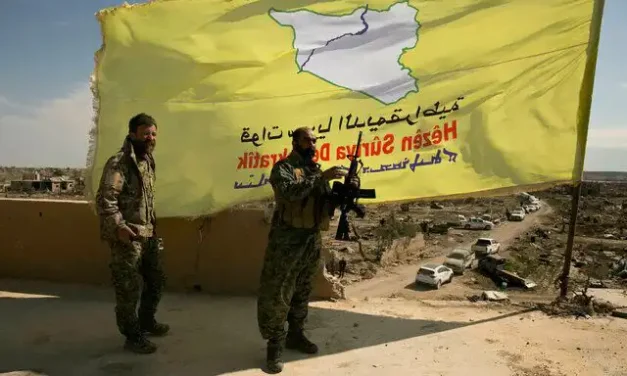
The Challenge of Hezbollah’s Low-Cost “FPV” Drones for the Zionist Regime

SCFR Online – Opinion: In modern warfare, it has always been assumed that the more expensive, and advanced the weapon—particularly from well-known companies—the more certain the victory will be. However, developments on the northern front of occupied Palestine in recent months have challenged this long-held belief. Here, the Zionist regime’s military, despite possessing the most advanced defense systems such as Iron Dome, David’s Sling, and Arrow, as well as fifth-generation F-35 fighter jets, Merkava tanks, and other modern equipment found in few countries worldwide, has effectively been rendered helpless against Hezbollah Lebanon’s few-hundred-dollar drones. Benjamin Netanyahu’s bitter admission regarding the inability to counter this threat, and his order to allocate an unlimited budget to find a solution, underscores the reality that the era of pure superiority through expensive technologies has come to an end.

The Impact of West Asian Developments on the Ukraine War

SCFR Online – Note: Vladimir Putin, President of Russia, recently announced—more than four years after the commencement of military aggression against Ukraine—that he believes the conflict between Russia and Ukraine is drawing to a close.

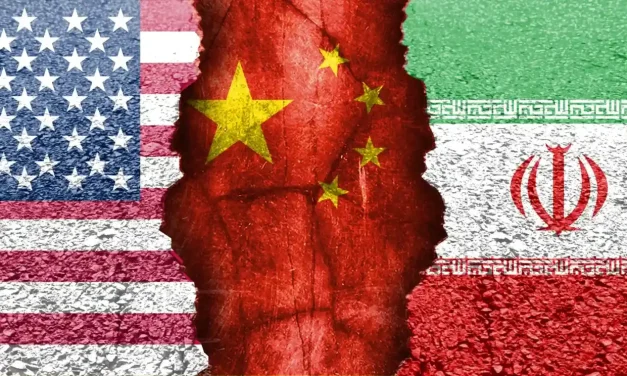
Temporary China–U.S. Trade Truce in the Shadow of Fundamental Distrust

SCFR Online – Opinion: The recent visit of the President of the United States to China is significant from various aspects; because China is recognized as the world’s second-largest economic power and a growing economy. The Chinese are also advancing in various fields, including the space sector, artificial intelligence, and military industries; to the extent that in the military sector, whereas they previously lacked an aircraft carrier, they now possess their third aircraft carrier. On the other hand, the United States, as a superpower, has always regarded China as its rival and continues to view it as such today.

Loading

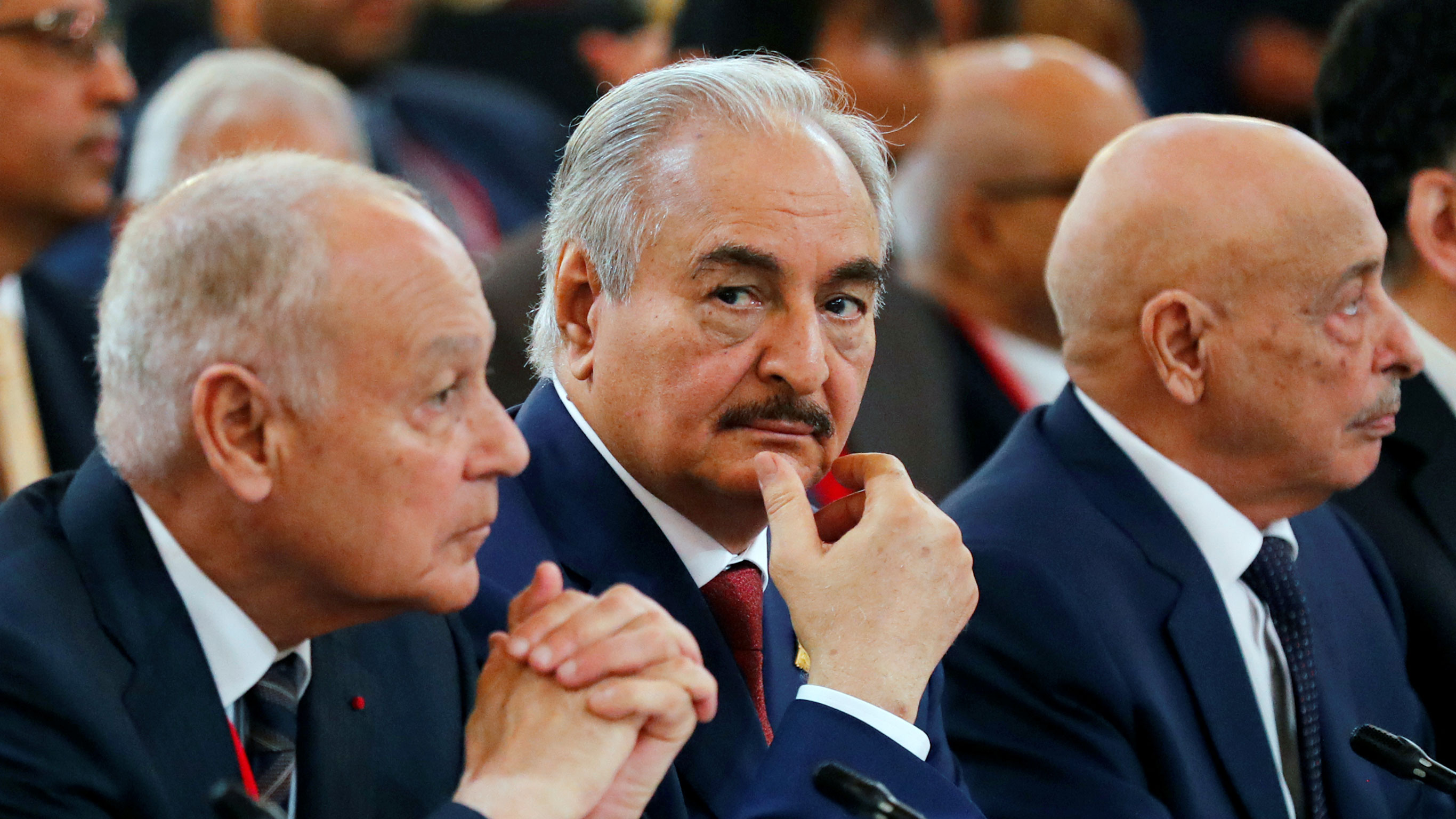
Khalifa Haftar

Libya; Scene of Turkey-Egypt Proxy War

Libya; Scene of Turkey-Egypt Proxy War

Strategic Council Online – For the Westerners, any defeat and retreat of General Haftar’s forces mean the defeat of Egypt and the Arab reactionary states, which have sought to secure Western interests in Libya on a proxy basis, and now with the big defeat of Khalifa Haftar’s forces, have left the battlefield to the rival forces supported by Turkey.
Jafar Qanadbashi – African Affairs Expert

Stability Challenges in Libya Despite Haftar’s Field Setback

Stability Challenges in Libya Despite Haftar’s Field Setback

Strategic Council Online – Talking about the field progress of the National Unity Government and the defeats of Khalifa Haftar in Libya, a university professor said it is unlikely that peace will be achieved in Libya in the current situation. He stressed that other agreements should be reached in addition to the Skhirat peace agreement another deal must be forged taking into account the demands of the political groups because if the government of national unity fails to meet the people’s demands we may see extremist groups emerge in the country.

Why the Ceasefire in Libya Failed?

Why the Ceasefire in Libya Failed?

Strategic Council Online: The new round of rivalries in Libya began when the Turkish and Russian governments sought to pave the way for their exclusive presence in the country under the pretext of a ceasefire. They aimed to forge an agreement between Seraj and Haftar governments without the knowledge of the European states.
Jafar Qanadbashi – Middle East Affairs Expert

Strategic Outcome of Escalating Intervention by Foreign Actors in Libya

Strategic Outcome of Escalating Intervention by Foreign Actors in Libya

Strategic Council Online: Referring to the war of words between Turkey and the UAE over Libya, a university professor said that the rivalry that has taken place between the two groups in Libya is an endless game in which neither side will succeed in becoming influential powers in the Middle East and the Mediterranean. He said if this trend continues they will not be total victors in Libya.

Haftar’s Goals behind Conditional Acceptance of Ceasefire

Haftar’s Goals behind Conditional Acceptance of Ceasefire

Strategic Council Online: A university professor outlining the failure to achieve peace and ceasefire in Libya said: Since Khalifa Haftar is fully aware that Turkey would not abandon its support for economic investments and Brotherhood-led government in North Africa it has made accepting the ceasefire conditional on Turkish troop withdrawal from Libya to send the ball into the court of the National Unity Government and impose international pressure on it

Will Libya Attain Tranquility?

Will Libya Attain Tranquility?

Strategic Council Online: A university professor cited Moscow’s announcement that Khalifa Haftar has left Moscow without signing a ceasefire agreement with the Libyan National Unity Government, saying: “Until the Arab countries are convinced that Khalifa Haftar will have the upper hand in the agreements to be reached, they will not be willing to allow him to agree to a ceasefire.”

Libya’s Ambiguous Perspective

Libya’s Ambiguous Perspective

Strategic Council Online: An expert on African affairs says the proxy war in Libya has somehow started with the intervention of the regional states, mainly the Arab states. He considers the ineffectiveness of the National Unity Government a means to further intensify the provocative efforts of Khalifa Haftar, emphasizing that in these circumstances, one cannot virtually draw a good perspective for the future of the Libyan government.

أحدث الوظائف

Europe’s Enduring Dependence on Persian Gulf Energy

SCFR Online – Opinion: The dominant discourse in the field of European energy security over the past two decades has revolved around diversification of supply sources and the gradual reduction of dependence on fossil fuels. This narrative, which gained particular momentum after the Ukraine gas crisis in 2006 and its intensification in 2014 and 2022, was based on the assumption that Europe could free itself from the geopolitical vulnerabilities arising from dependence on specific suppliers through investment in renewable energy, imports of liquefied natural gas from diversified sources, and the establishment of new infrastructure. However, a closer analysis of energy trade data and the structure of the global oil and gas supply chain presents a different picture. Europe has not only failed to meaningfully reduce its dependence on the Persian Gulf, but in some sectors — particularly in liquefied natural gas imports — this dependence has deepened. This reality, which is often overlooked in public discourse, raises fundamental questions about the sustainability of Europe’s energy security strategies and their impact on regional power equations.

The Challenge of Hezbollah’s Low-Cost “FPV” Drones for the Zionist Regime

SCFR Online – Opinion: In modern warfare, it has always been assumed that the more expensive, and advanced the weapon—particularly from well-known companies—the more certain the victory will be. However, developments on the northern front of occupied Palestine in recent months have challenged this long-held belief. Here, the Zionist regime’s military, despite possessing the most advanced defense systems such as Iron Dome, David’s Sling, and Arrow, as well as fifth-generation F-35 fighter jets, Merkava tanks, and other modern equipment found in few countries worldwide, has effectively been rendered helpless against Hezbollah Lebanon’s few-hundred-dollar drones. Benjamin Netanyahu’s bitter admission regarding the inability to counter this threat, and his order to allocate an unlimited budget to find a solution, underscores the reality that the era of pure superiority through expensive technologies has come to an end.

The Impact of West Asian Developments on the Ukraine War

SCFR Online – Note: Vladimir Putin, President of Russia, recently announced—more than four years after the commencement of military aggression against Ukraine—that he believes the conflict between Russia and Ukraine is drawing to a close.

Temporary China–U.S. Trade Truce in the Shadow of Fundamental Distrust

SCFR Online – Opinion: The recent visit of the President of the United States to China is significant from various aspects; because China is recognized as the world’s second-largest economic power and a growing economy. The Chinese are also advancing in various fields, including the space sector, artificial intelligence, and military industries; to the extent that in the military sector, whereas they previously lacked an aircraft carrier, they now possess their third aircraft carrier. On the other hand, the United States, as a superpower, has always regarded China as its rival and continues to view it as such today.

Loading

Khalifa Haftar

Libya; Scene of Turkey-Egypt Proxy War

Libya; Scene of Turkey-Egypt Proxy War

Strategic Council Online – For the Westerners, any defeat and retreat of General Haftar’s forces mean the defeat of Egypt and the Arab reactionary states, which have sought to secure Western interests in Libya on a proxy basis, and now with the big defeat of Khalifa Haftar’s forces, have left the battlefield to the rival forces supported by Turkey.
Jafar Qanadbashi – African Affairs Expert

Stability Challenges in Libya Despite Haftar’s Field Setback

Stability Challenges in Libya Despite Haftar’s Field Setback

Strategic Council Online – Talking about the field progress of the National Unity Government and the defeats of Khalifa Haftar in Libya, a university professor said it is unlikely that peace will be achieved in Libya in the current situation. He stressed that other agreements should be reached in addition to the Skhirat peace agreement another deal must be forged taking into account the demands of the political groups because if the government of national unity fails to meet the people’s demands we may see extremist groups emerge in the country.

Why the Ceasefire in Libya Failed?

Why the Ceasefire in Libya Failed?

Strategic Council Online: The new round of rivalries in Libya began when the Turkish and Russian governments sought to pave the way for their exclusive presence in the country under the pretext of a ceasefire. They aimed to forge an agreement between Seraj and Haftar governments without the knowledge of the European states.
Jafar Qanadbashi – Middle East Affairs Expert

Strategic Outcome of Escalating Intervention by Foreign Actors in Libya

Strategic Outcome of Escalating Intervention by Foreign Actors in Libya

Strategic Council Online: Referring to the war of words between Turkey and the UAE over Libya, a university professor said that the rivalry that has taken place between the two groups in Libya is an endless game in which neither side will succeed in becoming influential powers in the Middle East and the Mediterranean. He said if this trend continues they will not be total victors in Libya.

Haftar’s Goals behind Conditional Acceptance of Ceasefire

Haftar’s Goals behind Conditional Acceptance of Ceasefire

Strategic Council Online: A university professor outlining the failure to achieve peace and ceasefire in Libya said: Since Khalifa Haftar is fully aware that Turkey would not abandon its support for economic investments and Brotherhood-led government in North Africa it has made accepting the ceasefire conditional on Turkish troop withdrawal from Libya to send the ball into the court of the National Unity Government and impose international pressure on it

Will Libya Attain Tranquility?

Will Libya Attain Tranquility?

Strategic Council Online: A university professor cited Moscow’s announcement that Khalifa Haftar has left Moscow without signing a ceasefire agreement with the Libyan National Unity Government, saying: “Until the Arab countries are convinced that Khalifa Haftar will have the upper hand in the agreements to be reached, they will not be willing to allow him to agree to a ceasefire.”

Libya’s Ambiguous Perspective

Libya’s Ambiguous Perspective

Strategic Council Online: An expert on African affairs says the proxy war in Libya has somehow started with the intervention of the regional states, mainly the Arab states. He considers the ineffectiveness of the National Unity Government a means to further intensify the provocative efforts of Khalifa Haftar, emphasizing that in these circumstances, one cannot virtually draw a good perspective for the future of the Libyan government.

Khalifa Haftar

Libya; Scene of Turkey-Egypt Proxy War

Libya; Scene of Turkey-Egypt Proxy War

Strategic Council Online – For the Westerners, any defeat and retreat of General Haftar’s forces mean the defeat of Egypt and the Arab reactionary states, which have sought to secure Western interests in Libya on a proxy basis, and now with the big defeat of Khalifa Haftar’s forces, have left the battlefield to the rival forces supported by Turkey.
Jafar Qanadbashi – African Affairs Expert

Stability Challenges in Libya Despite Haftar’s Field Setback

Stability Challenges in Libya Despite Haftar’s Field Setback

Strategic Council Online – Talking about the field progress of the National Unity Government and the defeats of Khalifa Haftar in Libya, a university professor said it is unlikely that peace will be achieved in Libya in the current situation. He stressed that other agreements should be reached in addition to the Skhirat peace agreement another deal must be forged taking into account the demands of the political groups because if the government of national unity fails to meet the people’s demands we may see extremist groups emerge in the country.

Why the Ceasefire in Libya Failed?

Why the Ceasefire in Libya Failed?

Strategic Council Online: The new round of rivalries in Libya began when the Turkish and Russian governments sought to pave the way for their exclusive presence in the country under the pretext of a ceasefire. They aimed to forge an agreement between Seraj and Haftar governments without the knowledge of the European states.
Jafar Qanadbashi – Middle East Affairs Expert

Strategic Outcome of Escalating Intervention by Foreign Actors in Libya

Strategic Outcome of Escalating Intervention by Foreign Actors in Libya

Strategic Council Online: Referring to the war of words between Turkey and the UAE over Libya, a university professor said that the rivalry that has taken place between the two groups in Libya is an endless game in which neither side will succeed in becoming influential powers in the Middle East and the Mediterranean. He said if this trend continues they will not be total victors in Libya.

Haftar’s Goals behind Conditional Acceptance of Ceasefire

Haftar’s Goals behind Conditional Acceptance of Ceasefire

Strategic Council Online: A university professor outlining the failure to achieve peace and ceasefire in Libya said: Since Khalifa Haftar is fully aware that Turkey would not abandon its support for economic investments and Brotherhood-led government in North Africa it has made accepting the ceasefire conditional on Turkish troop withdrawal from Libya to send the ball into the court of the National Unity Government and impose international pressure on it

Will Libya Attain Tranquility?

Will Libya Attain Tranquility?

Strategic Council Online: A university professor cited Moscow’s announcement that Khalifa Haftar has left Moscow without signing a ceasefire agreement with the Libyan National Unity Government, saying: “Until the Arab countries are convinced that Khalifa Haftar will have the upper hand in the agreements to be reached, they will not be willing to allow him to agree to a ceasefire.”

Libya’s Ambiguous Perspective

Libya’s Ambiguous Perspective

Strategic Council Online: An expert on African affairs says the proxy war in Libya has somehow started with the intervention of the regional states, mainly the Arab states. He considers the ineffectiveness of the National Unity Government a means to further intensify the provocative efforts of Khalifa Haftar, emphasizing that in these circumstances, one cannot virtually draw a good perspective for the future of the Libyan government.

LATEST CONTENT

Europe’s Enduring Dependence on Persian Gulf Energy

SCFR Online – Opinion: The dominant discourse in the field of European energy security over the past two decades has revolved around diversification of supply sources and the gradual reduction of dependence on fossil fuels. This narrative, which gained particular momentum after the Ukraine gas crisis in 2006 and its intensification in 2014 and 2022, was based on the assumption that Europe could free itself from the geopolitical vulnerabilities arising from dependence on specific suppliers through investment in renewable energy, imports of liquefied natural gas from diversified sources, and the establishment of new infrastructure. However, a closer analysis of energy trade data and the structure of the global oil and gas supply chain presents a different picture. Europe has not only failed to meaningfully reduce its dependence on the Persian Gulf, but in some sectors — particularly in liquefied natural gas imports — this dependence has deepened. This reality, which is often overlooked in public discourse, raises fundamental questions about the sustainability of Europe’s energy security strategies and their impact on regional power equations.

The Challenge of Hezbollah’s Low-Cost “FPV” Drones for the Zionist Regime

SCFR Online – Opinion: In modern warfare, it has always been assumed that the more expensive, and advanced the weapon—particularly from well-known companies—the more certain the victory will be. However, developments on the northern front of occupied Palestine in recent months have challenged this long-held belief. Here, the Zionist regime’s military, despite possessing the most advanced defense systems such as Iron Dome, David’s Sling, and Arrow, as well as fifth-generation F-35 fighter jets, Merkava tanks, and other modern equipment found in few countries worldwide, has effectively been rendered helpless against Hezbollah Lebanon’s few-hundred-dollar drones. Benjamin Netanyahu’s bitter admission regarding the inability to counter this threat, and his order to allocate an unlimited budget to find a solution, underscores the reality that the era of pure superiority through expensive technologies has come to an end.

The Impact of West Asian Developments on the Ukraine War

SCFR Online – Note: Vladimir Putin, President of Russia, recently announced—more than four years after the commencement of military aggression against Ukraine—that he believes the conflict between Russia and Ukraine is drawing to a close.

Temporary China–U.S. Trade Truce in the Shadow of Fundamental Distrust

SCFR Online – Opinion: The recent visit of the President of the United States to China is significant from various aspects; because China is recognized as the world’s second-largest economic power and a growing economy. The Chinese are also advancing in various fields, including the space sector, artificial intelligence, and military industries; to the extent that in the military sector, whereas they previously lacked an aircraft carrier, they now possess their third aircraft carrier. On the other hand, the United States, as a superpower, has always regarded China as its rival and continues to view it as such today.

Loading

Khalifa Haftar

Libya; Scene of Turkey-Egypt Proxy War

Libya; Scene of Turkey-Egypt Proxy War

Strategic Council Online – For the Westerners, any defeat and retreat of General Haftar’s forces mean the defeat of Egypt and the Arab reactionary states, which have sought to secure Western interests in Libya on a proxy basis, and now with the big defeat of Khalifa Haftar’s forces, have left the battlefield to the rival forces supported by Turkey.
Jafar Qanadbashi – African Affairs Expert

Stability Challenges in Libya Despite Haftar’s Field Setback

Stability Challenges in Libya Despite Haftar’s Field Setback

Strategic Council Online – Talking about the field progress of the National Unity Government and the defeats of Khalifa Haftar in Libya, a university professor said it is unlikely that peace will be achieved in Libya in the current situation. He stressed that other agreements should be reached in addition to the Skhirat peace agreement another deal must be forged taking into account the demands of the political groups because if the government of national unity fails to meet the people’s demands we may see extremist groups emerge in the country.

Why the Ceasefire in Libya Failed?

Why the Ceasefire in Libya Failed?

Strategic Council Online: The new round of rivalries in Libya began when the Turkish and Russian governments sought to pave the way for their exclusive presence in the country under the pretext of a ceasefire. They aimed to forge an agreement between Seraj and Haftar governments without the knowledge of the European states.
Jafar Qanadbashi – Middle East Affairs Expert

Strategic Outcome of Escalating Intervention by Foreign Actors in Libya

Strategic Outcome of Escalating Intervention by Foreign Actors in Libya

Strategic Council Online: Referring to the war of words between Turkey and the UAE over Libya, a university professor said that the rivalry that has taken place between the two groups in Libya is an endless game in which neither side will succeed in becoming influential powers in the Middle East and the Mediterranean. He said if this trend continues they will not be total victors in Libya.

Haftar’s Goals behind Conditional Acceptance of Ceasefire

Haftar’s Goals behind Conditional Acceptance of Ceasefire

Strategic Council Online: A university professor outlining the failure to achieve peace and ceasefire in Libya said: Since Khalifa Haftar is fully aware that Turkey would not abandon its support for economic investments and Brotherhood-led government in North Africa it has made accepting the ceasefire conditional on Turkish troop withdrawal from Libya to send the ball into the court of the National Unity Government and impose international pressure on it

Will Libya Attain Tranquility?

Will Libya Attain Tranquility?

Strategic Council Online: A university professor cited Moscow’s announcement that Khalifa Haftar has left Moscow without signing a ceasefire agreement with the Libyan National Unity Government, saying: “Until the Arab countries are convinced that Khalifa Haftar will have the upper hand in the agreements to be reached, they will not be willing to allow him to agree to a ceasefire.”

Libya’s Ambiguous Perspective

Libya’s Ambiguous Perspective

Strategic Council Online: An expert on African affairs says the proxy war in Libya has somehow started with the intervention of the regional states, mainly the Arab states. He considers the ineffectiveness of the National Unity Government a means to further intensify the provocative efforts of Khalifa Haftar, emphasizing that in these circumstances, one cannot virtually draw a good perspective for the future of the Libyan government.

ÚLTIMAS PUBLICACIONES

Europe’s Enduring Dependence on Persian Gulf Energy

SCFR Online – Opinion: The dominant discourse in the field of European energy security over the past two decades has revolved around diversification of supply sources and the gradual reduction of dependence on fossil fuels. This narrative, which gained particular momentum after the Ukraine gas crisis in 2006 and its intensification in 2014 and 2022, was based on the assumption that Europe could free itself from the geopolitical vulnerabilities arising from dependence on specific suppliers through investment in renewable energy, imports of liquefied natural gas from diversified sources, and the establishment of new infrastructure. However, a closer analysis of energy trade data and the structure of the global oil and gas supply chain presents a different picture. Europe has not only failed to meaningfully reduce its dependence on the Persian Gulf, but in some sectors — particularly in liquefied natural gas imports — this dependence has deepened. This reality, which is often overlooked in public discourse, raises fundamental questions about the sustainability of Europe’s energy security strategies and their impact on regional power equations.

The Challenge of Hezbollah’s Low-Cost “FPV” Drones for the Zionist Regime

SCFR Online – Opinion: In modern warfare, it has always been assumed that the more expensive, and advanced the weapon—particularly from well-known companies—the more certain the victory will be. However, developments on the northern front of occupied Palestine in recent months have challenged this long-held belief. Here, the Zionist regime’s military, despite possessing the most advanced defense systems such as Iron Dome, David’s Sling, and Arrow, as well as fifth-generation F-35 fighter jets, Merkava tanks, and other modern equipment found in few countries worldwide, has effectively been rendered helpless against Hezbollah Lebanon’s few-hundred-dollar drones. Benjamin Netanyahu’s bitter admission regarding the inability to counter this threat, and his order to allocate an unlimited budget to find a solution, underscores the reality that the era of pure superiority through expensive technologies has come to an end.

The Impact of West Asian Developments on the Ukraine War

SCFR Online – Note: Vladimir Putin, President of Russia, recently announced—more than four years after the commencement of military aggression against Ukraine—that he believes the conflict between Russia and Ukraine is drawing to a close.

Temporary China–U.S. Trade Truce in the Shadow of Fundamental Distrust

SCFR Online – Opinion: The recent visit of the President of the United States to China is significant from various aspects; because China is recognized as the world’s second-largest economic power and a growing economy. The Chinese are also advancing in various fields, including the space sector, artificial intelligence, and military industries; to the extent that in the military sector, whereas they previously lacked an aircraft carrier, they now possess their third aircraft carrier. On the other hand, the United States, as a superpower, has always regarded China as its rival and continues to view it as such today.

Loading

Khalifa Haftar

Libya; Scene of Turkey-Egypt Proxy War

Libya; Scene of Turkey-Egypt Proxy War

Strategic Council Online – For the Westerners, any defeat and retreat of General Haftar’s forces mean the defeat of Egypt and the Arab reactionary states, which have sought to secure Western interests in Libya on a proxy basis, and now with the big defeat of Khalifa Haftar’s forces, have left the battlefield to the rival forces supported by Turkey.
Jafar Qanadbashi – African Affairs Expert

Stability Challenges in Libya Despite Haftar’s Field Setback

Stability Challenges in Libya Despite Haftar’s Field Setback

Strategic Council Online – Talking about the field progress of the National Unity Government and the defeats of Khalifa Haftar in Libya, a university professor said it is unlikely that peace will be achieved in Libya in the current situation. He stressed that other agreements should be reached in addition to the Skhirat peace agreement another deal must be forged taking into account the demands of the political groups because if the government of national unity fails to meet the people’s demands we may see extremist groups emerge in the country.

Why the Ceasefire in Libya Failed?

Why the Ceasefire in Libya Failed?

Strategic Council Online: The new round of rivalries in Libya began when the Turkish and Russian governments sought to pave the way for their exclusive presence in the country under the pretext of a ceasefire. They aimed to forge an agreement between Seraj and Haftar governments without the knowledge of the European states.
Jafar Qanadbashi – Middle East Affairs Expert

Strategic Outcome of Escalating Intervention by Foreign Actors in Libya

Strategic Outcome of Escalating Intervention by Foreign Actors in Libya

Strategic Council Online: Referring to the war of words between Turkey and the UAE over Libya, a university professor said that the rivalry that has taken place between the two groups in Libya is an endless game in which neither side will succeed in becoming influential powers in the Middle East and the Mediterranean. He said if this trend continues they will not be total victors in Libya.

Haftar’s Goals behind Conditional Acceptance of Ceasefire

Haftar’s Goals behind Conditional Acceptance of Ceasefire

Strategic Council Online: A university professor outlining the failure to achieve peace and ceasefire in Libya said: Since Khalifa Haftar is fully aware that Turkey would not abandon its support for economic investments and Brotherhood-led government in North Africa it has made accepting the ceasefire conditional on Turkish troop withdrawal from Libya to send the ball into the court of the National Unity Government and impose international pressure on it

Will Libya Attain Tranquility?

Will Libya Attain Tranquility?

Strategic Council Online: A university professor cited Moscow’s announcement that Khalifa Haftar has left Moscow without signing a ceasefire agreement with the Libyan National Unity Government, saying: “Until the Arab countries are convinced that Khalifa Haftar will have the upper hand in the agreements to be reached, they will not be willing to allow him to agree to a ceasefire.”

Libya’s Ambiguous Perspective

Libya’s Ambiguous Perspective

Strategic Council Online: An expert on African affairs says the proxy war in Libya has somehow started with the intervention of the regional states, mainly the Arab states. He considers the ineffectiveness of the National Unity Government a means to further intensify the provocative efforts of Khalifa Haftar, emphasizing that in these circumstances, one cannot virtually draw a good perspective for the future of the Libyan government.

ÚLTIMAS PUBLICACIONES

Europe’s Enduring Dependence on Persian Gulf Energy

SCFR Online – Opinion: The dominant discourse in the field of European energy security over the past two decades has revolved around diversification of supply sources and the gradual reduction of dependence on fossil fuels. This narrative, which gained particular momentum after the Ukraine gas crisis in 2006 and its intensification in 2014 and 2022, was based on the assumption that Europe could free itself from the geopolitical vulnerabilities arising from dependence on specific suppliers through investment in renewable energy, imports of liquefied natural gas from diversified sources, and the establishment of new infrastructure. However, a closer analysis of energy trade data and the structure of the global oil and gas supply chain presents a different picture. Europe has not only failed to meaningfully reduce its dependence on the Persian Gulf, but in some sectors — particularly in liquefied natural gas imports — this dependence has deepened. This reality, which is often overlooked in public discourse, raises fundamental questions about the sustainability of Europe’s energy security strategies and their impact on regional power equations.

The Challenge of Hezbollah’s Low-Cost “FPV” Drones for the Zionist Regime

SCFR Online – Opinion: In modern warfare, it has always been assumed that the more expensive, and advanced the weapon—particularly from well-known companies—the more certain the victory will be. However, developments on the northern front of occupied Palestine in recent months have challenged this long-held belief. Here, the Zionist regime’s military, despite possessing the most advanced defense systems such as Iron Dome, David’s Sling, and Arrow, as well as fifth-generation F-35 fighter jets, Merkava tanks, and other modern equipment found in few countries worldwide, has effectively been rendered helpless against Hezbollah Lebanon’s few-hundred-dollar drones. Benjamin Netanyahu’s bitter admission regarding the inability to counter this threat, and his order to allocate an unlimited budget to find a solution, underscores the reality that the era of pure superiority through expensive technologies has come to an end.

The Impact of West Asian Developments on the Ukraine War

SCFR Online – Note: Vladimir Putin, President of Russia, recently announced—more than four years after the commencement of military aggression against Ukraine—that he believes the conflict between Russia and Ukraine is drawing to a close.

Temporary China–U.S. Trade Truce in the Shadow of Fundamental Distrust

SCFR Online – Opinion: The recent visit of the President of the United States to China is significant from various aspects; because China is recognized as the world’s second-largest economic power and a growing economy. The Chinese are also advancing in various fields, including the space sector, artificial intelligence, and military industries; to the extent that in the military sector, whereas they previously lacked an aircraft carrier, they now possess their third aircraft carrier. On the other hand, the United States, as a superpower, has always regarded China as its rival and continues to view it as such today.

Loading

Khalifa Haftar

Libya; Scene of Turkey-Egypt Proxy War

Libya; Scene of Turkey-Egypt Proxy War

Strategic Council Online – For the Westerners, any defeat and retreat of General Haftar’s forces mean the defeat of Egypt and the Arab reactionary states, which have sought to secure Western interests in Libya on a proxy basis, and now with the big defeat of Khalifa Haftar’s forces, have left the battlefield to the rival forces supported by Turkey.
Jafar Qanadbashi – African Affairs Expert

Stability Challenges in Libya Despite Haftar’s Field Setback

Stability Challenges in Libya Despite Haftar’s Field Setback

Strategic Council Online – Talking about the field progress of the National Unity Government and the defeats of Khalifa Haftar in Libya, a university professor said it is unlikely that peace will be achieved in Libya in the current situation. He stressed that other agreements should be reached in addition to the Skhirat peace agreement another deal must be forged taking into account the demands of the political groups because if the government of national unity fails to meet the people’s demands we may see extremist groups emerge in the country.

Why the Ceasefire in Libya Failed?

Why the Ceasefire in Libya Failed?

Strategic Council Online: The new round of rivalries in Libya began when the Turkish and Russian governments sought to pave the way for their exclusive presence in the country under the pretext of a ceasefire. They aimed to forge an agreement between Seraj and Haftar governments without the knowledge of the European states.
Jafar Qanadbashi – Middle East Affairs Expert

Strategic Outcome of Escalating Intervention by Foreign Actors in Libya

Strategic Outcome of Escalating Intervention by Foreign Actors in Libya

Strategic Council Online: Referring to the war of words between Turkey and the UAE over Libya, a university professor said that the rivalry that has taken place between the two groups in Libya is an endless game in which neither side will succeed in becoming influential powers in the Middle East and the Mediterranean. He said if this trend continues they will not be total victors in Libya.

Haftar’s Goals behind Conditional Acceptance of Ceasefire

Haftar’s Goals behind Conditional Acceptance of Ceasefire

Strategic Council Online: A university professor outlining the failure to achieve peace and ceasefire in Libya said: Since Khalifa Haftar is fully aware that Turkey would not abandon its support for economic investments and Brotherhood-led government in North Africa it has made accepting the ceasefire conditional on Turkish troop withdrawal from Libya to send the ball into the court of the National Unity Government and impose international pressure on it

Will Libya Attain Tranquility?

Will Libya Attain Tranquility?

Strategic Council Online: A university professor cited Moscow’s announcement that Khalifa Haftar has left Moscow without signing a ceasefire agreement with the Libyan National Unity Government, saying: “Until the Arab countries are convinced that Khalifa Haftar will have the upper hand in the agreements to be reached, they will not be willing to allow him to agree to a ceasefire.”

Libya’s Ambiguous Perspective

Libya’s Ambiguous Perspective

Strategic Council Online: An expert on African affairs says the proxy war in Libya has somehow started with the intervention of the regional states, mainly the Arab states. He considers the ineffectiveness of the National Unity Government a means to further intensify the provocative efforts of Khalifa Haftar, emphasizing that in these circumstances, one cannot virtually draw a good perspective for the future of the Libyan government.

ÚLTIMAS PUBLICACIONES

Europe’s Enduring Dependence on Persian Gulf Energy

SCFR Online – Opinion: The dominant discourse in the field of European energy security over the past two decades has revolved around diversification of supply sources and the gradual reduction of dependence on fossil fuels. This narrative, which gained particular momentum after the Ukraine gas crisis in 2006 and its intensification in 2014 and 2022, was based on the assumption that Europe could free itself from the geopolitical vulnerabilities arising from dependence on specific suppliers through investment in renewable energy, imports of liquefied natural gas from diversified sources, and the establishment of new infrastructure. However, a closer analysis of energy trade data and the structure of the global oil and gas supply chain presents a different picture. Europe has not only failed to meaningfully reduce its dependence on the Persian Gulf, but in some sectors — particularly in liquefied natural gas imports — this dependence has deepened. This reality, which is often overlooked in public discourse, raises fundamental questions about the sustainability of Europe’s energy security strategies and their impact on regional power equations.

The Challenge of Hezbollah’s Low-Cost “FPV” Drones for the Zionist Regime

SCFR Online – Opinion: In modern warfare, it has always been assumed that the more expensive, and advanced the weapon—particularly from well-known companies—the more certain the victory will be. However, developments on the northern front of occupied Palestine in recent months have challenged this long-held belief. Here, the Zionist regime’s military, despite possessing the most advanced defense systems such as Iron Dome, David’s Sling, and Arrow, as well as fifth-generation F-35 fighter jets, Merkava tanks, and other modern equipment found in few countries worldwide, has effectively been rendered helpless against Hezbollah Lebanon’s few-hundred-dollar drones. Benjamin Netanyahu’s bitter admission regarding the inability to counter this threat, and his order to allocate an unlimited budget to find a solution, underscores the reality that the era of pure superiority through expensive technologies has come to an end.

The Impact of West Asian Developments on the Ukraine War

SCFR Online – Note: Vladimir Putin, President of Russia, recently announced—more than four years after the commencement of military aggression against Ukraine—that he believes the conflict between Russia and Ukraine is drawing to a close.

Temporary China–U.S. Trade Truce in the Shadow of Fundamental Distrust

SCFR Online – Opinion: The recent visit of the President of the United States to China is significant from various aspects; because China is recognized as the world’s second-largest economic power and a growing economy. The Chinese are also advancing in various fields, including the space sector, artificial intelligence, and military industries; to the extent that in the military sector, whereas they previously lacked an aircraft carrier, they now possess their third aircraft carrier. On the other hand, the United States, as a superpower, has always regarded China as its rival and continues to view it as such today.

Loading

Khalifa Haftar

Libya; Scene of Turkey-Egypt Proxy War

Libya; Scene of Turkey-Egypt Proxy War

Strategic Council Online – For the Westerners, any defeat and retreat of General Haftar’s forces mean the defeat of Egypt and the Arab reactionary states, which have sought to secure Western interests in Libya on a proxy basis, and now with the big defeat of Khalifa Haftar’s forces, have left the battlefield to the rival forces supported by Turkey.
Jafar Qanadbashi – African Affairs Expert

Stability Challenges in Libya Despite Haftar’s Field Setback

Stability Challenges in Libya Despite Haftar’s Field Setback

Strategic Council Online – Talking about the field progress of the National Unity Government and the defeats of Khalifa Haftar in Libya, a university professor said it is unlikely that peace will be achieved in Libya in the current situation. He stressed that other agreements should be reached in addition to the Skhirat peace agreement another deal must be forged taking into account the demands of the political groups because if the government of national unity fails to meet the people’s demands we may see extremist groups emerge in the country.

Why the Ceasefire in Libya Failed?

Why the Ceasefire in Libya Failed?

Strategic Council Online: The new round of rivalries in Libya began when the Turkish and Russian governments sought to pave the way for their exclusive presence in the country under the pretext of a ceasefire. They aimed to forge an agreement between Seraj and Haftar governments without the knowledge of the European states.
Jafar Qanadbashi – Middle East Affairs Expert

Strategic Outcome of Escalating Intervention by Foreign Actors in Libya

Strategic Outcome of Escalating Intervention by Foreign Actors in Libya

Strategic Council Online: Referring to the war of words between Turkey and the UAE over Libya, a university professor said that the rivalry that has taken place between the two groups in Libya is an endless game in which neither side will succeed in becoming influential powers in the Middle East and the Mediterranean. He said if this trend continues they will not be total victors in Libya.

Haftar’s Goals behind Conditional Acceptance of Ceasefire

Haftar’s Goals behind Conditional Acceptance of Ceasefire

Strategic Council Online: A university professor outlining the failure to achieve peace and ceasefire in Libya said: Since Khalifa Haftar is fully aware that Turkey would not abandon its support for economic investments and Brotherhood-led government in North Africa it has made accepting the ceasefire conditional on Turkish troop withdrawal from Libya to send the ball into the court of the National Unity Government and impose international pressure on it

Will Libya Attain Tranquility?

Will Libya Attain Tranquility?

Strategic Council Online: A university professor cited Moscow’s announcement that Khalifa Haftar has left Moscow without signing a ceasefire agreement with the Libyan National Unity Government, saying: “Until the Arab countries are convinced that Khalifa Haftar will have the upper hand in the agreements to be reached, they will not be willing to allow him to agree to a ceasefire.”

Libya’s Ambiguous Perspective

Libya’s Ambiguous Perspective

Strategic Council Online: An expert on African affairs says the proxy war in Libya has somehow started with the intervention of the regional states, mainly the Arab states. He considers the ineffectiveness of the National Unity Government a means to further intensify the provocative efforts of Khalifa Haftar, emphasizing that in these circumstances, one cannot virtually draw a good perspective for the future of the Libyan government.

ÚLTIMAS PUBLICACIONES

Europe’s Enduring Dependence on Persian Gulf Energy

SCFR Online – Opinion: The dominant discourse in the field of European energy security over the past two decades has revolved around diversification of supply sources and the gradual reduction of dependence on fossil fuels. This narrative, which gained particular momentum after the Ukraine gas crisis in 2006 and its intensification in 2014 and 2022, was based on the assumption that Europe could free itself from the geopolitical vulnerabilities arising from dependence on specific suppliers through investment in renewable energy, imports of liquefied natural gas from diversified sources, and the establishment of new infrastructure. However, a closer analysis of energy trade data and the structure of the global oil and gas supply chain presents a different picture. Europe has not only failed to meaningfully reduce its dependence on the Persian Gulf, but in some sectors — particularly in liquefied natural gas imports — this dependence has deepened. This reality, which is often overlooked in public discourse, raises fundamental questions about the sustainability of Europe’s energy security strategies and their impact on regional power equations.

The Challenge of Hezbollah’s Low-Cost “FPV” Drones for the Zionist Regime

SCFR Online – Opinion: In modern warfare, it has always been assumed that the more expensive, and advanced the weapon—particularly from well-known companies—the more certain the victory will be. However, developments on the northern front of occupied Palestine in recent months have challenged this long-held belief. Here, the Zionist regime’s military, despite possessing the most advanced defense systems such as Iron Dome, David’s Sling, and Arrow, as well as fifth-generation F-35 fighter jets, Merkava tanks, and other modern equipment found in few countries worldwide, has effectively been rendered helpless against Hezbollah Lebanon’s few-hundred-dollar drones. Benjamin Netanyahu’s bitter admission regarding the inability to counter this threat, and his order to allocate an unlimited budget to find a solution, underscores the reality that the era of pure superiority through expensive technologies has come to an end.

The Impact of West Asian Developments on the Ukraine War

SCFR Online – Note: Vladimir Putin, President of Russia, recently announced—more than four years after the commencement of military aggression against Ukraine—that he believes the conflict between Russia and Ukraine is drawing to a close.

Temporary China–U.S. Trade Truce in the Shadow of Fundamental Distrust

SCFR Online – Opinion: The recent visit of the President of the United States to China is significant from various aspects; because China is recognized as the world’s second-largest economic power and a growing economy. The Chinese are also advancing in various fields, including the space sector, artificial intelligence, and military industries; to the extent that in the military sector, whereas they previously lacked an aircraft carrier, they now possess their third aircraft carrier. On the other hand, the United States, as a superpower, has always regarded China as its rival and continues to view it as such today.

Loading