Reasons for the Ineffectiveness of Trump’s “Economic War” against Iran
SCFR Online – Opinion: The intensification of U.S. sanctions against Iran on the eve of the U.S. midterm elections indicates Washington’s inability to achieve its war objectives.


SCFR Online – Opinion: The intensification of U.S. sanctions against Iran on the eve of the U.S. midterm elections indicates Washington’s inability to achieve its war objectives.

SCFR Online – Opinion: The competition between Washington and Beijing over chips and artificial intelligence, simultaneously with the shifting of technological balances, has taken on new economic and security dimensions.
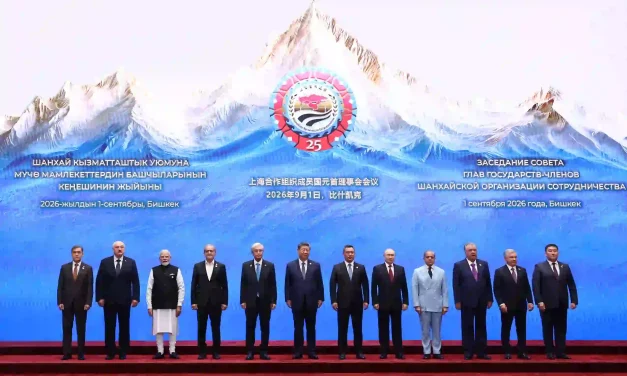
SCFR Online – Opinion: The Shanghai Cooperation Organization summit has created a new opportunity for Iran to transform its membership from a political achievement into economic and transit cooperation.
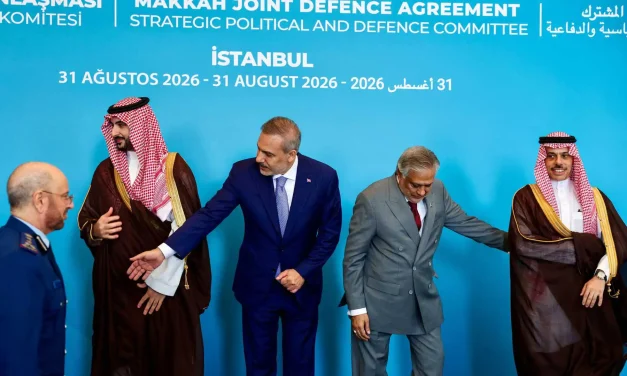
Strategic Council Online – Note: The Makkah Defense Pact can be seen as a sign of regional countries’ efforts to reduce security dependence on extra-regional powers and redefine the balance in West Asia.
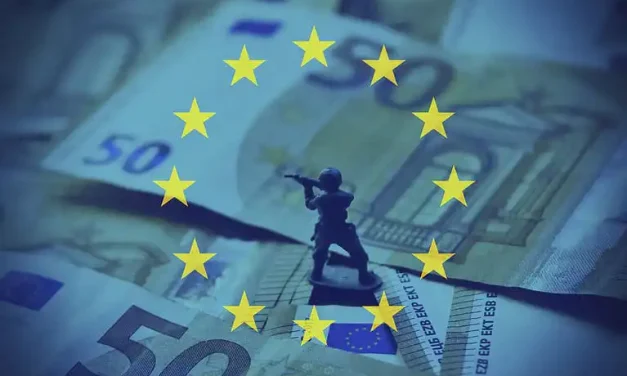
SCFR Online – Opinion: The Ukraine war, by exhausting US military capability on one hand and strengthening European defense capacity on the other, has altered the balance of power in the European continent, cast uncertainty over NATO’s future, and is driving it toward a European NATO.
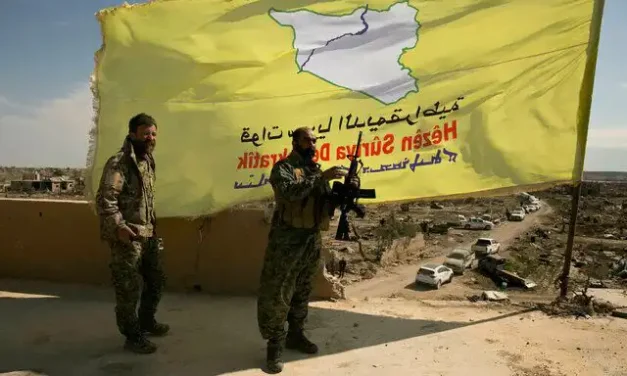
SCFR Online – Opinion: The dissolution of the SDF, although considered an achievement for Turkey’s security, does not put an end to the challenges arising from the Israeli regime’s aggression and expansionism, refugees, and Syria’s fragility.
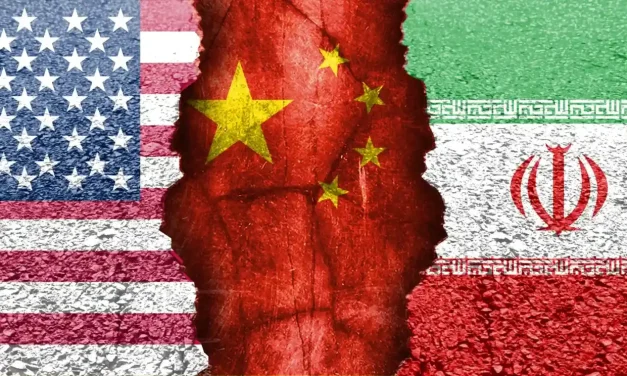
SCFR Online – Opinion: Concurrent with the official commencement of the United States’ economic war against our country, focusing on sanctions instruments, isolation, and economic pressure, what has now become increasingly important is the lack of alignment of other major global powers, especially China, with this policy.
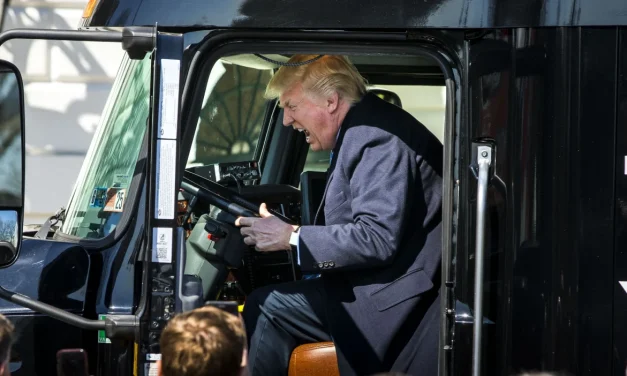
SCFR Online – Opinion: The new US sanctions against Iran, despite extensive propaganda, face serious obstacles to success due to the ineffectiveness of sanctions tools and opposition from some of Tehran’s trading partners.


Online Strategic Council – Interview: A senior European affairs analyst, referring to recent developments, stated: Europe’s role in the new international order is complex, affected by the Ukraine war, and simultaneously possesses capacities for economic and political interaction with Iran.
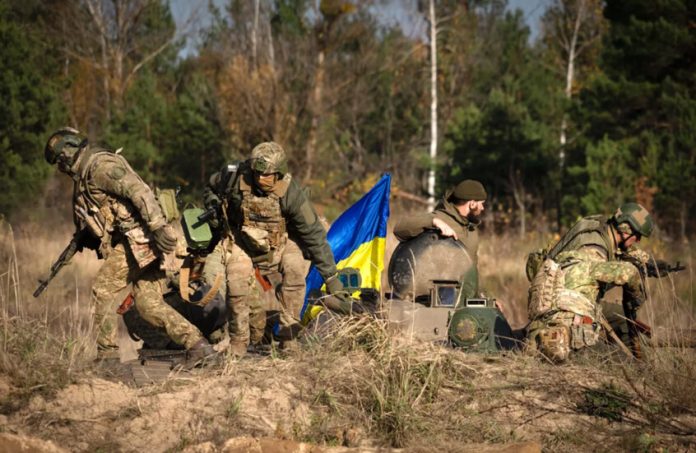
Online Strategic Council – Note: Three years after the start of the Ukraine war, the West is facing a reality that was predictable from the very beginning in the calculations of many realistic analysts: neither side can achieve a complete victory.
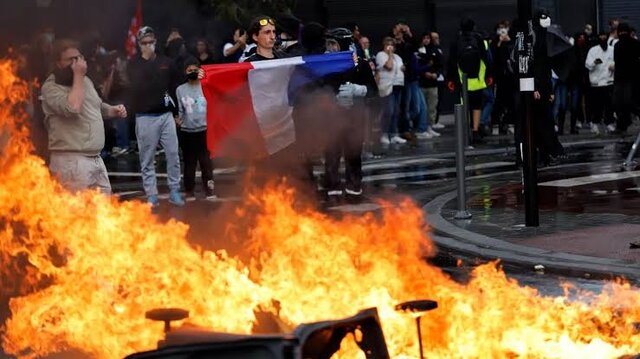
Strategic Council Online – Interview: An international affairs expert stated that the French government’s inability to meet public demands has led to a resurgence of domestic protests. The budget deficit has compelled Emmanuel Macron’s government to implement measures such as reducing public service expenditures, eliminating national holidays, cutting wages, and increasing taxes to offset the shortfall, which has further fueled the protests.
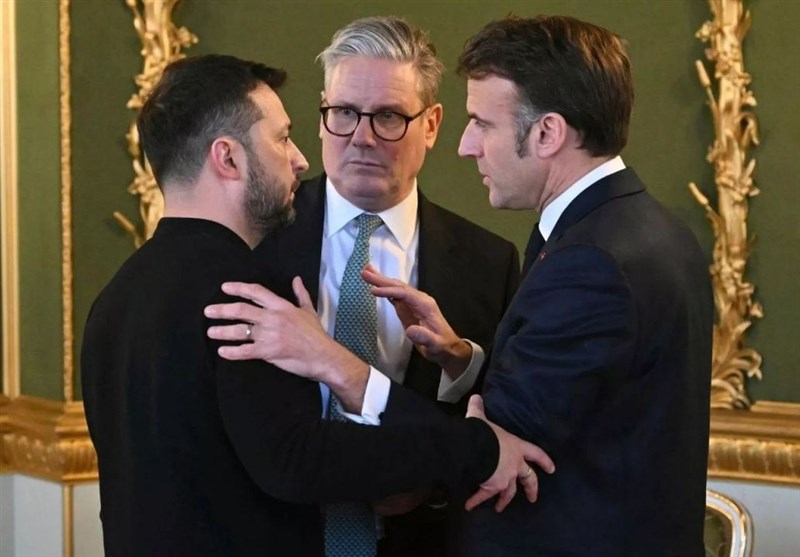
Strategic Council Online – Interview: An expert on Eurasian and Russian affairs stated that the West’s reaction to Russia’s threats regarding any deployment of foreign forces in Ukraine, whether under NATO or as an independent force, will be a combination of caution and deterrence. He said: Despite the desire of Europe and America to deploy military forces in Ukraine, they emphasize indirect support for Ukraine, including economic sanctions and increased diplomatic pressure on Moscow, and at best propose deploying neutral observers in Ukraine.
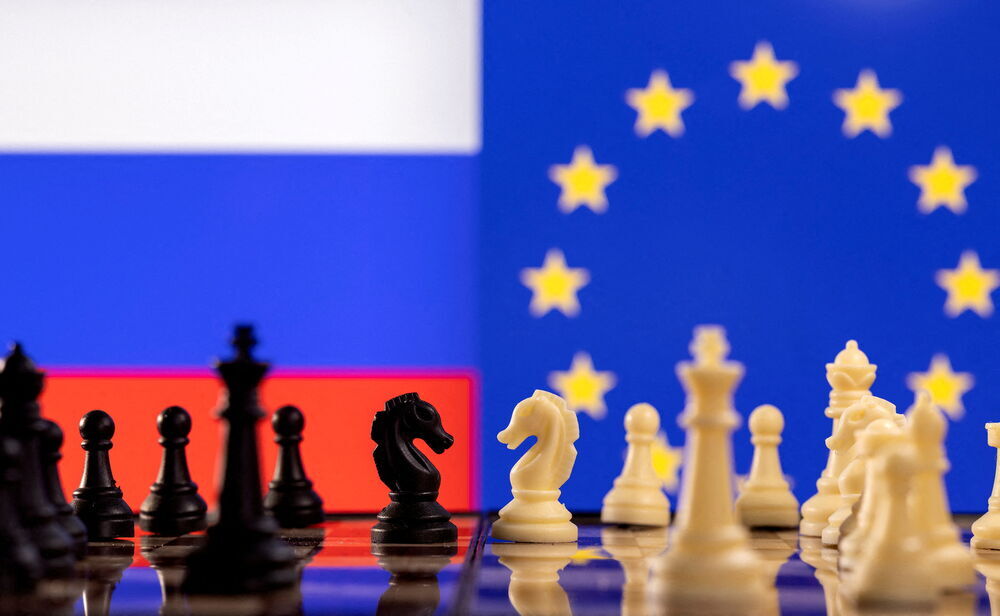
Strategic Council Online – Interview: A Russia affairs expert stated that Europe will face a complex security environment in the future, including increased militarization, economic challenges stemming from cutting dependence on Russian energy, and the need to redefine relations with the U.S. and NATO. As a result, without sustainable solutions, Europe may face greater existential, economic, and social threats in the future.
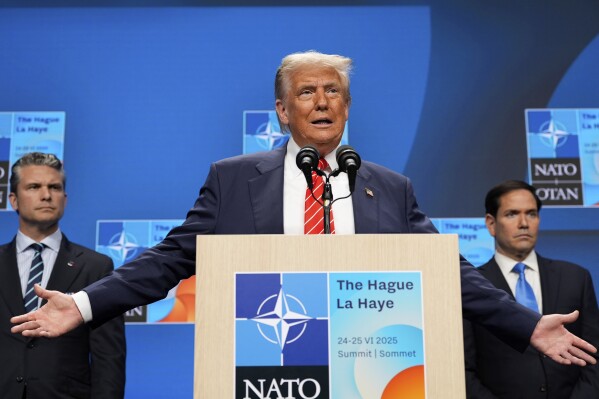
Strategic Council Online – Interview: An international affairs expert stated that, given the Russian threat and the rise of militarism worldwide, European countries have concluded that they must cooperate with the U.S. in establishing a unified European defense shield and strengthening NATO. Consequently, they agreed to a five percent increase in NATO’s budget during the recent summit.
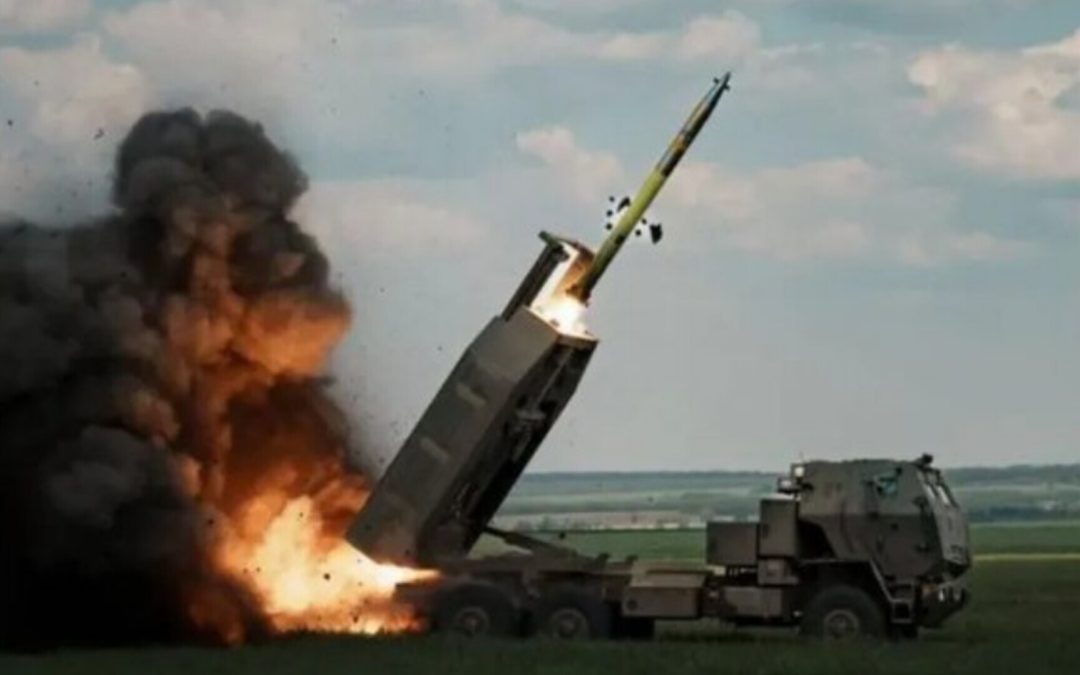
Strategic Council–Online – Interview: A European affairs expert stated that German Chancellor Friedrich Merz recently announced that Western allies would no longer impose any restrictions on Ukraine’s use of long-range weapons against Russian military targets. Following the decision by European countries, the question arises as to why this decision was made at this stage and what consequences it will have.

Strategic Council Online – Interview: While Donald Trump, the President of the United States, was pressuring the parties involved in the Ukraine war to initiate negotiations to end the conflict, Operation Cobweb emerged as an unexpected development that transformed the dynamics of this war. This operation, which led to the destruction of several Russian strategic Tu-22M3 bombers, has raised questions about the future of negotiations, the escalation of tensions, and its strategic implications for Russia’s foreign policy and relations with NATO.
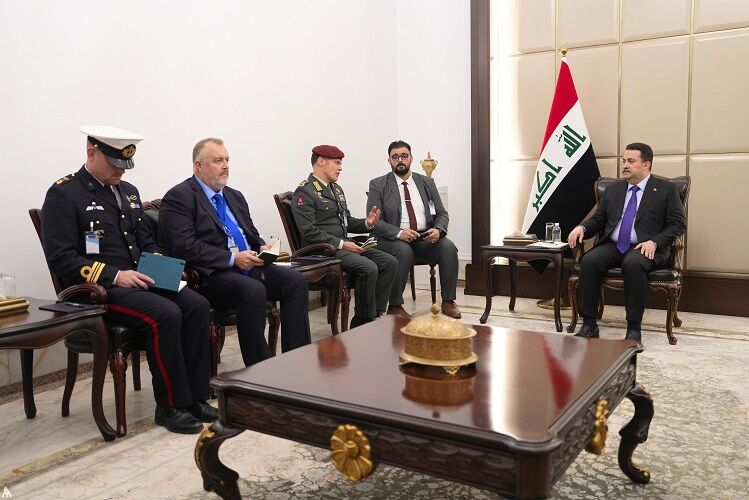
Strategic Council Online – Interview: A West Asia affairs expert stated that Christoph Henzi, the new NATO commander in Iraq, recently emphasized the North Atlantic Treaty Organization’s (NATO) continued commitment to coordinating and cooperating with Iraqi military and security institutions through experience-sharing, advisory services, and capacity-building.
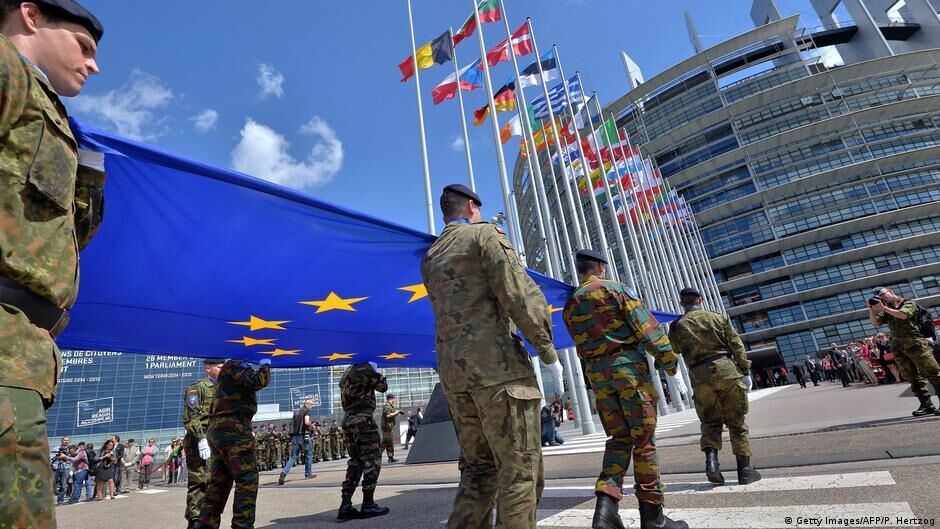
Strategic Council Online – Opinion: After decades of relying on the U.S. security umbrella and institutions like NATO, Europe now finds itself in a position where it can no longer treat concepts such as “balance,” “deterrence,” and “strategic autonomy” as mere slogans.
SCFR Online – Opinion: The intensification of U.S. sanctions against Iran on the eve of the U.S. midterm elections indicates Washington’s inability to achieve its war objectives.
SCFR Online – Opinion: The competition between Washington and Beijing over chips and artificial intelligence, simultaneously with the shifting of technological balances, has taken on new economic and security dimensions.
SCFR Online – Opinion: The Shanghai Cooperation Organization summit has created a new opportunity for Iran to transform its membership from a political achievement into economic and transit cooperation.
Strategic Council Online – Note: The Makkah Defense Pact can be seen as a sign of regional countries’ efforts to reduce security dependence on extra-regional powers and redefine the balance in West Asia.
SCFR Online – Opinion: The Ukraine war, by exhausting US military capability on one hand and strengthening European defense capacity on the other, has altered the balance of power in the European continent, cast uncertainty over NATO’s future, and is driving it toward a European NATO.
SCFR Online – Opinion: The dissolution of the SDF, although considered an achievement for Turkey’s security, does not put an end to the challenges arising from the Israeli regime’s aggression and expansionism, refugees, and Syria’s fragility.
SCFR Online – Opinion: Concurrent with the official commencement of the United States’ economic war against our country, focusing on sanctions instruments, isolation, and economic pressure, what has now become increasingly important is the lack of alignment of other major global powers, especially China, with this policy.
SCFR Online – Opinion: The new US sanctions against Iran, despite extensive propaganda, face serious obstacles to success due to the ineffectiveness of sanctions tools and opposition from some of Tehran’s trading partners.
Online Strategic Council – Interview: A senior European affairs analyst, referring to recent developments, stated: Europe’s role in the new international order is complex, affected by the Ukraine war, and simultaneously possesses capacities for economic and political interaction with Iran.
Online Strategic Council – Note: Three years after the start of the Ukraine war, the West is facing a reality that was predictable from the very beginning in the calculations of many realistic analysts: neither side can achieve a complete victory.
Strategic Council Online – Interview: An international affairs expert stated that the French government’s inability to meet public demands has led to a resurgence of domestic protests. The budget deficit has compelled Emmanuel Macron’s government to implement measures such as reducing public service expenditures, eliminating national holidays, cutting wages, and increasing taxes to offset the shortfall, which has further fueled the protests.
Strategic Council Online – Interview: An expert on Eurasian and Russian affairs stated that the West’s reaction to Russia’s threats regarding any deployment of foreign forces in Ukraine, whether under NATO or as an independent force, will be a combination of caution and deterrence. He said: Despite the desire of Europe and America to deploy military forces in Ukraine, they emphasize indirect support for Ukraine, including economic sanctions and increased diplomatic pressure on Moscow, and at best propose deploying neutral observers in Ukraine.
Strategic Council Online – Interview: A Russia affairs expert stated that Europe will face a complex security environment in the future, including increased militarization, economic challenges stemming from cutting dependence on Russian energy, and the need to redefine relations with the U.S. and NATO. As a result, without sustainable solutions, Europe may face greater existential, economic, and social threats in the future.
Strategic Council Online – Interview: An international affairs expert stated that, given the Russian threat and the rise of militarism worldwide, European countries have concluded that they must cooperate with the U.S. in establishing a unified European defense shield and strengthening NATO. Consequently, they agreed to a five percent increase in NATO’s budget during the recent summit.
Strategic Council–Online – Interview: A European affairs expert stated that German Chancellor Friedrich Merz recently announced that Western allies would no longer impose any restrictions on Ukraine’s use of long-range weapons against Russian military targets. Following the decision by European countries, the question arises as to why this decision was made at this stage and what consequences it will have.
Strategic Council Online – Interview: While Donald Trump, the President of the United States, was pressuring the parties involved in the Ukraine war to initiate negotiations to end the conflict, Operation Cobweb emerged as an unexpected development that transformed the dynamics of this war. This operation, which led to the destruction of several Russian strategic Tu-22M3 bombers, has raised questions about the future of negotiations, the escalation of tensions, and its strategic implications for Russia’s foreign policy and relations with NATO.
Strategic Council Online – Interview: A West Asia affairs expert stated that Christoph Henzi, the new NATO commander in Iraq, recently emphasized the North Atlantic Treaty Organization’s (NATO) continued commitment to coordinating and cooperating with Iraqi military and security institutions through experience-sharing, advisory services, and capacity-building.
Strategic Council Online – Opinion: After decades of relying on the U.S. security umbrella and institutions like NATO, Europe now finds itself in a position where it can no longer treat concepts such as “balance,” “deterrence,” and “strategic autonomy” as mere slogans.
Online Strategic Council – Interview: A senior European affairs analyst, referring to recent developments, stated: Europe’s role in the new international order is complex, affected by the Ukraine war, and simultaneously possesses capacities for economic and political interaction with Iran.
Online Strategic Council – Note: Three years after the start of the Ukraine war, the West is facing a reality that was predictable from the very beginning in the calculations of many realistic analysts: neither side can achieve a complete victory.
Strategic Council Online – Interview: An international affairs expert stated that the French government’s inability to meet public demands has led to a resurgence of domestic protests. The budget deficit has compelled Emmanuel Macron’s government to implement measures such as reducing public service expenditures, eliminating national holidays, cutting wages, and increasing taxes to offset the shortfall, which has further fueled the protests.
Strategic Council Online – Interview: An expert on Eurasian and Russian affairs stated that the West’s reaction to Russia’s threats regarding any deployment of foreign forces in Ukraine, whether under NATO or as an independent force, will be a combination of caution and deterrence. He said: Despite the desire of Europe and America to deploy military forces in Ukraine, they emphasize indirect support for Ukraine, including economic sanctions and increased diplomatic pressure on Moscow, and at best propose deploying neutral observers in Ukraine.
Strategic Council Online – Interview: A Russia affairs expert stated that Europe will face a complex security environment in the future, including increased militarization, economic challenges stemming from cutting dependence on Russian energy, and the need to redefine relations with the U.S. and NATO. As a result, without sustainable solutions, Europe may face greater existential, economic, and social threats in the future.
Strategic Council Online – Interview: An international affairs expert stated that, given the Russian threat and the rise of militarism worldwide, European countries have concluded that they must cooperate with the U.S. in establishing a unified European defense shield and strengthening NATO. Consequently, they agreed to a five percent increase in NATO’s budget during the recent summit.
Strategic Council–Online – Interview: A European affairs expert stated that German Chancellor Friedrich Merz recently announced that Western allies would no longer impose any restrictions on Ukraine’s use of long-range weapons against Russian military targets. Following the decision by European countries, the question arises as to why this decision was made at this stage and what consequences it will have.
Strategic Council Online – Interview: While Donald Trump, the President of the United States, was pressuring the parties involved in the Ukraine war to initiate negotiations to end the conflict, Operation Cobweb emerged as an unexpected development that transformed the dynamics of this war. This operation, which led to the destruction of several Russian strategic Tu-22M3 bombers, has raised questions about the future of negotiations, the escalation of tensions, and its strategic implications for Russia’s foreign policy and relations with NATO.
Strategic Council Online – Interview: A West Asia affairs expert stated that Christoph Henzi, the new NATO commander in Iraq, recently emphasized the North Atlantic Treaty Organization’s (NATO) continued commitment to coordinating and cooperating with Iraqi military and security institutions through experience-sharing, advisory services, and capacity-building.
Strategic Council Online – Opinion: After decades of relying on the U.S. security umbrella and institutions like NATO, Europe now finds itself in a position where it can no longer treat concepts such as “balance,” “deterrence,” and “strategic autonomy” as mere slogans.
SCFR Online – Opinion: The intensification of U.S. sanctions against Iran on the eve of the U.S. midterm elections indicates Washington’s inability to achieve its war objectives.
SCFR Online – Opinion: The competition between Washington and Beijing over chips and artificial intelligence, simultaneously with the shifting of technological balances, has taken on new economic and security dimensions.
SCFR Online – Opinion: The Shanghai Cooperation Organization summit has created a new opportunity for Iran to transform its membership from a political achievement into economic and transit cooperation.
Strategic Council Online – Note: The Makkah Defense Pact can be seen as a sign of regional countries’ efforts to reduce security dependence on extra-regional powers and redefine the balance in West Asia.
SCFR Online – Opinion: The Ukraine war, by exhausting US military capability on one hand and strengthening European defense capacity on the other, has altered the balance of power in the European continent, cast uncertainty over NATO’s future, and is driving it toward a European NATO.
SCFR Online – Opinion: The dissolution of the SDF, although considered an achievement for Turkey’s security, does not put an end to the challenges arising from the Israeli regime’s aggression and expansionism, refugees, and Syria’s fragility.
SCFR Online – Opinion: Concurrent with the official commencement of the United States’ economic war against our country, focusing on sanctions instruments, isolation, and economic pressure, what has now become increasingly important is the lack of alignment of other major global powers, especially China, with this policy.
SCFR Online – Opinion: The new US sanctions against Iran, despite extensive propaganda, face serious obstacles to success due to the ineffectiveness of sanctions tools and opposition from some of Tehran’s trading partners.
Online Strategic Council – Interview: A senior European affairs analyst, referring to recent developments, stated: Europe’s role in the new international order is complex, affected by the Ukraine war, and simultaneously possesses capacities for economic and political interaction with Iran.
Online Strategic Council – Note: Three years after the start of the Ukraine war, the West is facing a reality that was predictable from the very beginning in the calculations of many realistic analysts: neither side can achieve a complete victory.
Strategic Council Online – Interview: An international affairs expert stated that the French government’s inability to meet public demands has led to a resurgence of domestic protests. The budget deficit has compelled Emmanuel Macron’s government to implement measures such as reducing public service expenditures, eliminating national holidays, cutting wages, and increasing taxes to offset the shortfall, which has further fueled the protests.
Strategic Council Online – Interview: An expert on Eurasian and Russian affairs stated that the West’s reaction to Russia’s threats regarding any deployment of foreign forces in Ukraine, whether under NATO or as an independent force, will be a combination of caution and deterrence. He said: Despite the desire of Europe and America to deploy military forces in Ukraine, they emphasize indirect support for Ukraine, including economic sanctions and increased diplomatic pressure on Moscow, and at best propose deploying neutral observers in Ukraine.
Strategic Council Online – Interview: A Russia affairs expert stated that Europe will face a complex security environment in the future, including increased militarization, economic challenges stemming from cutting dependence on Russian energy, and the need to redefine relations with the U.S. and NATO. As a result, without sustainable solutions, Europe may face greater existential, economic, and social threats in the future.
Strategic Council Online – Interview: An international affairs expert stated that, given the Russian threat and the rise of militarism worldwide, European countries have concluded that they must cooperate with the U.S. in establishing a unified European defense shield and strengthening NATO. Consequently, they agreed to a five percent increase in NATO’s budget during the recent summit.
Strategic Council–Online – Interview: A European affairs expert stated that German Chancellor Friedrich Merz recently announced that Western allies would no longer impose any restrictions on Ukraine’s use of long-range weapons against Russian military targets. Following the decision by European countries, the question arises as to why this decision was made at this stage and what consequences it will have.
Strategic Council Online – Interview: While Donald Trump, the President of the United States, was pressuring the parties involved in the Ukraine war to initiate negotiations to end the conflict, Operation Cobweb emerged as an unexpected development that transformed the dynamics of this war. This operation, which led to the destruction of several Russian strategic Tu-22M3 bombers, has raised questions about the future of negotiations, the escalation of tensions, and its strategic implications for Russia’s foreign policy and relations with NATO.
Strategic Council Online – Interview: A West Asia affairs expert stated that Christoph Henzi, the new NATO commander in Iraq, recently emphasized the North Atlantic Treaty Organization’s (NATO) continued commitment to coordinating and cooperating with Iraqi military and security institutions through experience-sharing, advisory services, and capacity-building.
Strategic Council Online – Opinion: After decades of relying on the U.S. security umbrella and institutions like NATO, Europe now finds itself in a position where it can no longer treat concepts such as “balance,” “deterrence,” and “strategic autonomy” as mere slogans.
SCFR Online – Opinion: The intensification of U.S. sanctions against Iran on the eve of the U.S. midterm elections indicates Washington’s inability to achieve its war objectives.
SCFR Online – Opinion: The competition between Washington and Beijing over chips and artificial intelligence, simultaneously with the shifting of technological balances, has taken on new economic and security dimensions.
SCFR Online – Opinion: The Shanghai Cooperation Organization summit has created a new opportunity for Iran to transform its membership from a political achievement into economic and transit cooperation.
Strategic Council Online – Note: The Makkah Defense Pact can be seen as a sign of regional countries’ efforts to reduce security dependence on extra-regional powers and redefine the balance in West Asia.
SCFR Online – Opinion: The Ukraine war, by exhausting US military capability on one hand and strengthening European defense capacity on the other, has altered the balance of power in the European continent, cast uncertainty over NATO’s future, and is driving it toward a European NATO.
SCFR Online – Opinion: The dissolution of the SDF, although considered an achievement for Turkey’s security, does not put an end to the challenges arising from the Israeli regime’s aggression and expansionism, refugees, and Syria’s fragility.
SCFR Online – Opinion: Concurrent with the official commencement of the United States’ economic war against our country, focusing on sanctions instruments, isolation, and economic pressure, what has now become increasingly important is the lack of alignment of other major global powers, especially China, with this policy.
SCFR Online – Opinion: The new US sanctions against Iran, despite extensive propaganda, face serious obstacles to success due to the ineffectiveness of sanctions tools and opposition from some of Tehran’s trading partners.
Online Strategic Council – Interview: A senior European affairs analyst, referring to recent developments, stated: Europe’s role in the new international order is complex, affected by the Ukraine war, and simultaneously possesses capacities for economic and political interaction with Iran.
Online Strategic Council – Note: Three years after the start of the Ukraine war, the West is facing a reality that was predictable from the very beginning in the calculations of many realistic analysts: neither side can achieve a complete victory.
Strategic Council Online – Interview: An international affairs expert stated that the French government’s inability to meet public demands has led to a resurgence of domestic protests. The budget deficit has compelled Emmanuel Macron’s government to implement measures such as reducing public service expenditures, eliminating national holidays, cutting wages, and increasing taxes to offset the shortfall, which has further fueled the protests.
Strategic Council Online – Interview: An expert on Eurasian and Russian affairs stated that the West’s reaction to Russia’s threats regarding any deployment of foreign forces in Ukraine, whether under NATO or as an independent force, will be a combination of caution and deterrence. He said: Despite the desire of Europe and America to deploy military forces in Ukraine, they emphasize indirect support for Ukraine, including economic sanctions and increased diplomatic pressure on Moscow, and at best propose deploying neutral observers in Ukraine.
Strategic Council Online – Interview: A Russia affairs expert stated that Europe will face a complex security environment in the future, including increased militarization, economic challenges stemming from cutting dependence on Russian energy, and the need to redefine relations with the U.S. and NATO. As a result, without sustainable solutions, Europe may face greater existential, economic, and social threats in the future.
Strategic Council Online – Interview: An international affairs expert stated that, given the Russian threat and the rise of militarism worldwide, European countries have concluded that they must cooperate with the U.S. in establishing a unified European defense shield and strengthening NATO. Consequently, they agreed to a five percent increase in NATO’s budget during the recent summit.
Strategic Council–Online – Interview: A European affairs expert stated that German Chancellor Friedrich Merz recently announced that Western allies would no longer impose any restrictions on Ukraine’s use of long-range weapons against Russian military targets. Following the decision by European countries, the question arises as to why this decision was made at this stage and what consequences it will have.
Strategic Council Online – Interview: While Donald Trump, the President of the United States, was pressuring the parties involved in the Ukraine war to initiate negotiations to end the conflict, Operation Cobweb emerged as an unexpected development that transformed the dynamics of this war. This operation, which led to the destruction of several Russian strategic Tu-22M3 bombers, has raised questions about the future of negotiations, the escalation of tensions, and its strategic implications for Russia’s foreign policy and relations with NATO.
Strategic Council Online – Interview: A West Asia affairs expert stated that Christoph Henzi, the new NATO commander in Iraq, recently emphasized the North Atlantic Treaty Organization’s (NATO) continued commitment to coordinating and cooperating with Iraqi military and security institutions through experience-sharing, advisory services, and capacity-building.
Strategic Council Online – Opinion: After decades of relying on the U.S. security umbrella and institutions like NATO, Europe now finds itself in a position where it can no longer treat concepts such as “balance,” “deterrence,” and “strategic autonomy” as mere slogans.
SCFR Online – Opinion: The intensification of U.S. sanctions against Iran on the eve of the U.S. midterm elections indicates Washington’s inability to achieve its war objectives.
SCFR Online – Opinion: The competition between Washington and Beijing over chips and artificial intelligence, simultaneously with the shifting of technological balances, has taken on new economic and security dimensions.
SCFR Online – Opinion: The Shanghai Cooperation Organization summit has created a new opportunity for Iran to transform its membership from a political achievement into economic and transit cooperation.
Strategic Council Online – Note: The Makkah Defense Pact can be seen as a sign of regional countries’ efforts to reduce security dependence on extra-regional powers and redefine the balance in West Asia.
SCFR Online – Opinion: The Ukraine war, by exhausting US military capability on one hand and strengthening European defense capacity on the other, has altered the balance of power in the European continent, cast uncertainty over NATO’s future, and is driving it toward a European NATO.
SCFR Online – Opinion: The dissolution of the SDF, although considered an achievement for Turkey’s security, does not put an end to the challenges arising from the Israeli regime’s aggression and expansionism, refugees, and Syria’s fragility.
SCFR Online – Opinion: Concurrent with the official commencement of the United States’ economic war against our country, focusing on sanctions instruments, isolation, and economic pressure, what has now become increasingly important is the lack of alignment of other major global powers, especially China, with this policy.
SCFR Online – Opinion: The new US sanctions against Iran, despite extensive propaganda, face serious obstacles to success due to the ineffectiveness of sanctions tools and opposition from some of Tehran’s trading partners.
Online Strategic Council – Interview: A senior European affairs analyst, referring to recent developments, stated: Europe’s role in the new international order is complex, affected by the Ukraine war, and simultaneously possesses capacities for economic and political interaction with Iran.
Online Strategic Council – Note: Three years after the start of the Ukraine war, the West is facing a reality that was predictable from the very beginning in the calculations of many realistic analysts: neither side can achieve a complete victory.
Strategic Council Online – Interview: An international affairs expert stated that the French government’s inability to meet public demands has led to a resurgence of domestic protests. The budget deficit has compelled Emmanuel Macron’s government to implement measures such as reducing public service expenditures, eliminating national holidays, cutting wages, and increasing taxes to offset the shortfall, which has further fueled the protests.
Strategic Council Online – Interview: An expert on Eurasian and Russian affairs stated that the West’s reaction to Russia’s threats regarding any deployment of foreign forces in Ukraine, whether under NATO or as an independent force, will be a combination of caution and deterrence. He said: Despite the desire of Europe and America to deploy military forces in Ukraine, they emphasize indirect support for Ukraine, including economic sanctions and increased diplomatic pressure on Moscow, and at best propose deploying neutral observers in Ukraine.
Strategic Council Online – Interview: A Russia affairs expert stated that Europe will face a complex security environment in the future, including increased militarization, economic challenges stemming from cutting dependence on Russian energy, and the need to redefine relations with the U.S. and NATO. As a result, without sustainable solutions, Europe may face greater existential, economic, and social threats in the future.
Strategic Council Online – Interview: An international affairs expert stated that, given the Russian threat and the rise of militarism worldwide, European countries have concluded that they must cooperate with the U.S. in establishing a unified European defense shield and strengthening NATO. Consequently, they agreed to a five percent increase in NATO’s budget during the recent summit.
Strategic Council–Online – Interview: A European affairs expert stated that German Chancellor Friedrich Merz recently announced that Western allies would no longer impose any restrictions on Ukraine’s use of long-range weapons against Russian military targets. Following the decision by European countries, the question arises as to why this decision was made at this stage and what consequences it will have.
Strategic Council Online – Interview: While Donald Trump, the President of the United States, was pressuring the parties involved in the Ukraine war to initiate negotiations to end the conflict, Operation Cobweb emerged as an unexpected development that transformed the dynamics of this war. This operation, which led to the destruction of several Russian strategic Tu-22M3 bombers, has raised questions about the future of negotiations, the escalation of tensions, and its strategic implications for Russia’s foreign policy and relations with NATO.
Strategic Council Online – Interview: A West Asia affairs expert stated that Christoph Henzi, the new NATO commander in Iraq, recently emphasized the North Atlantic Treaty Organization’s (NATO) continued commitment to coordinating and cooperating with Iraqi military and security institutions through experience-sharing, advisory services, and capacity-building.
Strategic Council Online – Opinion: After decades of relying on the U.S. security umbrella and institutions like NATO, Europe now finds itself in a position where it can no longer treat concepts such as “balance,” “deterrence,” and “strategic autonomy” as mere slogans.
SCFR Online – Opinion: The intensification of U.S. sanctions against Iran on the eve of the U.S. midterm elections indicates Washington’s inability to achieve its war objectives.
SCFR Online – Opinion: The competition between Washington and Beijing over chips and artificial intelligence, simultaneously with the shifting of technological balances, has taken on new economic and security dimensions.
SCFR Online – Opinion: The Shanghai Cooperation Organization summit has created a new opportunity for Iran to transform its membership from a political achievement into economic and transit cooperation.
Strategic Council Online – Note: The Makkah Defense Pact can be seen as a sign of regional countries’ efforts to reduce security dependence on extra-regional powers and redefine the balance in West Asia.
SCFR Online – Opinion: The Ukraine war, by exhausting US military capability on one hand and strengthening European defense capacity on the other, has altered the balance of power in the European continent, cast uncertainty over NATO’s future, and is driving it toward a European NATO.
SCFR Online – Opinion: The dissolution of the SDF, although considered an achievement for Turkey’s security, does not put an end to the challenges arising from the Israeli regime’s aggression and expansionism, refugees, and Syria’s fragility.
SCFR Online – Opinion: Concurrent with the official commencement of the United States’ economic war against our country, focusing on sanctions instruments, isolation, and economic pressure, what has now become increasingly important is the lack of alignment of other major global powers, especially China, with this policy.
SCFR Online – Opinion: The new US sanctions against Iran, despite extensive propaganda, face serious obstacles to success due to the ineffectiveness of sanctions tools and opposition from some of Tehran’s trading partners.
Online Strategic Council – Interview: A senior European affairs analyst, referring to recent developments, stated: Europe’s role in the new international order is complex, affected by the Ukraine war, and simultaneously possesses capacities for economic and political interaction with Iran.
Online Strategic Council – Note: Three years after the start of the Ukraine war, the West is facing a reality that was predictable from the very beginning in the calculations of many realistic analysts: neither side can achieve a complete victory.
Strategic Council Online – Interview: An international affairs expert stated that the French government’s inability to meet public demands has led to a resurgence of domestic protests. The budget deficit has compelled Emmanuel Macron’s government to implement measures such as reducing public service expenditures, eliminating national holidays, cutting wages, and increasing taxes to offset the shortfall, which has further fueled the protests.
Strategic Council Online – Interview: An expert on Eurasian and Russian affairs stated that the West’s reaction to Russia’s threats regarding any deployment of foreign forces in Ukraine, whether under NATO or as an independent force, will be a combination of caution and deterrence. He said: Despite the desire of Europe and America to deploy military forces in Ukraine, they emphasize indirect support for Ukraine, including economic sanctions and increased diplomatic pressure on Moscow, and at best propose deploying neutral observers in Ukraine.
Strategic Council Online – Interview: A Russia affairs expert stated that Europe will face a complex security environment in the future, including increased militarization, economic challenges stemming from cutting dependence on Russian energy, and the need to redefine relations with the U.S. and NATO. As a result, without sustainable solutions, Europe may face greater existential, economic, and social threats in the future.
Strategic Council Online – Interview: An international affairs expert stated that, given the Russian threat and the rise of militarism worldwide, European countries have concluded that they must cooperate with the U.S. in establishing a unified European defense shield and strengthening NATO. Consequently, they agreed to a five percent increase in NATO’s budget during the recent summit.
Strategic Council–Online – Interview: A European affairs expert stated that German Chancellor Friedrich Merz recently announced that Western allies would no longer impose any restrictions on Ukraine’s use of long-range weapons against Russian military targets. Following the decision by European countries, the question arises as to why this decision was made at this stage and what consequences it will have.
Strategic Council Online – Interview: While Donald Trump, the President of the United States, was pressuring the parties involved in the Ukraine war to initiate negotiations to end the conflict, Operation Cobweb emerged as an unexpected development that transformed the dynamics of this war. This operation, which led to the destruction of several Russian strategic Tu-22M3 bombers, has raised questions about the future of negotiations, the escalation of tensions, and its strategic implications for Russia’s foreign policy and relations with NATO.
Strategic Council Online – Interview: A West Asia affairs expert stated that Christoph Henzi, the new NATO commander in Iraq, recently emphasized the North Atlantic Treaty Organization’s (NATO) continued commitment to coordinating and cooperating with Iraqi military and security institutions through experience-sharing, advisory services, and capacity-building.
Strategic Council Online – Opinion: After decades of relying on the U.S. security umbrella and institutions like NATO, Europe now finds itself in a position where it can no longer treat concepts such as “balance,” “deterrence,” and “strategic autonomy” as mere slogans.
SCFR Online – Opinion: The intensification of U.S. sanctions against Iran on the eve of the U.S. midterm elections indicates Washington’s inability to achieve its war objectives.
SCFR Online – Opinion: The competition between Washington and Beijing over chips and artificial intelligence, simultaneously with the shifting of technological balances, has taken on new economic and security dimensions.
SCFR Online – Opinion: The Shanghai Cooperation Organization summit has created a new opportunity for Iran to transform its membership from a political achievement into economic and transit cooperation.
Strategic Council Online – Note: The Makkah Defense Pact can be seen as a sign of regional countries’ efforts to reduce security dependence on extra-regional powers and redefine the balance in West Asia.
SCFR Online – Opinion: The Ukraine war, by exhausting US military capability on one hand and strengthening European defense capacity on the other, has altered the balance of power in the European continent, cast uncertainty over NATO’s future, and is driving it toward a European NATO.
SCFR Online – Opinion: The dissolution of the SDF, although considered an achievement for Turkey’s security, does not put an end to the challenges arising from the Israeli regime’s aggression and expansionism, refugees, and Syria’s fragility.
SCFR Online – Opinion: Concurrent with the official commencement of the United States’ economic war against our country, focusing on sanctions instruments, isolation, and economic pressure, what has now become increasingly important is the lack of alignment of other major global powers, especially China, with this policy.
SCFR Online – Opinion: The new US sanctions against Iran, despite extensive propaganda, face serious obstacles to success due to the ineffectiveness of sanctions tools and opposition from some of Tehran’s trading partners.