An Analysis of the Makkah Defense Pact
SCFR Online – Opinion: On Friday, August 7, the heads of state of three countries – Saudi Arabia, Turkey, and Pakistan – signed a text under the title “Makkah Joint Defense Agreement.”
Strategic Council Online – Note: The initiative to revive the Hejaz Railway, beyond being a transportation project, constitutes an attempt to redefine geopolitics, the economy, and Turkey’s regional position; however, its realization appears to face significant financial, security, and institutional challenges.
SCFR Online – Opinion: The Strait of Hormuz crisis is no longer merely the consequence of a military confrontation, but rather a sign of the transition from the US-centered maritime order to a new energy security structure involving the participation of emerging and influential powers.
SCFR Online – Opinion: Iran’s active deterrence strategy, while increasing the costs of US intervention, has increasingly exposed the hidden rifts between Washington’s interests and those of the Israeli regime.
SCFR Online – Opinion: The escalation of verbal and strategic tensions between Turkey and the Israeli regime, although not increasing the likelihood of direct war, indicates the formation of a new order in West Asian geopolitical rivalries.
Strategic Council Online – Note: Recent developments in the political geography of West Asia, from rising tensions in the Persian Gulf to missile and drone activities in the Red Sea and the recent warning by Kaja Kallas, the European Union’s foreign policy chief, regarding the threat to freedom of navigation, indicate a key pattern shift; the US-Iran war has moved beyond the scope of a regional and local confrontation and has linked two vital passageways for the global economy: the Strait of Hormuz and the Bab el-Mandeb Strait.
SCFR Online – Opinion: The Ukraine war was not merely a European crisis, but rather the starting point for the rearrangement of the global balance of power and a shift in the strategic behavior of great powers.
SCFR Online – Opinion: Great power competition is now pursued more in trade, currency, technology, and global supply chains than on the battlefields of military confrontation.
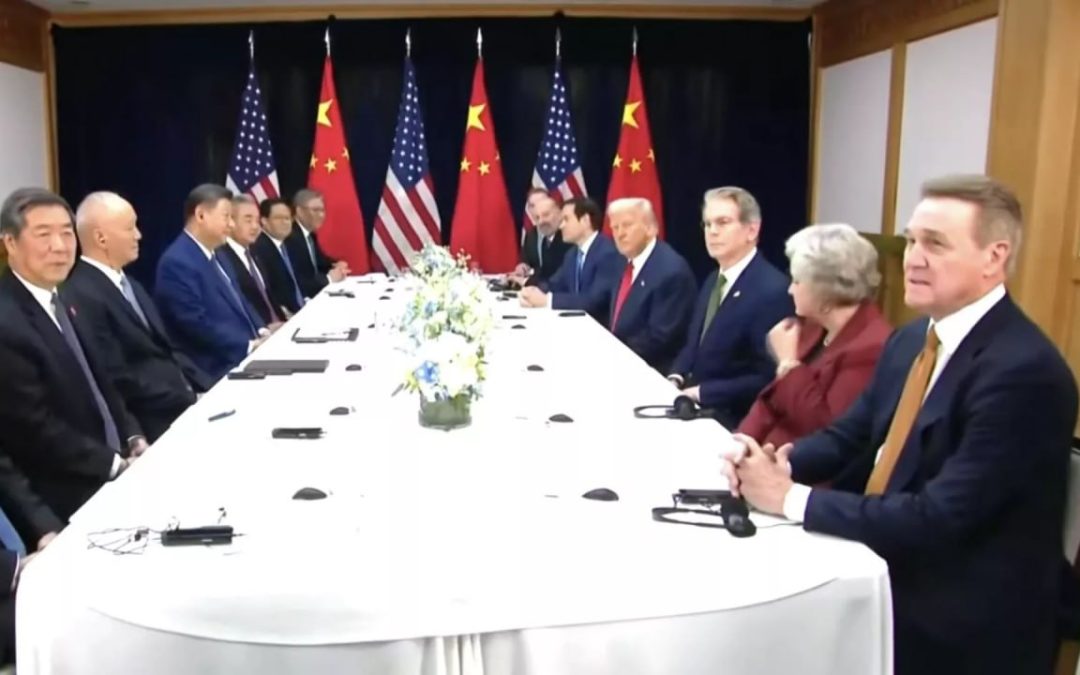
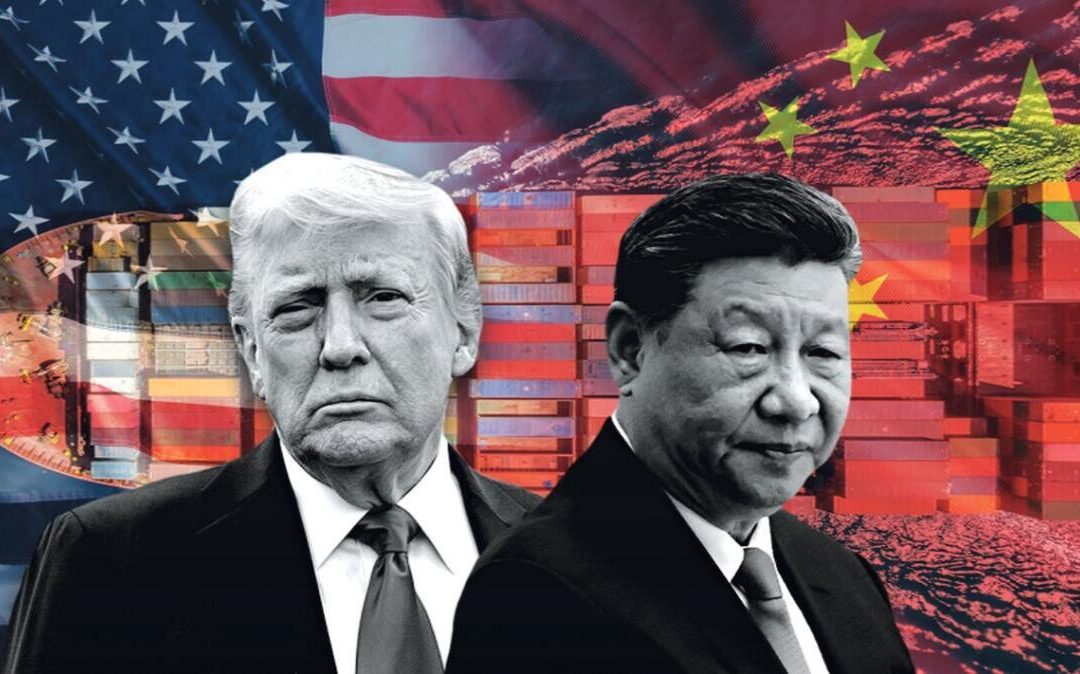
Strategic Council Online– Interview: An international relations expert stated that the growing possibility of a trade agreement between the United States and China following the recent meeting between Donald Trump and Xi Jinping in South Korea is not a strategic economic reconciliation, but rather a tactical move by Beijing in the process of restructuring power within the emerging world order.
Strategic Council Online– Opinion: While the world has not yet been freed from the consequences of the pandemic and geopolitical disruptions, the economic competition between the world’s two giants – the United States and China – in East Asia has reached its peak.
Online Strategic Council – Opinion: In a world where the international economy has become more than ever a network of interdependencies, even an old radio advertisement can spark a diplomatic-commercial crisis between two traditional allies.
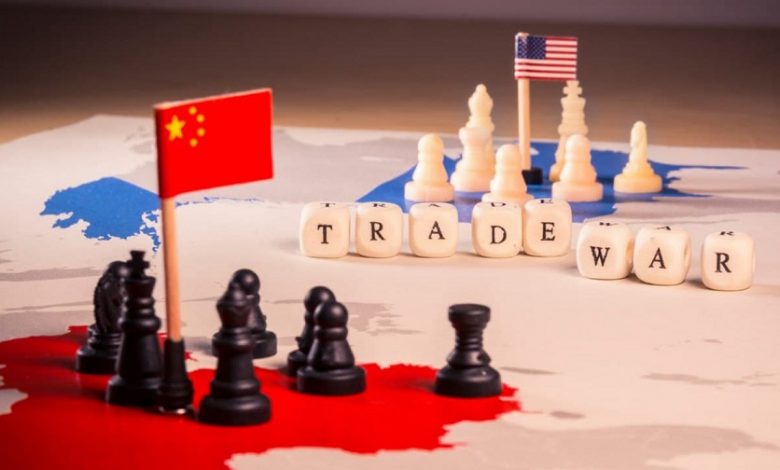
Online Strategic Council – Dialogue: A senior Chinese affairs analyst stated that recent developments in U.S.-China economic relations are a clear sign that the trade war between the world’s two major powers has entered a new phase.
Strategic Council Online – Interview: A former Iranian diplomat stated that India will keep its differences with the United States limited and at the bilateral level, and will not join any power bloc against other powers.
Strategic Council Online – Interview: An international affairs analyst stated that the recent trade agreement between the United States and the European Union, signed on July 28, 2025, in Scotland, appears to have averted a full-scale tariff war. However, this agreement, shaped by Donald Trump’s pressures and threats to raise tariffs by up to 30%, reflects U.S. economic dominance over Europe more than it signifies mutual cooperation. The European Union’s commitment to purchasing $750 billion worth of energy and investing $600 billion in the U.S., along with accepting a 15% tariff on most European exports, raises serious questions about Europe’s economic independence and its implications for the global economy. Does this agreement mean stability for European trade, or does it represent a strategic surrender to the United States that will deepen existing rifts in the global order?
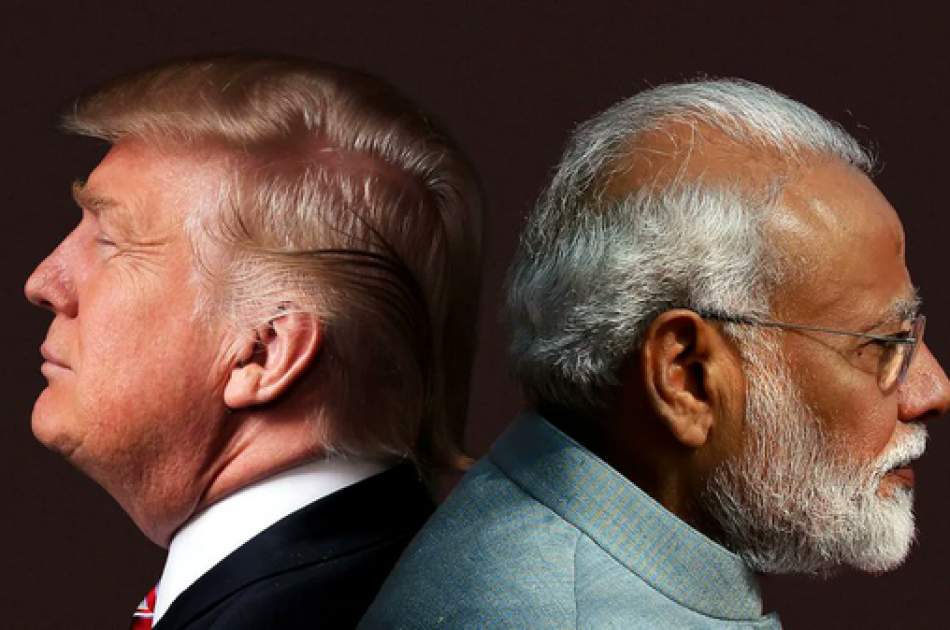
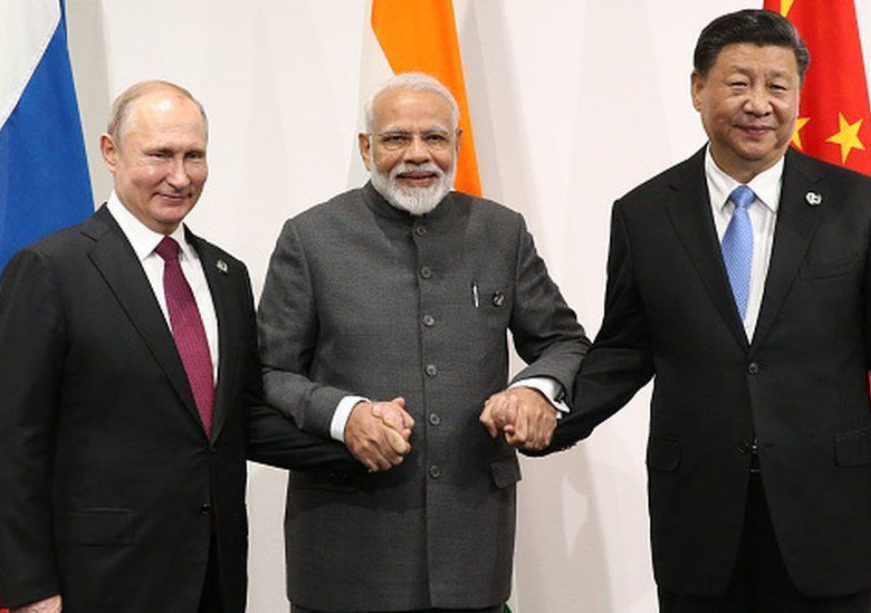
Strategic Council Online – Interview: An international affairs analyst stated that the United States’ imposition of 50% tariffs on Indian export goods has not only severely impacted the economic relations between the two countries but has also opened a new path in New Delhi’s foreign policy. While Washington has justified this move as “punishing” India for purchasing oil from Russia, the Narendra Modi government has called it unfair and emphasized the necessity of ensuring its country’s energy security. However, India’s reaction has not been limited to mere verbal statements; Modi’s visit to China and participation in the Shanghai Cooperation Organization summit can practically be assessed as a strategic pivot towards the East. Simultaneously, diplomatic exchanges among the three Asian powers have accelerated: China’s Foreign Minister visited New Delhi, his Indian counterpart went to Moscow, and Modi, in his meeting with Beijing’s leaders, sent a clear message of India’s desire for closer cooperation with Russia and China. In this context, the Indian Prime Minister’s lack of response to several phone calls from Trump suggests that New Delhi is redefining its foreign policy priorities in response to Washington’s pressure. Many analysts believe that India’s recent actions are not merely short-term reactions but rather a sign of a new balance of power forming in Asia’s equations.
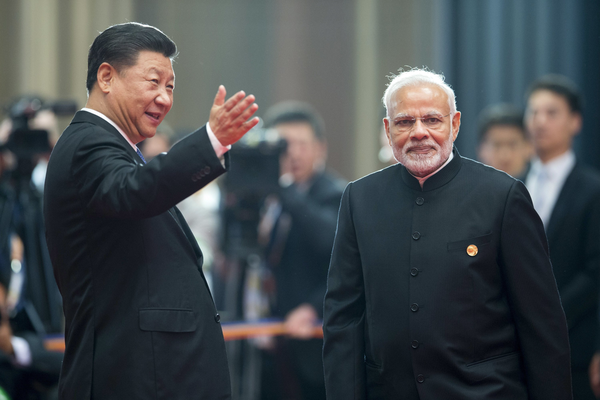
Strategic Council Online – Interview: A senior international relations analyst stated that the recent visit of Wang Yi, China’s Foreign Minister, to New Delhi is not merely a routine diplomatic meeting; rather, it represents a decisive point in the geopolitical equations of South Asia and even the new global order. After four years of tension and distrust stemming from deadly border clashes in Ladakh and Beijing’s full-throated support for Islamabad during the four-day India-Pakistan war, Beijing and New Delhi are now moving towards economic and political reconciliation under circumstances where external variables, including Trump’s tariff pressures and India’s closeness to Russia, have complicated the equation.
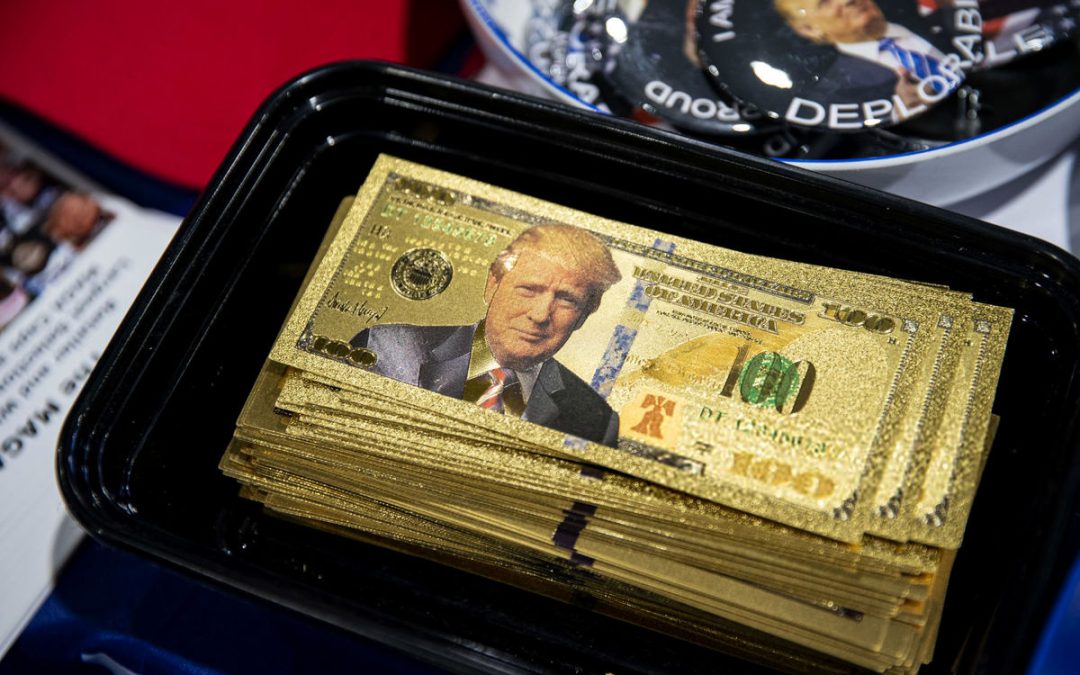
Strategic Council Online – Interview: An American affairs analyst stated: Although only seven months have passed since the beginning of Donald Trump’s second term in the White House, the administration’s official narrative of economic performance has again become a contentious subject in American academic, media, and expert circles. Statistics recently released by the Trump administration on economic indicators appear to suggest economic revival, reduced inflation, and a strengthened labor market. However, when these statistics are juxtaposed with independent data and credible surveys, a different and concerning picture of the U.S. economy’s real condition emerges. Rising unemployment rates, declining employment growth, falling labor force participation, consumer inflation exceeding optimal levels, and widespread public dissatisfaction with living costs are the most significant indicators challenging the Trump administration’s narrative. This comes as Trump, repeating his “Make America Great Again” slogan, had promised that protective trade policies and heavy tariffs would increase domestic employment and enhance the competitiveness of U.S. industries. Yet according to many economists and market observers, these policies have not only failed to revive the economy but have instead increased production costs, burdened domestic consumers, and disrupted global supply chains.
Strategic Council Online – Opinion: With Donald Trump’s return to the U.S. presidency, a new wave of economic protectionism in the form of tariff policies has impacted global trade. One of the first countries targeted by these tariffs was South Korea—a nation whose economy heavily relies on exports, particularly to the American market.
SCFR Online – Opinion: On Friday, August 7, the heads of state of three countries – Saudi Arabia, Turkey, and Pakistan – signed a text under the title “Makkah Joint Defense Agreement.”
Strategic Council Online – Note: The initiative to revive the Hejaz Railway, beyond being a transportation project, constitutes an attempt to redefine geopolitics, the economy, and Turkey’s regional position; however, its realization appears to face significant financial, security, and institutional challenges.
SCFR Online – Opinion: The Strait of Hormuz crisis is no longer merely the consequence of a military confrontation, but rather a sign of the transition from the US-centered maritime order to a new energy security structure involving the participation of emerging and influential powers.
SCFR Online – Opinion: Iran’s active deterrence strategy, while increasing the costs of US intervention, has increasingly exposed the hidden rifts between Washington’s interests and those of the Israeli regime.
SCFR Online – Opinion: The escalation of verbal and strategic tensions between Turkey and the Israeli regime, although not increasing the likelihood of direct war, indicates the formation of a new order in West Asian geopolitical rivalries.
Strategic Council Online – Note: Recent developments in the political geography of West Asia, from rising tensions in the Persian Gulf to missile and drone activities in the Red Sea and the recent warning by Kaja Kallas, the European Union’s foreign policy chief, regarding the threat to freedom of navigation, indicate a key pattern shift; the US-Iran war has moved beyond the scope of a regional and local confrontation and has linked two vital passageways for the global economy: the Strait of Hormuz and the Bab el-Mandeb Strait.
SCFR Online – Opinion: The Ukraine war was not merely a European crisis, but rather the starting point for the rearrangement of the global balance of power and a shift in the strategic behavior of great powers.
SCFR Online – Opinion: Great power competition is now pursued more in trade, currency, technology, and global supply chains than on the battlefields of military confrontation.
Strategic Council Online– Interview: An international relations expert stated that the growing possibility of a trade agreement between the United States and China following the recent meeting between Donald Trump and Xi Jinping in South Korea is not a strategic economic reconciliation, but rather a tactical move by Beijing in the process of restructuring power within the emerging world order.
Strategic Council Online– Opinion: While the world has not yet been freed from the consequences of the pandemic and geopolitical disruptions, the economic competition between the world’s two giants – the United States and China – in East Asia has reached its peak.
Online Strategic Council – Opinion: In a world where the international economy has become more than ever a network of interdependencies, even an old radio advertisement can spark a diplomatic-commercial crisis between two traditional allies.
Online Strategic Council – Dialogue: A senior Chinese affairs analyst stated that recent developments in U.S.-China economic relations are a clear sign that the trade war between the world’s two major powers has entered a new phase.
Strategic Council Online – Interview: A former Iranian diplomat stated that India will keep its differences with the United States limited and at the bilateral level, and will not join any power bloc against other powers.
Strategic Council Online – Interview: An international affairs analyst stated that the recent trade agreement between the United States and the European Union, signed on July 28, 2025, in Scotland, appears to have averted a full-scale tariff war. However, this agreement, shaped by Donald Trump’s pressures and threats to raise tariffs by up to 30%, reflects U.S. economic dominance over Europe more than it signifies mutual cooperation. The European Union’s commitment to purchasing $750 billion worth of energy and investing $600 billion in the U.S., along with accepting a 15% tariff on most European exports, raises serious questions about Europe’s economic independence and its implications for the global economy. Does this agreement mean stability for European trade, or does it represent a strategic surrender to the United States that will deepen existing rifts in the global order?
Strategic Council Online – Interview: An international affairs analyst stated that the United States’ imposition of 50% tariffs on Indian export goods has not only severely impacted the economic relations between the two countries but has also opened a new path in New Delhi’s foreign policy. While Washington has justified this move as “punishing” India for purchasing oil from Russia, the Narendra Modi government has called it unfair and emphasized the necessity of ensuring its country’s energy security. However, India’s reaction has not been limited to mere verbal statements; Modi’s visit to China and participation in the Shanghai Cooperation Organization summit can practically be assessed as a strategic pivot towards the East. Simultaneously, diplomatic exchanges among the three Asian powers have accelerated: China’s Foreign Minister visited New Delhi, his Indian counterpart went to Moscow, and Modi, in his meeting with Beijing’s leaders, sent a clear message of India’s desire for closer cooperation with Russia and China. In this context, the Indian Prime Minister’s lack of response to several phone calls from Trump suggests that New Delhi is redefining its foreign policy priorities in response to Washington’s pressure. Many analysts believe that India’s recent actions are not merely short-term reactions but rather a sign of a new balance of power forming in Asia’s equations.
Strategic Council Online – Interview: A senior international relations analyst stated that the recent visit of Wang Yi, China’s Foreign Minister, to New Delhi is not merely a routine diplomatic meeting; rather, it represents a decisive point in the geopolitical equations of South Asia and even the new global order. After four years of tension and distrust stemming from deadly border clashes in Ladakh and Beijing’s full-throated support for Islamabad during the four-day India-Pakistan war, Beijing and New Delhi are now moving towards economic and political reconciliation under circumstances where external variables, including Trump’s tariff pressures and India’s closeness to Russia, have complicated the equation.
Strategic Council Online – Interview: An American affairs analyst stated: Although only seven months have passed since the beginning of Donald Trump’s second term in the White House, the administration’s official narrative of economic performance has again become a contentious subject in American academic, media, and expert circles. Statistics recently released by the Trump administration on economic indicators appear to suggest economic revival, reduced inflation, and a strengthened labor market. However, when these statistics are juxtaposed with independent data and credible surveys, a different and concerning picture of the U.S. economy’s real condition emerges. Rising unemployment rates, declining employment growth, falling labor force participation, consumer inflation exceeding optimal levels, and widespread public dissatisfaction with living costs are the most significant indicators challenging the Trump administration’s narrative. This comes as Trump, repeating his “Make America Great Again” slogan, had promised that protective trade policies and heavy tariffs would increase domestic employment and enhance the competitiveness of U.S. industries. Yet according to many economists and market observers, these policies have not only failed to revive the economy but have instead increased production costs, burdened domestic consumers, and disrupted global supply chains.
Strategic Council Online – Opinion: With Donald Trump’s return to the U.S. presidency, a new wave of economic protectionism in the form of tariff policies has impacted global trade. One of the first countries targeted by these tariffs was South Korea—a nation whose economy heavily relies on exports, particularly to the American market.
Strategic Council Online– Interview: An international relations expert stated that the growing possibility of a trade agreement between the United States and China following the recent meeting between Donald Trump and Xi Jinping in South Korea is not a strategic economic reconciliation, but rather a tactical move by Beijing in the process of restructuring power within the emerging world order.
Strategic Council Online– Opinion: While the world has not yet been freed from the consequences of the pandemic and geopolitical disruptions, the economic competition between the world’s two giants – the United States and China – in East Asia has reached its peak.
Online Strategic Council – Opinion: In a world where the international economy has become more than ever a network of interdependencies, even an old radio advertisement can spark a diplomatic-commercial crisis between two traditional allies.
Online Strategic Council – Dialogue: A senior Chinese affairs analyst stated that recent developments in U.S.-China economic relations are a clear sign that the trade war between the world’s two major powers has entered a new phase.
Strategic Council Online – Interview: A former Iranian diplomat stated that India will keep its differences with the United States limited and at the bilateral level, and will not join any power bloc against other powers.
Strategic Council Online – Interview: An international affairs analyst stated that the recent trade agreement between the United States and the European Union, signed on July 28, 2025, in Scotland, appears to have averted a full-scale tariff war. However, this agreement, shaped by Donald Trump’s pressures and threats to raise tariffs by up to 30%, reflects U.S. economic dominance over Europe more than it signifies mutual cooperation. The European Union’s commitment to purchasing $750 billion worth of energy and investing $600 billion in the U.S., along with accepting a 15% tariff on most European exports, raises serious questions about Europe’s economic independence and its implications for the global economy. Does this agreement mean stability for European trade, or does it represent a strategic surrender to the United States that will deepen existing rifts in the global order?
Strategic Council Online – Interview: An international affairs analyst stated that the United States’ imposition of 50% tariffs on Indian export goods has not only severely impacted the economic relations between the two countries but has also opened a new path in New Delhi’s foreign policy. While Washington has justified this move as “punishing” India for purchasing oil from Russia, the Narendra Modi government has called it unfair and emphasized the necessity of ensuring its country’s energy security. However, India’s reaction has not been limited to mere verbal statements; Modi’s visit to China and participation in the Shanghai Cooperation Organization summit can practically be assessed as a strategic pivot towards the East. Simultaneously, diplomatic exchanges among the three Asian powers have accelerated: China’s Foreign Minister visited New Delhi, his Indian counterpart went to Moscow, and Modi, in his meeting with Beijing’s leaders, sent a clear message of India’s desire for closer cooperation with Russia and China. In this context, the Indian Prime Minister’s lack of response to several phone calls from Trump suggests that New Delhi is redefining its foreign policy priorities in response to Washington’s pressure. Many analysts believe that India’s recent actions are not merely short-term reactions but rather a sign of a new balance of power forming in Asia’s equations.
Strategic Council Online – Interview: A senior international relations analyst stated that the recent visit of Wang Yi, China’s Foreign Minister, to New Delhi is not merely a routine diplomatic meeting; rather, it represents a decisive point in the geopolitical equations of South Asia and even the new global order. After four years of tension and distrust stemming from deadly border clashes in Ladakh and Beijing’s full-throated support for Islamabad during the four-day India-Pakistan war, Beijing and New Delhi are now moving towards economic and political reconciliation under circumstances where external variables, including Trump’s tariff pressures and India’s closeness to Russia, have complicated the equation.
Strategic Council Online – Interview: An American affairs analyst stated: Although only seven months have passed since the beginning of Donald Trump’s second term in the White House, the administration’s official narrative of economic performance has again become a contentious subject in American academic, media, and expert circles. Statistics recently released by the Trump administration on economic indicators appear to suggest economic revival, reduced inflation, and a strengthened labor market. However, when these statistics are juxtaposed with independent data and credible surveys, a different and concerning picture of the U.S. economy’s real condition emerges. Rising unemployment rates, declining employment growth, falling labor force participation, consumer inflation exceeding optimal levels, and widespread public dissatisfaction with living costs are the most significant indicators challenging the Trump administration’s narrative. This comes as Trump, repeating his “Make America Great Again” slogan, had promised that protective trade policies and heavy tariffs would increase domestic employment and enhance the competitiveness of U.S. industries. Yet according to many economists and market observers, these policies have not only failed to revive the economy but have instead increased production costs, burdened domestic consumers, and disrupted global supply chains.
Strategic Council Online – Opinion: With Donald Trump’s return to the U.S. presidency, a new wave of economic protectionism in the form of tariff policies has impacted global trade. One of the first countries targeted by these tariffs was South Korea—a nation whose economy heavily relies on exports, particularly to the American market.
SCFR Online – Opinion: On Friday, August 7, the heads of state of three countries – Saudi Arabia, Turkey, and Pakistan – signed a text under the title “Makkah Joint Defense Agreement.”
Strategic Council Online – Note: The initiative to revive the Hejaz Railway, beyond being a transportation project, constitutes an attempt to redefine geopolitics, the economy, and Turkey’s regional position; however, its realization appears to face significant financial, security, and institutional challenges.
SCFR Online – Opinion: The Strait of Hormuz crisis is no longer merely the consequence of a military confrontation, but rather a sign of the transition from the US-centered maritime order to a new energy security structure involving the participation of emerging and influential powers.
SCFR Online – Opinion: Iran’s active deterrence strategy, while increasing the costs of US intervention, has increasingly exposed the hidden rifts between Washington’s interests and those of the Israeli regime.
SCFR Online – Opinion: The escalation of verbal and strategic tensions between Turkey and the Israeli regime, although not increasing the likelihood of direct war, indicates the formation of a new order in West Asian geopolitical rivalries.
Strategic Council Online – Note: Recent developments in the political geography of West Asia, from rising tensions in the Persian Gulf to missile and drone activities in the Red Sea and the recent warning by Kaja Kallas, the European Union’s foreign policy chief, regarding the threat to freedom of navigation, indicate a key pattern shift; the US-Iran war has moved beyond the scope of a regional and local confrontation and has linked two vital passageways for the global economy: the Strait of Hormuz and the Bab el-Mandeb Strait.
SCFR Online – Opinion: The Ukraine war was not merely a European crisis, but rather the starting point for the rearrangement of the global balance of power and a shift in the strategic behavior of great powers.
SCFR Online – Opinion: Great power competition is now pursued more in trade, currency, technology, and global supply chains than on the battlefields of military confrontation.
Strategic Council Online– Interview: An international relations expert stated that the growing possibility of a trade agreement between the United States and China following the recent meeting between Donald Trump and Xi Jinping in South Korea is not a strategic economic reconciliation, but rather a tactical move by Beijing in the process of restructuring power within the emerging world order.
Strategic Council Online– Opinion: While the world has not yet been freed from the consequences of the pandemic and geopolitical disruptions, the economic competition between the world’s two giants – the United States and China – in East Asia has reached its peak.
Online Strategic Council – Opinion: In a world where the international economy has become more than ever a network of interdependencies, even an old radio advertisement can spark a diplomatic-commercial crisis between two traditional allies.
Online Strategic Council – Dialogue: A senior Chinese affairs analyst stated that recent developments in U.S.-China economic relations are a clear sign that the trade war between the world’s two major powers has entered a new phase.
Strategic Council Online – Interview: A former Iranian diplomat stated that India will keep its differences with the United States limited and at the bilateral level, and will not join any power bloc against other powers.
Strategic Council Online – Interview: An international affairs analyst stated that the recent trade agreement between the United States and the European Union, signed on July 28, 2025, in Scotland, appears to have averted a full-scale tariff war. However, this agreement, shaped by Donald Trump’s pressures and threats to raise tariffs by up to 30%, reflects U.S. economic dominance over Europe more than it signifies mutual cooperation. The European Union’s commitment to purchasing $750 billion worth of energy and investing $600 billion in the U.S., along with accepting a 15% tariff on most European exports, raises serious questions about Europe’s economic independence and its implications for the global economy. Does this agreement mean stability for European trade, or does it represent a strategic surrender to the United States that will deepen existing rifts in the global order?
Strategic Council Online – Interview: An international affairs analyst stated that the United States’ imposition of 50% tariffs on Indian export goods has not only severely impacted the economic relations between the two countries but has also opened a new path in New Delhi’s foreign policy. While Washington has justified this move as “punishing” India for purchasing oil from Russia, the Narendra Modi government has called it unfair and emphasized the necessity of ensuring its country’s energy security. However, India’s reaction has not been limited to mere verbal statements; Modi’s visit to China and participation in the Shanghai Cooperation Organization summit can practically be assessed as a strategic pivot towards the East. Simultaneously, diplomatic exchanges among the three Asian powers have accelerated: China’s Foreign Minister visited New Delhi, his Indian counterpart went to Moscow, and Modi, in his meeting with Beijing’s leaders, sent a clear message of India’s desire for closer cooperation with Russia and China. In this context, the Indian Prime Minister’s lack of response to several phone calls from Trump suggests that New Delhi is redefining its foreign policy priorities in response to Washington’s pressure. Many analysts believe that India’s recent actions are not merely short-term reactions but rather a sign of a new balance of power forming in Asia’s equations.
Strategic Council Online – Interview: A senior international relations analyst stated that the recent visit of Wang Yi, China’s Foreign Minister, to New Delhi is not merely a routine diplomatic meeting; rather, it represents a decisive point in the geopolitical equations of South Asia and even the new global order. After four years of tension and distrust stemming from deadly border clashes in Ladakh and Beijing’s full-throated support for Islamabad during the four-day India-Pakistan war, Beijing and New Delhi are now moving towards economic and political reconciliation under circumstances where external variables, including Trump’s tariff pressures and India’s closeness to Russia, have complicated the equation.
Strategic Council Online – Interview: An American affairs analyst stated: Although only seven months have passed since the beginning of Donald Trump’s second term in the White House, the administration’s official narrative of economic performance has again become a contentious subject in American academic, media, and expert circles. Statistics recently released by the Trump administration on economic indicators appear to suggest economic revival, reduced inflation, and a strengthened labor market. However, when these statistics are juxtaposed with independent data and credible surveys, a different and concerning picture of the U.S. economy’s real condition emerges. Rising unemployment rates, declining employment growth, falling labor force participation, consumer inflation exceeding optimal levels, and widespread public dissatisfaction with living costs are the most significant indicators challenging the Trump administration’s narrative. This comes as Trump, repeating his “Make America Great Again” slogan, had promised that protective trade policies and heavy tariffs would increase domestic employment and enhance the competitiveness of U.S. industries. Yet according to many economists and market observers, these policies have not only failed to revive the economy but have instead increased production costs, burdened domestic consumers, and disrupted global supply chains.
Strategic Council Online – Opinion: With Donald Trump’s return to the U.S. presidency, a new wave of economic protectionism in the form of tariff policies has impacted global trade. One of the first countries targeted by these tariffs was South Korea—a nation whose economy heavily relies on exports, particularly to the American market.
SCFR Online – Opinion: On Friday, August 7, the heads of state of three countries – Saudi Arabia, Turkey, and Pakistan – signed a text under the title “Makkah Joint Defense Agreement.”
Strategic Council Online – Note: The initiative to revive the Hejaz Railway, beyond being a transportation project, constitutes an attempt to redefine geopolitics, the economy, and Turkey’s regional position; however, its realization appears to face significant financial, security, and institutional challenges.
SCFR Online – Opinion: The Strait of Hormuz crisis is no longer merely the consequence of a military confrontation, but rather a sign of the transition from the US-centered maritime order to a new energy security structure involving the participation of emerging and influential powers.
SCFR Online – Opinion: Iran’s active deterrence strategy, while increasing the costs of US intervention, has increasingly exposed the hidden rifts between Washington’s interests and those of the Israeli regime.
SCFR Online – Opinion: The escalation of verbal and strategic tensions between Turkey and the Israeli regime, although not increasing the likelihood of direct war, indicates the formation of a new order in West Asian geopolitical rivalries.
Strategic Council Online – Note: Recent developments in the political geography of West Asia, from rising tensions in the Persian Gulf to missile and drone activities in the Red Sea and the recent warning by Kaja Kallas, the European Union’s foreign policy chief, regarding the threat to freedom of navigation, indicate a key pattern shift; the US-Iran war has moved beyond the scope of a regional and local confrontation and has linked two vital passageways for the global economy: the Strait of Hormuz and the Bab el-Mandeb Strait.
SCFR Online – Opinion: The Ukraine war was not merely a European crisis, but rather the starting point for the rearrangement of the global balance of power and a shift in the strategic behavior of great powers.
SCFR Online – Opinion: Great power competition is now pursued more in trade, currency, technology, and global supply chains than on the battlefields of military confrontation.
Strategic Council Online– Interview: An international relations expert stated that the growing possibility of a trade agreement between the United States and China following the recent meeting between Donald Trump and Xi Jinping in South Korea is not a strategic economic reconciliation, but rather a tactical move by Beijing in the process of restructuring power within the emerging world order.
Strategic Council Online– Opinion: While the world has not yet been freed from the consequences of the pandemic and geopolitical disruptions, the economic competition between the world’s two giants – the United States and China – in East Asia has reached its peak.
Online Strategic Council – Opinion: In a world where the international economy has become more than ever a network of interdependencies, even an old radio advertisement can spark a diplomatic-commercial crisis between two traditional allies.
Online Strategic Council – Dialogue: A senior Chinese affairs analyst stated that recent developments in U.S.-China economic relations are a clear sign that the trade war between the world’s two major powers has entered a new phase.
Strategic Council Online – Interview: A former Iranian diplomat stated that India will keep its differences with the United States limited and at the bilateral level, and will not join any power bloc against other powers.
Strategic Council Online – Interview: An international affairs analyst stated that the recent trade agreement between the United States and the European Union, signed on July 28, 2025, in Scotland, appears to have averted a full-scale tariff war. However, this agreement, shaped by Donald Trump’s pressures and threats to raise tariffs by up to 30%, reflects U.S. economic dominance over Europe more than it signifies mutual cooperation. The European Union’s commitment to purchasing $750 billion worth of energy and investing $600 billion in the U.S., along with accepting a 15% tariff on most European exports, raises serious questions about Europe’s economic independence and its implications for the global economy. Does this agreement mean stability for European trade, or does it represent a strategic surrender to the United States that will deepen existing rifts in the global order?
Strategic Council Online – Interview: An international affairs analyst stated that the United States’ imposition of 50% tariffs on Indian export goods has not only severely impacted the economic relations between the two countries but has also opened a new path in New Delhi’s foreign policy. While Washington has justified this move as “punishing” India for purchasing oil from Russia, the Narendra Modi government has called it unfair and emphasized the necessity of ensuring its country’s energy security. However, India’s reaction has not been limited to mere verbal statements; Modi’s visit to China and participation in the Shanghai Cooperation Organization summit can practically be assessed as a strategic pivot towards the East. Simultaneously, diplomatic exchanges among the three Asian powers have accelerated: China’s Foreign Minister visited New Delhi, his Indian counterpart went to Moscow, and Modi, in his meeting with Beijing’s leaders, sent a clear message of India’s desire for closer cooperation with Russia and China. In this context, the Indian Prime Minister’s lack of response to several phone calls from Trump suggests that New Delhi is redefining its foreign policy priorities in response to Washington’s pressure. Many analysts believe that India’s recent actions are not merely short-term reactions but rather a sign of a new balance of power forming in Asia’s equations.
Strategic Council Online – Interview: A senior international relations analyst stated that the recent visit of Wang Yi, China’s Foreign Minister, to New Delhi is not merely a routine diplomatic meeting; rather, it represents a decisive point in the geopolitical equations of South Asia and even the new global order. After four years of tension and distrust stemming from deadly border clashes in Ladakh and Beijing’s full-throated support for Islamabad during the four-day India-Pakistan war, Beijing and New Delhi are now moving towards economic and political reconciliation under circumstances where external variables, including Trump’s tariff pressures and India’s closeness to Russia, have complicated the equation.
Strategic Council Online – Interview: An American affairs analyst stated: Although only seven months have passed since the beginning of Donald Trump’s second term in the White House, the administration’s official narrative of economic performance has again become a contentious subject in American academic, media, and expert circles. Statistics recently released by the Trump administration on economic indicators appear to suggest economic revival, reduced inflation, and a strengthened labor market. However, when these statistics are juxtaposed with independent data and credible surveys, a different and concerning picture of the U.S. economy’s real condition emerges. Rising unemployment rates, declining employment growth, falling labor force participation, consumer inflation exceeding optimal levels, and widespread public dissatisfaction with living costs are the most significant indicators challenging the Trump administration’s narrative. This comes as Trump, repeating his “Make America Great Again” slogan, had promised that protective trade policies and heavy tariffs would increase domestic employment and enhance the competitiveness of U.S. industries. Yet according to many economists and market observers, these policies have not only failed to revive the economy but have instead increased production costs, burdened domestic consumers, and disrupted global supply chains.
Strategic Council Online – Opinion: With Donald Trump’s return to the U.S. presidency, a new wave of economic protectionism in the form of tariff policies has impacted global trade. One of the first countries targeted by these tariffs was South Korea—a nation whose economy heavily relies on exports, particularly to the American market.
SCFR Online – Opinion: On Friday, August 7, the heads of state of three countries – Saudi Arabia, Turkey, and Pakistan – signed a text under the title “Makkah Joint Defense Agreement.”
Strategic Council Online – Note: The initiative to revive the Hejaz Railway, beyond being a transportation project, constitutes an attempt to redefine geopolitics, the economy, and Turkey’s regional position; however, its realization appears to face significant financial, security, and institutional challenges.
SCFR Online – Opinion: The Strait of Hormuz crisis is no longer merely the consequence of a military confrontation, but rather a sign of the transition from the US-centered maritime order to a new energy security structure involving the participation of emerging and influential powers.
SCFR Online – Opinion: Iran’s active deterrence strategy, while increasing the costs of US intervention, has increasingly exposed the hidden rifts between Washington’s interests and those of the Israeli regime.
SCFR Online – Opinion: The escalation of verbal and strategic tensions between Turkey and the Israeli regime, although not increasing the likelihood of direct war, indicates the formation of a new order in West Asian geopolitical rivalries.
Strategic Council Online – Note: Recent developments in the political geography of West Asia, from rising tensions in the Persian Gulf to missile and drone activities in the Red Sea and the recent warning by Kaja Kallas, the European Union’s foreign policy chief, regarding the threat to freedom of navigation, indicate a key pattern shift; the US-Iran war has moved beyond the scope of a regional and local confrontation and has linked two vital passageways for the global economy: the Strait of Hormuz and the Bab el-Mandeb Strait.
SCFR Online – Opinion: The Ukraine war was not merely a European crisis, but rather the starting point for the rearrangement of the global balance of power and a shift in the strategic behavior of great powers.
SCFR Online – Opinion: Great power competition is now pursued more in trade, currency, technology, and global supply chains than on the battlefields of military confrontation.
Strategic Council Online– Interview: An international relations expert stated that the growing possibility of a trade agreement between the United States and China following the recent meeting between Donald Trump and Xi Jinping in South Korea is not a strategic economic reconciliation, but rather a tactical move by Beijing in the process of restructuring power within the emerging world order.
Strategic Council Online– Opinion: While the world has not yet been freed from the consequences of the pandemic and geopolitical disruptions, the economic competition between the world’s two giants – the United States and China – in East Asia has reached its peak.
Online Strategic Council – Opinion: In a world where the international economy has become more than ever a network of interdependencies, even an old radio advertisement can spark a diplomatic-commercial crisis between two traditional allies.
Online Strategic Council – Dialogue: A senior Chinese affairs analyst stated that recent developments in U.S.-China economic relations are a clear sign that the trade war between the world’s two major powers has entered a new phase.
Strategic Council Online – Interview: A former Iranian diplomat stated that India will keep its differences with the United States limited and at the bilateral level, and will not join any power bloc against other powers.
Strategic Council Online – Interview: An international affairs analyst stated that the recent trade agreement between the United States and the European Union, signed on July 28, 2025, in Scotland, appears to have averted a full-scale tariff war. However, this agreement, shaped by Donald Trump’s pressures and threats to raise tariffs by up to 30%, reflects U.S. economic dominance over Europe more than it signifies mutual cooperation. The European Union’s commitment to purchasing $750 billion worth of energy and investing $600 billion in the U.S., along with accepting a 15% tariff on most European exports, raises serious questions about Europe’s economic independence and its implications for the global economy. Does this agreement mean stability for European trade, or does it represent a strategic surrender to the United States that will deepen existing rifts in the global order?
Strategic Council Online – Interview: An international affairs analyst stated that the United States’ imposition of 50% tariffs on Indian export goods has not only severely impacted the economic relations between the two countries but has also opened a new path in New Delhi’s foreign policy. While Washington has justified this move as “punishing” India for purchasing oil from Russia, the Narendra Modi government has called it unfair and emphasized the necessity of ensuring its country’s energy security. However, India’s reaction has not been limited to mere verbal statements; Modi’s visit to China and participation in the Shanghai Cooperation Organization summit can practically be assessed as a strategic pivot towards the East. Simultaneously, diplomatic exchanges among the three Asian powers have accelerated: China’s Foreign Minister visited New Delhi, his Indian counterpart went to Moscow, and Modi, in his meeting with Beijing’s leaders, sent a clear message of India’s desire for closer cooperation with Russia and China. In this context, the Indian Prime Minister’s lack of response to several phone calls from Trump suggests that New Delhi is redefining its foreign policy priorities in response to Washington’s pressure. Many analysts believe that India’s recent actions are not merely short-term reactions but rather a sign of a new balance of power forming in Asia’s equations.
Strategic Council Online – Interview: A senior international relations analyst stated that the recent visit of Wang Yi, China’s Foreign Minister, to New Delhi is not merely a routine diplomatic meeting; rather, it represents a decisive point in the geopolitical equations of South Asia and even the new global order. After four years of tension and distrust stemming from deadly border clashes in Ladakh and Beijing’s full-throated support for Islamabad during the four-day India-Pakistan war, Beijing and New Delhi are now moving towards economic and political reconciliation under circumstances where external variables, including Trump’s tariff pressures and India’s closeness to Russia, have complicated the equation.
Strategic Council Online – Interview: An American affairs analyst stated: Although only seven months have passed since the beginning of Donald Trump’s second term in the White House, the administration’s official narrative of economic performance has again become a contentious subject in American academic, media, and expert circles. Statistics recently released by the Trump administration on economic indicators appear to suggest economic revival, reduced inflation, and a strengthened labor market. However, when these statistics are juxtaposed with independent data and credible surveys, a different and concerning picture of the U.S. economy’s real condition emerges. Rising unemployment rates, declining employment growth, falling labor force participation, consumer inflation exceeding optimal levels, and widespread public dissatisfaction with living costs are the most significant indicators challenging the Trump administration’s narrative. This comes as Trump, repeating his “Make America Great Again” slogan, had promised that protective trade policies and heavy tariffs would increase domestic employment and enhance the competitiveness of U.S. industries. Yet according to many economists and market observers, these policies have not only failed to revive the economy but have instead increased production costs, burdened domestic consumers, and disrupted global supply chains.
Strategic Council Online – Opinion: With Donald Trump’s return to the U.S. presidency, a new wave of economic protectionism in the form of tariff policies has impacted global trade. One of the first countries targeted by these tariffs was South Korea—a nation whose economy heavily relies on exports, particularly to the American market.
SCFR Online – Opinion: On Friday, August 7, the heads of state of three countries – Saudi Arabia, Turkey, and Pakistan – signed a text under the title “Makkah Joint Defense Agreement.”
Strategic Council Online – Note: The initiative to revive the Hejaz Railway, beyond being a transportation project, constitutes an attempt to redefine geopolitics, the economy, and Turkey’s regional position; however, its realization appears to face significant financial, security, and institutional challenges.
SCFR Online – Opinion: The Strait of Hormuz crisis is no longer merely the consequence of a military confrontation, but rather a sign of the transition from the US-centered maritime order to a new energy security structure involving the participation of emerging and influential powers.
SCFR Online – Opinion: Iran’s active deterrence strategy, while increasing the costs of US intervention, has increasingly exposed the hidden rifts between Washington’s interests and those of the Israeli regime.
SCFR Online – Opinion: The escalation of verbal and strategic tensions between Turkey and the Israeli regime, although not increasing the likelihood of direct war, indicates the formation of a new order in West Asian geopolitical rivalries.
Strategic Council Online – Note: Recent developments in the political geography of West Asia, from rising tensions in the Persian Gulf to missile and drone activities in the Red Sea and the recent warning by Kaja Kallas, the European Union’s foreign policy chief, regarding the threat to freedom of navigation, indicate a key pattern shift; the US-Iran war has moved beyond the scope of a regional and local confrontation and has linked two vital passageways for the global economy: the Strait of Hormuz and the Bab el-Mandeb Strait.
SCFR Online – Opinion: The Ukraine war was not merely a European crisis, but rather the starting point for the rearrangement of the global balance of power and a shift in the strategic behavior of great powers.
SCFR Online – Opinion: Great power competition is now pursued more in trade, currency, technology, and global supply chains than on the battlefields of military confrontation.
Strategic Council Online– Interview: An international relations expert stated that the growing possibility of a trade agreement between the United States and China following the recent meeting between Donald Trump and Xi Jinping in South Korea is not a strategic economic reconciliation, but rather a tactical move by Beijing in the process of restructuring power within the emerging world order.
Strategic Council Online– Opinion: While the world has not yet been freed from the consequences of the pandemic and geopolitical disruptions, the economic competition between the world’s two giants – the United States and China – in East Asia has reached its peak.
Online Strategic Council – Opinion: In a world where the international economy has become more than ever a network of interdependencies, even an old radio advertisement can spark a diplomatic-commercial crisis between two traditional allies.
Online Strategic Council – Dialogue: A senior Chinese affairs analyst stated that recent developments in U.S.-China economic relations are a clear sign that the trade war between the world’s two major powers has entered a new phase.
Strategic Council Online – Interview: A former Iranian diplomat stated that India will keep its differences with the United States limited and at the bilateral level, and will not join any power bloc against other powers.
Strategic Council Online – Interview: An international affairs analyst stated that the recent trade agreement between the United States and the European Union, signed on July 28, 2025, in Scotland, appears to have averted a full-scale tariff war. However, this agreement, shaped by Donald Trump’s pressures and threats to raise tariffs by up to 30%, reflects U.S. economic dominance over Europe more than it signifies mutual cooperation. The European Union’s commitment to purchasing $750 billion worth of energy and investing $600 billion in the U.S., along with accepting a 15% tariff on most European exports, raises serious questions about Europe’s economic independence and its implications for the global economy. Does this agreement mean stability for European trade, or does it represent a strategic surrender to the United States that will deepen existing rifts in the global order?
Strategic Council Online – Interview: An international affairs analyst stated that the United States’ imposition of 50% tariffs on Indian export goods has not only severely impacted the economic relations between the two countries but has also opened a new path in New Delhi’s foreign policy. While Washington has justified this move as “punishing” India for purchasing oil from Russia, the Narendra Modi government has called it unfair and emphasized the necessity of ensuring its country’s energy security. However, India’s reaction has not been limited to mere verbal statements; Modi’s visit to China and participation in the Shanghai Cooperation Organization summit can practically be assessed as a strategic pivot towards the East. Simultaneously, diplomatic exchanges among the three Asian powers have accelerated: China’s Foreign Minister visited New Delhi, his Indian counterpart went to Moscow, and Modi, in his meeting with Beijing’s leaders, sent a clear message of India’s desire for closer cooperation with Russia and China. In this context, the Indian Prime Minister’s lack of response to several phone calls from Trump suggests that New Delhi is redefining its foreign policy priorities in response to Washington’s pressure. Many analysts believe that India’s recent actions are not merely short-term reactions but rather a sign of a new balance of power forming in Asia’s equations.
Strategic Council Online – Interview: A senior international relations analyst stated that the recent visit of Wang Yi, China’s Foreign Minister, to New Delhi is not merely a routine diplomatic meeting; rather, it represents a decisive point in the geopolitical equations of South Asia and even the new global order. After four years of tension and distrust stemming from deadly border clashes in Ladakh and Beijing’s full-throated support for Islamabad during the four-day India-Pakistan war, Beijing and New Delhi are now moving towards economic and political reconciliation under circumstances where external variables, including Trump’s tariff pressures and India’s closeness to Russia, have complicated the equation.
Strategic Council Online – Interview: An American affairs analyst stated: Although only seven months have passed since the beginning of Donald Trump’s second term in the White House, the administration’s official narrative of economic performance has again become a contentious subject in American academic, media, and expert circles. Statistics recently released by the Trump administration on economic indicators appear to suggest economic revival, reduced inflation, and a strengthened labor market. However, when these statistics are juxtaposed with independent data and credible surveys, a different and concerning picture of the U.S. economy’s real condition emerges. Rising unemployment rates, declining employment growth, falling labor force participation, consumer inflation exceeding optimal levels, and widespread public dissatisfaction with living costs are the most significant indicators challenging the Trump administration’s narrative. This comes as Trump, repeating his “Make America Great Again” slogan, had promised that protective trade policies and heavy tariffs would increase domestic employment and enhance the competitiveness of U.S. industries. Yet according to many economists and market observers, these policies have not only failed to revive the economy but have instead increased production costs, burdened domestic consumers, and disrupted global supply chains.
Strategic Council Online – Opinion: With Donald Trump’s return to the U.S. presidency, a new wave of economic protectionism in the form of tariff policies has impacted global trade. One of the first countries targeted by these tariffs was South Korea—a nation whose economy heavily relies on exports, particularly to the American market.
SCFR Online – Opinion: On Friday, August 7, the heads of state of three countries – Saudi Arabia, Turkey, and Pakistan – signed a text under the title “Makkah Joint Defense Agreement.”
Strategic Council Online – Note: The initiative to revive the Hejaz Railway, beyond being a transportation project, constitutes an attempt to redefine geopolitics, the economy, and Turkey’s regional position; however, its realization appears to face significant financial, security, and institutional challenges.
SCFR Online – Opinion: The Strait of Hormuz crisis is no longer merely the consequence of a military confrontation, but rather a sign of the transition from the US-centered maritime order to a new energy security structure involving the participation of emerging and influential powers.
SCFR Online – Opinion: Iran’s active deterrence strategy, while increasing the costs of US intervention, has increasingly exposed the hidden rifts between Washington’s interests and those of the Israeli regime.
SCFR Online – Opinion: The escalation of verbal and strategic tensions between Turkey and the Israeli regime, although not increasing the likelihood of direct war, indicates the formation of a new order in West Asian geopolitical rivalries.
Strategic Council Online – Note: Recent developments in the political geography of West Asia, from rising tensions in the Persian Gulf to missile and drone activities in the Red Sea and the recent warning by Kaja Kallas, the European Union’s foreign policy chief, regarding the threat to freedom of navigation, indicate a key pattern shift; the US-Iran war has moved beyond the scope of a regional and local confrontation and has linked two vital passageways for the global economy: the Strait of Hormuz and the Bab el-Mandeb Strait.
SCFR Online – Opinion: The Ukraine war was not merely a European crisis, but rather the starting point for the rearrangement of the global balance of power and a shift in the strategic behavior of great powers.
SCFR Online – Opinion: Great power competition is now pursued more in trade, currency, technology, and global supply chains than on the battlefields of military confrontation.