جدیدترین مطالب

Implications of the US-Saudi Nuclear Agreement

SCFR Online – Opinion: The new US-Saudi nuclear agreement, despite legal and political ambiguities, could alter previous non-proliferation standards in West Asia and intensify nuclear competition, ushering it into a new phase.

An Analysis of Recent Turkey-Israeli Regime Tensions

SCFR Online – Opinion: Recent developments in Syria indicate an intensification of strategic rivalry between Turkey and the Israeli regime, but mutual considerations and the role of the United States have limited the likelihood of direct war.

Increasing criticism of the extensive Zionist lobby network

SCFR Online – Opinion: An examination of the mechanisms of the Israeli regime’s influence in the United States depicts a complex picture of shared interests, strategic dependencies, and the limitations of this relationship.

Realities of the Tripartite Makkah Pact

SCFR Online – Interview: The signing of the Makkah agreement between Saudi Arabia, Pakistan, and Turkey has raised questions about the future of the region’s security structure and the position of these countries in West Asian equations. Can this agreement become a genuine collective defense mechanism, or does it have more of a political and deterrent function than creating new military capacity?

Strategic Implications of the Reduction of US Weapons Stockpiles

SCFR Online – Opinion: The continuation of the US war against Iran, in addition to increasing operational costs, has called into question the actual capacity of the American arsenal to simultaneously fulfill security commitments on multiple fronts; an issue that affects deterrence, defense production capacity, and Washington’s resource prioritization.

The Formation of a New Order in Relations Between Powers

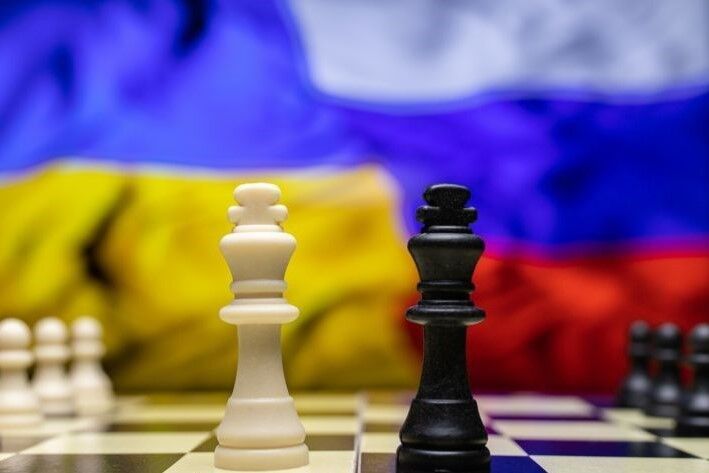
SCFR Online – Opinion: The Russia-Ukraine war and the war of the United States and the Israeli regime against Iran have been formed with different objectives and actors, but field and political developments indicate that they are not entirely separate from one another.

An Analysis of the Makkah Defense Pact

SCFR Online – Opinion: On Friday, August 7, the heads of state of three countries – Saudi Arabia, Turkey, and Pakistan – signed a text under the title “Makkah Joint Defense Agreement.”

Loading

Defense & Security

Tensions between Pakistan and Afghanistan: the Potential for Iran’s Stabilizing Role

Tensions between Pakistan and Afghanistan: the Potential for Iran’s Stabilizing Role

Online Strategic Council – Interview: A senior Afghan affairs analyst stated: Recently, Afghan media reported on airstrikes on Kabul and the sound of massive explosions. Local sources and news networks claimed that the Pakistani army had taken responsibility for this operation, and the target of the operation was identified as the leader of the Pakistani Taliban movement. Local Taliban spokesmen confirmed the occurrence of the explosion and announced that investigations had begun. The escalation of this incident, which occurred amid rising border and political tensions between Islamabad and Kabul, could affect the security equations in West and South Asia.

The Role of Missiles and Drones in Iran’s Deterrence Power

The Role of Missiles and Drones in Iran’s Deterrence Power

Online Strategic Council – Interview: An international affairs analyst said: In recent years, the Islamic Republic of Iran has strengthened its asymmetric capabilities, especially in the missile and drone fields. The growing development of missile and drone capabilities has not only raised the cost for regional rivals to enter the aerial arena but also enabled our country to establish layered deterrence and pursue more sustainable strategies compared to countries possessing advanced fighter jets.

An Analysis of the U.S. Military Intervention Plan in Venezuela and Its Consequences

An Analysis of the U.S. Military Intervention Plan in Venezuela and Its Consequences

Online Strategic Council – Dialogue: A Latin American affairs expert stated that the United States has recently announced it is engaged in an “armed war” with drug cartels in Latin America, and its forces have targeted several boats belonging to Venezuela and Colombia. The President of Colombia has condemned this action and even said that Donald Trump should be prosecuted. In light of these actions, Trump is moving further away each week from his commitment that “no new wars” would be started during his second term.

A Look at the U.S. Security Agreement with Qatar

A Look at the U.S. Security Agreement with Qatar

Online Strategic Council – Interview: An expert on Persian Gulf regional issues stated: The White House recently announced that Trump signed an executive order guaranteeing Qatar’s security. The order states that U.S. policy is to deter and respond to any external attack on Qatar’s security and territorial integrity.

The Plan to Disarm Hezbollah and the Future of Lebanon

The Plan to Disarm Hezbollah and the Future of Lebanon

Online Strategic Council – Interview: The former Director-General of the Middle East at the Ministry of Foreign Affairs stated: The U.S. plan to disarm Lebanon’s Hezbollah, based on Resolution 1701 issued in 2006, is not a new issue, but its timing, coinciding with the Gaza War, which started in October 2023, has placed it in a different context. This is because, simultaneously with the Gaza War, Syria underwent extensive developments, and Lebanon, which had entered the Gaza War through Hezbollah, suddenly signed a ceasefire agreement with the Israeli regime.

Analysis:  Ongoing Hybrid Warfare Between the West and Russia in the Ukraine War

Analysis: Ongoing Hybrid Warfare Between the West and Russia in the Ukraine War

Online Strategic Council – Interview: A foreign policy expert stated that a direct confrontation and war between Russia and the West under the shadow of the Ukraine war appears unlikely. He noted that the conflicting parties have placed the method of hybrid warfare on the agenda at the highest level with the support of their allies. The reality is that a world war is underway, and many countries are directly and indirectly involved in it, but this is not a nuclear war.

Trump’s Effort to Control Global Biological Weapons with the Help of Artificial Intelligence

Trump’s Effort to Control Global Biological Weapons with the Help of Artificial Intelligence

Online Strategic Council – Interview: An expert in the field of artificial intelligence, regarding Trump’s monopolistic approach in the field of developing biological weapons and utilizing artificial intelligence, stated: A large part of Trump’s statements on this matter carries a political and propaganda message and is a kind of show of the United States’ leadership. If the United States can determine the budget and technical agenda in this field and persuade countries to join it, a framework in this area may emerge; however, this path will be complex and time-consuming.

A Regional Deterrence Umbrella Against the Threats of the Zionist Regime

A Regional Deterrence Umbrella Against the Threats of the Zionist Regime

Online Strategic Council – Interview: A senior West Asia affairs analyst stated that recent developments in West Asia indicate that the region’s security equations have entered a new stage. The Israeli regime’s attack on Qatar, as a security shock, has made the Arab countries of the Persian Gulf aware of new vulnerabilities and forced them to reconsider their defense strategies. Now, relying on American security guarantees no longer seems sufficient, because emerging regional threats have become more complex and multi-layered than in the past. In this context, Pakistan, with its special position as the only atomic power in the Islamic world, has quickly found a strategic place in the security calculations of the Arab countries. The signing of the strategic defense agreement between Riyadh and Islamabad, followed by a military cooperation meeting between Bahrain and Pakistan in Manama, indicates an increasing trend in security convergence. These cooperations are defined not only to strengthen joint deterrence and counter potential threats, especially from the Israeli regime, but also indicate a shift in the balance of power in the region. Pakistan’s entry into the West Asian equations could have broader implications; on the one hand, it could reduce America’s monopoly on providing regional security, and on the other hand, it could create new axes of cooperation among Islamic powers. Thus, by moving closer to Islamabad, Saudi Arabia and Bahrain are seeking to develop an indigenous defense shield which, in addition to guaranteeing their own security, sends a clear message to regional rivals: the power equations are being rewritten and new actors have entered the scene.

أحدث الوظائف

Implications of the US-Saudi Nuclear Agreement

SCFR Online – Opinion: The new US-Saudi nuclear agreement, despite legal and political ambiguities, could alter previous non-proliferation standards in West Asia and intensify nuclear competition, ushering it into a new phase.

An Analysis of Recent Turkey-Israeli Regime Tensions

SCFR Online – Opinion: Recent developments in Syria indicate an intensification of strategic rivalry between Turkey and the Israeli regime, but mutual considerations and the role of the United States have limited the likelihood of direct war.

Increasing criticism of the extensive Zionist lobby network

SCFR Online – Opinion: An examination of the mechanisms of the Israeli regime’s influence in the United States depicts a complex picture of shared interests, strategic dependencies, and the limitations of this relationship.

Realities of the Tripartite Makkah Pact

SCFR Online – Interview: The signing of the Makkah agreement between Saudi Arabia, Pakistan, and Turkey has raised questions about the future of the region’s security structure and the position of these countries in West Asian equations. Can this agreement become a genuine collective defense mechanism, or does it have more of a political and deterrent function than creating new military capacity?

Strategic Implications of the Reduction of US Weapons Stockpiles

SCFR Online – Opinion: The continuation of the US war against Iran, in addition to increasing operational costs, has called into question the actual capacity of the American arsenal to simultaneously fulfill security commitments on multiple fronts; an issue that affects deterrence, defense production capacity, and Washington’s resource prioritization.

The Formation of a New Order in Relations Between Powers

SCFR Online – Opinion: The Russia-Ukraine war and the war of the United States and the Israeli regime against Iran have been formed with different objectives and actors, but field and political developments indicate that they are not entirely separate from one another.

An Analysis of the Makkah Defense Pact

SCFR Online – Opinion: On Friday, August 7, the heads of state of three countries – Saudi Arabia, Turkey, and Pakistan – signed a text under the title “Makkah Joint Defense Agreement.”

Loading

Defense & Security

Tensions between Pakistan and Afghanistan: the Potential for Iran’s Stabilizing Role

Tensions between Pakistan and Afghanistan: the Potential for Iran’s Stabilizing Role

Online Strategic Council – Interview: A senior Afghan affairs analyst stated: Recently, Afghan media reported on airstrikes on Kabul and the sound of massive explosions. Local sources and news networks claimed that the Pakistani army had taken responsibility for this operation, and the target of the operation was identified as the leader of the Pakistani Taliban movement. Local Taliban spokesmen confirmed the occurrence of the explosion and announced that investigations had begun. The escalation of this incident, which occurred amid rising border and political tensions between Islamabad and Kabul, could affect the security equations in West and South Asia.

The Role of Missiles and Drones in Iran’s Deterrence Power

The Role of Missiles and Drones in Iran’s Deterrence Power

Online Strategic Council – Interview: An international affairs analyst said: In recent years, the Islamic Republic of Iran has strengthened its asymmetric capabilities, especially in the missile and drone fields. The growing development of missile and drone capabilities has not only raised the cost for regional rivals to enter the aerial arena but also enabled our country to establish layered deterrence and pursue more sustainable strategies compared to countries possessing advanced fighter jets.

An Analysis of the U.S. Military Intervention Plan in Venezuela and Its Consequences

An Analysis of the U.S. Military Intervention Plan in Venezuela and Its Consequences

Online Strategic Council – Dialogue: A Latin American affairs expert stated that the United States has recently announced it is engaged in an “armed war” with drug cartels in Latin America, and its forces have targeted several boats belonging to Venezuela and Colombia. The President of Colombia has condemned this action and even said that Donald Trump should be prosecuted. In light of these actions, Trump is moving further away each week from his commitment that “no new wars” would be started during his second term.

A Look at the U.S. Security Agreement with Qatar

A Look at the U.S. Security Agreement with Qatar

Online Strategic Council – Interview: An expert on Persian Gulf regional issues stated: The White House recently announced that Trump signed an executive order guaranteeing Qatar’s security. The order states that U.S. policy is to deter and respond to any external attack on Qatar’s security and territorial integrity.

The Plan to Disarm Hezbollah and the Future of Lebanon

The Plan to Disarm Hezbollah and the Future of Lebanon

Online Strategic Council – Interview: The former Director-General of the Middle East at the Ministry of Foreign Affairs stated: The U.S. plan to disarm Lebanon’s Hezbollah, based on Resolution 1701 issued in 2006, is not a new issue, but its timing, coinciding with the Gaza War, which started in October 2023, has placed it in a different context. This is because, simultaneously with the Gaza War, Syria underwent extensive developments, and Lebanon, which had entered the Gaza War through Hezbollah, suddenly signed a ceasefire agreement with the Israeli regime.

Analysis:  Ongoing Hybrid Warfare Between the West and Russia in the Ukraine War

Analysis: Ongoing Hybrid Warfare Between the West and Russia in the Ukraine War

Online Strategic Council – Interview: A foreign policy expert stated that a direct confrontation and war between Russia and the West under the shadow of the Ukraine war appears unlikely. He noted that the conflicting parties have placed the method of hybrid warfare on the agenda at the highest level with the support of their allies. The reality is that a world war is underway, and many countries are directly and indirectly involved in it, but this is not a nuclear war.

Trump’s Effort to Control Global Biological Weapons with the Help of Artificial Intelligence

Trump’s Effort to Control Global Biological Weapons with the Help of Artificial Intelligence

Online Strategic Council – Interview: An expert in the field of artificial intelligence, regarding Trump’s monopolistic approach in the field of developing biological weapons and utilizing artificial intelligence, stated: A large part of Trump’s statements on this matter carries a political and propaganda message and is a kind of show of the United States’ leadership. If the United States can determine the budget and technical agenda in this field and persuade countries to join it, a framework in this area may emerge; however, this path will be complex and time-consuming.

A Regional Deterrence Umbrella Against the Threats of the Zionist Regime

A Regional Deterrence Umbrella Against the Threats of the Zionist Regime

Online Strategic Council – Interview: A senior West Asia affairs analyst stated that recent developments in West Asia indicate that the region’s security equations have entered a new stage. The Israeli regime’s attack on Qatar, as a security shock, has made the Arab countries of the Persian Gulf aware of new vulnerabilities and forced them to reconsider their defense strategies. Now, relying on American security guarantees no longer seems sufficient, because emerging regional threats have become more complex and multi-layered than in the past. In this context, Pakistan, with its special position as the only atomic power in the Islamic world, has quickly found a strategic place in the security calculations of the Arab countries. The signing of the strategic defense agreement between Riyadh and Islamabad, followed by a military cooperation meeting between Bahrain and Pakistan in Manama, indicates an increasing trend in security convergence. These cooperations are defined not only to strengthen joint deterrence and counter potential threats, especially from the Israeli regime, but also indicate a shift in the balance of power in the region. Pakistan’s entry into the West Asian equations could have broader implications; on the one hand, it could reduce America’s monopoly on providing regional security, and on the other hand, it could create new axes of cooperation among Islamic powers. Thus, by moving closer to Islamabad, Saudi Arabia and Bahrain are seeking to develop an indigenous defense shield which, in addition to guaranteeing their own security, sends a clear message to regional rivals: the power equations are being rewritten and new actors have entered the scene.

Defense & Security

Tensions between Pakistan and Afghanistan: the Potential for Iran’s Stabilizing Role

Tensions between Pakistan and Afghanistan: the Potential for Iran’s Stabilizing Role

Online Strategic Council – Interview: A senior Afghan affairs analyst stated: Recently, Afghan media reported on airstrikes on Kabul and the sound of massive explosions. Local sources and news networks claimed that the Pakistani army had taken responsibility for this operation, and the target of the operation was identified as the leader of the Pakistani Taliban movement. Local Taliban spokesmen confirmed the occurrence of the explosion and announced that investigations had begun. The escalation of this incident, which occurred amid rising border and political tensions between Islamabad and Kabul, could affect the security equations in West and South Asia.

The Role of Missiles and Drones in Iran’s Deterrence Power

The Role of Missiles and Drones in Iran’s Deterrence Power

Online Strategic Council – Interview: An international affairs analyst said: In recent years, the Islamic Republic of Iran has strengthened its asymmetric capabilities, especially in the missile and drone fields. The growing development of missile and drone capabilities has not only raised the cost for regional rivals to enter the aerial arena but also enabled our country to establish layered deterrence and pursue more sustainable strategies compared to countries possessing advanced fighter jets.

An Analysis of the U.S. Military Intervention Plan in Venezuela and Its Consequences

An Analysis of the U.S. Military Intervention Plan in Venezuela and Its Consequences

Online Strategic Council – Dialogue: A Latin American affairs expert stated that the United States has recently announced it is engaged in an “armed war” with drug cartels in Latin America, and its forces have targeted several boats belonging to Venezuela and Colombia. The President of Colombia has condemned this action and even said that Donald Trump should be prosecuted. In light of these actions, Trump is moving further away each week from his commitment that “no new wars” would be started during his second term.

A Look at the U.S. Security Agreement with Qatar

A Look at the U.S. Security Agreement with Qatar

Online Strategic Council – Interview: An expert on Persian Gulf regional issues stated: The White House recently announced that Trump signed an executive order guaranteeing Qatar’s security. The order states that U.S. policy is to deter and respond to any external attack on Qatar’s security and territorial integrity.

The Plan to Disarm Hezbollah and the Future of Lebanon

The Plan to Disarm Hezbollah and the Future of Lebanon

Online Strategic Council – Interview: The former Director-General of the Middle East at the Ministry of Foreign Affairs stated: The U.S. plan to disarm Lebanon’s Hezbollah, based on Resolution 1701 issued in 2006, is not a new issue, but its timing, coinciding with the Gaza War, which started in October 2023, has placed it in a different context. This is because, simultaneously with the Gaza War, Syria underwent extensive developments, and Lebanon, which had entered the Gaza War through Hezbollah, suddenly signed a ceasefire agreement with the Israeli regime.

Analysis:  Ongoing Hybrid Warfare Between the West and Russia in the Ukraine War

Analysis: Ongoing Hybrid Warfare Between the West and Russia in the Ukraine War

Online Strategic Council – Interview: A foreign policy expert stated that a direct confrontation and war between Russia and the West under the shadow of the Ukraine war appears unlikely. He noted that the conflicting parties have placed the method of hybrid warfare on the agenda at the highest level with the support of their allies. The reality is that a world war is underway, and many countries are directly and indirectly involved in it, but this is not a nuclear war.

Trump’s Effort to Control Global Biological Weapons with the Help of Artificial Intelligence

Trump’s Effort to Control Global Biological Weapons with the Help of Artificial Intelligence

Online Strategic Council – Interview: An expert in the field of artificial intelligence, regarding Trump’s monopolistic approach in the field of developing biological weapons and utilizing artificial intelligence, stated: A large part of Trump’s statements on this matter carries a political and propaganda message and is a kind of show of the United States’ leadership. If the United States can determine the budget and technical agenda in this field and persuade countries to join it, a framework in this area may emerge; however, this path will be complex and time-consuming.

A Regional Deterrence Umbrella Against the Threats of the Zionist Regime

A Regional Deterrence Umbrella Against the Threats of the Zionist Regime

Online Strategic Council – Interview: A senior West Asia affairs analyst stated that recent developments in West Asia indicate that the region’s security equations have entered a new stage. The Israeli regime’s attack on Qatar, as a security shock, has made the Arab countries of the Persian Gulf aware of new vulnerabilities and forced them to reconsider their defense strategies. Now, relying on American security guarantees no longer seems sufficient, because emerging regional threats have become more complex and multi-layered than in the past. In this context, Pakistan, with its special position as the only atomic power in the Islamic world, has quickly found a strategic place in the security calculations of the Arab countries. The signing of the strategic defense agreement between Riyadh and Islamabad, followed by a military cooperation meeting between Bahrain and Pakistan in Manama, indicates an increasing trend in security convergence. These cooperations are defined not only to strengthen joint deterrence and counter potential threats, especially from the Israeli regime, but also indicate a shift in the balance of power in the region. Pakistan’s entry into the West Asian equations could have broader implications; on the one hand, it could reduce America’s monopoly on providing regional security, and on the other hand, it could create new axes of cooperation among Islamic powers. Thus, by moving closer to Islamabad, Saudi Arabia and Bahrain are seeking to develop an indigenous defense shield which, in addition to guaranteeing their own security, sends a clear message to regional rivals: the power equations are being rewritten and new actors have entered the scene.

LATEST CONTENT

Implications of the US-Saudi Nuclear Agreement

SCFR Online – Opinion: The new US-Saudi nuclear agreement, despite legal and political ambiguities, could alter previous non-proliferation standards in West Asia and intensify nuclear competition, ushering it into a new phase.

An Analysis of Recent Turkey-Israeli Regime Tensions

SCFR Online – Opinion: Recent developments in Syria indicate an intensification of strategic rivalry between Turkey and the Israeli regime, but mutual considerations and the role of the United States have limited the likelihood of direct war.

Increasing criticism of the extensive Zionist lobby network

SCFR Online – Opinion: An examination of the mechanisms of the Israeli regime’s influence in the United States depicts a complex picture of shared interests, strategic dependencies, and the limitations of this relationship.

Realities of the Tripartite Makkah Pact

SCFR Online – Interview: The signing of the Makkah agreement between Saudi Arabia, Pakistan, and Turkey has raised questions about the future of the region’s security structure and the position of these countries in West Asian equations. Can this agreement become a genuine collective defense mechanism, or does it have more of a political and deterrent function than creating new military capacity?

Strategic Implications of the Reduction of US Weapons Stockpiles

SCFR Online – Opinion: The continuation of the US war against Iran, in addition to increasing operational costs, has called into question the actual capacity of the American arsenal to simultaneously fulfill security commitments on multiple fronts; an issue that affects deterrence, defense production capacity, and Washington’s resource prioritization.

The Formation of a New Order in Relations Between Powers

SCFR Online – Opinion: The Russia-Ukraine war and the war of the United States and the Israeli regime against Iran have been formed with different objectives and actors, but field and political developments indicate that they are not entirely separate from one another.

An Analysis of the Makkah Defense Pact

SCFR Online – Opinion: On Friday, August 7, the heads of state of three countries – Saudi Arabia, Turkey, and Pakistan – signed a text under the title “Makkah Joint Defense Agreement.”

Loading

Defense & Security

Tensions between Pakistan and Afghanistan: the Potential for Iran’s Stabilizing Role

Tensions between Pakistan and Afghanistan: the Potential for Iran’s Stabilizing Role

Online Strategic Council – Interview: A senior Afghan affairs analyst stated: Recently, Afghan media reported on airstrikes on Kabul and the sound of massive explosions. Local sources and news networks claimed that the Pakistani army had taken responsibility for this operation, and the target of the operation was identified as the leader of the Pakistani Taliban movement. Local Taliban spokesmen confirmed the occurrence of the explosion and announced that investigations had begun. The escalation of this incident, which occurred amid rising border and political tensions between Islamabad and Kabul, could affect the security equations in West and South Asia.

The Role of Missiles and Drones in Iran’s Deterrence Power

The Role of Missiles and Drones in Iran’s Deterrence Power

Online Strategic Council – Interview: An international affairs analyst said: In recent years, the Islamic Republic of Iran has strengthened its asymmetric capabilities, especially in the missile and drone fields. The growing development of missile and drone capabilities has not only raised the cost for regional rivals to enter the aerial arena but also enabled our country to establish layered deterrence and pursue more sustainable strategies compared to countries possessing advanced fighter jets.

An Analysis of the U.S. Military Intervention Plan in Venezuela and Its Consequences

An Analysis of the U.S. Military Intervention Plan in Venezuela and Its Consequences

Online Strategic Council – Dialogue: A Latin American affairs expert stated that the United States has recently announced it is engaged in an “armed war” with drug cartels in Latin America, and its forces have targeted several boats belonging to Venezuela and Colombia. The President of Colombia has condemned this action and even said that Donald Trump should be prosecuted. In light of these actions, Trump is moving further away each week from his commitment that “no new wars” would be started during his second term.

A Look at the U.S. Security Agreement with Qatar

A Look at the U.S. Security Agreement with Qatar

Online Strategic Council – Interview: An expert on Persian Gulf regional issues stated: The White House recently announced that Trump signed an executive order guaranteeing Qatar’s security. The order states that U.S. policy is to deter and respond to any external attack on Qatar’s security and territorial integrity.

The Plan to Disarm Hezbollah and the Future of Lebanon

The Plan to Disarm Hezbollah and the Future of Lebanon

Online Strategic Council – Interview: The former Director-General of the Middle East at the Ministry of Foreign Affairs stated: The U.S. plan to disarm Lebanon’s Hezbollah, based on Resolution 1701 issued in 2006, is not a new issue, but its timing, coinciding with the Gaza War, which started in October 2023, has placed it in a different context. This is because, simultaneously with the Gaza War, Syria underwent extensive developments, and Lebanon, which had entered the Gaza War through Hezbollah, suddenly signed a ceasefire agreement with the Israeli regime.

Analysis:  Ongoing Hybrid Warfare Between the West and Russia in the Ukraine War

Analysis: Ongoing Hybrid Warfare Between the West and Russia in the Ukraine War

Online Strategic Council – Interview: A foreign policy expert stated that a direct confrontation and war between Russia and the West under the shadow of the Ukraine war appears unlikely. He noted that the conflicting parties have placed the method of hybrid warfare on the agenda at the highest level with the support of their allies. The reality is that a world war is underway, and many countries are directly and indirectly involved in it, but this is not a nuclear war.

Trump’s Effort to Control Global Biological Weapons with the Help of Artificial Intelligence

Trump’s Effort to Control Global Biological Weapons with the Help of Artificial Intelligence

Online Strategic Council – Interview: An expert in the field of artificial intelligence, regarding Trump’s monopolistic approach in the field of developing biological weapons and utilizing artificial intelligence, stated: A large part of Trump’s statements on this matter carries a political and propaganda message and is a kind of show of the United States’ leadership. If the United States can determine the budget and technical agenda in this field and persuade countries to join it, a framework in this area may emerge; however, this path will be complex and time-consuming.

A Regional Deterrence Umbrella Against the Threats of the Zionist Regime

A Regional Deterrence Umbrella Against the Threats of the Zionist Regime

Online Strategic Council – Interview: A senior West Asia affairs analyst stated that recent developments in West Asia indicate that the region’s security equations have entered a new stage. The Israeli regime’s attack on Qatar, as a security shock, has made the Arab countries of the Persian Gulf aware of new vulnerabilities and forced them to reconsider their defense strategies. Now, relying on American security guarantees no longer seems sufficient, because emerging regional threats have become more complex and multi-layered than in the past. In this context, Pakistan, with its special position as the only atomic power in the Islamic world, has quickly found a strategic place in the security calculations of the Arab countries. The signing of the strategic defense agreement between Riyadh and Islamabad, followed by a military cooperation meeting between Bahrain and Pakistan in Manama, indicates an increasing trend in security convergence. These cooperations are defined not only to strengthen joint deterrence and counter potential threats, especially from the Israeli regime, but also indicate a shift in the balance of power in the region. Pakistan’s entry into the West Asian equations could have broader implications; on the one hand, it could reduce America’s monopoly on providing regional security, and on the other hand, it could create new axes of cooperation among Islamic powers. Thus, by moving closer to Islamabad, Saudi Arabia and Bahrain are seeking to develop an indigenous defense shield which, in addition to guaranteeing their own security, sends a clear message to regional rivals: the power equations are being rewritten and new actors have entered the scene.

ÚLTIMAS PUBLICACIONES

Implications of the US-Saudi Nuclear Agreement

SCFR Online – Opinion: The new US-Saudi nuclear agreement, despite legal and political ambiguities, could alter previous non-proliferation standards in West Asia and intensify nuclear competition, ushering it into a new phase.

An Analysis of Recent Turkey-Israeli Regime Tensions

SCFR Online – Opinion: Recent developments in Syria indicate an intensification of strategic rivalry between Turkey and the Israeli regime, but mutual considerations and the role of the United States have limited the likelihood of direct war.

Increasing criticism of the extensive Zionist lobby network

SCFR Online – Opinion: An examination of the mechanisms of the Israeli regime’s influence in the United States depicts a complex picture of shared interests, strategic dependencies, and the limitations of this relationship.

Realities of the Tripartite Makkah Pact

SCFR Online – Interview: The signing of the Makkah agreement between Saudi Arabia, Pakistan, and Turkey has raised questions about the future of the region’s security structure and the position of these countries in West Asian equations. Can this agreement become a genuine collective defense mechanism, or does it have more of a political and deterrent function than creating new military capacity?

Strategic Implications of the Reduction of US Weapons Stockpiles

SCFR Online – Opinion: The continuation of the US war against Iran, in addition to increasing operational costs, has called into question the actual capacity of the American arsenal to simultaneously fulfill security commitments on multiple fronts; an issue that affects deterrence, defense production capacity, and Washington’s resource prioritization.

The Formation of a New Order in Relations Between Powers

SCFR Online – Opinion: The Russia-Ukraine war and the war of the United States and the Israeli regime against Iran have been formed with different objectives and actors, but field and political developments indicate that they are not entirely separate from one another.

An Analysis of the Makkah Defense Pact

SCFR Online – Opinion: On Friday, August 7, the heads of state of three countries – Saudi Arabia, Turkey, and Pakistan – signed a text under the title “Makkah Joint Defense Agreement.”

Loading

Defense & Security

Tensions between Pakistan and Afghanistan: the Potential for Iran’s Stabilizing Role

Tensions between Pakistan and Afghanistan: the Potential for Iran’s Stabilizing Role

Online Strategic Council – Interview: A senior Afghan affairs analyst stated: Recently, Afghan media reported on airstrikes on Kabul and the sound of massive explosions. Local sources and news networks claimed that the Pakistani army had taken responsibility for this operation, and the target of the operation was identified as the leader of the Pakistani Taliban movement. Local Taliban spokesmen confirmed the occurrence of the explosion and announced that investigations had begun. The escalation of this incident, which occurred amid rising border and political tensions between Islamabad and Kabul, could affect the security equations in West and South Asia.

The Role of Missiles and Drones in Iran’s Deterrence Power

The Role of Missiles and Drones in Iran’s Deterrence Power

Online Strategic Council – Interview: An international affairs analyst said: In recent years, the Islamic Republic of Iran has strengthened its asymmetric capabilities, especially in the missile and drone fields. The growing development of missile and drone capabilities has not only raised the cost for regional rivals to enter the aerial arena but also enabled our country to establish layered deterrence and pursue more sustainable strategies compared to countries possessing advanced fighter jets.

An Analysis of the U.S. Military Intervention Plan in Venezuela and Its Consequences

An Analysis of the U.S. Military Intervention Plan in Venezuela and Its Consequences

Online Strategic Council – Dialogue: A Latin American affairs expert stated that the United States has recently announced it is engaged in an “armed war” with drug cartels in Latin America, and its forces have targeted several boats belonging to Venezuela and Colombia. The President of Colombia has condemned this action and even said that Donald Trump should be prosecuted. In light of these actions, Trump is moving further away each week from his commitment that “no new wars” would be started during his second term.

A Look at the U.S. Security Agreement with Qatar

A Look at the U.S. Security Agreement with Qatar

Online Strategic Council – Interview: An expert on Persian Gulf regional issues stated: The White House recently announced that Trump signed an executive order guaranteeing Qatar’s security. The order states that U.S. policy is to deter and respond to any external attack on Qatar’s security and territorial integrity.

The Plan to Disarm Hezbollah and the Future of Lebanon

The Plan to Disarm Hezbollah and the Future of Lebanon

Online Strategic Council – Interview: The former Director-General of the Middle East at the Ministry of Foreign Affairs stated: The U.S. plan to disarm Lebanon’s Hezbollah, based on Resolution 1701 issued in 2006, is not a new issue, but its timing, coinciding with the Gaza War, which started in October 2023, has placed it in a different context. This is because, simultaneously with the Gaza War, Syria underwent extensive developments, and Lebanon, which had entered the Gaza War through Hezbollah, suddenly signed a ceasefire agreement with the Israeli regime.

Analysis:  Ongoing Hybrid Warfare Between the West and Russia in the Ukraine War

Analysis: Ongoing Hybrid Warfare Between the West and Russia in the Ukraine War

Online Strategic Council – Interview: A foreign policy expert stated that a direct confrontation and war between Russia and the West under the shadow of the Ukraine war appears unlikely. He noted that the conflicting parties have placed the method of hybrid warfare on the agenda at the highest level with the support of their allies. The reality is that a world war is underway, and many countries are directly and indirectly involved in it, but this is not a nuclear war.

Trump’s Effort to Control Global Biological Weapons with the Help of Artificial Intelligence

Trump’s Effort to Control Global Biological Weapons with the Help of Artificial Intelligence

Online Strategic Council – Interview: An expert in the field of artificial intelligence, regarding Trump’s monopolistic approach in the field of developing biological weapons and utilizing artificial intelligence, stated: A large part of Trump’s statements on this matter carries a political and propaganda message and is a kind of show of the United States’ leadership. If the United States can determine the budget and technical agenda in this field and persuade countries to join it, a framework in this area may emerge; however, this path will be complex and time-consuming.

A Regional Deterrence Umbrella Against the Threats of the Zionist Regime

A Regional Deterrence Umbrella Against the Threats of the Zionist Regime

Online Strategic Council – Interview: A senior West Asia affairs analyst stated that recent developments in West Asia indicate that the region’s security equations have entered a new stage. The Israeli regime’s attack on Qatar, as a security shock, has made the Arab countries of the Persian Gulf aware of new vulnerabilities and forced them to reconsider their defense strategies. Now, relying on American security guarantees no longer seems sufficient, because emerging regional threats have become more complex and multi-layered than in the past. In this context, Pakistan, with its special position as the only atomic power in the Islamic world, has quickly found a strategic place in the security calculations of the Arab countries. The signing of the strategic defense agreement between Riyadh and Islamabad, followed by a military cooperation meeting between Bahrain and Pakistan in Manama, indicates an increasing trend in security convergence. These cooperations are defined not only to strengthen joint deterrence and counter potential threats, especially from the Israeli regime, but also indicate a shift in the balance of power in the region. Pakistan’s entry into the West Asian equations could have broader implications; on the one hand, it could reduce America’s monopoly on providing regional security, and on the other hand, it could create new axes of cooperation among Islamic powers. Thus, by moving closer to Islamabad, Saudi Arabia and Bahrain are seeking to develop an indigenous defense shield which, in addition to guaranteeing their own security, sends a clear message to regional rivals: the power equations are being rewritten and new actors have entered the scene.

ÚLTIMAS PUBLICACIONES

Implications of the US-Saudi Nuclear Agreement

SCFR Online – Opinion: The new US-Saudi nuclear agreement, despite legal and political ambiguities, could alter previous non-proliferation standards in West Asia and intensify nuclear competition, ushering it into a new phase.

An Analysis of Recent Turkey-Israeli Regime Tensions

SCFR Online – Opinion: Recent developments in Syria indicate an intensification of strategic rivalry between Turkey and the Israeli regime, but mutual considerations and the role of the United States have limited the likelihood of direct war.

Increasing criticism of the extensive Zionist lobby network

SCFR Online – Opinion: An examination of the mechanisms of the Israeli regime’s influence in the United States depicts a complex picture of shared interests, strategic dependencies, and the limitations of this relationship.

Realities of the Tripartite Makkah Pact

SCFR Online – Interview: The signing of the Makkah agreement between Saudi Arabia, Pakistan, and Turkey has raised questions about the future of the region’s security structure and the position of these countries in West Asian equations. Can this agreement become a genuine collective defense mechanism, or does it have more of a political and deterrent function than creating new military capacity?

Strategic Implications of the Reduction of US Weapons Stockpiles

SCFR Online – Opinion: The continuation of the US war against Iran, in addition to increasing operational costs, has called into question the actual capacity of the American arsenal to simultaneously fulfill security commitments on multiple fronts; an issue that affects deterrence, defense production capacity, and Washington’s resource prioritization.

The Formation of a New Order in Relations Between Powers

SCFR Online – Opinion: The Russia-Ukraine war and the war of the United States and the Israeli regime against Iran have been formed with different objectives and actors, but field and political developments indicate that they are not entirely separate from one another.

An Analysis of the Makkah Defense Pact

SCFR Online – Opinion: On Friday, August 7, the heads of state of three countries – Saudi Arabia, Turkey, and Pakistan – signed a text under the title “Makkah Joint Defense Agreement.”

Loading

Defense & Security

Tensions between Pakistan and Afghanistan: the Potential for Iran’s Stabilizing Role

Tensions between Pakistan and Afghanistan: the Potential for Iran’s Stabilizing Role

Online Strategic Council – Interview: A senior Afghan affairs analyst stated: Recently, Afghan media reported on airstrikes on Kabul and the sound of massive explosions. Local sources and news networks claimed that the Pakistani army had taken responsibility for this operation, and the target of the operation was identified as the leader of the Pakistani Taliban movement. Local Taliban spokesmen confirmed the occurrence of the explosion and announced that investigations had begun. The escalation of this incident, which occurred amid rising border and political tensions between Islamabad and Kabul, could affect the security equations in West and South Asia.

The Role of Missiles and Drones in Iran’s Deterrence Power

The Role of Missiles and Drones in Iran’s Deterrence Power

Online Strategic Council – Interview: An international affairs analyst said: In recent years, the Islamic Republic of Iran has strengthened its asymmetric capabilities, especially in the missile and drone fields. The growing development of missile and drone capabilities has not only raised the cost for regional rivals to enter the aerial arena but also enabled our country to establish layered deterrence and pursue more sustainable strategies compared to countries possessing advanced fighter jets.

An Analysis of the U.S. Military Intervention Plan in Venezuela and Its Consequences

An Analysis of the U.S. Military Intervention Plan in Venezuela and Its Consequences

Online Strategic Council – Dialogue: A Latin American affairs expert stated that the United States has recently announced it is engaged in an “armed war” with drug cartels in Latin America, and its forces have targeted several boats belonging to Venezuela and Colombia. The President of Colombia has condemned this action and even said that Donald Trump should be prosecuted. In light of these actions, Trump is moving further away each week from his commitment that “no new wars” would be started during his second term.

A Look at the U.S. Security Agreement with Qatar

A Look at the U.S. Security Agreement with Qatar

Online Strategic Council – Interview: An expert on Persian Gulf regional issues stated: The White House recently announced that Trump signed an executive order guaranteeing Qatar’s security. The order states that U.S. policy is to deter and respond to any external attack on Qatar’s security and territorial integrity.

The Plan to Disarm Hezbollah and the Future of Lebanon

The Plan to Disarm Hezbollah and the Future of Lebanon

Online Strategic Council – Interview: The former Director-General of the Middle East at the Ministry of Foreign Affairs stated: The U.S. plan to disarm Lebanon’s Hezbollah, based on Resolution 1701 issued in 2006, is not a new issue, but its timing, coinciding with the Gaza War, which started in October 2023, has placed it in a different context. This is because, simultaneously with the Gaza War, Syria underwent extensive developments, and Lebanon, which had entered the Gaza War through Hezbollah, suddenly signed a ceasefire agreement with the Israeli regime.

Analysis:  Ongoing Hybrid Warfare Between the West and Russia in the Ukraine War

Analysis: Ongoing Hybrid Warfare Between the West and Russia in the Ukraine War

Online Strategic Council – Interview: A foreign policy expert stated that a direct confrontation and war between Russia and the West under the shadow of the Ukraine war appears unlikely. He noted that the conflicting parties have placed the method of hybrid warfare on the agenda at the highest level with the support of their allies. The reality is that a world war is underway, and many countries are directly and indirectly involved in it, but this is not a nuclear war.

Trump’s Effort to Control Global Biological Weapons with the Help of Artificial Intelligence

Trump’s Effort to Control Global Biological Weapons with the Help of Artificial Intelligence

Online Strategic Council – Interview: An expert in the field of artificial intelligence, regarding Trump’s monopolistic approach in the field of developing biological weapons and utilizing artificial intelligence, stated: A large part of Trump’s statements on this matter carries a political and propaganda message and is a kind of show of the United States’ leadership. If the United States can determine the budget and technical agenda in this field and persuade countries to join it, a framework in this area may emerge; however, this path will be complex and time-consuming.

A Regional Deterrence Umbrella Against the Threats of the Zionist Regime

A Regional Deterrence Umbrella Against the Threats of the Zionist Regime

Online Strategic Council – Interview: A senior West Asia affairs analyst stated that recent developments in West Asia indicate that the region’s security equations have entered a new stage. The Israeli regime’s attack on Qatar, as a security shock, has made the Arab countries of the Persian Gulf aware of new vulnerabilities and forced them to reconsider their defense strategies. Now, relying on American security guarantees no longer seems sufficient, because emerging regional threats have become more complex and multi-layered than in the past. In this context, Pakistan, with its special position as the only atomic power in the Islamic world, has quickly found a strategic place in the security calculations of the Arab countries. The signing of the strategic defense agreement between Riyadh and Islamabad, followed by a military cooperation meeting between Bahrain and Pakistan in Manama, indicates an increasing trend in security convergence. These cooperations are defined not only to strengthen joint deterrence and counter potential threats, especially from the Israeli regime, but also indicate a shift in the balance of power in the region. Pakistan’s entry into the West Asian equations could have broader implications; on the one hand, it could reduce America’s monopoly on providing regional security, and on the other hand, it could create new axes of cooperation among Islamic powers. Thus, by moving closer to Islamabad, Saudi Arabia and Bahrain are seeking to develop an indigenous defense shield which, in addition to guaranteeing their own security, sends a clear message to regional rivals: the power equations are being rewritten and new actors have entered the scene.

ÚLTIMAS PUBLICACIONES

Implications of the US-Saudi Nuclear Agreement

SCFR Online – Opinion: The new US-Saudi nuclear agreement, despite legal and political ambiguities, could alter previous non-proliferation standards in West Asia and intensify nuclear competition, ushering it into a new phase.

An Analysis of Recent Turkey-Israeli Regime Tensions

SCFR Online – Opinion: Recent developments in Syria indicate an intensification of strategic rivalry between Turkey and the Israeli regime, but mutual considerations and the role of the United States have limited the likelihood of direct war.

Increasing criticism of the extensive Zionist lobby network

SCFR Online – Opinion: An examination of the mechanisms of the Israeli regime’s influence in the United States depicts a complex picture of shared interests, strategic dependencies, and the limitations of this relationship.

Realities of the Tripartite Makkah Pact

SCFR Online – Interview: The signing of the Makkah agreement between Saudi Arabia, Pakistan, and Turkey has raised questions about the future of the region’s security structure and the position of these countries in West Asian equations. Can this agreement become a genuine collective defense mechanism, or does it have more of a political and deterrent function than creating new military capacity?

Strategic Implications of the Reduction of US Weapons Stockpiles

SCFR Online – Opinion: The continuation of the US war against Iran, in addition to increasing operational costs, has called into question the actual capacity of the American arsenal to simultaneously fulfill security commitments on multiple fronts; an issue that affects deterrence, defense production capacity, and Washington’s resource prioritization.

The Formation of a New Order in Relations Between Powers

SCFR Online – Opinion: The Russia-Ukraine war and the war of the United States and the Israeli regime against Iran have been formed with different objectives and actors, but field and political developments indicate that they are not entirely separate from one another.

An Analysis of the Makkah Defense Pact

SCFR Online – Opinion: On Friday, August 7, the heads of state of three countries – Saudi Arabia, Turkey, and Pakistan – signed a text under the title “Makkah Joint Defense Agreement.”

Loading

Defense & Security

Tensions between Pakistan and Afghanistan: the Potential for Iran’s Stabilizing Role

Tensions between Pakistan and Afghanistan: the Potential for Iran’s Stabilizing Role

Online Strategic Council – Interview: A senior Afghan affairs analyst stated: Recently, Afghan media reported on airstrikes on Kabul and the sound of massive explosions. Local sources and news networks claimed that the Pakistani army had taken responsibility for this operation, and the target of the operation was identified as the leader of the Pakistani Taliban movement. Local Taliban spokesmen confirmed the occurrence of the explosion and announced that investigations had begun. The escalation of this incident, which occurred amid rising border and political tensions between Islamabad and Kabul, could affect the security equations in West and South Asia.

The Role of Missiles and Drones in Iran’s Deterrence Power

The Role of Missiles and Drones in Iran’s Deterrence Power

Online Strategic Council – Interview: An international affairs analyst said: In recent years, the Islamic Republic of Iran has strengthened its asymmetric capabilities, especially in the missile and drone fields. The growing development of missile and drone capabilities has not only raised the cost for regional rivals to enter the aerial arena but also enabled our country to establish layered deterrence and pursue more sustainable strategies compared to countries possessing advanced fighter jets.

An Analysis of the U.S. Military Intervention Plan in Venezuela and Its Consequences

An Analysis of the U.S. Military Intervention Plan in Venezuela and Its Consequences

Online Strategic Council – Dialogue: A Latin American affairs expert stated that the United States has recently announced it is engaged in an “armed war” with drug cartels in Latin America, and its forces have targeted several boats belonging to Venezuela and Colombia. The President of Colombia has condemned this action and even said that Donald Trump should be prosecuted. In light of these actions, Trump is moving further away each week from his commitment that “no new wars” would be started during his second term.

A Look at the U.S. Security Agreement with Qatar

A Look at the U.S. Security Agreement with Qatar

Online Strategic Council – Interview: An expert on Persian Gulf regional issues stated: The White House recently announced that Trump signed an executive order guaranteeing Qatar’s security. The order states that U.S. policy is to deter and respond to any external attack on Qatar’s security and territorial integrity.

The Plan to Disarm Hezbollah and the Future of Lebanon

The Plan to Disarm Hezbollah and the Future of Lebanon

Online Strategic Council – Interview: The former Director-General of the Middle East at the Ministry of Foreign Affairs stated: The U.S. plan to disarm Lebanon’s Hezbollah, based on Resolution 1701 issued in 2006, is not a new issue, but its timing, coinciding with the Gaza War, which started in October 2023, has placed it in a different context. This is because, simultaneously with the Gaza War, Syria underwent extensive developments, and Lebanon, which had entered the Gaza War through Hezbollah, suddenly signed a ceasefire agreement with the Israeli regime.

Analysis:  Ongoing Hybrid Warfare Between the West and Russia in the Ukraine War

Analysis: Ongoing Hybrid Warfare Between the West and Russia in the Ukraine War

Online Strategic Council – Interview: A foreign policy expert stated that a direct confrontation and war between Russia and the West under the shadow of the Ukraine war appears unlikely. He noted that the conflicting parties have placed the method of hybrid warfare on the agenda at the highest level with the support of their allies. The reality is that a world war is underway, and many countries are directly and indirectly involved in it, but this is not a nuclear war.

Trump’s Effort to Control Global Biological Weapons with the Help of Artificial Intelligence

Trump’s Effort to Control Global Biological Weapons with the Help of Artificial Intelligence

Online Strategic Council – Interview: An expert in the field of artificial intelligence, regarding Trump’s monopolistic approach in the field of developing biological weapons and utilizing artificial intelligence, stated: A large part of Trump’s statements on this matter carries a political and propaganda message and is a kind of show of the United States’ leadership. If the United States can determine the budget and technical agenda in this field and persuade countries to join it, a framework in this area may emerge; however, this path will be complex and time-consuming.

A Regional Deterrence Umbrella Against the Threats of the Zionist Regime

A Regional Deterrence Umbrella Against the Threats of the Zionist Regime

Online Strategic Council – Interview: A senior West Asia affairs analyst stated that recent developments in West Asia indicate that the region’s security equations have entered a new stage. The Israeli regime’s attack on Qatar, as a security shock, has made the Arab countries of the Persian Gulf aware of new vulnerabilities and forced them to reconsider their defense strategies. Now, relying on American security guarantees no longer seems sufficient, because emerging regional threats have become more complex and multi-layered than in the past. In this context, Pakistan, with its special position as the only atomic power in the Islamic world, has quickly found a strategic place in the security calculations of the Arab countries. The signing of the strategic defense agreement between Riyadh and Islamabad, followed by a military cooperation meeting between Bahrain and Pakistan in Manama, indicates an increasing trend in security convergence. These cooperations are defined not only to strengthen joint deterrence and counter potential threats, especially from the Israeli regime, but also indicate a shift in the balance of power in the region. Pakistan’s entry into the West Asian equations could have broader implications; on the one hand, it could reduce America’s monopoly on providing regional security, and on the other hand, it could create new axes of cooperation among Islamic powers. Thus, by moving closer to Islamabad, Saudi Arabia and Bahrain are seeking to develop an indigenous defense shield which, in addition to guaranteeing their own security, sends a clear message to regional rivals: the power equations are being rewritten and new actors have entered the scene.

ÚLTIMAS PUBLICACIONES

Implications of the US-Saudi Nuclear Agreement

SCFR Online – Opinion: The new US-Saudi nuclear agreement, despite legal and political ambiguities, could alter previous non-proliferation standards in West Asia and intensify nuclear competition, ushering it into a new phase.

An Analysis of Recent Turkey-Israeli Regime Tensions

SCFR Online – Opinion: Recent developments in Syria indicate an intensification of strategic rivalry between Turkey and the Israeli regime, but mutual considerations and the role of the United States have limited the likelihood of direct war.

Increasing criticism of the extensive Zionist lobby network

SCFR Online – Opinion: An examination of the mechanisms of the Israeli regime’s influence in the United States depicts a complex picture of shared interests, strategic dependencies, and the limitations of this relationship.

Realities of the Tripartite Makkah Pact

SCFR Online – Interview: The signing of the Makkah agreement between Saudi Arabia, Pakistan, and Turkey has raised questions about the future of the region’s security structure and the position of these countries in West Asian equations. Can this agreement become a genuine collective defense mechanism, or does it have more of a political and deterrent function than creating new military capacity?

Strategic Implications of the Reduction of US Weapons Stockpiles

SCFR Online – Opinion: The continuation of the US war against Iran, in addition to increasing operational costs, has called into question the actual capacity of the American arsenal to simultaneously fulfill security commitments on multiple fronts; an issue that affects deterrence, defense production capacity, and Washington’s resource prioritization.

The Formation of a New Order in Relations Between Powers

SCFR Online – Opinion: The Russia-Ukraine war and the war of the United States and the Israeli regime against Iran have been formed with different objectives and actors, but field and political developments indicate that they are not entirely separate from one another.

An Analysis of the Makkah Defense Pact

SCFR Online – Opinion: On Friday, August 7, the heads of state of three countries – Saudi Arabia, Turkey, and Pakistan – signed a text under the title “Makkah Joint Defense Agreement.”

Loading