جدیدترین مطالب

Increasing criticism of the extensive Zionist lobby network

SCFR Online – Opinion: An examination of the mechanisms of the Israeli regime’s influence in the United States depicts a complex picture of shared interests, strategic dependencies, and the limitations of this relationship.

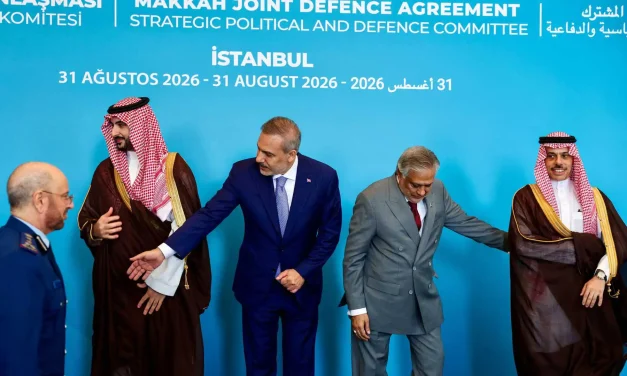
Realities of the Tripartite Makkah Pact

SCFR Online – Interview: The signing of the Makkah agreement between Saudi Arabia, Pakistan, and Turkey has raised questions about the future of the region’s security structure and the position of these countries in West Asian equations. Can this agreement become a genuine collective defense mechanism, or does it have more of a political and deterrent function than creating new military capacity?

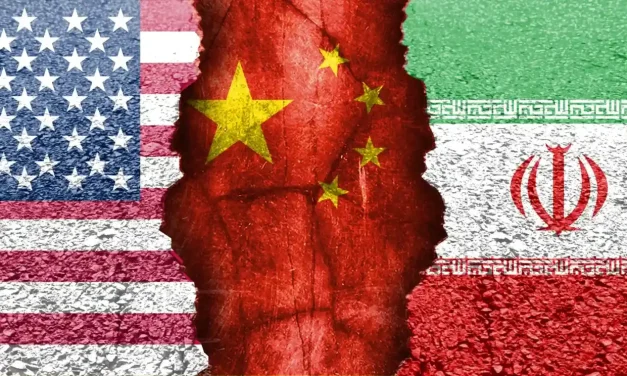
Strategic Implications of the Reduction of US Weapons Stockpiles

SCFR Online – Opinion: The continuation of the US war against Iran, in addition to increasing operational costs, has called into question the actual capacity of the American arsenal to simultaneously fulfill security commitments on multiple fronts; an issue that affects deterrence, defense production capacity, and Washington’s resource prioritization.

The Formation of a New Order in Relations Between Powers

SCFR Online – Opinion: The Russia-Ukraine war and the war of the United States and the Israeli regime against Iran have been formed with different objectives and actors, but field and political developments indicate that they are not entirely separate from one another.

An Analysis of the Makkah Defense Pact

SCFR Online – Opinion: On Friday, August 7, the heads of state of three countries – Saudi Arabia, Turkey, and Pakistan – signed a text under the title “Makkah Joint Defense Agreement.”

Dimensions and challenges of the initiative to revive the Hejaz Railway

Strategic Council Online – Note: The initiative to revive the Hejaz Railway, beyond being a transportation project, constitutes an attempt to redefine geopolitics, the economy, and Turkey’s regional position; however, its realization appears to face significant financial, security, and institutional challenges.

Loading

USA

America’s Role in Preventing Ceasefire and Continuing the Gaza War

America’s Role in Preventing Ceasefire and Continuing the Gaza War

Strategic Council Online – Opinion: Recently, the Washington Post published information according to which Congressman Gregory Meeks and Senator Ben Cardin, under pressure from the Biden administration, sold $18 billion worth of military weapons to the Zionist regime. Among them, 50 F-15 fighters have agreed. The cost of these weapons has been mainly financed over a few years by Washington’s annual budget of 3.3 billion dollars for Tel Aviv.

Saudi Oil Step in the Corridor of De-Dollarization

Saudi Oil Step in the Corridor of De-Dollarization

Strategic Council Online – Opinion: On June 9, Saudi Arabia’s oil agreement with the United States expired. Saudi Crown Prince Mohammed bin Salman announced that Riyadh would not renew the 75-year-old contract that helped maintain the hegemony of the US dollar in international trade. This action allows Riyadh to sell oil in different currencies, including yuan, euro, yen, etc., instead of the US dollar.

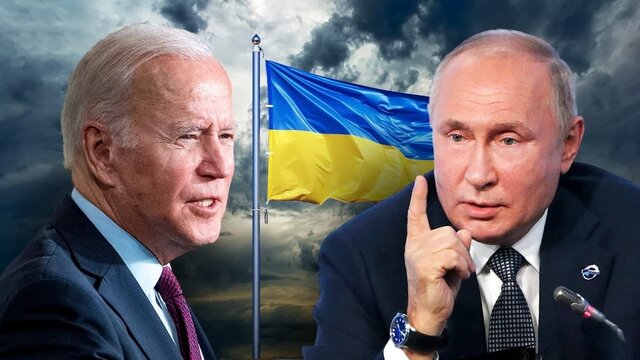
Prospect of US-Russia Tension over Ukraine

Prospect of US-Russia Tension over Ukraine

Strategic Council Online – Interview: An expert on international issues said: the challenge between the West and Russia will remain strong, unless the American and European elections go in such a way that with Trump and the right-wing coming to power, the approaches to the war in Ukraine will somehow change so that the war would end by preserving Russia’s dignity. But if political changes do not occur at this level, the challenge between the West and Russia will continue due to the developments that have occurred, including the extension of European and American sanctions against Russia, as well as the increase of Western support for Ukraine.

Economy & Security: Connecting Links between Turkey and Persian Gulf States

Economy & Security: Connecting Links between Turkey and Persian Gulf States

Strategic Council Online – Opinion: Since 2000, Turkey has gradually shifted its foreign policy from the “Looking East” approach to the more traditional “Looking West” foreign policy. The most important reasons for this change in the structure of Turkey’s foreign policy were the developments in Iraq, the Syrian crisis, and Ankara’s failure to become a member state of the European Union. In addition to the above, the influence of people like President Erdogan and Davutoglu (former PM) on the change in Turkey’s foreign policy has been undeniable.

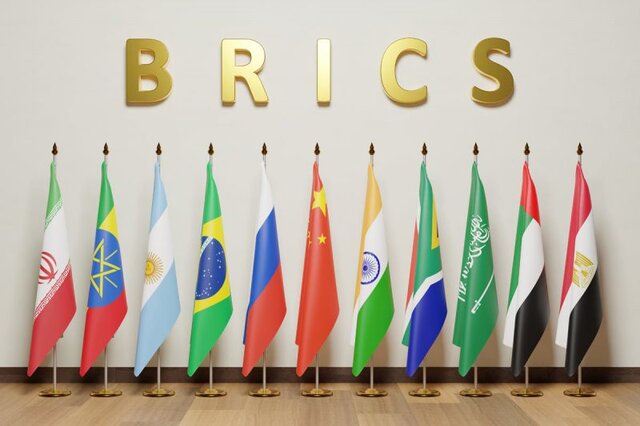
BRICS: Capacities & Opportunities

BRICS: Capacities & Opportunities

Strategic Council Online—Opinion: Recently, Russian Foreign Minister Sergei Lavrov said that BRICS is currently reviewing about 30 requests from different countries proposing various forms of cooperation. The increase in the number of countries applying for membership in the BRICS group indicates the growing importance of this group in the political and economic relations of the international system.

The Zionist Regime Has to Accept a Ceasefire in the Gaza War

The Zionist Regime Has to Accept a Ceasefire in the Gaza War

Strategic Council Online – Interview: An expert on West Asian issues said: The recent resolution proposed by the United States to establish a ceasefire in Gaza and release prisoners was approved with 14 positive votes, one abstention (Russia), and no negative votes at the UN Security Council meeting. None of the parties to the Gaza war have yet agreed to this resolution.

Costs & Strategic Threats of Signing the American Security Defense Treaty for Saudi Arabia

Costs & Strategic Threats of Signing the American Security Defense Treaty for Saudi Arabia

Strategic Council Online – Opinion: The reconciliation process between certain Arab governments and the Zionist regime is one of the important regional “initiatives” of the US Administration, which officially and seriously began in 2015 to transform the atmosphere of tension and conflict into cooperation and alignment with the Zionist regime.

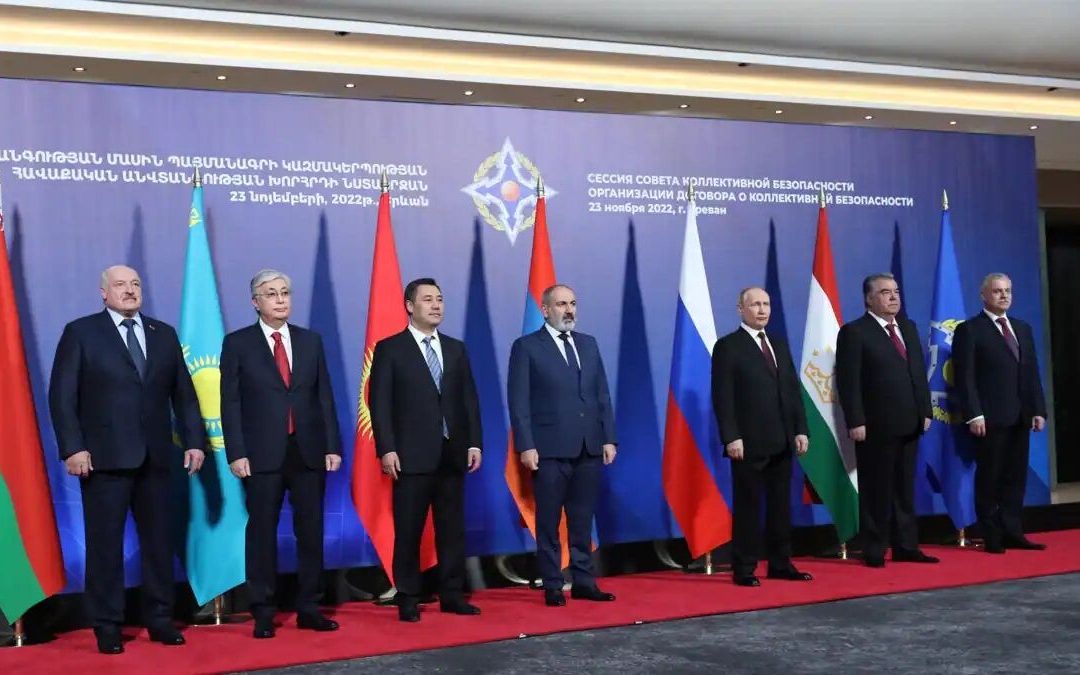
An Analysis on Possible Withdrawal of Armenia from the CSTO

An Analysis on Possible Withdrawal of Armenia from the CSTO

Strategic Council Online – Opinion: Last week, Armenian Prime Minister Nikol Pashinyan announced in a statement in the parliament his country’s intention to withdraw from the collective security pact consisting of several former Soviet states led by Russia. However, the exact time of this action has not yet been determined.

Hamas Approach to US Ceasefire Plan

Hamas Approach to US Ceasefire Plan

Strategic Council Online – Interview: An expert on Palestinian issues said: What is being discussed about the ceasefire plans is not necessarily the issue of stopping the war in Gaza and the exchange of prisoners, but the important issue of formulating the post-war status for each of the two sides.

أحدث الوظائف

Increasing criticism of the extensive Zionist lobby network

SCFR Online – Opinion: An examination of the mechanisms of the Israeli regime’s influence in the United States depicts a complex picture of shared interests, strategic dependencies, and the limitations of this relationship.

Realities of the Tripartite Makkah Pact

SCFR Online – Interview: The signing of the Makkah agreement between Saudi Arabia, Pakistan, and Turkey has raised questions about the future of the region’s security structure and the position of these countries in West Asian equations. Can this agreement become a genuine collective defense mechanism, or does it have more of a political and deterrent function than creating new military capacity?

Strategic Implications of the Reduction of US Weapons Stockpiles

SCFR Online – Opinion: The continuation of the US war against Iran, in addition to increasing operational costs, has called into question the actual capacity of the American arsenal to simultaneously fulfill security commitments on multiple fronts; an issue that affects deterrence, defense production capacity, and Washington’s resource prioritization.

The Formation of a New Order in Relations Between Powers

SCFR Online – Opinion: The Russia-Ukraine war and the war of the United States and the Israeli regime against Iran have been formed with different objectives and actors, but field and political developments indicate that they are not entirely separate from one another.

An Analysis of the Makkah Defense Pact

SCFR Online – Opinion: On Friday, August 7, the heads of state of three countries – Saudi Arabia, Turkey, and Pakistan – signed a text under the title “Makkah Joint Defense Agreement.”

Dimensions and challenges of the initiative to revive the Hejaz Railway

Strategic Council Online – Note: The initiative to revive the Hejaz Railway, beyond being a transportation project, constitutes an attempt to redefine geopolitics, the economy, and Turkey’s regional position; however, its realization appears to face significant financial, security, and institutional challenges.

Loading

USA

America’s Role in Preventing Ceasefire and Continuing the Gaza War

America’s Role in Preventing Ceasefire and Continuing the Gaza War

Strategic Council Online – Opinion: Recently, the Washington Post published information according to which Congressman Gregory Meeks and Senator Ben Cardin, under pressure from the Biden administration, sold $18 billion worth of military weapons to the Zionist regime. Among them, 50 F-15 fighters have agreed. The cost of these weapons has been mainly financed over a few years by Washington’s annual budget of 3.3 billion dollars for Tel Aviv.

Saudi Oil Step in the Corridor of De-Dollarization

Saudi Oil Step in the Corridor of De-Dollarization

Strategic Council Online – Opinion: On June 9, Saudi Arabia’s oil agreement with the United States expired. Saudi Crown Prince Mohammed bin Salman announced that Riyadh would not renew the 75-year-old contract that helped maintain the hegemony of the US dollar in international trade. This action allows Riyadh to sell oil in different currencies, including yuan, euro, yen, etc., instead of the US dollar.

Prospect of US-Russia Tension over Ukraine

Prospect of US-Russia Tension over Ukraine

Strategic Council Online – Interview: An expert on international issues said: the challenge between the West and Russia will remain strong, unless the American and European elections go in such a way that with Trump and the right-wing coming to power, the approaches to the war in Ukraine will somehow change so that the war would end by preserving Russia’s dignity. But if political changes do not occur at this level, the challenge between the West and Russia will continue due to the developments that have occurred, including the extension of European and American sanctions against Russia, as well as the increase of Western support for Ukraine.

Economy & Security: Connecting Links between Turkey and Persian Gulf States

Economy & Security: Connecting Links between Turkey and Persian Gulf States

Strategic Council Online – Opinion: Since 2000, Turkey has gradually shifted its foreign policy from the “Looking East” approach to the more traditional “Looking West” foreign policy. The most important reasons for this change in the structure of Turkey’s foreign policy were the developments in Iraq, the Syrian crisis, and Ankara’s failure to become a member state of the European Union. In addition to the above, the influence of people like President Erdogan and Davutoglu (former PM) on the change in Turkey’s foreign policy has been undeniable.

BRICS: Capacities & Opportunities

BRICS: Capacities & Opportunities

Strategic Council Online—Opinion: Recently, Russian Foreign Minister Sergei Lavrov said that BRICS is currently reviewing about 30 requests from different countries proposing various forms of cooperation. The increase in the number of countries applying for membership in the BRICS group indicates the growing importance of this group in the political and economic relations of the international system.

The Zionist Regime Has to Accept a Ceasefire in the Gaza War

The Zionist Regime Has to Accept a Ceasefire in the Gaza War

Strategic Council Online – Interview: An expert on West Asian issues said: The recent resolution proposed by the United States to establish a ceasefire in Gaza and release prisoners was approved with 14 positive votes, one abstention (Russia), and no negative votes at the UN Security Council meeting. None of the parties to the Gaza war have yet agreed to this resolution.

Costs & Strategic Threats of Signing the American Security Defense Treaty for Saudi Arabia

Costs & Strategic Threats of Signing the American Security Defense Treaty for Saudi Arabia

Strategic Council Online – Opinion: The reconciliation process between certain Arab governments and the Zionist regime is one of the important regional “initiatives” of the US Administration, which officially and seriously began in 2015 to transform the atmosphere of tension and conflict into cooperation and alignment with the Zionist regime.

An Analysis on Possible Withdrawal of Armenia from the CSTO

An Analysis on Possible Withdrawal of Armenia from the CSTO

Strategic Council Online – Opinion: Last week, Armenian Prime Minister Nikol Pashinyan announced in a statement in the parliament his country’s intention to withdraw from the collective security pact consisting of several former Soviet states led by Russia. However, the exact time of this action has not yet been determined.

Hamas Approach to US Ceasefire Plan

Hamas Approach to US Ceasefire Plan

Strategic Council Online – Interview: An expert on Palestinian issues said: What is being discussed about the ceasefire plans is not necessarily the issue of stopping the war in Gaza and the exchange of prisoners, but the important issue of formulating the post-war status for each of the two sides.

USA

America’s Role in Preventing Ceasefire and Continuing the Gaza War

America’s Role in Preventing Ceasefire and Continuing the Gaza War

Strategic Council Online – Opinion: Recently, the Washington Post published information according to which Congressman Gregory Meeks and Senator Ben Cardin, under pressure from the Biden administration, sold $18 billion worth of military weapons to the Zionist regime. Among them, 50 F-15 fighters have agreed. The cost of these weapons has been mainly financed over a few years by Washington’s annual budget of 3.3 billion dollars for Tel Aviv.

Saudi Oil Step in the Corridor of De-Dollarization

Saudi Oil Step in the Corridor of De-Dollarization

Strategic Council Online – Opinion: On June 9, Saudi Arabia’s oil agreement with the United States expired. Saudi Crown Prince Mohammed bin Salman announced that Riyadh would not renew the 75-year-old contract that helped maintain the hegemony of the US dollar in international trade. This action allows Riyadh to sell oil in different currencies, including yuan, euro, yen, etc., instead of the US dollar.

Prospect of US-Russia Tension over Ukraine

Prospect of US-Russia Tension over Ukraine

Strategic Council Online – Interview: An expert on international issues said: the challenge between the West and Russia will remain strong, unless the American and European elections go in such a way that with Trump and the right-wing coming to power, the approaches to the war in Ukraine will somehow change so that the war would end by preserving Russia’s dignity. But if political changes do not occur at this level, the challenge between the West and Russia will continue due to the developments that have occurred, including the extension of European and American sanctions against Russia, as well as the increase of Western support for Ukraine.

Economy & Security: Connecting Links between Turkey and Persian Gulf States

Economy & Security: Connecting Links between Turkey and Persian Gulf States

Strategic Council Online – Opinion: Since 2000, Turkey has gradually shifted its foreign policy from the “Looking East” approach to the more traditional “Looking West” foreign policy. The most important reasons for this change in the structure of Turkey’s foreign policy were the developments in Iraq, the Syrian crisis, and Ankara’s failure to become a member state of the European Union. In addition to the above, the influence of people like President Erdogan and Davutoglu (former PM) on the change in Turkey’s foreign policy has been undeniable.

BRICS: Capacities & Opportunities

BRICS: Capacities & Opportunities

Strategic Council Online—Opinion: Recently, Russian Foreign Minister Sergei Lavrov said that BRICS is currently reviewing about 30 requests from different countries proposing various forms of cooperation. The increase in the number of countries applying for membership in the BRICS group indicates the growing importance of this group in the political and economic relations of the international system.

The Zionist Regime Has to Accept a Ceasefire in the Gaza War

The Zionist Regime Has to Accept a Ceasefire in the Gaza War

Strategic Council Online – Interview: An expert on West Asian issues said: The recent resolution proposed by the United States to establish a ceasefire in Gaza and release prisoners was approved with 14 positive votes, one abstention (Russia), and no negative votes at the UN Security Council meeting. None of the parties to the Gaza war have yet agreed to this resolution.

Costs & Strategic Threats of Signing the American Security Defense Treaty for Saudi Arabia

Costs & Strategic Threats of Signing the American Security Defense Treaty for Saudi Arabia

Strategic Council Online – Opinion: The reconciliation process between certain Arab governments and the Zionist regime is one of the important regional “initiatives” of the US Administration, which officially and seriously began in 2015 to transform the atmosphere of tension and conflict into cooperation and alignment with the Zionist regime.

An Analysis on Possible Withdrawal of Armenia from the CSTO

An Analysis on Possible Withdrawal of Armenia from the CSTO

Strategic Council Online – Opinion: Last week, Armenian Prime Minister Nikol Pashinyan announced in a statement in the parliament his country’s intention to withdraw from the collective security pact consisting of several former Soviet states led by Russia. However, the exact time of this action has not yet been determined.

Hamas Approach to US Ceasefire Plan

Hamas Approach to US Ceasefire Plan

Strategic Council Online – Interview: An expert on Palestinian issues said: What is being discussed about the ceasefire plans is not necessarily the issue of stopping the war in Gaza and the exchange of prisoners, but the important issue of formulating the post-war status for each of the two sides.

LATEST CONTENT

Increasing criticism of the extensive Zionist lobby network

SCFR Online – Opinion: An examination of the mechanisms of the Israeli regime’s influence in the United States depicts a complex picture of shared interests, strategic dependencies, and the limitations of this relationship.

Realities of the Tripartite Makkah Pact

SCFR Online – Interview: The signing of the Makkah agreement between Saudi Arabia, Pakistan, and Turkey has raised questions about the future of the region’s security structure and the position of these countries in West Asian equations. Can this agreement become a genuine collective defense mechanism, or does it have more of a political and deterrent function than creating new military capacity?

Strategic Implications of the Reduction of US Weapons Stockpiles

SCFR Online – Opinion: The continuation of the US war against Iran, in addition to increasing operational costs, has called into question the actual capacity of the American arsenal to simultaneously fulfill security commitments on multiple fronts; an issue that affects deterrence, defense production capacity, and Washington’s resource prioritization.

The Formation of a New Order in Relations Between Powers

SCFR Online – Opinion: The Russia-Ukraine war and the war of the United States and the Israeli regime against Iran have been formed with different objectives and actors, but field and political developments indicate that they are not entirely separate from one another.

An Analysis of the Makkah Defense Pact

SCFR Online – Opinion: On Friday, August 7, the heads of state of three countries – Saudi Arabia, Turkey, and Pakistan – signed a text under the title “Makkah Joint Defense Agreement.”

Dimensions and challenges of the initiative to revive the Hejaz Railway

Strategic Council Online – Note: The initiative to revive the Hejaz Railway, beyond being a transportation project, constitutes an attempt to redefine geopolitics, the economy, and Turkey’s regional position; however, its realization appears to face significant financial, security, and institutional challenges.

Loading

USA

America’s Role in Preventing Ceasefire and Continuing the Gaza War

America’s Role in Preventing Ceasefire and Continuing the Gaza War

Strategic Council Online – Opinion: Recently, the Washington Post published information according to which Congressman Gregory Meeks and Senator Ben Cardin, under pressure from the Biden administration, sold $18 billion worth of military weapons to the Zionist regime. Among them, 50 F-15 fighters have agreed. The cost of these weapons has been mainly financed over a few years by Washington’s annual budget of 3.3 billion dollars for Tel Aviv.

Saudi Oil Step in the Corridor of De-Dollarization

Saudi Oil Step in the Corridor of De-Dollarization

Strategic Council Online – Opinion: On June 9, Saudi Arabia’s oil agreement with the United States expired. Saudi Crown Prince Mohammed bin Salman announced that Riyadh would not renew the 75-year-old contract that helped maintain the hegemony of the US dollar in international trade. This action allows Riyadh to sell oil in different currencies, including yuan, euro, yen, etc., instead of the US dollar.

Prospect of US-Russia Tension over Ukraine

Prospect of US-Russia Tension over Ukraine

Strategic Council Online – Interview: An expert on international issues said: the challenge between the West and Russia will remain strong, unless the American and European elections go in such a way that with Trump and the right-wing coming to power, the approaches to the war in Ukraine will somehow change so that the war would end by preserving Russia’s dignity. But if political changes do not occur at this level, the challenge between the West and Russia will continue due to the developments that have occurred, including the extension of European and American sanctions against Russia, as well as the increase of Western support for Ukraine.

Economy & Security: Connecting Links between Turkey and Persian Gulf States

Economy & Security: Connecting Links between Turkey and Persian Gulf States

Strategic Council Online – Opinion: Since 2000, Turkey has gradually shifted its foreign policy from the “Looking East” approach to the more traditional “Looking West” foreign policy. The most important reasons for this change in the structure of Turkey’s foreign policy were the developments in Iraq, the Syrian crisis, and Ankara’s failure to become a member state of the European Union. In addition to the above, the influence of people like President Erdogan and Davutoglu (former PM) on the change in Turkey’s foreign policy has been undeniable.

BRICS: Capacities & Opportunities

BRICS: Capacities & Opportunities

Strategic Council Online—Opinion: Recently, Russian Foreign Minister Sergei Lavrov said that BRICS is currently reviewing about 30 requests from different countries proposing various forms of cooperation. The increase in the number of countries applying for membership in the BRICS group indicates the growing importance of this group in the political and economic relations of the international system.

The Zionist Regime Has to Accept a Ceasefire in the Gaza War

The Zionist Regime Has to Accept a Ceasefire in the Gaza War

Strategic Council Online – Interview: An expert on West Asian issues said: The recent resolution proposed by the United States to establish a ceasefire in Gaza and release prisoners was approved with 14 positive votes, one abstention (Russia), and no negative votes at the UN Security Council meeting. None of the parties to the Gaza war have yet agreed to this resolution.

Costs & Strategic Threats of Signing the American Security Defense Treaty for Saudi Arabia

Costs & Strategic Threats of Signing the American Security Defense Treaty for Saudi Arabia

Strategic Council Online – Opinion: The reconciliation process between certain Arab governments and the Zionist regime is one of the important regional “initiatives” of the US Administration, which officially and seriously began in 2015 to transform the atmosphere of tension and conflict into cooperation and alignment with the Zionist regime.

An Analysis on Possible Withdrawal of Armenia from the CSTO

An Analysis on Possible Withdrawal of Armenia from the CSTO

Strategic Council Online – Opinion: Last week, Armenian Prime Minister Nikol Pashinyan announced in a statement in the parliament his country’s intention to withdraw from the collective security pact consisting of several former Soviet states led by Russia. However, the exact time of this action has not yet been determined.

Hamas Approach to US Ceasefire Plan

Hamas Approach to US Ceasefire Plan

Strategic Council Online – Interview: An expert on Palestinian issues said: What is being discussed about the ceasefire plans is not necessarily the issue of stopping the war in Gaza and the exchange of prisoners, but the important issue of formulating the post-war status for each of the two sides.

ÚLTIMAS PUBLICACIONES

Increasing criticism of the extensive Zionist lobby network

SCFR Online – Opinion: An examination of the mechanisms of the Israeli regime’s influence in the United States depicts a complex picture of shared interests, strategic dependencies, and the limitations of this relationship.

Realities of the Tripartite Makkah Pact

SCFR Online – Interview: The signing of the Makkah agreement between Saudi Arabia, Pakistan, and Turkey has raised questions about the future of the region’s security structure and the position of these countries in West Asian equations. Can this agreement become a genuine collective defense mechanism, or does it have more of a political and deterrent function than creating new military capacity?

Strategic Implications of the Reduction of US Weapons Stockpiles

SCFR Online – Opinion: The continuation of the US war against Iran, in addition to increasing operational costs, has called into question the actual capacity of the American arsenal to simultaneously fulfill security commitments on multiple fronts; an issue that affects deterrence, defense production capacity, and Washington’s resource prioritization.

The Formation of a New Order in Relations Between Powers

SCFR Online – Opinion: The Russia-Ukraine war and the war of the United States and the Israeli regime against Iran have been formed with different objectives and actors, but field and political developments indicate that they are not entirely separate from one another.

An Analysis of the Makkah Defense Pact

SCFR Online – Opinion: On Friday, August 7, the heads of state of three countries – Saudi Arabia, Turkey, and Pakistan – signed a text under the title “Makkah Joint Defense Agreement.”

Dimensions and challenges of the initiative to revive the Hejaz Railway

Strategic Council Online – Note: The initiative to revive the Hejaz Railway, beyond being a transportation project, constitutes an attempt to redefine geopolitics, the economy, and Turkey’s regional position; however, its realization appears to face significant financial, security, and institutional challenges.

Loading

USA

America’s Role in Preventing Ceasefire and Continuing the Gaza War

America’s Role in Preventing Ceasefire and Continuing the Gaza War

Strategic Council Online – Opinion: Recently, the Washington Post published information according to which Congressman Gregory Meeks and Senator Ben Cardin, under pressure from the Biden administration, sold $18 billion worth of military weapons to the Zionist regime. Among them, 50 F-15 fighters have agreed. The cost of these weapons has been mainly financed over a few years by Washington’s annual budget of 3.3 billion dollars for Tel Aviv.

Saudi Oil Step in the Corridor of De-Dollarization

Saudi Oil Step in the Corridor of De-Dollarization

Strategic Council Online – Opinion: On June 9, Saudi Arabia’s oil agreement with the United States expired. Saudi Crown Prince Mohammed bin Salman announced that Riyadh would not renew the 75-year-old contract that helped maintain the hegemony of the US dollar in international trade. This action allows Riyadh to sell oil in different currencies, including yuan, euro, yen, etc., instead of the US dollar.

Prospect of US-Russia Tension over Ukraine

Prospect of US-Russia Tension over Ukraine

Strategic Council Online – Interview: An expert on international issues said: the challenge between the West and Russia will remain strong, unless the American and European elections go in such a way that with Trump and the right-wing coming to power, the approaches to the war in Ukraine will somehow change so that the war would end by preserving Russia’s dignity. But if political changes do not occur at this level, the challenge between the West and Russia will continue due to the developments that have occurred, including the extension of European and American sanctions against Russia, as well as the increase of Western support for Ukraine.

Economy & Security: Connecting Links between Turkey and Persian Gulf States

Economy & Security: Connecting Links between Turkey and Persian Gulf States

Strategic Council Online – Opinion: Since 2000, Turkey has gradually shifted its foreign policy from the “Looking East” approach to the more traditional “Looking West” foreign policy. The most important reasons for this change in the structure of Turkey’s foreign policy were the developments in Iraq, the Syrian crisis, and Ankara’s failure to become a member state of the European Union. In addition to the above, the influence of people like President Erdogan and Davutoglu (former PM) on the change in Turkey’s foreign policy has been undeniable.

BRICS: Capacities & Opportunities

BRICS: Capacities & Opportunities

Strategic Council Online—Opinion: Recently, Russian Foreign Minister Sergei Lavrov said that BRICS is currently reviewing about 30 requests from different countries proposing various forms of cooperation. The increase in the number of countries applying for membership in the BRICS group indicates the growing importance of this group in the political and economic relations of the international system.

The Zionist Regime Has to Accept a Ceasefire in the Gaza War

The Zionist Regime Has to Accept a Ceasefire in the Gaza War

Strategic Council Online – Interview: An expert on West Asian issues said: The recent resolution proposed by the United States to establish a ceasefire in Gaza and release prisoners was approved with 14 positive votes, one abstention (Russia), and no negative votes at the UN Security Council meeting. None of the parties to the Gaza war have yet agreed to this resolution.

Costs & Strategic Threats of Signing the American Security Defense Treaty for Saudi Arabia

Costs & Strategic Threats of Signing the American Security Defense Treaty for Saudi Arabia

Strategic Council Online – Opinion: The reconciliation process between certain Arab governments and the Zionist regime is one of the important regional “initiatives” of the US Administration, which officially and seriously began in 2015 to transform the atmosphere of tension and conflict into cooperation and alignment with the Zionist regime.

An Analysis on Possible Withdrawal of Armenia from the CSTO

An Analysis on Possible Withdrawal of Armenia from the CSTO

Strategic Council Online – Opinion: Last week, Armenian Prime Minister Nikol Pashinyan announced in a statement in the parliament his country’s intention to withdraw from the collective security pact consisting of several former Soviet states led by Russia. However, the exact time of this action has not yet been determined.

Hamas Approach to US Ceasefire Plan

Hamas Approach to US Ceasefire Plan

Strategic Council Online – Interview: An expert on Palestinian issues said: What is being discussed about the ceasefire plans is not necessarily the issue of stopping the war in Gaza and the exchange of prisoners, but the important issue of formulating the post-war status for each of the two sides.

ÚLTIMAS PUBLICACIONES

Increasing criticism of the extensive Zionist lobby network

SCFR Online – Opinion: An examination of the mechanisms of the Israeli regime’s influence in the United States depicts a complex picture of shared interests, strategic dependencies, and the limitations of this relationship.

Realities of the Tripartite Makkah Pact

SCFR Online – Interview: The signing of the Makkah agreement between Saudi Arabia, Pakistan, and Turkey has raised questions about the future of the region’s security structure and the position of these countries in West Asian equations. Can this agreement become a genuine collective defense mechanism, or does it have more of a political and deterrent function than creating new military capacity?

Strategic Implications of the Reduction of US Weapons Stockpiles

SCFR Online – Opinion: The continuation of the US war against Iran, in addition to increasing operational costs, has called into question the actual capacity of the American arsenal to simultaneously fulfill security commitments on multiple fronts; an issue that affects deterrence, defense production capacity, and Washington’s resource prioritization.

The Formation of a New Order in Relations Between Powers

SCFR Online – Opinion: The Russia-Ukraine war and the war of the United States and the Israeli regime against Iran have been formed with different objectives and actors, but field and political developments indicate that they are not entirely separate from one another.

An Analysis of the Makkah Defense Pact

SCFR Online – Opinion: On Friday, August 7, the heads of state of three countries – Saudi Arabia, Turkey, and Pakistan – signed a text under the title “Makkah Joint Defense Agreement.”

Dimensions and challenges of the initiative to revive the Hejaz Railway

Strategic Council Online – Note: The initiative to revive the Hejaz Railway, beyond being a transportation project, constitutes an attempt to redefine geopolitics, the economy, and Turkey’s regional position; however, its realization appears to face significant financial, security, and institutional challenges.

Loading

USA

America’s Role in Preventing Ceasefire and Continuing the Gaza War

America’s Role in Preventing Ceasefire and Continuing the Gaza War

Strategic Council Online – Opinion: Recently, the Washington Post published information according to which Congressman Gregory Meeks and Senator Ben Cardin, under pressure from the Biden administration, sold $18 billion worth of military weapons to the Zionist regime. Among them, 50 F-15 fighters have agreed. The cost of these weapons has been mainly financed over a few years by Washington’s annual budget of 3.3 billion dollars for Tel Aviv.

Saudi Oil Step in the Corridor of De-Dollarization

Saudi Oil Step in the Corridor of De-Dollarization

Strategic Council Online – Opinion: On June 9, Saudi Arabia’s oil agreement with the United States expired. Saudi Crown Prince Mohammed bin Salman announced that Riyadh would not renew the 75-year-old contract that helped maintain the hegemony of the US dollar in international trade. This action allows Riyadh to sell oil in different currencies, including yuan, euro, yen, etc., instead of the US dollar.

Prospect of US-Russia Tension over Ukraine

Prospect of US-Russia Tension over Ukraine

Strategic Council Online – Interview: An expert on international issues said: the challenge between the West and Russia will remain strong, unless the American and European elections go in such a way that with Trump and the right-wing coming to power, the approaches to the war in Ukraine will somehow change so that the war would end by preserving Russia’s dignity. But if political changes do not occur at this level, the challenge between the West and Russia will continue due to the developments that have occurred, including the extension of European and American sanctions against Russia, as well as the increase of Western support for Ukraine.

Economy & Security: Connecting Links between Turkey and Persian Gulf States

Economy & Security: Connecting Links between Turkey and Persian Gulf States

Strategic Council Online – Opinion: Since 2000, Turkey has gradually shifted its foreign policy from the “Looking East” approach to the more traditional “Looking West” foreign policy. The most important reasons for this change in the structure of Turkey’s foreign policy were the developments in Iraq, the Syrian crisis, and Ankara’s failure to become a member state of the European Union. In addition to the above, the influence of people like President Erdogan and Davutoglu (former PM) on the change in Turkey’s foreign policy has been undeniable.

BRICS: Capacities & Opportunities

BRICS: Capacities & Opportunities

Strategic Council Online—Opinion: Recently, Russian Foreign Minister Sergei Lavrov said that BRICS is currently reviewing about 30 requests from different countries proposing various forms of cooperation. The increase in the number of countries applying for membership in the BRICS group indicates the growing importance of this group in the political and economic relations of the international system.

The Zionist Regime Has to Accept a Ceasefire in the Gaza War

The Zionist Regime Has to Accept a Ceasefire in the Gaza War

Strategic Council Online – Interview: An expert on West Asian issues said: The recent resolution proposed by the United States to establish a ceasefire in Gaza and release prisoners was approved with 14 positive votes, one abstention (Russia), and no negative votes at the UN Security Council meeting. None of the parties to the Gaza war have yet agreed to this resolution.

Costs & Strategic Threats of Signing the American Security Defense Treaty for Saudi Arabia

Costs & Strategic Threats of Signing the American Security Defense Treaty for Saudi Arabia

Strategic Council Online – Opinion: The reconciliation process between certain Arab governments and the Zionist regime is one of the important regional “initiatives” of the US Administration, which officially and seriously began in 2015 to transform the atmosphere of tension and conflict into cooperation and alignment with the Zionist regime.

An Analysis on Possible Withdrawal of Armenia from the CSTO

An Analysis on Possible Withdrawal of Armenia from the CSTO

Strategic Council Online – Opinion: Last week, Armenian Prime Minister Nikol Pashinyan announced in a statement in the parliament his country’s intention to withdraw from the collective security pact consisting of several former Soviet states led by Russia. However, the exact time of this action has not yet been determined.

Hamas Approach to US Ceasefire Plan

Hamas Approach to US Ceasefire Plan

Strategic Council Online – Interview: An expert on Palestinian issues said: What is being discussed about the ceasefire plans is not necessarily the issue of stopping the war in Gaza and the exchange of prisoners, but the important issue of formulating the post-war status for each of the two sides.

ÚLTIMAS PUBLICACIONES

Increasing criticism of the extensive Zionist lobby network

SCFR Online – Opinion: An examination of the mechanisms of the Israeli regime’s influence in the United States depicts a complex picture of shared interests, strategic dependencies, and the limitations of this relationship.

Realities of the Tripartite Makkah Pact

SCFR Online – Interview: The signing of the Makkah agreement between Saudi Arabia, Pakistan, and Turkey has raised questions about the future of the region’s security structure and the position of these countries in West Asian equations. Can this agreement become a genuine collective defense mechanism, or does it have more of a political and deterrent function than creating new military capacity?

Strategic Implications of the Reduction of US Weapons Stockpiles

SCFR Online – Opinion: The continuation of the US war against Iran, in addition to increasing operational costs, has called into question the actual capacity of the American arsenal to simultaneously fulfill security commitments on multiple fronts; an issue that affects deterrence, defense production capacity, and Washington’s resource prioritization.

The Formation of a New Order in Relations Between Powers

SCFR Online – Opinion: The Russia-Ukraine war and the war of the United States and the Israeli regime against Iran have been formed with different objectives and actors, but field and political developments indicate that they are not entirely separate from one another.

An Analysis of the Makkah Defense Pact

SCFR Online – Opinion: On Friday, August 7, the heads of state of three countries – Saudi Arabia, Turkey, and Pakistan – signed a text under the title “Makkah Joint Defense Agreement.”

Dimensions and challenges of the initiative to revive the Hejaz Railway

Strategic Council Online – Note: The initiative to revive the Hejaz Railway, beyond being a transportation project, constitutes an attempt to redefine geopolitics, the economy, and Turkey’s regional position; however, its realization appears to face significant financial, security, and institutional challenges.

Loading

USA

America’s Role in Preventing Ceasefire and Continuing the Gaza War

America’s Role in Preventing Ceasefire and Continuing the Gaza War

Strategic Council Online – Opinion: Recently, the Washington Post published information according to which Congressman Gregory Meeks and Senator Ben Cardin, under pressure from the Biden administration, sold $18 billion worth of military weapons to the Zionist regime. Among them, 50 F-15 fighters have agreed. The cost of these weapons has been mainly financed over a few years by Washington’s annual budget of 3.3 billion dollars for Tel Aviv.

Saudi Oil Step in the Corridor of De-Dollarization

Saudi Oil Step in the Corridor of De-Dollarization

Strategic Council Online – Opinion: On June 9, Saudi Arabia’s oil agreement with the United States expired. Saudi Crown Prince Mohammed bin Salman announced that Riyadh would not renew the 75-year-old contract that helped maintain the hegemony of the US dollar in international trade. This action allows Riyadh to sell oil in different currencies, including yuan, euro, yen, etc., instead of the US dollar.

Prospect of US-Russia Tension over Ukraine

Prospect of US-Russia Tension over Ukraine

Strategic Council Online – Interview: An expert on international issues said: the challenge between the West and Russia will remain strong, unless the American and European elections go in such a way that with Trump and the right-wing coming to power, the approaches to the war in Ukraine will somehow change so that the war would end by preserving Russia’s dignity. But if political changes do not occur at this level, the challenge between the West and Russia will continue due to the developments that have occurred, including the extension of European and American sanctions against Russia, as well as the increase of Western support for Ukraine.

Economy & Security: Connecting Links between Turkey and Persian Gulf States

Economy & Security: Connecting Links between Turkey and Persian Gulf States

Strategic Council Online – Opinion: Since 2000, Turkey has gradually shifted its foreign policy from the “Looking East” approach to the more traditional “Looking West” foreign policy. The most important reasons for this change in the structure of Turkey’s foreign policy were the developments in Iraq, the Syrian crisis, and Ankara’s failure to become a member state of the European Union. In addition to the above, the influence of people like President Erdogan and Davutoglu (former PM) on the change in Turkey’s foreign policy has been undeniable.

BRICS: Capacities & Opportunities

BRICS: Capacities & Opportunities

Strategic Council Online—Opinion: Recently, Russian Foreign Minister Sergei Lavrov said that BRICS is currently reviewing about 30 requests from different countries proposing various forms of cooperation. The increase in the number of countries applying for membership in the BRICS group indicates the growing importance of this group in the political and economic relations of the international system.

The Zionist Regime Has to Accept a Ceasefire in the Gaza War

The Zionist Regime Has to Accept a Ceasefire in the Gaza War

Strategic Council Online – Interview: An expert on West Asian issues said: The recent resolution proposed by the United States to establish a ceasefire in Gaza and release prisoners was approved with 14 positive votes, one abstention (Russia), and no negative votes at the UN Security Council meeting. None of the parties to the Gaza war have yet agreed to this resolution.

Costs & Strategic Threats of Signing the American Security Defense Treaty for Saudi Arabia

Costs & Strategic Threats of Signing the American Security Defense Treaty for Saudi Arabia

Strategic Council Online – Opinion: The reconciliation process between certain Arab governments and the Zionist regime is one of the important regional “initiatives” of the US Administration, which officially and seriously began in 2015 to transform the atmosphere of tension and conflict into cooperation and alignment with the Zionist regime.

An Analysis on Possible Withdrawal of Armenia from the CSTO

An Analysis on Possible Withdrawal of Armenia from the CSTO

Strategic Council Online – Opinion: Last week, Armenian Prime Minister Nikol Pashinyan announced in a statement in the parliament his country’s intention to withdraw from the collective security pact consisting of several former Soviet states led by Russia. However, the exact time of this action has not yet been determined.

Hamas Approach to US Ceasefire Plan

Hamas Approach to US Ceasefire Plan

Strategic Council Online – Interview: An expert on Palestinian issues said: What is being discussed about the ceasefire plans is not necessarily the issue of stopping the war in Gaza and the exchange of prisoners, but the important issue of formulating the post-war status for each of the two sides.

ÚLTIMAS PUBLICACIONES

Increasing criticism of the extensive Zionist lobby network

SCFR Online – Opinion: An examination of the mechanisms of the Israeli regime’s influence in the United States depicts a complex picture of shared interests, strategic dependencies, and the limitations of this relationship.

Realities of the Tripartite Makkah Pact

SCFR Online – Interview: The signing of the Makkah agreement between Saudi Arabia, Pakistan, and Turkey has raised questions about the future of the region’s security structure and the position of these countries in West Asian equations. Can this agreement become a genuine collective defense mechanism, or does it have more of a political and deterrent function than creating new military capacity?

Strategic Implications of the Reduction of US Weapons Stockpiles

SCFR Online – Opinion: The continuation of the US war against Iran, in addition to increasing operational costs, has called into question the actual capacity of the American arsenal to simultaneously fulfill security commitments on multiple fronts; an issue that affects deterrence, defense production capacity, and Washington’s resource prioritization.

The Formation of a New Order in Relations Between Powers

SCFR Online – Opinion: The Russia-Ukraine war and the war of the United States and the Israeli regime against Iran have been formed with different objectives and actors, but field and political developments indicate that they are not entirely separate from one another.

An Analysis of the Makkah Defense Pact

SCFR Online – Opinion: On Friday, August 7, the heads of state of three countries – Saudi Arabia, Turkey, and Pakistan – signed a text under the title “Makkah Joint Defense Agreement.”

Dimensions and challenges of the initiative to revive the Hejaz Railway

Strategic Council Online – Note: The initiative to revive the Hejaz Railway, beyond being a transportation project, constitutes an attempt to redefine geopolitics, the economy, and Turkey’s regional position; however, its realization appears to face significant financial, security, and institutional challenges.

Loading