An Analysis of the Makkah Defense Pact
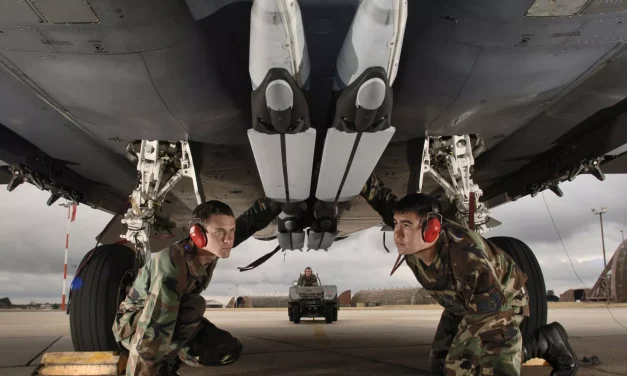
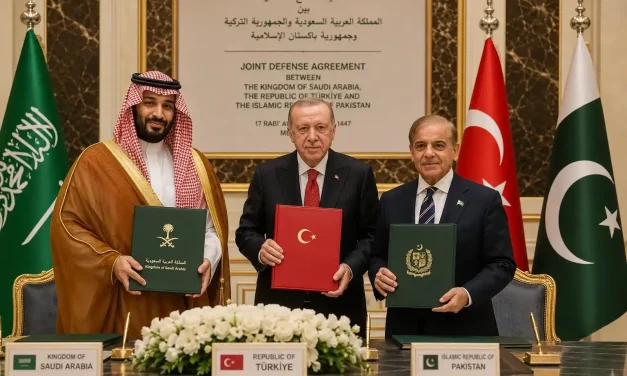
SCFR Online – Opinion: On Friday, August 7, the heads of state of three countries – Saudi Arabia, Turkey, and Pakistan – signed a text under the title “Makkah Joint Defense Agreement.”
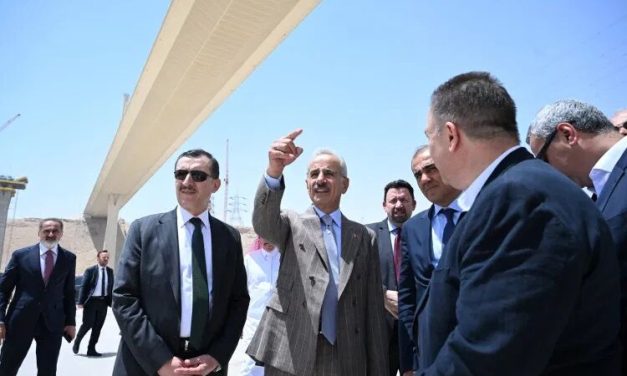
Strategic Council Online – Note: The initiative to revive the Hejaz Railway, beyond being a transportation project, constitutes an attempt to redefine geopolitics, the economy, and Turkey’s regional position; however, its realization appears to face significant financial, security, and institutional challenges.
SCFR Online – Opinion: The Strait of Hormuz crisis is no longer merely the consequence of a military confrontation, but rather a sign of the transition from the US-centered maritime order to a new energy security structure involving the participation of emerging and influential powers.
SCFR Online – Opinion: Iran’s active deterrence strategy, while increasing the costs of US intervention, has increasingly exposed the hidden rifts between Washington’s interests and those of the Israeli regime.
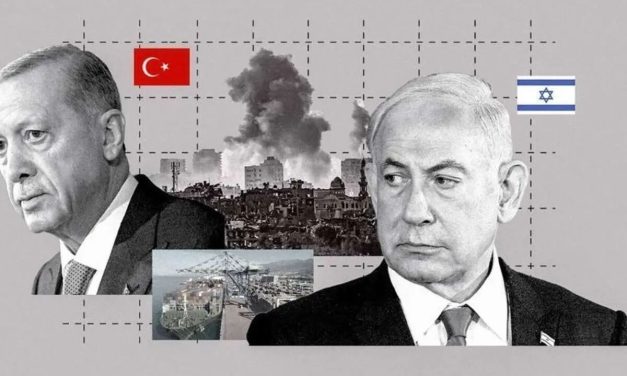
SCFR Online – Opinion: The escalation of verbal and strategic tensions between Turkey and the Israeli regime, although not increasing the likelihood of direct war, indicates the formation of a new order in West Asian geopolitical rivalries.
Strategic Council Online – Note: Recent developments in the political geography of West Asia, from rising tensions in the Persian Gulf to missile and drone activities in the Red Sea and the recent warning by Kaja Kallas, the European Union’s foreign policy chief, regarding the threat to freedom of navigation, indicate a key pattern shift; the US-Iran war has moved beyond the scope of a regional and local confrontation and has linked two vital passageways for the global economy: the Strait of Hormuz and the Bab el-Mandeb Strait.
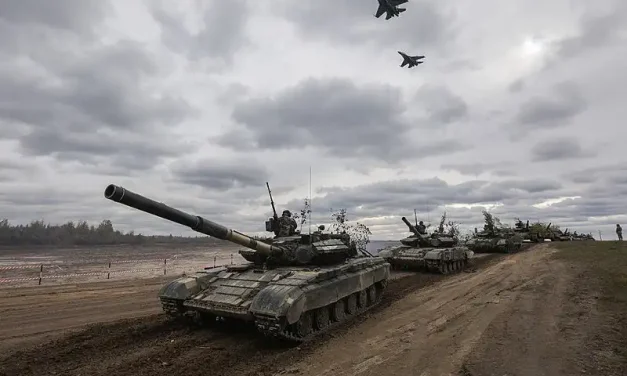
SCFR Online – Opinion: The Ukraine war was not merely a European crisis, but rather the starting point for the rearrangement of the global balance of power and a shift in the strategic behavior of great powers.
SCFR Online – Opinion: Great power competition is now pursued more in trade, currency, technology, and global supply chains than on the battlefields of military confrontation.
Strategic Council Online – Following the signing of the controversial agreement between Egypt and Greece on the demarcation of water borders in the Eastern Mediterranean, the two countries agreed to complete the demarcation process. The agreement allows the two countries to use natural resources available in the intended economic zone and explore oil and natural gas. In the agreement in question, the maritime rights of the two parties have been specified to some extent and details of the maritime borders will be determined in the outcome of the future negotiations.
Mahmoud Fazeli – Expert on European Affairs
Strategic Council Online – Interview: The two sides of the war in Libya have ceased the conflict under the present circumstances and are calling for political talks to end the deadlock, an expert of international relations said, adding that they face lengthy and difficult negotiations.
Strategic Council Online – Perhaps one of the goals of the United States in transferring troops from Germany to Poland is to divert Moscow’s attention to Russia’s western borders, forcing the Russians to spend a significant portion of their troops and equipment, as well as their military budgets on the western borders.
Seyed Reza Mirtaher – Expert in Military and Strategic Issues
Strategic Council Online – The lack of a unified policy in the European Union to combat the coronavirus epidemic has led each country to outline policies according to its capabilities. Of course, we should not forget the surprise faced by the EU countries about the widespread outbreak of this virus, which minimized the level of coordination between them.
Ali Bigdeli – European Affairs Researcher
Strategic Council Online – The outcome of the amendments to Articles 67 and 79 of the Russian Constitution reflects President Vladimir Putin’s pragmatic and, of course, multifaceted Russian foreign policy approach. Russia is moving in line with improving ties with the West by sticking to its red lines in order to strengthening its upstream status in the regional crises and global order.
Ahmad Vakhshiteh – Associate Professor, Eurasian National University
Strategic Council Online: Libya’s good economic opportunities have led European states to enter into serious disputes with each other in their bid to dominate Libya, each secretly and openly supporting one of the parties involved in Libya, or like the London government play a significant role in the ongoing Libyan conflict through their interventions in the Arab world and through the use of Arab reaction on their behalf.
Jafar Qanadbashi – Middle East Affairs Expert
Strategic Council Online: In the matter of fossil energy resources in the Mediterranean, Egypt, the Zionist regime, Greece and Cyprus have formed a bloc against that of Turkey, Libya and the Northern Cyprus. This situation has drawn the region to further security and military disputes. Meanwhile, if Syria, Lebanon and Gaza also enter the process of exploring and extracting gas fields, the equations will be much more complex.
Sabah Zangeneh – Energy Affairs Expert
Strategic Council Online: The new round of rivalries in Libya began when the Turkish and Russian governments sought to pave the way for their exclusive presence in the country under the pretext of a ceasefire. They aimed to forge an agreement between Seraj and Haftar governments without the knowledge of the European states.
Jafar Qanadbashi – Middle East Affairs Expert
Strategic Council Online: Countries such as Italy, Spain and the United Kingdom, which have the highest rates of coronavirus and deaths, have experienced an extent of the decline in economic growth and economic power and rising budget deficits and debt levels since World War II that has been unprecedented.
Morteza Makki – Expert on European Affairs
Strategic Council Online: A university professor says the United States is still embroiled in divergence after the outbreak of the corona crisis, adding that today every country is concerned with its own problems, and unfortunately, the world is moving towards non-convergence and escalation of divergent policies.
SCFR Online – Opinion: On Friday, August 7, the heads of state of three countries – Saudi Arabia, Turkey, and Pakistan – signed a text under the title “Makkah Joint Defense Agreement.”
Strategic Council Online – Note: The initiative to revive the Hejaz Railway, beyond being a transportation project, constitutes an attempt to redefine geopolitics, the economy, and Turkey’s regional position; however, its realization appears to face significant financial, security, and institutional challenges.
SCFR Online – Opinion: The Strait of Hormuz crisis is no longer merely the consequence of a military confrontation, but rather a sign of the transition from the US-centered maritime order to a new energy security structure involving the participation of emerging and influential powers.
SCFR Online – Opinion: Iran’s active deterrence strategy, while increasing the costs of US intervention, has increasingly exposed the hidden rifts between Washington’s interests and those of the Israeli regime.
SCFR Online – Opinion: The escalation of verbal and strategic tensions between Turkey and the Israeli regime, although not increasing the likelihood of direct war, indicates the formation of a new order in West Asian geopolitical rivalries.
Strategic Council Online – Note: Recent developments in the political geography of West Asia, from rising tensions in the Persian Gulf to missile and drone activities in the Red Sea and the recent warning by Kaja Kallas, the European Union’s foreign policy chief, regarding the threat to freedom of navigation, indicate a key pattern shift; the US-Iran war has moved beyond the scope of a regional and local confrontation and has linked two vital passageways for the global economy: the Strait of Hormuz and the Bab el-Mandeb Strait.
SCFR Online – Opinion: The Ukraine war was not merely a European crisis, but rather the starting point for the rearrangement of the global balance of power and a shift in the strategic behavior of great powers.
SCFR Online – Opinion: Great power competition is now pursued more in trade, currency, technology, and global supply chains than on the battlefields of military confrontation.
Strategic Council Online – Following the signing of the controversial agreement between Egypt and Greece on the demarcation of water borders in the Eastern Mediterranean, the two countries agreed to complete the demarcation process. The agreement allows the two countries to use natural resources available in the intended economic zone and explore oil and natural gas. In the agreement in question, the maritime rights of the two parties have been specified to some extent and details of the maritime borders will be determined in the outcome of the future negotiations.
Mahmoud Fazeli – Expert on European Affairs
Strategic Council Online – Interview: The two sides of the war in Libya have ceased the conflict under the present circumstances and are calling for political talks to end the deadlock, an expert of international relations said, adding that they face lengthy and difficult negotiations.
Strategic Council Online – Perhaps one of the goals of the United States in transferring troops from Germany to Poland is to divert Moscow’s attention to Russia’s western borders, forcing the Russians to spend a significant portion of their troops and equipment, as well as their military budgets on the western borders.
Seyed Reza Mirtaher – Expert in Military and Strategic Issues
Strategic Council Online – The lack of a unified policy in the European Union to combat the coronavirus epidemic has led each country to outline policies according to its capabilities. Of course, we should not forget the surprise faced by the EU countries about the widespread outbreak of this virus, which minimized the level of coordination between them.
Ali Bigdeli – European Affairs Researcher
Strategic Council Online – The outcome of the amendments to Articles 67 and 79 of the Russian Constitution reflects President Vladimir Putin’s pragmatic and, of course, multifaceted Russian foreign policy approach. Russia is moving in line with improving ties with the West by sticking to its red lines in order to strengthening its upstream status in the regional crises and global order.
Ahmad Vakhshiteh – Associate Professor, Eurasian National University
Strategic Council Online: Libya’s good economic opportunities have led European states to enter into serious disputes with each other in their bid to dominate Libya, each secretly and openly supporting one of the parties involved in Libya, or like the London government play a significant role in the ongoing Libyan conflict through their interventions in the Arab world and through the use of Arab reaction on their behalf.
Jafar Qanadbashi – Middle East Affairs Expert
Strategic Council Online: In the matter of fossil energy resources in the Mediterranean, Egypt, the Zionist regime, Greece and Cyprus have formed a bloc against that of Turkey, Libya and the Northern Cyprus. This situation has drawn the region to further security and military disputes. Meanwhile, if Syria, Lebanon and Gaza also enter the process of exploring and extracting gas fields, the equations will be much more complex.
Sabah Zangeneh – Energy Affairs Expert
Strategic Council Online: The new round of rivalries in Libya began when the Turkish and Russian governments sought to pave the way for their exclusive presence in the country under the pretext of a ceasefire. They aimed to forge an agreement between Seraj and Haftar governments without the knowledge of the European states.
Jafar Qanadbashi – Middle East Affairs Expert
Strategic Council Online: Countries such as Italy, Spain and the United Kingdom, which have the highest rates of coronavirus and deaths, have experienced an extent of the decline in economic growth and economic power and rising budget deficits and debt levels since World War II that has been unprecedented.
Morteza Makki – Expert on European Affairs
Strategic Council Online: A university professor says the United States is still embroiled in divergence after the outbreak of the corona crisis, adding that today every country is concerned with its own problems, and unfortunately, the world is moving towards non-convergence and escalation of divergent policies.
Strategic Council Online – Following the signing of the controversial agreement between Egypt and Greece on the demarcation of water borders in the Eastern Mediterranean, the two countries agreed to complete the demarcation process. The agreement allows the two countries to use natural resources available in the intended economic zone and explore oil and natural gas. In the agreement in question, the maritime rights of the two parties have been specified to some extent and details of the maritime borders will be determined in the outcome of the future negotiations.
Mahmoud Fazeli – Expert on European Affairs
Strategic Council Online – Interview: The two sides of the war in Libya have ceased the conflict under the present circumstances and are calling for political talks to end the deadlock, an expert of international relations said, adding that they face lengthy and difficult negotiations.
Strategic Council Online – Perhaps one of the goals of the United States in transferring troops from Germany to Poland is to divert Moscow’s attention to Russia’s western borders, forcing the Russians to spend a significant portion of their troops and equipment, as well as their military budgets on the western borders.
Seyed Reza Mirtaher – Expert in Military and Strategic Issues
Strategic Council Online – The lack of a unified policy in the European Union to combat the coronavirus epidemic has led each country to outline policies according to its capabilities. Of course, we should not forget the surprise faced by the EU countries about the widespread outbreak of this virus, which minimized the level of coordination between them.
Ali Bigdeli – European Affairs Researcher
Strategic Council Online – The outcome of the amendments to Articles 67 and 79 of the Russian Constitution reflects President Vladimir Putin’s pragmatic and, of course, multifaceted Russian foreign policy approach. Russia is moving in line with improving ties with the West by sticking to its red lines in order to strengthening its upstream status in the regional crises and global order.
Ahmad Vakhshiteh – Associate Professor, Eurasian National University
Strategic Council Online: Libya’s good economic opportunities have led European states to enter into serious disputes with each other in their bid to dominate Libya, each secretly and openly supporting one of the parties involved in Libya, or like the London government play a significant role in the ongoing Libyan conflict through their interventions in the Arab world and through the use of Arab reaction on their behalf.
Jafar Qanadbashi – Middle East Affairs Expert
Strategic Council Online: In the matter of fossil energy resources in the Mediterranean, Egypt, the Zionist regime, Greece and Cyprus have formed a bloc against that of Turkey, Libya and the Northern Cyprus. This situation has drawn the region to further security and military disputes. Meanwhile, if Syria, Lebanon and Gaza also enter the process of exploring and extracting gas fields, the equations will be much more complex.
Sabah Zangeneh – Energy Affairs Expert
Strategic Council Online: The new round of rivalries in Libya began when the Turkish and Russian governments sought to pave the way for their exclusive presence in the country under the pretext of a ceasefire. They aimed to forge an agreement between Seraj and Haftar governments without the knowledge of the European states.
Jafar Qanadbashi – Middle East Affairs Expert
Strategic Council Online: Countries such as Italy, Spain and the United Kingdom, which have the highest rates of coronavirus and deaths, have experienced an extent of the decline in economic growth and economic power and rising budget deficits and debt levels since World War II that has been unprecedented.
Morteza Makki – Expert on European Affairs
Strategic Council Online: A university professor says the United States is still embroiled in divergence after the outbreak of the corona crisis, adding that today every country is concerned with its own problems, and unfortunately, the world is moving towards non-convergence and escalation of divergent policies.
SCFR Online – Opinion: On Friday, August 7, the heads of state of three countries – Saudi Arabia, Turkey, and Pakistan – signed a text under the title “Makkah Joint Defense Agreement.”
Strategic Council Online – Note: The initiative to revive the Hejaz Railway, beyond being a transportation project, constitutes an attempt to redefine geopolitics, the economy, and Turkey’s regional position; however, its realization appears to face significant financial, security, and institutional challenges.
SCFR Online – Opinion: The Strait of Hormuz crisis is no longer merely the consequence of a military confrontation, but rather a sign of the transition from the US-centered maritime order to a new energy security structure involving the participation of emerging and influential powers.
SCFR Online – Opinion: Iran’s active deterrence strategy, while increasing the costs of US intervention, has increasingly exposed the hidden rifts between Washington’s interests and those of the Israeli regime.
SCFR Online – Opinion: The escalation of verbal and strategic tensions between Turkey and the Israeli regime, although not increasing the likelihood of direct war, indicates the formation of a new order in West Asian geopolitical rivalries.
Strategic Council Online – Note: Recent developments in the political geography of West Asia, from rising tensions in the Persian Gulf to missile and drone activities in the Red Sea and the recent warning by Kaja Kallas, the European Union’s foreign policy chief, regarding the threat to freedom of navigation, indicate a key pattern shift; the US-Iran war has moved beyond the scope of a regional and local confrontation and has linked two vital passageways for the global economy: the Strait of Hormuz and the Bab el-Mandeb Strait.
SCFR Online – Opinion: The Ukraine war was not merely a European crisis, but rather the starting point for the rearrangement of the global balance of power and a shift in the strategic behavior of great powers.
SCFR Online – Opinion: Great power competition is now pursued more in trade, currency, technology, and global supply chains than on the battlefields of military confrontation.
Strategic Council Online – Following the signing of the controversial agreement between Egypt and Greece on the demarcation of water borders in the Eastern Mediterranean, the two countries agreed to complete the demarcation process. The agreement allows the two countries to use natural resources available in the intended economic zone and explore oil and natural gas. In the agreement in question, the maritime rights of the two parties have been specified to some extent and details of the maritime borders will be determined in the outcome of the future negotiations.
Mahmoud Fazeli – Expert on European Affairs
Strategic Council Online – Interview: The two sides of the war in Libya have ceased the conflict under the present circumstances and are calling for political talks to end the deadlock, an expert of international relations said, adding that they face lengthy and difficult negotiations.
Strategic Council Online – Perhaps one of the goals of the United States in transferring troops from Germany to Poland is to divert Moscow’s attention to Russia’s western borders, forcing the Russians to spend a significant portion of their troops and equipment, as well as their military budgets on the western borders.
Seyed Reza Mirtaher – Expert in Military and Strategic Issues
Strategic Council Online – The lack of a unified policy in the European Union to combat the coronavirus epidemic has led each country to outline policies according to its capabilities. Of course, we should not forget the surprise faced by the EU countries about the widespread outbreak of this virus, which minimized the level of coordination between them.
Ali Bigdeli – European Affairs Researcher
Strategic Council Online – The outcome of the amendments to Articles 67 and 79 of the Russian Constitution reflects President Vladimir Putin’s pragmatic and, of course, multifaceted Russian foreign policy approach. Russia is moving in line with improving ties with the West by sticking to its red lines in order to strengthening its upstream status in the regional crises and global order.
Ahmad Vakhshiteh – Associate Professor, Eurasian National University
Strategic Council Online: Libya’s good economic opportunities have led European states to enter into serious disputes with each other in their bid to dominate Libya, each secretly and openly supporting one of the parties involved in Libya, or like the London government play a significant role in the ongoing Libyan conflict through their interventions in the Arab world and through the use of Arab reaction on their behalf.
Jafar Qanadbashi – Middle East Affairs Expert
Strategic Council Online: In the matter of fossil energy resources in the Mediterranean, Egypt, the Zionist regime, Greece and Cyprus have formed a bloc against that of Turkey, Libya and the Northern Cyprus. This situation has drawn the region to further security and military disputes. Meanwhile, if Syria, Lebanon and Gaza also enter the process of exploring and extracting gas fields, the equations will be much more complex.
Sabah Zangeneh – Energy Affairs Expert
Strategic Council Online: The new round of rivalries in Libya began when the Turkish and Russian governments sought to pave the way for their exclusive presence in the country under the pretext of a ceasefire. They aimed to forge an agreement between Seraj and Haftar governments without the knowledge of the European states.
Jafar Qanadbashi – Middle East Affairs Expert
Strategic Council Online: Countries such as Italy, Spain and the United Kingdom, which have the highest rates of coronavirus and deaths, have experienced an extent of the decline in economic growth and economic power and rising budget deficits and debt levels since World War II that has been unprecedented.
Morteza Makki – Expert on European Affairs
Strategic Council Online: A university professor says the United States is still embroiled in divergence after the outbreak of the corona crisis, adding that today every country is concerned with its own problems, and unfortunately, the world is moving towards non-convergence and escalation of divergent policies.
SCFR Online – Opinion: On Friday, August 7, the heads of state of three countries – Saudi Arabia, Turkey, and Pakistan – signed a text under the title “Makkah Joint Defense Agreement.”
Strategic Council Online – Note: The initiative to revive the Hejaz Railway, beyond being a transportation project, constitutes an attempt to redefine geopolitics, the economy, and Turkey’s regional position; however, its realization appears to face significant financial, security, and institutional challenges.
SCFR Online – Opinion: The Strait of Hormuz crisis is no longer merely the consequence of a military confrontation, but rather a sign of the transition from the US-centered maritime order to a new energy security structure involving the participation of emerging and influential powers.
SCFR Online – Opinion: Iran’s active deterrence strategy, while increasing the costs of US intervention, has increasingly exposed the hidden rifts between Washington’s interests and those of the Israeli regime.
SCFR Online – Opinion: The escalation of verbal and strategic tensions between Turkey and the Israeli regime, although not increasing the likelihood of direct war, indicates the formation of a new order in West Asian geopolitical rivalries.
Strategic Council Online – Note: Recent developments in the political geography of West Asia, from rising tensions in the Persian Gulf to missile and drone activities in the Red Sea and the recent warning by Kaja Kallas, the European Union’s foreign policy chief, regarding the threat to freedom of navigation, indicate a key pattern shift; the US-Iran war has moved beyond the scope of a regional and local confrontation and has linked two vital passageways for the global economy: the Strait of Hormuz and the Bab el-Mandeb Strait.
SCFR Online – Opinion: The Ukraine war was not merely a European crisis, but rather the starting point for the rearrangement of the global balance of power and a shift in the strategic behavior of great powers.
SCFR Online – Opinion: Great power competition is now pursued more in trade, currency, technology, and global supply chains than on the battlefields of military confrontation.
Strategic Council Online – Following the signing of the controversial agreement between Egypt and Greece on the demarcation of water borders in the Eastern Mediterranean, the two countries agreed to complete the demarcation process. The agreement allows the two countries to use natural resources available in the intended economic zone and explore oil and natural gas. In the agreement in question, the maritime rights of the two parties have been specified to some extent and details of the maritime borders will be determined in the outcome of the future negotiations.
Mahmoud Fazeli – Expert on European Affairs
Strategic Council Online – Interview: The two sides of the war in Libya have ceased the conflict under the present circumstances and are calling for political talks to end the deadlock, an expert of international relations said, adding that they face lengthy and difficult negotiations.
Strategic Council Online – Perhaps one of the goals of the United States in transferring troops from Germany to Poland is to divert Moscow’s attention to Russia’s western borders, forcing the Russians to spend a significant portion of their troops and equipment, as well as their military budgets on the western borders.
Seyed Reza Mirtaher – Expert in Military and Strategic Issues
Strategic Council Online – The lack of a unified policy in the European Union to combat the coronavirus epidemic has led each country to outline policies according to its capabilities. Of course, we should not forget the surprise faced by the EU countries about the widespread outbreak of this virus, which minimized the level of coordination between them.
Ali Bigdeli – European Affairs Researcher
Strategic Council Online – The outcome of the amendments to Articles 67 and 79 of the Russian Constitution reflects President Vladimir Putin’s pragmatic and, of course, multifaceted Russian foreign policy approach. Russia is moving in line with improving ties with the West by sticking to its red lines in order to strengthening its upstream status in the regional crises and global order.
Ahmad Vakhshiteh – Associate Professor, Eurasian National University
Strategic Council Online: Libya’s good economic opportunities have led European states to enter into serious disputes with each other in their bid to dominate Libya, each secretly and openly supporting one of the parties involved in Libya, or like the London government play a significant role in the ongoing Libyan conflict through their interventions in the Arab world and through the use of Arab reaction on their behalf.
Jafar Qanadbashi – Middle East Affairs Expert
Strategic Council Online: In the matter of fossil energy resources in the Mediterranean, Egypt, the Zionist regime, Greece and Cyprus have formed a bloc against that of Turkey, Libya and the Northern Cyprus. This situation has drawn the region to further security and military disputes. Meanwhile, if Syria, Lebanon and Gaza also enter the process of exploring and extracting gas fields, the equations will be much more complex.
Sabah Zangeneh – Energy Affairs Expert
Strategic Council Online: The new round of rivalries in Libya began when the Turkish and Russian governments sought to pave the way for their exclusive presence in the country under the pretext of a ceasefire. They aimed to forge an agreement between Seraj and Haftar governments without the knowledge of the European states.
Jafar Qanadbashi – Middle East Affairs Expert
Strategic Council Online: Countries such as Italy, Spain and the United Kingdom, which have the highest rates of coronavirus and deaths, have experienced an extent of the decline in economic growth and economic power and rising budget deficits and debt levels since World War II that has been unprecedented.
Morteza Makki – Expert on European Affairs
Strategic Council Online: A university professor says the United States is still embroiled in divergence after the outbreak of the corona crisis, adding that today every country is concerned with its own problems, and unfortunately, the world is moving towards non-convergence and escalation of divergent policies.
SCFR Online – Opinion: On Friday, August 7, the heads of state of three countries – Saudi Arabia, Turkey, and Pakistan – signed a text under the title “Makkah Joint Defense Agreement.”
Strategic Council Online – Note: The initiative to revive the Hejaz Railway, beyond being a transportation project, constitutes an attempt to redefine geopolitics, the economy, and Turkey’s regional position; however, its realization appears to face significant financial, security, and institutional challenges.
SCFR Online – Opinion: The Strait of Hormuz crisis is no longer merely the consequence of a military confrontation, but rather a sign of the transition from the US-centered maritime order to a new energy security structure involving the participation of emerging and influential powers.
SCFR Online – Opinion: Iran’s active deterrence strategy, while increasing the costs of US intervention, has increasingly exposed the hidden rifts between Washington’s interests and those of the Israeli regime.
SCFR Online – Opinion: The escalation of verbal and strategic tensions between Turkey and the Israeli regime, although not increasing the likelihood of direct war, indicates the formation of a new order in West Asian geopolitical rivalries.
Strategic Council Online – Note: Recent developments in the political geography of West Asia, from rising tensions in the Persian Gulf to missile and drone activities in the Red Sea and the recent warning by Kaja Kallas, the European Union’s foreign policy chief, regarding the threat to freedom of navigation, indicate a key pattern shift; the US-Iran war has moved beyond the scope of a regional and local confrontation and has linked two vital passageways for the global economy: the Strait of Hormuz and the Bab el-Mandeb Strait.
SCFR Online – Opinion: The Ukraine war was not merely a European crisis, but rather the starting point for the rearrangement of the global balance of power and a shift in the strategic behavior of great powers.
SCFR Online – Opinion: Great power competition is now pursued more in trade, currency, technology, and global supply chains than on the battlefields of military confrontation.
Strategic Council Online – Following the signing of the controversial agreement between Egypt and Greece on the demarcation of water borders in the Eastern Mediterranean, the two countries agreed to complete the demarcation process. The agreement allows the two countries to use natural resources available in the intended economic zone and explore oil and natural gas. In the agreement in question, the maritime rights of the two parties have been specified to some extent and details of the maritime borders will be determined in the outcome of the future negotiations.
Mahmoud Fazeli – Expert on European Affairs
Strategic Council Online – Interview: The two sides of the war in Libya have ceased the conflict under the present circumstances and are calling for political talks to end the deadlock, an expert of international relations said, adding that they face lengthy and difficult negotiations.
Strategic Council Online – Perhaps one of the goals of the United States in transferring troops from Germany to Poland is to divert Moscow’s attention to Russia’s western borders, forcing the Russians to spend a significant portion of their troops and equipment, as well as their military budgets on the western borders.
Seyed Reza Mirtaher – Expert in Military and Strategic Issues
Strategic Council Online – The lack of a unified policy in the European Union to combat the coronavirus epidemic has led each country to outline policies according to its capabilities. Of course, we should not forget the surprise faced by the EU countries about the widespread outbreak of this virus, which minimized the level of coordination between them.
Ali Bigdeli – European Affairs Researcher
Strategic Council Online – The outcome of the amendments to Articles 67 and 79 of the Russian Constitution reflects President Vladimir Putin’s pragmatic and, of course, multifaceted Russian foreign policy approach. Russia is moving in line with improving ties with the West by sticking to its red lines in order to strengthening its upstream status in the regional crises and global order.
Ahmad Vakhshiteh – Associate Professor, Eurasian National University
Strategic Council Online: Libya’s good economic opportunities have led European states to enter into serious disputes with each other in their bid to dominate Libya, each secretly and openly supporting one of the parties involved in Libya, or like the London government play a significant role in the ongoing Libyan conflict through their interventions in the Arab world and through the use of Arab reaction on their behalf.
Jafar Qanadbashi – Middle East Affairs Expert
Strategic Council Online: In the matter of fossil energy resources in the Mediterranean, Egypt, the Zionist regime, Greece and Cyprus have formed a bloc against that of Turkey, Libya and the Northern Cyprus. This situation has drawn the region to further security and military disputes. Meanwhile, if Syria, Lebanon and Gaza also enter the process of exploring and extracting gas fields, the equations will be much more complex.
Sabah Zangeneh – Energy Affairs Expert
Strategic Council Online: The new round of rivalries in Libya began when the Turkish and Russian governments sought to pave the way for their exclusive presence in the country under the pretext of a ceasefire. They aimed to forge an agreement between Seraj and Haftar governments without the knowledge of the European states.
Jafar Qanadbashi – Middle East Affairs Expert
Strategic Council Online: Countries such as Italy, Spain and the United Kingdom, which have the highest rates of coronavirus and deaths, have experienced an extent of the decline in economic growth and economic power and rising budget deficits and debt levels since World War II that has been unprecedented.
Morteza Makki – Expert on European Affairs
Strategic Council Online: A university professor says the United States is still embroiled in divergence after the outbreak of the corona crisis, adding that today every country is concerned with its own problems, and unfortunately, the world is moving towards non-convergence and escalation of divergent policies.
SCFR Online – Opinion: On Friday, August 7, the heads of state of three countries – Saudi Arabia, Turkey, and Pakistan – signed a text under the title “Makkah Joint Defense Agreement.”
Strategic Council Online – Note: The initiative to revive the Hejaz Railway, beyond being a transportation project, constitutes an attempt to redefine geopolitics, the economy, and Turkey’s regional position; however, its realization appears to face significant financial, security, and institutional challenges.
SCFR Online – Opinion: The Strait of Hormuz crisis is no longer merely the consequence of a military confrontation, but rather a sign of the transition from the US-centered maritime order to a new energy security structure involving the participation of emerging and influential powers.
SCFR Online – Opinion: Iran’s active deterrence strategy, while increasing the costs of US intervention, has increasingly exposed the hidden rifts between Washington’s interests and those of the Israeli regime.
SCFR Online – Opinion: The escalation of verbal and strategic tensions between Turkey and the Israeli regime, although not increasing the likelihood of direct war, indicates the formation of a new order in West Asian geopolitical rivalries.
Strategic Council Online – Note: Recent developments in the political geography of West Asia, from rising tensions in the Persian Gulf to missile and drone activities in the Red Sea and the recent warning by Kaja Kallas, the European Union’s foreign policy chief, regarding the threat to freedom of navigation, indicate a key pattern shift; the US-Iran war has moved beyond the scope of a regional and local confrontation and has linked two vital passageways for the global economy: the Strait of Hormuz and the Bab el-Mandeb Strait.
SCFR Online – Opinion: The Ukraine war was not merely a European crisis, but rather the starting point for the rearrangement of the global balance of power and a shift in the strategic behavior of great powers.
SCFR Online – Opinion: Great power competition is now pursued more in trade, currency, technology, and global supply chains than on the battlefields of military confrontation.
Strategic Council Online – Following the signing of the controversial agreement between Egypt and Greece on the demarcation of water borders in the Eastern Mediterranean, the two countries agreed to complete the demarcation process. The agreement allows the two countries to use natural resources available in the intended economic zone and explore oil and natural gas. In the agreement in question, the maritime rights of the two parties have been specified to some extent and details of the maritime borders will be determined in the outcome of the future negotiations.
Mahmoud Fazeli – Expert on European Affairs
Strategic Council Online – Interview: The two sides of the war in Libya have ceased the conflict under the present circumstances and are calling for political talks to end the deadlock, an expert of international relations said, adding that they face lengthy and difficult negotiations.
Strategic Council Online – Perhaps one of the goals of the United States in transferring troops from Germany to Poland is to divert Moscow’s attention to Russia’s western borders, forcing the Russians to spend a significant portion of their troops and equipment, as well as their military budgets on the western borders.
Seyed Reza Mirtaher – Expert in Military and Strategic Issues
Strategic Council Online – The lack of a unified policy in the European Union to combat the coronavirus epidemic has led each country to outline policies according to its capabilities. Of course, we should not forget the surprise faced by the EU countries about the widespread outbreak of this virus, which minimized the level of coordination between them.
Ali Bigdeli – European Affairs Researcher
Strategic Council Online – The outcome of the amendments to Articles 67 and 79 of the Russian Constitution reflects President Vladimir Putin’s pragmatic and, of course, multifaceted Russian foreign policy approach. Russia is moving in line with improving ties with the West by sticking to its red lines in order to strengthening its upstream status in the regional crises and global order.
Ahmad Vakhshiteh – Associate Professor, Eurasian National University
Strategic Council Online: Libya’s good economic opportunities have led European states to enter into serious disputes with each other in their bid to dominate Libya, each secretly and openly supporting one of the parties involved in Libya, or like the London government play a significant role in the ongoing Libyan conflict through their interventions in the Arab world and through the use of Arab reaction on their behalf.
Jafar Qanadbashi – Middle East Affairs Expert
Strategic Council Online: In the matter of fossil energy resources in the Mediterranean, Egypt, the Zionist regime, Greece and Cyprus have formed a bloc against that of Turkey, Libya and the Northern Cyprus. This situation has drawn the region to further security and military disputes. Meanwhile, if Syria, Lebanon and Gaza also enter the process of exploring and extracting gas fields, the equations will be much more complex.
Sabah Zangeneh – Energy Affairs Expert
Strategic Council Online: The new round of rivalries in Libya began when the Turkish and Russian governments sought to pave the way for their exclusive presence in the country under the pretext of a ceasefire. They aimed to forge an agreement between Seraj and Haftar governments without the knowledge of the European states.
Jafar Qanadbashi – Middle East Affairs Expert
Strategic Council Online: Countries such as Italy, Spain and the United Kingdom, which have the highest rates of coronavirus and deaths, have experienced an extent of the decline in economic growth and economic power and rising budget deficits and debt levels since World War II that has been unprecedented.
Morteza Makki – Expert on European Affairs
Strategic Council Online: A university professor says the United States is still embroiled in divergence after the outbreak of the corona crisis, adding that today every country is concerned with its own problems, and unfortunately, the world is moving towards non-convergence and escalation of divergent policies.
SCFR Online – Opinion: On Friday, August 7, the heads of state of three countries – Saudi Arabia, Turkey, and Pakistan – signed a text under the title “Makkah Joint Defense Agreement.”
Strategic Council Online – Note: The initiative to revive the Hejaz Railway, beyond being a transportation project, constitutes an attempt to redefine geopolitics, the economy, and Turkey’s regional position; however, its realization appears to face significant financial, security, and institutional challenges.
SCFR Online – Opinion: The Strait of Hormuz crisis is no longer merely the consequence of a military confrontation, but rather a sign of the transition from the US-centered maritime order to a new energy security structure involving the participation of emerging and influential powers.
SCFR Online – Opinion: Iran’s active deterrence strategy, while increasing the costs of US intervention, has increasingly exposed the hidden rifts between Washington’s interests and those of the Israeli regime.
SCFR Online – Opinion: The escalation of verbal and strategic tensions between Turkey and the Israeli regime, although not increasing the likelihood of direct war, indicates the formation of a new order in West Asian geopolitical rivalries.
Strategic Council Online – Note: Recent developments in the political geography of West Asia, from rising tensions in the Persian Gulf to missile and drone activities in the Red Sea and the recent warning by Kaja Kallas, the European Union’s foreign policy chief, regarding the threat to freedom of navigation, indicate a key pattern shift; the US-Iran war has moved beyond the scope of a regional and local confrontation and has linked two vital passageways for the global economy: the Strait of Hormuz and the Bab el-Mandeb Strait.
SCFR Online – Opinion: The Ukraine war was not merely a European crisis, but rather the starting point for the rearrangement of the global balance of power and a shift in the strategic behavior of great powers.
SCFR Online – Opinion: Great power competition is now pursued more in trade, currency, technology, and global supply chains than on the battlefields of military confrontation.