جدیدترین مطالب

Iran’s Potential Levers of Power

SCFRonline– Opinion: Iran’s geopolitical power is not limited solely to oil and the Strait of Hormuz; the unintended emergence of disruptions in the future global food and energy security chains can also demonstrate Iran’s strategic importance.

The Inseparability of the Lebanese Front from the Axis of Resistance

SCFR Online–Opinion: By providing an extensive network of social, healthcare, educational, and post-war reconstruction services, Hezbollah has established a strong social base for itself among Lebanon’s Shiites and Sunnis, and even beyond that, among other segments of Lebanese society, including Christians. Hezbollah has never been an external actor imposed upon Lebanon; rather, it is a phenomenon fundamentally born out of the occupation and crimes of the Zionist regime and itself influenced by popular resistance.

The Increasing Efforts of the Zionist Regime to Redefine Borders and the Regional Order and Its Consequences

SCFR Online– Opinion: Security and military developments in the region over recent months indicate that the ongoing crises and wars in Gaza, southern Lebanon, and parts of Syrian territory encompass broader dimensions of geopolitical and geostrategic transformations. In this context, the increased military presence and control of the Zionist regime over parts of the territories of these areas, along with proposals regarding the creation of buffer zones or even the expansion of security borders, have raised serious questions about the future of the regional order and its consequences for the countries of West Asia.

The Components of Iran’s Deterrence Power

SCFR Online – Opinion: At a time when regional security equations have reached a sensitive stage under the influence of Iran’s strategic confrontation with the United States and the Zionist regime, the question of the nature of Tehran’s defensive power has gained greater significance than ever before. While Washington and Tel Aviv rely on their technological superiority, the Islamic Republic of Iran has presented a model of deterrence that extends beyond the material calculations of the world’s classical militaries. This power, rooted in the connection between “the field” and “the people,” has not only altered the balance of power in recent conflicts but has also disrupted adversaries’ calculations when confronting Iran’s strategic depth.

Loading

Karabakh

Withdrawal of Russian Forces from South Caucasus; Strategy or Tactic?

Withdrawal of Russian Forces from South Caucasus; Strategy or Tactic?

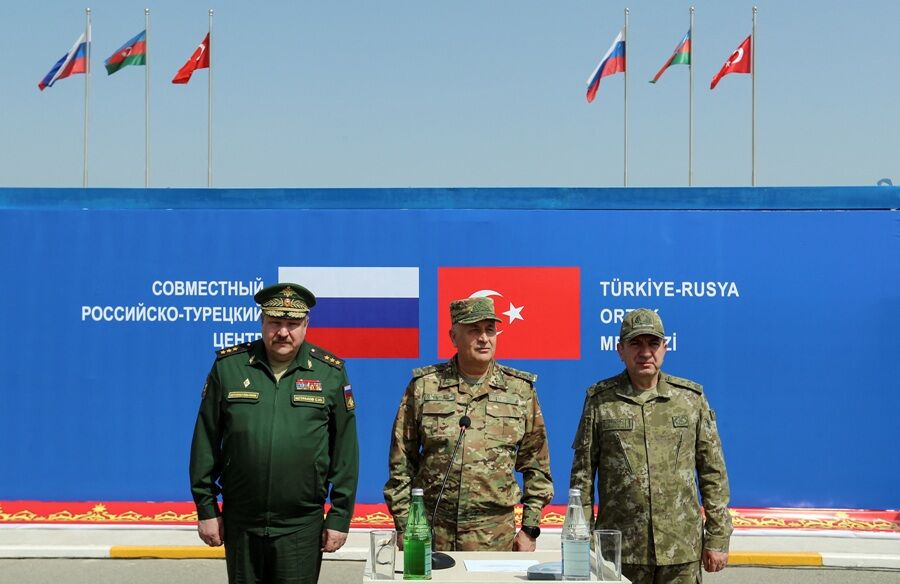
Strategic Council Online – Interview: An expert on Caucasus affairs said: Following news reports that the Kremlin has implicitly confirmed that Russian peacekeepers are withdrawing from the Nagorno-Karabakh region and taking their weapons and equipment with them, this question is seriously raised: Does Russia want to hand over the South Caucasus region to the West?

Consequences of the escalation of militarization in the South Caucasus

Consequences of the escalation of militarization in the South Caucasus

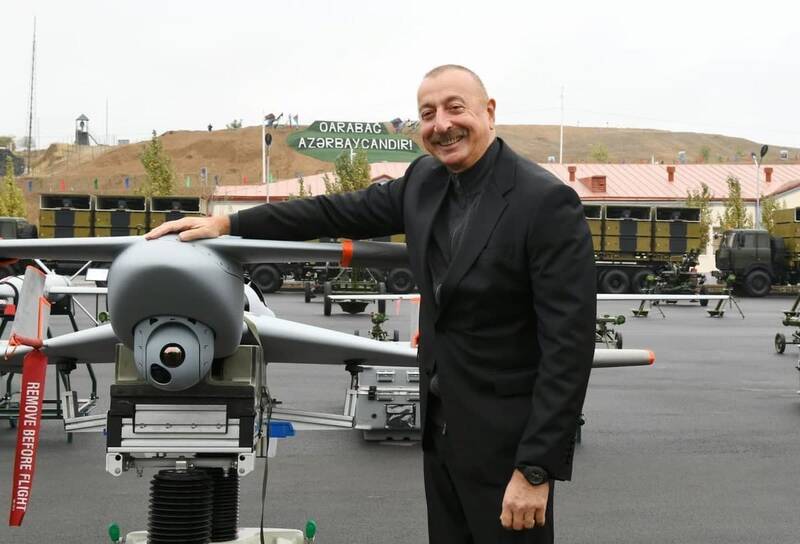
Strategic Council Online—Opinion: In recent months, we have seen Armenia and Azerbaijan strengthen new military-security arrangements. The two countries are developing military and security relations and exchanges with European and extra-regional countries within an “escalating process.” Strengthening the weapons arsenals, reviewing membership in some military pacts, and increasing military purchases are among these measures.
Barsam Mohammadi- Expert of regional issues

France, with a Cautious Approach, a Forerunner of the EU Policy towards Baku

France, with a Cautious Approach, a Forerunner of the EU Policy towards Baku

Strategic Council Online—Interview: An expert on European affairs stated that the institutional actions of the European Union against the Republic of Azerbaijan are followed cautiously, and saying that, on the one hand, the European Union does not want to act passively regarding the Caucasus issues, but on the other hand, Europe’s need for this country’s gas has caused it to take cautious steps regarding the sending of military equipment to Armenia, and in this regard, all the military equipment that was made in the agreement between France and Armenia has not been sent. Only defense systems, which are very cautious and more limited than the previous agreement, have been sent.

Russia waits for subsequent elections in Armenia

Russia waits for subsequent elections in Armenia

Strategic Council Online – Interview: An expert on Russia and Caucasus affairs, saying that Russia does not accept the performance of Pashinyan’s government and will not take the measures that are expected to support his government, emphasized Tensions in the relations between Moscow and Yerevan are not long-term and Russia is waiting for the changes it expects to be made in the next Armenian elections and in the management of that country a new team to come to power, which, if it does not have a close relationship with Russia, at least will not be a supporter of the West. Now, Russia is trying to work with Pashinyan’s opposition factions in Armenia.

US Strategy in Caucasus: Undermining  Russia’s Position, Regional Role

US Strategy in Caucasus: Undermining Russia’s Position, Regional Role

Strategic Council Online – Interview: An expert on international law, stating that with the blocking of the Lachin Corridor nine months ago and the surrender of Karabakh, Moscow’s 2020 agreement has practically collapsed, added: For the first time after the collapse of the Soviet Union, a solid anti-Russian atmosphere has been created in Armenia and the US, while considering the Russians to be the cause of the current situation, is trying to show Russia as passive and useless and pull the rug from that country’s foot in the region and strengthen its presence in Armenia.

Britain’s Role in Blocking Lachin Corridor

Britain’s Role in Blocking Lachin Corridor

Strategic Council Online – Opinion: In the aftermath of the 44-day war between the Republic of Azerbaijan and Armenia in 2020, the Lachin Corridor has become a “challenging” subject matter.
Barsam Mohammadi – Expert on regional affairs

An Analysis of EU Military Presence on Armenia-Azerbaijan Border Area

An Analysis of EU Military Presence on Armenia-Azerbaijan Border Area

Strategic Council Online – Interview: An expert on Europe affairs commenting on the decision of the European Union to send about 100 police officers to Armenia to monitor the ceasefire on the border with the Republic of Azerbaijan, which has been violated many times before, said the decision may be more symbolic, but definitely it was taken with an aim of a stronger and more effective presence of the European Union in the Caucasus region.

The consequences of the US sanctions on Turkey

The consequences of the US sanctions on Turkey

Strategic Council Online—Editorial: Due to consciously cooperation with Russian arms company Rosoboronexport and the purchase of the S-400 missile defense systems, Turkey has gone under US sanctions of CAATSA as Washington does not tolerate interaction with Russia in military domains by other countries. The purchase of S-400 missile defense systems by Turkey has endangered the safety of the US military personnel and technology and would provide access for Russia to the armed forces and defense industries of Turkey. The main goal of US sanctions on Turkey is to prevent Russia from reaping huge financial gains and accessing and impacting the NATO defense systems. US Foreign Secretary Mike Pompeo has asked Turkey to resolve the issue of S-400 with long-term cooperation in the defense sector and adapt once again itself with the rules of NATO and the purchase of arms compatible with this military alliance treaty.
Mahmoud Fazeli, expert of international issues

أحدث الوظائف

Iran’s Potential Levers of Power

SCFRonline– Opinion: Iran’s geopolitical power is not limited solely to oil and the Strait of Hormuz; the unintended emergence of disruptions in the future global food and energy security chains can also demonstrate Iran’s strategic importance.

The Inseparability of the Lebanese Front from the Axis of Resistance

SCFR Online–Opinion: By providing an extensive network of social, healthcare, educational, and post-war reconstruction services, Hezbollah has established a strong social base for itself among Lebanon’s Shiites and Sunnis, and even beyond that, among other segments of Lebanese society, including Christians. Hezbollah has never been an external actor imposed upon Lebanon; rather, it is a phenomenon fundamentally born out of the occupation and crimes of the Zionist regime and itself influenced by popular resistance.

The Increasing Efforts of the Zionist Regime to Redefine Borders and the Regional Order and Its Consequences

SCFR Online– Opinion: Security and military developments in the region over recent months indicate that the ongoing crises and wars in Gaza, southern Lebanon, and parts of Syrian territory encompass broader dimensions of geopolitical and geostrategic transformations. In this context, the increased military presence and control of the Zionist regime over parts of the territories of these areas, along with proposals regarding the creation of buffer zones or even the expansion of security borders, have raised serious questions about the future of the regional order and its consequences for the countries of West Asia.

The Components of Iran’s Deterrence Power

SCFR Online – Opinion: At a time when regional security equations have reached a sensitive stage under the influence of Iran’s strategic confrontation with the United States and the Zionist regime, the question of the nature of Tehran’s defensive power has gained greater significance than ever before. While Washington and Tel Aviv rely on their technological superiority, the Islamic Republic of Iran has presented a model of deterrence that extends beyond the material calculations of the world’s classical militaries. This power, rooted in the connection between “the field” and “the people,” has not only altered the balance of power in recent conflicts but has also disrupted adversaries’ calculations when confronting Iran’s strategic depth.

Loading

Karabakh

Withdrawal of Russian Forces from South Caucasus; Strategy or Tactic?

Withdrawal of Russian Forces from South Caucasus; Strategy or Tactic?

Strategic Council Online – Interview: An expert on Caucasus affairs said: Following news reports that the Kremlin has implicitly confirmed that Russian peacekeepers are withdrawing from the Nagorno-Karabakh region and taking their weapons and equipment with them, this question is seriously raised: Does Russia want to hand over the South Caucasus region to the West?

Consequences of the escalation of militarization in the South Caucasus

Consequences of the escalation of militarization in the South Caucasus

Strategic Council Online—Opinion: In recent months, we have seen Armenia and Azerbaijan strengthen new military-security arrangements. The two countries are developing military and security relations and exchanges with European and extra-regional countries within an “escalating process.” Strengthening the weapons arsenals, reviewing membership in some military pacts, and increasing military purchases are among these measures.
Barsam Mohammadi- Expert of regional issues

France, with a Cautious Approach, a Forerunner of the EU Policy towards Baku

France, with a Cautious Approach, a Forerunner of the EU Policy towards Baku

Strategic Council Online—Interview: An expert on European affairs stated that the institutional actions of the European Union against the Republic of Azerbaijan are followed cautiously, and saying that, on the one hand, the European Union does not want to act passively regarding the Caucasus issues, but on the other hand, Europe’s need for this country’s gas has caused it to take cautious steps regarding the sending of military equipment to Armenia, and in this regard, all the military equipment that was made in the agreement between France and Armenia has not been sent. Only defense systems, which are very cautious and more limited than the previous agreement, have been sent.

Russia waits for subsequent elections in Armenia

Russia waits for subsequent elections in Armenia

Strategic Council Online – Interview: An expert on Russia and Caucasus affairs, saying that Russia does not accept the performance of Pashinyan’s government and will not take the measures that are expected to support his government, emphasized Tensions in the relations between Moscow and Yerevan are not long-term and Russia is waiting for the changes it expects to be made in the next Armenian elections and in the management of that country a new team to come to power, which, if it does not have a close relationship with Russia, at least will not be a supporter of the West. Now, Russia is trying to work with Pashinyan’s opposition factions in Armenia.

US Strategy in Caucasus: Undermining  Russia’s Position, Regional Role

US Strategy in Caucasus: Undermining Russia’s Position, Regional Role

Strategic Council Online – Interview: An expert on international law, stating that with the blocking of the Lachin Corridor nine months ago and the surrender of Karabakh, Moscow’s 2020 agreement has practically collapsed, added: For the first time after the collapse of the Soviet Union, a solid anti-Russian atmosphere has been created in Armenia and the US, while considering the Russians to be the cause of the current situation, is trying to show Russia as passive and useless and pull the rug from that country’s foot in the region and strengthen its presence in Armenia.

Britain’s Role in Blocking Lachin Corridor

Britain’s Role in Blocking Lachin Corridor

Strategic Council Online – Opinion: In the aftermath of the 44-day war between the Republic of Azerbaijan and Armenia in 2020, the Lachin Corridor has become a “challenging” subject matter.
Barsam Mohammadi – Expert on regional affairs

An Analysis of EU Military Presence on Armenia-Azerbaijan Border Area

An Analysis of EU Military Presence on Armenia-Azerbaijan Border Area

Strategic Council Online – Interview: An expert on Europe affairs commenting on the decision of the European Union to send about 100 police officers to Armenia to monitor the ceasefire on the border with the Republic of Azerbaijan, which has been violated many times before, said the decision may be more symbolic, but definitely it was taken with an aim of a stronger and more effective presence of the European Union in the Caucasus region.

The consequences of the US sanctions on Turkey

The consequences of the US sanctions on Turkey

Strategic Council Online—Editorial: Due to consciously cooperation with Russian arms company Rosoboronexport and the purchase of the S-400 missile defense systems, Turkey has gone under US sanctions of CAATSA as Washington does not tolerate interaction with Russia in military domains by other countries. The purchase of S-400 missile defense systems by Turkey has endangered the safety of the US military personnel and technology and would provide access for Russia to the armed forces and defense industries of Turkey. The main goal of US sanctions on Turkey is to prevent Russia from reaping huge financial gains and accessing and impacting the NATO defense systems. US Foreign Secretary Mike Pompeo has asked Turkey to resolve the issue of S-400 with long-term cooperation in the defense sector and adapt once again itself with the rules of NATO and the purchase of arms compatible with this military alliance treaty.
Mahmoud Fazeli, expert of international issues

Karabakh

Withdrawal of Russian Forces from South Caucasus; Strategy or Tactic?

Withdrawal of Russian Forces from South Caucasus; Strategy or Tactic?

Strategic Council Online – Interview: An expert on Caucasus affairs said: Following news reports that the Kremlin has implicitly confirmed that Russian peacekeepers are withdrawing from the Nagorno-Karabakh region and taking their weapons and equipment with them, this question is seriously raised: Does Russia want to hand over the South Caucasus region to the West?

Consequences of the escalation of militarization in the South Caucasus

Consequences of the escalation of militarization in the South Caucasus

Strategic Council Online—Opinion: In recent months, we have seen Armenia and Azerbaijan strengthen new military-security arrangements. The two countries are developing military and security relations and exchanges with European and extra-regional countries within an “escalating process.” Strengthening the weapons arsenals, reviewing membership in some military pacts, and increasing military purchases are among these measures.
Barsam Mohammadi- Expert of regional issues

France, with a Cautious Approach, a Forerunner of the EU Policy towards Baku

France, with a Cautious Approach, a Forerunner of the EU Policy towards Baku

Strategic Council Online—Interview: An expert on European affairs stated that the institutional actions of the European Union against the Republic of Azerbaijan are followed cautiously, and saying that, on the one hand, the European Union does not want to act passively regarding the Caucasus issues, but on the other hand, Europe’s need for this country’s gas has caused it to take cautious steps regarding the sending of military equipment to Armenia, and in this regard, all the military equipment that was made in the agreement between France and Armenia has not been sent. Only defense systems, which are very cautious and more limited than the previous agreement, have been sent.

Russia waits for subsequent elections in Armenia

Russia waits for subsequent elections in Armenia

Strategic Council Online – Interview: An expert on Russia and Caucasus affairs, saying that Russia does not accept the performance of Pashinyan’s government and will not take the measures that are expected to support his government, emphasized Tensions in the relations between Moscow and Yerevan are not long-term and Russia is waiting for the changes it expects to be made in the next Armenian elections and in the management of that country a new team to come to power, which, if it does not have a close relationship with Russia, at least will not be a supporter of the West. Now, Russia is trying to work with Pashinyan’s opposition factions in Armenia.

US Strategy in Caucasus: Undermining  Russia’s Position, Regional Role

US Strategy in Caucasus: Undermining Russia’s Position, Regional Role

Strategic Council Online – Interview: An expert on international law, stating that with the blocking of the Lachin Corridor nine months ago and the surrender of Karabakh, Moscow’s 2020 agreement has practically collapsed, added: For the first time after the collapse of the Soviet Union, a solid anti-Russian atmosphere has been created in Armenia and the US, while considering the Russians to be the cause of the current situation, is trying to show Russia as passive and useless and pull the rug from that country’s foot in the region and strengthen its presence in Armenia.

Britain’s Role in Blocking Lachin Corridor

Britain’s Role in Blocking Lachin Corridor

Strategic Council Online – Opinion: In the aftermath of the 44-day war between the Republic of Azerbaijan and Armenia in 2020, the Lachin Corridor has become a “challenging” subject matter.
Barsam Mohammadi – Expert on regional affairs

An Analysis of EU Military Presence on Armenia-Azerbaijan Border Area

An Analysis of EU Military Presence on Armenia-Azerbaijan Border Area

Strategic Council Online – Interview: An expert on Europe affairs commenting on the decision of the European Union to send about 100 police officers to Armenia to monitor the ceasefire on the border with the Republic of Azerbaijan, which has been violated many times before, said the decision may be more symbolic, but definitely it was taken with an aim of a stronger and more effective presence of the European Union in the Caucasus region.

The consequences of the US sanctions on Turkey

The consequences of the US sanctions on Turkey

Strategic Council Online—Editorial: Due to consciously cooperation with Russian arms company Rosoboronexport and the purchase of the S-400 missile defense systems, Turkey has gone under US sanctions of CAATSA as Washington does not tolerate interaction with Russia in military domains by other countries. The purchase of S-400 missile defense systems by Turkey has endangered the safety of the US military personnel and technology and would provide access for Russia to the armed forces and defense industries of Turkey. The main goal of US sanctions on Turkey is to prevent Russia from reaping huge financial gains and accessing and impacting the NATO defense systems. US Foreign Secretary Mike Pompeo has asked Turkey to resolve the issue of S-400 with long-term cooperation in the defense sector and adapt once again itself with the rules of NATO and the purchase of arms compatible with this military alliance treaty.
Mahmoud Fazeli, expert of international issues

LATEST CONTENT

Iran’s Potential Levers of Power

SCFRonline– Opinion: Iran’s geopolitical power is not limited solely to oil and the Strait of Hormuz; the unintended emergence of disruptions in the future global food and energy security chains can also demonstrate Iran’s strategic importance.

The Inseparability of the Lebanese Front from the Axis of Resistance

SCFR Online–Opinion: By providing an extensive network of social, healthcare, educational, and post-war reconstruction services, Hezbollah has established a strong social base for itself among Lebanon’s Shiites and Sunnis, and even beyond that, among other segments of Lebanese society, including Christians. Hezbollah has never been an external actor imposed upon Lebanon; rather, it is a phenomenon fundamentally born out of the occupation and crimes of the Zionist regime and itself influenced by popular resistance.

The Increasing Efforts of the Zionist Regime to Redefine Borders and the Regional Order and Its Consequences

SCFR Online– Opinion: Security and military developments in the region over recent months indicate that the ongoing crises and wars in Gaza, southern Lebanon, and parts of Syrian territory encompass broader dimensions of geopolitical and geostrategic transformations. In this context, the increased military presence and control of the Zionist regime over parts of the territories of these areas, along with proposals regarding the creation of buffer zones or even the expansion of security borders, have raised serious questions about the future of the regional order and its consequences for the countries of West Asia.

The Components of Iran’s Deterrence Power

SCFR Online – Opinion: At a time when regional security equations have reached a sensitive stage under the influence of Iran’s strategic confrontation with the United States and the Zionist regime, the question of the nature of Tehran’s defensive power has gained greater significance than ever before. While Washington and Tel Aviv rely on their technological superiority, the Islamic Republic of Iran has presented a model of deterrence that extends beyond the material calculations of the world’s classical militaries. This power, rooted in the connection between “the field” and “the people,” has not only altered the balance of power in recent conflicts but has also disrupted adversaries’ calculations when confronting Iran’s strategic depth.

Loading

Karabakh

Withdrawal of Russian Forces from South Caucasus; Strategy or Tactic?

Withdrawal of Russian Forces from South Caucasus; Strategy or Tactic?

Strategic Council Online – Interview: An expert on Caucasus affairs said: Following news reports that the Kremlin has implicitly confirmed that Russian peacekeepers are withdrawing from the Nagorno-Karabakh region and taking their weapons and equipment with them, this question is seriously raised: Does Russia want to hand over the South Caucasus region to the West?

Consequences of the escalation of militarization in the South Caucasus

Consequences of the escalation of militarization in the South Caucasus

Strategic Council Online—Opinion: In recent months, we have seen Armenia and Azerbaijan strengthen new military-security arrangements. The two countries are developing military and security relations and exchanges with European and extra-regional countries within an “escalating process.” Strengthening the weapons arsenals, reviewing membership in some military pacts, and increasing military purchases are among these measures.
Barsam Mohammadi- Expert of regional issues

France, with a Cautious Approach, a Forerunner of the EU Policy towards Baku

France, with a Cautious Approach, a Forerunner of the EU Policy towards Baku

Strategic Council Online—Interview: An expert on European affairs stated that the institutional actions of the European Union against the Republic of Azerbaijan are followed cautiously, and saying that, on the one hand, the European Union does not want to act passively regarding the Caucasus issues, but on the other hand, Europe’s need for this country’s gas has caused it to take cautious steps regarding the sending of military equipment to Armenia, and in this regard, all the military equipment that was made in the agreement between France and Armenia has not been sent. Only defense systems, which are very cautious and more limited than the previous agreement, have been sent.

Russia waits for subsequent elections in Armenia

Russia waits for subsequent elections in Armenia

Strategic Council Online – Interview: An expert on Russia and Caucasus affairs, saying that Russia does not accept the performance of Pashinyan’s government and will not take the measures that are expected to support his government, emphasized Tensions in the relations between Moscow and Yerevan are not long-term and Russia is waiting for the changes it expects to be made in the next Armenian elections and in the management of that country a new team to come to power, which, if it does not have a close relationship with Russia, at least will not be a supporter of the West. Now, Russia is trying to work with Pashinyan’s opposition factions in Armenia.

US Strategy in Caucasus: Undermining  Russia’s Position, Regional Role

US Strategy in Caucasus: Undermining Russia’s Position, Regional Role

Strategic Council Online – Interview: An expert on international law, stating that with the blocking of the Lachin Corridor nine months ago and the surrender of Karabakh, Moscow’s 2020 agreement has practically collapsed, added: For the first time after the collapse of the Soviet Union, a solid anti-Russian atmosphere has been created in Armenia and the US, while considering the Russians to be the cause of the current situation, is trying to show Russia as passive and useless and pull the rug from that country’s foot in the region and strengthen its presence in Armenia.

Britain’s Role in Blocking Lachin Corridor

Britain’s Role in Blocking Lachin Corridor

Strategic Council Online – Opinion: In the aftermath of the 44-day war between the Republic of Azerbaijan and Armenia in 2020, the Lachin Corridor has become a “challenging” subject matter.
Barsam Mohammadi – Expert on regional affairs

An Analysis of EU Military Presence on Armenia-Azerbaijan Border Area

An Analysis of EU Military Presence on Armenia-Azerbaijan Border Area

Strategic Council Online – Interview: An expert on Europe affairs commenting on the decision of the European Union to send about 100 police officers to Armenia to monitor the ceasefire on the border with the Republic of Azerbaijan, which has been violated many times before, said the decision may be more symbolic, but definitely it was taken with an aim of a stronger and more effective presence of the European Union in the Caucasus region.

The consequences of the US sanctions on Turkey

The consequences of the US sanctions on Turkey

Strategic Council Online—Editorial: Due to consciously cooperation with Russian arms company Rosoboronexport and the purchase of the S-400 missile defense systems, Turkey has gone under US sanctions of CAATSA as Washington does not tolerate interaction with Russia in military domains by other countries. The purchase of S-400 missile defense systems by Turkey has endangered the safety of the US military personnel and technology and would provide access for Russia to the armed forces and defense industries of Turkey. The main goal of US sanctions on Turkey is to prevent Russia from reaping huge financial gains and accessing and impacting the NATO defense systems. US Foreign Secretary Mike Pompeo has asked Turkey to resolve the issue of S-400 with long-term cooperation in the defense sector and adapt once again itself with the rules of NATO and the purchase of arms compatible with this military alliance treaty.
Mahmoud Fazeli, expert of international issues

ÚLTIMAS PUBLICACIONES

Iran’s Potential Levers of Power

SCFRonline– Opinion: Iran’s geopolitical power is not limited solely to oil and the Strait of Hormuz; the unintended emergence of disruptions in the future global food and energy security chains can also demonstrate Iran’s strategic importance.

The Inseparability of the Lebanese Front from the Axis of Resistance

SCFR Online–Opinion: By providing an extensive network of social, healthcare, educational, and post-war reconstruction services, Hezbollah has established a strong social base for itself among Lebanon’s Shiites and Sunnis, and even beyond that, among other segments of Lebanese society, including Christians. Hezbollah has never been an external actor imposed upon Lebanon; rather, it is a phenomenon fundamentally born out of the occupation and crimes of the Zionist regime and itself influenced by popular resistance.

The Increasing Efforts of the Zionist Regime to Redefine Borders and the Regional Order and Its Consequences

SCFR Online– Opinion: Security and military developments in the region over recent months indicate that the ongoing crises and wars in Gaza, southern Lebanon, and parts of Syrian territory encompass broader dimensions of geopolitical and geostrategic transformations. In this context, the increased military presence and control of the Zionist regime over parts of the territories of these areas, along with proposals regarding the creation of buffer zones or even the expansion of security borders, have raised serious questions about the future of the regional order and its consequences for the countries of West Asia.

The Components of Iran’s Deterrence Power

SCFR Online – Opinion: At a time when regional security equations have reached a sensitive stage under the influence of Iran’s strategic confrontation with the United States and the Zionist regime, the question of the nature of Tehran’s defensive power has gained greater significance than ever before. While Washington and Tel Aviv rely on their technological superiority, the Islamic Republic of Iran has presented a model of deterrence that extends beyond the material calculations of the world’s classical militaries. This power, rooted in the connection between “the field” and “the people,” has not only altered the balance of power in recent conflicts but has also disrupted adversaries’ calculations when confronting Iran’s strategic depth.

Loading

Karabakh

Withdrawal of Russian Forces from South Caucasus; Strategy or Tactic?

Withdrawal of Russian Forces from South Caucasus; Strategy or Tactic?

Strategic Council Online – Interview: An expert on Caucasus affairs said: Following news reports that the Kremlin has implicitly confirmed that Russian peacekeepers are withdrawing from the Nagorno-Karabakh region and taking their weapons and equipment with them, this question is seriously raised: Does Russia want to hand over the South Caucasus region to the West?

Consequences of the escalation of militarization in the South Caucasus

Consequences of the escalation of militarization in the South Caucasus

Strategic Council Online—Opinion: In recent months, we have seen Armenia and Azerbaijan strengthen new military-security arrangements. The two countries are developing military and security relations and exchanges with European and extra-regional countries within an “escalating process.” Strengthening the weapons arsenals, reviewing membership in some military pacts, and increasing military purchases are among these measures.
Barsam Mohammadi- Expert of regional issues

France, with a Cautious Approach, a Forerunner of the EU Policy towards Baku

France, with a Cautious Approach, a Forerunner of the EU Policy towards Baku

Strategic Council Online—Interview: An expert on European affairs stated that the institutional actions of the European Union against the Republic of Azerbaijan are followed cautiously, and saying that, on the one hand, the European Union does not want to act passively regarding the Caucasus issues, but on the other hand, Europe’s need for this country’s gas has caused it to take cautious steps regarding the sending of military equipment to Armenia, and in this regard, all the military equipment that was made in the agreement between France and Armenia has not been sent. Only defense systems, which are very cautious and more limited than the previous agreement, have been sent.

Russia waits for subsequent elections in Armenia

Russia waits for subsequent elections in Armenia

Strategic Council Online – Interview: An expert on Russia and Caucasus affairs, saying that Russia does not accept the performance of Pashinyan’s government and will not take the measures that are expected to support his government, emphasized Tensions in the relations between Moscow and Yerevan are not long-term and Russia is waiting for the changes it expects to be made in the next Armenian elections and in the management of that country a new team to come to power, which, if it does not have a close relationship with Russia, at least will not be a supporter of the West. Now, Russia is trying to work with Pashinyan’s opposition factions in Armenia.

US Strategy in Caucasus: Undermining  Russia’s Position, Regional Role

US Strategy in Caucasus: Undermining Russia’s Position, Regional Role

Strategic Council Online – Interview: An expert on international law, stating that with the blocking of the Lachin Corridor nine months ago and the surrender of Karabakh, Moscow’s 2020 agreement has practically collapsed, added: For the first time after the collapse of the Soviet Union, a solid anti-Russian atmosphere has been created in Armenia and the US, while considering the Russians to be the cause of the current situation, is trying to show Russia as passive and useless and pull the rug from that country’s foot in the region and strengthen its presence in Armenia.

Britain’s Role in Blocking Lachin Corridor

Britain’s Role in Blocking Lachin Corridor

Strategic Council Online – Opinion: In the aftermath of the 44-day war between the Republic of Azerbaijan and Armenia in 2020, the Lachin Corridor has become a “challenging” subject matter.
Barsam Mohammadi – Expert on regional affairs

An Analysis of EU Military Presence on Armenia-Azerbaijan Border Area

An Analysis of EU Military Presence on Armenia-Azerbaijan Border Area

Strategic Council Online – Interview: An expert on Europe affairs commenting on the decision of the European Union to send about 100 police officers to Armenia to monitor the ceasefire on the border with the Republic of Azerbaijan, which has been violated many times before, said the decision may be more symbolic, but definitely it was taken with an aim of a stronger and more effective presence of the European Union in the Caucasus region.

The consequences of the US sanctions on Turkey

The consequences of the US sanctions on Turkey

Strategic Council Online—Editorial: Due to consciously cooperation with Russian arms company Rosoboronexport and the purchase of the S-400 missile defense systems, Turkey has gone under US sanctions of CAATSA as Washington does not tolerate interaction with Russia in military domains by other countries. The purchase of S-400 missile defense systems by Turkey has endangered the safety of the US military personnel and technology and would provide access for Russia to the armed forces and defense industries of Turkey. The main goal of US sanctions on Turkey is to prevent Russia from reaping huge financial gains and accessing and impacting the NATO defense systems. US Foreign Secretary Mike Pompeo has asked Turkey to resolve the issue of S-400 with long-term cooperation in the defense sector and adapt once again itself with the rules of NATO and the purchase of arms compatible with this military alliance treaty.
Mahmoud Fazeli, expert of international issues

ÚLTIMAS PUBLICACIONES

Iran’s Potential Levers of Power

SCFRonline– Opinion: Iran’s geopolitical power is not limited solely to oil and the Strait of Hormuz; the unintended emergence of disruptions in the future global food and energy security chains can also demonstrate Iran’s strategic importance.

The Inseparability of the Lebanese Front from the Axis of Resistance

SCFR Online–Opinion: By providing an extensive network of social, healthcare, educational, and post-war reconstruction services, Hezbollah has established a strong social base for itself among Lebanon’s Shiites and Sunnis, and even beyond that, among other segments of Lebanese society, including Christians. Hezbollah has never been an external actor imposed upon Lebanon; rather, it is a phenomenon fundamentally born out of the occupation and crimes of the Zionist regime and itself influenced by popular resistance.

The Increasing Efforts of the Zionist Regime to Redefine Borders and the Regional Order and Its Consequences

SCFR Online– Opinion: Security and military developments in the region over recent months indicate that the ongoing crises and wars in Gaza, southern Lebanon, and parts of Syrian territory encompass broader dimensions of geopolitical and geostrategic transformations. In this context, the increased military presence and control of the Zionist regime over parts of the territories of these areas, along with proposals regarding the creation of buffer zones or even the expansion of security borders, have raised serious questions about the future of the regional order and its consequences for the countries of West Asia.

The Components of Iran’s Deterrence Power

SCFR Online – Opinion: At a time when regional security equations have reached a sensitive stage under the influence of Iran’s strategic confrontation with the United States and the Zionist regime, the question of the nature of Tehran’s defensive power has gained greater significance than ever before. While Washington and Tel Aviv rely on their technological superiority, the Islamic Republic of Iran has presented a model of deterrence that extends beyond the material calculations of the world’s classical militaries. This power, rooted in the connection between “the field” and “the people,” has not only altered the balance of power in recent conflicts but has also disrupted adversaries’ calculations when confronting Iran’s strategic depth.

Loading

Karabakh

Withdrawal of Russian Forces from South Caucasus; Strategy or Tactic?

Withdrawal of Russian Forces from South Caucasus; Strategy or Tactic?

Strategic Council Online – Interview: An expert on Caucasus affairs said: Following news reports that the Kremlin has implicitly confirmed that Russian peacekeepers are withdrawing from the Nagorno-Karabakh region and taking their weapons and equipment with them, this question is seriously raised: Does Russia want to hand over the South Caucasus region to the West?

Consequences of the escalation of militarization in the South Caucasus

Consequences of the escalation of militarization in the South Caucasus

Strategic Council Online—Opinion: In recent months, we have seen Armenia and Azerbaijan strengthen new military-security arrangements. The two countries are developing military and security relations and exchanges with European and extra-regional countries within an “escalating process.” Strengthening the weapons arsenals, reviewing membership in some military pacts, and increasing military purchases are among these measures.
Barsam Mohammadi- Expert of regional issues

France, with a Cautious Approach, a Forerunner of the EU Policy towards Baku

France, with a Cautious Approach, a Forerunner of the EU Policy towards Baku

Strategic Council Online—Interview: An expert on European affairs stated that the institutional actions of the European Union against the Republic of Azerbaijan are followed cautiously, and saying that, on the one hand, the European Union does not want to act passively regarding the Caucasus issues, but on the other hand, Europe’s need for this country’s gas has caused it to take cautious steps regarding the sending of military equipment to Armenia, and in this regard, all the military equipment that was made in the agreement between France and Armenia has not been sent. Only defense systems, which are very cautious and more limited than the previous agreement, have been sent.

Russia waits for subsequent elections in Armenia

Russia waits for subsequent elections in Armenia

Strategic Council Online – Interview: An expert on Russia and Caucasus affairs, saying that Russia does not accept the performance of Pashinyan’s government and will not take the measures that are expected to support his government, emphasized Tensions in the relations between Moscow and Yerevan are not long-term and Russia is waiting for the changes it expects to be made in the next Armenian elections and in the management of that country a new team to come to power, which, if it does not have a close relationship with Russia, at least will not be a supporter of the West. Now, Russia is trying to work with Pashinyan’s opposition factions in Armenia.

US Strategy in Caucasus: Undermining  Russia’s Position, Regional Role

US Strategy in Caucasus: Undermining Russia’s Position, Regional Role

Strategic Council Online – Interview: An expert on international law, stating that with the blocking of the Lachin Corridor nine months ago and the surrender of Karabakh, Moscow’s 2020 agreement has practically collapsed, added: For the first time after the collapse of the Soviet Union, a solid anti-Russian atmosphere has been created in Armenia and the US, while considering the Russians to be the cause of the current situation, is trying to show Russia as passive and useless and pull the rug from that country’s foot in the region and strengthen its presence in Armenia.

Britain’s Role in Blocking Lachin Corridor

Britain’s Role in Blocking Lachin Corridor

Strategic Council Online – Opinion: In the aftermath of the 44-day war between the Republic of Azerbaijan and Armenia in 2020, the Lachin Corridor has become a “challenging” subject matter.
Barsam Mohammadi – Expert on regional affairs

An Analysis of EU Military Presence on Armenia-Azerbaijan Border Area

An Analysis of EU Military Presence on Armenia-Azerbaijan Border Area

Strategic Council Online – Interview: An expert on Europe affairs commenting on the decision of the European Union to send about 100 police officers to Armenia to monitor the ceasefire on the border with the Republic of Azerbaijan, which has been violated many times before, said the decision may be more symbolic, but definitely it was taken with an aim of a stronger and more effective presence of the European Union in the Caucasus region.

The consequences of the US sanctions on Turkey

The consequences of the US sanctions on Turkey

Strategic Council Online—Editorial: Due to consciously cooperation with Russian arms company Rosoboronexport and the purchase of the S-400 missile defense systems, Turkey has gone under US sanctions of CAATSA as Washington does not tolerate interaction with Russia in military domains by other countries. The purchase of S-400 missile defense systems by Turkey has endangered the safety of the US military personnel and technology and would provide access for Russia to the armed forces and defense industries of Turkey. The main goal of US sanctions on Turkey is to prevent Russia from reaping huge financial gains and accessing and impacting the NATO defense systems. US Foreign Secretary Mike Pompeo has asked Turkey to resolve the issue of S-400 with long-term cooperation in the defense sector and adapt once again itself with the rules of NATO and the purchase of arms compatible with this military alliance treaty.
Mahmoud Fazeli, expert of international issues

ÚLTIMAS PUBLICACIONES

Iran’s Potential Levers of Power

SCFRonline– Opinion: Iran’s geopolitical power is not limited solely to oil and the Strait of Hormuz; the unintended emergence of disruptions in the future global food and energy security chains can also demonstrate Iran’s strategic importance.

The Inseparability of the Lebanese Front from the Axis of Resistance

SCFR Online–Opinion: By providing an extensive network of social, healthcare, educational, and post-war reconstruction services, Hezbollah has established a strong social base for itself among Lebanon’s Shiites and Sunnis, and even beyond that, among other segments of Lebanese society, including Christians. Hezbollah has never been an external actor imposed upon Lebanon; rather, it is a phenomenon fundamentally born out of the occupation and crimes of the Zionist regime and itself influenced by popular resistance.

The Increasing Efforts of the Zionist Regime to Redefine Borders and the Regional Order and Its Consequences

SCFR Online– Opinion: Security and military developments in the region over recent months indicate that the ongoing crises and wars in Gaza, southern Lebanon, and parts of Syrian territory encompass broader dimensions of geopolitical and geostrategic transformations. In this context, the increased military presence and control of the Zionist regime over parts of the territories of these areas, along with proposals regarding the creation of buffer zones or even the expansion of security borders, have raised serious questions about the future of the regional order and its consequences for the countries of West Asia.

The Components of Iran’s Deterrence Power

SCFR Online – Opinion: At a time when regional security equations have reached a sensitive stage under the influence of Iran’s strategic confrontation with the United States and the Zionist regime, the question of the nature of Tehran’s defensive power has gained greater significance than ever before. While Washington and Tel Aviv rely on their technological superiority, the Islamic Republic of Iran has presented a model of deterrence that extends beyond the material calculations of the world’s classical militaries. This power, rooted in the connection between “the field” and “the people,” has not only altered the balance of power in recent conflicts but has also disrupted adversaries’ calculations when confronting Iran’s strategic depth.

Loading

Karabakh

Withdrawal of Russian Forces from South Caucasus; Strategy or Tactic?

Withdrawal of Russian Forces from South Caucasus; Strategy or Tactic?

Strategic Council Online – Interview: An expert on Caucasus affairs said: Following news reports that the Kremlin has implicitly confirmed that Russian peacekeepers are withdrawing from the Nagorno-Karabakh region and taking their weapons and equipment with them, this question is seriously raised: Does Russia want to hand over the South Caucasus region to the West?

Consequences of the escalation of militarization in the South Caucasus

Consequences of the escalation of militarization in the South Caucasus

Strategic Council Online—Opinion: In recent months, we have seen Armenia and Azerbaijan strengthen new military-security arrangements. The two countries are developing military and security relations and exchanges with European and extra-regional countries within an “escalating process.” Strengthening the weapons arsenals, reviewing membership in some military pacts, and increasing military purchases are among these measures.
Barsam Mohammadi- Expert of regional issues

France, with a Cautious Approach, a Forerunner of the EU Policy towards Baku

France, with a Cautious Approach, a Forerunner of the EU Policy towards Baku

Strategic Council Online—Interview: An expert on European affairs stated that the institutional actions of the European Union against the Republic of Azerbaijan are followed cautiously, and saying that, on the one hand, the European Union does not want to act passively regarding the Caucasus issues, but on the other hand, Europe’s need for this country’s gas has caused it to take cautious steps regarding the sending of military equipment to Armenia, and in this regard, all the military equipment that was made in the agreement between France and Armenia has not been sent. Only defense systems, which are very cautious and more limited than the previous agreement, have been sent.

Russia waits for subsequent elections in Armenia

Russia waits for subsequent elections in Armenia

Strategic Council Online – Interview: An expert on Russia and Caucasus affairs, saying that Russia does not accept the performance of Pashinyan’s government and will not take the measures that are expected to support his government, emphasized Tensions in the relations between Moscow and Yerevan are not long-term and Russia is waiting for the changes it expects to be made in the next Armenian elections and in the management of that country a new team to come to power, which, if it does not have a close relationship with Russia, at least will not be a supporter of the West. Now, Russia is trying to work with Pashinyan’s opposition factions in Armenia.

US Strategy in Caucasus: Undermining  Russia’s Position, Regional Role

US Strategy in Caucasus: Undermining Russia’s Position, Regional Role

Strategic Council Online – Interview: An expert on international law, stating that with the blocking of the Lachin Corridor nine months ago and the surrender of Karabakh, Moscow’s 2020 agreement has practically collapsed, added: For the first time after the collapse of the Soviet Union, a solid anti-Russian atmosphere has been created in Armenia and the US, while considering the Russians to be the cause of the current situation, is trying to show Russia as passive and useless and pull the rug from that country’s foot in the region and strengthen its presence in Armenia.

Britain’s Role in Blocking Lachin Corridor

Britain’s Role in Blocking Lachin Corridor

Strategic Council Online – Opinion: In the aftermath of the 44-day war between the Republic of Azerbaijan and Armenia in 2020, the Lachin Corridor has become a “challenging” subject matter.
Barsam Mohammadi – Expert on regional affairs

An Analysis of EU Military Presence on Armenia-Azerbaijan Border Area

An Analysis of EU Military Presence on Armenia-Azerbaijan Border Area

Strategic Council Online – Interview: An expert on Europe affairs commenting on the decision of the European Union to send about 100 police officers to Armenia to monitor the ceasefire on the border with the Republic of Azerbaijan, which has been violated many times before, said the decision may be more symbolic, but definitely it was taken with an aim of a stronger and more effective presence of the European Union in the Caucasus region.

The consequences of the US sanctions on Turkey

The consequences of the US sanctions on Turkey

Strategic Council Online—Editorial: Due to consciously cooperation with Russian arms company Rosoboronexport and the purchase of the S-400 missile defense systems, Turkey has gone under US sanctions of CAATSA as Washington does not tolerate interaction with Russia in military domains by other countries. The purchase of S-400 missile defense systems by Turkey has endangered the safety of the US military personnel and technology and would provide access for Russia to the armed forces and defense industries of Turkey. The main goal of US sanctions on Turkey is to prevent Russia from reaping huge financial gains and accessing and impacting the NATO defense systems. US Foreign Secretary Mike Pompeo has asked Turkey to resolve the issue of S-400 with long-term cooperation in the defense sector and adapt once again itself with the rules of NATO and the purchase of arms compatible with this military alliance treaty.
Mahmoud Fazeli, expert of international issues

ÚLTIMAS PUBLICACIONES

Iran’s Potential Levers of Power

SCFRonline– Opinion: Iran’s geopolitical power is not limited solely to oil and the Strait of Hormuz; the unintended emergence of disruptions in the future global food and energy security chains can also demonstrate Iran’s strategic importance.

The Inseparability of the Lebanese Front from the Axis of Resistance

SCFR Online–Opinion: By providing an extensive network of social, healthcare, educational, and post-war reconstruction services, Hezbollah has established a strong social base for itself among Lebanon’s Shiites and Sunnis, and even beyond that, among other segments of Lebanese society, including Christians. Hezbollah has never been an external actor imposed upon Lebanon; rather, it is a phenomenon fundamentally born out of the occupation and crimes of the Zionist regime and itself influenced by popular resistance.

The Increasing Efforts of the Zionist Regime to Redefine Borders and the Regional Order and Its Consequences

SCFR Online– Opinion: Security and military developments in the region over recent months indicate that the ongoing crises and wars in Gaza, southern Lebanon, and parts of Syrian territory encompass broader dimensions of geopolitical and geostrategic transformations. In this context, the increased military presence and control of the Zionist regime over parts of the territories of these areas, along with proposals regarding the creation of buffer zones or even the expansion of security borders, have raised serious questions about the future of the regional order and its consequences for the countries of West Asia.

The Components of Iran’s Deterrence Power

SCFR Online – Opinion: At a time when regional security equations have reached a sensitive stage under the influence of Iran’s strategic confrontation with the United States and the Zionist regime, the question of the nature of Tehran’s defensive power has gained greater significance than ever before. While Washington and Tel Aviv rely on their technological superiority, the Islamic Republic of Iran has presented a model of deterrence that extends beyond the material calculations of the world’s classical militaries. This power, rooted in the connection between “the field” and “the people,” has not only altered the balance of power in recent conflicts but has also disrupted adversaries’ calculations when confronting Iran’s strategic depth.

Loading