جدیدترین مطالب

The Makkah Pact; Reasons for its Formation and Challenges Ahead

SCFR Online – Opinion: The Makkah Pact, signed between Saudi Arabia, Pakistan, and Turkey under the motto “an attack on one is an attack on all,” is viewed by some analysts less as a full-fledged military coalition and more as an attempt to reduce security dependence on an external power and to establish a regional security mechanism.

Implications of the US-Saudi Nuclear Agreement

SCFR Online – Opinion: The new US-Saudi nuclear agreement, despite legal and political ambiguities, could alter previous non-proliferation standards in West Asia and intensify nuclear competition, ushering it into a new phase.

An Analysis of Recent Turkey-Israeli Regime Tensions

SCFR Online – Opinion: Recent developments in Syria indicate an intensification of strategic rivalry between Turkey and the Israeli regime, but mutual considerations and the role of the United States have limited the likelihood of direct war.

Increasing criticism of the extensive Zionist lobby network

SCFR Online – Opinion: An examination of the mechanisms of the Israeli regime’s influence in the United States depicts a complex picture of shared interests, strategic dependencies, and the limitations of this relationship.

Realities of the Tripartite Makkah Pact

SCFR Online – Interview: The signing of the Makkah agreement between Saudi Arabia, Pakistan, and Turkey has raised questions about the future of the region’s security structure and the position of these countries in West Asian equations. Can this agreement become a genuine collective defense mechanism, or does it have more of a political and deterrent function than creating new military capacity?

Strategic Implications of the Reduction of US Weapons Stockpiles

SCFR Online – Opinion: The continuation of the US war against Iran, in addition to increasing operational costs, has called into question the actual capacity of the American arsenal to simultaneously fulfill security commitments on multiple fronts; an issue that affects deterrence, defense production capacity, and Washington’s resource prioritization.

The Formation of a New Order in Relations Between Powers

SCFR Online – Opinion: The Russia-Ukraine war and the war of the United States and the Israeli regime against Iran have been formed with different objectives and actors, but field and political developments indicate that they are not entirely separate from one another.

Loading

Oil

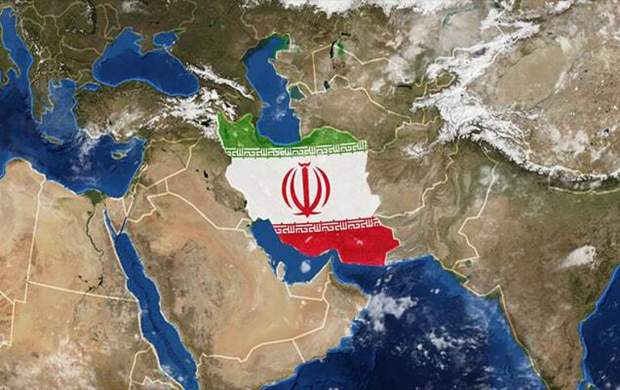
Iran’s Potential Levers of Power

Iran’s Potential Levers of Power

SCFRonline– Opinion: Iran’s geopolitical power is not limited solely to oil and the Strait of Hormuz; the unintended emergence of disruptions in the future global food and energy security chains can also demonstrate Iran’s strategic importance.

Latin America’s Uprising Against the United States’ New Colonialism?

Latin America’s Uprising Against the United States’ New Colonialism?

Strategic Council Online – Interview: A Latin American affairs expert believes that, although the United States of America is trying to impose “new colonialism” on the Latin American region, a new form of resistance, protest, and nationwide uprisings will likely emerge.

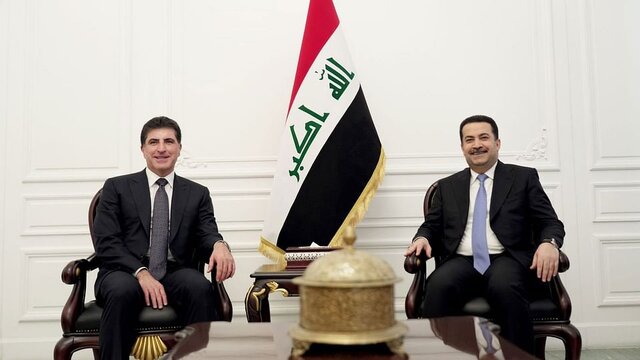
The Impact of the Baghdad-Erbil Agreement on the Balance of Power in Iraq

The Impact of the Baghdad-Erbil Agreement on the Balance of Power in Iraq

Online Strategic Council – Interview: A West Asia affairs expert stated that oil exports from the Kurdistan Region have resumed after a halt of over two years, following a tripartite agreement between Baghdad, Erbil, and oil companies. These exports had been suspended since March 2023 due to a ruling by the Paris arbitration court against Turkey. The court stated that Ankara had violated the 1973 pipeline agreement with Baghdad by allowing Erbil to export oil independently since 2014. The Iraqi Ministry of Oil announced that oil exports have commenced at full capacity and are continuing without any technical issues. The ministry described the recent move as a significant step toward strengthening the management of national wealth. Officials of the Kurdistan Regional Government (KRG) also described this event as historic and a significant achievement for the whole of Iraq. On the other hand, the Baghdad government announced that the resumption of oil exports from the Kurdistan Region could add between $ 400 million and $ 500 million monthly to the federal budget and play a significant role in boosting national revenues.

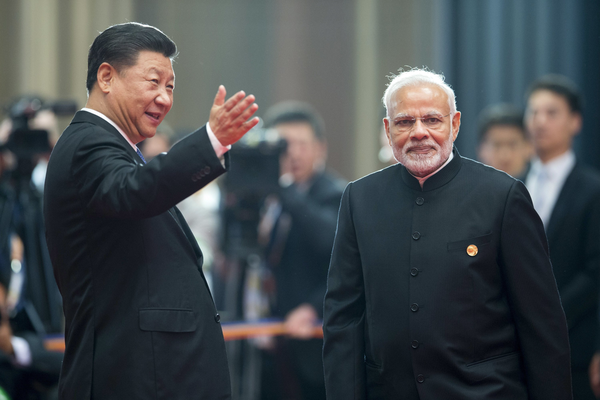
New China-India Engagement: Formation of a New Strategy in Asia

New China-India Engagement: Formation of a New Strategy in Asia

Strategic Council Online – Interview: A senior international relations analyst stated that the recent visit of Wang Yi, China’s Foreign Minister, to New Delhi is not merely a routine diplomatic meeting; rather, it represents a decisive point in the geopolitical equations of South Asia and even the new global order. After four years of tension and distrust stemming from deadly border clashes in Ladakh and Beijing’s full-throated support for Islamabad during the four-day India-Pakistan war, Beijing and New Delhi are now moving towards economic and political reconciliation under circumstances where external variables, including Trump’s tariff pressures and India’s closeness to Russia, have complicated the equation.

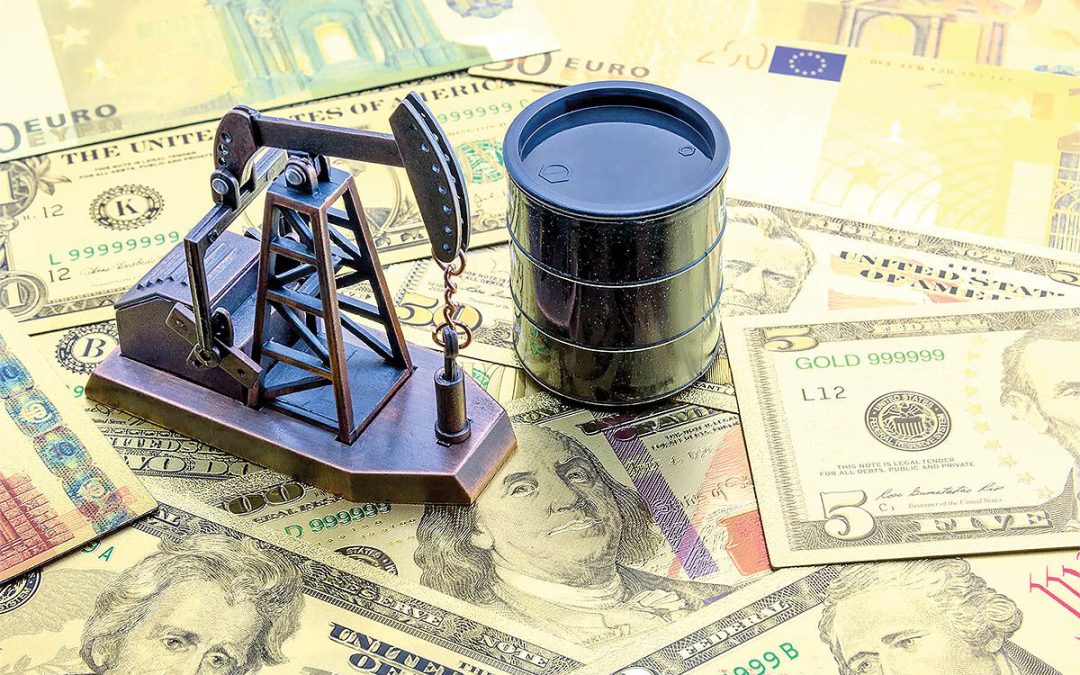
Saudi Oil Step in the Corridor of De-Dollarization

Saudi Oil Step in the Corridor of De-Dollarization

Strategic Council Online – Opinion: On June 9, Saudi Arabia’s oil agreement with the United States expired. Saudi Crown Prince Mohammed bin Salman announced that Riyadh would not renew the 75-year-old contract that helped maintain the hegemony of the US dollar in international trade. This action allows Riyadh to sell oil in different currencies, including yuan, euro, yen, etc., instead of the US dollar.

The Outlook for Global Oil Demand in the Coming Decades

The Outlook for Global Oil Demand in the Coming Decades

Strategic Council Online – Interview: Amid a report by the International Energy Agency that the global oil market will face a significant surplus at the end of this decade, Iran’s former representative in OPEC said: The IEA report does not apply to all countries and regions, but only some countries, especially the Europeans.

Perspective of Relations between Kurdistan Regional Government and Baghdad

Perspective of Relations between Kurdistan Regional Government and Baghdad

Strategic Council Online – Interview: An expert on Iraq issues said: As Turkey gets closer to the central government of Iraq, the Kurdistan Regional Government (KRG) should overlook many of its claims about its autonomy in the future and will become more dependent on the central government.

Russia’s Tricks and Costs in Coping with the Sanctions

Russia’s Tricks and Costs in Coping with the Sanctions

Strategic Council Online: An expert on international affairs says, however, Moscow has managed a significant portion of the sanctions imposed by the United States and the European Union under the influence of the Ukraine war; the costs incurred so far to curb the economic problems in this war will have long-term effects on the Russian economy; in other words, Russia has a tough choice ahead in the future.

Dimensions, Prospects of UAE-Saudi Rivalry in Ukraine Crisis

Dimensions, Prospects of UAE-Saudi Rivalry in Ukraine Crisis

Strategic Council Online – Interview: An analyst of international affairs considered the competition between the UAE and Saudi Arabia regarding mediation to solve the Ukraine crisis as part of the competitive strategy of the two countries in different political, economic, and geopolitical fields with the aim of expanding influence and creating soft power in the region and the world, especially in the centers of international power, and said: Saudi Arabia has more weight and leverage to play such a role in this framework.

Consequences of Moscow-Riyadh Cooperation on Sale of Russian Oil

Consequences of Moscow-Riyadh Cooperation on Sale of Russian Oil

Strategic Council Online – Interview: A faculty member of the Institute of Strategic Studies says there has been a change in the global energy transmission lines after the Ukraine war began. He noted: With the continued shift in the oil trade routes of Russia, India and China have become strategic business partners for Moscow. This development has taken place in the shadow of the decline of the US influence among its key allies in the Middle East.

أحدث الوظائف

The Makkah Pact; Reasons for its Formation and Challenges Ahead

SCFR Online – Opinion: The Makkah Pact, signed between Saudi Arabia, Pakistan, and Turkey under the motto “an attack on one is an attack on all,” is viewed by some analysts less as a full-fledged military coalition and more as an attempt to reduce security dependence on an external power and to establish a regional security mechanism.

Implications of the US-Saudi Nuclear Agreement

SCFR Online – Opinion: The new US-Saudi nuclear agreement, despite legal and political ambiguities, could alter previous non-proliferation standards in West Asia and intensify nuclear competition, ushering it into a new phase.

An Analysis of Recent Turkey-Israeli Regime Tensions

SCFR Online – Opinion: Recent developments in Syria indicate an intensification of strategic rivalry between Turkey and the Israeli regime, but mutual considerations and the role of the United States have limited the likelihood of direct war.

Increasing criticism of the extensive Zionist lobby network

SCFR Online – Opinion: An examination of the mechanisms of the Israeli regime’s influence in the United States depicts a complex picture of shared interests, strategic dependencies, and the limitations of this relationship.

Realities of the Tripartite Makkah Pact

SCFR Online – Interview: The signing of the Makkah agreement between Saudi Arabia, Pakistan, and Turkey has raised questions about the future of the region’s security structure and the position of these countries in West Asian equations. Can this agreement become a genuine collective defense mechanism, or does it have more of a political and deterrent function than creating new military capacity?

Strategic Implications of the Reduction of US Weapons Stockpiles

SCFR Online – Opinion: The continuation of the US war against Iran, in addition to increasing operational costs, has called into question the actual capacity of the American arsenal to simultaneously fulfill security commitments on multiple fronts; an issue that affects deterrence, defense production capacity, and Washington’s resource prioritization.

The Formation of a New Order in Relations Between Powers

SCFR Online – Opinion: The Russia-Ukraine war and the war of the United States and the Israeli regime against Iran have been formed with different objectives and actors, but field and political developments indicate that they are not entirely separate from one another.

Loading

Oil

Iran’s Potential Levers of Power

Iran’s Potential Levers of Power

SCFRonline– Opinion: Iran’s geopolitical power is not limited solely to oil and the Strait of Hormuz; the unintended emergence of disruptions in the future global food and energy security chains can also demonstrate Iran’s strategic importance.

Latin America’s Uprising Against the United States’ New Colonialism?

Latin America’s Uprising Against the United States’ New Colonialism?

Strategic Council Online – Interview: A Latin American affairs expert believes that, although the United States of America is trying to impose “new colonialism” on the Latin American region, a new form of resistance, protest, and nationwide uprisings will likely emerge.

The Impact of the Baghdad-Erbil Agreement on the Balance of Power in Iraq

The Impact of the Baghdad-Erbil Agreement on the Balance of Power in Iraq

Online Strategic Council – Interview: A West Asia affairs expert stated that oil exports from the Kurdistan Region have resumed after a halt of over two years, following a tripartite agreement between Baghdad, Erbil, and oil companies. These exports had been suspended since March 2023 due to a ruling by the Paris arbitration court against Turkey. The court stated that Ankara had violated the 1973 pipeline agreement with Baghdad by allowing Erbil to export oil independently since 2014. The Iraqi Ministry of Oil announced that oil exports have commenced at full capacity and are continuing without any technical issues. The ministry described the recent move as a significant step toward strengthening the management of national wealth. Officials of the Kurdistan Regional Government (KRG) also described this event as historic and a significant achievement for the whole of Iraq. On the other hand, the Baghdad government announced that the resumption of oil exports from the Kurdistan Region could add between $ 400 million and $ 500 million monthly to the federal budget and play a significant role in boosting national revenues.

New China-India Engagement: Formation of a New Strategy in Asia

New China-India Engagement: Formation of a New Strategy in Asia

Strategic Council Online – Interview: A senior international relations analyst stated that the recent visit of Wang Yi, China’s Foreign Minister, to New Delhi is not merely a routine diplomatic meeting; rather, it represents a decisive point in the geopolitical equations of South Asia and even the new global order. After four years of tension and distrust stemming from deadly border clashes in Ladakh and Beijing’s full-throated support for Islamabad during the four-day India-Pakistan war, Beijing and New Delhi are now moving towards economic and political reconciliation under circumstances where external variables, including Trump’s tariff pressures and India’s closeness to Russia, have complicated the equation.

Saudi Oil Step in the Corridor of De-Dollarization

Saudi Oil Step in the Corridor of De-Dollarization

Strategic Council Online – Opinion: On June 9, Saudi Arabia’s oil agreement with the United States expired. Saudi Crown Prince Mohammed bin Salman announced that Riyadh would not renew the 75-year-old contract that helped maintain the hegemony of the US dollar in international trade. This action allows Riyadh to sell oil in different currencies, including yuan, euro, yen, etc., instead of the US dollar.

The Outlook for Global Oil Demand in the Coming Decades

The Outlook for Global Oil Demand in the Coming Decades

Strategic Council Online – Interview: Amid a report by the International Energy Agency that the global oil market will face a significant surplus at the end of this decade, Iran’s former representative in OPEC said: The IEA report does not apply to all countries and regions, but only some countries, especially the Europeans.

Perspective of Relations between Kurdistan Regional Government and Baghdad

Perspective of Relations between Kurdistan Regional Government and Baghdad

Strategic Council Online – Interview: An expert on Iraq issues said: As Turkey gets closer to the central government of Iraq, the Kurdistan Regional Government (KRG) should overlook many of its claims about its autonomy in the future and will become more dependent on the central government.

Russia’s Tricks and Costs in Coping with the Sanctions

Russia’s Tricks and Costs in Coping with the Sanctions

Strategic Council Online: An expert on international affairs says, however, Moscow has managed a significant portion of the sanctions imposed by the United States and the European Union under the influence of the Ukraine war; the costs incurred so far to curb the economic problems in this war will have long-term effects on the Russian economy; in other words, Russia has a tough choice ahead in the future.

Dimensions, Prospects of UAE-Saudi Rivalry in Ukraine Crisis

Dimensions, Prospects of UAE-Saudi Rivalry in Ukraine Crisis

Strategic Council Online – Interview: An analyst of international affairs considered the competition between the UAE and Saudi Arabia regarding mediation to solve the Ukraine crisis as part of the competitive strategy of the two countries in different political, economic, and geopolitical fields with the aim of expanding influence and creating soft power in the region and the world, especially in the centers of international power, and said: Saudi Arabia has more weight and leverage to play such a role in this framework.

Consequences of Moscow-Riyadh Cooperation on Sale of Russian Oil

Consequences of Moscow-Riyadh Cooperation on Sale of Russian Oil

Strategic Council Online – Interview: A faculty member of the Institute of Strategic Studies says there has been a change in the global energy transmission lines after the Ukraine war began. He noted: With the continued shift in the oil trade routes of Russia, India and China have become strategic business partners for Moscow. This development has taken place in the shadow of the decline of the US influence among its key allies in the Middle East.

Oil

Iran’s Potential Levers of Power

Iran’s Potential Levers of Power

SCFRonline– Opinion: Iran’s geopolitical power is not limited solely to oil and the Strait of Hormuz; the unintended emergence of disruptions in the future global food and energy security chains can also demonstrate Iran’s strategic importance.

Latin America’s Uprising Against the United States’ New Colonialism?

Latin America’s Uprising Against the United States’ New Colonialism?

Strategic Council Online – Interview: A Latin American affairs expert believes that, although the United States of America is trying to impose “new colonialism” on the Latin American region, a new form of resistance, protest, and nationwide uprisings will likely emerge.

The Impact of the Baghdad-Erbil Agreement on the Balance of Power in Iraq

The Impact of the Baghdad-Erbil Agreement on the Balance of Power in Iraq

Online Strategic Council – Interview: A West Asia affairs expert stated that oil exports from the Kurdistan Region have resumed after a halt of over two years, following a tripartite agreement between Baghdad, Erbil, and oil companies. These exports had been suspended since March 2023 due to a ruling by the Paris arbitration court against Turkey. The court stated that Ankara had violated the 1973 pipeline agreement with Baghdad by allowing Erbil to export oil independently since 2014. The Iraqi Ministry of Oil announced that oil exports have commenced at full capacity and are continuing without any technical issues. The ministry described the recent move as a significant step toward strengthening the management of national wealth. Officials of the Kurdistan Regional Government (KRG) also described this event as historic and a significant achievement for the whole of Iraq. On the other hand, the Baghdad government announced that the resumption of oil exports from the Kurdistan Region could add between $ 400 million and $ 500 million monthly to the federal budget and play a significant role in boosting national revenues.

New China-India Engagement: Formation of a New Strategy in Asia

New China-India Engagement: Formation of a New Strategy in Asia

Strategic Council Online – Interview: A senior international relations analyst stated that the recent visit of Wang Yi, China’s Foreign Minister, to New Delhi is not merely a routine diplomatic meeting; rather, it represents a decisive point in the geopolitical equations of South Asia and even the new global order. After four years of tension and distrust stemming from deadly border clashes in Ladakh and Beijing’s full-throated support for Islamabad during the four-day India-Pakistan war, Beijing and New Delhi are now moving towards economic and political reconciliation under circumstances where external variables, including Trump’s tariff pressures and India’s closeness to Russia, have complicated the equation.

Saudi Oil Step in the Corridor of De-Dollarization

Saudi Oil Step in the Corridor of De-Dollarization

Strategic Council Online – Opinion: On June 9, Saudi Arabia’s oil agreement with the United States expired. Saudi Crown Prince Mohammed bin Salman announced that Riyadh would not renew the 75-year-old contract that helped maintain the hegemony of the US dollar in international trade. This action allows Riyadh to sell oil in different currencies, including yuan, euro, yen, etc., instead of the US dollar.

The Outlook for Global Oil Demand in the Coming Decades

The Outlook for Global Oil Demand in the Coming Decades

Strategic Council Online – Interview: Amid a report by the International Energy Agency that the global oil market will face a significant surplus at the end of this decade, Iran’s former representative in OPEC said: The IEA report does not apply to all countries and regions, but only some countries, especially the Europeans.

Perspective of Relations between Kurdistan Regional Government and Baghdad

Perspective of Relations between Kurdistan Regional Government and Baghdad

Strategic Council Online – Interview: An expert on Iraq issues said: As Turkey gets closer to the central government of Iraq, the Kurdistan Regional Government (KRG) should overlook many of its claims about its autonomy in the future and will become more dependent on the central government.

Russia’s Tricks and Costs in Coping with the Sanctions

Russia’s Tricks and Costs in Coping with the Sanctions

Strategic Council Online: An expert on international affairs says, however, Moscow has managed a significant portion of the sanctions imposed by the United States and the European Union under the influence of the Ukraine war; the costs incurred so far to curb the economic problems in this war will have long-term effects on the Russian economy; in other words, Russia has a tough choice ahead in the future.

Dimensions, Prospects of UAE-Saudi Rivalry in Ukraine Crisis

Dimensions, Prospects of UAE-Saudi Rivalry in Ukraine Crisis

Strategic Council Online – Interview: An analyst of international affairs considered the competition between the UAE and Saudi Arabia regarding mediation to solve the Ukraine crisis as part of the competitive strategy of the two countries in different political, economic, and geopolitical fields with the aim of expanding influence and creating soft power in the region and the world, especially in the centers of international power, and said: Saudi Arabia has more weight and leverage to play such a role in this framework.

Consequences of Moscow-Riyadh Cooperation on Sale of Russian Oil

Consequences of Moscow-Riyadh Cooperation on Sale of Russian Oil

Strategic Council Online – Interview: A faculty member of the Institute of Strategic Studies says there has been a change in the global energy transmission lines after the Ukraine war began. He noted: With the continued shift in the oil trade routes of Russia, India and China have become strategic business partners for Moscow. This development has taken place in the shadow of the decline of the US influence among its key allies in the Middle East.

LATEST CONTENT

The Makkah Pact; Reasons for its Formation and Challenges Ahead

SCFR Online – Opinion: The Makkah Pact, signed between Saudi Arabia, Pakistan, and Turkey under the motto “an attack on one is an attack on all,” is viewed by some analysts less as a full-fledged military coalition and more as an attempt to reduce security dependence on an external power and to establish a regional security mechanism.

Implications of the US-Saudi Nuclear Agreement

SCFR Online – Opinion: The new US-Saudi nuclear agreement, despite legal and political ambiguities, could alter previous non-proliferation standards in West Asia and intensify nuclear competition, ushering it into a new phase.

An Analysis of Recent Turkey-Israeli Regime Tensions

SCFR Online – Opinion: Recent developments in Syria indicate an intensification of strategic rivalry between Turkey and the Israeli regime, but mutual considerations and the role of the United States have limited the likelihood of direct war.

Increasing criticism of the extensive Zionist lobby network

SCFR Online – Opinion: An examination of the mechanisms of the Israeli regime’s influence in the United States depicts a complex picture of shared interests, strategic dependencies, and the limitations of this relationship.

Realities of the Tripartite Makkah Pact

SCFR Online – Interview: The signing of the Makkah agreement between Saudi Arabia, Pakistan, and Turkey has raised questions about the future of the region’s security structure and the position of these countries in West Asian equations. Can this agreement become a genuine collective defense mechanism, or does it have more of a political and deterrent function than creating new military capacity?

Strategic Implications of the Reduction of US Weapons Stockpiles

SCFR Online – Opinion: The continuation of the US war against Iran, in addition to increasing operational costs, has called into question the actual capacity of the American arsenal to simultaneously fulfill security commitments on multiple fronts; an issue that affects deterrence, defense production capacity, and Washington’s resource prioritization.

The Formation of a New Order in Relations Between Powers

SCFR Online – Opinion: The Russia-Ukraine war and the war of the United States and the Israeli regime against Iran have been formed with different objectives and actors, but field and political developments indicate that they are not entirely separate from one another.

Loading

Oil

Iran’s Potential Levers of Power

Iran’s Potential Levers of Power

SCFRonline– Opinion: Iran’s geopolitical power is not limited solely to oil and the Strait of Hormuz; the unintended emergence of disruptions in the future global food and energy security chains can also demonstrate Iran’s strategic importance.

Latin America’s Uprising Against the United States’ New Colonialism?

Latin America’s Uprising Against the United States’ New Colonialism?

Strategic Council Online – Interview: A Latin American affairs expert believes that, although the United States of America is trying to impose “new colonialism” on the Latin American region, a new form of resistance, protest, and nationwide uprisings will likely emerge.

The Impact of the Baghdad-Erbil Agreement on the Balance of Power in Iraq

The Impact of the Baghdad-Erbil Agreement on the Balance of Power in Iraq

Online Strategic Council – Interview: A West Asia affairs expert stated that oil exports from the Kurdistan Region have resumed after a halt of over two years, following a tripartite agreement between Baghdad, Erbil, and oil companies. These exports had been suspended since March 2023 due to a ruling by the Paris arbitration court against Turkey. The court stated that Ankara had violated the 1973 pipeline agreement with Baghdad by allowing Erbil to export oil independently since 2014. The Iraqi Ministry of Oil announced that oil exports have commenced at full capacity and are continuing without any technical issues. The ministry described the recent move as a significant step toward strengthening the management of national wealth. Officials of the Kurdistan Regional Government (KRG) also described this event as historic and a significant achievement for the whole of Iraq. On the other hand, the Baghdad government announced that the resumption of oil exports from the Kurdistan Region could add between $ 400 million and $ 500 million monthly to the federal budget and play a significant role in boosting national revenues.

New China-India Engagement: Formation of a New Strategy in Asia

New China-India Engagement: Formation of a New Strategy in Asia

Strategic Council Online – Interview: A senior international relations analyst stated that the recent visit of Wang Yi, China’s Foreign Minister, to New Delhi is not merely a routine diplomatic meeting; rather, it represents a decisive point in the geopolitical equations of South Asia and even the new global order. After four years of tension and distrust stemming from deadly border clashes in Ladakh and Beijing’s full-throated support for Islamabad during the four-day India-Pakistan war, Beijing and New Delhi are now moving towards economic and political reconciliation under circumstances where external variables, including Trump’s tariff pressures and India’s closeness to Russia, have complicated the equation.

Saudi Oil Step in the Corridor of De-Dollarization

Saudi Oil Step in the Corridor of De-Dollarization

Strategic Council Online – Opinion: On June 9, Saudi Arabia’s oil agreement with the United States expired. Saudi Crown Prince Mohammed bin Salman announced that Riyadh would not renew the 75-year-old contract that helped maintain the hegemony of the US dollar in international trade. This action allows Riyadh to sell oil in different currencies, including yuan, euro, yen, etc., instead of the US dollar.

The Outlook for Global Oil Demand in the Coming Decades

The Outlook for Global Oil Demand in the Coming Decades

Strategic Council Online – Interview: Amid a report by the International Energy Agency that the global oil market will face a significant surplus at the end of this decade, Iran’s former representative in OPEC said: The IEA report does not apply to all countries and regions, but only some countries, especially the Europeans.

Perspective of Relations between Kurdistan Regional Government and Baghdad

Perspective of Relations between Kurdistan Regional Government and Baghdad

Strategic Council Online – Interview: An expert on Iraq issues said: As Turkey gets closer to the central government of Iraq, the Kurdistan Regional Government (KRG) should overlook many of its claims about its autonomy in the future and will become more dependent on the central government.

Russia’s Tricks and Costs in Coping with the Sanctions

Russia’s Tricks and Costs in Coping with the Sanctions

Strategic Council Online: An expert on international affairs says, however, Moscow has managed a significant portion of the sanctions imposed by the United States and the European Union under the influence of the Ukraine war; the costs incurred so far to curb the economic problems in this war will have long-term effects on the Russian economy; in other words, Russia has a tough choice ahead in the future.

Dimensions, Prospects of UAE-Saudi Rivalry in Ukraine Crisis

Dimensions, Prospects of UAE-Saudi Rivalry in Ukraine Crisis

Strategic Council Online – Interview: An analyst of international affairs considered the competition between the UAE and Saudi Arabia regarding mediation to solve the Ukraine crisis as part of the competitive strategy of the two countries in different political, economic, and geopolitical fields with the aim of expanding influence and creating soft power in the region and the world, especially in the centers of international power, and said: Saudi Arabia has more weight and leverage to play such a role in this framework.

Consequences of Moscow-Riyadh Cooperation on Sale of Russian Oil

Consequences of Moscow-Riyadh Cooperation on Sale of Russian Oil

Strategic Council Online – Interview: A faculty member of the Institute of Strategic Studies says there has been a change in the global energy transmission lines after the Ukraine war began. He noted: With the continued shift in the oil trade routes of Russia, India and China have become strategic business partners for Moscow. This development has taken place in the shadow of the decline of the US influence among its key allies in the Middle East.

ÚLTIMAS PUBLICACIONES

The Makkah Pact; Reasons for its Formation and Challenges Ahead

SCFR Online – Opinion: The Makkah Pact, signed between Saudi Arabia, Pakistan, and Turkey under the motto “an attack on one is an attack on all,” is viewed by some analysts less as a full-fledged military coalition and more as an attempt to reduce security dependence on an external power and to establish a regional security mechanism.

Implications of the US-Saudi Nuclear Agreement

SCFR Online – Opinion: The new US-Saudi nuclear agreement, despite legal and political ambiguities, could alter previous non-proliferation standards in West Asia and intensify nuclear competition, ushering it into a new phase.

An Analysis of Recent Turkey-Israeli Regime Tensions

SCFR Online – Opinion: Recent developments in Syria indicate an intensification of strategic rivalry between Turkey and the Israeli regime, but mutual considerations and the role of the United States have limited the likelihood of direct war.

Increasing criticism of the extensive Zionist lobby network

SCFR Online – Opinion: An examination of the mechanisms of the Israeli regime’s influence in the United States depicts a complex picture of shared interests, strategic dependencies, and the limitations of this relationship.

Realities of the Tripartite Makkah Pact

SCFR Online – Interview: The signing of the Makkah agreement between Saudi Arabia, Pakistan, and Turkey has raised questions about the future of the region’s security structure and the position of these countries in West Asian equations. Can this agreement become a genuine collective defense mechanism, or does it have more of a political and deterrent function than creating new military capacity?

Strategic Implications of the Reduction of US Weapons Stockpiles

SCFR Online – Opinion: The continuation of the US war against Iran, in addition to increasing operational costs, has called into question the actual capacity of the American arsenal to simultaneously fulfill security commitments on multiple fronts; an issue that affects deterrence, defense production capacity, and Washington’s resource prioritization.

The Formation of a New Order in Relations Between Powers

SCFR Online – Opinion: The Russia-Ukraine war and the war of the United States and the Israeli regime against Iran have been formed with different objectives and actors, but field and political developments indicate that they are not entirely separate from one another.

Loading

Oil

Iran’s Potential Levers of Power

Iran’s Potential Levers of Power

SCFRonline– Opinion: Iran’s geopolitical power is not limited solely to oil and the Strait of Hormuz; the unintended emergence of disruptions in the future global food and energy security chains can also demonstrate Iran’s strategic importance.

Latin America’s Uprising Against the United States’ New Colonialism?

Latin America’s Uprising Against the United States’ New Colonialism?

Strategic Council Online – Interview: A Latin American affairs expert believes that, although the United States of America is trying to impose “new colonialism” on the Latin American region, a new form of resistance, protest, and nationwide uprisings will likely emerge.

The Impact of the Baghdad-Erbil Agreement on the Balance of Power in Iraq

The Impact of the Baghdad-Erbil Agreement on the Balance of Power in Iraq

Online Strategic Council – Interview: A West Asia affairs expert stated that oil exports from the Kurdistan Region have resumed after a halt of over two years, following a tripartite agreement between Baghdad, Erbil, and oil companies. These exports had been suspended since March 2023 due to a ruling by the Paris arbitration court against Turkey. The court stated that Ankara had violated the 1973 pipeline agreement with Baghdad by allowing Erbil to export oil independently since 2014. The Iraqi Ministry of Oil announced that oil exports have commenced at full capacity and are continuing without any technical issues. The ministry described the recent move as a significant step toward strengthening the management of national wealth. Officials of the Kurdistan Regional Government (KRG) also described this event as historic and a significant achievement for the whole of Iraq. On the other hand, the Baghdad government announced that the resumption of oil exports from the Kurdistan Region could add between $ 400 million and $ 500 million monthly to the federal budget and play a significant role in boosting national revenues.

New China-India Engagement: Formation of a New Strategy in Asia

New China-India Engagement: Formation of a New Strategy in Asia

Strategic Council Online – Interview: A senior international relations analyst stated that the recent visit of Wang Yi, China’s Foreign Minister, to New Delhi is not merely a routine diplomatic meeting; rather, it represents a decisive point in the geopolitical equations of South Asia and even the new global order. After four years of tension and distrust stemming from deadly border clashes in Ladakh and Beijing’s full-throated support for Islamabad during the four-day India-Pakistan war, Beijing and New Delhi are now moving towards economic and political reconciliation under circumstances where external variables, including Trump’s tariff pressures and India’s closeness to Russia, have complicated the equation.

Saudi Oil Step in the Corridor of De-Dollarization

Saudi Oil Step in the Corridor of De-Dollarization

Strategic Council Online – Opinion: On June 9, Saudi Arabia’s oil agreement with the United States expired. Saudi Crown Prince Mohammed bin Salman announced that Riyadh would not renew the 75-year-old contract that helped maintain the hegemony of the US dollar in international trade. This action allows Riyadh to sell oil in different currencies, including yuan, euro, yen, etc., instead of the US dollar.

The Outlook for Global Oil Demand in the Coming Decades

The Outlook for Global Oil Demand in the Coming Decades

Strategic Council Online – Interview: Amid a report by the International Energy Agency that the global oil market will face a significant surplus at the end of this decade, Iran’s former representative in OPEC said: The IEA report does not apply to all countries and regions, but only some countries, especially the Europeans.

Perspective of Relations between Kurdistan Regional Government and Baghdad

Perspective of Relations between Kurdistan Regional Government and Baghdad

Strategic Council Online – Interview: An expert on Iraq issues said: As Turkey gets closer to the central government of Iraq, the Kurdistan Regional Government (KRG) should overlook many of its claims about its autonomy in the future and will become more dependent on the central government.

Russia’s Tricks and Costs in Coping with the Sanctions

Russia’s Tricks and Costs in Coping with the Sanctions

Strategic Council Online: An expert on international affairs says, however, Moscow has managed a significant portion of the sanctions imposed by the United States and the European Union under the influence of the Ukraine war; the costs incurred so far to curb the economic problems in this war will have long-term effects on the Russian economy; in other words, Russia has a tough choice ahead in the future.

Dimensions, Prospects of UAE-Saudi Rivalry in Ukraine Crisis

Dimensions, Prospects of UAE-Saudi Rivalry in Ukraine Crisis

Strategic Council Online – Interview: An analyst of international affairs considered the competition between the UAE and Saudi Arabia regarding mediation to solve the Ukraine crisis as part of the competitive strategy of the two countries in different political, economic, and geopolitical fields with the aim of expanding influence and creating soft power in the region and the world, especially in the centers of international power, and said: Saudi Arabia has more weight and leverage to play such a role in this framework.

Consequences of Moscow-Riyadh Cooperation on Sale of Russian Oil

Consequences of Moscow-Riyadh Cooperation on Sale of Russian Oil

Strategic Council Online – Interview: A faculty member of the Institute of Strategic Studies says there has been a change in the global energy transmission lines after the Ukraine war began. He noted: With the continued shift in the oil trade routes of Russia, India and China have become strategic business partners for Moscow. This development has taken place in the shadow of the decline of the US influence among its key allies in the Middle East.

ÚLTIMAS PUBLICACIONES

The Makkah Pact; Reasons for its Formation and Challenges Ahead

SCFR Online – Opinion: The Makkah Pact, signed between Saudi Arabia, Pakistan, and Turkey under the motto “an attack on one is an attack on all,” is viewed by some analysts less as a full-fledged military coalition and more as an attempt to reduce security dependence on an external power and to establish a regional security mechanism.

Implications of the US-Saudi Nuclear Agreement

SCFR Online – Opinion: The new US-Saudi nuclear agreement, despite legal and political ambiguities, could alter previous non-proliferation standards in West Asia and intensify nuclear competition, ushering it into a new phase.

An Analysis of Recent Turkey-Israeli Regime Tensions

SCFR Online – Opinion: Recent developments in Syria indicate an intensification of strategic rivalry between Turkey and the Israeli regime, but mutual considerations and the role of the United States have limited the likelihood of direct war.

Increasing criticism of the extensive Zionist lobby network

SCFR Online – Opinion: An examination of the mechanisms of the Israeli regime’s influence in the United States depicts a complex picture of shared interests, strategic dependencies, and the limitations of this relationship.

Realities of the Tripartite Makkah Pact

SCFR Online – Interview: The signing of the Makkah agreement between Saudi Arabia, Pakistan, and Turkey has raised questions about the future of the region’s security structure and the position of these countries in West Asian equations. Can this agreement become a genuine collective defense mechanism, or does it have more of a political and deterrent function than creating new military capacity?

Strategic Implications of the Reduction of US Weapons Stockpiles

SCFR Online – Opinion: The continuation of the US war against Iran, in addition to increasing operational costs, has called into question the actual capacity of the American arsenal to simultaneously fulfill security commitments on multiple fronts; an issue that affects deterrence, defense production capacity, and Washington’s resource prioritization.

The Formation of a New Order in Relations Between Powers

SCFR Online – Opinion: The Russia-Ukraine war and the war of the United States and the Israeli regime against Iran have been formed with different objectives and actors, but field and political developments indicate that they are not entirely separate from one another.

Loading

Oil

Iran’s Potential Levers of Power

Iran’s Potential Levers of Power

SCFRonline– Opinion: Iran’s geopolitical power is not limited solely to oil and the Strait of Hormuz; the unintended emergence of disruptions in the future global food and energy security chains can also demonstrate Iran’s strategic importance.

Latin America’s Uprising Against the United States’ New Colonialism?

Latin America’s Uprising Against the United States’ New Colonialism?

Strategic Council Online – Interview: A Latin American affairs expert believes that, although the United States of America is trying to impose “new colonialism” on the Latin American region, a new form of resistance, protest, and nationwide uprisings will likely emerge.

The Impact of the Baghdad-Erbil Agreement on the Balance of Power in Iraq

The Impact of the Baghdad-Erbil Agreement on the Balance of Power in Iraq

Online Strategic Council – Interview: A West Asia affairs expert stated that oil exports from the Kurdistan Region have resumed after a halt of over two years, following a tripartite agreement between Baghdad, Erbil, and oil companies. These exports had been suspended since March 2023 due to a ruling by the Paris arbitration court against Turkey. The court stated that Ankara had violated the 1973 pipeline agreement with Baghdad by allowing Erbil to export oil independently since 2014. The Iraqi Ministry of Oil announced that oil exports have commenced at full capacity and are continuing without any technical issues. The ministry described the recent move as a significant step toward strengthening the management of national wealth. Officials of the Kurdistan Regional Government (KRG) also described this event as historic and a significant achievement for the whole of Iraq. On the other hand, the Baghdad government announced that the resumption of oil exports from the Kurdistan Region could add between $ 400 million and $ 500 million monthly to the federal budget and play a significant role in boosting national revenues.

New China-India Engagement: Formation of a New Strategy in Asia

New China-India Engagement: Formation of a New Strategy in Asia

Strategic Council Online – Interview: A senior international relations analyst stated that the recent visit of Wang Yi, China’s Foreign Minister, to New Delhi is not merely a routine diplomatic meeting; rather, it represents a decisive point in the geopolitical equations of South Asia and even the new global order. After four years of tension and distrust stemming from deadly border clashes in Ladakh and Beijing’s full-throated support for Islamabad during the four-day India-Pakistan war, Beijing and New Delhi are now moving towards economic and political reconciliation under circumstances where external variables, including Trump’s tariff pressures and India’s closeness to Russia, have complicated the equation.

Saudi Oil Step in the Corridor of De-Dollarization

Saudi Oil Step in the Corridor of De-Dollarization

Strategic Council Online – Opinion: On June 9, Saudi Arabia’s oil agreement with the United States expired. Saudi Crown Prince Mohammed bin Salman announced that Riyadh would not renew the 75-year-old contract that helped maintain the hegemony of the US dollar in international trade. This action allows Riyadh to sell oil in different currencies, including yuan, euro, yen, etc., instead of the US dollar.

The Outlook for Global Oil Demand in the Coming Decades

The Outlook for Global Oil Demand in the Coming Decades

Strategic Council Online – Interview: Amid a report by the International Energy Agency that the global oil market will face a significant surplus at the end of this decade, Iran’s former representative in OPEC said: The IEA report does not apply to all countries and regions, but only some countries, especially the Europeans.

Perspective of Relations between Kurdistan Regional Government and Baghdad

Perspective of Relations between Kurdistan Regional Government and Baghdad

Strategic Council Online – Interview: An expert on Iraq issues said: As Turkey gets closer to the central government of Iraq, the Kurdistan Regional Government (KRG) should overlook many of its claims about its autonomy in the future and will become more dependent on the central government.

Russia’s Tricks and Costs in Coping with the Sanctions

Russia’s Tricks and Costs in Coping with the Sanctions

Strategic Council Online: An expert on international affairs says, however, Moscow has managed a significant portion of the sanctions imposed by the United States and the European Union under the influence of the Ukraine war; the costs incurred so far to curb the economic problems in this war will have long-term effects on the Russian economy; in other words, Russia has a tough choice ahead in the future.

Dimensions, Prospects of UAE-Saudi Rivalry in Ukraine Crisis

Dimensions, Prospects of UAE-Saudi Rivalry in Ukraine Crisis

Strategic Council Online – Interview: An analyst of international affairs considered the competition between the UAE and Saudi Arabia regarding mediation to solve the Ukraine crisis as part of the competitive strategy of the two countries in different political, economic, and geopolitical fields with the aim of expanding influence and creating soft power in the region and the world, especially in the centers of international power, and said: Saudi Arabia has more weight and leverage to play such a role in this framework.

Consequences of Moscow-Riyadh Cooperation on Sale of Russian Oil

Consequences of Moscow-Riyadh Cooperation on Sale of Russian Oil

Strategic Council Online – Interview: A faculty member of the Institute of Strategic Studies says there has been a change in the global energy transmission lines after the Ukraine war began. He noted: With the continued shift in the oil trade routes of Russia, India and China have become strategic business partners for Moscow. This development has taken place in the shadow of the decline of the US influence among its key allies in the Middle East.

ÚLTIMAS PUBLICACIONES

The Makkah Pact; Reasons for its Formation and Challenges Ahead

SCFR Online – Opinion: The Makkah Pact, signed between Saudi Arabia, Pakistan, and Turkey under the motto “an attack on one is an attack on all,” is viewed by some analysts less as a full-fledged military coalition and more as an attempt to reduce security dependence on an external power and to establish a regional security mechanism.

Implications of the US-Saudi Nuclear Agreement

SCFR Online – Opinion: The new US-Saudi nuclear agreement, despite legal and political ambiguities, could alter previous non-proliferation standards in West Asia and intensify nuclear competition, ushering it into a new phase.

An Analysis of Recent Turkey-Israeli Regime Tensions

SCFR Online – Opinion: Recent developments in Syria indicate an intensification of strategic rivalry between Turkey and the Israeli regime, but mutual considerations and the role of the United States have limited the likelihood of direct war.

Increasing criticism of the extensive Zionist lobby network

SCFR Online – Opinion: An examination of the mechanisms of the Israeli regime’s influence in the United States depicts a complex picture of shared interests, strategic dependencies, and the limitations of this relationship.

Realities of the Tripartite Makkah Pact

SCFR Online – Interview: The signing of the Makkah agreement between Saudi Arabia, Pakistan, and Turkey has raised questions about the future of the region’s security structure and the position of these countries in West Asian equations. Can this agreement become a genuine collective defense mechanism, or does it have more of a political and deterrent function than creating new military capacity?

Strategic Implications of the Reduction of US Weapons Stockpiles

SCFR Online – Opinion: The continuation of the US war against Iran, in addition to increasing operational costs, has called into question the actual capacity of the American arsenal to simultaneously fulfill security commitments on multiple fronts; an issue that affects deterrence, defense production capacity, and Washington’s resource prioritization.

The Formation of a New Order in Relations Between Powers

SCFR Online – Opinion: The Russia-Ukraine war and the war of the United States and the Israeli regime against Iran have been formed with different objectives and actors, but field and political developments indicate that they are not entirely separate from one another.

Loading

Oil

Iran’s Potential Levers of Power

Iran’s Potential Levers of Power

SCFRonline– Opinion: Iran’s geopolitical power is not limited solely to oil and the Strait of Hormuz; the unintended emergence of disruptions in the future global food and energy security chains can also demonstrate Iran’s strategic importance.

Latin America’s Uprising Against the United States’ New Colonialism?

Latin America’s Uprising Against the United States’ New Colonialism?

Strategic Council Online – Interview: A Latin American affairs expert believes that, although the United States of America is trying to impose “new colonialism” on the Latin American region, a new form of resistance, protest, and nationwide uprisings will likely emerge.

The Impact of the Baghdad-Erbil Agreement on the Balance of Power in Iraq

The Impact of the Baghdad-Erbil Agreement on the Balance of Power in Iraq

Online Strategic Council – Interview: A West Asia affairs expert stated that oil exports from the Kurdistan Region have resumed after a halt of over two years, following a tripartite agreement between Baghdad, Erbil, and oil companies. These exports had been suspended since March 2023 due to a ruling by the Paris arbitration court against Turkey. The court stated that Ankara had violated the 1973 pipeline agreement with Baghdad by allowing Erbil to export oil independently since 2014. The Iraqi Ministry of Oil announced that oil exports have commenced at full capacity and are continuing without any technical issues. The ministry described the recent move as a significant step toward strengthening the management of national wealth. Officials of the Kurdistan Regional Government (KRG) also described this event as historic and a significant achievement for the whole of Iraq. On the other hand, the Baghdad government announced that the resumption of oil exports from the Kurdistan Region could add between $ 400 million and $ 500 million monthly to the federal budget and play a significant role in boosting national revenues.

New China-India Engagement: Formation of a New Strategy in Asia

New China-India Engagement: Formation of a New Strategy in Asia

Strategic Council Online – Interview: A senior international relations analyst stated that the recent visit of Wang Yi, China’s Foreign Minister, to New Delhi is not merely a routine diplomatic meeting; rather, it represents a decisive point in the geopolitical equations of South Asia and even the new global order. After four years of tension and distrust stemming from deadly border clashes in Ladakh and Beijing’s full-throated support for Islamabad during the four-day India-Pakistan war, Beijing and New Delhi are now moving towards economic and political reconciliation under circumstances where external variables, including Trump’s tariff pressures and India’s closeness to Russia, have complicated the equation.

Saudi Oil Step in the Corridor of De-Dollarization

Saudi Oil Step in the Corridor of De-Dollarization

Strategic Council Online – Opinion: On June 9, Saudi Arabia’s oil agreement with the United States expired. Saudi Crown Prince Mohammed bin Salman announced that Riyadh would not renew the 75-year-old contract that helped maintain the hegemony of the US dollar in international trade. This action allows Riyadh to sell oil in different currencies, including yuan, euro, yen, etc., instead of the US dollar.

The Outlook for Global Oil Demand in the Coming Decades

The Outlook for Global Oil Demand in the Coming Decades

Strategic Council Online – Interview: Amid a report by the International Energy Agency that the global oil market will face a significant surplus at the end of this decade, Iran’s former representative in OPEC said: The IEA report does not apply to all countries and regions, but only some countries, especially the Europeans.

Perspective of Relations between Kurdistan Regional Government and Baghdad

Perspective of Relations between Kurdistan Regional Government and Baghdad

Strategic Council Online – Interview: An expert on Iraq issues said: As Turkey gets closer to the central government of Iraq, the Kurdistan Regional Government (KRG) should overlook many of its claims about its autonomy in the future and will become more dependent on the central government.

Russia’s Tricks and Costs in Coping with the Sanctions

Russia’s Tricks and Costs in Coping with the Sanctions

Strategic Council Online: An expert on international affairs says, however, Moscow has managed a significant portion of the sanctions imposed by the United States and the European Union under the influence of the Ukraine war; the costs incurred so far to curb the economic problems in this war will have long-term effects on the Russian economy; in other words, Russia has a tough choice ahead in the future.

Dimensions, Prospects of UAE-Saudi Rivalry in Ukraine Crisis

Dimensions, Prospects of UAE-Saudi Rivalry in Ukraine Crisis

Strategic Council Online – Interview: An analyst of international affairs considered the competition between the UAE and Saudi Arabia regarding mediation to solve the Ukraine crisis as part of the competitive strategy of the two countries in different political, economic, and geopolitical fields with the aim of expanding influence and creating soft power in the region and the world, especially in the centers of international power, and said: Saudi Arabia has more weight and leverage to play such a role in this framework.

Consequences of Moscow-Riyadh Cooperation on Sale of Russian Oil

Consequences of Moscow-Riyadh Cooperation on Sale of Russian Oil

Strategic Council Online – Interview: A faculty member of the Institute of Strategic Studies says there has been a change in the global energy transmission lines after the Ukraine war began. He noted: With the continued shift in the oil trade routes of Russia, India and China have become strategic business partners for Moscow. This development has taken place in the shadow of the decline of the US influence among its key allies in the Middle East.

ÚLTIMAS PUBLICACIONES

The Makkah Pact; Reasons for its Formation and Challenges Ahead

SCFR Online – Opinion: The Makkah Pact, signed between Saudi Arabia, Pakistan, and Turkey under the motto “an attack on one is an attack on all,” is viewed by some analysts less as a full-fledged military coalition and more as an attempt to reduce security dependence on an external power and to establish a regional security mechanism.

Implications of the US-Saudi Nuclear Agreement

SCFR Online – Opinion: The new US-Saudi nuclear agreement, despite legal and political ambiguities, could alter previous non-proliferation standards in West Asia and intensify nuclear competition, ushering it into a new phase.

An Analysis of Recent Turkey-Israeli Regime Tensions

SCFR Online – Opinion: Recent developments in Syria indicate an intensification of strategic rivalry between Turkey and the Israeli regime, but mutual considerations and the role of the United States have limited the likelihood of direct war.

Increasing criticism of the extensive Zionist lobby network

SCFR Online – Opinion: An examination of the mechanisms of the Israeli regime’s influence in the United States depicts a complex picture of shared interests, strategic dependencies, and the limitations of this relationship.

Realities of the Tripartite Makkah Pact

SCFR Online – Interview: The signing of the Makkah agreement between Saudi Arabia, Pakistan, and Turkey has raised questions about the future of the region’s security structure and the position of these countries in West Asian equations. Can this agreement become a genuine collective defense mechanism, or does it have more of a political and deterrent function than creating new military capacity?

Strategic Implications of the Reduction of US Weapons Stockpiles

SCFR Online – Opinion: The continuation of the US war against Iran, in addition to increasing operational costs, has called into question the actual capacity of the American arsenal to simultaneously fulfill security commitments on multiple fronts; an issue that affects deterrence, defense production capacity, and Washington’s resource prioritization.

The Formation of a New Order in Relations Between Powers

SCFR Online – Opinion: The Russia-Ukraine war and the war of the United States and the Israeli regime against Iran have been formed with different objectives and actors, but field and political developments indicate that they are not entirely separate from one another.

Loading