The United States withdrawal from Afghanistan; from words to action

2020/10/20 | Note, Politics, Top News

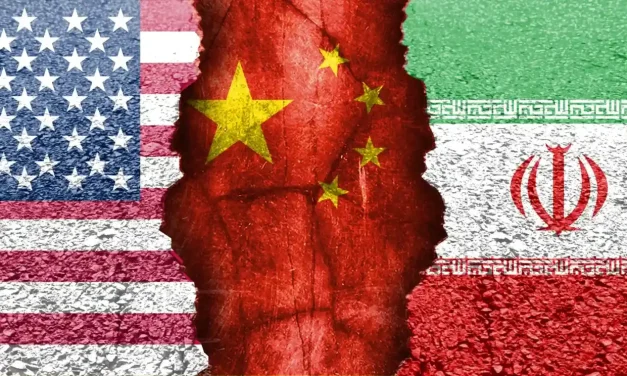
Strategic Council Online-- Opinion: The fact of the matter is that the United States has a long presence in Afghanistan and the reason for such occupancy is not Afghanistan or Afghans per se but it is related to China, Russia, Iran and other US rivals in the region. It should be noted that Afghanistan enjoys a strategic status in the US foreign policy to contain China; therefore, if we differentiate between these two points, then the issue of the presence of the US in Afghanistan becomes clarified to a great extent. Pirmohammad Mollazehi-Expert of Asia affairs

A Pentagon official recently was quoted as saying that the US government has intelligent and thoughtful plans for the possible withdrawal of all its troopers from Afghanistan until May 2021. The United States has in fact begun pulling some of its troops from Afghanistan after signing a peace agreement with the Taliban in Doha on 29 February 2020.

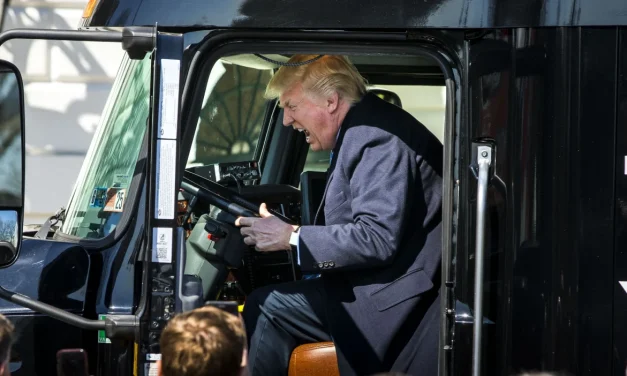
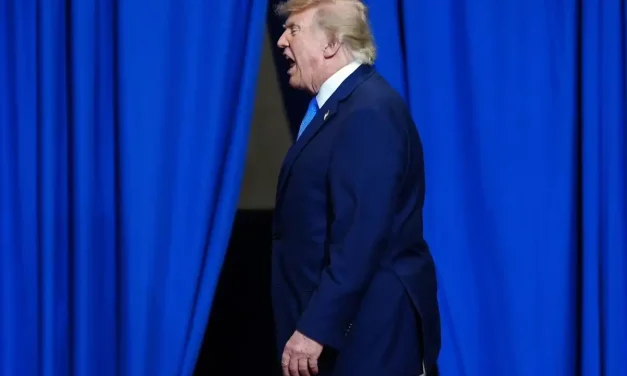
There are many ifs and buts concerning the announcement of Washington to withdraw its forces from Afghanistan. In fact, contrary to the expectations, Americans will not fully withdraw from Afghanistan. In other words, as Donald Trump vowed during his election campaigns in 2016 to withdraw American forces from Afghanistan and Iraq and return them home, the American presidents is seeking to demonstrate to the public opinion that he has fulfilled his promise of withdrawal. And therefore, the issue of the withdrawal of American forces from Afghanistan is more of a public relations campaign and propaganda rather than reality. However, the main issue is that if Americans withdraw their forces from Afghanistan now, this does not mean that “all” American forces will pull out. In fact, the experience of Iraq is being repeated. In Iraq, we witnessed that the United States withdrew all its forces but only to return them later back to Iraq under the excuse of the “fight against terrorism”. And now we see Americans have even set up permanent military bases in Iraq. We are highly likely to see a similar scenario for Afghanistan; to put it differently, when the upcoming US presidential elections are over, there will be no reason for Trump, whether he wins or loses the elections, to fully evacuate from Afghanistan. In addition, the United States, after the upcoming election, can resort to the same old excuse of “the presence of terrorist groups such as Daesh in Afghanistan” to justify the continued presence of American forces there to operate against the terrorists. Therefore, we should differentiate between Trump’s PR campaign and propaganda purposes and what is going to happen in reality on the ground in Afghanistan. The fact of the matter is that the United States has long presence in Afghanistan and the reason for such occupancy is not Afghanistan or Afghans per se but it is related to China, Russia, Iran and other US rivals in the region. It should be noted that Afghanistan enjoys a strategic status in the US foreign policy to contain China; therefore, if we differentiate between these two points, then the issue of the presence of the US in Afghanistan becomes clarified to a great extent.

The reaction of the Taliban to the probable withdrawal of US forces from Afghanistan, which is part of the agreement between the two parties, is also a matter for deliberation and discussion. It seems that in any case, the Taliban would welcome the withdrawal of American forces from Afghanistan; however, the main questions is whether the United States is going to leave to the Army of Afghanistan its military bases in places such as Bagram or Shoorab—both having been fully equipped with the latest weapons, telecommunications, logistics and surveillance—or Americans are going to pull out its sophisticated weapons and aircraft from Afghanistan? It appears that the Taliban have accepted during negotiations and as per the Doha agreement the partial presence of American forces in Afghanistan but both sides are presently in dire need of propaganda and PR show concerning the achievements of this deal. The Taliban needs to demonstrate that they expelled Americans from Afghanistan and the US president is in need of political leverage against his rival candidate on the verge of the upcoming US elections; therefore, if the issue of the pullout of American forces remains at the PR and propaganda level, both the Taliban and the US would enjoy and benefit from it. On the basis of such considerations, the scenario of the full pull out of US forces from Afghanistan is highly unlikely and therefore should not be believed.

NATO’s reaction to this decision of Washington is also worth mentioning. The NATO has said both American and NATO forces went to Afghanistan together and they will also withdraw together. In fact, the military section of Europe and the United States act in coordination and the US Army is in agreement with Europe. Therefore, everyone knows that this decision by Trump to withdraw American forces from Afghanistan is not going to happen in practice. Also, the difference between NATO and the US is not that much wide to create serious problems for each party. The reality is Europe is in need of the American military presence in the region and Europe as Europeans are still worried about Vladimir Putin’s rising power in Russia as he has ambitions to reconstruct power at the level of the former Soviet Union and former Soviet states are much worried about this issue. Therefore, what has caused differences between Trump and European countries is the pressure the United States is exerting on Europeans to pay for American military bases in those European countries. Washington is pursuing a similar approach in Saudi Arabia, Japan and South Korea and has even threatened Germany to withdraw American forces unless Berlin spends more money for American troops there. In this respect, we saw that the US pulled out many American forces from Germany and sent them to a military base in Belgium.

Such behaviour by Trump has created some doubts among the European leaders. However, and ultimately, if Trump is elected for the second time in office as president of the United States, then Europeans will have to get along with him and pay more costs to maintain the presence of American forces.

0 Comments

Submit a Comment

Your email address will not be published. Required fields are marked *

LATEST CONTENT

Consequences of Declining Trust in the Judiciary in Europe

SCFRonline – Opinion: The increase in public distrust of the French judicial system, which in recent surveys has reached approximately two-thirds of citizens, should be analyzed within a framework broader than temporary dissatisfaction or an emotional reaction to a particular criminal case.

Iran’s Potential Levers of Power

SCFRonline– Opinion: Iran’s geopolitical power is not limited solely to oil and the Strait of Hormuz; the unintended emergence of disruptions in the future global food and energy security chains can also demonstrate Iran’s strategic importance.

The Inseparability of the Lebanese Front from the Axis of Resistance

SCFR Online–Opinion: By providing an extensive network of social, healthcare, educational, and post-war reconstruction services, Hezbollah has established a strong social base for itself among Lebanon’s Shiites and Sunnis, and even beyond that, among other segments of Lebanese society, including Christians. Hezbollah has never been an external actor imposed upon Lebanon; rather, it is a phenomenon fundamentally born out of the occupation and crimes of the Zionist regime and itself influenced by popular resistance.

The Increasing Efforts of the Zionist Regime to Redefine Borders and the Regional Order and Its Consequences

SCFR Online– Opinion: Security and military developments in the region over recent months indicate that the ongoing crises and wars in Gaza, southern Lebanon, and parts of Syrian territory encompass broader dimensions of geopolitical and geostrategic transformations. In this context, the increased military presence and control of the Zionist regime over parts of the territories of these areas, along with proposals regarding the creation of buffer zones or even the expansion of security borders, have raised serious questions about the future of the regional order and its consequences for the countries of West Asia.

Loading

Últimas publicaciones

Consequences of Declining Trust in the Judiciary in Europe

SCFRonline – Opinion: The increase in public distrust of the French judicial system, which in recent surveys has reached approximately two-thirds of citizens, should be analyzed within a framework broader than temporary dissatisfaction or an emotional reaction to a particular criminal case.

Iran’s Potential Levers of Power

SCFRonline– Opinion: Iran’s geopolitical power is not limited solely to oil and the Strait of Hormuz; the unintended emergence of disruptions in the future global food and energy security chains can also demonstrate Iran’s strategic importance.

The Inseparability of the Lebanese Front from the Axis of Resistance

SCFR Online–Opinion: By providing an extensive network of social, healthcare, educational, and post-war reconstruction services, Hezbollah has established a strong social base for itself among Lebanon’s Shiites and Sunnis, and even beyond that, among other segments of Lebanese society, including Christians. Hezbollah has never been an external actor imposed upon Lebanon; rather, it is a phenomenon fundamentally born out of the occupation and crimes of the Zionist regime and itself influenced by popular resistance.

The Increasing Efforts of the Zionist Regime to Redefine Borders and the Regional Order and Its Consequences

SCFR Online– Opinion: Security and military developments in the region over recent months indicate that the ongoing crises and wars in Gaza, southern Lebanon, and parts of Syrian territory encompass broader dimensions of geopolitical and geostrategic transformations. In this context, the increased military presence and control of the Zionist regime over parts of the territories of these areas, along with proposals regarding the creation of buffer zones or even the expansion of security borders, have raised serious questions about the future of the regional order and its consequences for the countries of West Asia.

Loading

DERNIER CONTENU

Consequences of Declining Trust in the Judiciary in Europe

SCFRonline – Opinion: The increase in public distrust of the French judicial system, which in recent surveys has reached approximately two-thirds of citizens, should be analyzed within a framework broader than temporary dissatisfaction or an emotional reaction to a particular criminal case.

Iran’s Potential Levers of Power

SCFRonline– Opinion: Iran’s geopolitical power is not limited solely to oil and the Strait of Hormuz; the unintended emergence of disruptions in the future global food and energy security chains can also demonstrate Iran’s strategic importance.

The Inseparability of the Lebanese Front from the Axis of Resistance

SCFR Online–Opinion: By providing an extensive network of social, healthcare, educational, and post-war reconstruction services, Hezbollah has established a strong social base for itself among Lebanon’s Shiites and Sunnis, and even beyond that, among other segments of Lebanese society, including Christians. Hezbollah has never been an external actor imposed upon Lebanon; rather, it is a phenomenon fundamentally born out of the occupation and crimes of the Zionist regime and itself influenced by popular resistance.

The Increasing Efforts of the Zionist Regime to Redefine Borders and the Regional Order and Its Consequences

SCFR Online– Opinion: Security and military developments in the region over recent months indicate that the ongoing crises and wars in Gaza, southern Lebanon, and parts of Syrian territory encompass broader dimensions of geopolitical and geostrategic transformations. In this context, the increased military presence and control of the Zionist regime over parts of the territories of these areas, along with proposals regarding the creation of buffer zones or even the expansion of security borders, have raised serious questions about the future of the regional order and its consequences for the countries of West Asia.

Loading

DERNIER CONTENU

Consequences of Declining Trust in the Judiciary in Europe

SCFRonline – Opinion: The increase in public distrust of the French judicial system, which in recent surveys has reached approximately two-thirds of citizens, should be analyzed within a framework broader than temporary dissatisfaction or an emotional reaction to a particular criminal case.

Iran’s Potential Levers of Power

SCFRonline– Opinion: Iran’s geopolitical power is not limited solely to oil and the Strait of Hormuz; the unintended emergence of disruptions in the future global food and energy security chains can also demonstrate Iran’s strategic importance.

The Inseparability of the Lebanese Front from the Axis of Resistance

SCFR Online–Opinion: By providing an extensive network of social, healthcare, educational, and post-war reconstruction services, Hezbollah has established a strong social base for itself among Lebanon’s Shiites and Sunnis, and even beyond that, among other segments of Lebanese society, including Christians. Hezbollah has never been an external actor imposed upon Lebanon; rather, it is a phenomenon fundamentally born out of the occupation and crimes of the Zionist regime and itself influenced by popular resistance.

The Increasing Efforts of the Zionist Regime to Redefine Borders and the Regional Order and Its Consequences

SCFR Online– Opinion: Security and military developments in the region over recent months indicate that the ongoing crises and wars in Gaza, southern Lebanon, and parts of Syrian territory encompass broader dimensions of geopolitical and geostrategic transformations. In this context, the increased military presence and control of the Zionist regime over parts of the territories of these areas, along with proposals regarding the creation of buffer zones or even the expansion of security borders, have raised serious questions about the future of the regional order and its consequences for the countries of West Asia.

Loading

DERNIER CONTENU

Consequences of Declining Trust in the Judiciary in Europe

SCFRonline – Opinion: The increase in public distrust of the French judicial system, which in recent surveys has reached approximately two-thirds of citizens, should be analyzed within a framework broader than temporary dissatisfaction or an emotional reaction to a particular criminal case.

Iran’s Potential Levers of Power

SCFRonline– Opinion: Iran’s geopolitical power is not limited solely to oil and the Strait of Hormuz; the unintended emergence of disruptions in the future global food and energy security chains can also demonstrate Iran’s strategic importance.

The Inseparability of the Lebanese Front from the Axis of Resistance

SCFR Online–Opinion: By providing an extensive network of social, healthcare, educational, and post-war reconstruction services, Hezbollah has established a strong social base for itself among Lebanon’s Shiites and Sunnis, and even beyond that, among other segments of Lebanese society, including Christians. Hezbollah has never been an external actor imposed upon Lebanon; rather, it is a phenomenon fundamentally born out of the occupation and crimes of the Zionist regime and itself influenced by popular resistance.

The Increasing Efforts of the Zionist Regime to Redefine Borders and the Regional Order and Its Consequences

SCFR Online– Opinion: Security and military developments in the region over recent months indicate that the ongoing crises and wars in Gaza, southern Lebanon, and parts of Syrian territory encompass broader dimensions of geopolitical and geostrategic transformations. In this context, the increased military presence and control of the Zionist regime over parts of the territories of these areas, along with proposals regarding the creation of buffer zones or even the expansion of security borders, have raised serious questions about the future of the regional order and its consequences for the countries of West Asia.

Loading