جدیدترین مطالب

Realities of the Tripartite Makkah Pact

SCFR Online – Interview: The signing of the Makkah agreement between Saudi Arabia, Pakistan, and Turkey has raised questions about the future of the region’s security structure and the position of these countries in West Asian equations. Can this agreement become a genuine collective defense mechanism, or does it have more of a political and deterrent function than creating new military capacity?

Strategic Implications of the Reduction of US Weapons Stockpiles

SCFR Online – Opinion: The continuation of the US war against Iran, in addition to increasing operational costs, has called into question the actual capacity of the American arsenal to simultaneously fulfill security commitments on multiple fronts; an issue that affects deterrence, defense production capacity, and Washington’s resource prioritization.

The Formation of a New Order in Relations Between Powers

SCFR Online – Opinion: The Russia-Ukraine war and the war of the United States and the Israeli regime against Iran have been formed with different objectives and actors, but field and political developments indicate that they are not entirely separate from one another.

An Analysis of the Makkah Defense Pact

SCFR Online – Opinion: On Friday, August 7, the heads of state of three countries – Saudi Arabia, Turkey, and Pakistan – signed a text under the title “Makkah Joint Defense Agreement.”

Dimensions and challenges of the initiative to revive the Hejaz Railway

Strategic Council Online – Note: The initiative to revive the Hejaz Railway, beyond being a transportation project, constitutes an attempt to redefine geopolitics, the economy, and Turkey’s regional position; however, its realization appears to face significant financial, security, and institutional challenges.

Loading

Syria

Consequences of Inviting Al-Sharaa to the Arab Summit in Iraq

Consequences of Inviting Al-Sharaa to the Arab Summit in Iraq

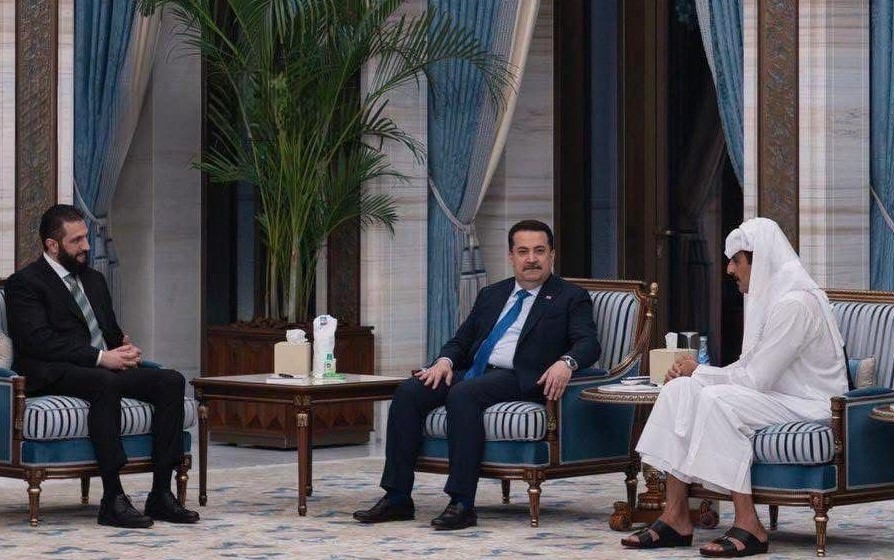
Strategic Council Online – Opinion: The invitation to Ahmed Al-Sharaa, head of Syria’s interim government, to attend the Arab Summit in Baghdad sends a message from the Iraqi government to the Arab world that Baghdad seeks to play a central role in rebuilding Arab relations and reducing regional tensions. However, the path ahead for Baghdad does not appear straightforward. The invitation to Syria’s interim President, facilitated by the mediation of Sheikh Tamim bin Hamad Al Thani, the Emir of Qatar, and Iraqi Prime Minister Sudani’s initial meeting with Al-Sharaa in Doha in February 2025, demonstrates Iraq’s determination to mediate regional conflicts.

Reducing US Military Presence in Syria: Motivations and Strategic Consequences

Reducing US Military Presence in Syria: Motivations and Strategic Consequences

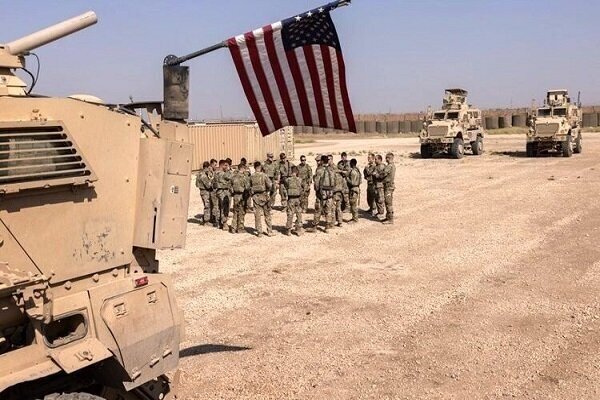
Strategic Council Online – Opinion: On April 18, 2025, the US Department of Defense (Pentagon) announced a review of the deployment of its military forces in Syria codenamed “Operation Inherent Resolve”. This plan, designed in line with Donald Trump’s policies to reduce US military presence in the Middle East, will reduce the number of US troops from 10,000 to 1,000 within two months. Although this measure was announced under the pretext of success in weakening ISIS, it is part of a broader US strategy to redefine its mission in the region. However, numerous political and security complexities accompany this decision, the consequences of which will be significant for Syria, the entire region, and even the international system.

West’s Selective and Self-serving Approach to the Killing of Alawites in Syria

West’s Selective and Self-serving Approach to the Killing of Alawites in Syria

Strategic Council Online – Interview: A researcher of West Asian issues said about the approach of Europe and the West to the killing of Alawites in Syria by armed forces affiliated with Golani: The interests of the Europeans and basically the security approach of the West determine the behavior and actions of the Europeans towards the developments in Syria.

Dimensions and Scope of the Conflict between Ankara and Syrian Kurds

Dimensions and Scope of the Conflict between Ankara and Syrian Kurds

Strategic Council Online – Guest Opinion: The increase in civilian casualties and ordinary citizens in the northern and eastern regions of Syria, following the continuation and intensification of air and artillery attacks by the Turkish army and its affiliated militias, namely the Syrian National Army (SNA), has led to growing concerns about the future course of developments in Syria.

Goals of Turkey’s Military Actions in Northern Syria

Goals of Turkey’s Military Actions in Northern Syria

Strategic Council Online—Interview: An expert on Turkish affairs said: Recently, Turkish forces entered the northwest of the country to establish a military base in the Syrian province of Latakia and installed the Turkish flag in various areas. It is said that Turkish troops entered some villages in northern Latakia with engineering and surveying equipment. After surveying the Al-Kamiliya Heights, they installed the Turkish flag in various areas of villages and schools in northwestern Syria. Rami Abdul Rahman, director of the Syrian Observatory for Human Rights, warned about this move to annex these areas to Turkish territory. Without a doubt, this process will have serious consequences for Turkey.

Lebanon’s Future After Joseph Aoun’s Election

Lebanon’s Future After Joseph Aoun’s Election

Strategic Council Online—Interview: An expert on regional issues said, “The future of Lebanon depends on the cooperation of the various clans and influential countries in Lebanon.”

Analysis of the Recent Riyadh Meeting on Syria

Analysis of the Recent Riyadh Meeting on Syria

Strategic Council Online—Opinion: Syria will continue to be a field of competition for Arab countries, especially Saudi Arabia and the UAE, against Qatar, and Syria will be of great importance in the formulation of the political and security equations of each of these countries.

أحدث الوظائف

Realities of the Tripartite Makkah Pact

SCFR Online – Interview: The signing of the Makkah agreement between Saudi Arabia, Pakistan, and Turkey has raised questions about the future of the region’s security structure and the position of these countries in West Asian equations. Can this agreement become a genuine collective defense mechanism, or does it have more of a political and deterrent function than creating new military capacity?

Strategic Implications of the Reduction of US Weapons Stockpiles

SCFR Online – Opinion: The continuation of the US war against Iran, in addition to increasing operational costs, has called into question the actual capacity of the American arsenal to simultaneously fulfill security commitments on multiple fronts; an issue that affects deterrence, defense production capacity, and Washington’s resource prioritization.

The Formation of a New Order in Relations Between Powers

SCFR Online – Opinion: The Russia-Ukraine war and the war of the United States and the Israeli regime against Iran have been formed with different objectives and actors, but field and political developments indicate that they are not entirely separate from one another.

An Analysis of the Makkah Defense Pact

SCFR Online – Opinion: On Friday, August 7, the heads of state of three countries – Saudi Arabia, Turkey, and Pakistan – signed a text under the title “Makkah Joint Defense Agreement.”

Dimensions and challenges of the initiative to revive the Hejaz Railway

Strategic Council Online – Note: The initiative to revive the Hejaz Railway, beyond being a transportation project, constitutes an attempt to redefine geopolitics, the economy, and Turkey’s regional position; however, its realization appears to face significant financial, security, and institutional challenges.

Loading

Syria

Consequences of Inviting Al-Sharaa to the Arab Summit in Iraq

Consequences of Inviting Al-Sharaa to the Arab Summit in Iraq

Strategic Council Online – Opinion: The invitation to Ahmed Al-Sharaa, head of Syria’s interim government, to attend the Arab Summit in Baghdad sends a message from the Iraqi government to the Arab world that Baghdad seeks to play a central role in rebuilding Arab relations and reducing regional tensions. However, the path ahead for Baghdad does not appear straightforward. The invitation to Syria’s interim President, facilitated by the mediation of Sheikh Tamim bin Hamad Al Thani, the Emir of Qatar, and Iraqi Prime Minister Sudani’s initial meeting with Al-Sharaa in Doha in February 2025, demonstrates Iraq’s determination to mediate regional conflicts.

Reducing US Military Presence in Syria: Motivations and Strategic Consequences

Reducing US Military Presence in Syria: Motivations and Strategic Consequences

Strategic Council Online – Opinion: On April 18, 2025, the US Department of Defense (Pentagon) announced a review of the deployment of its military forces in Syria codenamed “Operation Inherent Resolve”. This plan, designed in line with Donald Trump’s policies to reduce US military presence in the Middle East, will reduce the number of US troops from 10,000 to 1,000 within two months. Although this measure was announced under the pretext of success in weakening ISIS, it is part of a broader US strategy to redefine its mission in the region. However, numerous political and security complexities accompany this decision, the consequences of which will be significant for Syria, the entire region, and even the international system.

West’s Selective and Self-serving Approach to the Killing of Alawites in Syria

West’s Selective and Self-serving Approach to the Killing of Alawites in Syria

Strategic Council Online – Interview: A researcher of West Asian issues said about the approach of Europe and the West to the killing of Alawites in Syria by armed forces affiliated with Golani: The interests of the Europeans and basically the security approach of the West determine the behavior and actions of the Europeans towards the developments in Syria.

Dimensions and Scope of the Conflict between Ankara and Syrian Kurds

Dimensions and Scope of the Conflict between Ankara and Syrian Kurds

Strategic Council Online – Guest Opinion: The increase in civilian casualties and ordinary citizens in the northern and eastern regions of Syria, following the continuation and intensification of air and artillery attacks by the Turkish army and its affiliated militias, namely the Syrian National Army (SNA), has led to growing concerns about the future course of developments in Syria.

Goals of Turkey’s Military Actions in Northern Syria

Goals of Turkey’s Military Actions in Northern Syria

Strategic Council Online—Interview: An expert on Turkish affairs said: Recently, Turkish forces entered the northwest of the country to establish a military base in the Syrian province of Latakia and installed the Turkish flag in various areas. It is said that Turkish troops entered some villages in northern Latakia with engineering and surveying equipment. After surveying the Al-Kamiliya Heights, they installed the Turkish flag in various areas of villages and schools in northwestern Syria. Rami Abdul Rahman, director of the Syrian Observatory for Human Rights, warned about this move to annex these areas to Turkish territory. Without a doubt, this process will have serious consequences for Turkey.

Lebanon’s Future After Joseph Aoun’s Election

Lebanon’s Future After Joseph Aoun’s Election

Strategic Council Online—Interview: An expert on regional issues said, “The future of Lebanon depends on the cooperation of the various clans and influential countries in Lebanon.”

Analysis of the Recent Riyadh Meeting on Syria

Analysis of the Recent Riyadh Meeting on Syria

Strategic Council Online—Opinion: Syria will continue to be a field of competition for Arab countries, especially Saudi Arabia and the UAE, against Qatar, and Syria will be of great importance in the formulation of the political and security equations of each of these countries.

Syria

Consequences of Inviting Al-Sharaa to the Arab Summit in Iraq

Consequences of Inviting Al-Sharaa to the Arab Summit in Iraq

Strategic Council Online – Opinion: The invitation to Ahmed Al-Sharaa, head of Syria’s interim government, to attend the Arab Summit in Baghdad sends a message from the Iraqi government to the Arab world that Baghdad seeks to play a central role in rebuilding Arab relations and reducing regional tensions. However, the path ahead for Baghdad does not appear straightforward. The invitation to Syria’s interim President, facilitated by the mediation of Sheikh Tamim bin Hamad Al Thani, the Emir of Qatar, and Iraqi Prime Minister Sudani’s initial meeting with Al-Sharaa in Doha in February 2025, demonstrates Iraq’s determination to mediate regional conflicts.

Reducing US Military Presence in Syria: Motivations and Strategic Consequences

Reducing US Military Presence in Syria: Motivations and Strategic Consequences

Strategic Council Online – Opinion: On April 18, 2025, the US Department of Defense (Pentagon) announced a review of the deployment of its military forces in Syria codenamed “Operation Inherent Resolve”. This plan, designed in line with Donald Trump’s policies to reduce US military presence in the Middle East, will reduce the number of US troops from 10,000 to 1,000 within two months. Although this measure was announced under the pretext of success in weakening ISIS, it is part of a broader US strategy to redefine its mission in the region. However, numerous political and security complexities accompany this decision, the consequences of which will be significant for Syria, the entire region, and even the international system.

West’s Selective and Self-serving Approach to the Killing of Alawites in Syria

West’s Selective and Self-serving Approach to the Killing of Alawites in Syria

Strategic Council Online – Interview: A researcher of West Asian issues said about the approach of Europe and the West to the killing of Alawites in Syria by armed forces affiliated with Golani: The interests of the Europeans and basically the security approach of the West determine the behavior and actions of the Europeans towards the developments in Syria.

Dimensions and Scope of the Conflict between Ankara and Syrian Kurds

Dimensions and Scope of the Conflict between Ankara and Syrian Kurds

Strategic Council Online – Guest Opinion: The increase in civilian casualties and ordinary citizens in the northern and eastern regions of Syria, following the continuation and intensification of air and artillery attacks by the Turkish army and its affiliated militias, namely the Syrian National Army (SNA), has led to growing concerns about the future course of developments in Syria.

Goals of Turkey’s Military Actions in Northern Syria

Goals of Turkey’s Military Actions in Northern Syria

Strategic Council Online—Interview: An expert on Turkish affairs said: Recently, Turkish forces entered the northwest of the country to establish a military base in the Syrian province of Latakia and installed the Turkish flag in various areas. It is said that Turkish troops entered some villages in northern Latakia with engineering and surveying equipment. After surveying the Al-Kamiliya Heights, they installed the Turkish flag in various areas of villages and schools in northwestern Syria. Rami Abdul Rahman, director of the Syrian Observatory for Human Rights, warned about this move to annex these areas to Turkish territory. Without a doubt, this process will have serious consequences for Turkey.

Lebanon’s Future After Joseph Aoun’s Election

Lebanon’s Future After Joseph Aoun’s Election

Strategic Council Online—Interview: An expert on regional issues said, “The future of Lebanon depends on the cooperation of the various clans and influential countries in Lebanon.”

Analysis of the Recent Riyadh Meeting on Syria

Analysis of the Recent Riyadh Meeting on Syria

Strategic Council Online—Opinion: Syria will continue to be a field of competition for Arab countries, especially Saudi Arabia and the UAE, against Qatar, and Syria will be of great importance in the formulation of the political and security equations of each of these countries.

LATEST CONTENT

Realities of the Tripartite Makkah Pact

SCFR Online – Interview: The signing of the Makkah agreement between Saudi Arabia, Pakistan, and Turkey has raised questions about the future of the region’s security structure and the position of these countries in West Asian equations. Can this agreement become a genuine collective defense mechanism, or does it have more of a political and deterrent function than creating new military capacity?

Strategic Implications of the Reduction of US Weapons Stockpiles

SCFR Online – Opinion: The continuation of the US war against Iran, in addition to increasing operational costs, has called into question the actual capacity of the American arsenal to simultaneously fulfill security commitments on multiple fronts; an issue that affects deterrence, defense production capacity, and Washington’s resource prioritization.

The Formation of a New Order in Relations Between Powers

SCFR Online – Opinion: The Russia-Ukraine war and the war of the United States and the Israeli regime against Iran have been formed with different objectives and actors, but field and political developments indicate that they are not entirely separate from one another.

An Analysis of the Makkah Defense Pact

SCFR Online – Opinion: On Friday, August 7, the heads of state of three countries – Saudi Arabia, Turkey, and Pakistan – signed a text under the title “Makkah Joint Defense Agreement.”

Dimensions and challenges of the initiative to revive the Hejaz Railway

Strategic Council Online – Note: The initiative to revive the Hejaz Railway, beyond being a transportation project, constitutes an attempt to redefine geopolitics, the economy, and Turkey’s regional position; however, its realization appears to face significant financial, security, and institutional challenges.

Loading

Syria

Consequences of Inviting Al-Sharaa to the Arab Summit in Iraq

Consequences of Inviting Al-Sharaa to the Arab Summit in Iraq

Strategic Council Online – Opinion: The invitation to Ahmed Al-Sharaa, head of Syria’s interim government, to attend the Arab Summit in Baghdad sends a message from the Iraqi government to the Arab world that Baghdad seeks to play a central role in rebuilding Arab relations and reducing regional tensions. However, the path ahead for Baghdad does not appear straightforward. The invitation to Syria’s interim President, facilitated by the mediation of Sheikh Tamim bin Hamad Al Thani, the Emir of Qatar, and Iraqi Prime Minister Sudani’s initial meeting with Al-Sharaa in Doha in February 2025, demonstrates Iraq’s determination to mediate regional conflicts.

Reducing US Military Presence in Syria: Motivations and Strategic Consequences

Reducing US Military Presence in Syria: Motivations and Strategic Consequences

Strategic Council Online – Opinion: On April 18, 2025, the US Department of Defense (Pentagon) announced a review of the deployment of its military forces in Syria codenamed “Operation Inherent Resolve”. This plan, designed in line with Donald Trump’s policies to reduce US military presence in the Middle East, will reduce the number of US troops from 10,000 to 1,000 within two months. Although this measure was announced under the pretext of success in weakening ISIS, it is part of a broader US strategy to redefine its mission in the region. However, numerous political and security complexities accompany this decision, the consequences of which will be significant for Syria, the entire region, and even the international system.

West’s Selective and Self-serving Approach to the Killing of Alawites in Syria

West’s Selective and Self-serving Approach to the Killing of Alawites in Syria

Strategic Council Online – Interview: A researcher of West Asian issues said about the approach of Europe and the West to the killing of Alawites in Syria by armed forces affiliated with Golani: The interests of the Europeans and basically the security approach of the West determine the behavior and actions of the Europeans towards the developments in Syria.

Dimensions and Scope of the Conflict between Ankara and Syrian Kurds

Dimensions and Scope of the Conflict between Ankara and Syrian Kurds

Strategic Council Online – Guest Opinion: The increase in civilian casualties and ordinary citizens in the northern and eastern regions of Syria, following the continuation and intensification of air and artillery attacks by the Turkish army and its affiliated militias, namely the Syrian National Army (SNA), has led to growing concerns about the future course of developments in Syria.

Goals of Turkey’s Military Actions in Northern Syria

Goals of Turkey’s Military Actions in Northern Syria

Strategic Council Online—Interview: An expert on Turkish affairs said: Recently, Turkish forces entered the northwest of the country to establish a military base in the Syrian province of Latakia and installed the Turkish flag in various areas. It is said that Turkish troops entered some villages in northern Latakia with engineering and surveying equipment. After surveying the Al-Kamiliya Heights, they installed the Turkish flag in various areas of villages and schools in northwestern Syria. Rami Abdul Rahman, director of the Syrian Observatory for Human Rights, warned about this move to annex these areas to Turkish territory. Without a doubt, this process will have serious consequences for Turkey.

Lebanon’s Future After Joseph Aoun’s Election

Lebanon’s Future After Joseph Aoun’s Election

Strategic Council Online—Interview: An expert on regional issues said, “The future of Lebanon depends on the cooperation of the various clans and influential countries in Lebanon.”

Analysis of the Recent Riyadh Meeting on Syria

Analysis of the Recent Riyadh Meeting on Syria

Strategic Council Online—Opinion: Syria will continue to be a field of competition for Arab countries, especially Saudi Arabia and the UAE, against Qatar, and Syria will be of great importance in the formulation of the political and security equations of each of these countries.

ÚLTIMAS PUBLICACIONES

Realities of the Tripartite Makkah Pact

SCFR Online – Interview: The signing of the Makkah agreement between Saudi Arabia, Pakistan, and Turkey has raised questions about the future of the region’s security structure and the position of these countries in West Asian equations. Can this agreement become a genuine collective defense mechanism, or does it have more of a political and deterrent function than creating new military capacity?

Strategic Implications of the Reduction of US Weapons Stockpiles

SCFR Online – Opinion: The continuation of the US war against Iran, in addition to increasing operational costs, has called into question the actual capacity of the American arsenal to simultaneously fulfill security commitments on multiple fronts; an issue that affects deterrence, defense production capacity, and Washington’s resource prioritization.

The Formation of a New Order in Relations Between Powers

SCFR Online – Opinion: The Russia-Ukraine war and the war of the United States and the Israeli regime against Iran have been formed with different objectives and actors, but field and political developments indicate that they are not entirely separate from one another.

An Analysis of the Makkah Defense Pact

SCFR Online – Opinion: On Friday, August 7, the heads of state of three countries – Saudi Arabia, Turkey, and Pakistan – signed a text under the title “Makkah Joint Defense Agreement.”

Dimensions and challenges of the initiative to revive the Hejaz Railway

Strategic Council Online – Note: The initiative to revive the Hejaz Railway, beyond being a transportation project, constitutes an attempt to redefine geopolitics, the economy, and Turkey’s regional position; however, its realization appears to face significant financial, security, and institutional challenges.

Loading

Syria

Consequences of Inviting Al-Sharaa to the Arab Summit in Iraq

Consequences of Inviting Al-Sharaa to the Arab Summit in Iraq

Strategic Council Online – Opinion: The invitation to Ahmed Al-Sharaa, head of Syria’s interim government, to attend the Arab Summit in Baghdad sends a message from the Iraqi government to the Arab world that Baghdad seeks to play a central role in rebuilding Arab relations and reducing regional tensions. However, the path ahead for Baghdad does not appear straightforward. The invitation to Syria’s interim President, facilitated by the mediation of Sheikh Tamim bin Hamad Al Thani, the Emir of Qatar, and Iraqi Prime Minister Sudani’s initial meeting with Al-Sharaa in Doha in February 2025, demonstrates Iraq’s determination to mediate regional conflicts.

Reducing US Military Presence in Syria: Motivations and Strategic Consequences

Reducing US Military Presence in Syria: Motivations and Strategic Consequences

Strategic Council Online – Opinion: On April 18, 2025, the US Department of Defense (Pentagon) announced a review of the deployment of its military forces in Syria codenamed “Operation Inherent Resolve”. This plan, designed in line with Donald Trump’s policies to reduce US military presence in the Middle East, will reduce the number of US troops from 10,000 to 1,000 within two months. Although this measure was announced under the pretext of success in weakening ISIS, it is part of a broader US strategy to redefine its mission in the region. However, numerous political and security complexities accompany this decision, the consequences of which will be significant for Syria, the entire region, and even the international system.

West’s Selective and Self-serving Approach to the Killing of Alawites in Syria

West’s Selective and Self-serving Approach to the Killing of Alawites in Syria

Strategic Council Online – Interview: A researcher of West Asian issues said about the approach of Europe and the West to the killing of Alawites in Syria by armed forces affiliated with Golani: The interests of the Europeans and basically the security approach of the West determine the behavior and actions of the Europeans towards the developments in Syria.

Dimensions and Scope of the Conflict between Ankara and Syrian Kurds

Dimensions and Scope of the Conflict between Ankara and Syrian Kurds

Strategic Council Online – Guest Opinion: The increase in civilian casualties and ordinary citizens in the northern and eastern regions of Syria, following the continuation and intensification of air and artillery attacks by the Turkish army and its affiliated militias, namely the Syrian National Army (SNA), has led to growing concerns about the future course of developments in Syria.

Goals of Turkey’s Military Actions in Northern Syria

Goals of Turkey’s Military Actions in Northern Syria

Strategic Council Online—Interview: An expert on Turkish affairs said: Recently, Turkish forces entered the northwest of the country to establish a military base in the Syrian province of Latakia and installed the Turkish flag in various areas. It is said that Turkish troops entered some villages in northern Latakia with engineering and surveying equipment. After surveying the Al-Kamiliya Heights, they installed the Turkish flag in various areas of villages and schools in northwestern Syria. Rami Abdul Rahman, director of the Syrian Observatory for Human Rights, warned about this move to annex these areas to Turkish territory. Without a doubt, this process will have serious consequences for Turkey.

Lebanon’s Future After Joseph Aoun’s Election

Lebanon’s Future After Joseph Aoun’s Election

Strategic Council Online—Interview: An expert on regional issues said, “The future of Lebanon depends on the cooperation of the various clans and influential countries in Lebanon.”

Analysis of the Recent Riyadh Meeting on Syria

Analysis of the Recent Riyadh Meeting on Syria

Strategic Council Online—Opinion: Syria will continue to be a field of competition for Arab countries, especially Saudi Arabia and the UAE, against Qatar, and Syria will be of great importance in the formulation of the political and security equations of each of these countries.

ÚLTIMAS PUBLICACIONES

Realities of the Tripartite Makkah Pact

SCFR Online – Interview: The signing of the Makkah agreement between Saudi Arabia, Pakistan, and Turkey has raised questions about the future of the region’s security structure and the position of these countries in West Asian equations. Can this agreement become a genuine collective defense mechanism, or does it have more of a political and deterrent function than creating new military capacity?

Strategic Implications of the Reduction of US Weapons Stockpiles

SCFR Online – Opinion: The continuation of the US war against Iran, in addition to increasing operational costs, has called into question the actual capacity of the American arsenal to simultaneously fulfill security commitments on multiple fronts; an issue that affects deterrence, defense production capacity, and Washington’s resource prioritization.

The Formation of a New Order in Relations Between Powers

SCFR Online – Opinion: The Russia-Ukraine war and the war of the United States and the Israeli regime against Iran have been formed with different objectives and actors, but field and political developments indicate that they are not entirely separate from one another.

An Analysis of the Makkah Defense Pact

SCFR Online – Opinion: On Friday, August 7, the heads of state of three countries – Saudi Arabia, Turkey, and Pakistan – signed a text under the title “Makkah Joint Defense Agreement.”

Dimensions and challenges of the initiative to revive the Hejaz Railway

Strategic Council Online – Note: The initiative to revive the Hejaz Railway, beyond being a transportation project, constitutes an attempt to redefine geopolitics, the economy, and Turkey’s regional position; however, its realization appears to face significant financial, security, and institutional challenges.

Loading

Syria

Consequences of Inviting Al-Sharaa to the Arab Summit in Iraq

Consequences of Inviting Al-Sharaa to the Arab Summit in Iraq

Strategic Council Online – Opinion: The invitation to Ahmed Al-Sharaa, head of Syria’s interim government, to attend the Arab Summit in Baghdad sends a message from the Iraqi government to the Arab world that Baghdad seeks to play a central role in rebuilding Arab relations and reducing regional tensions. However, the path ahead for Baghdad does not appear straightforward. The invitation to Syria’s interim President, facilitated by the mediation of Sheikh Tamim bin Hamad Al Thani, the Emir of Qatar, and Iraqi Prime Minister Sudani’s initial meeting with Al-Sharaa in Doha in February 2025, demonstrates Iraq’s determination to mediate regional conflicts.

Reducing US Military Presence in Syria: Motivations and Strategic Consequences

Reducing US Military Presence in Syria: Motivations and Strategic Consequences

Strategic Council Online – Opinion: On April 18, 2025, the US Department of Defense (Pentagon) announced a review of the deployment of its military forces in Syria codenamed “Operation Inherent Resolve”. This plan, designed in line with Donald Trump’s policies to reduce US military presence in the Middle East, will reduce the number of US troops from 10,000 to 1,000 within two months. Although this measure was announced under the pretext of success in weakening ISIS, it is part of a broader US strategy to redefine its mission in the region. However, numerous political and security complexities accompany this decision, the consequences of which will be significant for Syria, the entire region, and even the international system.

West’s Selective and Self-serving Approach to the Killing of Alawites in Syria

West’s Selective and Self-serving Approach to the Killing of Alawites in Syria

Strategic Council Online – Interview: A researcher of West Asian issues said about the approach of Europe and the West to the killing of Alawites in Syria by armed forces affiliated with Golani: The interests of the Europeans and basically the security approach of the West determine the behavior and actions of the Europeans towards the developments in Syria.

Dimensions and Scope of the Conflict between Ankara and Syrian Kurds

Dimensions and Scope of the Conflict between Ankara and Syrian Kurds

Strategic Council Online – Guest Opinion: The increase in civilian casualties and ordinary citizens in the northern and eastern regions of Syria, following the continuation and intensification of air and artillery attacks by the Turkish army and its affiliated militias, namely the Syrian National Army (SNA), has led to growing concerns about the future course of developments in Syria.

Goals of Turkey’s Military Actions in Northern Syria

Goals of Turkey’s Military Actions in Northern Syria

Strategic Council Online—Interview: An expert on Turkish affairs said: Recently, Turkish forces entered the northwest of the country to establish a military base in the Syrian province of Latakia and installed the Turkish flag in various areas. It is said that Turkish troops entered some villages in northern Latakia with engineering and surveying equipment. After surveying the Al-Kamiliya Heights, they installed the Turkish flag in various areas of villages and schools in northwestern Syria. Rami Abdul Rahman, director of the Syrian Observatory for Human Rights, warned about this move to annex these areas to Turkish territory. Without a doubt, this process will have serious consequences for Turkey.

Lebanon’s Future After Joseph Aoun’s Election

Lebanon’s Future After Joseph Aoun’s Election

Strategic Council Online—Interview: An expert on regional issues said, “The future of Lebanon depends on the cooperation of the various clans and influential countries in Lebanon.”

Analysis of the Recent Riyadh Meeting on Syria

Analysis of the Recent Riyadh Meeting on Syria

Strategic Council Online—Opinion: Syria will continue to be a field of competition for Arab countries, especially Saudi Arabia and the UAE, against Qatar, and Syria will be of great importance in the formulation of the political and security equations of each of these countries.

ÚLTIMAS PUBLICACIONES

Realities of the Tripartite Makkah Pact

SCFR Online – Interview: The signing of the Makkah agreement between Saudi Arabia, Pakistan, and Turkey has raised questions about the future of the region’s security structure and the position of these countries in West Asian equations. Can this agreement become a genuine collective defense mechanism, or does it have more of a political and deterrent function than creating new military capacity?

Strategic Implications of the Reduction of US Weapons Stockpiles

SCFR Online – Opinion: The continuation of the US war against Iran, in addition to increasing operational costs, has called into question the actual capacity of the American arsenal to simultaneously fulfill security commitments on multiple fronts; an issue that affects deterrence, defense production capacity, and Washington’s resource prioritization.

The Formation of a New Order in Relations Between Powers

SCFR Online – Opinion: The Russia-Ukraine war and the war of the United States and the Israeli regime against Iran have been formed with different objectives and actors, but field and political developments indicate that they are not entirely separate from one another.

An Analysis of the Makkah Defense Pact

SCFR Online – Opinion: On Friday, August 7, the heads of state of three countries – Saudi Arabia, Turkey, and Pakistan – signed a text under the title “Makkah Joint Defense Agreement.”

Dimensions and challenges of the initiative to revive the Hejaz Railway

Strategic Council Online – Note: The initiative to revive the Hejaz Railway, beyond being a transportation project, constitutes an attempt to redefine geopolitics, the economy, and Turkey’s regional position; however, its realization appears to face significant financial, security, and institutional challenges.

Loading

Syria

Consequences of Inviting Al-Sharaa to the Arab Summit in Iraq

Consequences of Inviting Al-Sharaa to the Arab Summit in Iraq

Strategic Council Online – Opinion: The invitation to Ahmed Al-Sharaa, head of Syria’s interim government, to attend the Arab Summit in Baghdad sends a message from the Iraqi government to the Arab world that Baghdad seeks to play a central role in rebuilding Arab relations and reducing regional tensions. However, the path ahead for Baghdad does not appear straightforward. The invitation to Syria’s interim President, facilitated by the mediation of Sheikh Tamim bin Hamad Al Thani, the Emir of Qatar, and Iraqi Prime Minister Sudani’s initial meeting with Al-Sharaa in Doha in February 2025, demonstrates Iraq’s determination to mediate regional conflicts.

Reducing US Military Presence in Syria: Motivations and Strategic Consequences

Reducing US Military Presence in Syria: Motivations and Strategic Consequences

Strategic Council Online – Opinion: On April 18, 2025, the US Department of Defense (Pentagon) announced a review of the deployment of its military forces in Syria codenamed “Operation Inherent Resolve”. This plan, designed in line with Donald Trump’s policies to reduce US military presence in the Middle East, will reduce the number of US troops from 10,000 to 1,000 within two months. Although this measure was announced under the pretext of success in weakening ISIS, it is part of a broader US strategy to redefine its mission in the region. However, numerous political and security complexities accompany this decision, the consequences of which will be significant for Syria, the entire region, and even the international system.

West’s Selective and Self-serving Approach to the Killing of Alawites in Syria

West’s Selective and Self-serving Approach to the Killing of Alawites in Syria

Strategic Council Online – Interview: A researcher of West Asian issues said about the approach of Europe and the West to the killing of Alawites in Syria by armed forces affiliated with Golani: The interests of the Europeans and basically the security approach of the West determine the behavior and actions of the Europeans towards the developments in Syria.

Dimensions and Scope of the Conflict between Ankara and Syrian Kurds

Dimensions and Scope of the Conflict between Ankara and Syrian Kurds

Strategic Council Online – Guest Opinion: The increase in civilian casualties and ordinary citizens in the northern and eastern regions of Syria, following the continuation and intensification of air and artillery attacks by the Turkish army and its affiliated militias, namely the Syrian National Army (SNA), has led to growing concerns about the future course of developments in Syria.

Goals of Turkey’s Military Actions in Northern Syria

Goals of Turkey’s Military Actions in Northern Syria

Strategic Council Online—Interview: An expert on Turkish affairs said: Recently, Turkish forces entered the northwest of the country to establish a military base in the Syrian province of Latakia and installed the Turkish flag in various areas. It is said that Turkish troops entered some villages in northern Latakia with engineering and surveying equipment. After surveying the Al-Kamiliya Heights, they installed the Turkish flag in various areas of villages and schools in northwestern Syria. Rami Abdul Rahman, director of the Syrian Observatory for Human Rights, warned about this move to annex these areas to Turkish territory. Without a doubt, this process will have serious consequences for Turkey.

Lebanon’s Future After Joseph Aoun’s Election

Lebanon’s Future After Joseph Aoun’s Election

Strategic Council Online—Interview: An expert on regional issues said, “The future of Lebanon depends on the cooperation of the various clans and influential countries in Lebanon.”

Analysis of the Recent Riyadh Meeting on Syria

Analysis of the Recent Riyadh Meeting on Syria

Strategic Council Online—Opinion: Syria will continue to be a field of competition for Arab countries, especially Saudi Arabia and the UAE, against Qatar, and Syria will be of great importance in the formulation of the political and security equations of each of these countries.

ÚLTIMAS PUBLICACIONES

Realities of the Tripartite Makkah Pact

SCFR Online – Interview: The signing of the Makkah agreement between Saudi Arabia, Pakistan, and Turkey has raised questions about the future of the region’s security structure and the position of these countries in West Asian equations. Can this agreement become a genuine collective defense mechanism, or does it have more of a political and deterrent function than creating new military capacity?

Strategic Implications of the Reduction of US Weapons Stockpiles

SCFR Online – Opinion: The continuation of the US war against Iran, in addition to increasing operational costs, has called into question the actual capacity of the American arsenal to simultaneously fulfill security commitments on multiple fronts; an issue that affects deterrence, defense production capacity, and Washington’s resource prioritization.

The Formation of a New Order in Relations Between Powers

SCFR Online – Opinion: The Russia-Ukraine war and the war of the United States and the Israeli regime against Iran have been formed with different objectives and actors, but field and political developments indicate that they are not entirely separate from one another.

An Analysis of the Makkah Defense Pact

SCFR Online – Opinion: On Friday, August 7, the heads of state of three countries – Saudi Arabia, Turkey, and Pakistan – signed a text under the title “Makkah Joint Defense Agreement.”

Dimensions and challenges of the initiative to revive the Hejaz Railway

Strategic Council Online – Note: The initiative to revive the Hejaz Railway, beyond being a transportation project, constitutes an attempt to redefine geopolitics, the economy, and Turkey’s regional position; however, its realization appears to face significant financial, security, and institutional challenges.

Loading